Industry Briefing
A single destination for timely, editor-curated robotics news from around the world.

Chinese Robots Dominate IFA 2026: Assessing European Market Readiness
In September 2026, Berlin witnessed a significant presence of Chinese robots at the IFA, with 932 companies from mainland China participating, contributing to nearly half of the 1,900 exhibitors. The event showcased a record number of humanoid robots, with performances that captivated audiences, including demonstrations of martial arts and interactive displays. However, a critical question arose regarding the European market's readiness to adopt these technologies. The interest in Chinese robots was evident, yet many European attendees expressed uncertainty about their practical applications in business. Feedback from a Paris-based electronics distributor highlighted a common sentiment: while the robots were intriguing, their utility in real-world scenarios remained unclear. This disconnect between the excitement of the demonstrations and the practical needs of the market raised concerns about the actual demand for such technologies in Europe. As the IFA concluded, the challenges for Chinese robotics companies became apparent. European distributors emphasized the importance of cost-effectiveness, system stability, and local support. The path forward for Chinese firms in Europe requires a deeper understanding of local market dynamics and a commitment to establishing robust partnerships with local distributors and integrators. No further timeline was disclosed at the time of publication.
Humanoid Robots Market Entry European Robotics Robotics Demonstrations AI Technology
Chinese Humanoid Robots Gain Traction in Japan's Automation Sector
During a recent event, 80-year-old Hiroyuki Nakamura watched as two humanoid robots from China performed a mechanical dance and presented a gift to him. This moment highlights the evolving industrial relationship between China and Japan. By the first half of 2026, Chinese manufacturers are expected to account for 97% of global humanoid robot shipments, totaling approximately 18,500 units, marking Japan as a key battleground for Chinese robotics firms. Japan's need for automation is driven by a labor shortage, transforming automation from an option to a necessity. McKinsey predicts a reduction of about 1.5 million in Japan's available workforce over the next 20 years. A survey in May 2026 revealed that 34% of 220 Japanese companies are considering the introduction of AI robots. The Japanese robotics industry is projected to reach an order value of 10.456 trillion yen in 2025, reflecting a 25.7% year-on-year increase, with a clear demand for solutions that address specific challenges. Chinese companies are gradually penetrating various sectors in Japan, from logistics to dining and manufacturing. In June 2026, UTree Technology signed an agreement with GMO Internet Group to introduce the G1 humanoid robot in Japan. However, entering the Japanese market requires time and a focus on building long-term relationships and after-sales support, as Japanese clients prioritize stability over speed. Observers suggest that for Chinese robotics firms, expanding into Japan should be viewed as a long-term strategic initiative rather than a short-term tactic.
Humanoid Robots Automation Japanese Market Robotics Industry
Chinese Automakers Embrace Humanoid Robots Following Tesla's Lead for Profit Potential
Chinese automakers are increasingly investing in humanoid robots, inspired by Tesla's advancements in the field. Xpeng's robotics unit recently raised over $900 million, achieving a valuation exceeding $6.3 billion, marking the largest single-round private financing in China's embodied AI sector. This surge in investment reflects a growing belief in the profitability of humanoid robots, with several companies, including Chery Automobile and BYD, also entering the market. The interest from Chinese automakers is significant as they leverage their manufacturing capabilities to develop humanoid robots. Xpeng, in particular, is closely following Tesla's initiatives, with CEO Michael Dunne noting their commitment to autonomy and humanoid robotics. The investment from Xpeng's founders, totaling around $100 million, underscores their confidence in the potential of robots like Iron, designed for commercial use. As the competition intensifies, the focus will be on whether these companies can match Tesla's AI advancements. Other players in the humanoid robot space, such as Agility Robotics and Apptronik, are also striving for large-scale commercial deployment. No further timeline was disclosed at the time of publication.
Robotics Transportation Tesla Xpeng
Chinese Robots Gain Global Market Traction with Significant Export Growth
Tianjin's robotics industry is demonstrating its potential in the global market, with exports reaching 1.08 billion yuan in the first half of 2026, a staggering 487.9% increase year-on-year. This surge reflects a shift from following to leading in the robotics sector, as evidenced by the success of Langyu Robotics, which has expanded its international sales significantly. The company has developed an unmanned heavy-duty transport vehicle capable of carrying 500 tons, showcasing advanced technology with a height of only 550 millimeters. Additionally, Tianjin's special application robots are making strides domestically, with Shiyun Technology launching 15 industrial-grade humanoid robots designed for high-risk environments, further solidifying the region's position in the robotics landscape. With over 200 robotics companies and a robust innovation plan, Tianjin aims to exceed 25 billion yuan in industry scale by 2025. The recent establishment of an intelligent robot application station in the subway highlights the integration of robotics into everyday life, marking a significant step towards becoming a leader in the global robotics value chain.
Robotics Industrial Automation Export Growth Humanoid Robots Heavy-Duty Transport
Chinese Humanoid Robots Break Human Records in 100m Sprint and High Jump at Beijing Games
On the opening day of the World Humanoid Robot Games in Beijing, Chinese humanoid robots achieved remarkable feats by breaking human records. Notably, they surpassed Usain Bolt's world record in the 100-meter sprint, showcasing their advanced capabilities. This achievement is significant as it highlights the rapid advancements in robotics technology, particularly in humanoid design and performance. The ability of these robots to outperform human athletes in such competitive events underscores the potential for robotics in various applications, including sports and entertainment. Looking ahead, it will be interesting to see how these developments influence future competitions and the evolution of humanoid robotics. No further timeline was disclosed at the time of publication.
Robotics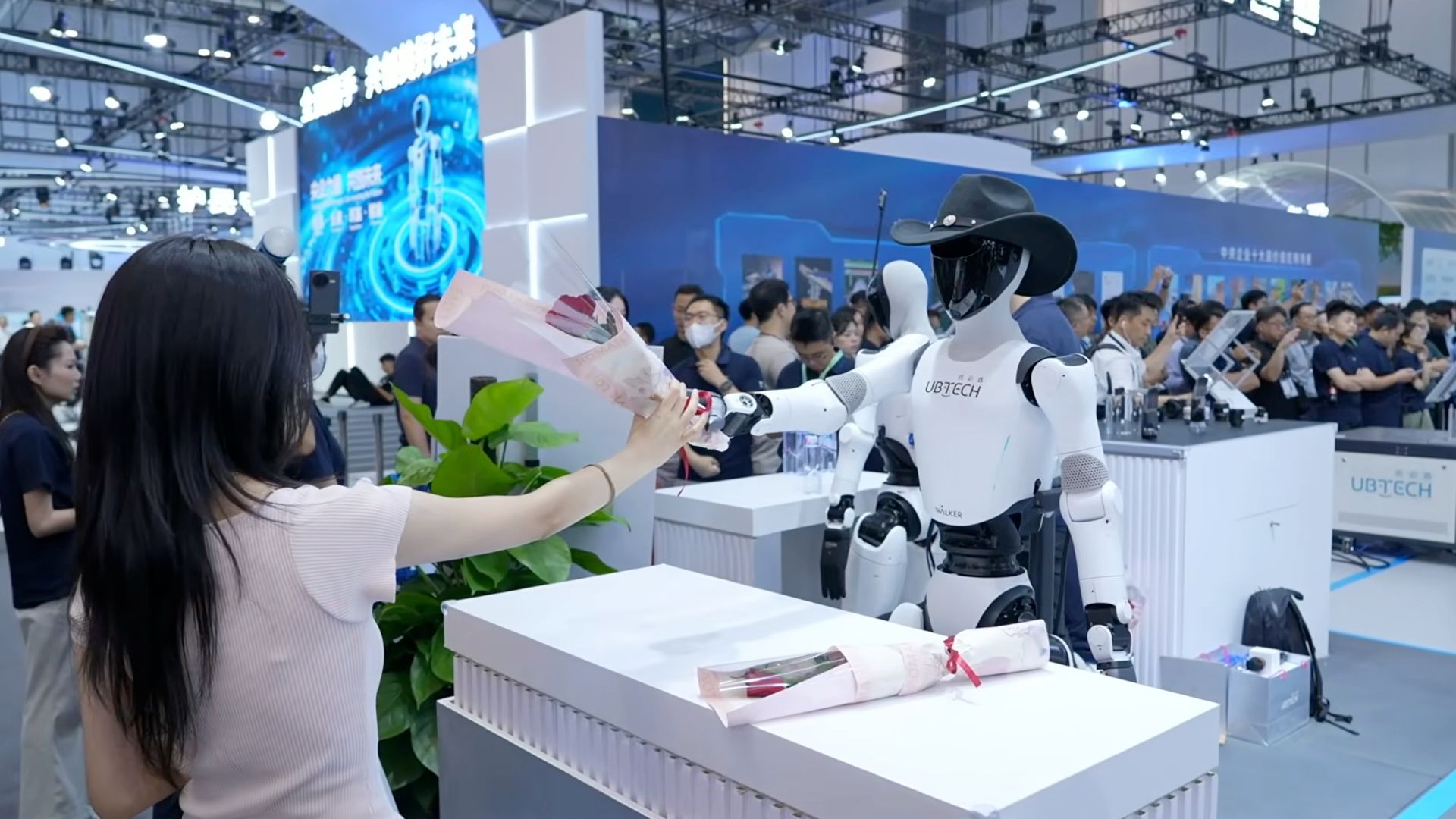
Chinese Robots Demonstrate High-Risk Capabilities at 2026 World Robot Conference in Beijing
At the 2026 World Robot Conference in Beijing, various Chinese companies are showcasing humanoid and quadruped robots for aviation, security, and military operations. The five-day event highlights robots designed for tasks such as industrial site patrols, suspect restraint, and missile loading onto aircraft, reflecting the growing interest in high-risk robotic applications. The significance of this conference lies in its demonstration of China's expanding robotics industry, with over 300 exhibitors presenting innovations that span factory automation, public services, and specialized military operations. Notably, the Fengxing-001 humanoid robot from the Aviation Industry Corporation of China (AVIC) is designed for intelligent manufacturing and aircraft operations, showcasing advanced capabilities that could streamline missile loading tasks. Looking ahead, the conference also features the second World Humanoid Robot Games, with 2,056 machines from 16 countries competing in various events. As the robotics sector continues to evolve, the integration of robots in security applications, such as those developed by NEXWISE, indicates a trend towards reducing human involvement in high-risk environments. No further timeline was disclosed at the time of publication.
AI and Robotics
Chinese Cities Develop Innovative Approaches to Train Robots for Household Tasks
In Tai'an, a 59-year-old community resident, Zhu Chuan-zhen, demonstrates folding clothes repeatedly while wearing a sports camera. This seemingly ordinary household task is becoming a training material for robots. There are no educational restrictions or technical background requirements; the only necessity is to perform household chores to standard. Over 60 residents are engaged in this role, known as 'data collectors', with plans to deploy thousands of collection devices and create over 600 jobs. The Tai'an district has established a complete data annotation ecosystem, transitioning from data collection to intelligent labeling and model training. Meanwhile, in Shangyu, a quadruped robot navigates through high-temperature spray towers, equipped with a 'mechanical eye' for continuous monitoring. Previously, workers had to cover temperature and vibration readings every four hours, but now robots handle inspections, allowing workers to focus on detailed management. In Guiyang, the cost advantage is significant, with lower rental and labor costs compared to first-tier cities. As a hub for data processing, Guiyang hosts one of the world's largest data center clusters, supporting model training. These three cities—Tai'an, Shangyu, and Guiyang—are paving distinct paths for the embodied intelligence industry using their unique resources while major cities debate the design of humanoid robots.
Data Collection Robotics Training AI Applications Smart Manufacturing
US FCC Implements Ban on New Chinese Robots and Inverters Amid Security Concerns
On July 28, the U.S. Federal Communications Commission (FCC) enacted new regulations prohibiting the entry of newly manufactured humanoid robots, quadruped robots, and connected power inverters from foreign production into the U.S. market. This ban is effective immediately and currently does not affect certified existing products, but the FCC indicated that it may review listed models based on national security assessments in the future. This regulation echoes previous restrictions on companies like Huawei and ZTE, with the stated rationale being to mitigate supply chain vulnerabilities and prevent cyberattacks on critical infrastructure. The inclusion of seemingly unrelated products like robots and inverters in the same regulatory framework suggests deeper concerns about U.S. dominance in next-generation intelligent industries, beyond mere data security. Looking ahead, the implications of this ban could significantly impact the market landscape, particularly for Chinese companies like Yushu Technology, which is projected to ship over 5,500 humanoid robots by 2025. The U.S. fears that allowing Chinese products to penetrate various sectors could lead to a repeat of past experiences in the drone industry, where U.S. companies struggled to compete against established Chinese manufacturers.
Humanoid Robots Power Inverters AI Technology Supply Chain Management
US FCC Restricts Advanced Chinese Robots and Inverters, China Promises Strong Retaliation
On July 28, the US Federal Communications Commission (FCC) announced that advanced robotic equipment, including humanoid and quadruped robots, along with networked power inverters, will be added to a 'regulated list.' This action prevents new models from obtaining FCC certification, effectively barring them from the US market. The FCC claims these devices could create supply chain vulnerabilities and pose cybersecurity risks to critical infrastructure in the US. This ban is viewed as a continuation of the Trump administration's efforts to strengthen technological competition under the guise of national security, while also aiming to reshape the AI industry supply chain. The Washington Post noted that while the inverter ban may seem minor, its impact could be significant due to the rising power demands of AI data centers. China's Ministry of Foreign Affairs has condemned the US for its protectionist measures, asserting that they harm both US businesses and consumers. Looking ahead, the Chinese Ministry of Commerce has issued a statement criticizing the US for its discriminatory practices against Chinese companies. The statement warns of potential retaliatory measures if the US does not reverse its decision. With China holding over 80% of the global humanoid robot market, the ban directly targets its dominance in this emerging sector, indicating that the competition over new technologies is intensifying.
Robotics AI International Trade Technology Policy
FCC Expands Ban to Include Humanoid Robots and Inverters from Chinese Manufacturers
The Federal Communications Commission (FCC) has broadened its ban to encompass humanoid robots and inverters, specifically targeting Chinese manufacturing. This move reflects growing concerns over national security and the integrity of supply chains involving advanced technologies from China. This escalation in scrutiny is significant as it highlights the increasing tension between the U.S. and China regarding technology and manufacturing. The FCC's actions may impact various sectors reliant on these technologies, potentially leading to disruptions in supply chains and innovation in robotics and automation. Looking ahead, stakeholders in the robotics and manufacturing industries should monitor the developments closely, as further regulatory measures may be introduced. No further timeline was disclosed at the time of publication.
Robotics Automation AI
Chinese Robots Enter UK Home Service Market with Dual Certification Initiative
From July 20 to 22, a roundtable dialogue on Sino-British home service policies was held in Beijing, organized by the National Development and Reform Commission's International Cooperation Center. Key stakeholders from both countries discussed the industry's development, highlighting the entry of a unique robot named Liyang Xiaodangjia, which is set to meet UK service standards. This initiative is significant as it marks a step towards establishing internationally recognized service standards, crucial for the expansion of Chinese service robots into the UK home market. With China's robot exports reaching 10.37 million units valued at 19.99 billion yuan in the first five months of 2026, the focus is on overcoming cultural differences in service expectations between China and the UK. Looking ahead, the collaboration between Yangguang Dajie Group and TQUK aims to create a dual certification pathway for service workers, enhancing the credibility of service robots in domestic settings. The training of Liyang Xiaodangjia in real-life scenarios is a critical aspect of this initiative, as it seeks to align with both Chinese and UK service standards to facilitate smoother market entry.
Service Robots Home Automation AI International Standards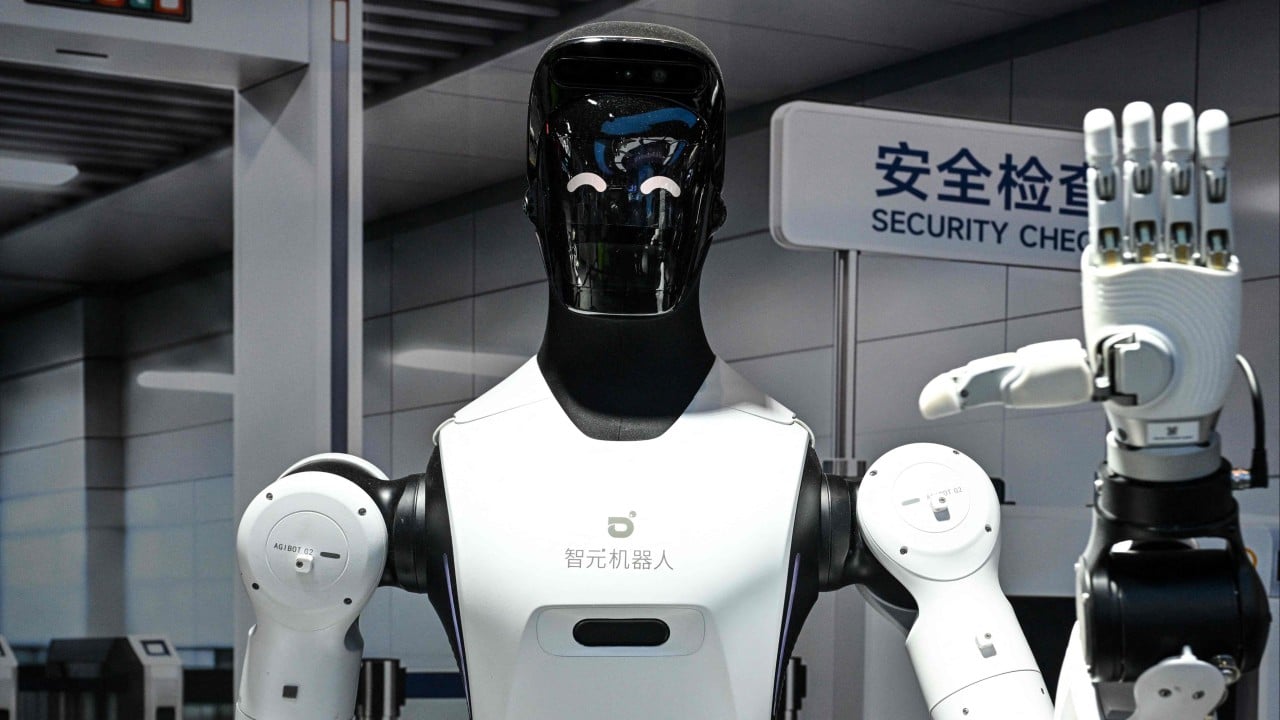
US House Passes Bill to Ban Military Use of Chinese Humanoid Robots Amid Tech Rivalry
The US House of Representatives has passed the National Defence Authorisation Act (NDAA), which includes a ban on the military's use of Chinese-made humanoid robots. This legislation reflects growing concerns over national security and data privacy, as it prohibits the Pentagon from procuring or operating robotic systems linked to foreign adversaries like China, Russia, and Iran. This move is significant as it marks an expansion of US scrutiny over Chinese technology, particularly in the realm of autonomous systems. The NDAA incorporates elements of the proposed Guarding the US Against Adversarial Robotics Dominance (GUARD) Act, although it does not include the most stringent measures that would affect commercial sales of these technologies. Looking ahead, while the current legislation focuses on military procurement, the implications for commercial sales remain uncertain. Lawmakers have yet to address the broader concerns raised by the GUARD Act, which could lead to further restrictions on Chinese robotic systems in the future. No further timeline was disclosed at the time of publication.
Chinese Humanoid Robots Experience Over 400% Growth in European Market by Mid-2026
The Chinese humanoid robot industry is rapidly reshaping the competitive landscape in Europe, with shipments to the region projected to grow over 400% year-on-year by mid-2026. This surge has positioned Europe as the largest overseas market for Chinese humanoid robots, surpassing North America. This growth is significant as it highlights the systemic advantages Chinese companies have in hardware cost control, mass production capabilities, and product iteration speed. European humanoid robot firms face challenges such as long R&D cycles and high production costs, with prices often exceeding $200,000 per unit. In contrast, Chinese companies leverage a complete supply chain ecosystem to offer similar products at one-third the price or lower, maintaining performance without compromise. The acceptance of Chinese humanoid robots in Europe is expected to continue growing, driven by labor shortages and rising employment costs in the region. Several European automotive and electronics firms are already testing Chinese humanoid robots on production lines, aiming to automate high-risk and repetitive tasks within three years. No further timeline was disclosed at the time of publication.
Humanoid Robots Automation Manufacturing Robotics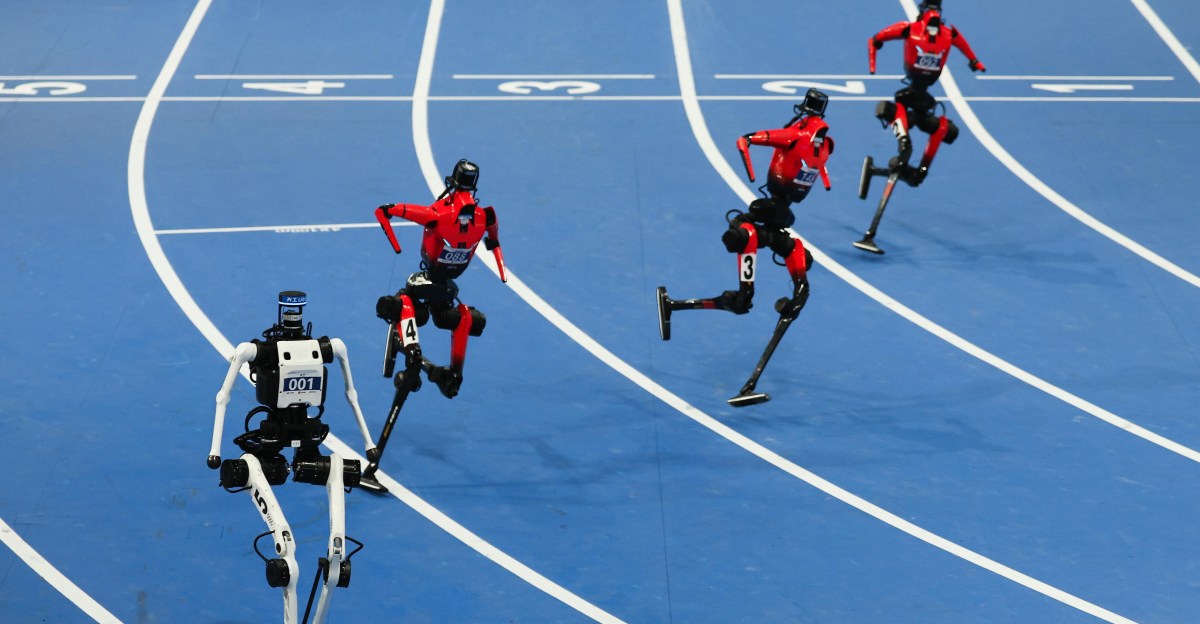
Chinese Robots Break Usain Bolt's 100-Meter Record at World Humanoid Robot Games
Chinese robots have surpassed Usain Bolt's 100-meter dash record during the World Humanoid Robot Games in Beijing. The Tiangong Ultra, developed by the Beijing Humanoid Robot Innovation Center, completed the race in 9.39 seconds, while the Honor-developed Lightning followed closely at 9.47 seconds. This achievement is significant as it highlights the advancements in bipedal robot technology, showcased at an event likened to an annual robot Olympics. The World Humanoid Robot Games, launched in 2025, features 2,056 robots from 16 countries competing in various categories, including sprinting and jumping. Looking ahead, the event continues to attract attention for its innovative displays of robotics. Tiangong Ultra also set a record in the 400-meter race, finishing in 38.16 seconds, outperforming the previous record held by Wayde van Niekerk. No further timeline was disclosed at the time of publication.
Entertainment News Robot Sports Tech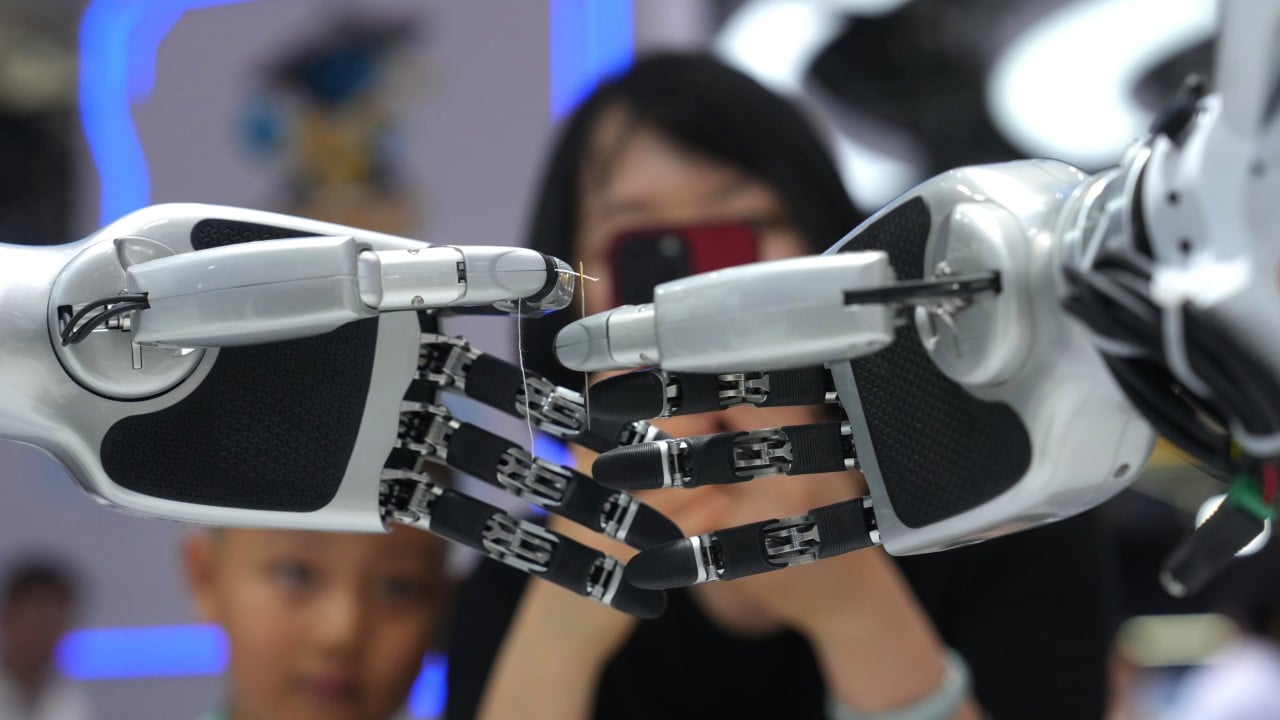
Chinese Robotics Industry Shifts Focus from Humanoid Designs to Practical Applications
The robotics industry is witnessing a transition from showcasing humanoid robots to practical deployments. At Unitree Robotics' booth, bipedal robots demonstrated impressive skills in activities like table tennis and combat, showcasing advancements in speed and balance. However, other exhibitors highlighted robots that efficiently sorted parcels and moved materials, emphasizing functionality over form. This shift is significant as it reflects a growing preference for robots that can perform specific tasks effectively. Yang Li, a senior engineer at X Square Robot, questioned the necessity of bipedal designs, noting that their two-armed WALL-B model sorted 1,816 packages in a controlled test, outperforming the bipedal Figure 03 robot from Figure AI, which managed 1,248 parcels per hour. This trend indicates a move towards more practical robotic solutions in various industries. Looking ahead, the focus on efficiency and task-oriented designs is likely to continue shaping the robotics landscape. With companies like AI2 Robotics showcasing versatile wheeled robots capable of making coffee and ice cream, the industry may prioritize robots that can adapt to different functions over traditional humanoid forms. No further timeline was disclosed at the time of publication.

51World Unveils New Data Collection Tools to Enhance Embodied AI for Robots
51World, a Beijing-based technology company, has introduced a new suite of data-collection devices aimed at overcoming the critical shortage of high-quality training data for embodied AI systems. CEO Li Yi emphasized that the lack of precise data is a significant barrier to developing stable and capable humanoid robots. The newly launched AperEgo headset features a multi-camera system and synchronized sensors to capture a comprehensive view of the environment, while additional devices for the wrist and fingers enhance data collection on hand movements. This integrated hardware and software approach is expected to improve data accuracy and efficiency significantly. Looking forward, 51World aims to enhance the efficiency of embodied AI in data collection and training. The Chinese humanoid robot market is projected to reach 15 billion yuan (approximately US$2.2 billion) by 2026, with significant growth anticipated in 2027 as production and applications expand. No further timeline was disclosed at the time of publication.

Chinese Robotics Advances Amidst Technology Conflicts and Market Challenges
Chinese robotics continues to progress, showcasing innovative products like stair-climbing vacuum robots and humanoid models at the 2026 Consumer Electronics Show in Las Vegas. However, American consumers and businesses may not have access to these advancements due to ongoing technology conflicts between the US and China. The inability of US consumers to purchase products like Xpeng's humanoid robot, Iron, highlights the impact of geopolitical tensions on technology transfer and market access. Notably, even industry leaders like Elon Musk have acknowledged the impressive capabilities of Chinese robotics, indicating a competitive landscape that is evolving rapidly. Looking ahead, the future of Chinese robotics in international markets remains uncertain, particularly in the US. No further timeline was disclosed at the time of publication regarding the availability of these products in American markets.

Chinese Company Pioneers Direct-Drive Tendon Technology for Humanoid Robotics
In recent years, the global robotics research landscape has shifted focus back to the physical structure of robots, particularly in dexterous manipulation. According to IEEE Robotics and Automation Society, the number of papers on haptic perception, soft robotics, tendon-driven systems, and visuotactile learning is expected to rise significantly by 2025-2026, marking these areas as key research directions at major robotics conferences. This trend is mirrored in the industry, where a report identified that core components accounted for 21.8% of 311 robot financing events in the first half of the year, surpassing other categories. The investment landscape is increasingly gravitating towards manufacturers and component companies, particularly in the dexterous hand sector, which is seen as crucial for overcoming the final barriers to practical robot applications. Suzhou Zhixing Tendon Robotics Technology Co., Ltd. is at the forefront of this innovation, having developed a complete technological pathway from electroactive composites to modular applications. Their direct-drive tendon technology aims to redefine robotic movement by integrating materials into the power system, with products set to be showcased at the World Robot Conference on August 19.
Humanoid Robots Dexterous Manipulation Soft Robotics Tendon-driven Technology AI
Silicon Valley Engineers Develop Workaround for US Ban on Chinese Robot Imports
In response to a US ban on Chinese robots, Silicon Valley engineers have devised a workaround by traveling to Shenzhen to bring back robot components in their luggage. The Federal Communications Commission (FCC) updated its regulated list on July 28, 2026, restricting advanced robot equipment from foreign production, effectively barring new Chinese models from entering the US market. However, the ban targets the assembly stage rather than the individual components, which remain freely available. This situation is significant as China holds a 63% share of the global humanoid robot supply chain, particularly excelling in critical components like motors and sensors. For instance, Tesla's Optimus relies on approximately 70% of its core parts from Chinese suppliers. Removing these components would drastically increase production costs, making it unfeasible to meet pricing targets. As traditional procurement channels are blocked, US entrepreneurs are increasingly sourcing parts directly from Chinese markets, often transporting them back personally. Looking ahead, the demand for robot components is expected to surge as humanoid robots transition from experimental to mass production. The current method of transporting parts in luggage is not sustainable for future needs, highlighting the ongoing reliance on Chinese manufacturing despite regulatory challenges. No further timeline was disclosed at the time of publication.
Robotics Supply Chain Manufacturing Components
RoboStore Launches Robo Inc. in Response to US Ban on Chinese Robotics
In response to the US Federal Communications Commission's ban on Chinese humanoid and quadruped robots, RoboStore, North America's largest foreign robot distributor, has announced the establishment of Robo Inc. This new company, located in Long Island, New York, will focus on assembling and integrating robotics systems domestically, with operations expected to begin in January 2027. Robo Inc. aims to bridge the price gap between imported and domestic robotics by sourcing competitive hardware globally and performing assembly, software integration, and security enhancements in the US. The company recognizes that local manufacturing cannot immediately meet the price demands, as evidenced by the significant cost difference between Chinese and US-made humanoid robots. However, Robo Inc. faces challenges due to China's National Intelligence Law, which requires compliance from Chinese manufacturers with intelligence operations. This legal framework raises concerns for federal agencies and defense contractors regarding hardware sourcing. The effectiveness of Robo Inc.'s model will depend on the specific needs and regulatory constraints of its customers.
Robot Manufacturing System Integration Cybersecurity Supply Chain Management
Chinese Robotics Industry Advances with Autonomous Flying Machines
The phrase 'Chinese people can fly' has become a cultural phenomenon this summer, symbolizing a broader trend in China's robotics sector. While the internet buzzes with this slogan, Chinese robots are indeed taking to the skies, transitioning from traditional drones to advanced flying robots capable of autonomous operations. This shift is significant as it reflects China's industrial strength and technological advancements. According to Gao Fei, founder of Micro Differential Intelligence, traditional drones rely on human control, whereas flying robots utilize autonomous navigation and intelligent systems to operate independently in challenging environments. This evolution from tools to intelligent entities is crucial for enhancing operational efficiency in various sectors. Looking ahead, the demand for intelligent flying devices is surging across industries such as agriculture, inspection, rescue, and logistics. The global market for aerial robots is projected to grow significantly, with China's market expected to reach $2.72 billion by 2032. As policies support the development of low-altitude economies and embodied intelligence, the intersection of these two fields is set to accelerate the deployment of flying robots in urban environments.
Flying Robots Embodied Intelligence Aerial Technology Smart Automation
US FCC Implements Ban on Foreign-Made Robots to Protect Domestic Industry
The US Federal Communications Commission (FCC) has enacted a comprehensive ban on the import of foreign-made advanced robots, including humanoid, quadrupedal, and wheeled robots. This decision is driven by concerns over national security and the need to protect the domestic robotics industry from Chinese competition. This move marks a significant shift in the perception of robotics, which is now seen as a critical frontier in the AI industry rather than merely a source of inexpensive goods. The ban could hinder the growth of the US robotics sector, which is still developing, as it relies heavily on affordable Chinese robots for research and development. As the FCC's ban includes various exceptions, the actual impact remains uncertain. However, the symbolic significance is clear: the US government views humanoid robots as a key aspect of its AI strategy. The challenge lies in whether this protectionist approach will slow down advancements in robotics research due to the loss of accessible resources for researchers.
Robotics AI Trade Policy Research and Development
Chinese Consumers Embrace UBTech's Humanoid Robots with Over 13,000 Orders
UBTech Robotics, based in Shenzhen, has begun taking orders for its U1 series of humanoid robots, with 13,361 orders recorded by June 30. The robots, designed for emotional interaction, will start deliveries on September 16, 2023. The U1 series includes three models—Lite, Pro, and Ultra—priced between 119,800 yuan and 990,000 yuan. The introduction of these consumer humanoids marks a significant step for UBTech as it ventures into the household robotics market, which requires navigating unpredictable environments and fostering genuine human interaction. Unlike traditional industrial robots, these humanoids aim to provide companionship rather than perform chores, highlighting a shift in consumer expectations. As the market for companion robots expands, industry watchers will be keen to see how UBTech's U1 series performs in real-world settings. The company's focus on emotional companionship and advanced AI capabilities could set a new standard for household robots. No further timeline was disclosed at the time of publication.

Chinese Humanoid Robot Brands Expand Presence in European Market
In the past year, Chinese humanoid robot brands have made notable strides in the European market. Several companies have established offices in EU countries and engaged in localized operations, becoming key players at various exhibitions and events. This surge in activity signifies a crucial milestone for Chinese robotics firms and injects new vitality into the global robotics industry landscape. The success of these companies stems from a dual alignment of technology and market needs. Europe has a strong demand for green energy, smart manufacturing, and elder care services, areas where Chinese humanoid robot firms excel in cost control, rapid iteration, and local adaptation. For instance, humanoid robot solutions tailored for elder care have received positive feedback due to their alignment with local aging population needs. However, the journey to international markets is not without challenges. Cultural differences, regulatory standards, and the establishment of after-sales service systems are hurdles that Chinese companies must navigate. Many are overcoming these obstacles by collaborating with local partners, with some establishing R&D centers in Munich and local service teams in Spain. Looking ahead, as China and Europe deepen their collaboration in robotics technology, a more open and diverse global humanoid robot ecosystem is emerging, marking just the beginning of the 'European story' for Chinese humanoid robots.
Humanoid Robots Robotics Market Elder Care Solutions Smart Manufacturing International Business
Chinese Embassy Responds to U.S. Trade Sanctions on Humanoid Robots
The Chinese embassy in Washington has expressed strong opposition to the U.S. decision to impose sanctions on new humanoid robots, labeling the actions as politically motivated. According to the embassy, these sanctions are based on what they describe as 'groundless pretexts' and reflect a broader trend of politicizing trade issues. This situation highlights the ongoing tensions between the U.S. and China regarding technology and trade. The Chinese government argues that such sanctions hinder fair competition and innovation in the robotics sector, potentially impacting global supply chains and technological advancements. As the geopolitical landscape evolves, stakeholders in the robotics industry should monitor how these sanctions might affect future collaborations and developments in humanoid robotics. No further timeline was disclosed at the time of publication.

US FCC Blocks New Chinese Humanoid Robots, Impacting Market Dynamics
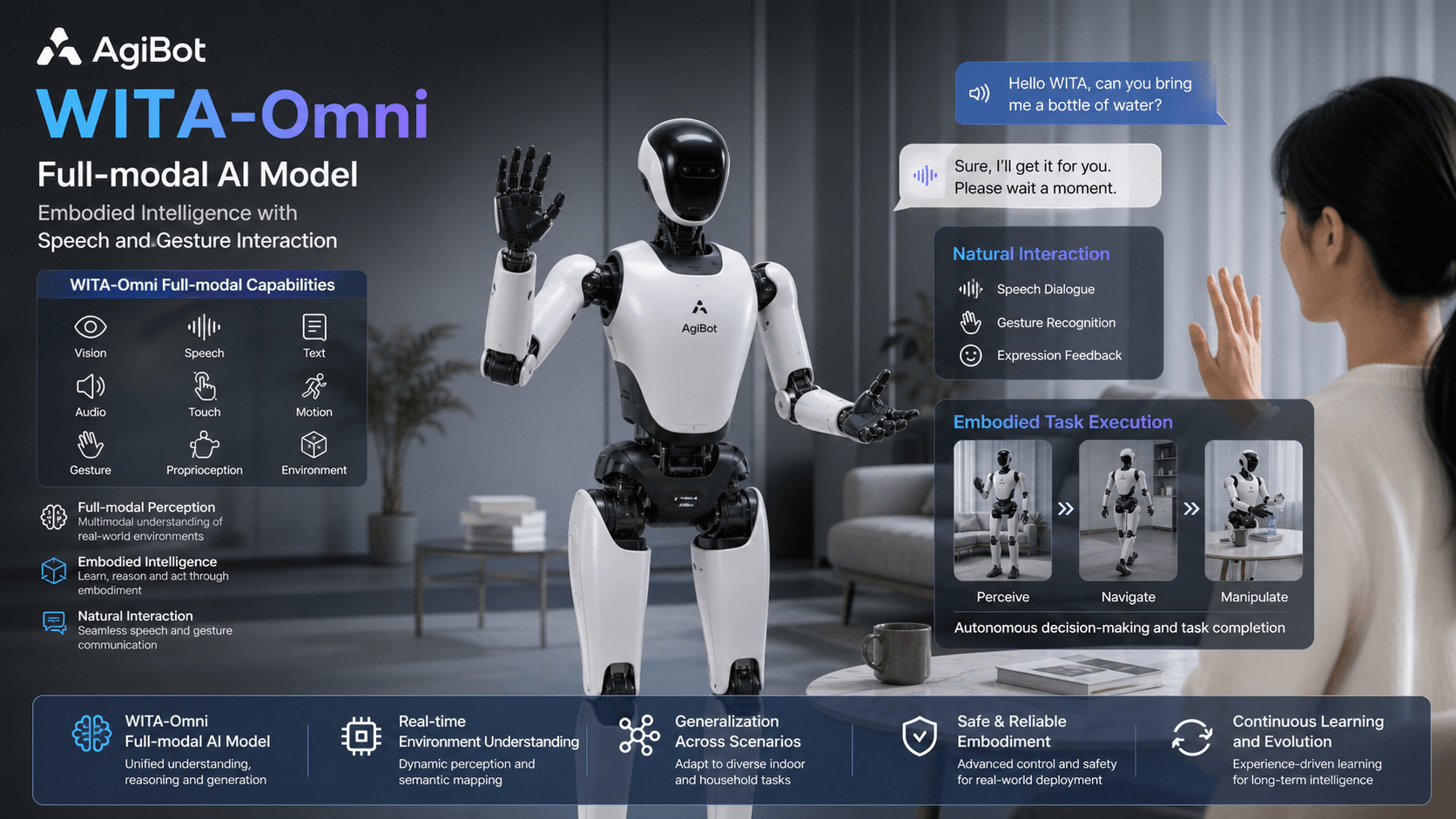
The US Federal Communications Commission (FCC) has decided to block new foreign-produced advanced robotic devices, including humanoid robots, from receiving equipment authorization. This decision follows assessments by US national security agencies regarding unacceptable cybersecurity and supply chain risks associated with these foreign technologies. This move is particularly impactful as Chinese companies currently hold nearly 70 percent of the global humanoid robot market. Analysts interpret this action as a significant escalation in the ongoing technological rivalry between the US and China, especially as several Chinese humanoid manufacturers are preparing for initial public offerings (IPOs) this year. Looking ahead, the restrictions could hinder the growth of Chinese humanoid manufacturers like AgiBot and Unitree, who are major players in the market. No further timeline was disclosed at the time of publication.
Features Humanoids advanced robotic devices agibot artificial intelligence boston dynamics
US Military Faces Ban on Humanoid Robots from Chinese Companies Under New Defense Bill
The US has enacted a defense bill prohibiting the military from procuring humanoid robots linked to China and other foreign adversaries. This measure, part of the National Defense Authorization Act (NDAA), reflects heightened concerns over national security and data privacy regarding foreign autonomous systems. This restriction targets humanoid robots associated with nations such as China, Russia, and Iran, marking a significant escalation in the US-China technology rivalry. The NDAA aims to curb the use of Chinese technology in critical sectors, extending beyond semiconductors and telecommunications to include advanced humanoid robotics. Experts indicate that this military restriction highlights growing apprehension in Washington regarding China's advancements in robotics and AI. While the NDAA focuses on military applications, it suggests a phased approach, potentially leading to broader restrictions on civilian use in the future. No further timeline was disclosed at the time of publication.
Military
Southeast Asian Firms Face Decisions on Owning vs. Plugging in Robots and AI Models
Robots and AI models are increasingly being delivered as interchangeable components, prompting firms in Southeast Asia to evaluate their ownership strategies. This shift allows businesses to customize their technology stacks based on specific needs, optimizing operational efficiency and reducing costs. The trend of modular technology is significant as it enables companies to remain agile in a rapidly evolving market. By determining what technologies to own versus what to integrate, firms can better align their resources with their strategic goals, enhancing competitiveness in the region. Looking ahead, companies in Southeast Asia should monitor the development of modular robotics and AI solutions. Understanding the balance between ownership and integration will be crucial for maintaining a competitive edge as technology continues to advance. No further timeline was disclosed at the time of publication.
Insights Opinion Premium Content Robotics ai China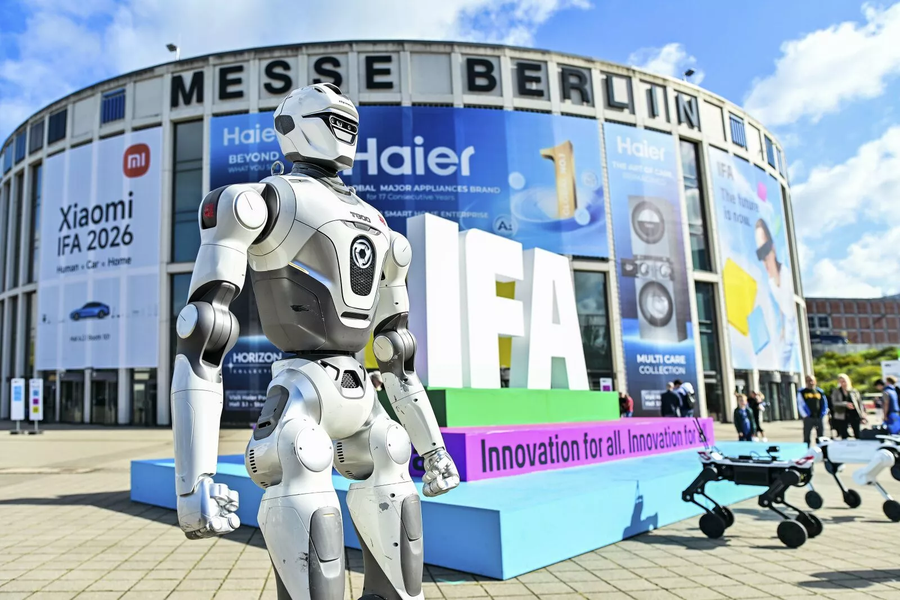
The Shift of Embodied Intelligence at IFA: Chinese Robots Lead the Way
The IFA Next event showcased the largest humanoid robot display to date, with a significant focus on physical AI. Chinese companies dominated the exhibition, with over 1,000 exhibitors from China, marking a historic record. The event featured a runway show for humanoid robots, primarily from Chinese firms, highlighting the industry's shift towards international markets. This transition is crucial as the term 'going overseas' has become a key phrase in the embodied intelligence sector, appearing in funding materials and news releases. However, the actual delivery of products lags behind the narrative hype. While applause is easily seen at the exhibition, the real measure of success lies in tangible business outcomes, such as robots operating in European factories and hospitals. Looking ahead, the focus will be on companies that have successfully delivered products and established verifiable international contracts. Notable examples include Wujie Power, which shipped humanoid robots to France and Korea, and Magic Atom, which has secured local partnerships in Europe. The industry is evolving, and understanding the actual progress of these companies will be essential for evaluating their success in international markets.
Robotics AI Consumer Electronics Global Expansion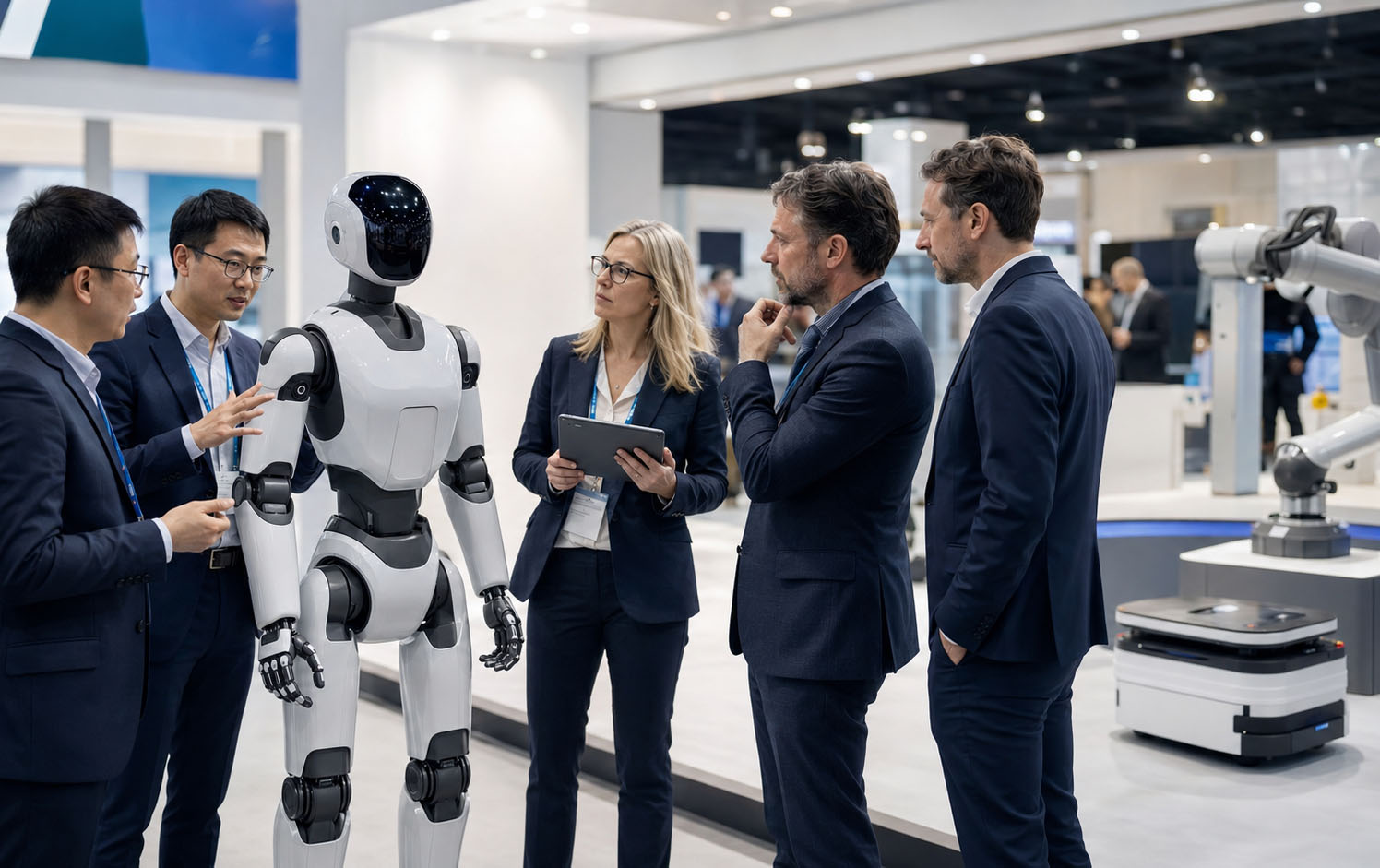
Chinese Robotics Manufacturers Seek Distributors and Integrators in Europe
Chinese robotics has evolved significantly, with many manufacturers now targeting the European market after establishing a strong domestic presence. Various types of robots, including humanoids, quadrupeds, AMRs, cobots, and cleaning robots, are being introduced internationally. However, selling these robots in Europe involves more than just shipping them from China; it requires customer presentations, integration into existing environments, maintenance, user training, and sometimes market-specific adaptations. The challenge now lies in identifying suitable distributors and integrators in Europe. Companies like Unitree Robotics, UBTECH, AgiBot, DEEP Robotics, LimX Dynamics, and Fourier Intelligence are developing robots that are beginning to find applications beyond China. This trend is particularly evident in humanoid robotics, which has transitioned from research projects to the early stages of industrial and commercial deployments. As a result, manufacturers are compelled to consider their international presence, with Europe being a strategically important market. No further timeline was disclosed at the time of publication.
À la une Humanoide IA Robotique AMR cobots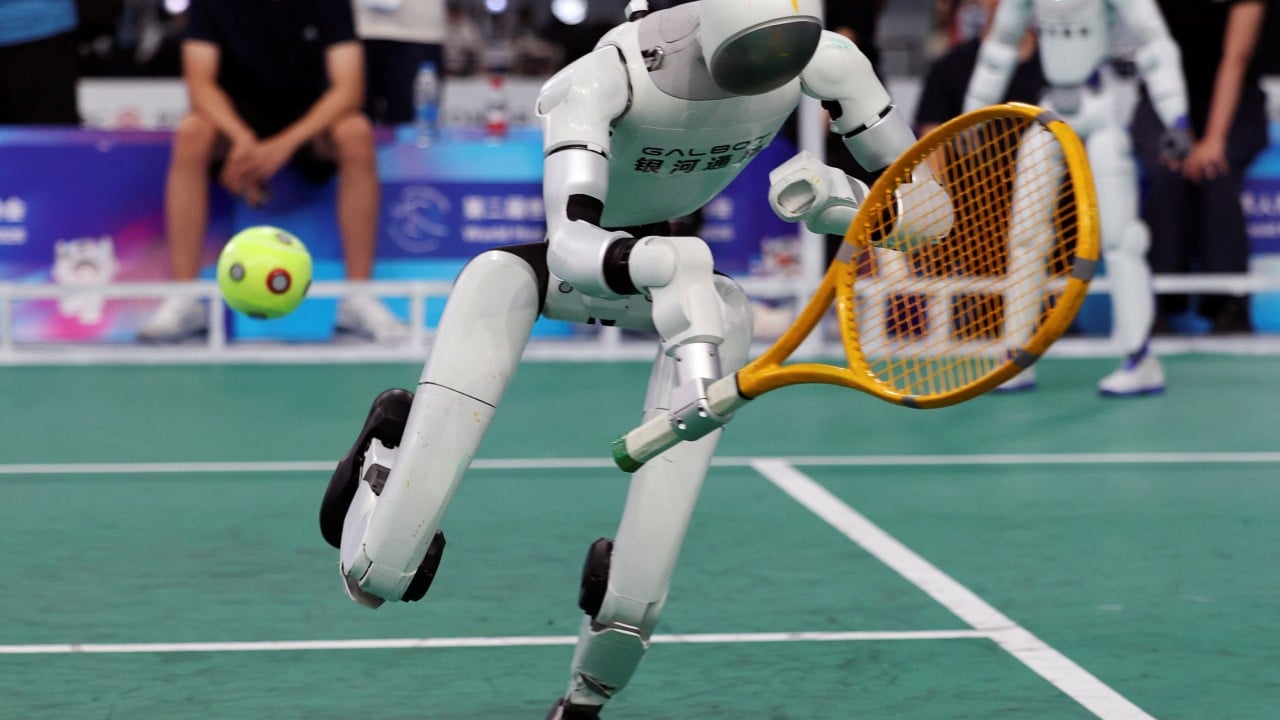
Galbot's Humanoid Robot Excels in Tennis at World Humanoid Robot Games
At the second World Humanoid Robot Games in Beijing, Galbot's humanoid robot showcased its skills in a tennis match against human players. The event highlighted the robot's ability to perform quick movements and return shots, although it faced challenges such as balance issues, which led to a moment of falling during play. This demonstration is significant as it marks what Galbot claims to be the world's first human-robot tennis match, emphasizing the advancements and limitations of humanoid robots in sports. The event featured over 600 teams and 2,056 robots competing in various sports, illustrating the growing interest and development in humanoid robotics. Looking ahead, the games included new competitions like table tennis and kickboxing, alongside expanded scenario-based events. Observers should note the ongoing challenges in robot autonomy and balance, as these factors will influence future developments in humanoid robotics and their applications in various sectors.

Unitree's Shares Surge 629% in Shanghai Trading Debut for Humanoid Robots
Unitree, a leading Chinese humanoid robot manufacturer, experienced a remarkable 629% surge in its stock price during its initial public offering in Shanghai on Wednesday. This significant increase reflects growing investor confidence in China's advancements in technology, particularly in the robotics sector. The impressive debut of Unitree's shares underscores the rising interest and optimism surrounding the robotics industry in China. As one of the largest players in the humanoid robot market, Unitree's performance may signal a broader trend of investment in innovative technologies within the country. Looking ahead, market observers will be keen to see how Unitree's stock performs in the coming weeks and whether this initial enthusiasm translates into sustained growth. No further timeline was disclosed at the time of publication.
Robotics
DEEP Robotics Expands Use of Quadruped and Wheeled Robots in Emergency Response Operations
Chinese startup DEEP Robotics is enhancing firefighting and emergency response capabilities with its X30 quadruped and Lynx M20 wheeled-legged robots. These robots are designed to enter hazardous environments first, gathering real-time data on conditions and relaying it to command teams, thereby keeping human responders safe during initial assessments. The deployment of these robots is significant as they can monitor dangerous situations such as fires, chemical leaks, and collapsed structures without putting human lives at risk. The X30 quadruped is equipped with advanced sensors and can also assist in firefighting efforts, transporting equipment, and maintaining communication links in challenging environments. Looking ahead, DEEP Robotics aims to further integrate its robotic systems into emergency response protocols, enhancing the efficiency and safety of rescue operations. No further timeline was disclosed at the time of publication.
AI and Robotics
US Robotics Industry Faces Challenges Amid Ban on Chinese Humanoid Robots
The US government has imposed a ban on Chinese humanoid robots, a move aimed at protecting the nascent American robotics industry. Brendan Carr, chairman of the FCC, emphasized that this action is one of the strongest technology-security measures in recent history, as Chinese manufacturers dominate approximately 85% of the global humanoid market. This ban raises questions about the effectiveness of isolating the US robotics sector from competition. While it is intended to foster growth in an industry that lacks established players, critics argue that such protectionist measures may hinder innovation and development. Evan Beard, CEO of Standard Bots, supports the ban, citing security concerns related to foreign-subsidized machines potentially being used for espionage. Looking ahead, the implications of this ban on the US robotics landscape remain to be seen. The exemption for federal government purchases indicates a complex approach to technology security, suggesting that the government may continue to leverage foreign technology while restricting it from the general public. No further timeline was disclosed at the time of publication.
TIANZHIHANG Aims to Acquire MicroPort Orthopedics to Reshape Global Supply Chain
TIANZHIHANG is set to acquire MicroPort Orthopedics, a move that consolidates years of overseas regulatory and clinical trust-building into one transaction. This acquisition signifies a strategic shift as Chinese robotics companies expand their reach beyond mere product exports. The importance of this acquisition lies in its potential to streamline the entry of TIANZHIHANG into international markets, particularly in the orthopedic sector. By integrating MicroPort Orthopedics, TIANZHIHANG aims to enhance its distribution network and regulatory compliance, which are critical for success in overseas markets. Looking ahead, industry observers will be keen to see how this acquisition unfolds and its impact on the global supply chain dynamics. No further timeline was disclosed at the time of publication.
Industry
Chinese Cleaning Robot Manufacturers Dominate 70% of Global Market Through Innovation
Chinese manufacturers of home cleaning robots have captured 70% of the global market, with Roborock leading at a 27% share. This dominance is attributed to technological innovations such as stair-climbing capabilities and robotic arms, which have shifted the competitive landscape away from price-based strategies. The rise of these advanced features signifies a pivotal change in consumer preferences, as buyers increasingly prioritize functionality and versatility over cost. Companies like Ecovacs and Dreame are also making significant contributions to this trend, enhancing their product offerings to meet evolving market demands. Looking ahead, it will be essential to monitor how these companies continue to innovate and adapt to consumer needs. No further timeline was disclosed at the time of publication.
Industry
Chinese Manufacturers Capture 70% of Global Cleaning Robot Market Through Innovation
Chinese manufacturers of household cleaning robots have achieved a remarkable milestone, now controlling 70% of the global market. This dominance is attributed to the focus on innovative features rather than competing solely on price, setting them apart in a crowded marketplace. The significance of this trend lies in the shift towards unique capabilities, such as Roborock's development of the Saros Rover, which aims to be the first cleaning robot capable of climbing stairs. This innovation highlights the potential for enhanced functionality in household robotics, appealing to consumers seeking advanced solutions. Looking ahead, the competitive landscape will likely continue to evolve as manufacturers prioritize technological advancements. No further timeline was disclosed at the time of publication.
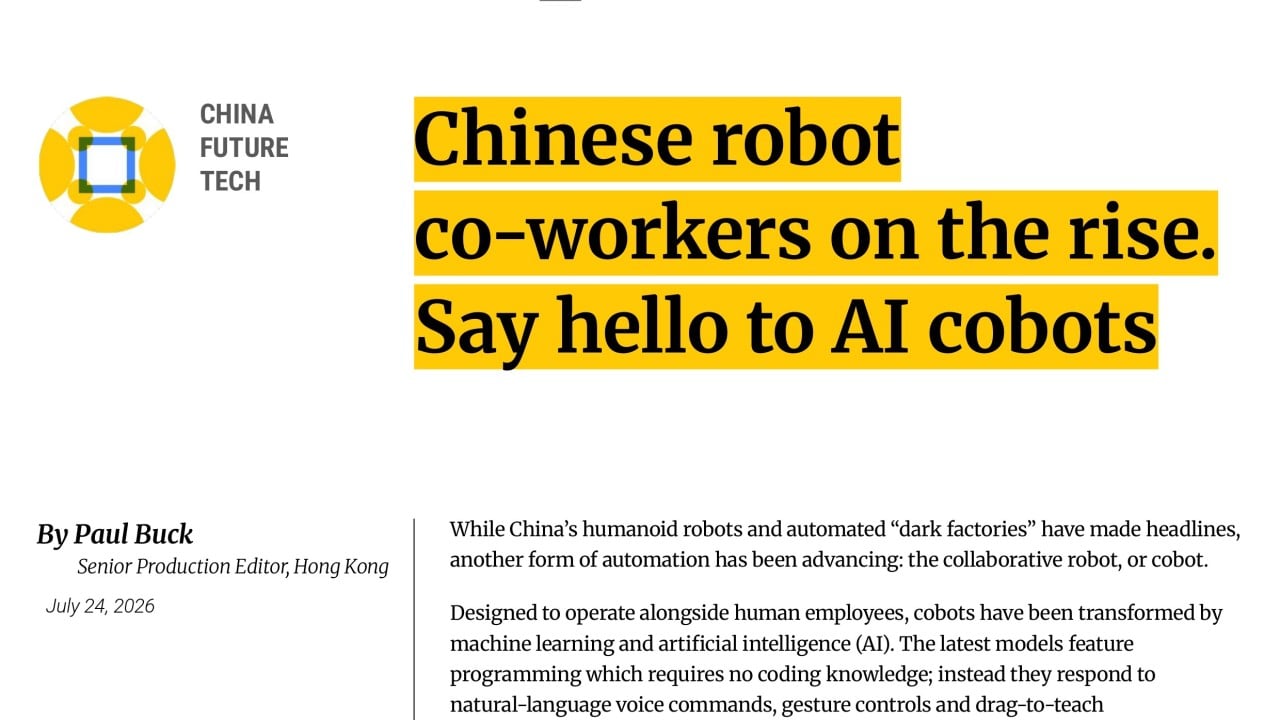
Rise of Collaborative Robots in China: AI-Driven Cobots Transforming Workspaces
China's collaborative robots, or cobots, are gaining traction as they evolve through advancements in machine learning and artificial intelligence. Unlike traditional robots, these cobots are designed to work alongside human employees, enhancing productivity and efficiency in various sectors. The significance of these AI-driven cobots lies in their user-friendly programming, which eliminates the need for coding knowledge. They can be easily operated through natural-language voice commands, gesture controls, and drag-to-teach demonstrations, making them accessible to a broader range of users. As the demand for automation continues to grow, the adoption of cobots is expected to rise. Observers should watch for further developments in their capabilities and integration into workplaces, as these robots could redefine human-robot collaboration in the near future.
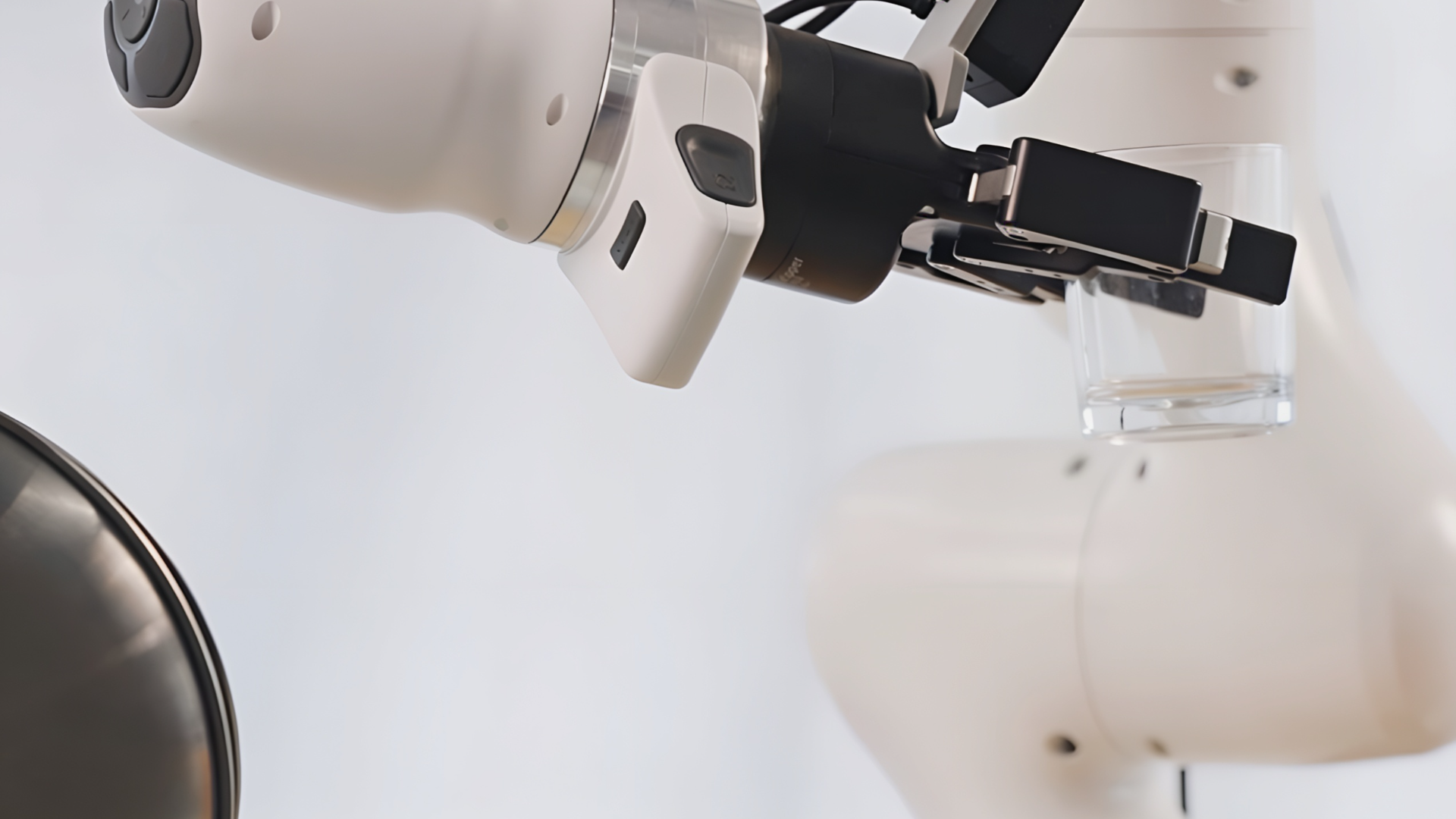
Robbyant Unveils LingBot-Depth 2.0 with Enhanced Spatial Perception for Robotics
Chinese AI company Robbyant has launched LingBot-Depth 2.0, a next-generation spatial perception model designed to enhance robotic navigation in complex environments. This model builds on the previous LingBot-Depth, utilizing the Masked Depth Modeling technique and trained on 150 million samples, achieving top results in 12 out of 16 depth completion benchmarks. Notably, it reduces depth error by over 50%, improving accuracy in challenging indoor settings. The significance of LingBot-Depth 2.0 lies in its ability to accurately perceive transparent and reflective surfaces, areas where traditional depth cameras often struggle. The model's advancements are attributed to LingBot-Vision, a visual foundation model that employs a unique “boundary structure” pre-training objective, enabling sub-pixel-level boundary localization. Despite being trained on a smaller dataset of 160 million images, it demonstrates robust performance across various robotic vision applications, enhancing object boundary detection and tracking. Looking ahead, Robbyant's collaboration with Orbbec aims to integrate LingBot-Depth 2.0 into new hardware solutions for robotics data collection. The RGB-D EGO device, part of Orbbec’s Robot-Free Data Collection Hardware Platform, will feature a customized version of the model. Future updates are expected to further enhance depth completion and spatial structure understanding, providing a solid foundation for training embodied AI systems in real-world scenarios. No further timeline was disclosed at the time of publication.
AI and Robotics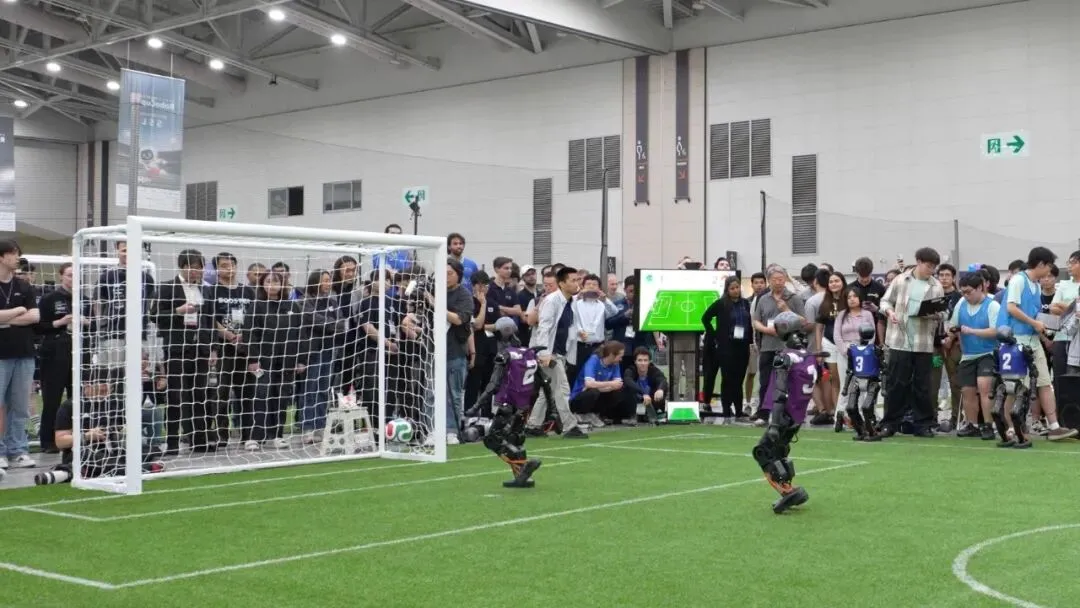
Chinese Team Wins RoboCup World Championship with Domestic Robots
The Fire God team from Tsinghua University in China secured the championship title at the 2026 RoboCup, held in Incheon, South Korea. This victory underscores a notable advancement in robot soccer, as the competition featured 38 teams utilizing the same Chinese robot platform, known as Booster. The event marked a pivotal shift in the field, emphasizing the enhancement of robots' intelligence and performance in dynamic environments rather than merely focusing on their construction.
Robot Soccer RoboCup Robot Technology Artificial Intelligence Robotics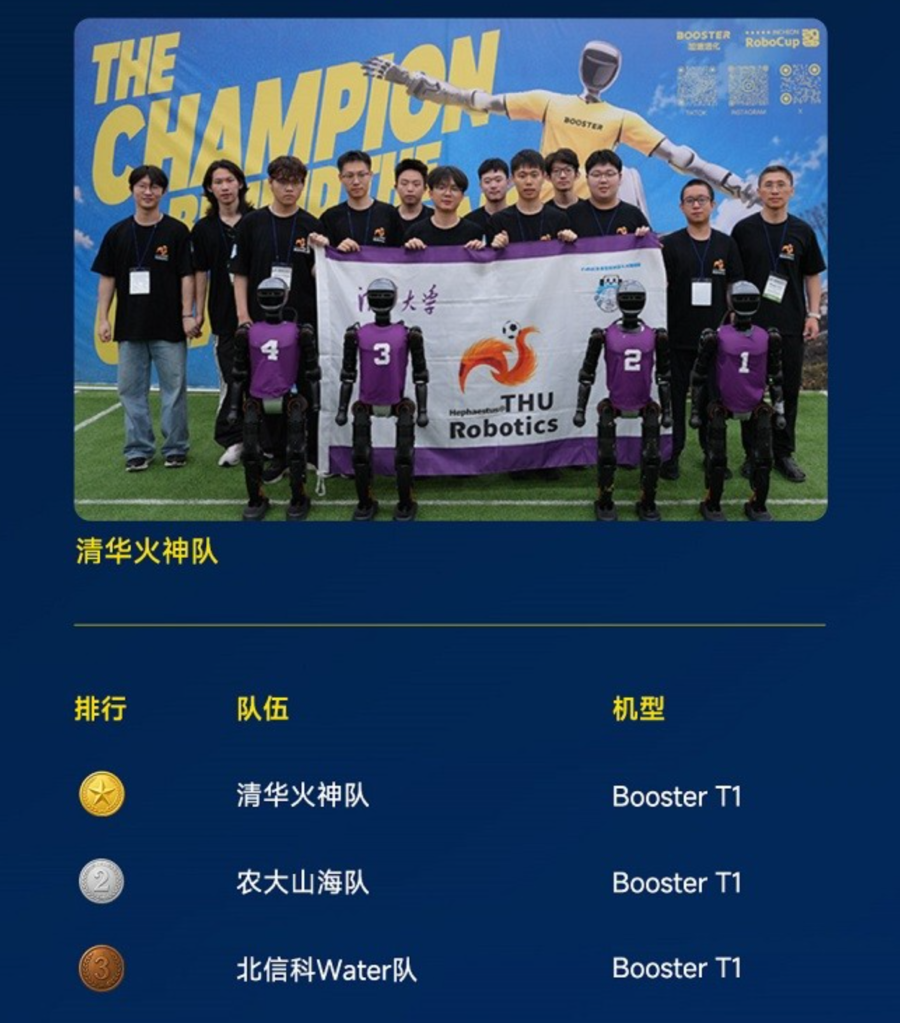
Chinese Robots Triumph at RoboCup: Tsinghua Fire God Team Defends Title with Domestic Technology
The 2026 RoboCup wrapped up in Incheon, South Korea, where the Tsinghua Fire God Team from China claimed victory in the humanoid robot category with their Booster T1 robot. This year's competition featured 38 teams employing the same Chinese platform, highlighting a notable trend in robotics development and underscoring the increasing impact of domestic technology in the field. The event not only showcased advancements in robotic capabilities but also reflected a shift towards greater collaboration and standardization among competitors in the industry.
Humanoid Robots RoboCup Robot Development AI Robotics Technology
74 Yuan for 3 Hours: Embodied AI Robots Begin Entering Chinese Homes for Household Chores
China has introduced a new service offering embodied AI robots for home hire, with rates starting at just 74 yuan for a three-hour period. This development has ignited discussions regarding the true value of the substantial investments made in embodied AI technologies, which amount to billions of dollars. The initiative reflects a growing trend in the integration of advanced robotics into everyday life, as consumers seek innovative solutions for various household tasks. The availability of these robots marks a significant step in the commercialization of AI, raising questions about the balance between cost and the benefits provided by such technology. As the market evolves, stakeholders are closely examining the implications of this service on both the economy and society at large.
Industry AI
Chinese firm sells hyper-real, 'always loyal' humanoid robots
A new line of companionship robots has been unveiled in China, featuring metallic frames encased in realistic, lifelike skin. These innovative robots are designed to engage users in AI-generated conversations and provide physical comfort, such as holding hands, complete with manicured nails. The launch reflects a growing trend in robotics aimed at enhancing social interaction and emotional support. As technology advances, these robots are expected to cater to individuals seeking companionship, particularly in a society where loneliness is increasingly prevalent. The introduction of these robots marks a significant step in the integration of artificial intelligence into daily life, showcasing how technology can bridge emotional gaps and provide comfort to users.
Robotics
Import AI 463: Self-improving robots; a 10k Chinese GPU cluster; and an elegiac essay for the human era
In a recent discussion, historians and scholars gathered to explore the significant periods that frame the current interregnum, a term referring to a gap or pause in governance or authority. The event took place on October 15, 2023, at the National History Museum, where experts aimed to analyze the socio-political transitions that have shaped contemporary society. The motivation behind this gathering stemmed from a growing interest in understanding how historical events influence present-day governance and societal norms. Participants delved into various eras, examining their impacts on current political structures and cultural dynamics. Through a series of presentations and panel discussions, attendees engaged in critical dialogue, sharing insights on how past events can inform future governance. The discussions highlighted the importance of recognizing historical patterns to navigate the complexities of today’s political landscape. This event not only aimed to foster a deeper understanding of historical contexts but also sought to encourage proactive thinking about the future of governance in an increasingly uncertain world.
Chinese Humanoid Robots Take the Internet by Storm as Overseas Influencers
Unitree Robotics' G1 humanoid robots have gained international attention, becoming viral sensations across various countries. A Buddhist monk in South Korea has showcased the robot's capabilities, while a counselor in Japan has integrated it into therapeutic practices. In Poland, the G1 has captured the public's interest as a street celebrity, entertaining and engaging with passersby. Meanwhile, in the United States, a controversial influencer has sparked debate by using the robot in provocative social media content. This diverse range of applications highlights the G1's versatility and the growing fascination with robotics in everyday life. The robots' rapid rise to fame reflects a broader trend of increasing acceptance and curiosity about artificial intelligence and humanoid technology in different cultural contexts.
HumanoidRobotics
Chinese firm to deploy 100 humanoid robots to households for daily chores
A Chinese robotics company has initiated the deployment of its humanoid robots in private residences, signaling a significant advancement in domestic automation. This initiative commenced recently as part of the company's broader strategy to integrate advanced robotics into everyday life. The robots are designed to assist with various household tasks, enhancing convenience and efficiency for homeowners. By introducing these humanoid robots into real homes, the company aims to showcase their capabilities and gather user feedback to refine their technology further. This move reflects the growing trend of incorporating artificial intelligence and robotics into personal living spaces, driven by the increasing demand for smart home solutions. The deployment is expected to pave the way for more widespread acceptance and utilization of humanoid robots in domestic settings.

New Chinese axial flux motor reaches 18,000 rpm milestone, can be used in EVs and robots
Pangoo Power, a Chinese company, has partnered with the Ningbo Institute of Materials Technology and Engineering to develop innovative energy storage solutions. This collaboration aims to enhance the efficiency and sustainability of energy systems, addressing the growing demand for renewable energy sources. The initiative was announced on October 15, 2023, during a conference in Ningbo, China, where experts discussed advancements in material technology and energy storage. By leveraging cutting-edge research and development, the partnership seeks to create more effective energy storage systems that can support the transition to greener energy solutions. The project is expected to contribute significantly to China's efforts in achieving its carbon neutrality goals by improving energy management and storage capabilities.
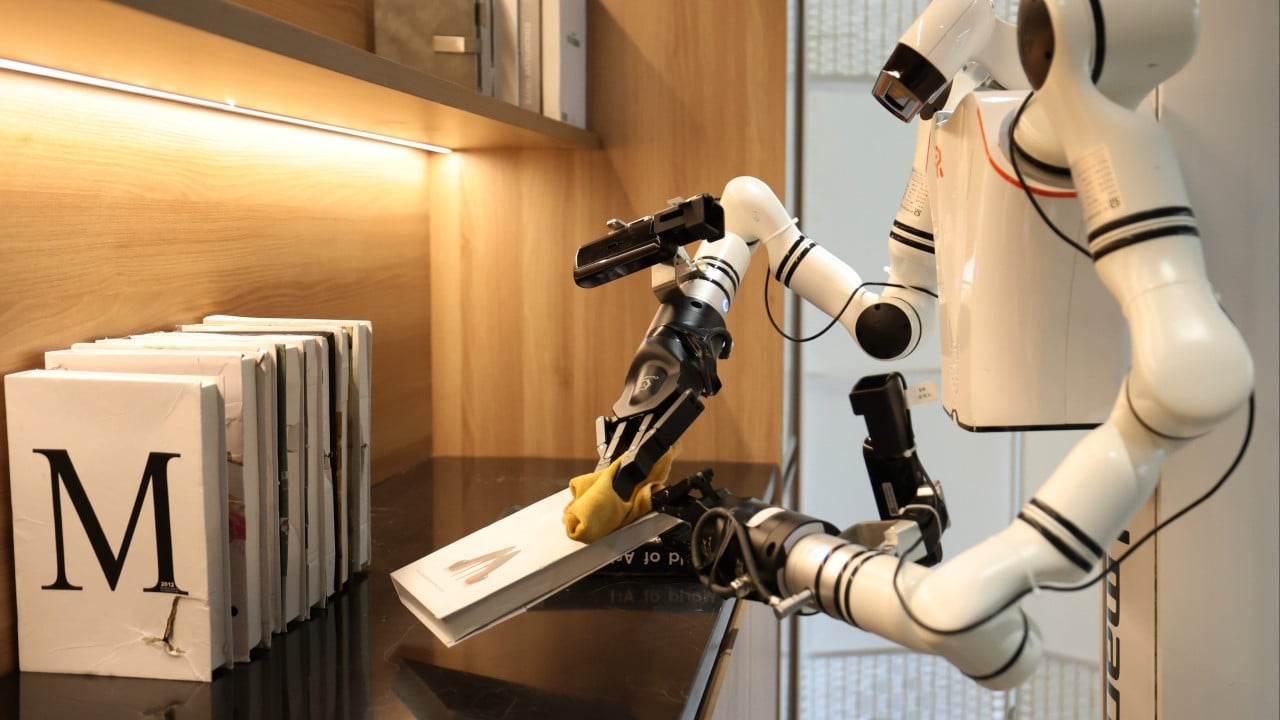
Chinese researchers claim breakthrough in training household robots with AI-generated homes
A team of researchers from Ace Robotics, a start-up supported by a Hong Kong-listed artificial intelligence firm, has announced a significant advancement in the training of robots for real-world home environments. This development addresses a persistent data bottleneck in robotics, potentially speeding up the integration of robots into everyday household settings. The researchers introduced Kairos-HomeWorld, the first unified framework designed to create coherent, accurate, and simulation-ready home environments using simple text prompts. This innovation marks a pivotal step forward in making robotic assistance more accessible and practical for consumers.
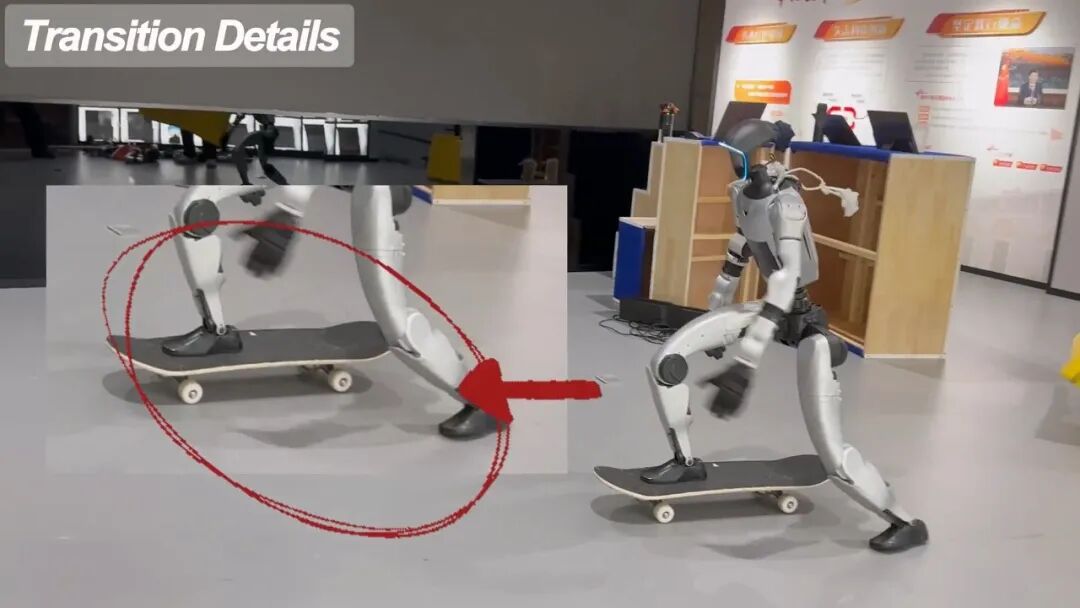
Chinese Team Achieves Breakthrough! HUSKY Framework Turns Humanoid Robots into Skateboarding Experts!
A research team from China has successfully created the HUSKY framework, which empowers humanoid robots to learn and perform skateboarding skills, such as propulsion and steering. This groundbreaking development, unveiled recently, demonstrates the robots' ability to maintain balance and stability across different terrains. The HUSKY framework employs advanced dynamic control techniques, marking a significant advancement in robotic mobility and agility. This innovation not only highlights the potential for humanoid robots in recreational activities but also paves the way for future applications in various fields requiring enhanced movement and coordination.
Humanoid Robots Robotics Control AI Skateboarding Technology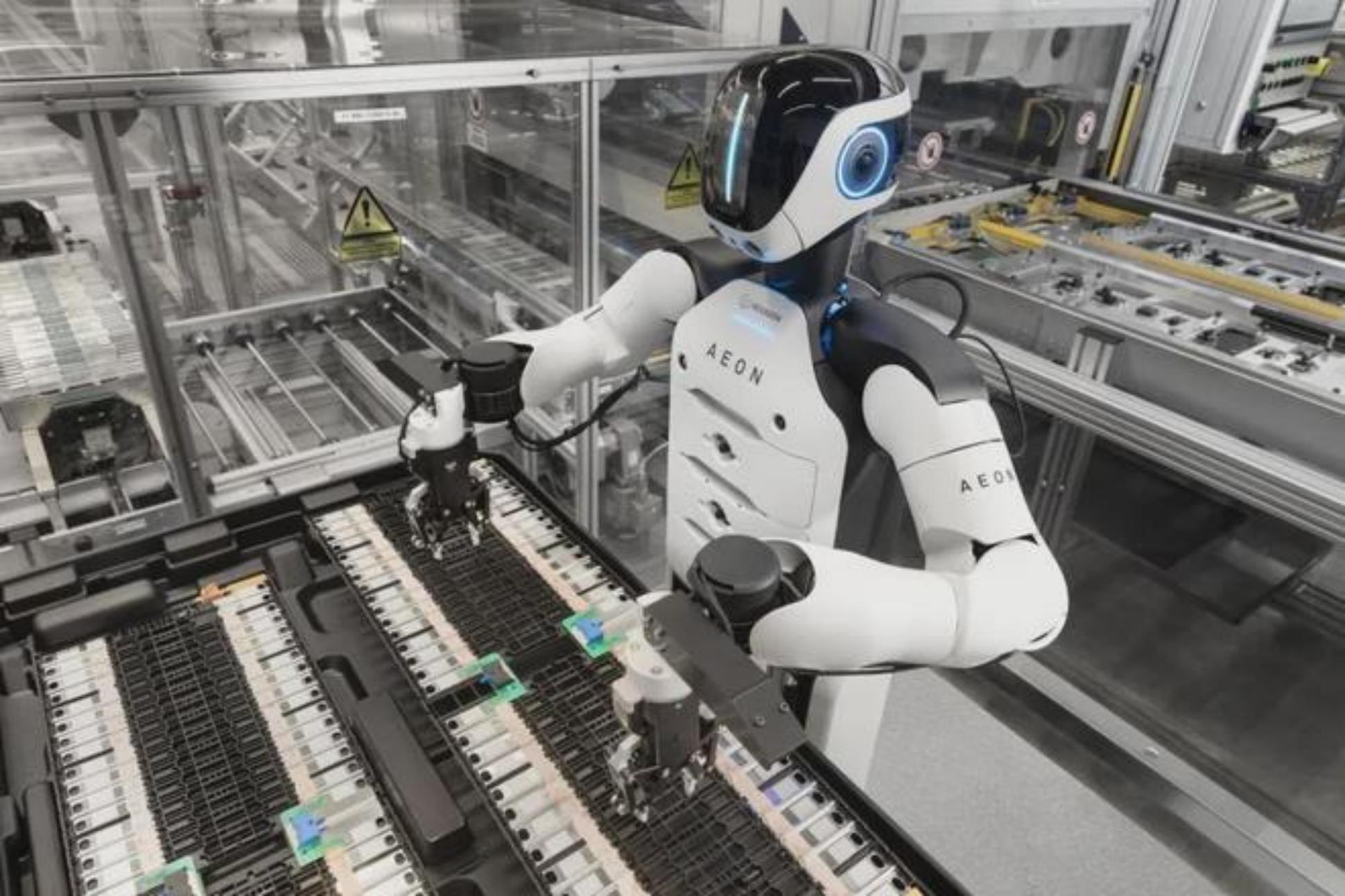
World's First! BMW Introduces Humanoid Robots on Production Line, Powered by Chinese Technology!
BMW has made a significant leap in industrial automation by integrating humanoid robots into its production line at the Leipzig plant, becoming the first German automaker to do so. The AEON robot, developed by Hexagon, will be responsible for high-pressure battery assembly and the production of precision components. This innovative move, which underscores BMW's commitment to enhancing efficiency and precision in manufacturing, was officially announced recently. The implementation of the AEON robot is expected to streamline operations and improve the overall quality of the production process, reflecting the growing trend of automation in the automotive industry.
Humanoid Robots Automotive Manufacturing Industrial Automation AI TechnologyRobotics needs a service framework.
RSF defines a common language for robot service capability, lifecycle operations, certification pathways, and service-provider networks.
Join the RobotToday community on LinkedIn
Daily robotics news, in-depth analysis, conference highlights, and discussions with professionals worldwide.