


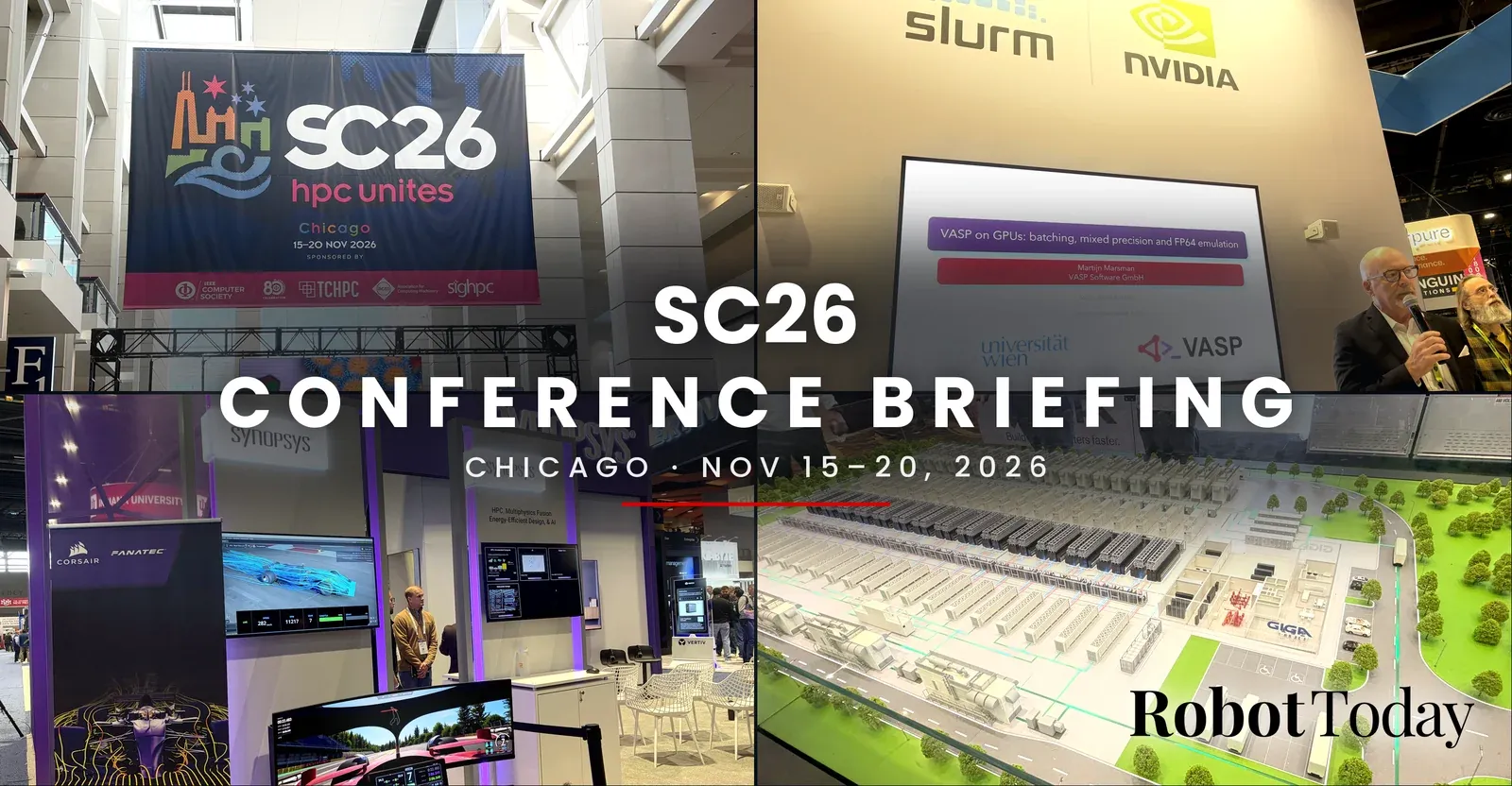
Chicago · November 15–20, 2026 · McCormick Place
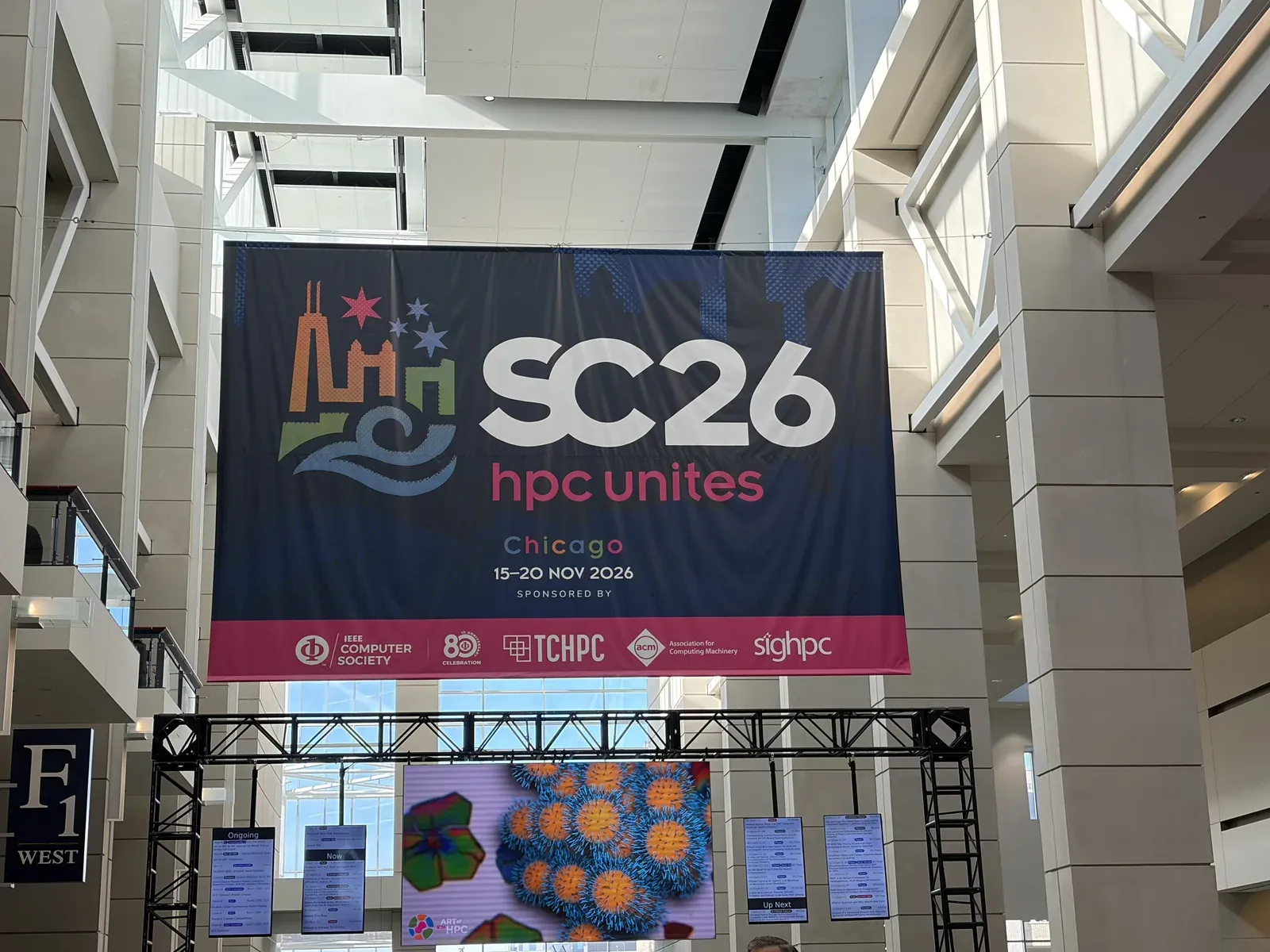
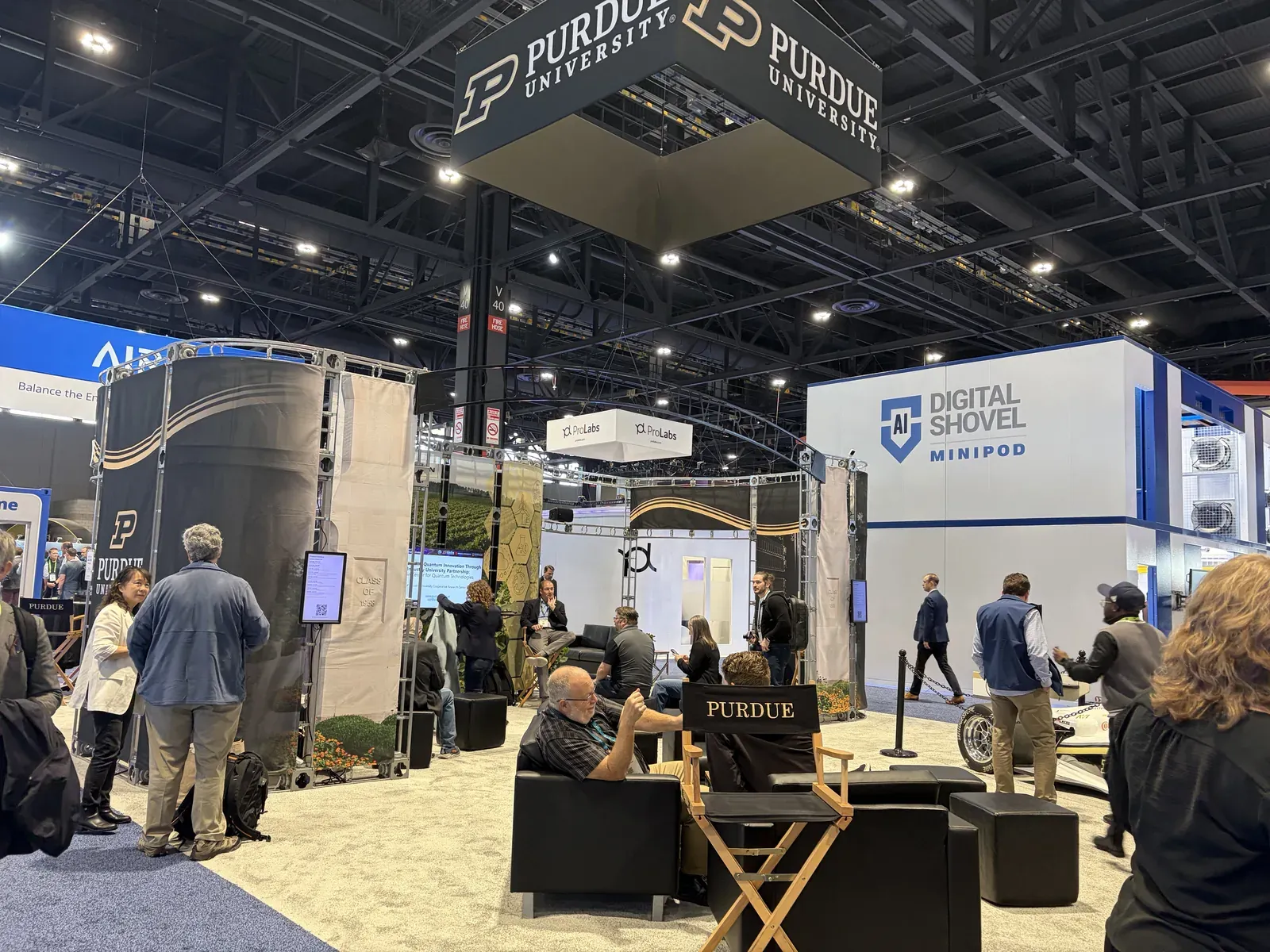
SC26, the 38th International Conference for High Performance Computing, Networking, Storage, and Analysis, brought the supercomputing community to Chicago for the first time under the theme “HPC Unites.” Organizers expected more than 20,000 attendees, with Argonne network engineer Kevin Hayden serving as general chair. SC is not a robotics show. But this year the conversation kept landing on the same idea robotics teams care about: AI that models and acts on the physical world, and the compute needed to train it.
Key takeaways
Physical-world AI took the keynote stage. Caltech's Anima Anandkumar argued the next scaling law comes from training on physics, not text.
“Agents as scientists” was NVIDIA's headline. Nemotron for Science, CUDA-X libraries for agents, and lab-feedback training point toward closed-loop, autonomous research.
New silicon is for simulation. Rubin HPC (2028) and the Vera CPU rack target the simulation workloads behind digital twins and sim-to-real.
Cooling is the bottleneck nobody can ignore. Liquid cooling, CDUs and AI-campus builds dominated the floor.
Keynote: the next scaling law is physical
Anima Anandkumar, Bren Professor at Caltech and co-founder of Accelerated Understanding, opened the conference on November 17 with “The Next Scaling Law after LLMs: AI that Understands the Physical World.” Her case: language-model architectures hit limits when the problem moves from words to physical phenomena, and the next gains will come from models trained on physical data. Her lab's neural operators learn to predict fields such as fluid flow, heat and electromagnetics across space and time, with physics acting as a guardrail. Target domains include chip design, weather, drug discovery and fusion.
RobotToday view: the same argument is being made in robotics, where world models and physics-grounded simulation are replacing hand-built simulators. Faster, learned physics is exactly what large-scale robot training needs.
NVIDIA: agents are the new scientists
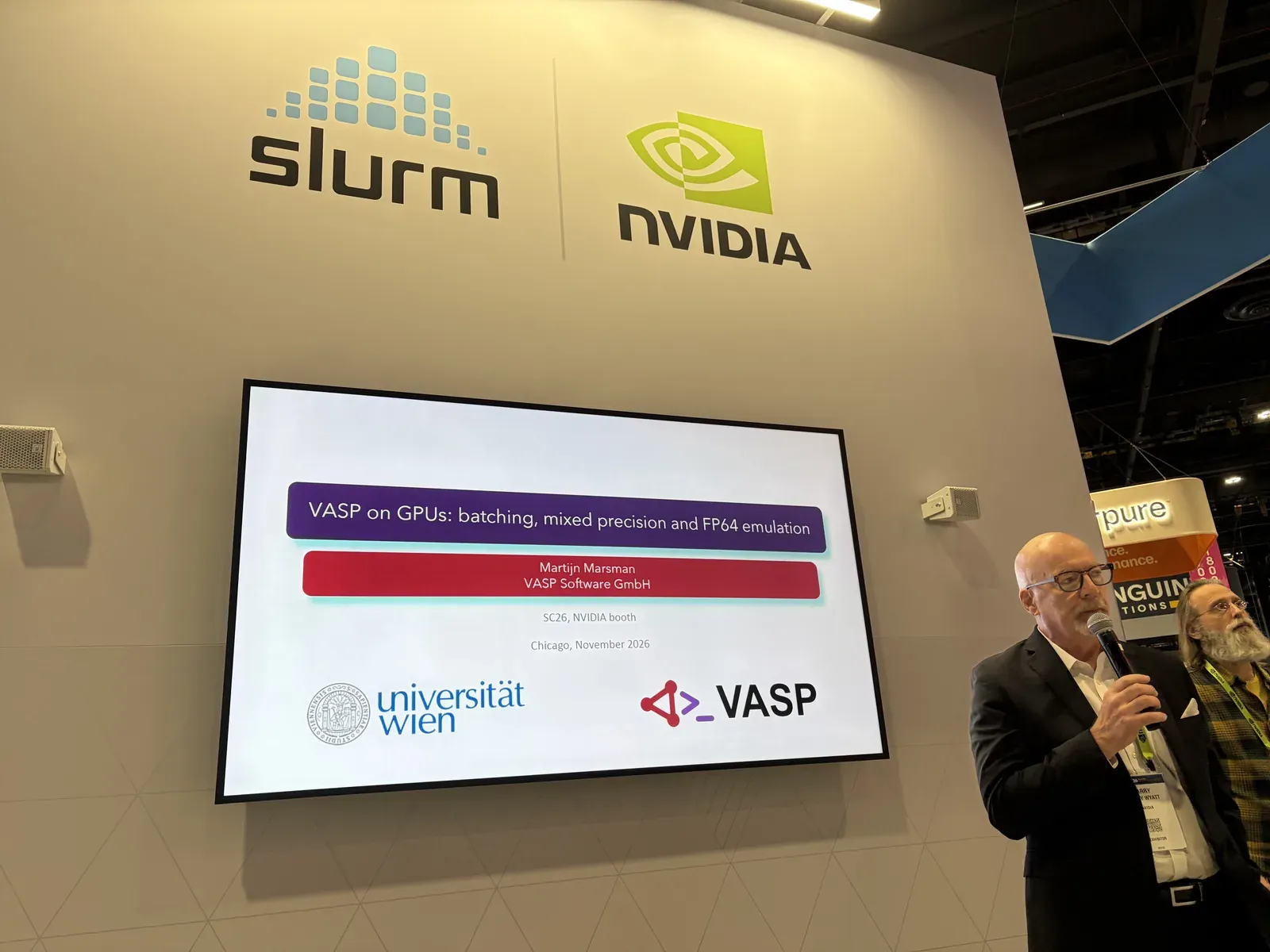
In a special address on November 16, NVIDIA's Ian Buck framed science as entering the age of agents. The company announced Nemotron for Science, which pairs the open Nemotron 3.5 Super VL model with a new open chemistry dataset and post-training recipes, runnable locally on DGX Spark or on a lab's own cluster. Buck cited an Argonne agent that, from a single prompt, planned and tested hypotheses, chose its own simulations and identified two new binding sites.
The robotics-relevant thread is lab feedback. Commentary from the show highlighted Lila Sciences post-training Nemotron on real experimental results for quantum-dot synthesis, treating physical experiments as a training signal. That is the loop behind self-driving labs, where AI plans an experiment and robots execute it. The U.S. Department of Energy is funding that direction too, with $30 million for national-lab robotics and automation testbeds for autonomous science, including Argonne's MAESTRO and Brookhaven's DART projects.
Hardware built for simulation
NVIDIA also introduced Rubin HPC, a Vera Rubin-family GPU with more than 50,000 CUDA cores and support from FP64 down to FP4, expected in 2028. The Vera CPU rack-scale platform expanded, with DKRZ selecting Vera for its HLRE-5 climate system, and a DGX Spark HPC Developer Kit links four DGX Sparks with 512GB of combined memory for desk-side clusters. For robotics groups, cheaper local clusters and faster FP64 simulation both lower the cost of physics-heavy training pipelines.
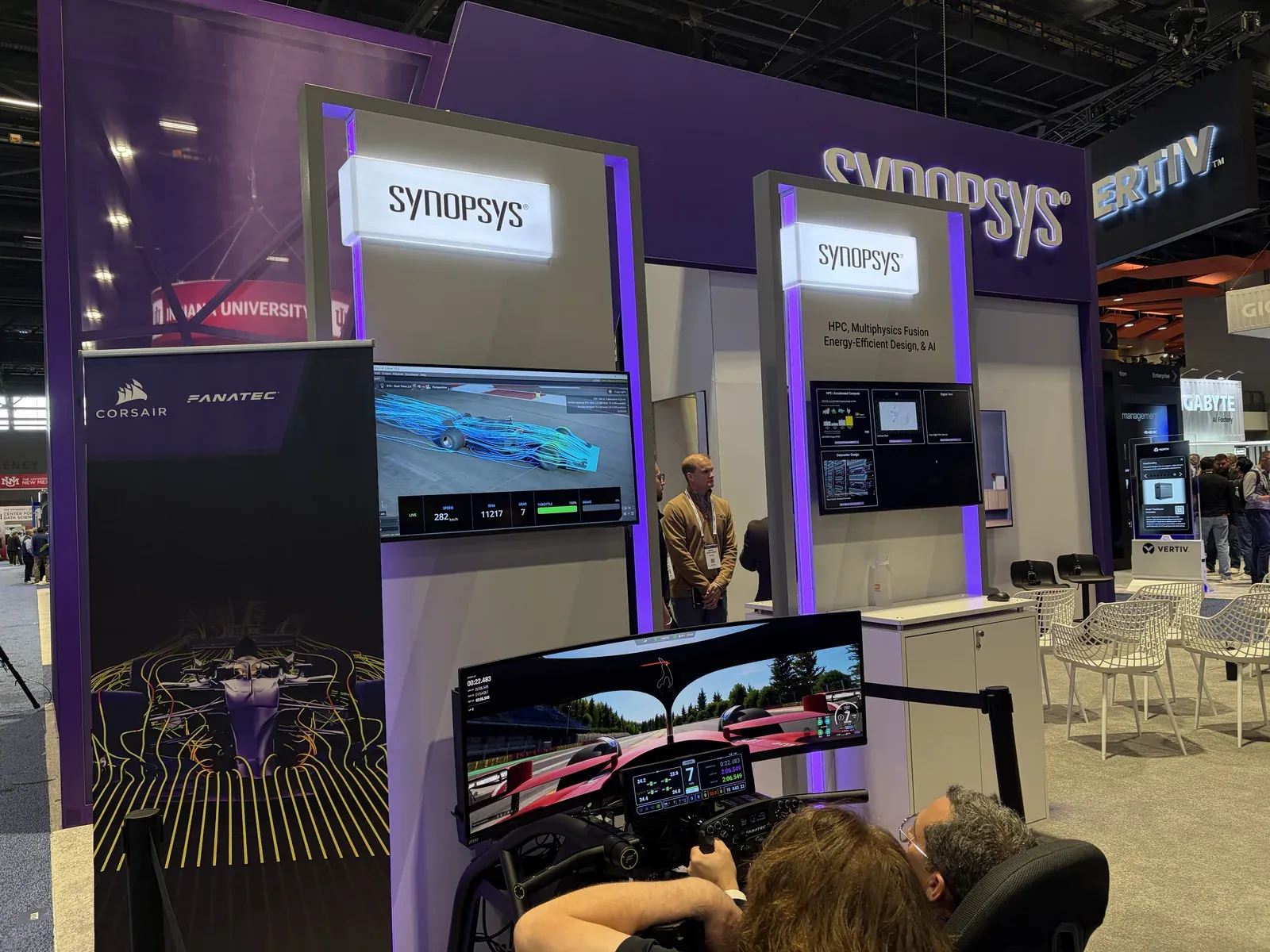
Simulation was the common language on the floor. Synopsys, now combined with Ansys, promoted HPC-driven multiphysics and energy-efficient design next to a driving-simulator demo, a reminder that the same solvers used for chips and vehicles feed digital twins of robots and factories.
From the floor: the AI factory buildout
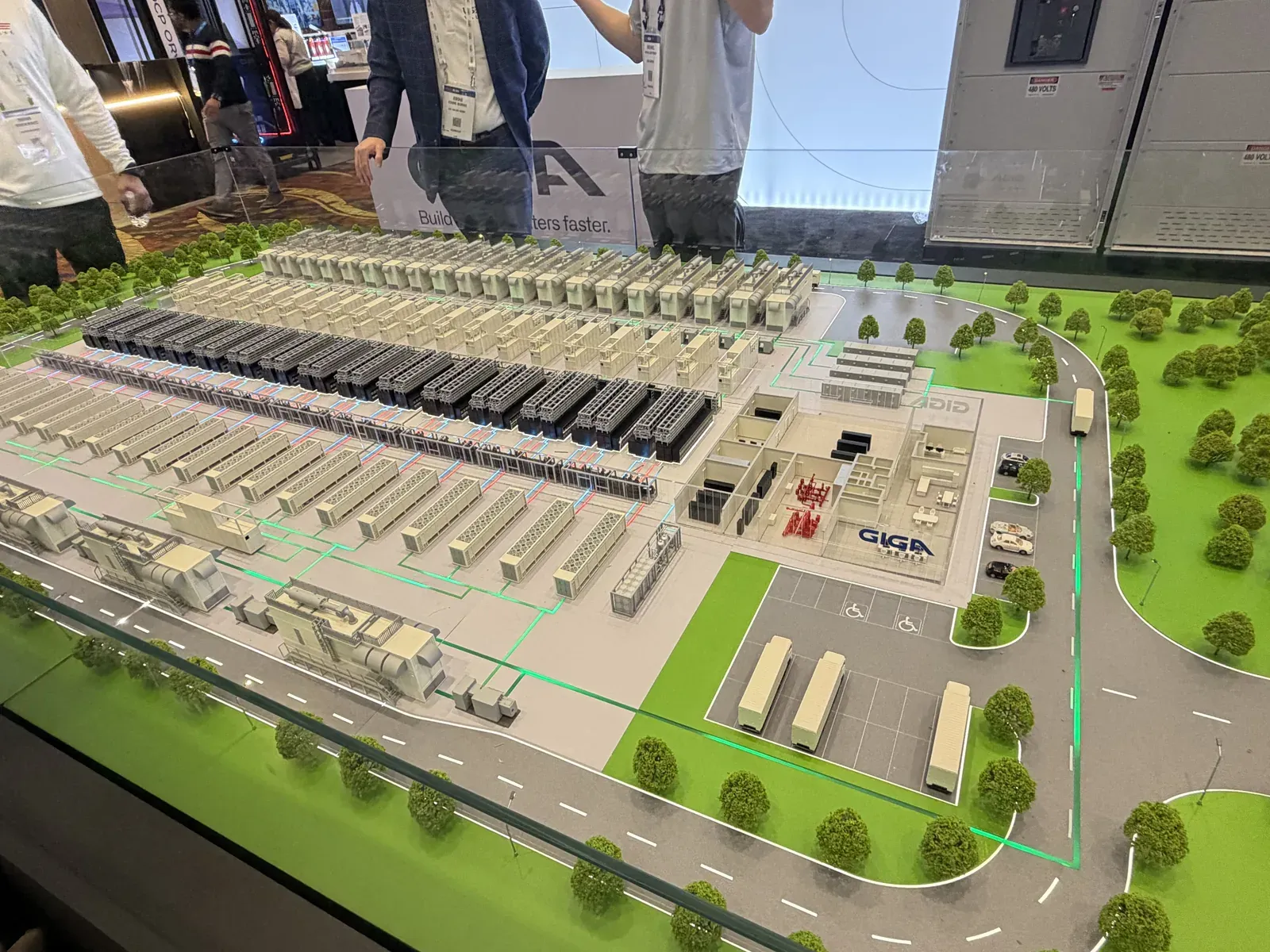
The exhibit hall (open November 17–19) was dominated by the infrastructure behind AI training: campus-scale data-center models, rack-scale systems and, above all, cooling. Danfoss used the show to launch new liquid-cooling hardware, including a 2.5-inch FD83 quick-disconnect coupling and smart control valves rated up to 333 liters per minute, alongside its oil-free Turbocor compressors.
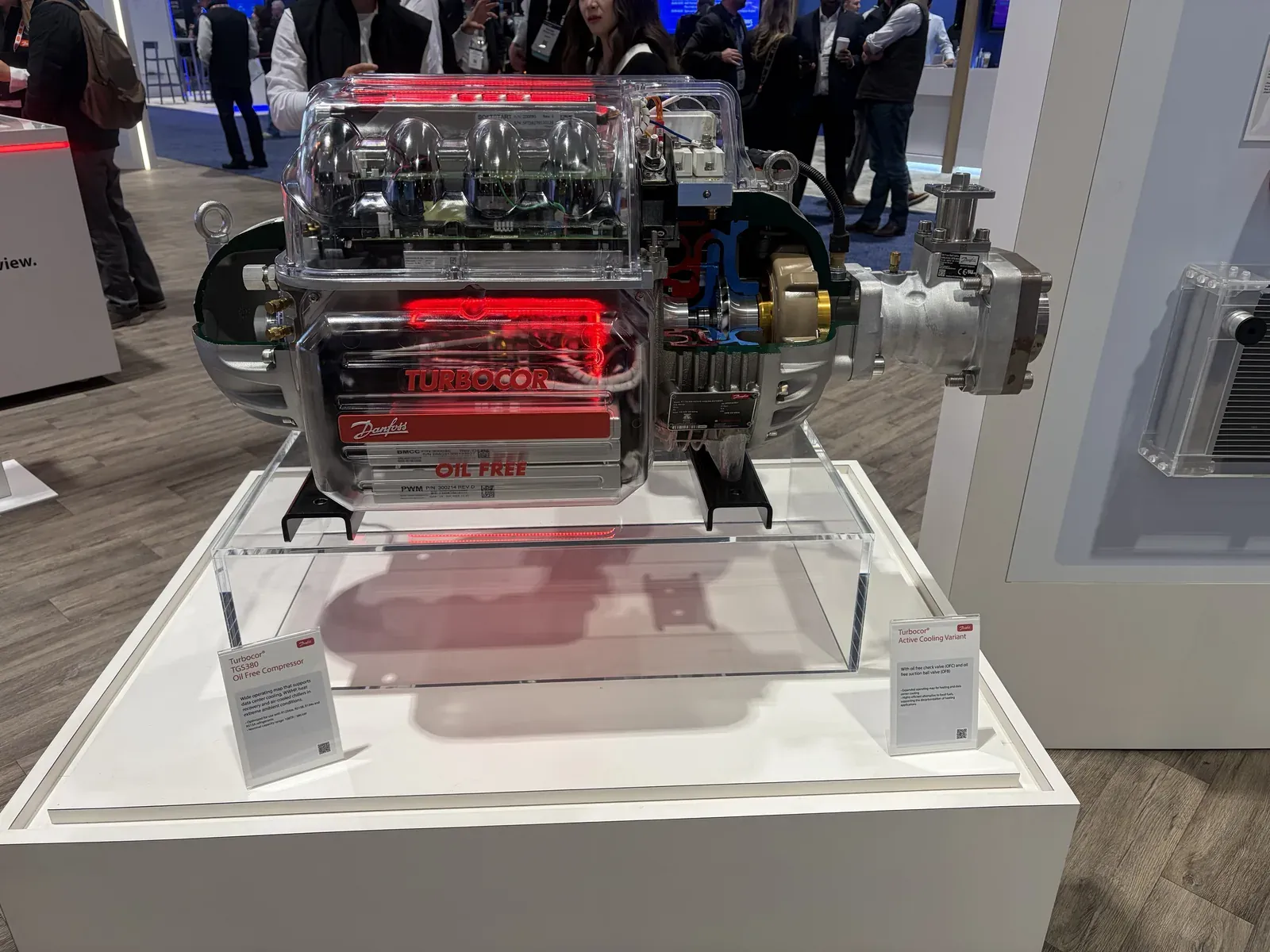
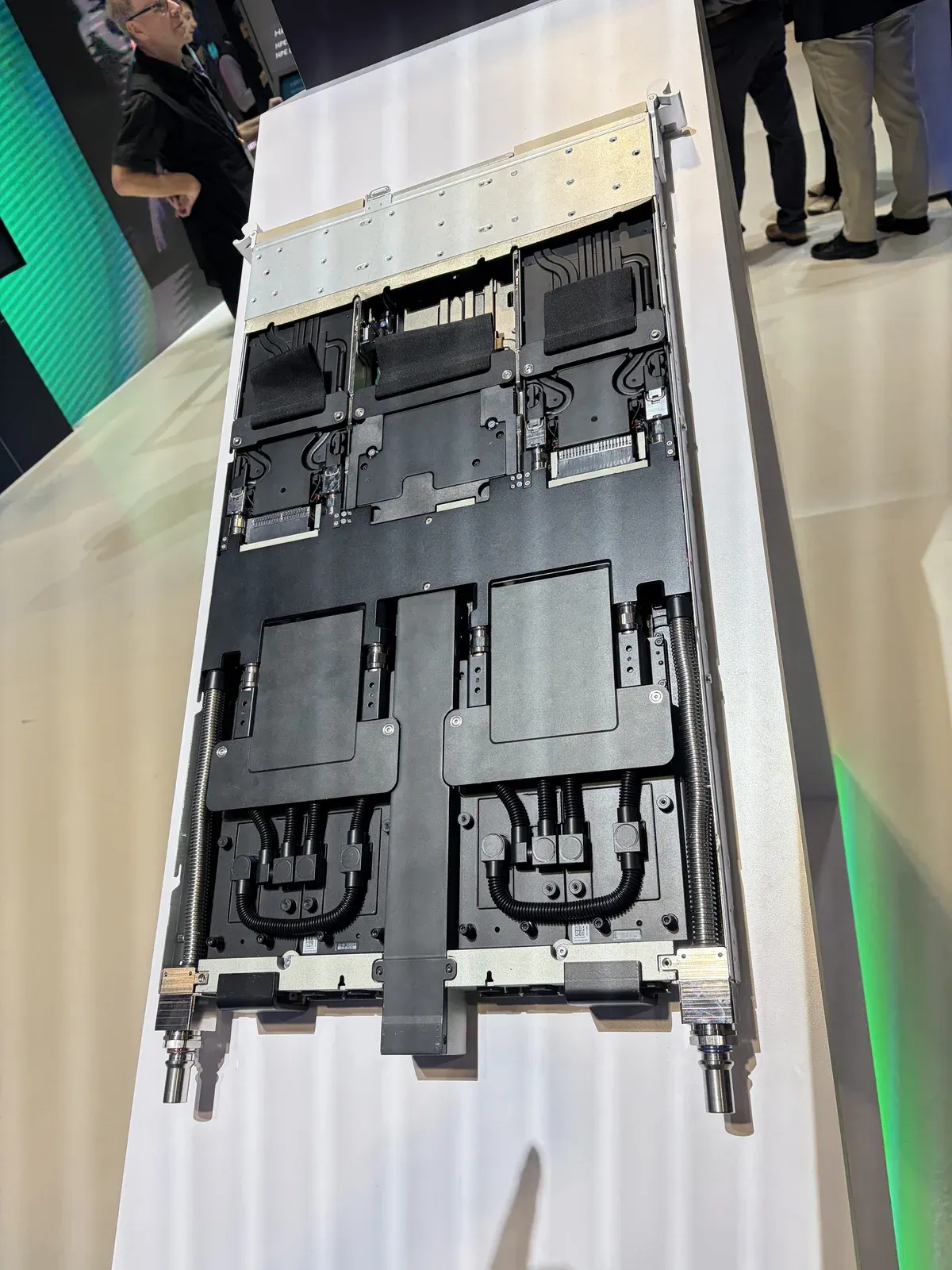
Physical AI's appetite for simulation and video-scale training data lands on exactly these facilities. Power and thermal capacity, not just GPUs, will set how fast robot foundation models can scale.
Community and talent
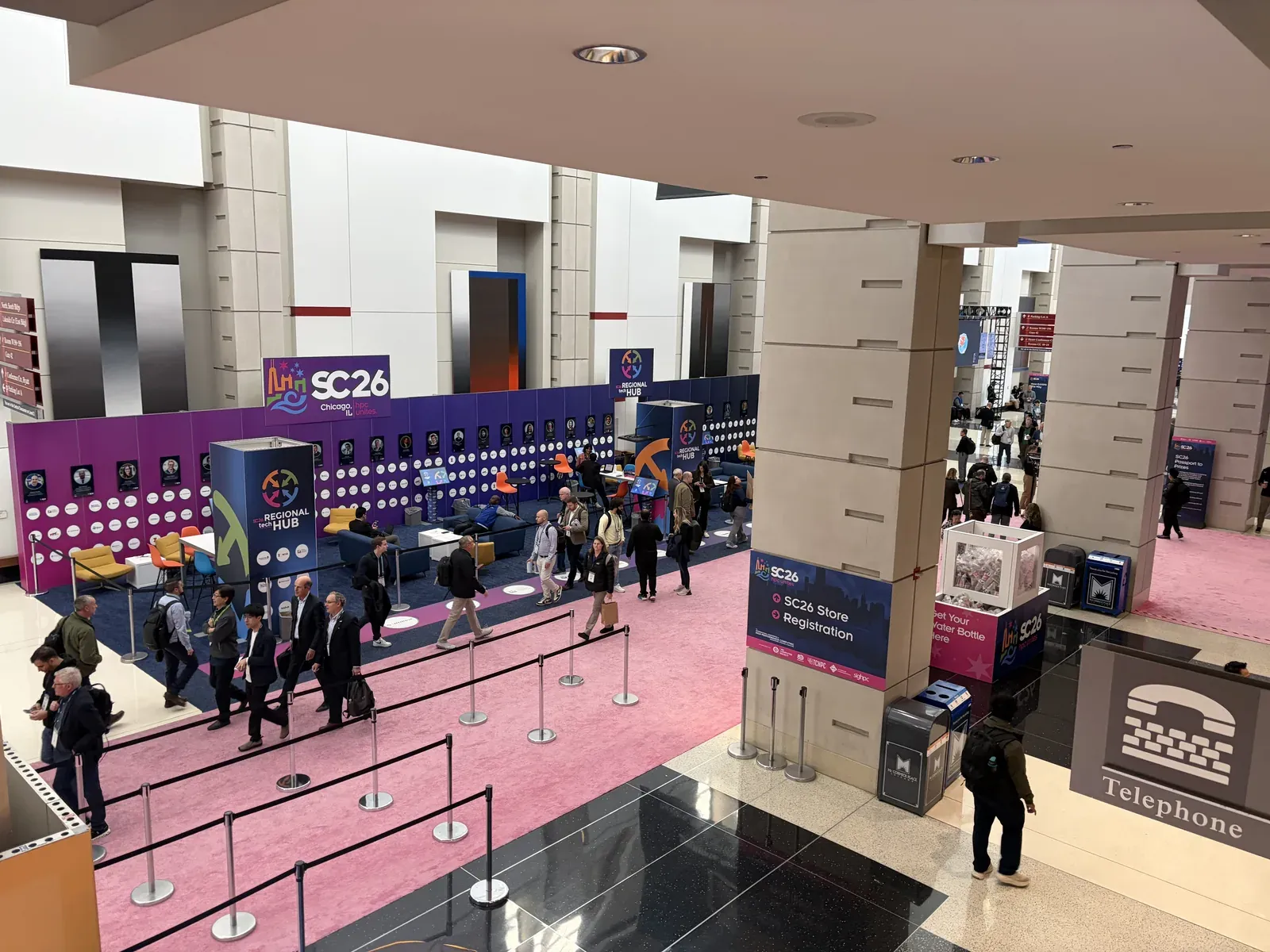
New this year, a Regional Tech Hub highlighted research and innovation across Illinois, and university and national-lab booths filled the research aisles. SC's SCinet team has also been using the conference for STEM outreach, including hosting a FIRST robotics team who demoed their robot at the SCinet booth.
Why it matters for robotics
SC26 showed supercomputing shifting from raw benchmark speed toward the speed of the full research loop: hypothesis, simulation, experiment and refinement. Robotics sits at the physical end of that loop. Learned physics models, agent-driven experiment planning and autonomous labs all depend on HPC, and the robots that run those labs are becoming part of the scientific stack itself.
Reference
SC26 official site
SC26 Keynote: Anima Anandkumar
Tech Times: Anandkumar keynote at SC26
NVIDIA Blog: Ian Buck at SC26
SiliconANGLE: Nvidia at SC26 — agents are the new scientists
StorageReview: NVIDIA SC26 Rubin HPC
eWeek: DGX Spark HPC Developer Kit
NVIDIA: Vera CPU platform
DOE: Robotics and automation testbeds for autonomous science
ACHR News: Danfoss liquid cooling at SC26
HPCwire: Kevin Hayden leading SC26
SC26: The Future of Robotics Meets SC


Leave a comment