

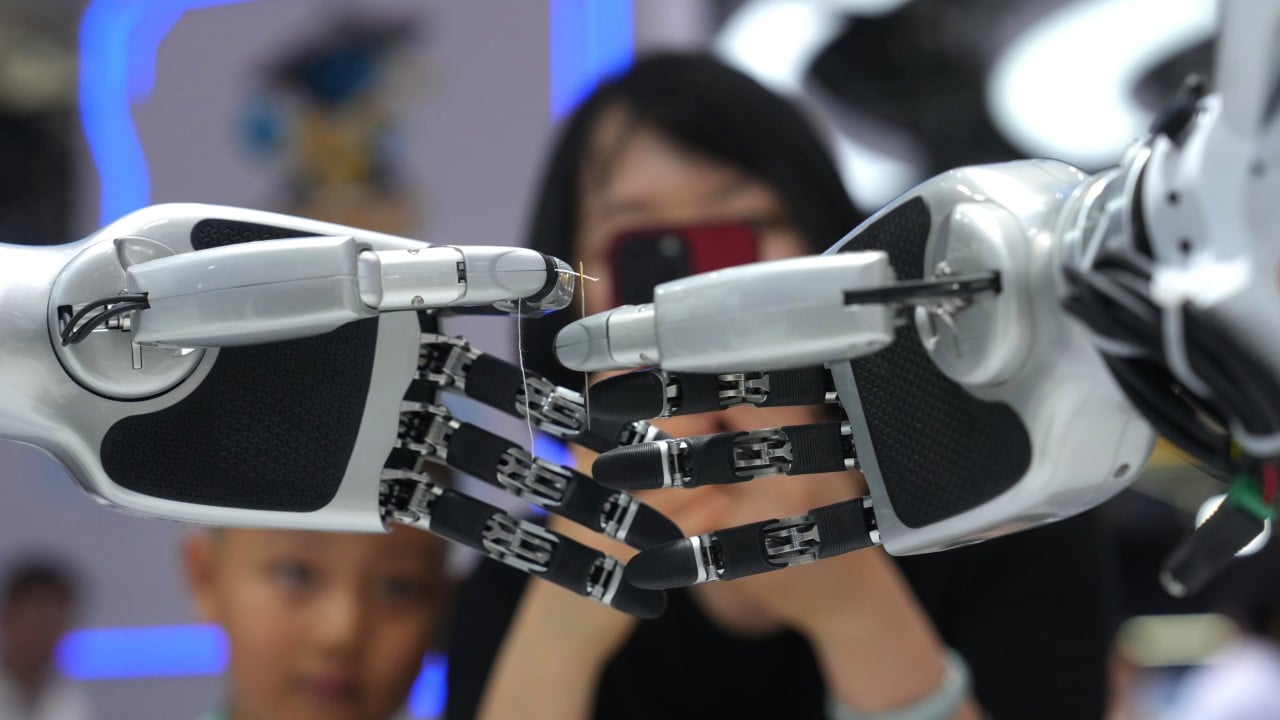
The robotics industry is witnessing a transition from showcasing humanoid robots to practical deployments. At Unitree Robotics' booth, bipedal robots demonstrated impressive skills in activities like table tennis and combat, showcasing advancements in speed and balance. However, other exhibitors highlighted robots that efficiently sorted parcels and moved materials, emphasizing functionality over form.
This shift is significant as it reflects a growing preference for robots that can perform specific tasks effectively. Yang Li, a senior engineer at X Square Robot, questioned the necessity of bipedal designs, noting that their two-armed WALL-B model sorted 1,816 packages in a controlled test, outperforming the bipedal Figure 03 robot from Figure AI, which managed 1,248 parcels per hour. This trend indicates a move towards more practical robotic solutions in various industries.
Looking ahead, the focus on efficiency and task-oriented designs is likely to continue shaping the robotics landscape. With companies like AI2 Robotics showcasing versatile wheeled robots capable of making coffee and ice cream, the industry may prioritize robots that can adapt to different functions over traditional humanoid forms. No further timeline was disclosed at the time of publication.
Editor's Note
The robotics industry is increasingly prioritizing practical applications over humanoid designs, reflecting a shift in market demand. This trend may influence investment strategies and technology development as companies seek to deliver more efficient solutions tailored to specific tasks. The competitive landscape is evolving, with startups like X Square Robot and AI2 Robotics leading the charge in functional robotics.
Copyright Notice
This briefing is an independently written summary based on publicly available reporting and is provided for industry information and news discovery. The original report and source publication are credited and linked where applicable. RobotToday does not claim ownership of third-party source material.
Rights concerns? If you believe any material in this briefing infringes your copyright or other rights, please contact [email protected] with the relevant URL and details. We will review the matter and take appropriate action where warranted.







Leave a comment