


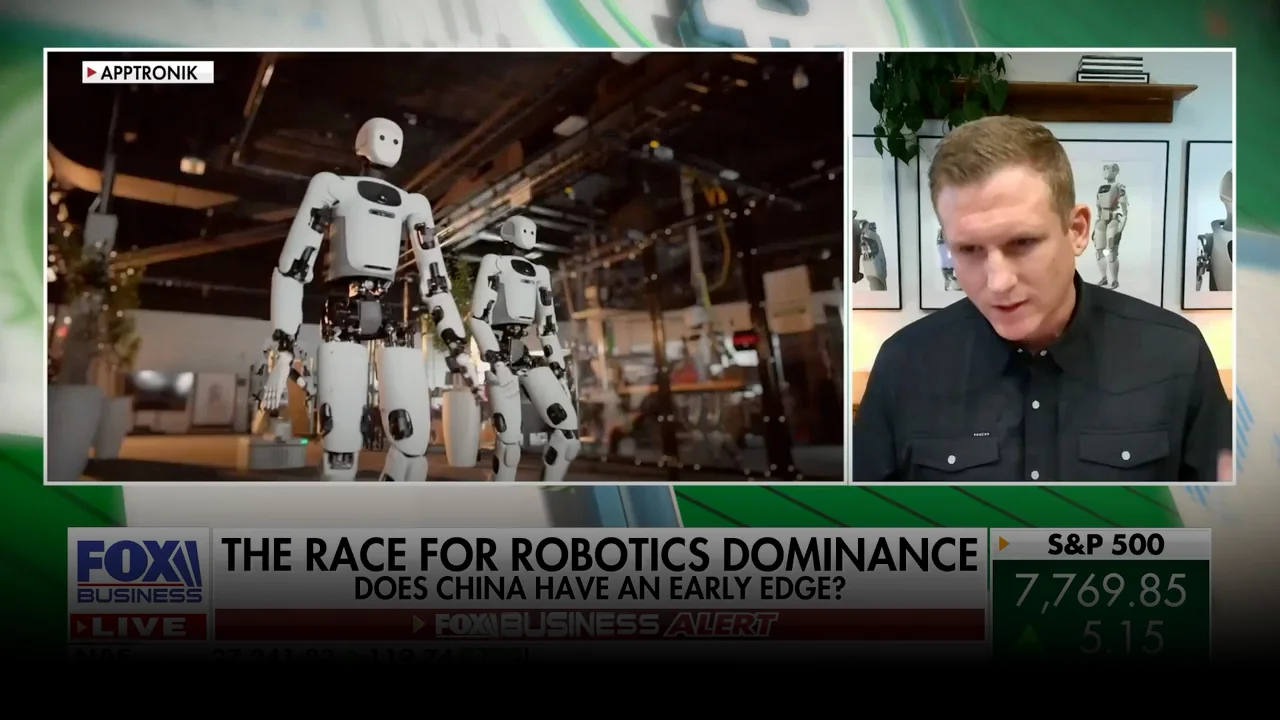
In response to a US ban on Chinese robots, Silicon Valley engineers have devised a workaround by traveling to Shenzhen to bring back robot components in their luggage. The Federal Communications Commission (FCC) updated its regulated list on July 28, 2026, restricting advanced robot equipment from foreign production, effectively barring new Chinese models from entering the US market. However, the ban targets the assembly stage rather than the individual components, which remain freely available.
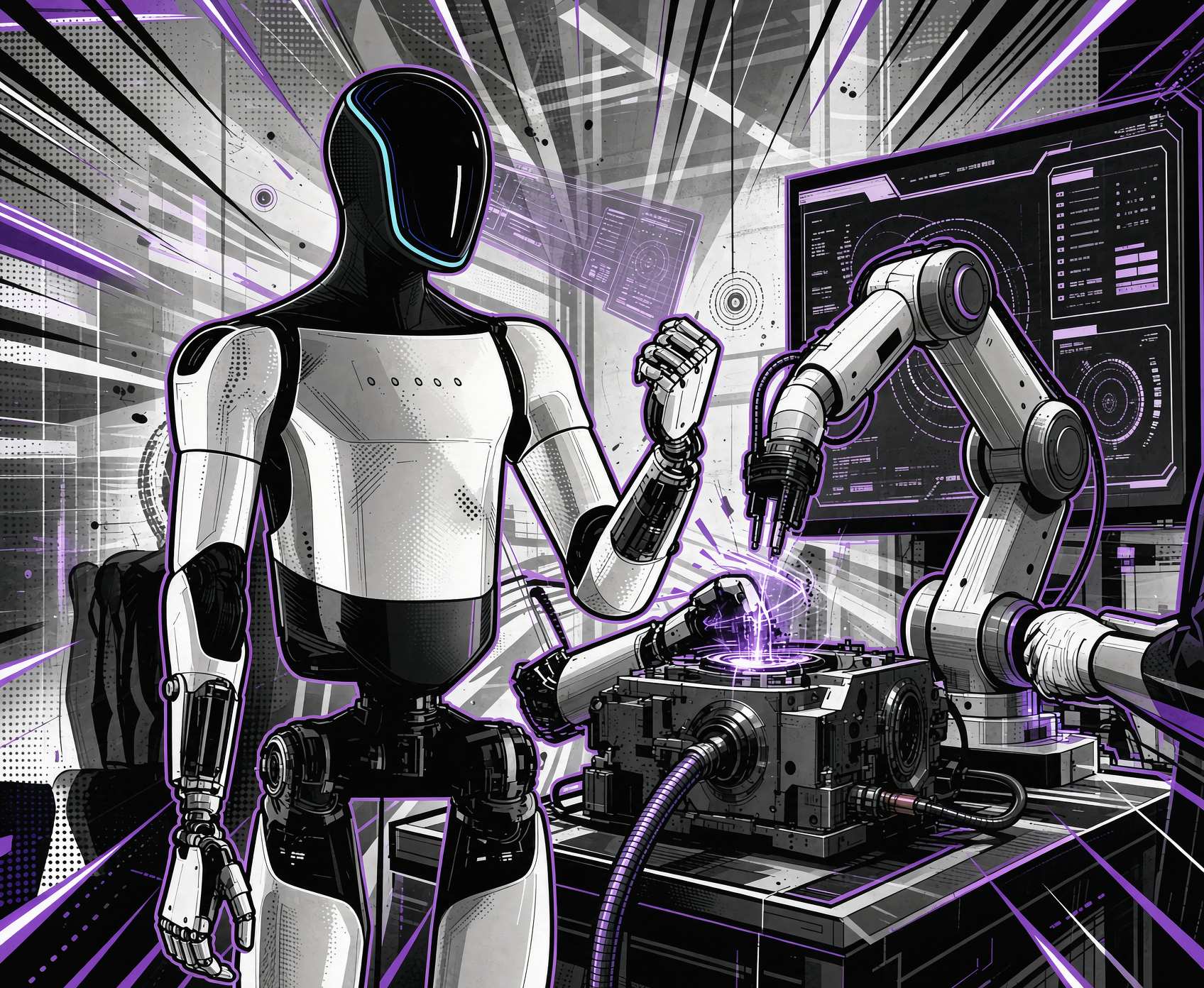
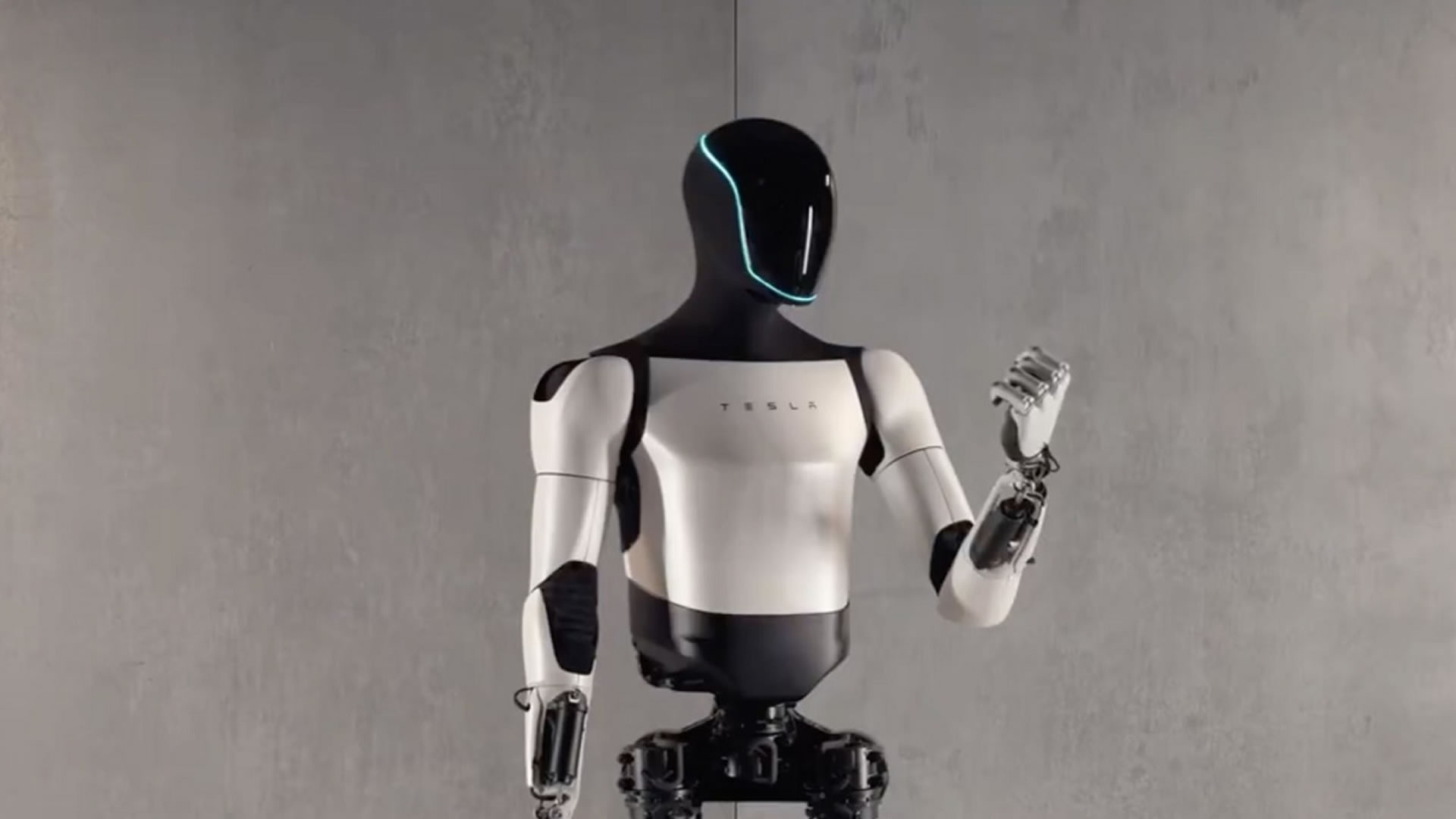
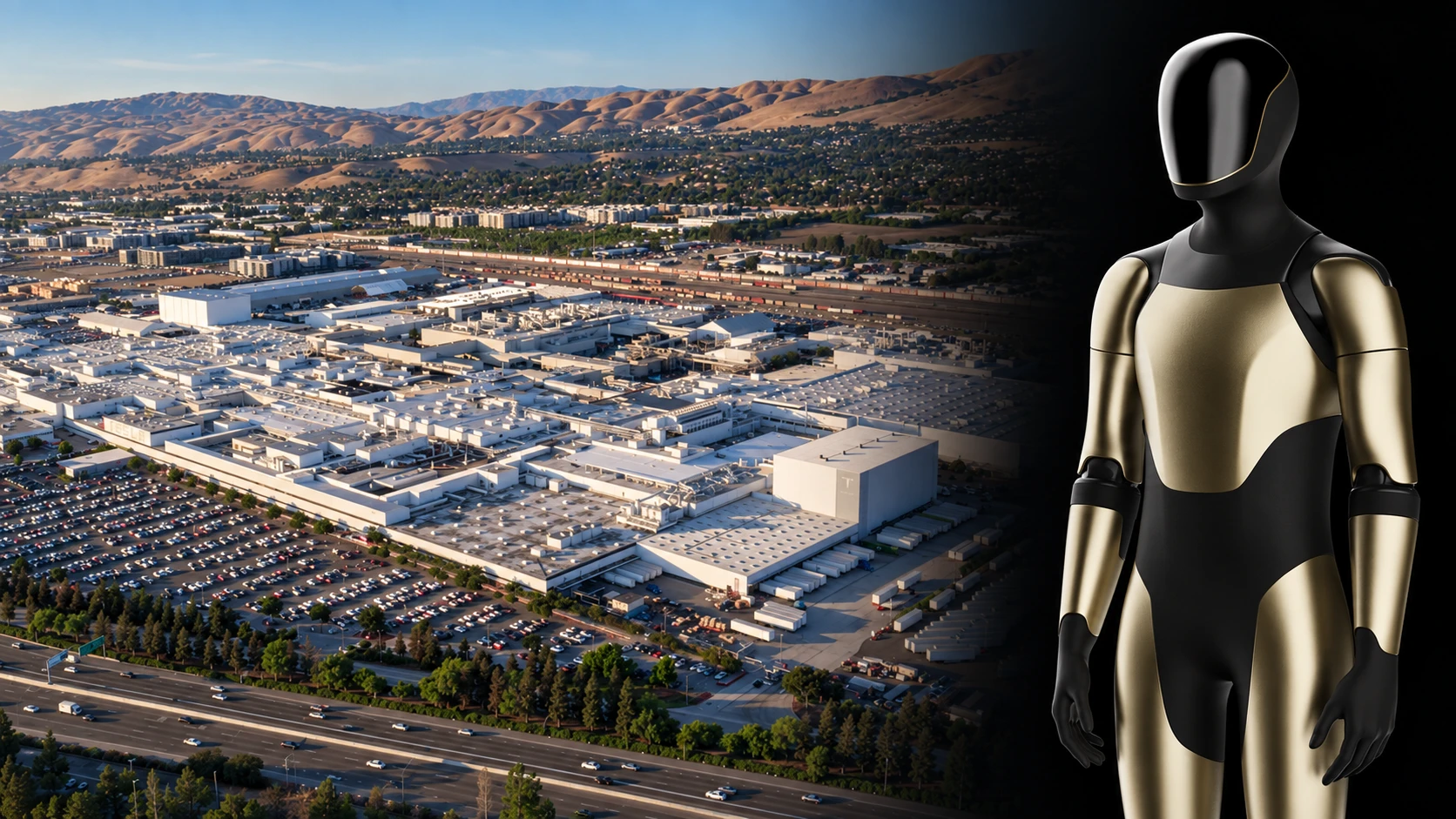
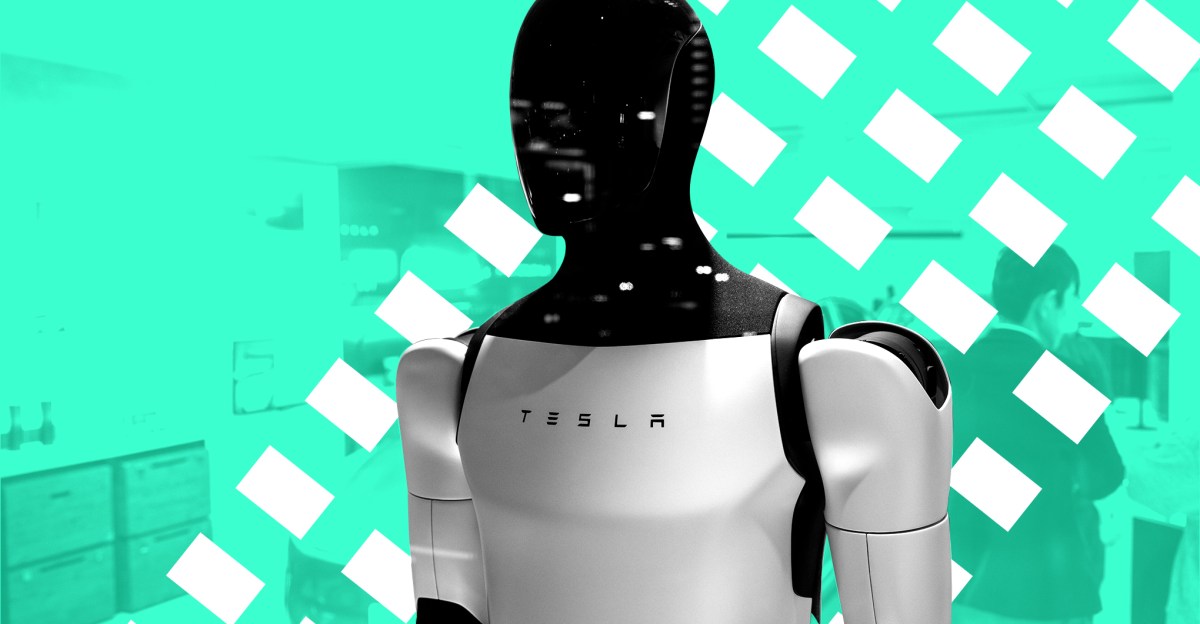
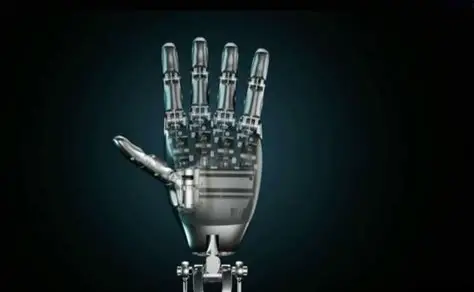
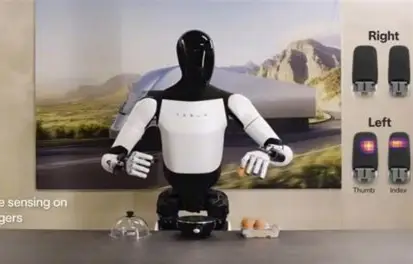
This situation is significant as China holds a 63% share of the global humanoid robot supply chain, particularly excelling in critical components like motors and sensors. For instance, Tesla's Optimus relies on approximately 70% of its core parts from Chinese suppliers. Removing these components would drastically increase production costs, making it unfeasible to meet pricing targets. As traditional procurement channels are blocked, US entrepreneurs are increasingly sourcing parts directly from Chinese markets, often transporting them back personally.
Looking ahead, the demand for robot components is expected to surge as humanoid robots transition from experimental to mass production. The current method of transporting parts in luggage is not sustainable for future needs, highlighting the ongoing reliance on Chinese manufacturing despite regulatory challenges. No further timeline was disclosed at the time of publication.
Editor's Note
The ongoing US restrictions on Chinese robotics underscore the complexities of global supply chains in technology sectors. As companies seek alternatives, the reliance on Chinese components remains a critical issue, affecting production costs and competitive positioning in the robotics market. The emergence of intermediaries in the US to facilitate component procurement reflects the adaptive strategies businesses are employing to navigate regulatory hurdles.






















Leave a comment