

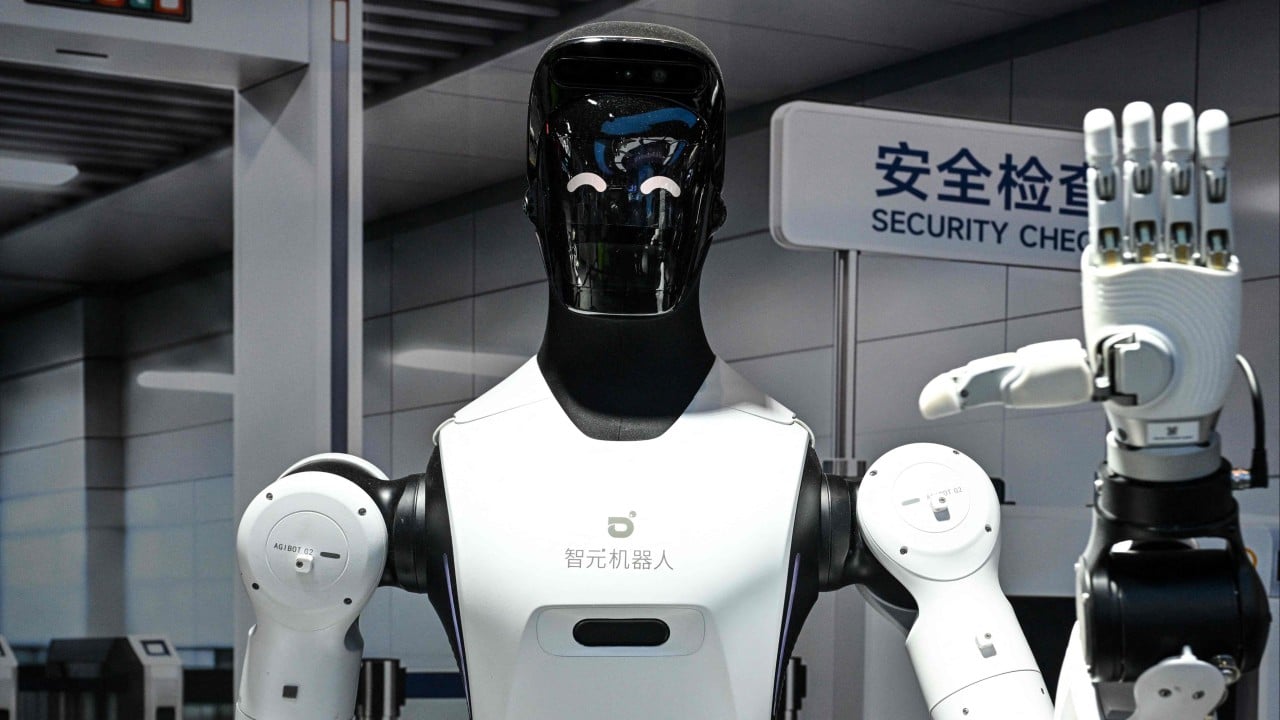
The US House of Representatives has passed the National Defence Authorisation Act (NDAA), which includes a ban on the military's use of Chinese-made humanoid robots. This legislation reflects growing concerns over national security and data privacy, as it prohibits the Pentagon from procuring or operating robotic systems linked to foreign adversaries like China, Russia, and Iran.
This move is significant as it marks an expansion of US scrutiny over Chinese technology, particularly in the realm of autonomous systems. The NDAA incorporates elements of the proposed Guarding the US Against Adversarial Robotics Dominance (GUARD) Act, although it does not include the most stringent measures that would affect commercial sales of these technologies.
Looking ahead, while the current legislation focuses on military procurement, the implications for commercial sales remain uncertain. Lawmakers have yet to address the broader concerns raised by the GUARD Act, which could lead to further restrictions on Chinese robotic systems in the future. No further timeline was disclosed at the time of publication.
Editor's Note
The passage of the NDAA signals a critical shift in US defense policy regarding foreign technology, particularly from China. As the competitive landscape evolves, companies involved in robotics and autonomous systems must navigate increasing regulatory scrutiny and potential market restrictions, impacting both military and commercial sectors.



























Leave a comment