


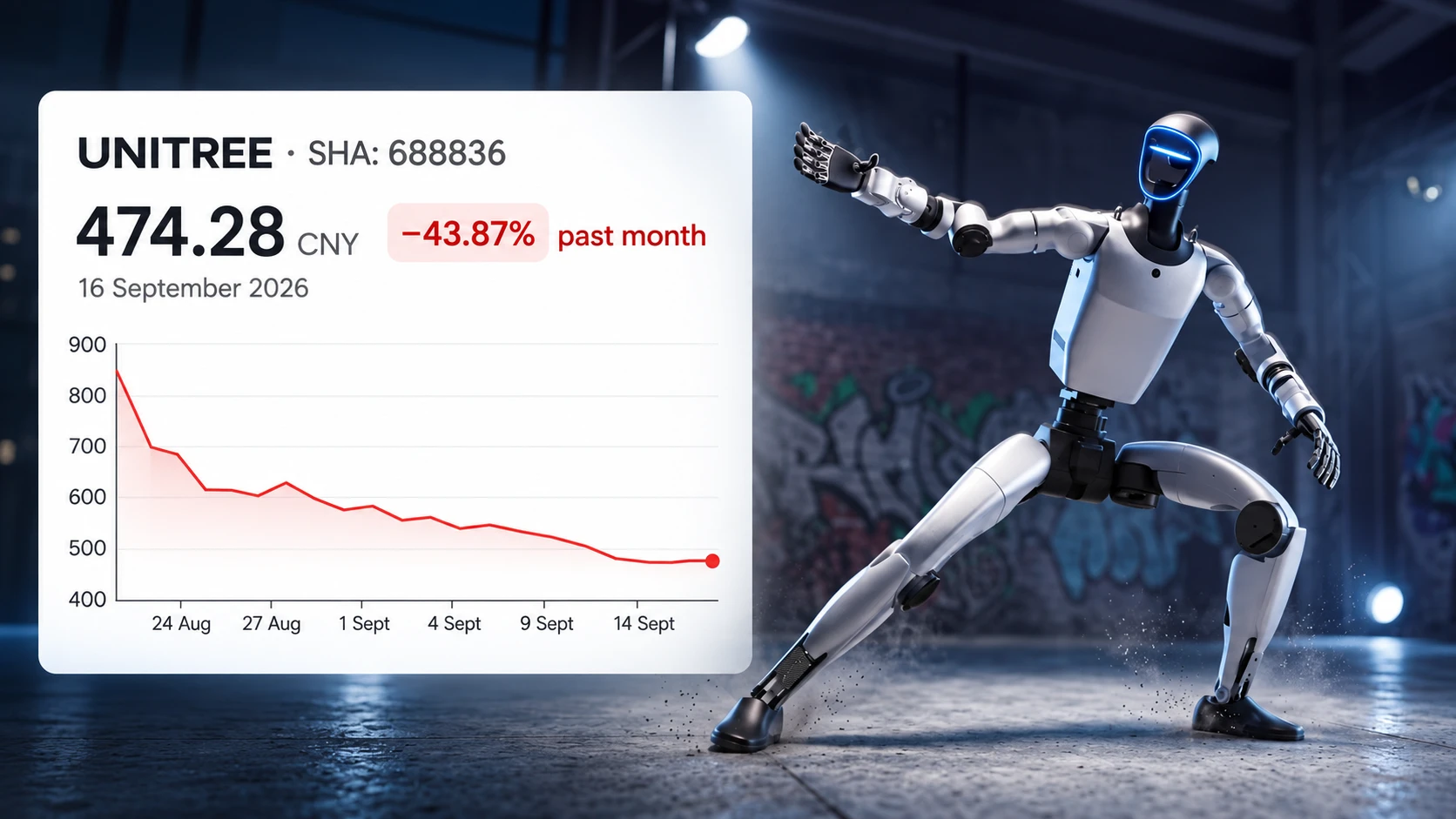
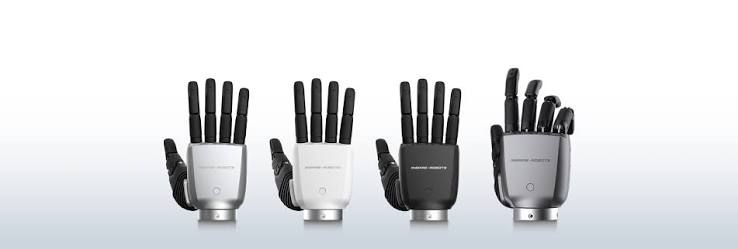
On July 28, the US Federal Communications Commission (FCC) announced that advanced robotic equipment, including humanoid and quadruped robots, along with networked power inverters, will be added to a 'regulated list.' This action prevents new models from obtaining FCC certification, effectively barring them from the US market. The FCC claims these devices could create supply chain vulnerabilities and pose cybersecurity risks to critical infrastructure in the US.
This ban is viewed as a continuation of the Trump administration's efforts to strengthen technological competition under the guise of national security, while also aiming to reshape the AI industry supply chain. The Washington Post noted that while the inverter ban may seem minor, its impact could be significant due to the rising power demands of AI data centers. China's Ministry of Foreign Affairs has condemned the US for its protectionist measures, asserting that they harm both US businesses and consumers.
Looking ahead, the Chinese Ministry of Commerce has issued a statement criticizing the US for its discriminatory practices against Chinese companies. The statement warns of potential retaliatory measures if the US does not reverse its decision. With China holding over 80% of the global humanoid robot market, the ban directly targets its dominance in this emerging sector, indicating that the competition over new technologies is intensifying.
Editor's Note
The recent FCC ban on advanced Chinese robots and inverters highlights the ongoing tensions in US-China trade relations, particularly in the technology sector. This move could reshape supply chains and influence the competitive landscape as both nations navigate their respective technological ambitions. The implications for manufacturers and investors in both countries are significant, as they may need to adapt to a rapidly changing regulatory environment.




























Leave a comment