

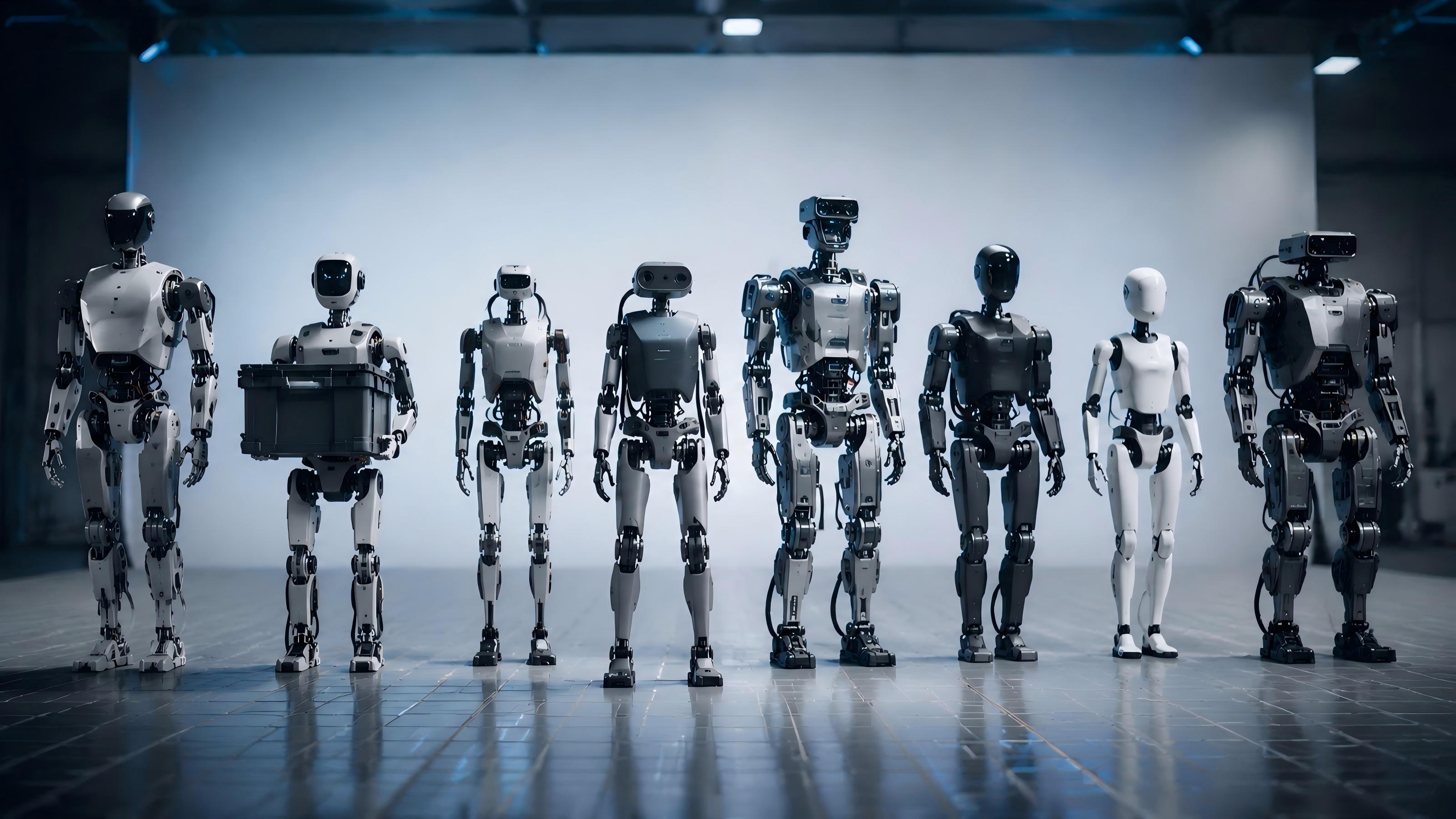
On July 28, the U.S. Federal Communications Commission (FCC) enacted new regulations prohibiting the entry of newly manufactured humanoid robots, quadruped robots, and connected power inverters from foreign production into the U.S. market. This ban is effective immediately and currently does not affect certified existing products, but the FCC indicated that it may review listed models based on national security assessments in the future.
This regulation echoes previous restrictions on companies like Huawei and ZTE, with the stated rationale being to mitigate supply chain vulnerabilities and prevent cyberattacks on critical infrastructure. The inclusion of seemingly unrelated products like robots and inverters in the same regulatory framework suggests deeper concerns about U.S. dominance in next-generation intelligent industries, beyond mere data security.
Looking ahead, the implications of this ban could significantly impact the market landscape, particularly for Chinese companies like Yushu Technology, which is projected to ship over 5,500 humanoid robots by 2025. The U.S. fears that allowing Chinese products to penetrate various sectors could lead to a repeat of past experiences in the drone industry, where U.S. companies struggled to compete against established Chinese manufacturers.
Editor's Note
The recent FCC ban highlights the growing intersection of national security and technological competition, particularly in the robotics and energy sectors. As the U.S. seeks to maintain its technological edge, the implications for supply chains and market dynamics could reshape the landscape of AI and robotics. Stakeholders should monitor how these regulations evolve and their potential impact on innovation and competition.




















Leave a comment