


In recent years, the global robotics research landscape has shifted focus back to the physical structure of robots, particularly in dexterous manipulation. According to IEEE Robotics and Automation Society, the number of papers on haptic perception, soft robotics, tendon-driven systems, and visuotactile learning is expected to rise significantly by 2025-2026, marking these areas as key research directions at major robotics conferences.
This trend is mirrored in the industry, where a report identified that core components accounted for 21.8% of 311 robot financing events in the first half of the year, surpassing other categories. The investment landscape is increasingly gravitating towards manufacturers and component companies, particularly in the dexterous hand sector, which is seen as crucial for overcoming the final barriers to practical robot applications.
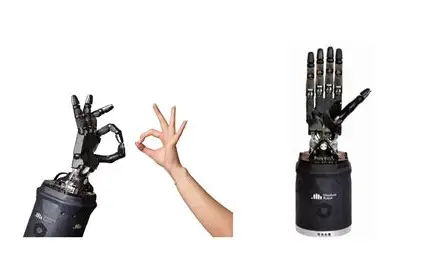
Suzhou Zhixing Tendon Robotics Technology Co., Ltd. is at the forefront of this innovation, having developed a complete technological pathway from electroactive composites to modular applications. Their direct-drive tendon technology aims to redefine robotic movement by integrating materials into the power system, with products set to be showcased at the World Robot Conference on August 19.
Editor's Note
The shift towards direct-drive tendon technology represents a significant advancement in robotics, addressing the limitations of traditional motor-driven systems. This innovation could enhance the dexterity and functionality of humanoid robots, making them more adaptable to complex tasks in unstructured environments. As the industry evolves, the focus will likely shift towards creating robotic systems that mimic biological movement more closely, potentially transforming applications in various sectors.



























Leave a comment