Industry Briefing
A single destination for timely, editor-curated robotics news from around the world.

MIT Develops Ultra-Thin Swimming Robot Powered by Living Muscle Cells
MIT engineers have created a paper-thin swimming robot that utilizes a single layer of living muscle cells, showcasing a novel approach to biohybrid machines. This innovative design allows the robot to swim and navigate through water with significantly less biological material compared to previous models, achieving speeds of up to four times its body length in one minute. The significance of this development lies in its potential to revolutionize the construction of small, efficient robots powered by living tissue. The robot's design features a gelatin-based film and muscle cells that are genetically engineered to respond to light, enabling precise control over its movement and direction. Looking ahead, this research opens new avenues for biohybrid robotics, emphasizing the importance of material composition in enhancing muscle performance. No further timeline was disclosed at the time of publication.
AI and Robotics
MIT Engineers Develop Paper-Thin Muscle-Powered Robot for Swimming Through Water
MIT engineers have created a novel swimming robot powered by a single layer of muscle cells. This innovative design, detailed in a paper published on September 28 in Advanced Functional Materials, features a gel skeleton that resembles the size of a stick of gum, with fins made from the gel and covered in genetically engineered muscle cells. The significance of this development lies in the ability of the robot to swim efficiently using minimal biological material. The muscle cells, which are thinner than a human hair, are engineered to respond to light, allowing for controlled movement. This advancement could pave the way for more sophisticated biohybrid robots that utilize living cells for propulsion. Looking ahead, researchers will likely explore further applications of this technology in various fields, including robotics and bioengineering. No further timeline was disclosed at the time of publication.
Robotics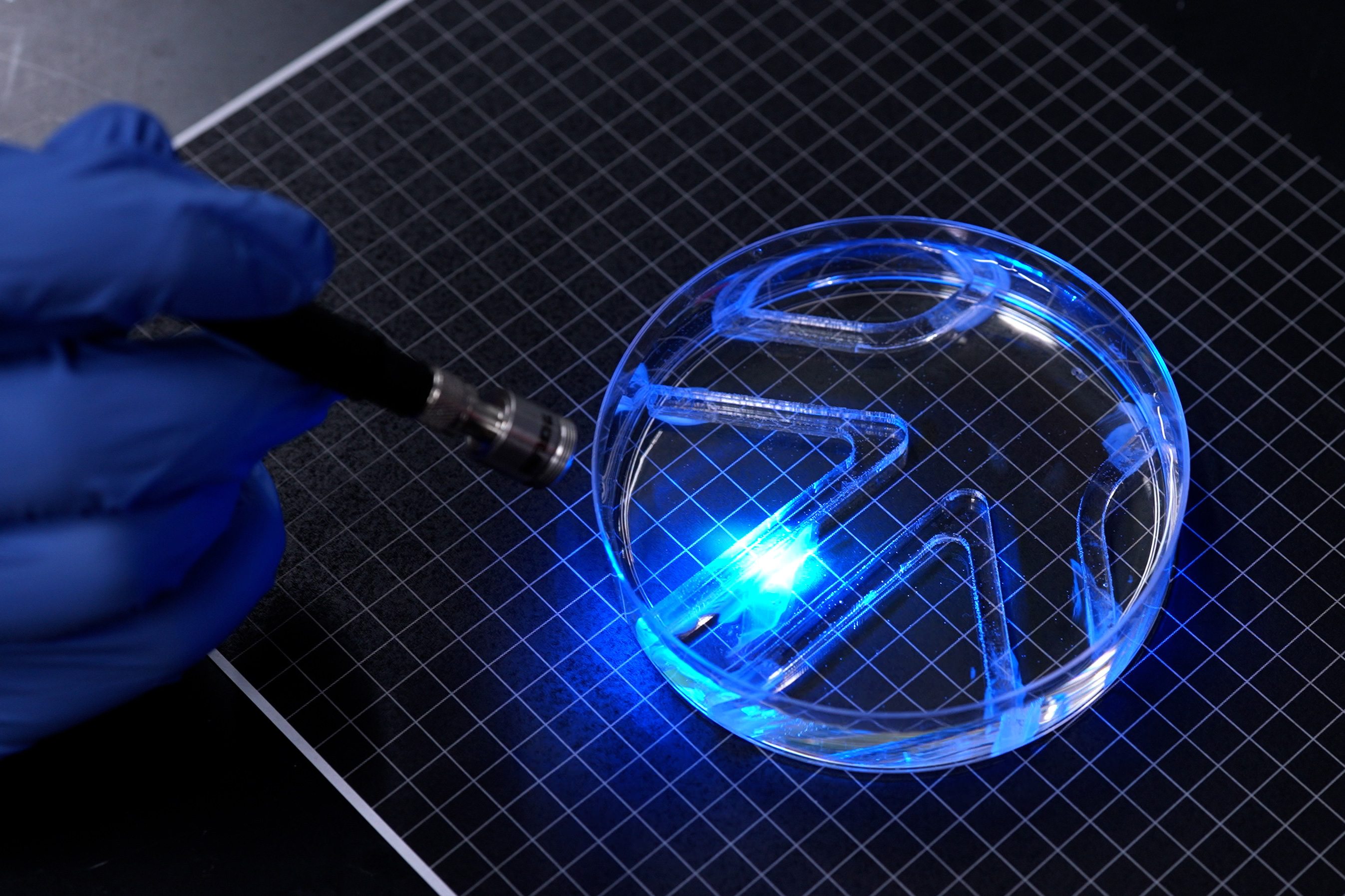
MIT Engineers Develop Paper-Thin Muscle-Powered Robot for Swimming Through Water
MIT engineers have unveiled a groundbreaking design for a paper-thin, muscle-powered swimming robot, as detailed in the journal Advanced Functional Materials. This innovative aquabot features a gel film skeleton and live muscle cells that respond to light, enabling it to swim through water by flapping its fins. The robot can swim a distance of about four times its body length in one minute, showcasing its potential for efficient movement. The significance of this development lies in its potential applications for biohybrid robots, which could perform delicate tasks in environments unsuitable for traditional hardware. The design is less bulky than previous models, making it cheaper to produce and more efficient in movement. The research highlights the advantages of using living muscle tissue, which is soft, responsive, and capable of self-healing, in robotic applications. Looking ahead, the team aims to further optimize the muscle movements and skeleton design to enhance the robot's capabilities. The study's findings could pave the way for future advancements in biohybrid robotics, expanding their use in various fields where conventional robots may struggle.
Bioinspiration Biological engineering Cells Mechanical engineering Research School of Engineering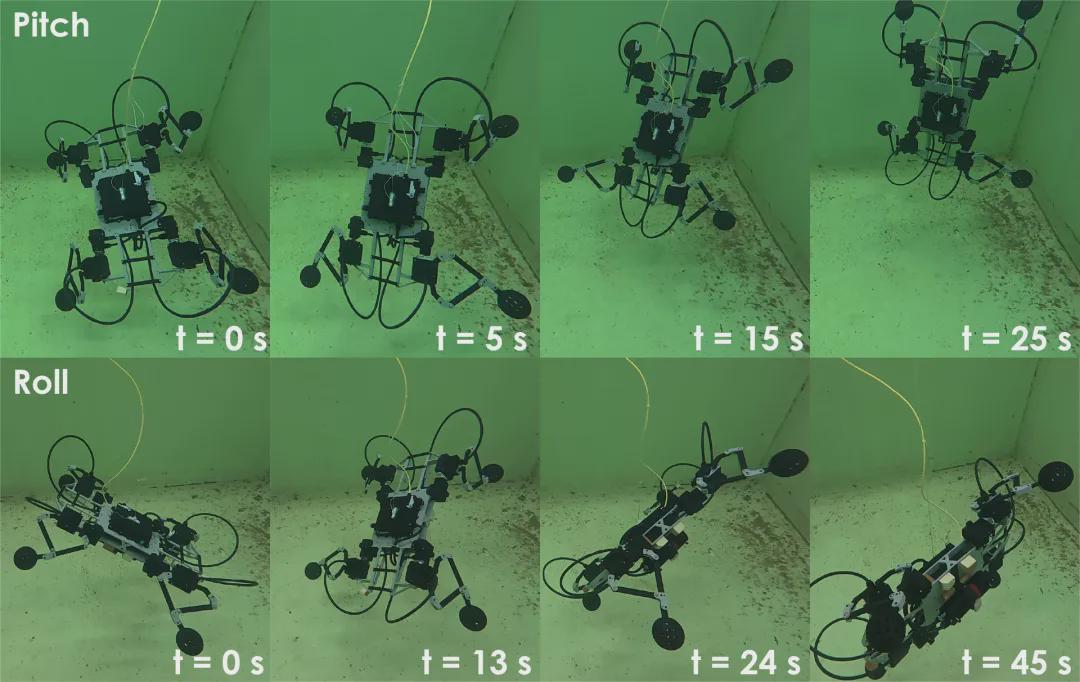
NTNU Innovates with Swimming Robot Dog Utilizing Unique Water Propulsion Method
A research team from the Norwegian University of Science and Technology (NTNU) has developed a quadruped robot capable of swimming without traditional propulsion systems. Instead, it uses the resistance generated by spherical ends of its legs to maneuver in water, adjusting its roll, pitch, and yaw. This innovation is significant as it addresses the challenges of waterproofing and control algorithms in aquatic environments, particularly for robots designed primarily for land. The team employed a hard-shell design inspired by traditional remotely operated vehicles (ROVs) to ensure all electronic components are securely sealed. Looking ahead, the robot has demonstrated effective performance in water, undergoing rigorous testing without water ingress. No further timeline was disclosed at the time of publication.
Aquatic Robotics Four-Legged Robots Open Source Technology Robotics Engineering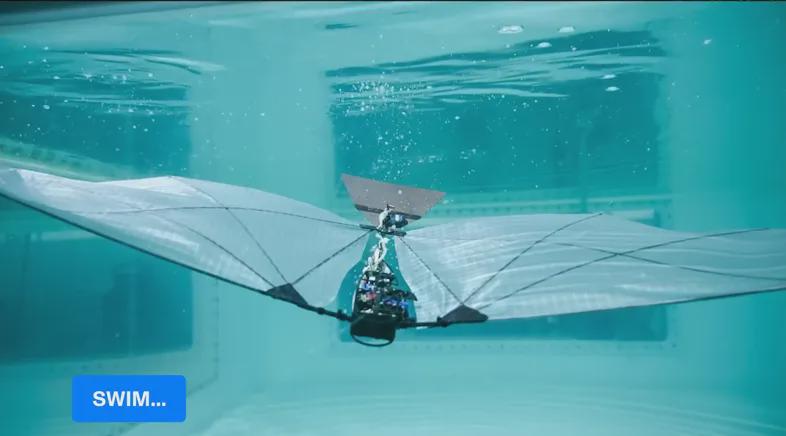
MIT Develops 250-Gram Robotic Bird Capable of Swimming and Flying
MIT has unveiled a groundbreaking 250-gram robotic bird that can seamlessly transition between swimming and flying. This innovative design utilizes a unique 'water-to-air switching' mechanism, making it as simple as flapping its wings. The development represents a significant advancement in robotics, showcasing the potential for versatile applications in various environments. The importance of this robotic bird lies in its ability to operate efficiently in both aquatic and aerial settings. This dual functionality could revolutionize how robots are deployed for tasks such as environmental monitoring, search and rescue operations, and wildlife observation. The lightweight design enhances maneuverability, allowing for more agile movements in diverse conditions. Looking ahead, industry experts will be monitoring the potential applications of this technology in real-world scenarios. The implications for robotics in both land and water environments are vast, and further developments from MIT could lead to even more sophisticated robotic systems. No further timeline was disclosed at the time of publication.
Robotics Automation AI
Intermittent Swimming Enhances Energy Efficiency in Fish-Inspired Robotic Movements
A collaborative research team from EPFL, Duke University, and Instituto Superior Tecnico has developed a robotic platform named ZBot, inspired by larval zebrafish, to explore the energy efficiency of intermittent swimming. This study highlights the advantages of bout-and-glide swimming, which alternates active propulsion with passive gliding, potentially optimizing energy use in robotic systems. The significance of this research lies in its potential to extend operational time for robots while reducing battery load, leading to lighter and more durable designs. By mimicking natural locomotion strategies evolved over billions of years, the ZBot aims to replicate the energy-saving mechanisms observed in aquatic organisms, making it a valuable tool for future robotic applications. Future developments will focus on further refining the ZBot's capabilities and understanding the neural control mechanisms behind intermittent swimming. No further timeline was disclosed at the time of publication.
Contec Australia Completes First 3D Concrete Printed Swimming Pool Structure
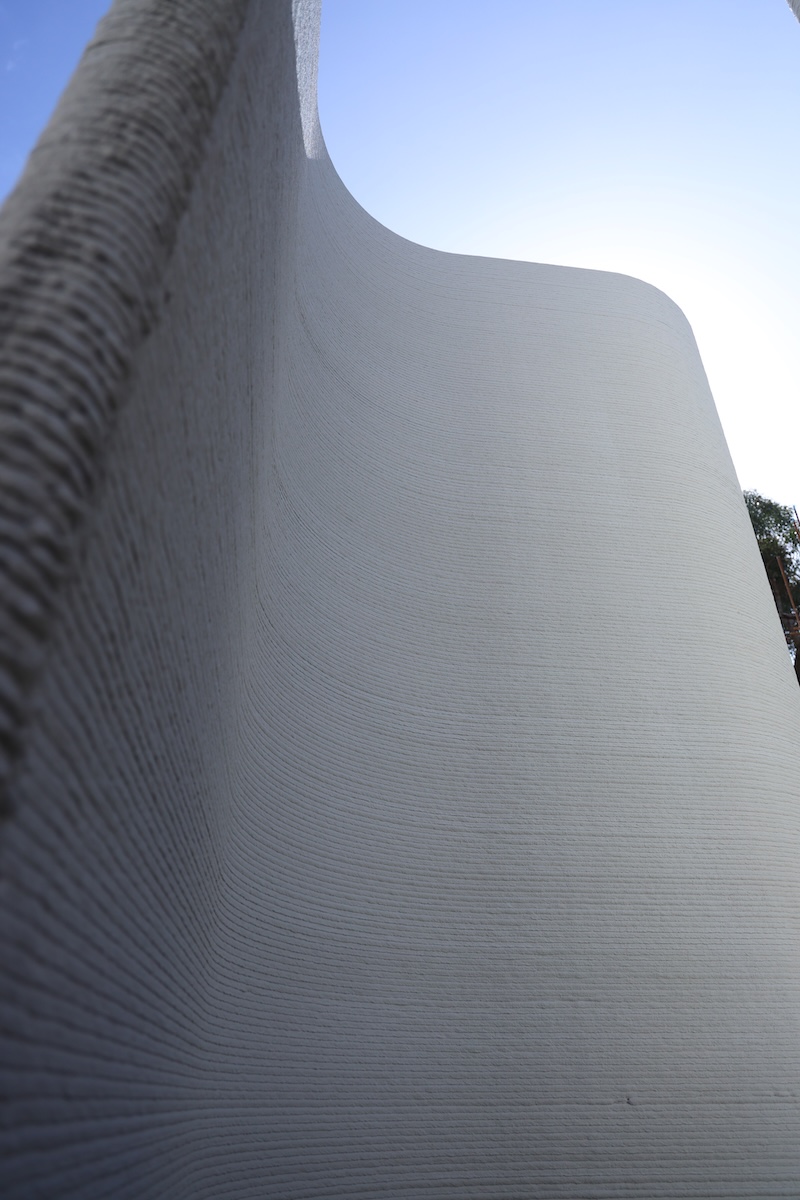
Contec Australia has announced the completion of what it claims to be Australia’s first swimming pool structure built using large-scale 3D concrete printing. This innovative project includes a swimming pool, spa, and structural elements for a three-storey residence, showcasing the capability to create complex geometries directly from digital designs without the need for traditional formwork. This development is significant as it highlights the potential of 3D concrete printing to expedite construction timelines, especially amid ongoing labor shortages in the Australian construction industry. Contec Australia completed the ground floor walls in seven days, the upper level in six days, and the pool and spa in just two days, demonstrating a remarkable reduction in construction time compared to conventional methods. Looking ahead, Contec Australia is poised to expand its 3D concrete printing applications across various structural and infrastructure projects. The company has a growing pipeline of works and aims to leverage this technology to enhance efficiency and maintain design integrity in future developments. No further timeline was disclosed at the time of publication.
Construction Design News 3D concrete printed swimming pool 3d concrete printing additive construction
EPFL and MIT Develop Flapping Robot That Swims and Flies Like Diving Birds
Engineers at EPFL and MIT have created a flapping-wing aerial-aquatic vehicle (FAAV) that mimics the swimming and flying abilities of diving birds. Weighing under 300 grams, the FAAV is designed to help researchers study the mechanics of how these birds transition between air and water. Experiments revealed optimal combinations of wing size, flapping frequency, and tail angle for effective movement in both environments. This innovation is significant as it could lead to a new class of aerial-aquatic drones capable of accessing aquatic regions that are difficult for traditional vessels. The robot's design allows it to dive for samples and return data at a lower cost, making it a valuable tool for oceanographers and marine biologists. The research findings were published in the journal Science, highlighting the potential for enhanced understanding of bird biomechanics. Future developments will focus on improving wing design for better maneuverability and testing the robot in turbulent conditions. The team aims to deploy the FAAV for ocean science research, potentially revolutionizing how data is collected from challenging aquatic environments. No further timeline was disclosed at the time of publication.

New Birdlike Robot Mimics Diving Birds with Swimming and Flying Capabilities
A new birdlike robot has been developed that can swim underwater and transition into flight without the need for paddling. This innovative design mimics the natural behaviors of various diving birds, such as loons and gulls, which are known for their dual capabilities. The robot's ability to seamlessly switch between swimming and flying represents a significant advancement in biomimetic robotics. This technology is significant as it opens up new possibilities for aerial and aquatic exploration, potentially enhancing search and rescue operations, environmental monitoring, and wildlife observation. By emulating the mechanics of birds that can both swim and fly, the robot could improve efficiency in navigating diverse terrains and conditions. The integration of these functionalities could lead to more versatile robotic applications in various industries. Future developments to watch include enhancements in the robot's propulsion systems and control mechanisms to improve its performance in both environments. No further timeline was disclosed at the time of publication, but ongoing research in biomimetic designs may yield additional breakthroughs in the near future.
Robotics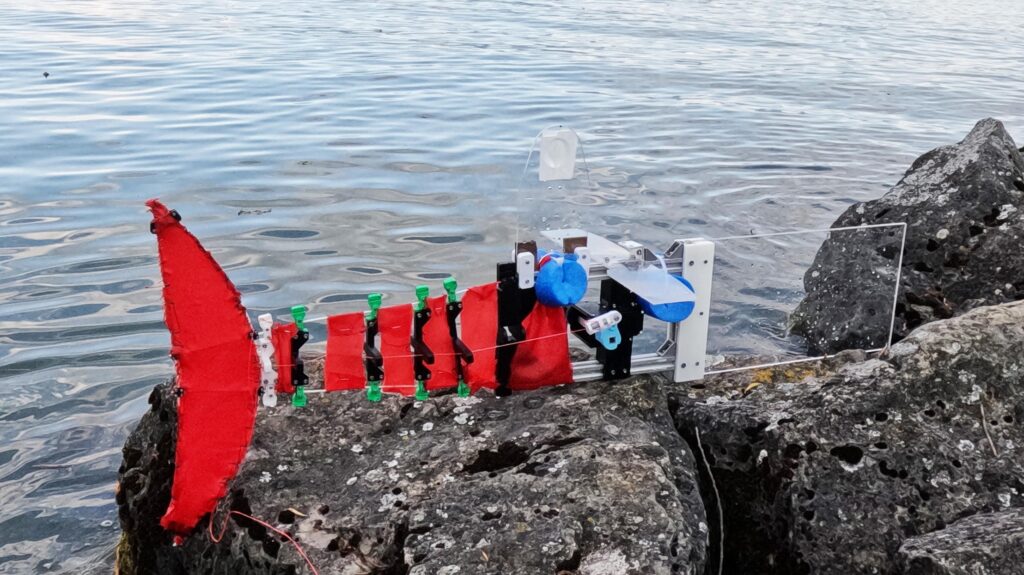
EPFL and NYU Develop Scalable Robotic Fish for Diverse Aquatic Environments
A team from EPFL and NYU has introduced ScaFi, a scalable robotic fish designed to adapt to various aquatic environments. Unlike traditional propeller-driven vehicles, ScaFi mimics the swimming motion of fish, allowing it to navigate shallow waters and dense vegetation without disturbing wildlife. The significance of ScaFi lies in its ability to maintain swimming efficiency across different sizes, which could reduce the engineering effort required for aquatic robots. The research highlights the importance of adaptable tools for environmental monitoring, as ecosystems vary greatly in size and complexity. Future developments will focus on understanding the energy efficiency of ScaFi as it scales, as initial tests revealed challenges with larger models. The team aims to explore whether the energy performance can be improved alongside the swimming capabilities of the robotic fish.
Advancements in Bioinspired Multimodal Robotics for Versatile Movement Capabilities
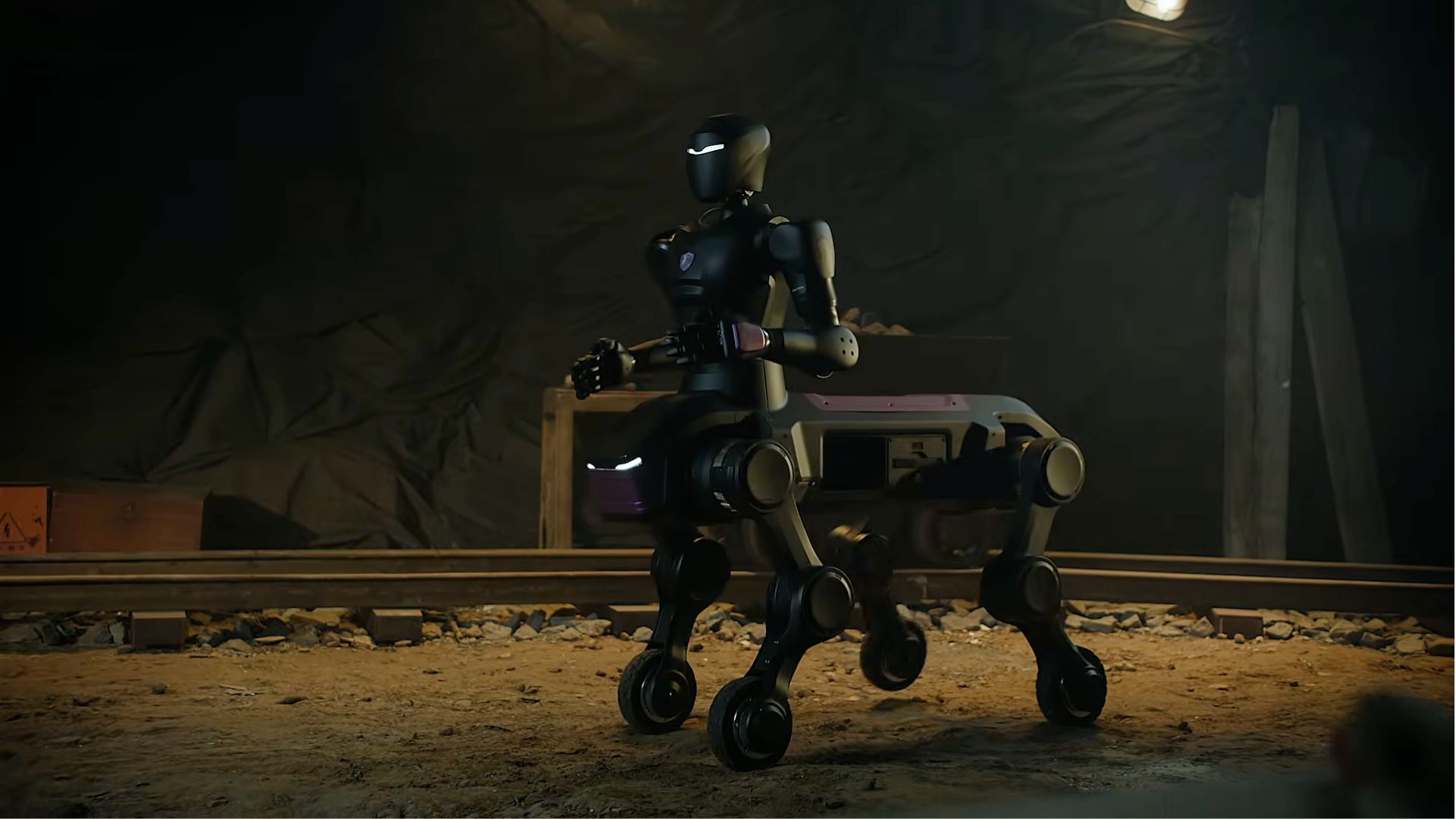
Bioinspired multimodal robots are advancing rapidly, aiming to match the versatility of animal movement by integrating flying, walking, swimming, and climbing capabilities. Researchers from Beihang University, Dalian University of Technology, and EPFL are addressing engineering challenges such as limited onboard space and the need for body transformations to facilitate seamless movement. The significance of this research lies in its potential to enhance robot adaptability in diverse environments, allowing for applications like search-and-rescue operations and environmental monitoring. The study proposes five performance metrics to evaluate these robots, focusing on improving overall performance rather than merely adding movement options. Looking ahead, the development of soft materials, flexible structures, and multirobot architectures may enhance future robots' capabilities. The researchers emphasize the importance of advanced algorithms for planning and control to enable effective transitions between movement modes, which is crucial for autonomous decision-making in complex scenarios. No further timeline was disclosed at the time of publication.
AI and Robotics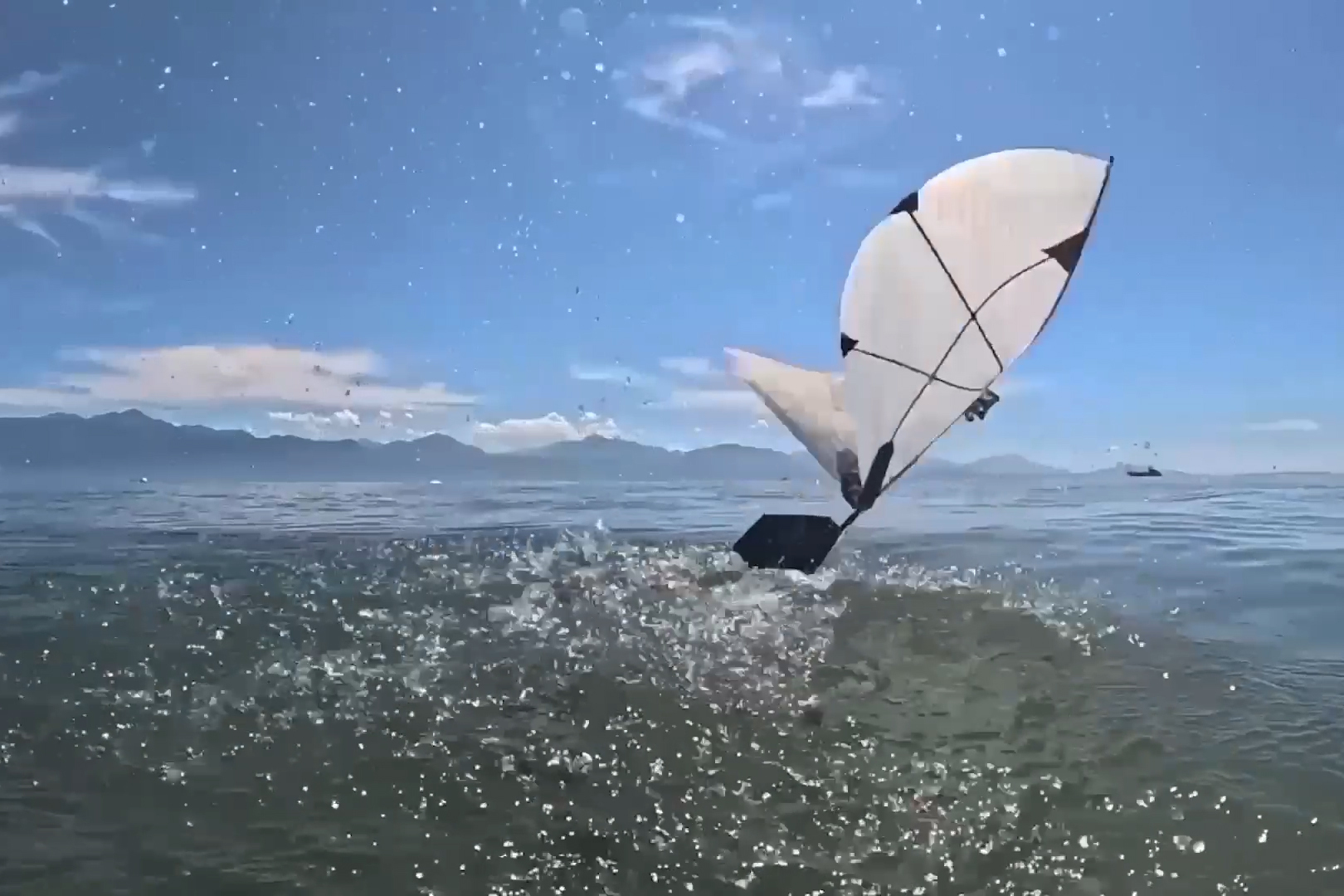
MIT and EPFL Develop Flapping Robot for Aerial and Aquatic Exploration
Engineers from MIT and EPFL have created a flapping-wing aerial-aquatic vehicle (FAAV) that weighs under 300 grams. This robot can swim underwater and transition to flight, mimicking the behavior of diving birds. The research, published in Science, showcases the robot's ability to adapt its mechanics for both mediums, which differ significantly in density and resistance. The significance of this development lies in its potential applications in oceanography and environmental monitoring. The FAAV can access areas that are typically hazardous for traditional vessels, allowing scientists to collect data from locations such as icebergs or marine habitats. This innovation could reduce operational costs and enhance data collection efficiency in marine research. Looking ahead, the research team aims to refine the FAAV's design and functionality. Future experiments will likely focus on optimizing the robot's performance in various aquatic environments. No further timeline was disclosed at the time of publication.
Bioinspiration Drones Mechanical engineering Oceanography and ocean engineering Research Robotics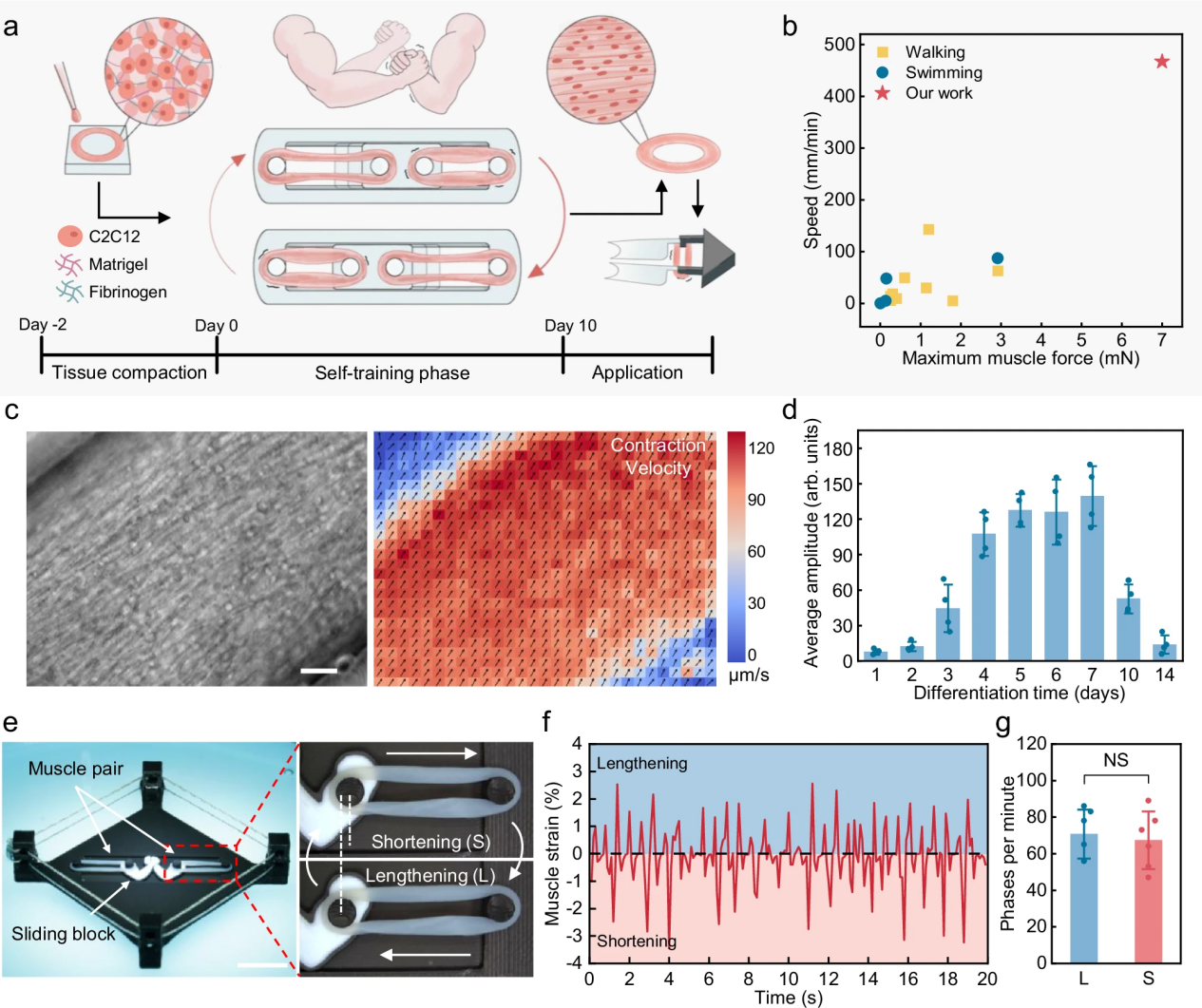
After 'Arm Wrestling' to Build Muscle, Swimming Record Set! National University of Singapore Creates the Fastest Skeletal Muscle-Driven Robot
Researchers at the National University of Singapore have unveiled OstraBot, a groundbreaking 30mm dual-tailed swimming robot that utilizes artificially trained mouse muscle, achieving a remarkable speed of 467mm/min. This development, announced recently, showcases a novel integration of self-training muscle techniques with advanced design models, aimed at significantly improving robotic performance. The innovative approach not only highlights the potential of biological materials in robotics but also opens new avenues for future research in biohybrid systems.
Skeletal Muscle Robotics Biohybrid Robots Muscle Training Systems Robotic Engineering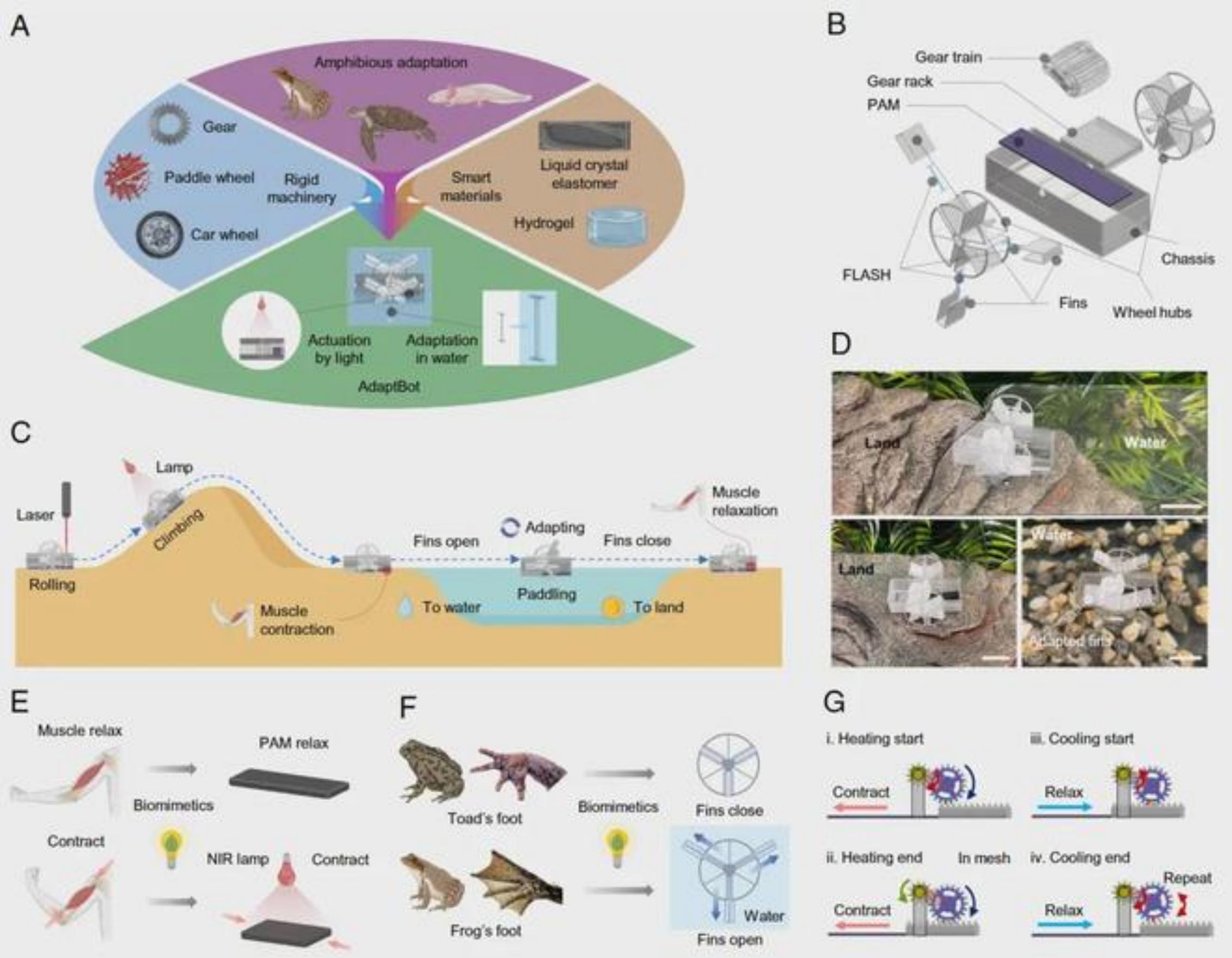
PNAS: This Soft Robot Transforms in Water, Boosting Swimming Speed by 780% and Capable of Rolling, Climbing, and Pulling Heavy Loads
Researchers at Caltech have unveiled AdaptBot, an innovative amphibious soft robot that can transform its shape in response to environmental stimuli. Utilizing light-driven artificial muscles and rapidly expanding hydrogels, AdaptBot demonstrates exceptional versatility, enabling it to transition effortlessly between land and water. This groundbreaking development showcases remarkable multi-modal movement capabilities, highlighting the potential for advanced robotics in diverse environments.
Soft Robotics Amphibious Robots Artificial Muscles Hydrogels Adaptive Robotics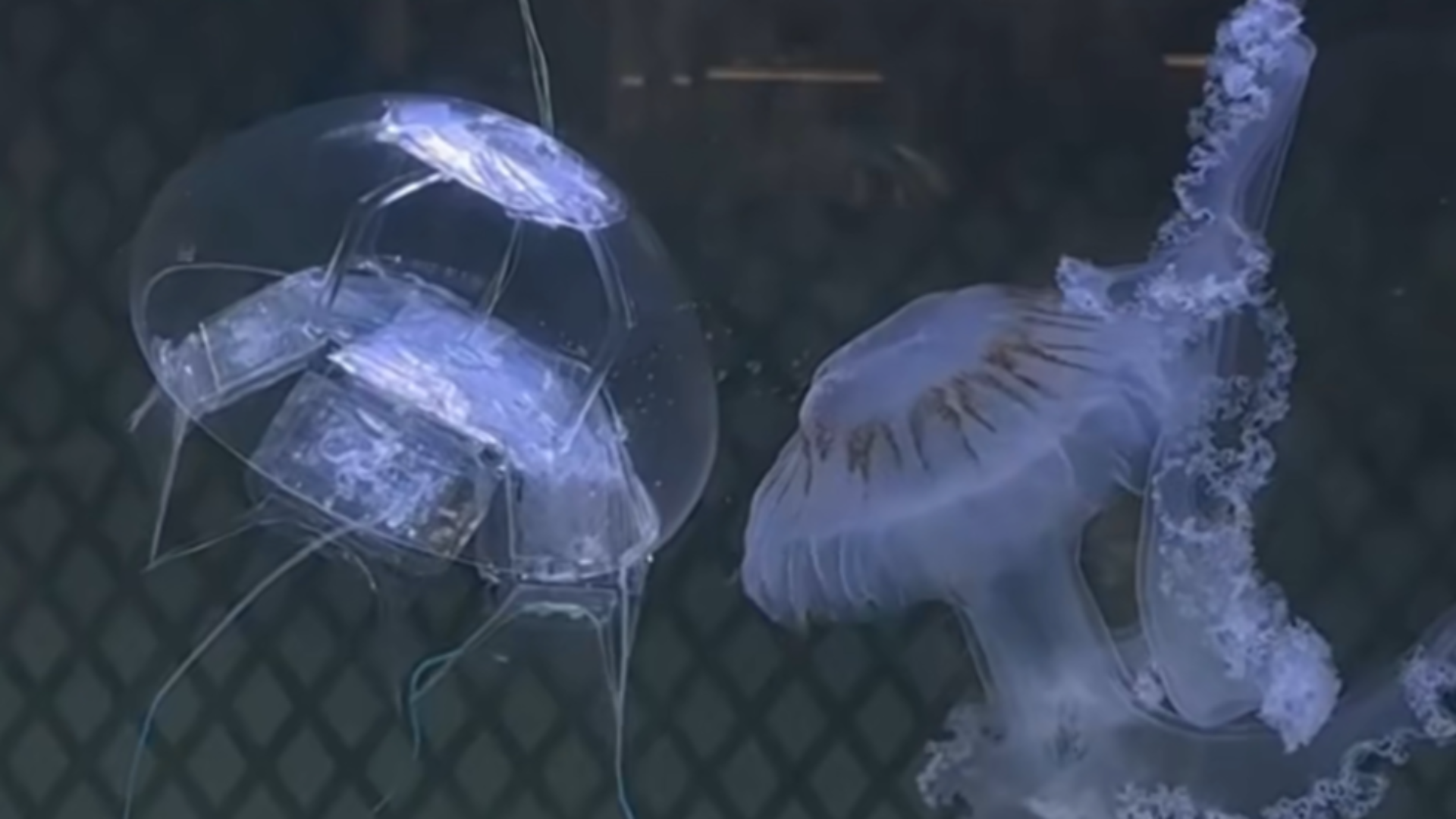
Biomedical jellyfish-inspired robot hits record swim speeds without onboard power
Researchers have developed a groundbreaking jellyfish-inspired soft robot capable of navigating through water at unprecedented speeds. This innovative technology, unveiled in a recent study, showcases the potential for advanced underwater exploration and environmental monitoring. The robot mimics the unique propulsion mechanism of jellyfish, allowing it to move efficiently and swiftly. The development took place in a laboratory setting, where scientists aimed to enhance robotic mobility in aquatic environments. By studying the biomechanics of jellyfish, the team was able to replicate their movement patterns, resulting in a soft robot that not only moves faster than existing models but also carries out tasks such as data collection and monitoring marine ecosystems. This advancement comes at a crucial time as researchers seek sustainable solutions for underwater exploration, driven by the need to better understand and protect marine life. The soft robot's design allows for flexibility and adaptability, making it suitable for various applications, from scientific research to environmental conservation efforts. As the technology progresses, the team envisions further enhancements that could lead to even greater speeds and capabilities, paving the way for a new era of robotic exploration in our oceans.

Alive or not? Tiny 3D-printed robots that swim and navigate just like animals
Researchers at Leiden University, led by Professor Daniela Kraft and Mengshi Wei, have developed innovative microscopic robots that operate independently of sensors, software, or external control. These tiny robots, measuring just a few tens of micrometers—significantly smaller than a human hair—exhibit remarkable capabilities such as swimming, sensing, navigating, and adapting to their surroundings in a manner reminiscent of living organisms. Their unique behavior is a result of their design and interactions with the environment, rather than any form of centralized control or intelligence. This groundbreaking work, which showcases the potential for autonomous micro-robots, could have significant implications for various fields, including medicine and environmental monitoring.
Robotics
Greensea IQ Releases Multi-platform Command and Control Interface for Combat Swimmers
Greensea IQ, a prominent company in advanced subsea robotics and autonomy, has officially launched the Bayonet Underwater Controller, marking its first production release. This innovative multi-platform command and control interface is designed to enhance the capabilities of divers operating underwater robots, particularly in submerged and constrained environments. The announcement was made today, highlighting the company's commitment to improving underwater operations and safety for divers. By providing a streamlined interface, Greensea IQ aims to facilitate more efficient and effective control of robotic systems in challenging underwater conditions.
greensea iq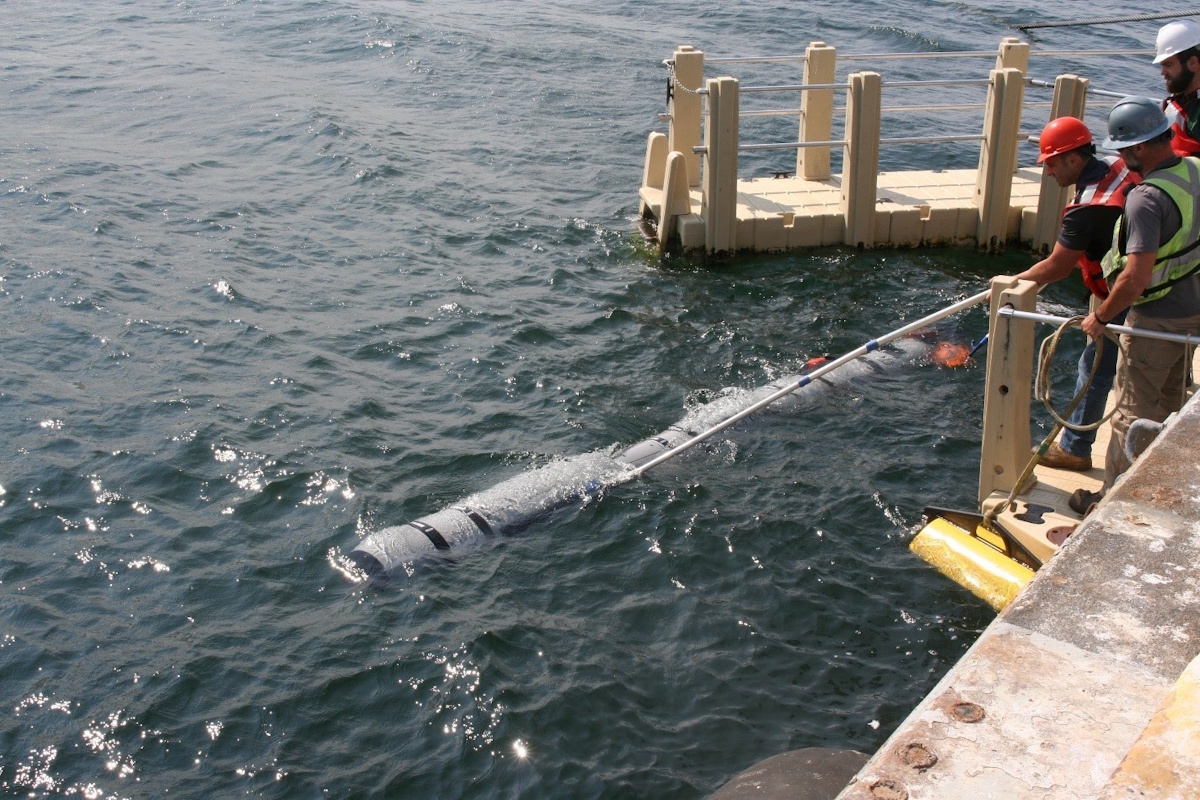
REMUS 620 Conducts First Torpedo Tube Recovery and Swimout
A collaborative effort involving HII, the Woods Hole Oceanographic Institution, and the U.S. Navy’s Naval Undersea Warfare Center Division Newport has achieved a significant milestone in underwater technology. The team successfully recovered a second-generation REMUS 620 unmanned underwater vehicle into a Virginia-class submarine torpedo tube and shutterway test fixture. This operation took place at Seneca Lake, New York, marking a crucial advancement in the integration of advanced underwater systems into military submarines. The successful recovery demonstrates the capabilities of the REMUS 620 and its potential applications for naval operations, enhancing the U.S. Navy's underwater surveillance and reconnaissance capabilities.
Robotics needs a service framework.
RSF defines a common language for robot service capability, lifecycle operations, certification pathways, and service-provider networks.
Join the RobotToday community on LinkedIn
Daily robotics news, in-depth analysis, conference highlights, and discussions with professionals worldwide.