

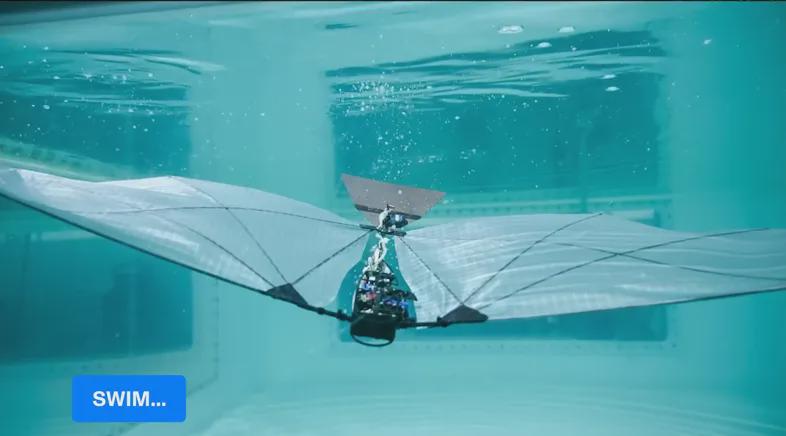
MIT has unveiled a groundbreaking 250-gram robotic bird that can seamlessly transition between swimming and flying. This innovative design utilizes a unique 'water-to-air switching' mechanism, making it as simple as flapping its wings. The development represents a significant advancement in robotics, showcasing the potential for versatile applications in various environments.
The importance of this robotic bird lies in its ability to operate efficiently in both aquatic and aerial settings. This dual functionality could revolutionize how robots are deployed for tasks such as environmental monitoring, search and rescue operations, and wildlife observation. The lightweight design enhances maneuverability, allowing for more agile movements in diverse conditions.
Looking ahead, industry experts will be monitoring the potential applications of this technology in real-world scenarios. The implications for robotics in both land and water environments are vast, and further developments from MIT could lead to even more sophisticated robotic systems. No further timeline was disclosed at the time of publication.
Editor's Note
The introduction of a robotic bird that can operate in both water and air highlights the growing trend of multifunctional robotics. This innovation could significantly impact sectors such as environmental research and disaster response, where adaptability is crucial. As companies continue to explore hybrid capabilities, the competitive landscape in robotics is likely to evolve rapidly.
Copyright Notice
This briefing is an independently written summary based on publicly available reporting and is provided for industry information and news discovery. The original report and source publication are credited and linked where applicable. RobotToday does not claim ownership of third-party source material.
Rights concerns? If you believe any material in this briefing infringes your copyright or other rights, please contact [email protected] with the relevant URL and details. We will review the matter and take appropriate action where warranted.


































Leave a comment