

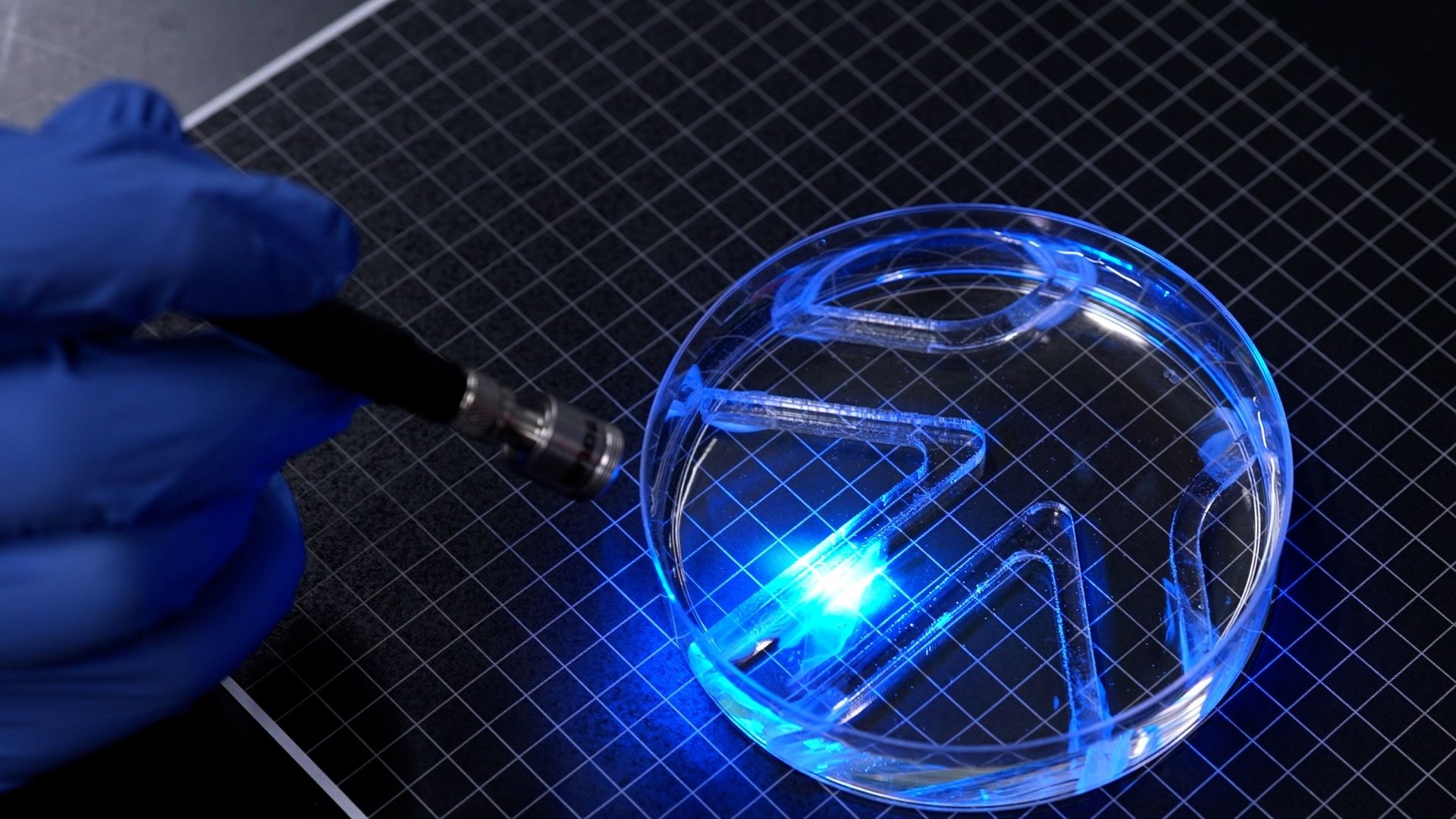
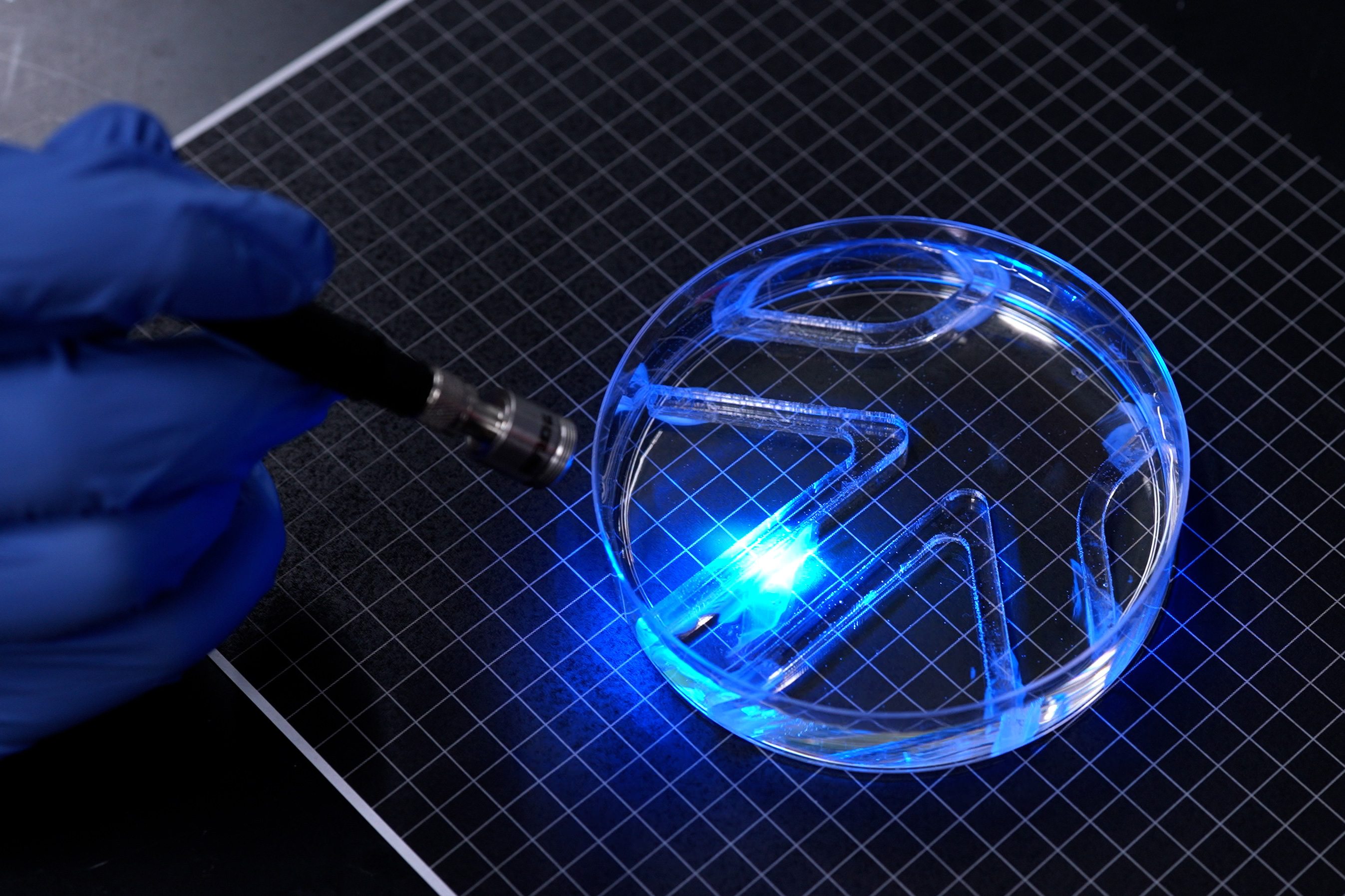
MIT engineers have created a paper-thin swimming robot that utilizes a single layer of living muscle cells, showcasing a novel approach to biohybrid machines. This innovative design allows the robot to swim and navigate through water with significantly less biological material compared to previous models, achieving speeds of up to four times its body length in one minute.
The significance of this development lies in its potential to revolutionize the construction of small, efficient robots powered by living tissue. The robot's design features a gelatin-based film and muscle cells that are genetically engineered to respond to light, enabling precise control over its movement and direction.
Looking ahead, this research opens new avenues for biohybrid robotics, emphasizing the importance of material composition in enhancing muscle performance. No further timeline was disclosed at the time of publication.
Editor's Note
The advancement of biohybrid robots like MIT's new design highlights the growing intersection of biology and engineering. As industries seek more efficient and adaptable robotic solutions, the integration of living tissues could lead to significant innovations in various applications, from environmental monitoring to medical devices.































Leave a comment