

Industry Briefing
A single destination for timely, editor-curated robotics news from around the world.
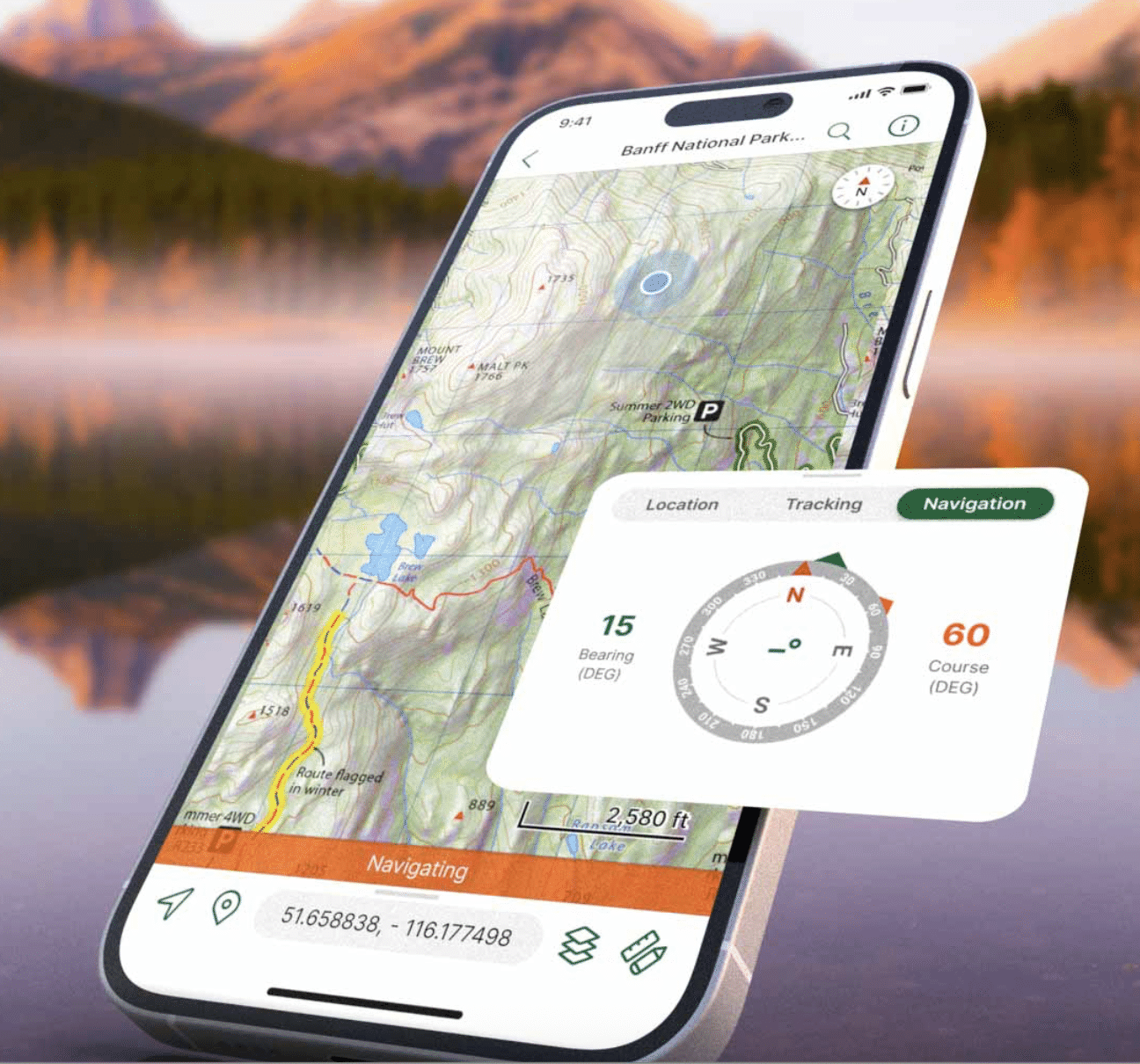
Blue Marble Geographics Enhances Geospatial Workflow with New Subscription Offering
Blue Marble Geographics has launched a new Global Mapper subscription that integrates various applications and services for drone mapping professionals. This offering, available in Essentials, Advanced, and Professional tiers, aims to streamline the geospatial workflow by connecting data collection, processing, and analysis in a single platform. The significance of this development lies in Blue Marble's strategy to create a cohesive geospatial workflow, especially following its merger with Avenza Systems in April 2026. The integration of Global Mapper with Avenza capabilities enhances the office-to-field and field-to-office connectivity, as highlighted by Eric Bogard, Vice President of Marketing at Blue Marble Geographics. Looking ahead, the new subscription levels cater to different user needs, with Essentials focusing on basic data handling, Advanced offering enhanced analytical tools, and Professional providing comprehensive lidar and photogrammetry capabilities. No further timeline was disclosed at the time of publication.
Applications Drone News Drone News Feeds Mapping Mapping Technology News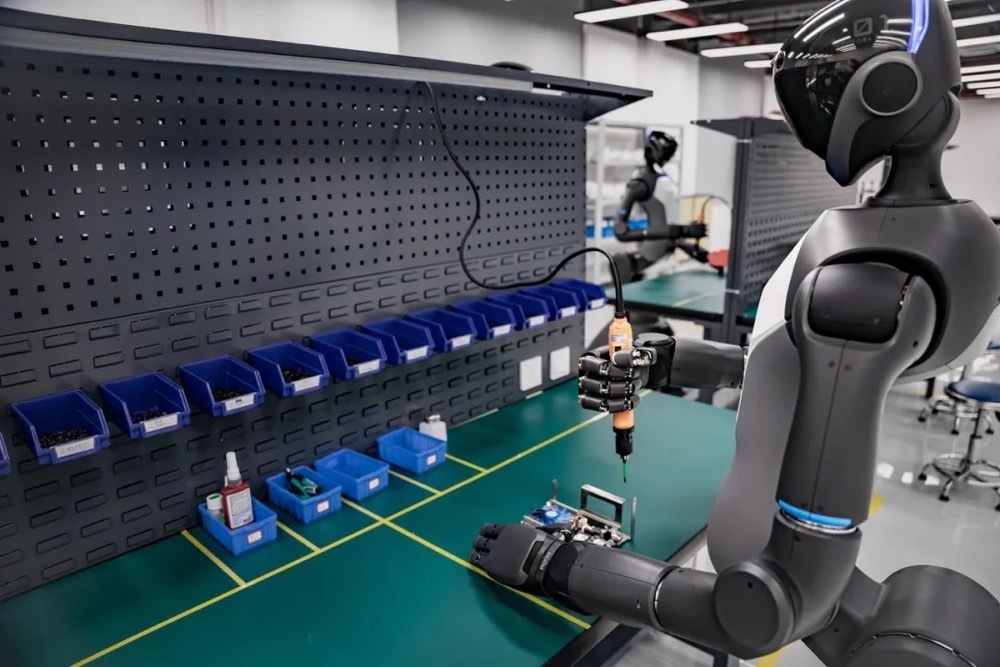
Fugro Completes AUV-Based Geohazard Survey for Petronas Carigali in Malaysia
Fugro has successfully executed a geohazard site survey contract for Petronas Carigali at the Megah and Limbayong fields off the coast of Sabah, East Malaysia. This initiative is part of ongoing efforts to enhance Malaysia's offshore resource development. The survey provided essential Geo-data to identify seabed and subsurface hazards, facilitating informed engineering decisions in an ultra-deepwater environment. The significance of this project lies in its application of autonomous underwater vehicle (AUV) technology, which played a crucial role in conducting geohazard assessments and engineering studies. This technology supports the safe and efficient development of offshore activities, ensuring that potential risks are identified and managed effectively. The deployment of the Echo Surveyor 8 AUV from the Fugro Equator allowed for the acquisition of high-resolution data necessary for geohazard assessment and field development planning. Looking ahead, the successful completion of this offshore campaign, which ran from June to August 2026, underscores Fugro's commitment to innovation in the Asia Pacific region. No further timeline was disclosed at the time of publication.
Study Reveals Gender Disparities in Robot-Assisted Surgery Opportunities for Surgeons in Japan
A recent study in Japan has highlighted significant disparities in opportunities for female surgeons to perform robot-assisted surgeries compared to their male counterparts. The findings indicate that female surgeons are often underrepresented in this advanced surgical field, which could impact their career advancement and skill development. This disparity matters as it raises concerns about gender equality in the medical profession, particularly in high-tech surgical environments. The underutilization of female surgeons in robot-assisted procedures not only affects individual careers but may also limit the diversity of perspectives in surgical practices, potentially influencing patient outcomes. Looking ahead, it will be important to monitor initiatives aimed at increasing the participation of female surgeons in robot-assisted surgeries. No further timeline was disclosed at the time of publication, but ongoing discussions about gender equity in healthcare may lead to changes in training and opportunities for female surgeons in the future.
Robotics Automation AI
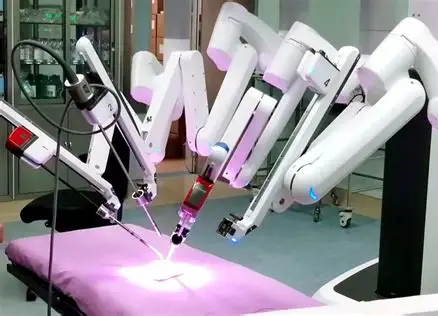
IndexBox Forecasts 16.8% Growth in AI Surgical Robot Market by 2035 Amid Surgeon Shortage
According to the latest report by IndexBox, the global AI surgical robot market is entering a structural expansion phase, with demand expected to accelerate before 2035. The market is diversifying into high-end efficiency-driven segments and emerging value-oriented segments, influenced by surgeon shortages and the rising need for minimally invasive surgeries. The significance of this growth lies in the shift from pure institutional procurement to a hybrid model, where preferences of end-surgeons and patient awareness increasingly impact capital equipment purchases. Key demand drivers include advancements in AI and robotics, increased healthcare spending, and the expansion of robotic surgeries into new clinical applications beyond urology and gynecology. Looking ahead, the market is projected to experience a compound annual growth rate of 12.0% from 2026 to 2035, with North America maintaining the largest market share at 40%. No further timeline was disclosed at the time of publication.
AI Surgical Robots Healthcare Technology Robotics Minimally Invasive Surgery Market Trends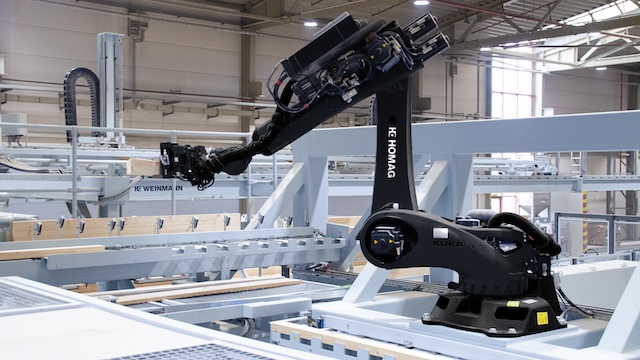
SoftGripping Develops Optimized Finger Geometry for Food Industry Applications
SoftGripping has developed an optimized finger geometry for soft grippers, aimed at improving the handling of sensitive food products in the food industry. This innovation, supported by the Central Innovation Program for SMEs (ZIM), addresses the limitations of traditional grippers in tight spaces and under high loads. The new finger design allows for precise force transmission, ensuring that delicate items can be handled quickly, reproducibly, and hygienically. This advancement is crucial for the food industry, where maintaining product integrity and hygiene is paramount, especially in constrained environments. Looking ahead, the collaboration with PFIF, a partner for innovation and funding, highlights the importance of strategic partnerships in driving technological advancements. No further timeline was disclosed at the time of publication.
Allgemein Anwendungen & Lösungen Greifer & Werkzeuge Lebensmittel & Verpackung Robotik
Geographic Information Data Enhances Smart Driving and Embodied Intelligence Development
On September 22, the State Council Information Office held a press conference to discuss the promotion of sustainable utilization of natural resources. Officials highlighted the geographic information industry as a strategic emerging sector, with 270,000 companies involved. During the 14th Five-Year Plan period, efforts will focus on advancing real-world 3D applications and spatiotemporal intelligence technology to enhance public data resources like satellite navigation and Tianmap, supporting smart driving and embodied intelligence. The development of real-world 3D China and spatiotemporal intelligence is crucial for smart driving and embodied intelligence, serving as foundational infrastructure. High-precision maps and real-time positioning are essential for smart driving, while embodied intelligence requires robots to understand their physical environment. The satellite navigation network offers centimeter-level positioning accuracy, facilitating easier access to geographic information data for businesses, reducing costs and compliance hurdles. The press conference emphasized the need to unlock the value of geographic information data, which has been fragmented across government entities. By authorizing public data resources, a mechanism will be established to ensure compliant market access for smart driving and embodied intelligence companies. This unified spatial foundation will significantly aid companies in spatial intelligence, eliminating the need for individual data collection and modeling.
Geographic Information Systems Smart Driving Embodied Intelligence Data Accessibility Satellite Navigation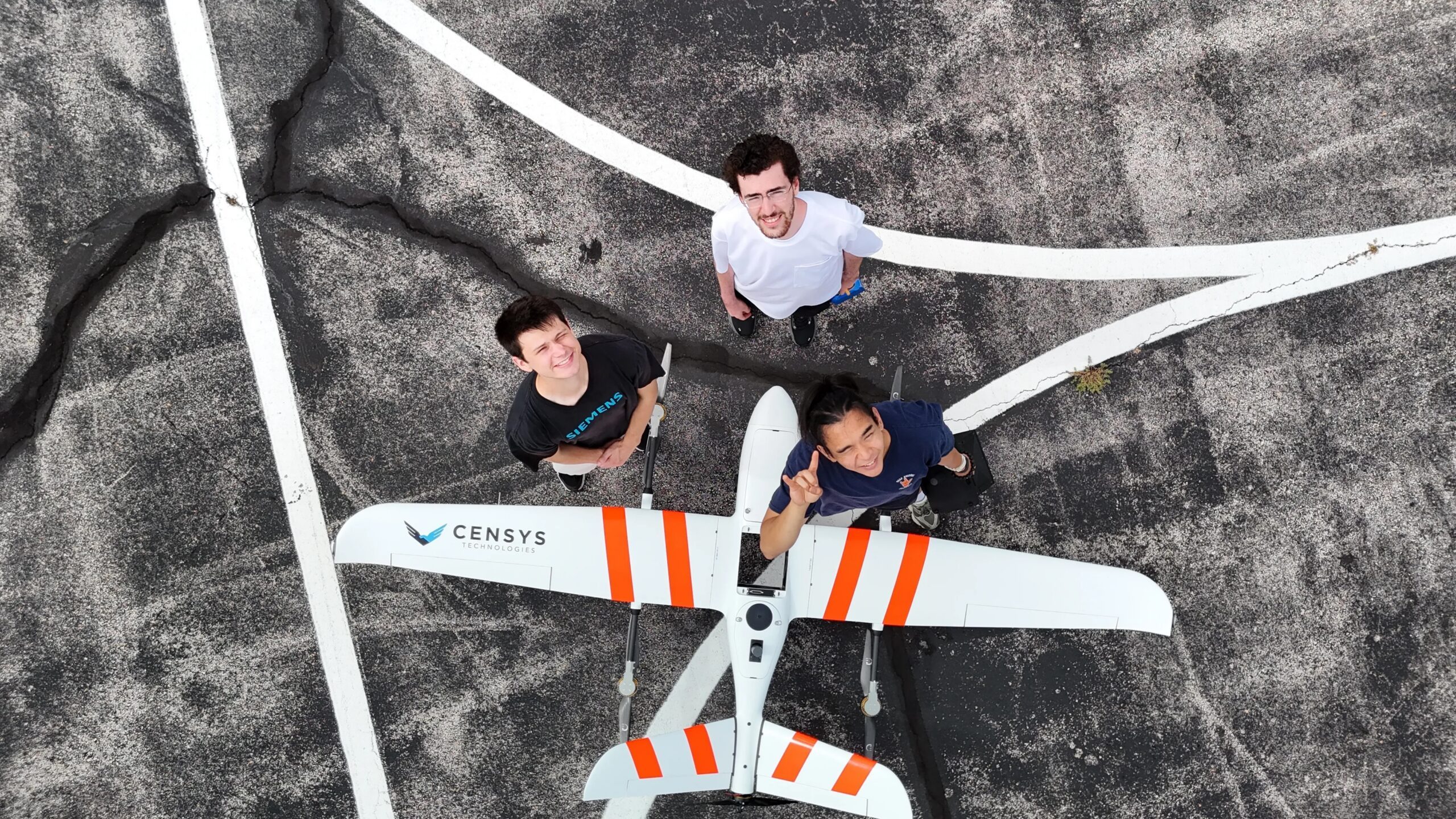
AIVE AI Systems Enhances Geospatial Data Access with Innovative Mapping Solutions
At the upcoming 2026 INTERGEO event in Munich, AIVE Systems will showcase its AI-driven software that simplifies the creation of georeferenced 2D maps from drone imagery. This innovation targets users who require geographic context without needing intricate 3D models, expanding its applications beyond wildfire detection. AIVE's technology stems from the FLARE-X project, a collaboration led by The University of Texas at Austin, which focused on autonomous wildfire risk mapping and detection. The software developed by AIVE aims to support various sectors, including infrastructure inspection, public safety, agriculture, and border patrol, by providing essential environmental insights. The company's initial offerings, Atlas GEO Cloud and Atlas GEO QGIS, utilize fewer images to generate maps, differentiating from traditional methods that rely on precise positioning tools. AIVE's approach automates the mapping process, making it accessible for users without extensive expertise. No further timeline was disclosed at the time of publication.
DL Exclusive Drone News Drone News Feeds Education Mapping News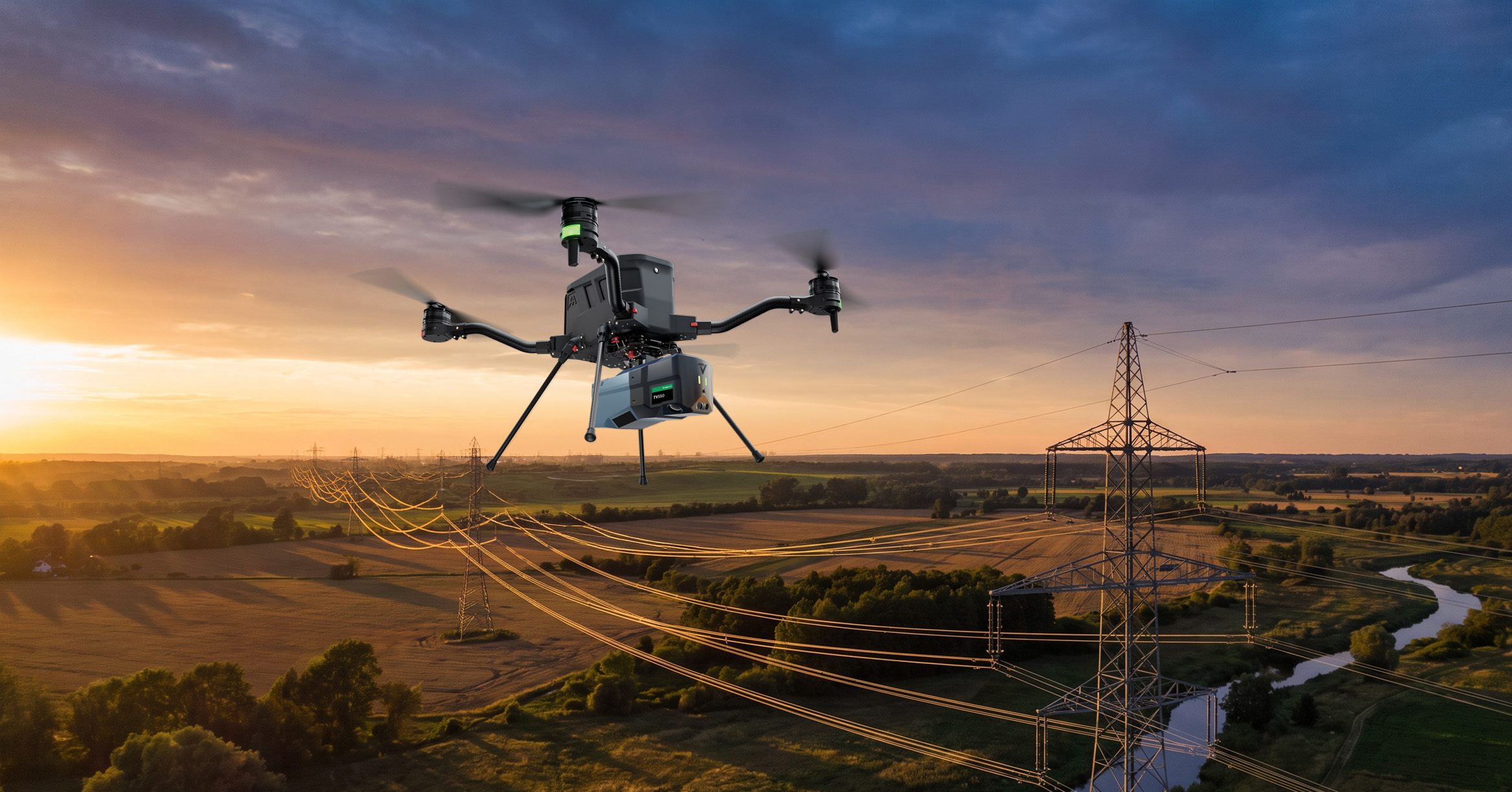
GeoCue Introduces TrueView 550 Aerial LiDAR System at INTERGEO 2026
GeoCue has unveiled the TrueView 550 aerial LiDAR system at INTERGEO 2026 in Munich, Germany. This new mapping system enhances GeoCue's existing TrueView 539 and TrueView 540 systems by integrating high-performance LiDAR with dual 20-megapixel mapping cameras, designed for surveying and geospatial applications. The TrueView 550 aims to deliver performance comparable to higher-end aerial LiDAR systems while maintaining a more accessible price point. It supports ranging distances of up to 2,100 meters and can collect up to one million points per second at a flight altitude of 120 meters. This capability allows operators to efficiently map larger areas and navigate challenging terrains. Looking ahead, the TrueView 550 offers customers flexibility with options for GNSS-inertial navigation systems, including GeoCue's TrueNav and the Applanix APX-20. This adaptability, along with advanced data processing features, positions the TrueView 550 as a leading choice for various applications, including topographic surveys and infrastructure mapping. No further timeline was disclosed at the time of publication.
Applications Cameras Construction Drone News Drone News Feeds Mapping
Exploring Geospatial Innovations at INTERGEO 2026 in Munich
INTERGEO 2026 is set to take place from September 15 to 17 at Messe München, showcasing advancements in mapping, lidar, photogrammetry, AI, and digital twin technologies. This event will gather the global geospatial community for three days of exhibits and discussions, emphasizing the integration of drones into professional mapping workflows. The significance of INTERGEO lies in its focus on the broader geospatial ecosystem, which includes surveying, GIS, remote sensing, and data analysis. Drones are increasingly being utilized for data collection, but the true value is derived from processing and integrating this data with other geospatial systems. Companies like Flyability and Ouster will demonstrate how lidar technology can enhance mapping in challenging environments, while SimActive will showcase its Correlator3D software for efficient data processing. As the event approaches, attendees should look for insights into how drone mapping is evolving and the importance of data processing in creating valuable geospatial products. The conference will feature sessions in both German and English, covering a wide array of geospatial topics relevant to professionals in the field.
Drone News Drone News Feeds News Blue Marble Geographics Digital Twins drone mapping
GeoCue Partners with Ouster to Integrate Rev8 OS1 Max Lidar into TrueView Drone Systems
On September 1, 2026, GeoCue announced a strategic partnership with Ouster to integrate the Rev8 OS1 Max digital lidar into its TrueView product line. This integration aims to enhance utility corridor and large-scale infrastructure mapping across the U.S. The Rev8 OS1 Max sensor is compliant with the Build America, Buy America Act (BABA), which is crucial for federal projects requiring domestic content. The collaboration is significant as it allows GeoCue to provide a high-performance, compliant solution for customers in the utility and infrastructure sectors. The TrueView 1 payloads, combined with the LP360 point-cloud software, will deliver survey-grade data, enhancing the capabilities of drone surveying in critical infrastructure monitoring. Frank Darmayan, CEO of GeoCue, emphasized the importance of American-made technology in this transition. Looking ahead, Ouster will showcase the Rev8 OS1 Max at the Commercial UAV Expo in Las Vegas from September 1-3, 2026. This partnership not only strengthens GeoCue's product offerings but also highlights the growing importance of native color digital lidar in advancing drone mapping technologies and applications in public safety and infrastructure management.
Drone News Drone News Feeds LiDAR Mapping Mapping Technology News
3D-Printed Auxetic Metamaterial Robot Developed for Navigating Complex Pipeline Geometries
A new 3D-printed auxetic metamaterial robot has been developed to enhance adaptive navigation in pipelines featuring complex geometries. This innovative design allows the robot to deform and adapt its shape, enabling it to maneuver through challenging environments effectively. The significance of this development lies in its potential applications across various industries, particularly in maintenance and inspection tasks within intricate pipeline systems. By utilizing auxetic materials, the robot can achieve greater flexibility and resilience, which is crucial for navigating tight spaces and avoiding obstacles. Looking ahead, the focus will be on further testing and refinement of the robot's capabilities in real-world scenarios. No further timeline was disclosed at the time of publication.
RESEARCH ARTICLE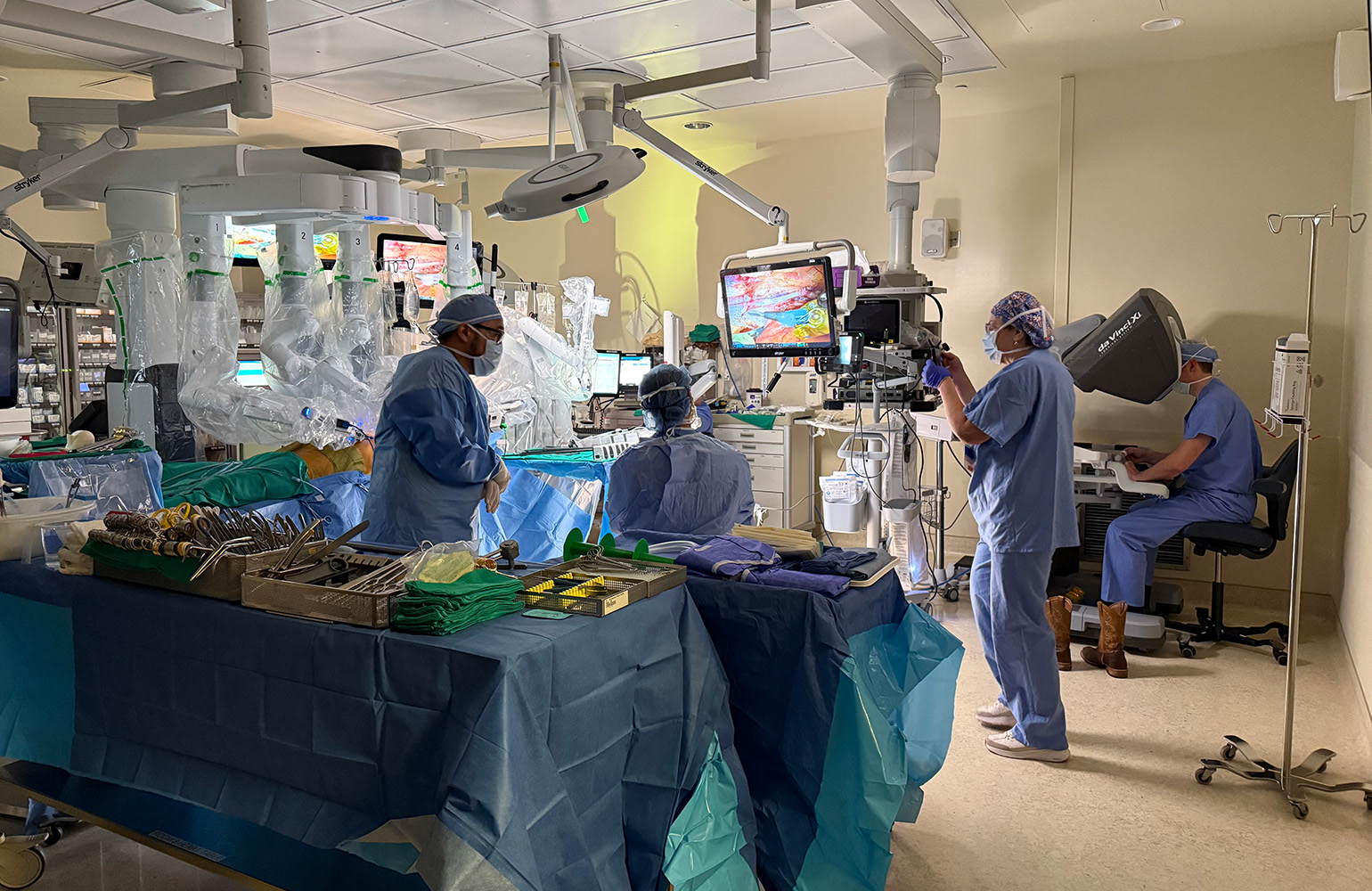
El Camino Health Surgeons Utilize da Vinci Robot for Cardiac Bypass Surgery
Surgeons at El Camino Health Heart and Vascular Institute have begun performing coronary artery bypass grafting (CABG) using Intuitive Surgical's da Vinci robotic system. This innovative approach, led by Dr. Nels Carroll, marks a significant advancement in cardiac surgery, which traditionally involves invasive techniques. The use of robotic assistance in CABG is noteworthy as only 1% of these surgeries globally are performed robotically. Dr. Carroll emphasizes that robotic surgery minimizes the need for large incisions, allowing for smaller openings between the ribs, which leads to quicker recovery times and less pain for patients compared to conventional methods. Looking ahead, the adoption of robotic-assisted CABG could reshape cardiac surgery practices, enhancing patient outcomes and recovery experiences. No further timeline was disclosed at the time of publication.
Artificial Intelligence Artificial Intelligence / Cognition Design / Development Healthcare Robotics Markets / Industries News
GeoComm and SkyfireAI Enhance Drone Response with New DFR Routing Integration
GeoComm and SkyfireAI have unveiled a new integration aimed at enhancing Drone as First Responder (DFR) programs' efficiency in emergency situations. By merging GeoComm’s DFR Routing technology with SkyfireAI’s autonomous drone platform, public safety agencies can access comprehensive location intelligence immediately upon receiving a 9-1-1 call. This integration addresses a significant challenge faced by DFR programs, as timely drone deployment is only part of the equation. Accurate incident location and access information are crucial for effective response. The new system incorporates operational details like buildings and access routes, enabling drone operators and first responders to gain a clearer understanding of the situation before ground units arrive. Looking ahead, the partnership between GeoComm and SkyfireAI aims to streamline the workflow from emergency call to drone deployment and ground response. As DFR programs grow across the U.S., the focus is shifting towards integrating various data sources to enhance situational awareness and improve emergency response outcomes. No further timeline was disclosed at the time of publication.
AI Applications Drone News Drone News Feeds Fire and Police Law Enforcement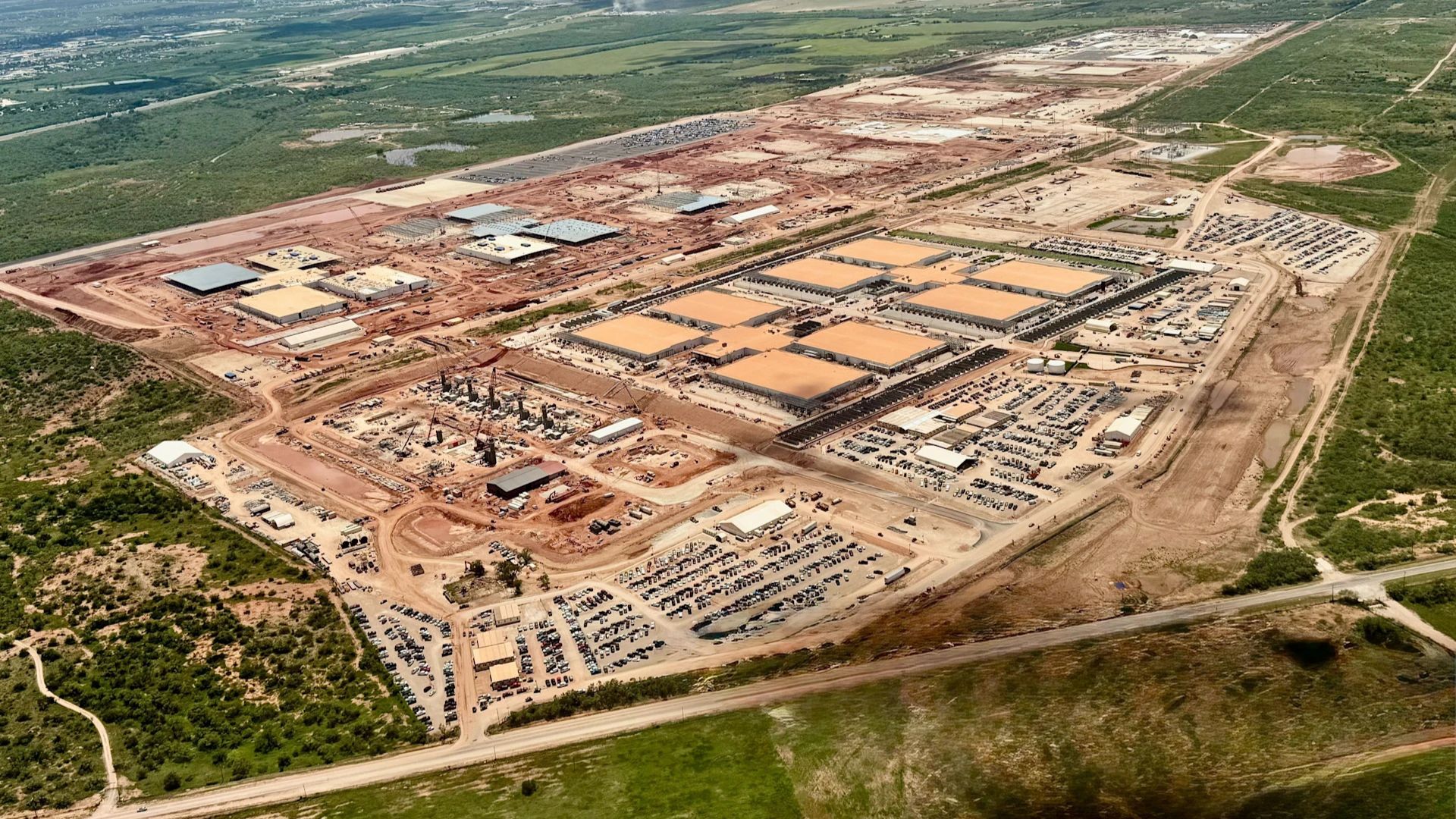
OpenAI Invests Over $30 Billion in 3.2GW Data Center in Georgia
OpenAI is set to invest more than $30 billion in a large data center campus in coastal Georgia, aiming to provide up to 3.2 gigawatts of computing capacity over the next decade. This significant investment positions OpenAI among leading tech companies expanding hyperscale AI infrastructure in the U.S. The project is crucial as it addresses the increasing demand for AI computing resources, with the electricity capacity equivalent to the needs of approximately 2.4 million U.S. homes. OpenAI's CEO, Sam Altman, is expected to discuss next-generation AI models with U.S. lawmakers, highlighting the importance of regulatory frameworks in the evolving AI landscape. Looking ahead, the first several hundred megawatts of power are anticipated to be available by 2028, with construction continuing until 2032. OpenAI's strategic shift in infrastructure planning and its commitment to sustainable practices will be key factors to monitor as the project progresses.
AI and Robotics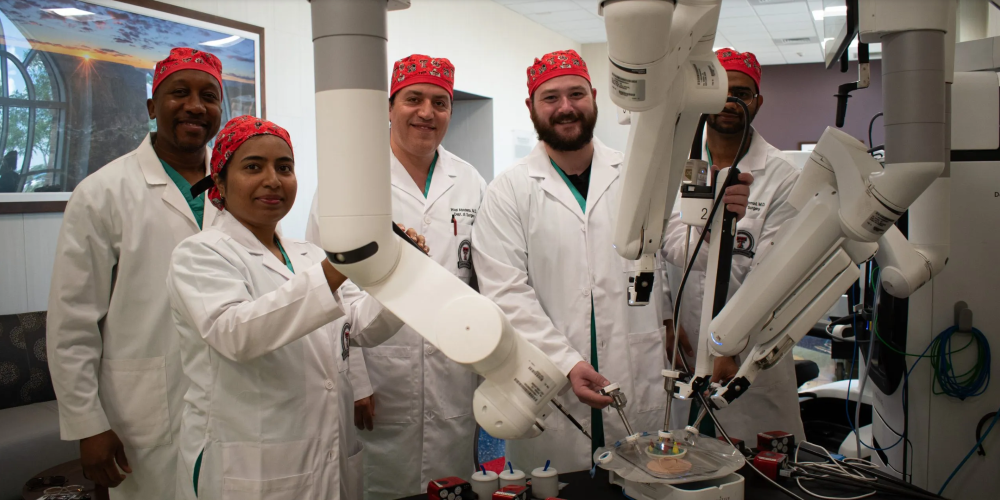
Texas Tech Surgeons Initiate Training with Advanced da Vinci Surgical System
In July, Texas Tech University Health Sciences Center (TTUHSC) welcomed its first cohort of general surgery residents, who began their training with the da Vinci Surgical System. This innovative approach aims to equip new surgeons with skills comparable to those at leading institutions like Mayo Clinic and hospitals in Dallas and Houston. The training program, led by Dr. Izzy Obokare, emphasizes a systematic learning process over five years, allowing residents to master robotic surgery techniques. The da Vinci Surgical System, approved by the FDA in 2024, features a tactile feedback system that enhances the surgical experience by reducing tissue trauma and promoting quicker recovery. TTUHSC's initiative aims to provide high-quality surgical care in the Texas Panhandle, minimizing the need for residents to travel to larger cities for advanced procedures. The program also includes an open experience event for healthcare providers to witness the capabilities of robotic surgery firsthand, showcasing the arrival of cutting-edge surgical technology in rural Texas.
Robotic Surgery Medical Technology Surgical Training Healthcare Innovation
Voyis and EIVA Launch Geo-Located Camera Mapping for Voyis VSLAM with EIVA NaviSuite
Voyis and EIVA, companies under the Covelya Group, have unveiled a significant enhancement to their Voyis VSLAM technology, powered by EIVA NaviSuite. This update, announced recently, introduces absolute geo-located mapping for real-time camera-based 3D reconstruction, specifically tailored for subsea inspection and metrology. The new feature allows point clouds generated by VSLAM to be directly projected into global coordinates from the outset of an inspection mission, improving accuracy and efficiency in underwater assessments. This advancement aims to streamline operations in subsea environments, enhancing the capabilities of professionals in the field.
voyis eiva geo-located camera-based mapping voyis vslam eiva navisuite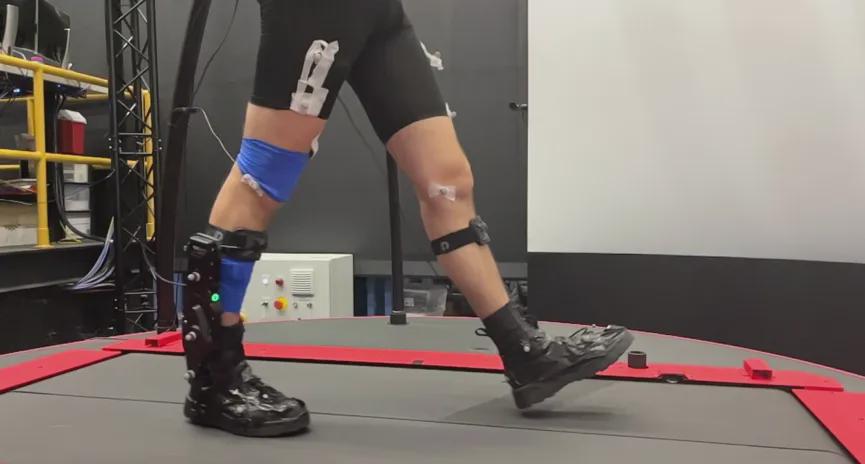
Georgia Tech Develops Wearable Robots That Interpret Muscle Activity Using Electrical Signals
Researchers at Georgia Tech have developed a system that uses six electrodes placed on the skin to track muscle activity during walking. This innovative approach extracts information about muscle contractions from electrical signals, showing a strong correlation with ultrasound measurements. The findings, published in Science Robotics, suggest that wearable robots could utilize this technology for more convenient and efficient muscle monitoring. The significance of this development lies in its potential to enhance the functionality of exoskeletons and other wearable robots. By using electrical impedance myography (EIM), the system can monitor muscle activity without the need for invasive procedures or complex ultrasound equipment. This could lead to more accessible and lower-power solutions for tracking muscle behavior in real-time. Looking ahead, researchers aim to further explore the relationship between muscle contractions and the electrical impedance changes observed. Understanding how these internal muscle dynamics contribute to movement will be crucial for advancing wearable robotics and improving their integration into everyday activities. No further timeline was disclosed at the time of publication.
Wearable Robots Muscle Monitoring Exoskeleton Technology Biomedical Engineering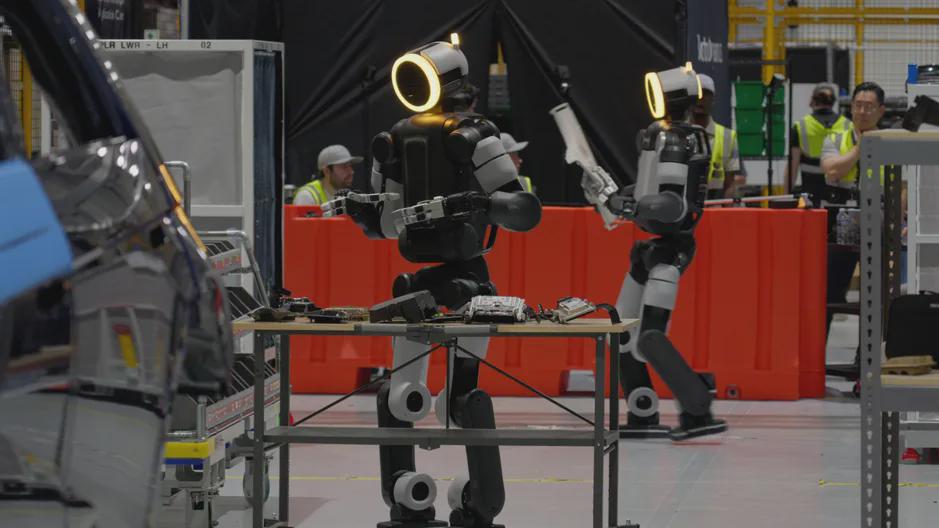
Boston Dynamics Deploys Atlas for Parts Sorting at Hyundai's Metaplant in Georgia
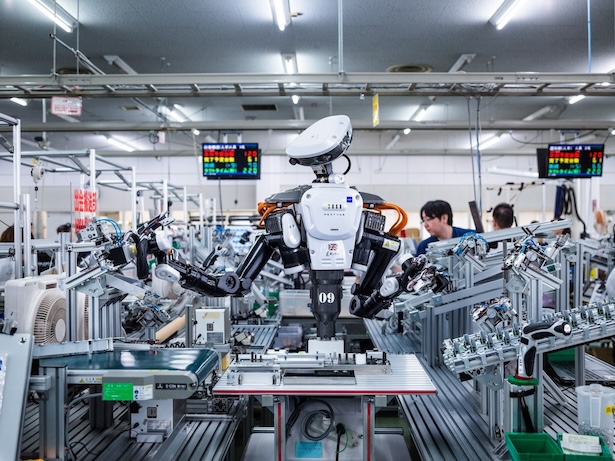
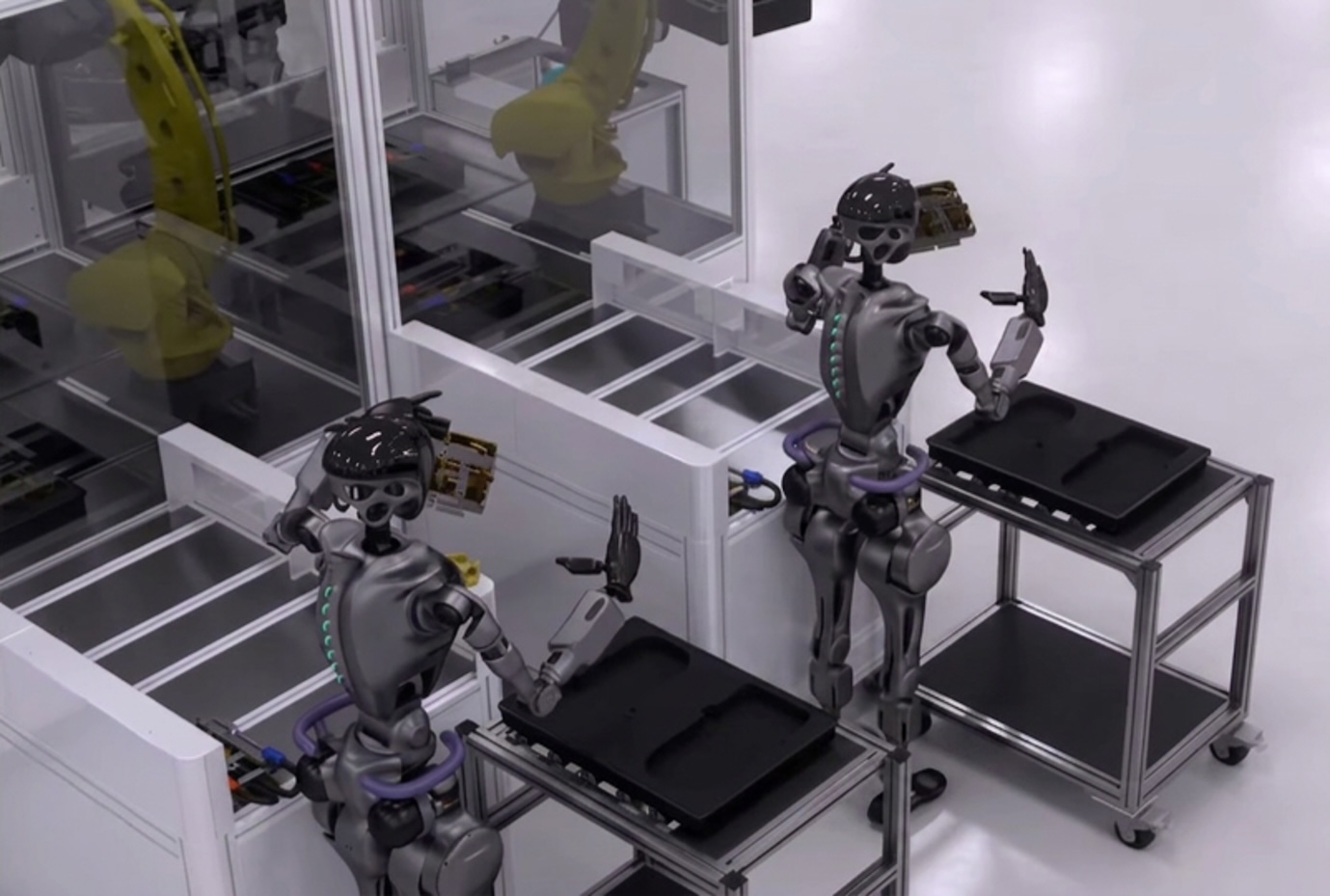
Boston Dynamics has established the Robot Metaplant Application Center (RMAC) at Hyundai Motor Group's Metaplant in Georgia, approximately 25 miles southwest of Savannah. This center serves as a testing and training facility that integrates the Atlas humanoid robot into automotive manufacturing processes, marking a significant step in the deployment of robotics in this sector. The RMAC is a permanent facility designed to collect data and test applications using real automotive parts. It aims to address the challenges faced by humanoid robots in a production environment, where factors like conveyor belt speed and part variability can affect performance. The center will help refine Atlas's operational strategies through data gathered from remote operations, simulations, and real-world interactions. As RMAC begins operations, it will focus on logistics and sorting tasks for automotive components, which require high dexterity and adaptability. The facility is set to expand significantly in the coming year, with plans to increase its size by tenfold and enhance its workforce. This initiative is crucial for advancing the integration of robotics in automotive manufacturing, particularly as the industry shifts towards electric vehicle production.
Humanoid Robots Automotive Automation Robotics Training AI Logistics Automation
SimActive CEO Discusses Evolving Defense Mapping Workflows at INTERGEO 2023
At the INTERGEO show in Munich, SimActive CEO Philippe Simard highlighted the increasing importance of speed, usability, and data integration in defense mapping. He emphasized that the value lies not just in the maps themselves but in the actionable information derived from them, particularly in defense scenarios where timely decisions are crucial. Simard pointed out that the geospatial industry is evolving to provide tools that automate the extraction of intelligence from mapping data. This shift is vital for defense organizations, which often face rapidly changing conditions on the ground. He noted that while drones have simplified data collection, processing speed remains a bottleneck, with many products taking too long to deliver actionable insights. Looking ahead, Simard indicated that the demand for rapid, accurate mapping solutions will continue to grow, especially for applications like damage assessment and line-of-sight analysis. He stressed that while speed is essential, accuracy remains critical, albeit with different standards depending on the application, particularly in defense contexts.
Applications Defense defense DL Exclusive Drone News Drone News Feeds
Samsung Medical Center Performs First Surgery with Humanoid Robots Assisting Surgeons
On September 16, Samsung Medical Center in Seoul conducted a simulated surgery with two humanoid robots assisting a surgical team. The robots, dressed in surgical attire, successfully collaborated with the lead surgeon, Professor Woo Nam-ki, by retrieving and delivering surgical instruments upon request. This marks a significant advancement in robotic assistance in surgery, showcasing the potential for robots to work alongside human medical professionals. The importance of this development lies in its potential to address staffing challenges in hospitals, particularly in smaller facilities where skilled surgical assistants may be scarce. Professor Jung Yong-ki emphasized that if a robot can effectively replace a human assistant, it could lead to cost-effective solutions for maintaining surgical operations around the clock. The robots demonstrated a 100% success rate in grasping surgical instruments and a 98.7% success rate in instrument delivery, highlighting their reliability in the operating room. Looking ahead, the project is set to progress with plans for commercialization led by Rainbow Robotics and AIDIN ROBOTICS. The first clinical trials are expected to begin in 2029, starting with low-risk endoscopic tasks before expanding to more complex procedures. The ongoing development of AI capabilities, including tactile feedback and predictive analytics, will further enhance the robots' performance in surgical environments.
Humanoid Robots Surgical Robotics AI in Healthcare Medical Technology
INTERGEO 2026 Highlights Shift from Drones to Geospatial Workflows
At INTERGEO 2026, the focus has transitioned from individual drones to comprehensive geospatial workflows. Drones, once a standalone category, now integrate seamlessly with crewed aircraft, satellites, and ground systems, enhancing data collection methods. Eric Bogard, Vice President of Marketing at Blue Marble Geographics, noted that drones are now viewed as tools within a broader toolkit for data collection, emphasizing the importance of workflow integration. This shift signifies a maturation in drone mapping technology, where the emphasis is on the results rather than the aircraft itself. The integration of drones into existing workflows allows surveyors and photogrammetrists to select the most suitable data collection methods for various scenarios. Customers at the event expressed a preference for how technologies work together rather than focusing on individual innovations, highlighting a collective industry evolution. Looking ahead, the challenge will be determining the appropriateness of drones for specific tasks and how their data can be effectively integrated into larger processes. The trend indicates that drones are now an integral part of the geospatial landscape, reshaping how surveying and mapping work is accomplished.
Applications Drone News Drone News Feeds Mapping Mapping Technology News
Impact of Task Complexity on Skill Retention in Surgical Robot Teleoperation Training
A recent study has revealed the influence of task complexity on skill retention in the teleoperation of surgical robots. This research provides a framework aimed at enhancing training methodologies for surgeons operating robotic systems. Understanding how different levels of task complexity affect surgeons' ability to retain skills is crucial for developing effective training programs. Improved training methods can lead to better surgical outcomes and increased efficiency in robotic surgeries, which is vital in the evolving landscape of medical technology. Looking ahead, the focus will be on implementing the proposed framework in surgical training programs to assess its effectiveness. No further timeline was disclosed at the time of publication.
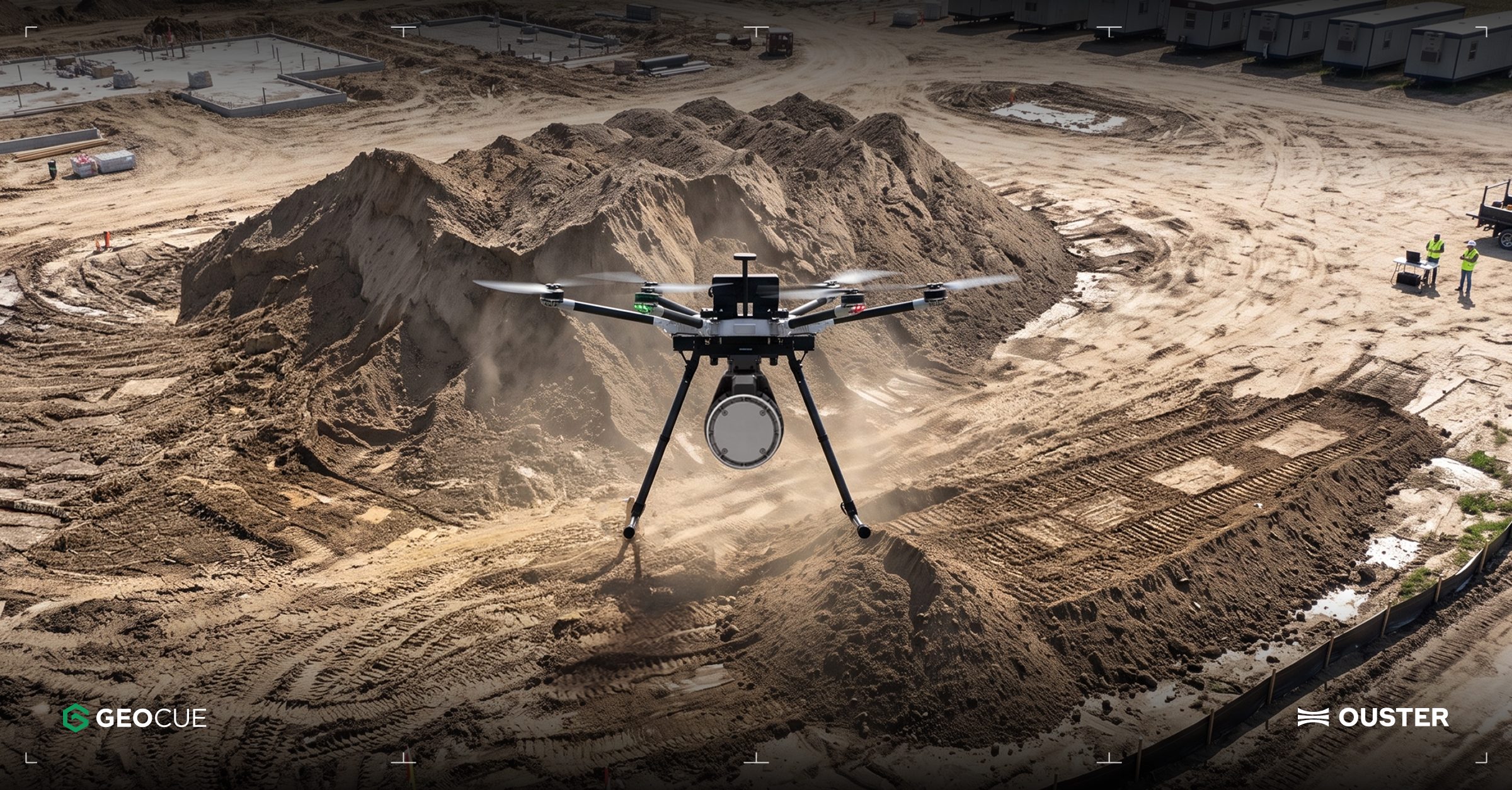
Ouster Partners with Flyability and GeoCue to Enhance Drone Mapping with Lidar Technology
Ouster has announced two significant partnerships aimed at expanding the use of lidar technology in commercial drone operations. The collaboration with Flyability focuses on integrating Ouster's lidar into the Elios 3 drone, which is designed for inspections in confined spaces like mine shafts and wastewater tunnels. Meanwhile, the partnership with GeoCue will see Ouster's Rev8 OS1 Max lidar integrated into TrueView drone mapping systems for utility surveying. These partnerships highlight the growing importance of lidar in enhancing drone capabilities, particularly in challenging environments where traditional GPS and cameras may fail. The Elios 3 drone, equipped with Ouster's compact OS0 lidar, enables real-time localization and collision avoidance, making it suitable for hazardous inspections. Ouster's CEO, Angus Pacala, emphasized the operational value of digital lidar in environments that conventional systems cannot easily access. Looking ahead, Flyability is evaluating Ouster's Rev8 lidar technology for future applications, which promises improved range, resolution, and color data. The companies plan to showcase their advancements at INTERGEO 2026 in Munich, Germany, from September 15-17, demonstrating how lidar is transforming the documentation of complex industrial environments.
Applications Drone News Drone News Feeds Inspection LiDAR News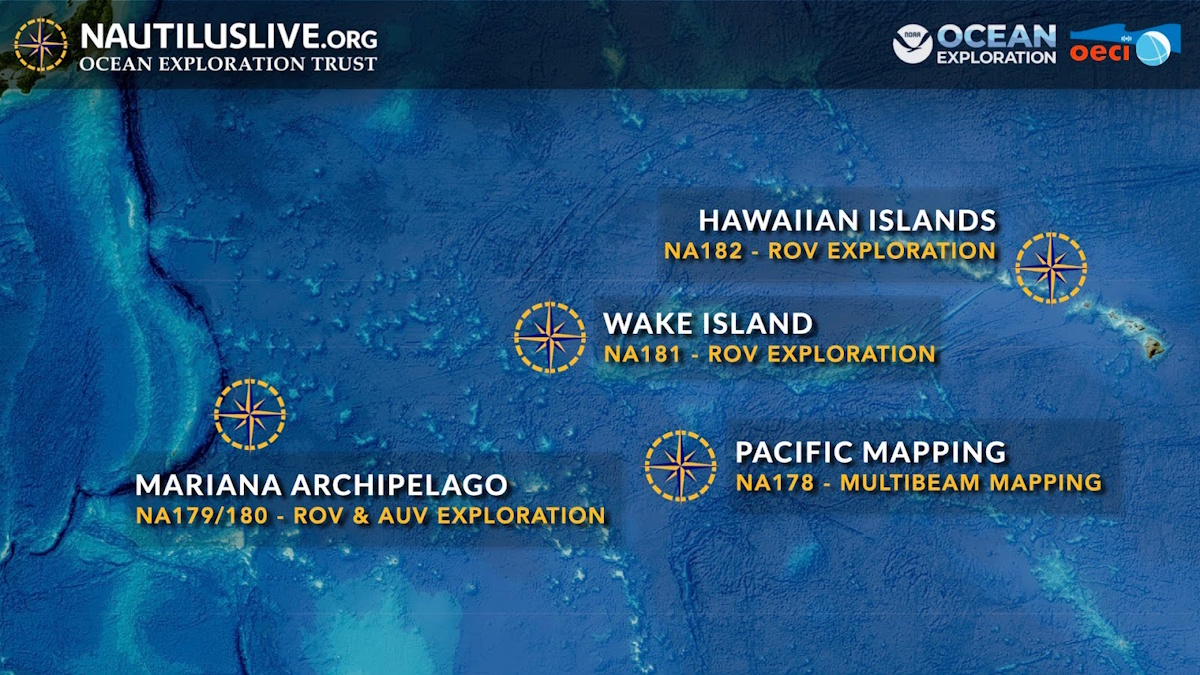
Ocean Exploration Trust Initiates 31-Day Expedition to Survey Remote Pacific Waters
The Ocean Exploration Trust (OET) has launched a 31-day expedition aboard the Exploration Vessel (E/V) Nautilus to explore the remote Pacific waters surrounding Wake Island. Funded by NOAA Ocean Exploration, this mission aims to gather critical baseline data on biodiversity, geology, and maritime heritage sites, particularly those linked to the World War II Battle of Wake. This expedition is significant as it targets one of the most poorly surveyed areas under US jurisdiction, covering approximately 407,241 square kilometers of seafloor. Co-lead scientist Steve Auscavitch emphasizes the diverse mission objectives and the importance of collecting rigorous scientific data to characterize the seafloor environment and its biological and geological resources. The team will utilize remotely operated vehicles (ROVs) to explore deep-sea habitats up to 6,000 meters deep, capturing high-resolution imagery and environmental data. This data will be publicly archived, ensuring long-term access for future research and resource management efforts. No further timeline was disclosed at the time of publication.
ocean exploration trust (oet) exploration vessel (e/v) nautilus noaa ocean exploration na181 expedition world war ii battle of wake
Evidence of Ancient 1-Kilometer Cliff May Explain Grand Canyon's Missing Geological History
Researchers have proposed the existence of a massive ancient cliff, the 'Great Escarpment of Laurentia,' which may have significantly influenced the geological history of the Grand Canyon. This escarpment, estimated to be around 1 kilometer high and spanning thousands of kilometers, formed between 800 million and 750 million years ago during the breakup of the supercontinent Rodinia. The study, led by Thomas Gernon from the University of Southampton, suggests that this colossal cliff system triggered extensive erosion, exposing some of North America's oldest geological formations. This erosion may provide a new explanation for the Great Unconformity, a significant gap in the rock record of the Grand Canyon where over a billion years of geological history is missing. The researchers' models indicate that the escarpment's formation and subsequent retreat could have led to the loss of up to 8 kilometers of rock in nearby areas. This finding highlights the complex geological processes that shaped the Grand Canyon region and suggests that the missing geological record may be attributed to the evolution of this ancient landscape rather than a single event.
Science
FCC Implements Ban on Foreign Advanced Robotic Devices Amid Geopolitical Tensions
The Federal Communications Commission (FCC) has enacted a ban on the importation of foreign-produced advanced robotic devices and connected power inverters. This policy, effective immediately for unreleased models, aims to protect the U.S. AI sector from risks associated with supply chain vulnerabilities and potential data breaches, particularly targeting China's robotics industry. The ban encompasses a wide range of devices, including autonomous lawnmowers and delivery robots, that meet specific criteria such as weight and connectivity speeds. While the FCC's action is framed as country-neutral, it is seen as a direct challenge to China's dominance in the robotics market, aligning with protectionist legislation like the GUARD Act. Unitree Robotics, a significant player in the global humanoid market, is expected to face immediate commercial impacts due to this ban. The company's partnerships, including one with Nvidia, may also be affected as the U.S. seeks to limit foreign influence in critical technology sectors. No further timeline was disclosed at the time of publication.
US GUARD China FCC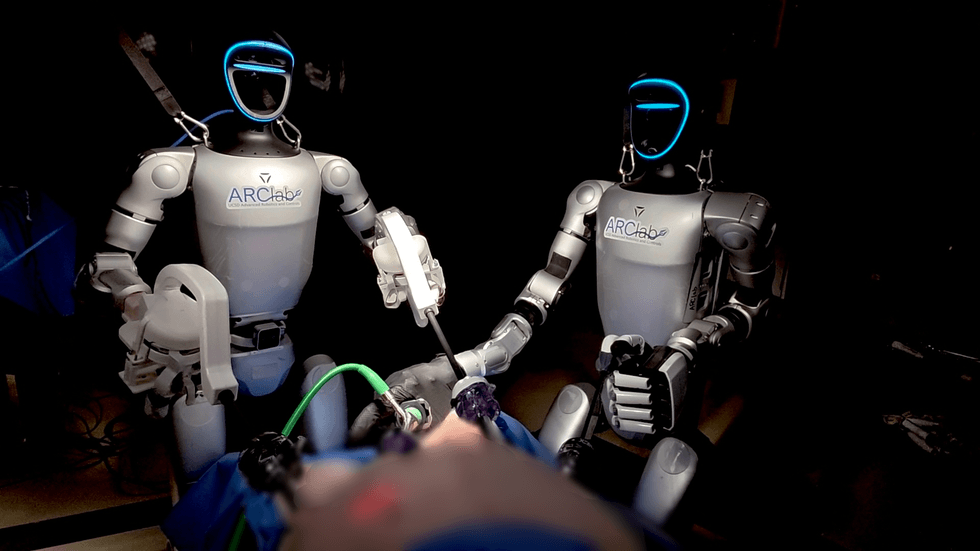
Weekly Robotics Videos Showcase Advances in Humanoid Surgery and Quadrupedal Locomotion
This week's Video Friday highlights significant advancements in robotics, including a systematic evaluation of humanoid technology for laparoscopic surgical tasks. Researchers developed a humanoid-based teleoperation framework and assessed its performance through various studies, revealing both potential and challenges for clinical deployment. The importance of these developments lies in their ability to enhance surgical precision and efficiency, which could transform medical practices. The study provides an evidence-based assessment of humanoid capabilities, emphasizing the need for further technical improvements before widespread clinical use. Looking ahead, the robotics community will continue to explore the integration of advanced technologies in surgical applications and other fields. Upcoming events, such as the Summer School on Multi-Robot Systems and Actuate 2026, will provide platforms for sharing insights and innovations in robotics.
Humanoid-robots Video-friday Quadruped-robots Robot-videos Robot-surgeon Boston-dynamics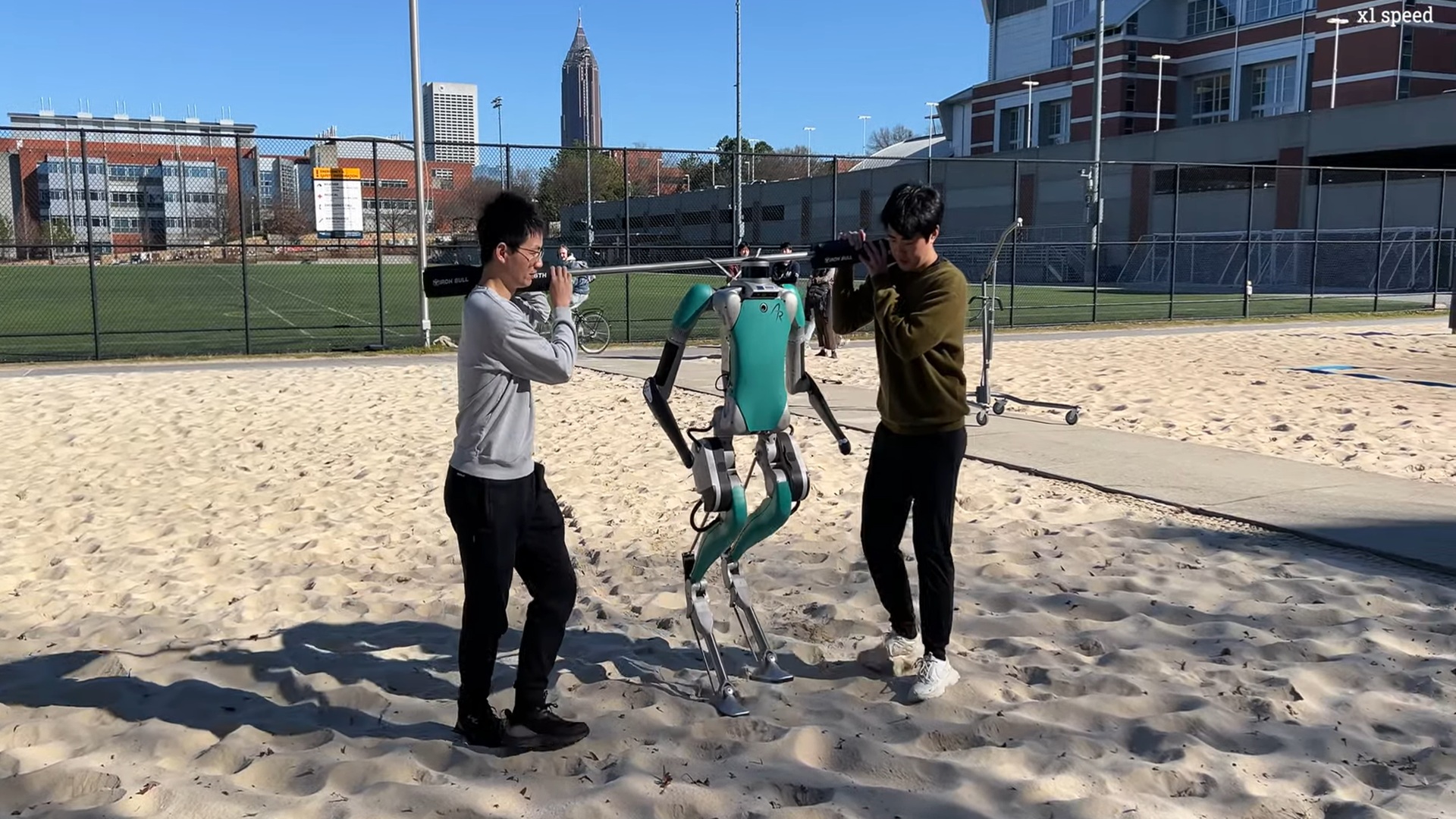
Georgia Tech Researchers Develop Framework for Humanoid Robot to Walk on Varied Terrain
Researchers at Georgia Tech have created a novel machine-learning framework that allows a humanoid robot to traverse diverse terrains, including sand, gravel, and slopes. This framework, named 'Learn to Teach,' enhances the traditional teacher-student reinforcement learning method by enabling simultaneous training of both agents, significantly reducing the time and computational resources required. The significance of this development lies in its ability to equip the robot with a controller capable of adapting to unfamiliar terrains without extensive prior training. The humanoid robot successfully navigated various challenging surfaces, demonstrating stability even when pushed or pulled during tests. This advancement could have broader implications for robotics, as the framework can be adapted for other robotic tasks beyond walking. Looking ahead, the potential for this training framework to be applied to different robots and tasks is promising. The researchers highlighted that their approach not only streamlines the training process but also allows for real-time knowledge transfer between the teacher and student models. No further timeline was disclosed at the time of publication.
AI and Robotics
Humanoid Robot H1 Completes First Live Gallbladder Surgery Under Surgeon Control
In July 2026, a humanoid robot successfully performed the world's first live gallbladder surgery on a pig under the control of a surgeon. This groundbreaking procedure, documented by Nature and featured on the front page of the New York Post, has sparked significant discussions in the tech community about the implications of humanoid robots in surgical settings, particularly regarding remote control and AI capabilities. The significance of this achievement lies in its potential to disrupt the surgical robotics market, which has been dominated by the Da Vinci surgical system for nearly two decades. The Da Vinci system, known for its high costs exceeding $2 million, relies on specialized robotic arms and instruments. In contrast, the humanoid robot's design allows it to utilize standard surgical tools, which could lead to reduced costs and increased accessibility for hospitals. Looking ahead, the successful completion of this surgery marks a pivotal moment for humanoid robots in healthcare. While regulatory hurdles and clinical validation processes remain, the experiment demonstrates that humanoid robots can perform complex surgical tasks. The next challenge will be determining when the costs associated with these robots can be lowered enough for broader adoption by hospitals beyond top-tier institutions. No further timeline was disclosed at the time of publication.
Humanoid Robots Surgical Robotics AI in Healthcare Remote Surgery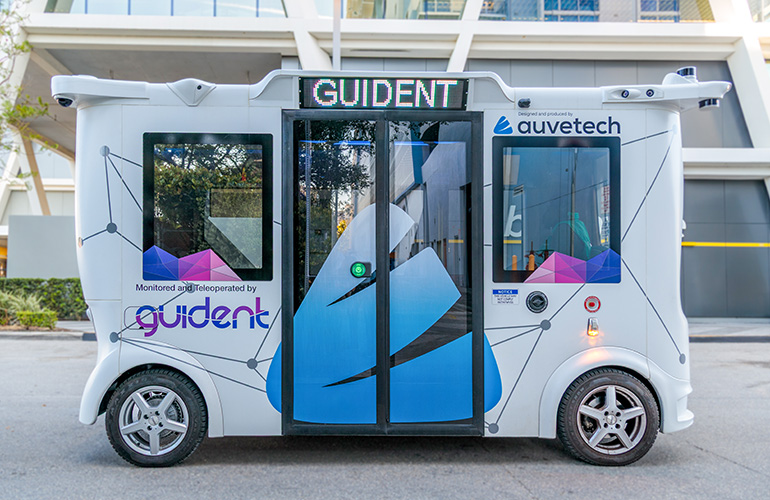
Tickets, geofences, and 1M miles: The new reality of California AV compliance
Guident CEO Harald Braun recently discussed the implications of California's new autonomous vehicle (AV) regulations on the driverless industry. The updated mandates, which include stringent compliance measures such as ticketing, geofencing, and a requirement for AVs to log one million miles, aim to enhance safety and accountability in the rapidly evolving sector. These regulations, set to take effect soon, reflect California's commitment to ensuring that autonomous vehicles operate safely within its borders. Braun emphasized that these changes will significantly impact how companies develop and deploy driverless technology, necessitating adjustments in operational strategies to meet the new standards. The conversation highlights the challenges and opportunities presented by the regulatory environment as the industry moves towards greater integration of autonomous vehicles on public roads.
Automotive News Regulatory & Compliance Safety & Security Self-Driving Vehicles Transportation
SpaceX's Starmind Project: Supplier Strategy and Chip Manufacturing Plans for 2026
SpaceX's Starmind project, aimed at deploying up to 1 million AI satellites, was filed with the FCC on January 30, 2026. The initiative is designed to minimize reliance on external suppliers, with CEO Elon Musk stating that current chip production capabilities only meet 2% of the projected needs. The first satellite, AI1, is set for prototype launches in early 2027, featuring a 70-meter wingspan and a modular payload system that allows for interchangeable chips from various suppliers. The significance of Starmind lies in its ambitious supply chain strategy, which seeks to transition from external hardware suppliers to a fully integrated Musk-owned facility by 2028. The Gigasat manufacturing site in Bastrop, Texas, is expected to be operational by the end of 2027, with plans for high-volume production of the D3 chip, specifically designed for space applications. This approach aims to consolidate chip manufacturing processes under the Terafab joint venture, which has an estimated initial investment of $55 billion. Looking ahead, the next milestone for Starmind is the launch of AI1 prototypes in early 2027, while the full-scale chip production at Terafab is projected to ramp up significantly thereafter. However, analysts express skepticism regarding the feasibility of achieving Musk's ambitious compute goals, which may require substantial investment and time to establish the necessary manufacturing capabilities.

SpaceX's Starmind Targets AI Labs with $6.3 Billion Compute Contracts
SpaceX's Starmind is designed to provide wholesale AI compute services to businesses, particularly AI labs and cloud customers, rather than individual consumers. The service operates similarly to AWS, where users benefit from applications running on Starmind without direct subscriptions. The compute capacity of a single AI1 satellite is comparable to one NVIDIA GB300 rack, emphasizing its enterprise-grade capabilities. The significance of Starmind lies in its positioning as a potential fourth hyperscaler, joining the ranks of AWS, Microsoft Azure, and Google Cloud. The Reflection AI contract, valued at $150 million per month, exemplifies the enterprise-focused model, with total payments potentially reaching $6.3 billion through 2029. This contract highlights the growing demand for AI compute resources, particularly from AI-native startups and labs. Looking ahead, the focus will remain on securing additional enterprise contracts as Starmind expands its offerings. No consumer-facing products or subscriptions have been announced, and the current strategy is to cater to businesses with substantial AI workloads. No further timeline was disclosed at the time of publication.

SpaceX IPO Provides Indirect Investment Opportunity in Starmind Project
Starmind does not have a standalone stock or ticker; investors can gain exposure through SpaceX (ticker: SPCX), which began trading on Nasdaq after its IPO on June 12, 2026. Starmind is integrated within SpaceX, contributing to the company's AI and space initiatives, and its performance directly influences SPCX shares. The significance of Starmind lies in its role as a division of SpaceX, which encompasses other projects like Starlink and Starship. As of early July 2026, SPCX shares are trading between $149 and $150, significantly lower than their 52-week high of $225.64. The project’s milestones, such as AI1 prototype updates, can impact SpaceX's stock performance, making it essential for investors to monitor these developments closely. Looking ahead, the early 2027 launch of AI1 prototype satellites is a critical milestone that could provide verifiable data affecting Starmind's valuation and, consequently, SPCX stock. No further timeline was disclosed at the time of publication, but the upcoming events will be pivotal for investors tracking the relationship between Starmind and SpaceX's stock performance.

SpaceX's $1.75 Trillion Valuation Driven by Starmind's Future Potential
Starmind is a pivotal element in SpaceX's estimated $1.75 trillion IPO valuation, despite currently generating no confirmed revenue. The stock price reflects optimistic projections regarding AI infrastructure growth, which Starmind has yet to substantiate. As of early July 2026, SpaceX's stock has decreased from its 52-week high of $225.64 to around $150, indicating market skepticism about future execution. The significance of Starmind lies in its potential to transform SpaceX's revenue model beyond traditional launch services. Goldman Sachs has shifted its focus from Starlink subscriber growth to the prospects of AI revenue, including orbital computing, as a cornerstone of SpaceX's long-term valuation. This marks a substantial change in how analysts view the company's growth trajectory, necessitating rates exceeding its historical 33% growth. Looking ahead, the credibility of Starmind as a growth narrative will be crucial for maintaining investor confidence. Analysts have noted a considerable divergence in price targets, reflecting uncertainty about the value of the Starmind and xAI initiatives. No further timeline was disclosed at the time of publication regarding specific milestones for these projects.
Tesla's Optimus Robots to Support Starmind Satellite Production, Not Maintenance
Tesla's Optimus robots will not be used to repair Starmind satellites in orbit, as confirmed by recent statements from Elon Musk. Instead, these robots are intended to assist in the construction and operation of the Terafab chip manufacturing facility in Texas. The AI1 satellites, designed to disintegrate upon reentry, highlight the company's swap-and-replace strategy rather than traditional maintenance practices. This approach is significant as it reflects a broader trend in satellite management, where mass-produced satellites are replaced rather than repaired. The economics of servicing missions are prohibitive, with the cost of launching a replacement satellite being significantly lower than conducting a repair mission. This model aligns with SpaceX's operational history, where rapid replacement of satellites is more efficient than attempting to maintain them in orbit. Looking ahead, the focus will remain on the production capabilities of the Gigasat factory, which is expected to support the continuous replacement of satellites. No further timeline was disclosed at the time of publication, but the demand for rapid satellite turnover suggests a robust future for Optimus robots in terrestrial manufacturing rather than in-space servicing.

SpaceX's Starmind Plans 1 Million AI Satellites Amid Collision Risks
SpaceX has announced its ambitious Starmind project, which aims to deploy 1 million AI satellites in orbits between 500 and 2,000 km. This initiative, confirmed by Elon Musk on June 23, 2026, follows a merger with xAI, valuing the combined entity at $1.25 trillion. The satellites will function as orbital data centers, processing AI workloads powered by solar arrays and linked by optical lasers. The significance of Starmind lies in its potential to add 100 gigawatts of AI compute capacity annually, contingent on the successful operation of the Starship launch system. However, the project raises concerns regarding space debris, as the current orbital environment is already congested, with a 20% increase in collision risk reported since 2024. The European Space Agency has highlighted that the density of debris in low Earth orbit is now comparable to that of active satellites, complicating the operational landscape for new entrants like Starmind. Looking ahead, the first operational orbital AI deployments are targeted for 2028, with test launches expected in early 2027. However, the project faces scrutiny regarding its impact on space debris, as even a 1% failure rate could significantly increase the number of uncontrollable objects in orbit, exacerbating existing risks. No further timeline was disclosed at the time of publication.
SpaceX's Starship V3 Plans for 1 Million Starmind Satellites by 2030
SpaceX's Starship V3 is set to revolutionize satellite deployment, aiming to launch 1 million Starmind satellites by 2030. The spacecraft can carry over 100 tonnes to low Earth orbit (LEO), significantly more than the Falcon 9's capacity. As of May 2026, Starship has completed 12 flights, with the next mission scheduled for late July 2026, focusing on operational payloads including AI1 prototypes in early 2027. This ambitious plan is crucial for expanding orbital compute capacity, targeting an annual addition of 100 GW through a million tonnes of satellite hardware. SpaceX's strategy hinges on achieving a launch cadence of approximately 12,000 flights, equating to about three launches per day. The company has invested over $15 billion in the Starship program, with expectations to begin payload deliveries in the second half of 2026, starting with Starlink V3 satellites. Looking ahead, the successful deployment of the Starmind constellation will depend on Starship's ability to meet its cost targets of $10–20 million per flight. If achieved, this would make launching satellites more economical than building ground data centers. The next significant milestone will be the launch of AI1 prototypes in early 2027, with full-scale deployments commencing in 2028 from the new Gigasat factory in Texas.

Starmind's Satellite Technology Achieves 880 Billion Liters in Annual Water Savings
Starmind has announced that its satellite technology can save approximately 880 billion liters of cooling water annually at full scale. This figure is equivalent to the annual household water use of around 6.5 million Americans. The technology operates by utilizing a closed-loop liquid cooling system that eliminates the need for water during its operational life, contrasting sharply with traditional ground data centers that consume vast amounts of water for cooling. The significance of this achievement lies in the growing water consumption crisis faced by data centers, particularly as AI expansion drives demand. In 2025, U.S. data centers consumed nearly one trillion liters of water, highlighting the urgent need for sustainable solutions. Starmind's approach not only addresses direct water usage but also avoids indirect water consumption associated with electricity generation, marking a substantial shift in how computing can be conducted in a resource-efficient manner. Looking ahead, Starmind's deployment strategy includes a projected buildout of 100 GW of orbital compute per year, which could displace an additional 735 billion liters of ground water demand annually. The first tranche of 10,000 satellites is already operational, offsetting approximately 8.8 billion liters of water per year. No further timeline was disclosed at the time of publication.
SpaceX Proposes 1 Million AI Satellites to Address Ground Data Center Constraints
On January 30, 2026, SpaceX filed with the FCC to launch up to 1 million AI compute satellites, positioning orbital data centers as a solution to the increasing demand for AI computing power. Ground data centers are facing significant challenges, with energy consumption projected to reach approximately 1,050 TWh in 2026, making them the fifth-largest electricity consumer globally. The demand for new data center capacity is outpacing the growth of power generation infrastructure, leading to a critical bottleneck in the grid system. The significance of this initiative lies in the structural constraints faced by ground data centers, including power delivery limitations, high water consumption, and local opposition to new projects. The Uptime Institute's 2026 outlook identifies power as the primary constraint on data center growth, with capacity clearing prices in the PJM grid skyrocketing to $329.17/MW, driven by data center expansion. Additionally, cooling requirements are becoming increasingly unsustainable, with facilities consuming vast amounts of water, further complicating their operational viability. Looking ahead, SpaceX's orbital AI compute initiative aims to circumvent these challenges by leveraging the advantages of space, such as continuous solar power and minimal local opposition. The first AI prototypes are expected to launch in early 2027, with operational deployments planned for 2028. No further timeline was disclosed at the time of publication.

Starmind's Orbital Compute vs. Terrestrial Data Centers: Analyzing Resource Advantages
Starmind's orbital compute technology presents a significant advantage over traditional ground-based data centers by eliminating constraints related to land, water, and grid permitting. While terrestrial data centers are currently cheaper and faster to construct, with U.S. data center spending reaching $85.3 billion in 2026, Starmind's approach focuses on addressing the growing resource limitations faced by hyperscale facilities. The significance of Starmind's technology lies in its ability to sidestep the increasing challenges of land and water usage. For instance, a 100 MW data center can consume approximately 530,000 gallons of water daily for cooling, while Starmind's AI1 utilizes deployable liquid radiators that require no water. This structural advantage could resonate with investors as the demand for AI computing continues to escalate, potentially leading to annual water withdrawals of up to 1.7 trillion gallons by 2027. Looking ahead, Starmind's next milestones include the launch of AI1 prototypes scheduled for early 2027. However, the technology's claims regarding cooling efficiency and operational reliability remain unverified until real flight data is available. As the industry evolves, the competition between orbital and terrestrial solutions will become increasingly relevant, particularly in the context of resource management and sustainability.
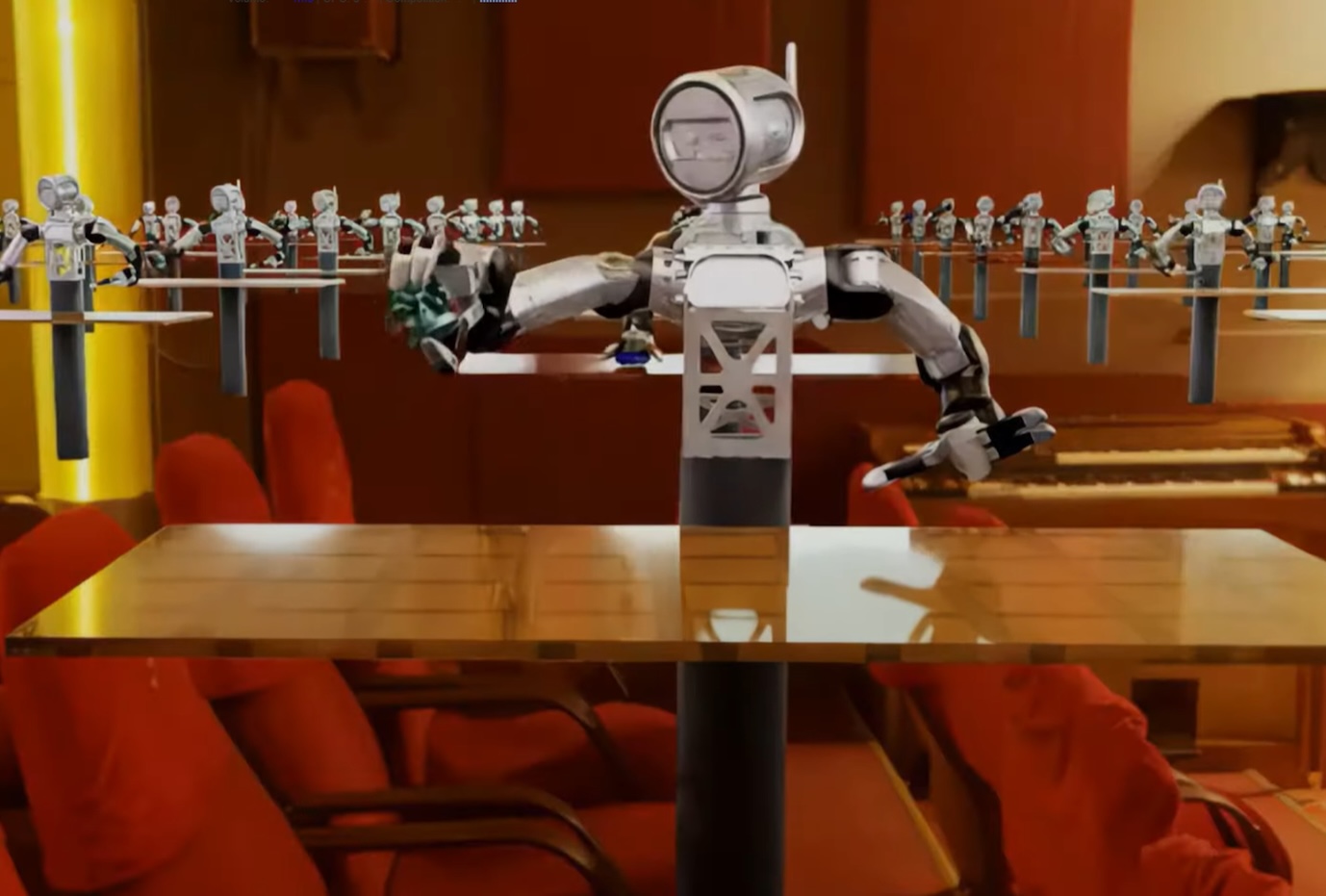
SpaceX's Starmind Faces Feasibility Challenges for 1 Million Satellite Deployment
On January 30, 2026, SpaceX submitted a request to the FCC to launch up to 1 million satellites as part of its Starmind orbital compute constellation. This ambitious plan is unprecedented, as the total number of satellites ever launched globally is in the low tens of thousands. The proposal seeks a waiver from standard deployment milestones, citing reliance on the Starship's full reusability for success. The significance of this request lies in the technical and logistical challenges it presents. Experts warn that low Earth orbit may not support the proposed number of active satellites without risking a debris cascade. SpaceX's own IPO prospectus acknowledges unresolved dependencies related to Starship's launch cadence and reusability, which are critical for the orbital AI compute strategy. Looking ahead, the timeline for achieving the necessary launch cadence and manufacturing capacity remains uncertain. SpaceX's Gigasat facility in Texas aims for volume production by late 2027, but this would require unprecedented output levels. No further timeline was disclosed at the time of publication, leaving the feasibility of the Starmind project in question.

SpaceX Unveils AI1 Satellite Specs for Starmind Constellation with Key Thermal Challenges
SpaceX has introduced the AI1 satellite, the inaugural component of its Starmind constellation, which stands 20 meters tall and has a wingspan of 70 meters. This orbital compute node is designed to deliver computing power equivalent to one NVIDIA GB300 server rack, utilizing a unique cooling system with deployable liquid radiators. The satellite's specifications were revealed during a presentation on June 8, 2026, ahead of SpaceX's IPO. The significance of the AI1 satellite lies in its role as a compute platform rather than a traditional satellite, focusing on running AI inference workloads. The satellite's cooling system, which is critical for its operation in the vacuum of space, is designed to reject heat through infrared radiation. However, independent engineers have raised concerns about the feasibility of the thermal and mass claims made by SpaceX, suggesting that the cooling requirements may exceed practical limits. Looking ahead, SpaceX plans to launch two AI1 prototypes in early 2027, with full-scale production expected to commence later that year at its Gigasat facility in Bastrop, Texas. The ongoing debate regarding the satellite's thermal management capabilities will be crucial to monitor as the project progresses, with no further timeline disclosed at the time of publication.
SpaceX Launches Starmind Project for 1 Million AI Satellites by 2028
SpaceX has officially named its orbital AI infrastructure project 'Starmind,' which aims to deploy a constellation of up to 1 million satellites. This initiative, confirmed by Elon Musk on June 22, 2026, will enable AI inference directly in space, utilizing solar energy rather than terrestrial power sources. The first satellite, designated AI1, was unveiled on June 8, 2026, and is designed to operate in sun-synchronous orbits. The significance of Starmind lies in its potential to overcome the limitations faced by ground-based data centers, such as land, power, and water constraints. By running AI computations in orbit, Starmind can provide a more efficient solution to the growing demand for AI computing power. The project leverages the existing Starlink infrastructure for data transmission, distinguishing its function from Starlink's internet relay capabilities. Looking ahead, SpaceX plans to begin hardware deployment with the AI1 satellite, while full-scale production and deployment of the satellite constellation are targeted for 2028. As of now, no Starmind satellites have been launched, and further engineering challenges remain to be addressed, particularly regarding the scalability of the satellite design.
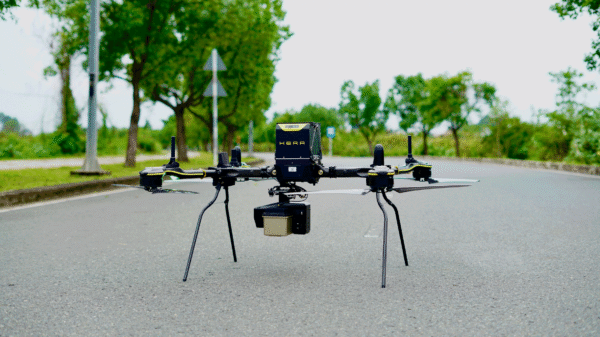
GeoCue’s TrueView 641 Certified for Real-Time Robotics HERA Drone
The companies say the integration gives customers a secure aerial mapping option that combines heavy-lift American-made drones with engineering-grade LiDAR. Huntsville, Ala.-based GeoCue has announced that its TrueView LiDAR payloads are now compatible with drones from Real-Time Robotics Inc., a pairing the companies say expands NDAA-compliant drone LiDAR options for customers in surveying, defense, public […] The post GeoCue’s TrueView 641 Certified for Real-Time Robotics HERA Drone appeared first on DRONELIFE.
Drone News Drone News Feeds Inspection LiDAR News Sensors
Geo Week News Field Reality Survey to Capture Geospatial Industry Challenges
Geospatial industry professionals are being invited to contribute their insights on workflow experiences through a survey aimed at enhancing industry practices. This initiative, which seeks to gather diverse perspectives from practitioners, will close on June 26. The survey is designed to identify common challenges and successful strategies within the field, ultimately fostering collaboration and innovation among geospatial experts. Participants will have the opportunity to share their experiences and potentially influence future developments in the industry.

"BioGeometry" secures hundreds of millions in strategic funding to create a "microscopic world model" in life sciences.
AI-native biotechnology company BaiAo Geometry has successfully secured several hundred million yuan in strategic financing, with investments led by the Shanghai Biomedical Innovation Transformation Fund, Guoke Investment, Dacheng Wisdom, and Xinglian Capital, alongside follow-on investments from GaoRong Capital and the Index AI Industry Innovation Fund. The funds will primarily support the ongoing development of their life sciences micro-world model, GeoFlow, and the advancement of their proprietary drug pipeline. Artificial intelligence is rapidly evolving along two main trajectories: digital AI, represented by large language and multimodal models, and physical AI, exemplified by autonomous vehicles and humanoid robots. Life AI is emerging as a promising frontier, a sentiment echoed by leading global investors and scientists. BaiAo Geometry's GeoFlow model, launched in 2024, aims to understand and design molecular interactions at an atomic level, enabling the creation of novel molecules that have never existed in nature. The company has iterated GeoFlow multiple times, achieving significant advancements in protein structure prediction and de novo design capabilities. By applying Test-Time Scaling technology, BaiAo Geometry enhances the success rate of protein designs without the need for extensive retraining. This innovation allows for the rapid generation and optimization of high-affinity binding molecules, significantly reducing the time and cost associated with traditional drug discovery processes. BaiAo Geometry has established over 20 business development collaborations with domestic and international pharmaceutical companies, focusing on high-specificity antibody design and vaccine development. The company is currently working on the next iteration of GeoFlow, which aims to expand modeling from individual molecules to entire molecular systems, further revolutionizing drug development in the biotechnology sector.
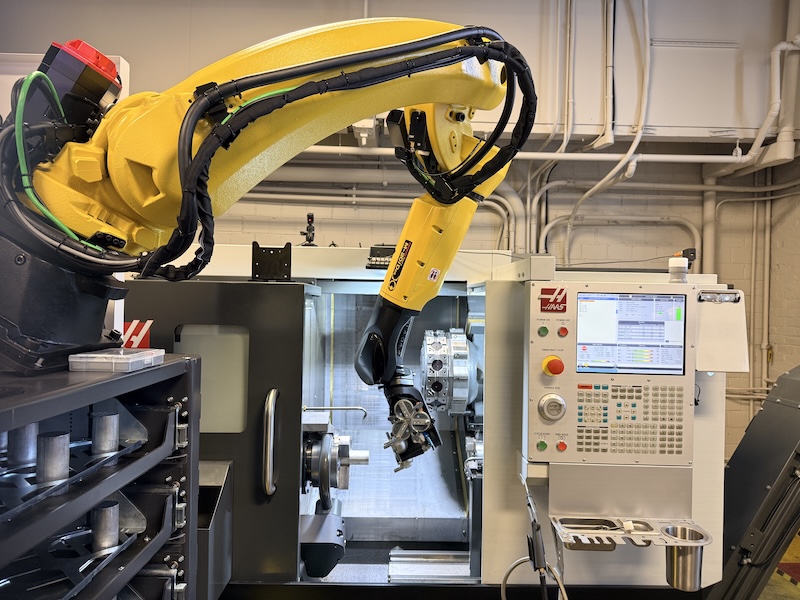
AWR standardizes CNC machine tending with OnRobot electric grippers to speed changeovers
In the evolving landscape of high-mix, low-volume manufacturing, companies are increasingly recognizing the need for flexibility in production to maintain profitability. Automation Within Reach (AWR), previously known as Gosiger Automation, is addressing this challenge by introducing advanced automation solutions that enhance the adaptability of machine shops. Traditionally reliant on pneumatic systems, many manufacturers have struggled with the limitations of these older technologies, which lack the intelligence necessary for modern operations. AWR's innovative approach aims to equip manufacturers with the tools needed to seamlessly transition between various part sizes, thereby improving efficiency and competitiveness in a rapidly changing market. This shift towards smarter automation is crucial for manufacturers seeking to thrive in an environment where agility is key to success.
Components Engineering Features Industrial robots 3FG25 gripper automated machining
Pudu Robotics eyes Hong Kong listing amid geopolitical risks
Pudu Robotics, a Shenzhen-based service robot manufacturer, is preparing for a public listing in Hong Kong amid rising geopolitical tensions that are impacting its supply chain costs. In an interview with Nikkei Asia, CEO and founder Felix Zhang highlighted the company's exploration of overseas manufacturing options as part of its strategy to navigate these challenges. The move to list in Hong Kong reflects Pudu's response to the evolving market landscape and its commitment to expanding its operations despite external pressures.

OceanSight Expands Global Dealer Network for Ocean Floor Geophysics
OceanSight has expanded its global dealer network by appointing six new regional channel partners for its subsidiary, Ocean Floor Geophysics (OFG). This strategic move, announced today, aims to enhance the company's market presence and improve access to its innovative geophysical solutions. The addition of these partners is expected to facilitate better service delivery and support for clients in various regions. The expansion reflects OceanSight's commitment to strengthening its distribution capabilities and meeting the growing demand for advanced oceanographic technologies.
oceansight expansion global dealer network ocean floor geophysics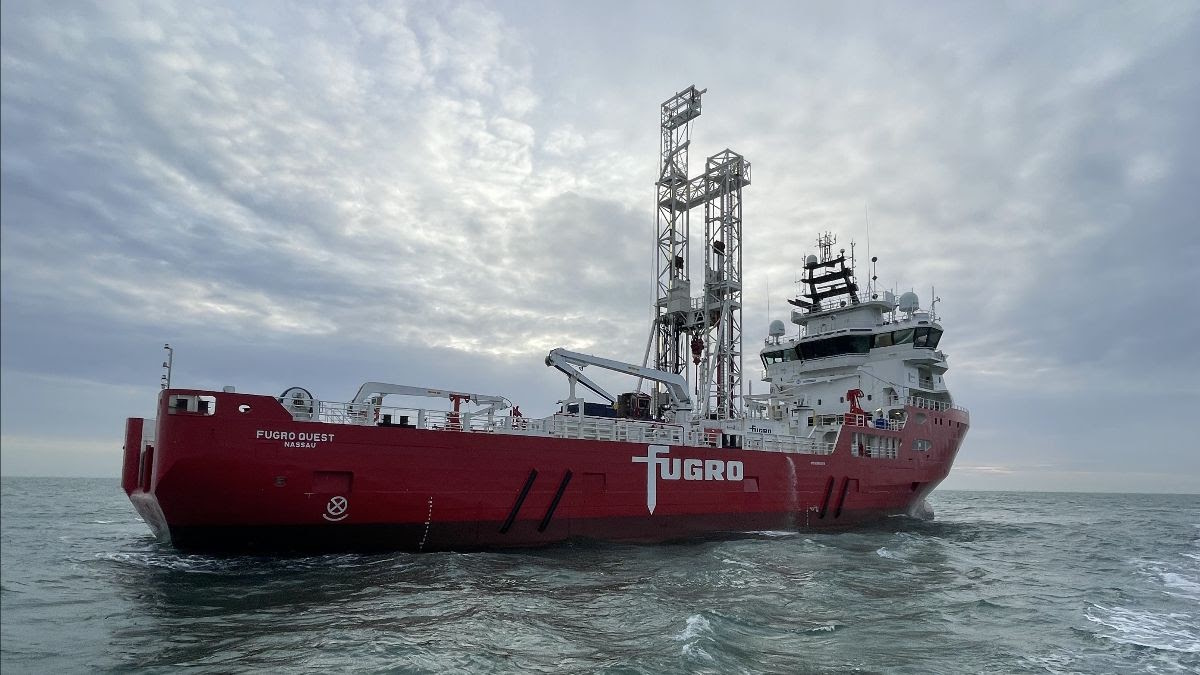
Fugro Geotechnical Survey to Support Berwick Bank B Offshore Wind Farm
Fugro has secured a significant geotechnical survey contract from SSE for the Berwick Bank B phase of the ambitious Berwick Bank offshore wind project located in the North Sea. This phase is part of a broader initiative aimed at achieving a total offshore wind capacity of 4.1 GW across three phases. If fully realized, Berwick Bank has the potential to become the largest offshore wind farm globally, generating sufficient clean electricity to supply over six million homes in the UK each year. The project underscores the growing commitment to renewable energy and the transition towards sustainable power sources.
fugro geotechnical survey berwick bank b offshore wind farmRobotics needs a service framework.
RSF defines a common language for robot service capability, lifecycle operations, certification pathways, and service-provider networks.
Join the RobotToday community on LinkedIn
Daily robotics news, in-depth analysis, conference highlights, and discussions with professionals worldwide.







