

Starmind's Satellite Technology Achieves 880 Billion Liters in Annual Water Savings
- Published
- Source
- optimusk.blog
Starmind has announced that its satellite technology can save approximately 880 billion liters of cooling water annually at full scale. This figure is equivalent to the annual household water use of around 6.5 million Americans. The technology operates by utilizing a closed-loop liquid cooling system that eliminates the need for water during its operational life, contrasting sharply with traditional ground data centers that consume vast amounts of water for cooling.
The significance of this achievement lies in the growing water consumption crisis faced by data centers, particularly as AI expansion drives demand. In 2025, U.S. data centers consumed nearly one trillion liters of water, highlighting the urgent need for sustainable solutions. Starmind's approach not only addresses direct water usage but also avoids indirect water consumption associated with electricity generation, marking a substantial shift in how computing can be conducted in a resource-efficient manner.
Looking ahead, Starmind's deployment strategy includes a projected buildout of 100 GW of orbital compute per year, which could displace an additional 735 billion liters of ground water demand annually. The first tranche of 10,000 satellites is already operational, offsetting approximately 8.8 billion liters of water per year. No further timeline was disclosed at the time of publication.
Original report
.snippet-box { background: var(--color-bg-2); border: 1px solid var(--color-border); border-left: 3px solid var(--color-accent); padding: 1.5rem 1.75rem; margin: 2rem 0 2.5rem; border-radius: 2px; } .snippet-box .snippet-title { font-family: var(--font-mono); font-size: 0.7rem; font-weight: 500; color: var(--color-accent); letter-spacing: 0.15em; text-transform: uppercase; margin-bottom: 1rem; } .snippet-box > p { color: #c8d0dc; font-size: 0.95rem; margin-bottom: 0.85rem; } .snippet-list { list-style: none; padding: 0; margin: 0; } .snippet-list li { color: #d0d8e0; font-size: 0.9rem; padding: 0.5rem 0; border-bottom: 1px solid var(--color-border); display: flex; gap: 0.75rem; align-items: flex-start; margin-bottom: 0; } .snippet-list li:last-child { border-bottom: none; } .snippet-dot { width: 5px; height: 5px; border-radius: 50%; background: var(--color-accent); flex-shrink: 0; margin-top: 0.55rem; } .stat-grid { display: grid; grid-template-columns: repeat(3, 1fr); gap: 1px; background: var(--color-border); border: 1px solid var(--color-border); margin: 2rem 0; } @media (max-width: 600px) { .stat-grid { grid-template-columns: repeat(2, 1fr); } } .stat-card { background: var(--color-bg-2); padding: 1.25rem 1rem; text-align: center; } .stat-num { font-family: var(--font-display); font-size: 2rem; color: var(--color-accent); line-height: 1; display: block; margin-bottom: 0.4rem; } .stat-lbl { font-family: var(--font-mono); font-size: 0.62rem; letter-spacing: 0.1em; color: var(--color-text-muted); text-transform: uppercase; } .post-timeline { list-style: none; padding: 0; margin: 1.5rem 0; } .post-timeline li { display: grid; grid-template-columns: 130px 1fr; gap: 1.25rem; padding: 1rem 0; border-bottom: 1px solid var(--color-border); font-size: 0.9rem; color: #c8d0dc; margin-bottom: 0; } .post-timeline li:last-child { border-bottom: none; } .tl-yr { font-family: var(--font-display); font-size: 0.9rem; color: var(--color-accent); padding-top: 0.1rem; line-height: 1.3; } .box-takeaway { border-left: 3px solid var(--color-accent); background: rgba(255,68,68,0.06); padding: 1rem 1.25rem; margin: 1.5rem 0; border-radius: 0 2px 2px 0; } .box-takeaway p { color: #d0d8e0; margin: 0; font-size: 0.9rem; } .box-takeaway strong { color: #ffffff; } .box-insight { background: rgba(0,102,204,0.08); border: 1px solid rgba(0,102,204,0.25); padding: 1rem 1.25rem; margin: 1.5rem 0; border-radius: 2px; } .box-insight p { color: #c8d0dc; margin: 0; font-size: 0.9rem; } .box-insight strong { color: #ffffff; } .box-warning { background: rgba(255,180,0,0.07); border: 1px solid rgba(255,180,0,0.3); border-left: 3px solid #ffb400; padding: 1rem 1.25rem; margin: 1.5rem 0; border-radius: 0 2px 2px 0; } .box-warning p { color: #d0d8e0; margin: 0; font-size: 0.9rem; } .box-warning strong { color: #ffe066; } .post-faq { margin: 1.5rem 0; } .post-faq-item { border-bottom: 1px solid var(--color-border); padding: 1.25rem 0; } .post-faq-item:last-child { border-bottom: none; } .post-faq-q { font-family: var(--font-display); font-size: 1.2rem; color: var(--color-text); margin-bottom: 0.5rem; } .post-faq-a { color: #c8d0dc; font-size: 0.9rem; line-height: 1.7; margin: 0; } .src-note { font-family: var(--font-mono); font-size: 0.65rem; letter-spacing: 0.08em; color: var(--color-text-dim); margin-top: 0.5rem; } .src-note a { color: var(--color-text-dim); text-decoration: underline; } .post-intro { border-left: 3px solid var(--color-border-light); padding-left: 1.25rem; margin: 1.75rem 0 2rem; } .post-intro-label { font-family: var(--font-mono); font-size: 0.65rem; letter-spacing: 0.18em; color: var(--color-accent); text-transform: uppercase; margin-bottom: 0.5rem; } .post-intro p { color: #c8d0dc; font-size: 1rem; margin: 0; } .post-cta { background: var(--color-bg-2); border: 1px solid var(--color-border); padding: 2rem; margin-top: 3rem; text-align: center; } .post-cta h3 { font-family: var(--font-display); font-size: 1.8rem; color: var(--color-text); margin-bottom: 0.75rem; } .post-cta p { color: var(--color-text-muted); margin-bottom: 1.25rem; font-size: 0.9rem; } .post-cta .mono { color: var(--color-text-dim); font-size: 0.75rem; margin: 0; } .article-body p { color: #cdd5e2; } .article-body li { color: #cdd5e2; } .article-body strong { color: #f0f2f5; } .article-body a { color: #7ab4ff; text-underline-offset: 3px; } .article-body a:hover { color: var(--color-accent); } .article-body h3 { font-family: var(--font-display); font-size: 1.4rem; color: #e8ecf2; margin: 2rem 0 0.75rem; } .article-body h4 { font-family: var(--font-mono); font-size: 0.7rem; letter-spacing: 0.12em; color: var(--color-accent); text-transform: uppercase; margin: 1.75rem 0 0.3rem; } .post-meta-row { display: flex; flex-wrap: wrap; gap: 1rem; align-items: center; padding: 1rem 0; border-top: 1px solid var(--color-border); border-bottom: 1px solid var(--color-border); margin-bottom: 2rem; } .post-meta-tag { background: rgba(255,68,68,0.15); color: var(--color-accent); border: 1px solid rgba(255,68,68,0.3); padding: 3px 10px; font-family: var(--font-mono); font-size: 0.65rem; letter-spacing: 0.1em; text-transform: uppercase; } .post-meta-item { font-family: var(--font-mono); font-size: 0.65rem; letter-spacing: 0.08em; color: var(--color-text-dim); } hr.post-hr { border: none; border-top: 1px solid var(--color-border); margin: 2.5rem 0; } { "@context": "https://schema.org", "@type": "Article", "headline": "Starmind Water Savings: How Much Cooling Water Is Saved?", "description": "We calculated it: Starmind at full scale avoids ~880 billion liters of cooling water per year. See the math, the scenarios, and what space can't save.", "image": "https://optimusk.blog/img/og-post-optimus.jpg", "author": { "@type": "Person", "name": "Lindsey A. Kennedy", "url": "https://optimusk.blog/about/" }, "publisher": { "@type": "Organization", "name": "OPTIMUSK.BLOG", "logo": { "@type": "ImageObject", "url": "https://optimusk.blog/img/logo.png" } }, "datePublished": "2026-07-08T09:00:00+00:00", "dateModified": "2026-07-08T09:00:00+00:00", "mainEntityOfPage": { "@type": "WebPage", "@id": "https://optimusk.blog/blog/starmind-water-savings/" }, "inLanguage": "en", "keywords": ["Starmind water savings", "data center water usage", "space data center cooling", "WUE data centers 2026", "AI water consumption"], "articleSection": "Technology", "wordCount": 1295 } { "@context": "https://schema.org", "@type": "FAQPage", "mainEntity": [ { "@type": "Question", "name": "How much water does Starmind save compared to data centers?", "acceptedAnswer": { "@type": "Answer", "text": "At full scale, roughly 880 billion liters of direct cooling water per year versus 2026-average ground facilities, plus 4–5 trillion liters of avoided indirect water from electricity generation. Against future best-in-class ground fleets, direct savings drop to ~200 billion liters — still the largest single water offset in computing history." } }, { "@type": "Question", "name": "Do Starmind satellites use any water at all?", "acceptedAnswer": { "@type": "Answer", "text": "Operationally, no. The liquid cooling loop is sealed at launch and radiates heat into space. Water is consumed only in manufacturing and launch on Earth." } }, { "@type": "Question", "name": "How much water does a normal data center use?", "acceptedAnswer": { "@type": "Answer", "text": "A typical 100 MW facility consumes about 300,000 gallons (1.1 million liters) per day; a single Google hyperscale campus averages 550,000 gallons daily. Industry-average efficiency in 2026 is roughly 0.84 liters per kWh of IT energy." } }, { "@type": "Question", "name": "Isn't zero-water cooling on Earth solving this anyway?", "acceptedAnswer": { "@type": "Answer", "text": "Partially. Closed-loop designs (Microsoft's, from late 2027) eliminate on-site evaporation but increase electricity use — shifting water demand to power plants. Only off-grid solar compute, like Starmind, removes both direct and indirect water." } }, { "@type": "Question", "name": "Why do data centers face water backlash in 2026?", "acceptedAnswer": { "@type": "Answer", "text": "Because AI growth concentrated demand in dry regions: U.S. data center water use neared one trillion liters annually by 2025, and communities from Arizona to Georgia have blocked projects over aquifer and rate concerns — part of the $64B+ in delayed U.S. buildouts." } } ] } { "@context": "https://schema.org", "@type": "BreadcrumbList", "itemListElement": [ { "@type": "ListItem", "position": 1, "name": "Home", "item": "https://optimusk.blog/" }, { "@type": "ListItem", "position": 2, "name": "Blog", "item": "https://optimusk.blog/blog/" }, { "@type": "ListItem", "position": 3, "name": "Starmind Water Savings: How Much Cooling Water Is Saved?", "item": "https://optimusk.blog/blog/starmind-water-savings/" } ] } // MENU Home Blog Services Tools About Careers Contact Buy Optimus Home › Blog › Starmind and Water: How Much Cooling Water Gets Saved? // Contents // Contents Why Ground Data Centers Drink So Much… How Starmind Cools With Zero Water The Math: Calculating Starmind's Water… The Hidden Multiplier: Indirect Water The Honest Counterargument: Earth Is G… What Space Doesn't Save FAQ Bottom Line Analysis // Updated: July 8, 2026 // 6 min read // Lindsey A. Kennedy Starmind and Water: How Much Cooling Water Gets Saved?
optimusk.blog · OptimusK BlogThis briefing is an independently written summary based on publicly available reporting and is provided for industry information and news discovery. The original report and source publication are credited and linked where applicable. RobotToday does not claim ownership of third-party source material.
Rights concerns? Contact [email protected] with the relevant URL and details. We will review the matter and take appropriate action where warranted.
More related news
- 1
-
2
RobotToday Weekly October 5 – 9, 2026 RobotToday · 1 day ago
- 3
- 4
- 5
- 6
- 7
- 8
- 9
- 10
- 11
- 12
Related Suppliers

Amazon Robotics
United States
Amazon's robotics division, formerly Kiva Systems (founded 2003, acquired 2012), in North Reading, MA, developing AMRs and automation for Amazon fulfilment.

AMAZONEN-WERKE H. DREYER SE & Co. KG
Germany
Family-owned German farm machinery maker since 1883 whose Venterra inter-row hoes use a camera-controlled shift frame and RowSpray band spraying.

Google Ventures (GV)
United States
Alphabet's independent venture capital arm investing in life sciences, AI, robotics, and enterprise technology
TranscEngram (Yisheng Technology) 忆生科技
China
Engram (TranscEngram/Yisheng Technology) is a Shanghai startup building memory-based 'brain-cerebellum' embodied AI control systems for robots.
Valmont Industries
United States
Omaha-based, NYSE-listed maker of mechanized irrigation systems and infrastructure products serving agriculture and utility markets since 1946.
Alloy Enterprises Inc
United States
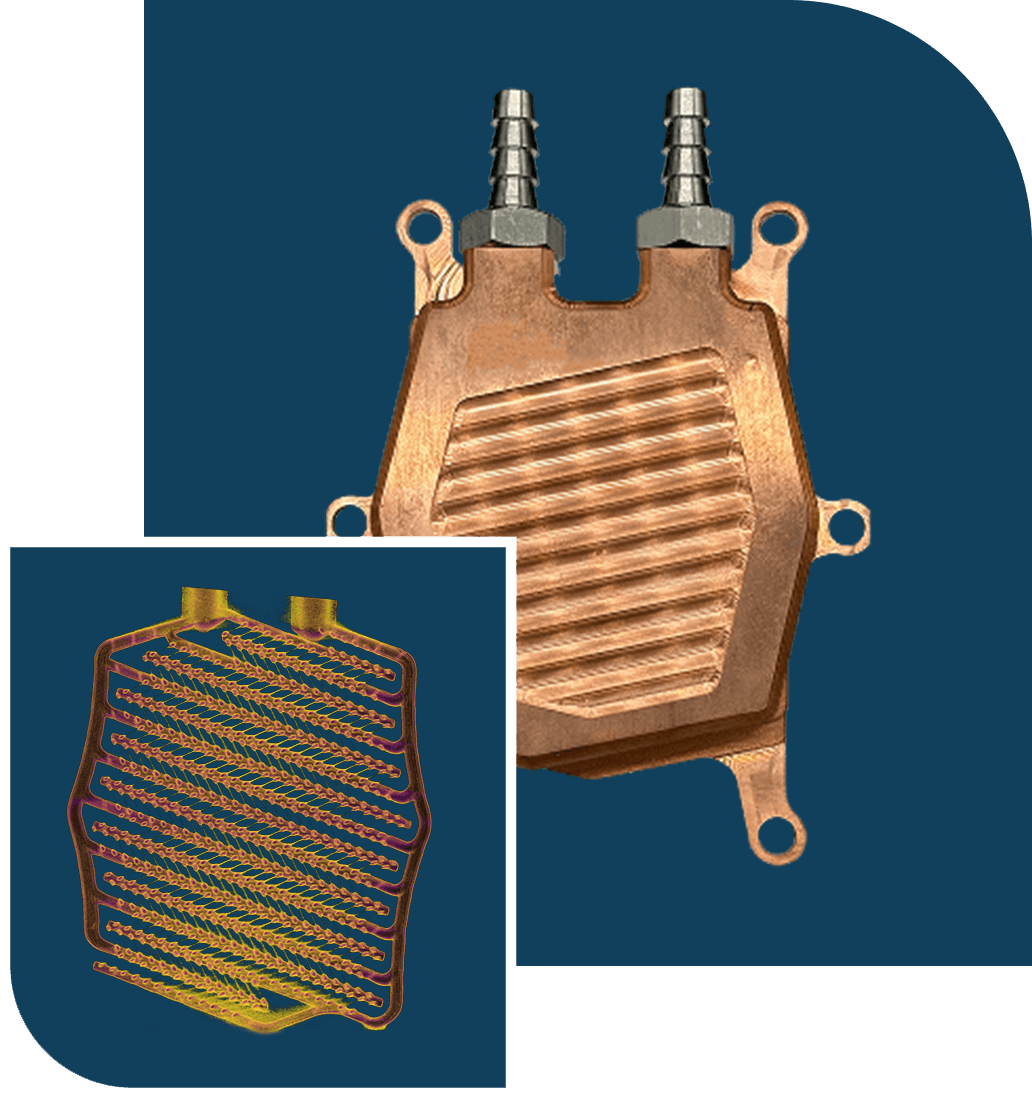
US thermal management maker founded 2020; patented Stack Forging™ yields leak-tight aluminum cold plates with 4× pressure drop reduction.

Kao Lu Enterprise Co., Ltd. 高鹿興業有限公司
Taiwan
Taiwan's first maker of I/P and E/P electronic proportional valves, building high-precision proportional pressure regulators and flow control valves.
6K Energy
United States
6K division producing NMC and LFP battery cathode active material via UniMelt microwave-plasma, including the PlusCAM plant in Jackson, TN.
NovaLynx Corporation
United States
Grass Valley, California weather-instrument maker founded 1988; supplies rain gauges, anemometers and sensors for environmental monitoring.

Kubota Corporation
Japan
Japanese manufacturer of agricultural machinery with autonomous robotic tractors (Agri Robo series) enabling unmanned field operations.

Shanghai Catlink Intelligent Technology Co., Ltd 上海猫力智能科技有限公司
China
Shanghai smart-pet company founded 2017; makes IoT-connected Scooper self-cleaning litter boxes sold in 119 countries under the Catlink brand.

Rugged Robotics
United States
Houston-based RaaS company deploying autonomous robots that mark CAD designs directly onto construction floors for multi-trade layout.
Robotics needs a service framework.
RSF defines a common language for robot service capability, lifecycle operations, certification pathways, and service-provider networks.
Join the RobotToday community on LinkedIn
Daily robotics news, in-depth analysis, conference highlights, and discussions with professionals worldwide.


