

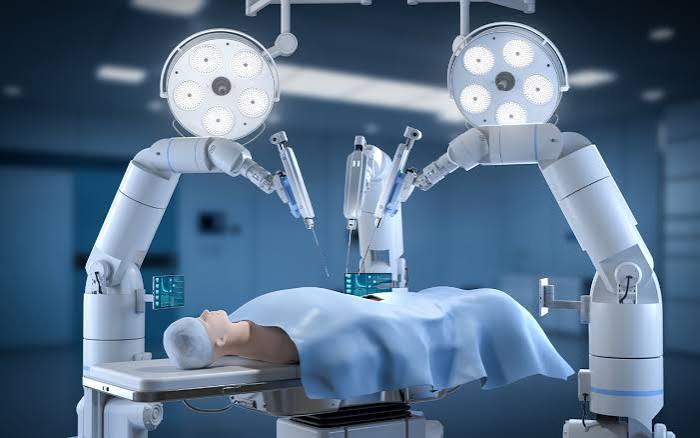
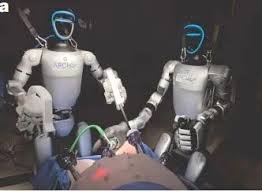
On September 16, Samsung Medical Center in Seoul conducted a simulated surgery with two humanoid robots assisting a surgical team. The robots, dressed in surgical attire, successfully collaborated with the lead surgeon, Professor Woo Nam-ki, by retrieving and delivering surgical instruments upon request. This marks a significant advancement in robotic assistance in surgery, showcasing the potential for robots to work alongside human medical professionals.
The importance of this development lies in its potential to address staffing challenges in hospitals, particularly in smaller facilities where skilled surgical assistants may be scarce. Professor Jung Yong-ki emphasized that if a robot can effectively replace a human assistant, it could lead to cost-effective solutions for maintaining surgical operations around the clock. The robots demonstrated a 100% success rate in grasping surgical instruments and a 98.7% success rate in instrument delivery, highlighting their reliability in the operating room.
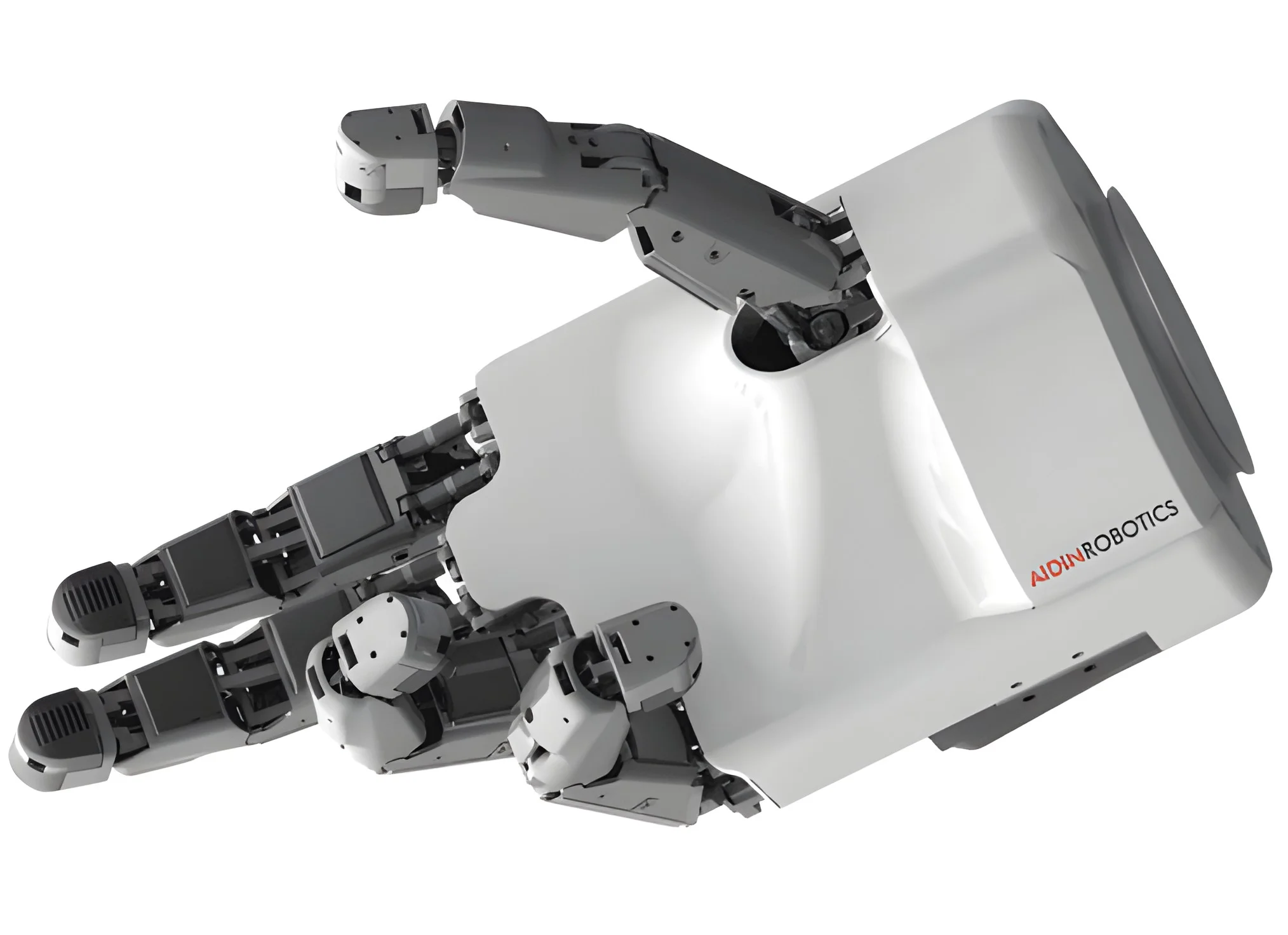
Looking ahead, the project is set to progress with plans for commercialization led by Rainbow Robotics and AIDIN ROBOTICS. The first clinical trials are expected to begin in 2029, starting with low-risk endoscopic tasks before expanding to more complex procedures. The ongoing development of AI capabilities, including tactile feedback and predictive analytics, will further enhance the robots' performance in surgical environments.
Editor's Note
The integration of humanoid robots in surgical settings represents a transformative step in healthcare technology. As hospitals face increasing challenges in staffing and operational efficiency, the collaboration between robots and human surgeons could redefine surgical practices. The ongoing advancements in AI and robotics will be crucial in determining the future landscape of surgical assistance and patient care.

























Leave a comment