

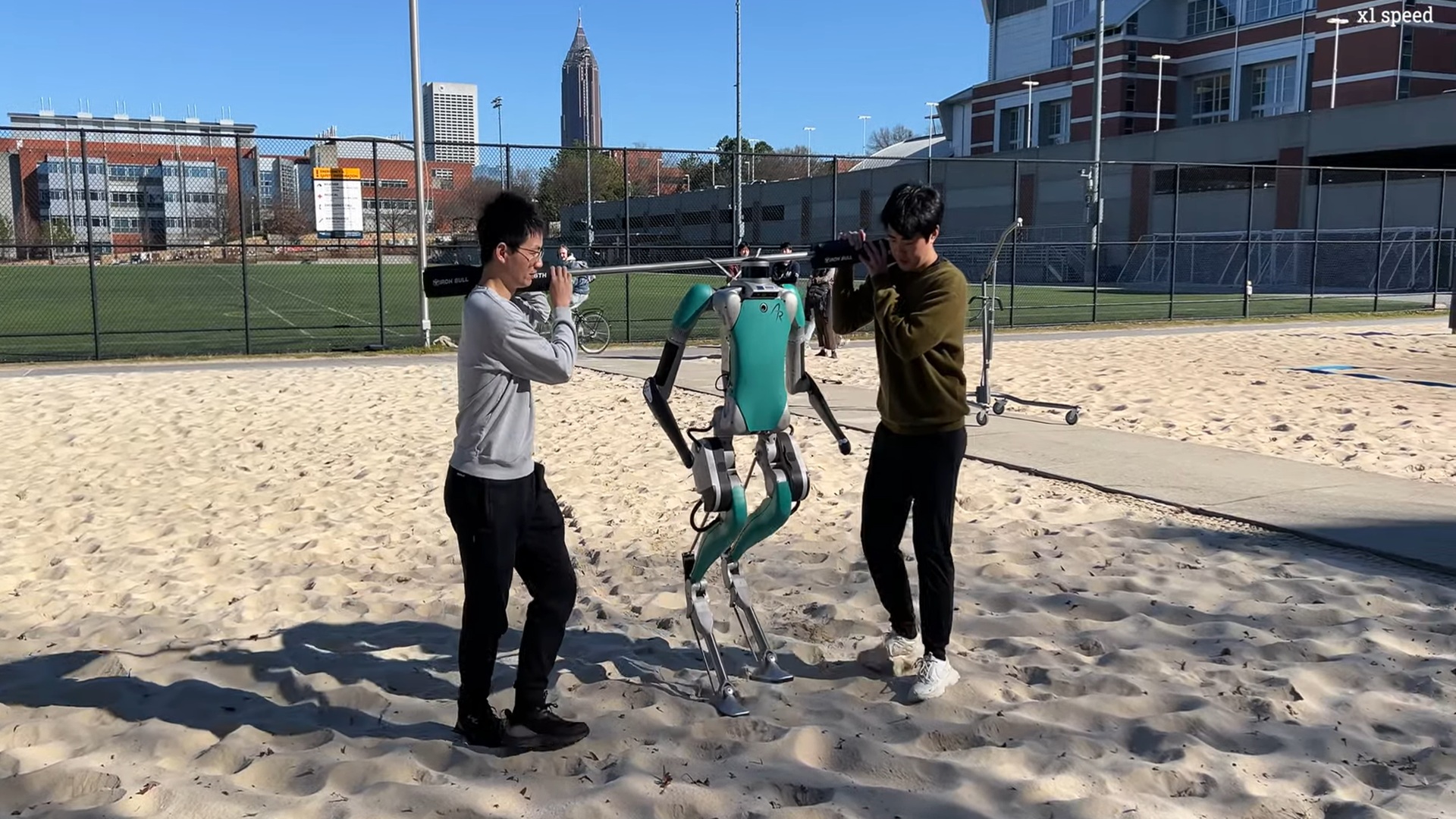
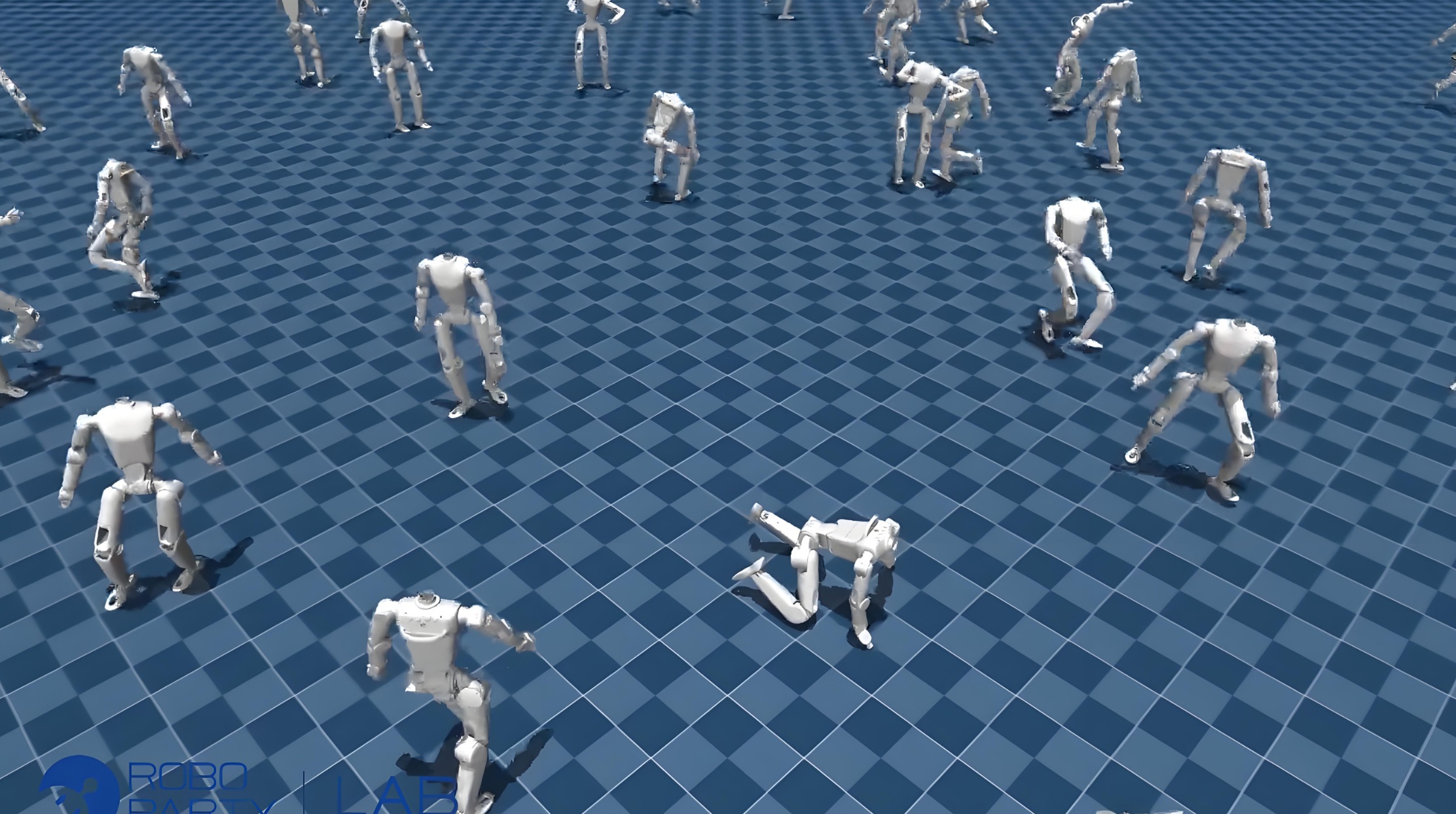
Researchers at Georgia Tech have created a novel machine-learning framework that allows a humanoid robot to traverse diverse terrains, including sand, gravel, and slopes. This framework, named 'Learn to Teach,' enhances the traditional teacher-student reinforcement learning method by enabling simultaneous training of both agents, significantly reducing the time and computational resources required.
The significance of this development lies in its ability to equip the robot with a controller capable of adapting to unfamiliar terrains without extensive prior training. The humanoid robot successfully navigated various challenging surfaces, demonstrating stability even when pushed or pulled during tests. This advancement could have broader implications for robotics, as the framework can be adapted for other robotic tasks beyond walking.
Looking ahead, the potential for this training framework to be applied to different robots and tasks is promising. The researchers highlighted that their approach not only streamlines the training process but also allows for real-time knowledge transfer between the teacher and student models. No further timeline was disclosed at the time of publication.
Editor's Note
The development of the 'Learn to Teach' framework by Georgia Tech researchers marks a significant advancement in the field of robotic locomotion. By reducing the reliance on extensive simulation training, this innovation could enhance the efficiency of deploying humanoid robots in real-world environments. The implications for manufacturing, logistics, and service industries could be substantial as robots become more adaptable to varied terrains.




















Leave a comment