

Starmind's Orbital Compute vs. Terrestrial Data Centers: Analyzing Resource Advantages
- Published
- Source
- optimusk.blog
Starmind's orbital compute technology presents a significant advantage over traditional ground-based data centers by eliminating constraints related to land, water, and grid permitting. While terrestrial data centers are currently cheaper and faster to construct, with U.S. data center spending reaching $85.3 billion in 2026, Starmind's approach focuses on addressing the growing resource limitations faced by hyperscale facilities.
The significance of Starmind's technology lies in its ability to sidestep the increasing challenges of land and water usage. For instance, a 100 MW data center can consume approximately 530,000 gallons of water daily for cooling, while Starmind's AI1 utilizes deployable liquid radiators that require no water. This structural advantage could resonate with investors as the demand for AI computing continues to escalate, potentially leading to annual water withdrawals of up to 1.7 trillion gallons by 2027.
Looking ahead, Starmind's next milestones include the launch of AI1 prototypes scheduled for early 2027. However, the technology's claims regarding cooling efficiency and operational reliability remain unverified until real flight data is available. As the industry evolves, the competition between orbital and terrestrial solutions will become increasingly relevant, particularly in the context of resource management and sustainability.
Original report
.snippet-box { background: var(--color-bg-2); border: 1px solid var(--color-border); border-left: 3px solid var(--color-accent); padding: 1.5rem 1.75rem; margin: 2rem 0 2.5rem; border-radius: 2px; } .snippet-box .snippet-title { font-family: var(--font-mono); font-size: 0.7rem; font-weight: 500; color: var(--color-accent); letter-spacing: 0.15em; text-transform: uppercase; margin-bottom: 1rem; } .snippet-box > p { color: #c8d0dc; font-size: 0.95rem; margin-bottom: 0.85rem; } .snippet-list { list-style: none; padding: 0; margin: 0; } .snippet-list li { color: #d0d8e0; font-size: 0.9rem; padding: 0.5rem 0; border-bottom: 1px solid var(--color-border); display: flex; gap: 0.75rem; align-items: flex-start; margin-bottom: 0; } .snippet-list li:last-child { border-bottom: none; } .snippet-dot { width: 5px; height: 5px; border-radius: 50%; background: var(--color-accent); flex-shrink: 0; margin-top: 0.55rem; } .stat-grid { display: grid; grid-template-columns: repeat(3, 1fr); gap: 1px; background: var(--color-border); border: 1px solid var(--color-border); margin: 2rem 0; } @media (max-width: 600px) { .stat-grid { grid-template-columns: repeat(2, 1fr); } } .stat-card { background: var(--color-bg-2); padding: 1.25rem 1rem; text-align: center; } .stat-num { font-family: var(--font-display); font-size: 2rem; color: var(--color-accent); line-height: 1; display: block; margin-bottom: 0.4rem; } .stat-lbl { font-family: var(--font-mono); font-size: 0.62rem; letter-spacing: 0.1em; color: var(--color-text-muted); text-transform: uppercase; } .post-timeline { list-style: none; padding: 0; margin: 1.5rem 0; } .post-timeline li { display: grid; grid-template-columns: 130px 1fr; gap: 1.25rem; padding: 1rem 0; border-bottom: 1px solid var(--color-border); font-size: 0.9rem; color: #c8d0dc; margin-bottom: 0; } .post-timeline li:last-child { border-bottom: none; } .tl-yr { font-family: var(--font-display); font-size: 0.9rem; color: var(--color-accent); padding-top: 0.1rem; line-height: 1.3; } .box-takeaway { border-left: 3px solid var(--color-accent); background: rgba(255,68,68,0.06); padding: 1rem 1.25rem; margin: 1.5rem 0; border-radius: 0 2px 2px 0; } .box-takeaway p { color: #d0d8e0; margin: 0; font-size: 0.9rem; } .box-takeaway strong { color: #ffffff; } .box-insight { background: rgba(0,102,204,0.08); border: 1px solid rgba(0,102,204,0.25); padding: 1rem 1.25rem; margin: 1.5rem 0; border-radius: 2px; } .box-insight p { color: #c8d0dc; margin: 0; font-size: 0.9rem; } .box-insight strong { color: #ffffff; } .box-warning { background: rgba(255,180,0,0.07); border: 1px solid rgba(255,180,0,0.3); border-left: 3px solid #ffb400; padding: 1rem 1.25rem; margin: 1.5rem 0; border-radius: 0 2px 2px 0; } .box-warning p { color: #d0d8e0; margin: 0; font-size: 0.9rem; } .box-warning strong { color: #ffe066; } .post-faq { margin: 1.5rem 0; } .post-faq-item { border-bottom: 1px solid var(--color-border); padding: 1.25rem 0; } .post-faq-item:last-child { border-bottom: none; } .post-faq-q { font-family: var(--font-display); font-size: 1.2rem; color: var(--color-text); margin-bottom: 0.5rem; } .post-faq-a { color: #c8d0dc; font-size: 0.9rem; line-height: 1.7; margin: 0; } .src-note { font-family: var(--font-mono); font-size: 0.65rem; letter-spacing: 0.08em; color: var(--color-text-dim); margin-top: 0.5rem; } .src-note a { color: var(--color-text-dim); text-decoration: underline; } .post-intro { border-left: 3px solid var(--color-border-light); padding-left: 1.25rem; margin: 1.75rem 0 2rem; } .post-intro-label { font-family: var(--font-mono); font-size: 0.65rem; letter-spacing: 0.18em; color: var(--color-accent); text-transform: uppercase; margin-bottom: 0.5rem; } .post-intro p { color: #c8d0dc; font-size: 1rem; margin: 0; } .post-cta { background: var(--color-bg-2); border: 1px solid var(--color-border); padding: 2rem; margin-top: 3rem; text-align: center; } .post-cta h3 { font-family: var(--font-display); font-size: 1.8rem; color: var(--color-text); margin-bottom: 0.75rem; } .post-cta p { color: var(--color-text-muted); margin-bottom: 1.25rem; font-size: 0.9rem; } .post-cta .mono { color: var(--color-text-dim); font-size: 0.75rem; margin: 0; } .article-body p { color: #cdd5e2; } .article-body li { color: #cdd5e2; } .article-body strong { color: #f0f2f5; } .article-body a { color: #7ab4ff; text-underline-offset: 3px; } .article-body a:hover { color: var(--color-accent); } .article-body h3 { font-family: var(--font-display); font-size: 1.4rem; color: #e8ecf2; margin: 2rem 0 0.75rem; } .article-body h4 { font-family: var(--font-mono); font-size: 0.7rem; letter-spacing: 0.12em; color: var(--color-accent); text-transform: uppercase; margin: 1.75rem 0 0.3rem; } .post-meta-row { display: flex; flex-wrap: wrap; gap: 1rem; align-items: center; padding: 1rem 0; border-top: 1px solid var(--color-border); border-bottom: 1px solid var(--color-border); margin-bottom: 2rem; } .post-meta-tag { background: rgba(255,68,68,0.15); color: var(--color-accent); border: 1px solid rgba(255,68,68,0.3); padding: 3px 10px; font-family: var(--font-mono); font-size: 0.65rem; letter-spacing: 0.1em; text-transform: uppercase; } .post-meta-item { font-family: var(--font-mono); font-size: 0.65rem; letter-spacing: 0.08em; color: var(--color-text-dim); } hr.post-hr { border: none; border-top: 1px solid var(--color-border); margin: 2.5rem 0; } { "@context": "https://schema.org", "@type": "Article", "headline": "Starmind vs Data Centers: Where's the Real Edge?", "description": "Orbital AI compute vs. ground data centers: real numbers on cost, land, water, and power. See where Starmind actually wins →", "image": "https://optimusk.blog/img/og-post-optimus.jpg", "author": { "@type": "Person", "name": "Lindsey A. Kennedy", "url": "https://optimusk.blog/about/" }, "publisher": { "@type": "Organization", "name": "OPTIMUSK.BLOG", "logo": { "@type": "ImageObject", "url": "https://optimusk.blog/img/logo.png" } }, "datePublished": "2026-07-08T09:00:00+00:00", "dateModified": "2026-07-08T09:00:00+00:00", "mainEntityOfPage": { "@type": "WebPage", "@id": "https://optimusk.blog/blog/starmind-vs-data-centers/" }, "inLanguage": "en", "keywords": ["Starmind vs data centers", "orbital data center advantage", "SpaceX Starmind comparison", "AI data center water usage", "AI data center land use"], "articleSection": "Technology", "wordCount": 1311 } { "@context": "https://schema.org", "@type": "FAQPage", "mainEntity": [ { "@type": "Question", "name": "Is Starmind actually cheaper than a terrestrial data center?", "acceptedAnswer": { "@type": "Answer", "text": "Unknown. SpaceX hasn't published orbital compute pricing, so there's no direct cost comparison against the well-documented $15–20 million+ per megawatt terrestrial construction benchmark." } }, { "@type": "Question", "name": "What's Starmind's biggest advantage over ground data centers?", "acceptedAnswer": { "@type": "Answer", "text": "Eliminating water use for cooling and land/zoning requirements entirely. A 100 MW terrestrial facility can use roughly 530,000 gallons of water per day; Starmind's radiative cooling uses none." } }, { "@type": "Question", "name": "Do terrestrial data centers have any way to fix the water and land problem?", "acceptedAnswer": { "@type": "Answer", "text": "Yes — closed-loop cooling, immersion cooling, and zero-evaporation designs are already reducing water use at some facilities by over 90%, though these solutions add cost and aren't yet standard across the industry." } }, { "@type": "Question", "name": "Is orbital compute proven technology yet?", "acceptedAnswer": { "@type": "Answer", "text": "No. AI1 prototypes are scheduled to launch in early 2027. Until then, every claim about orbital cost, thermal performance, and reliability remains unverified by real flight data." } }, { "@type": "Question", "name": "Which option is better for a business that needs AI compute today?", "acceptedAnswer": { "@type": "Answer", "text": "Terrestrial data centers, without question — they're operating now, with predictable costs. Starmind is a multi-year bet on future capacity, not a current alternative." } } ] } { "@context": "https://schema.org", "@type": "BreadcrumbList", "itemListElement": [ { "@type": "ListItem", "position": 1, "name": "Home", "item": "https://optimusk.blog/" }, { "@type": "ListItem", "position": 2, "name": "Blog", "item": "https://optimusk.blog/blog/" }, { "@type": "ListItem", "position": 3, "name": "Starmind vs Data Centers: Where's the Real Edge?", "item": "https://optimusk.blog/blog/starmind-vs-data-centers/" } ] } // MENU Home Blog Services Tools About Careers Contact Buy Optimus Home › Blog › Starmind vs Data Centers: Where's the Real Advantage? // Contents // Contents The Case for Orbit: What's Actually Br… Starmind vs. Terrestrial Data Centers:… The Water Argument: How Big Is It, Rea… The Cost Question Nobody Can Answer Yet Where Ground-Based Data Centers Still… Checklist: What Would Have to Be True… FAQ The Bottom Line Comparison // Updated: July 8, 2026 // 7 min read // Lindsey A. Kennedy Starmind vs Data Centers: Where's the Real Advantage?
optimusk.blog · OptimusK BlogThis briefing is an independently written summary based on publicly available reporting and is provided for industry information and news discovery. The original report and source publication are credited and linked where applicable. RobotToday does not claim ownership of third-party source material.
Rights concerns? Contact [email protected] with the relevant URL and details. We will review the matter and take appropriate action where warranted.
More related news
- 1
- 2
- 3
- 4
- 5
- 6
- 7
-
8
LogiMAT 2027: March 16–18, Messe Stuttgart RobotToday · 4 days ago
- 9
- 10
-
11
RobotToday Weekly September 21 – 25, 2026 RobotToday · 1 week ago
- 12
Related Suppliers

Desktop Metal
United States
US additive manufacturing company making metal and composite 3D printing systems, offering the Studio System, Shop System and Production System platforms.
Meta
United States
Technology company whose Reality Labs and FAIR groups develop embodied AI, humanoid robotics, and Quest VR/AR hardware.

Meta Vision Systems Ltd.
Canada
UK developer of laser vision seam tracking and weld process control sensors for robotic and automated arc welding applications.
Webster Griffin Ltd
United Kingdom
Crowborough, England packaging machinery maker founded 1975; supplies bag filling, FIBC filling and Okura robot palletising lines to 76 countries.
TranscEngram (Yisheng Technology) 忆生科技
China
Engram (TranscEngram/Yisheng Technology) is a Shanghai startup building memory-based 'brain-cerebellum' embodied AI control systems for robots.

Starcloud
United States
Starcloud (founded 2024, Redmond WA) launched Starcloud-1, the first satellite with an Nvidia H100 GPU, targeting gigawatt-scale orbital AI data centers.
Terafab
United States
Tesla/SpaceX/xAI semiconductor fab announced March 2026 in Austin TX; produces AI chips for Optimus robots, FSD, and SpaceX satellites.
Cerebras Systems
United States
Sunnyvale, California AI-compute company founded 2015; builds wafer-scale WSE-3/CS-3 chips and, since August 2026, the CS-4 accelerator.
Rittal LLC
United States
U.S. arm of Germany's Rittal, supplying standardized enclosures, busbar power distribution, climate control and IT racks for automation systems.
R2 Wireless
Israel
R2 Wireless builds passive RF sensing systems that detect, classify, and geolocate drones and other wireless threats for defense and civilian clients.

SINTRONES Technology Corp. 鑫創電子股份有限公司
Taiwan
Taiwan-listed (TPEx: 6680) maker of rugged Edge AI computers for transportation, AGV/AMR, industrial automation, and defense; ISO 9001/27001/22163 certified.
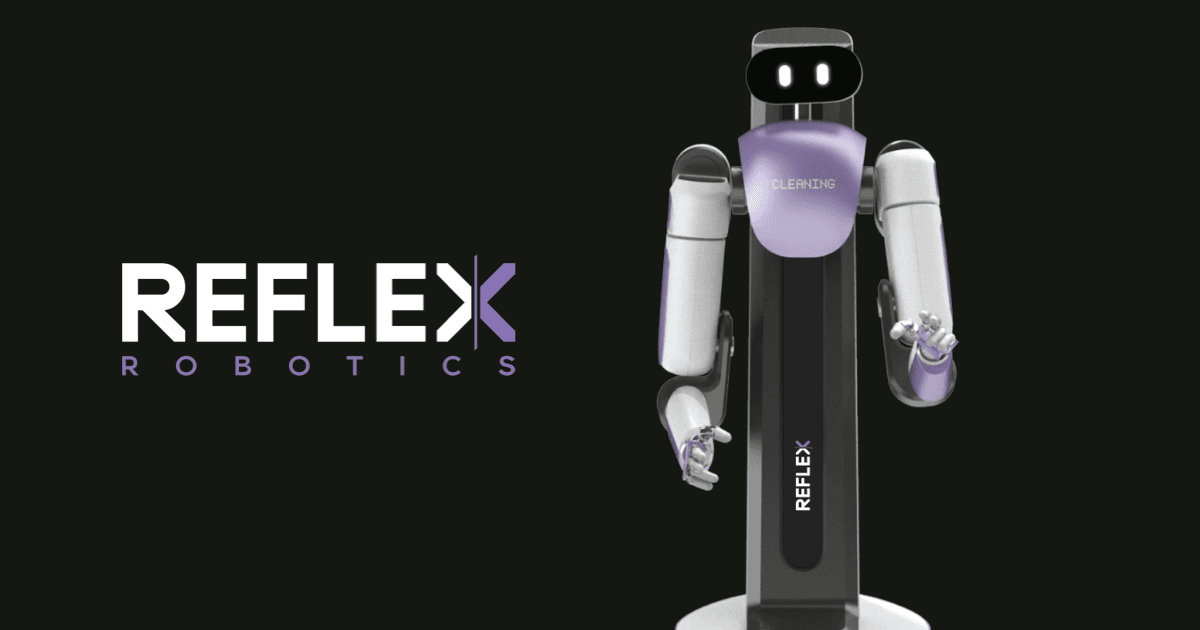
Reflex Robotics
United States
Wheeled humanoid robots for logistics and warehouse automation, deployable in under 60 minutes.
Robotics needs a service framework.
RSF defines a common language for robot service capability, lifecycle operations, certification pathways, and service-provider networks.
Join the RobotToday community on LinkedIn
Daily robotics news, in-depth analysis, conference highlights, and discussions with professionals worldwide.


