


At the 2026 World Artificial Intelligence Conference (WAIC), the concept of embodied intelligence emerged as a focal point. As attendees engaged with advancements in multimodal large models, a roadmap concerning computing chips, supernode architecture, and AI application deployment began to reshape industry perceptions. A clear consensus is forming that the next phase of competition in embodied intelligence will center on systematic challenges involving computational foundations, infrastructure, and application scenarios rather than merely algorithmic metrics.
According to a recent report by CITIC Securities, dedicated computing chips for embodied intelligence are becoming a critical battleground. Unlike general-purpose GPUs, these chips must provide extreme optimization for specific tasks such as low-latency inference, high parallel computing, and multi-sensor fusion. The introduction of supernode architecture indicates a pathway for the large-scale deployment of embodied intelligence, seamlessly connecting cloud, edge, and terminal computing resources to support a comprehensive agent framework that spans perception, decision-making, and execution.
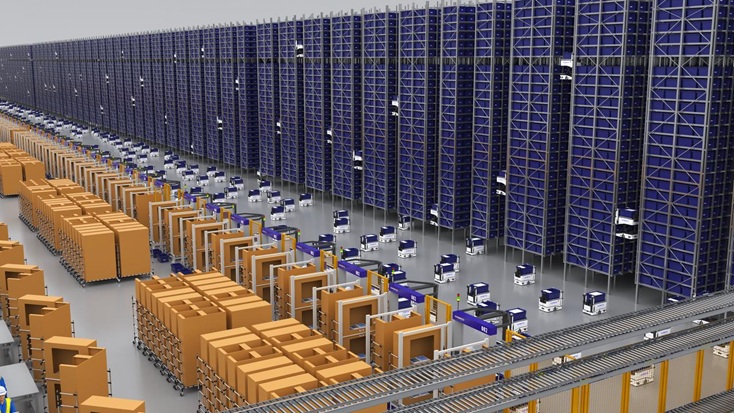
The pace of AI application deployment is exceeding expectations, with embodied intelligence technologies rapidly transitioning from laboratories to real-world scenarios, including logistics sorting and home companionship services. Companies like Jieyue Xingchen have achieved initial commercial validation across various verticals, lowering development barriers and accelerating product iteration cycles. As the integration of large language model inference capabilities with robotic motion control deepens, a new 'agent economy' is gradually taking shape. No further timeline was disclosed at the time of publication.
Editor's Note
The advancements in embodied intelligence, particularly through dedicated computing chips and supernode architecture, signify a pivotal shift in the robotics and AI landscape. This transition highlights the importance of integrated systems that can adapt to dynamic demands, which is crucial for applications requiring rapid response times. As competition intensifies, companies that can develop comprehensive solutions from hardware to application will likely lead the market.



























Leave a comment