Industry Briefing
A single destination for timely, editor-curated robotics news from around the world.
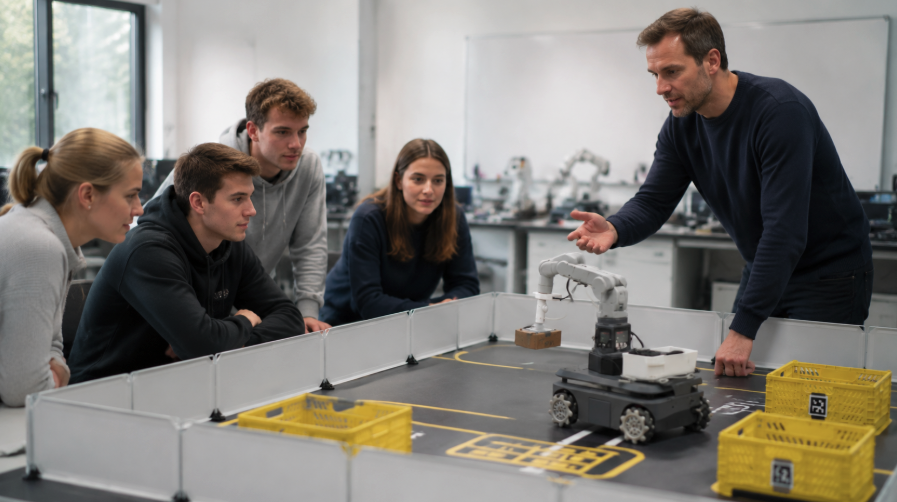
Empowering STEM Education and Research in the Americas: Elephant Robotics Introduces Integrated Educational Robotics Solutions
In recent years, STEM education has seen significant growth, fueled by a rising demand for practical engineering skills, artificial intelligence literacy, and interdisciplinary innovation. Despite this progress, schools, universities, and research laboratories continue to face challenges in creating effective robotics environments. Educators often struggle to integrate various components such as robotic arms, mobile platforms, sensors, and open-source software from multiple sources, complicating the development of comprehensive robotics programs. This ongoing issue highlights the need for streamlined solutions that can enhance the teaching and learning of robotics in educational settings.
Design Research Robotics AI education americas automation news
Correction Notice for Research Article on Robot Peer Failures and Student Learning
An erratum has been issued for the research article titled 'Observing a robot peer’s failures facilitates students’ classroom learning' published in Science Robotics. This correction addresses inaccuracies found in the original publication, ensuring the integrity of the research findings. The importance of this erratum lies in its impact on the understanding of how robot interactions can enhance educational outcomes. The original study highlighted the role of robot peer failures in facilitating learning among students, a significant aspect of integrating robotics into educational settings. Moving forward, it will be essential to monitor any further updates or corrections related to this research. No further timeline was disclosed at the time of publication.
Errata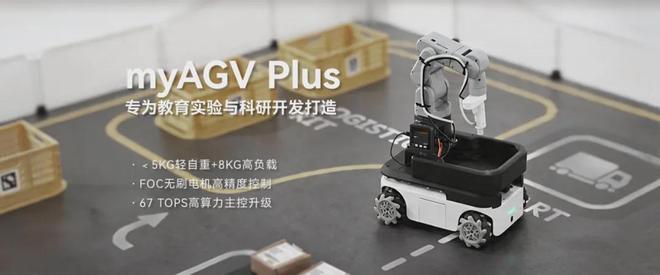
Product Launch | myAGV Plus Redefines New Frontiers in Mobile Composite Robotics Education and Research
Elephant Robotics has unveiled the myAGV Plus, a cutting-edge mobile robot platform aimed at enhancing education, research, and algorithm validation. This launch aligns with the Ministry of Education's initiative to integrate artificial intelligence into educational frameworks. The myAGV Plus features substantial improvements in computing power, control, and perception, effectively connecting theoretical concepts with practical applications. This development is part of a broader effort to modernize educational tools and methodologies, ensuring that students and researchers have access to advanced resources for learning and experimentation.
Mobile Robots Educational Robotics AI in Education Research and Development Robotics Technology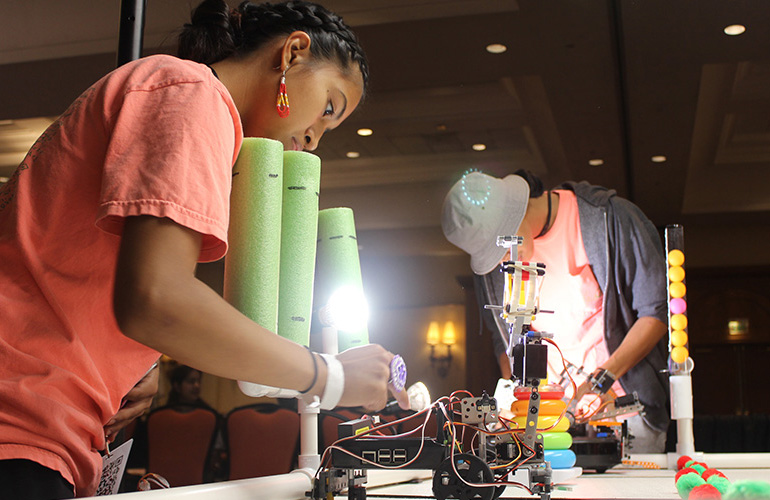
KISS Institute Launches BotBall to Enhance STEM Education with Student-Led Robotics
The KISS Institute for Practical Robotics (KIPR) has introduced BotBall, a robotics program designed to foster creativity and critical thinking among students. This initiative emphasizes student-led engineering, allowing participants from elementary to high school to engage in hands-on learning using a standardized kit. The program ensures a level playing field by providing all teams with the same materials, promoting accountability and project management skills without adult intervention during competitions. BotBall challenges traditional educational models by integrating real programming languages like C and Python into its curriculum, demonstrating that students can handle complex coding at an early age. The Junior Botball Challenge (JBC) further innovates by allowing up to five students to collaborate on a single robot, shifting the focus from competition to inquiry-driven problem solving. This approach encourages teamwork and a deeper understanding of both mechanics and software among participants. As the school year approaches, KIPR is expected to release more details about the upcoming competition schedule. The BotBall program represents a significant shift in STEM education, moving away from conventional roles and fostering a new generation of students who are well-versed in both engineering and programming disciplines. No further timeline was disclosed at the time of publication.
Autonomous Mobile Robots (AMRs) Educational News competition education workforce
Dynamic Pricing Could Enhance Profitability for Air Taxis, Researchers Suggest
Research presented at the Korea Drone and UAM Expo indicates that dynamic pricing could make airport air taxis economically viable. The study, led by Mark Hansen from the University of California, Berkeley, highlights that airport transportation may be a strong commercial opportunity for electric vertical takeoff and landing (eVTOL) aircraft, particularly for routes to Los Angeles International Airport (LAX). The findings suggest that air travel can significantly reduce delays caused by road congestion, appealing to travelers who prioritize time savings. The researchers modeled a network of eight regional vertiports within 30 miles of LAX, estimating passenger demand based on current taxi and rideshare usage. They concluded that while ground travel times vary, UAM flight times remain consistent, offering substantial time savings during peak traffic. A key recommendation from the research is the implementation of variable pricing, akin to surge pricing in rideshare services. This approach could maximize revenue by aligning prices with the time savings perceived by travelers. The study points to Anaheim, California, as a potential market where dynamic pricing could support profitable operations that a fixed pricing model might not sustain.
Advanced Air Mobility Air Taxi Drone News Drone News Feeds Drones in the News News
International Research Team Embarks on Greenland Expedition to Study Melting Glaciers
An international team of researchers is set to begin a six-week expedition in Greenland on July 16, 2026, to investigate the rapid melting of fjord glaciers and its implications for the Atlantic Ocean. The study aims to assess how this melting contributes to potential climate tipping points, particularly affecting ocean currents. The research is part of a five-year project called GIANT, led by the British Antarctic Survey (BAS) and funded by the Advanced Research + Invention Agency (ARIA). The team will utilize advanced technologies, including drones, marine robots, and sensors, to gather data that will enhance predictions regarding the future of Greenland's glaciers and their environmental impact. As the expedition unfolds, attention will be focused on the effects of Greenland's melting ice on the North Atlantic Subpolar Gyre and the Atlantic Meridional Overturning Circulation (AMOC). Dr. Kelly Hogan from BAS emphasizes the significance of modern tools in exploring glacier-ocean interactions, highlighting the urgency of understanding these changes as they may occur within decades.
rrs sir david attenborough glaciers melting fjord glaciers climate change giant (greenland ice sheet to atlantic tipping points british antarctic survey (bas)
Nous Research Secures New Funding Talks at $1.5 Billion Valuation for Hermes Agent
Nous Research, the creator of the open-source Hermes agent, is in discussions to secure a new funding round led by Robot Ventures, aiming for a valuation of $1.5 billion. The company is looking to raise at least $75 million, following a previous $50 million Series A funding announced just three months prior. This funding round is significant as it reflects the high interest from investors in Nous Research's innovative approach to AI agents. Hermes, which features built-in skills for web search, coding, and image understanding, is designed to learn from user interactions autonomously. The company has previously raised $70 million from various investors, indicating strong backing for its growth. Looking ahead, the new funding is expected to enhance the development of Hermes products and expand its business model. No further timeline was disclosed at the time of publication.
AI Startups Venture iRobot Ventures unicorn USV
InDro Robotics Introduces Axiom Humanoid Platform to Enhance Physical AI Research Accessibility
InDro Robotics has launched the Axiom, a modular humanoid-style robotic platform aimed at facilitating Physical AI research. Announced on July 10, 2026, this budget-friendly solution is designed to lower the barriers for researchers and academic institutions in developing advanced robotics applications. Initial customer units are already being shipped, indicating strong market interest. The Axiom platform is significant as it democratizes access to humanoid robotics, which has traditionally been limited to well-funded organizations. By providing a more affordable option, InDro Robotics is positioning itself to capture a wider audience in the research community, potentially accelerating advancements in Physical AI technologies. This move aligns with the growing demand for accessible robotics solutions across various sectors. Looking ahead, InDro Robotics aims to expand its customer base and enhance the Axiom's capabilities based on user feedback. No further timeline was disclosed at the time of publication, but the initial shipping of units suggests a proactive approach to market engagement and product iteration.
NASA and Rice University Launch Open-Source Simulator for Space Robotics Research
Rice University and NASA have introduced the iMETRO Dynamic Simulation, the first open-source platform for developing robots for spacecraft and habitats. Unveiled at the 2026 IEEE International Conference on Robotics and Automation in Vienna, this simulator creates a digital twin of NASA's iMETRO facility, enabling global researchers to test intravehicular robotic systems in a virtual setting. This platform is significant as it broadens access to advanced space robotics research, facilitating innovation for future human space missions. It focuses on robot manipulators that assist with maintenance and logistics tasks, which are crucial for reducing astronaut workloads during extended missions. The simulator features an eight-degree-of-freedom robotic manipulator model and supports ROS 2 and MuJoCo, enhancing usability and compatibility for developers. Looking ahead, the iMETRO Dynamic Simulation aims to maximize astronaut productivity by automating routine tasks, allowing crew members to focus on scientific exploration. The research team successfully demonstrated the simulator's capabilities by transferring a robotic application from simulation to the physical facility in under a day. No further timeline was disclosed at the time of publication.
AI and Robotics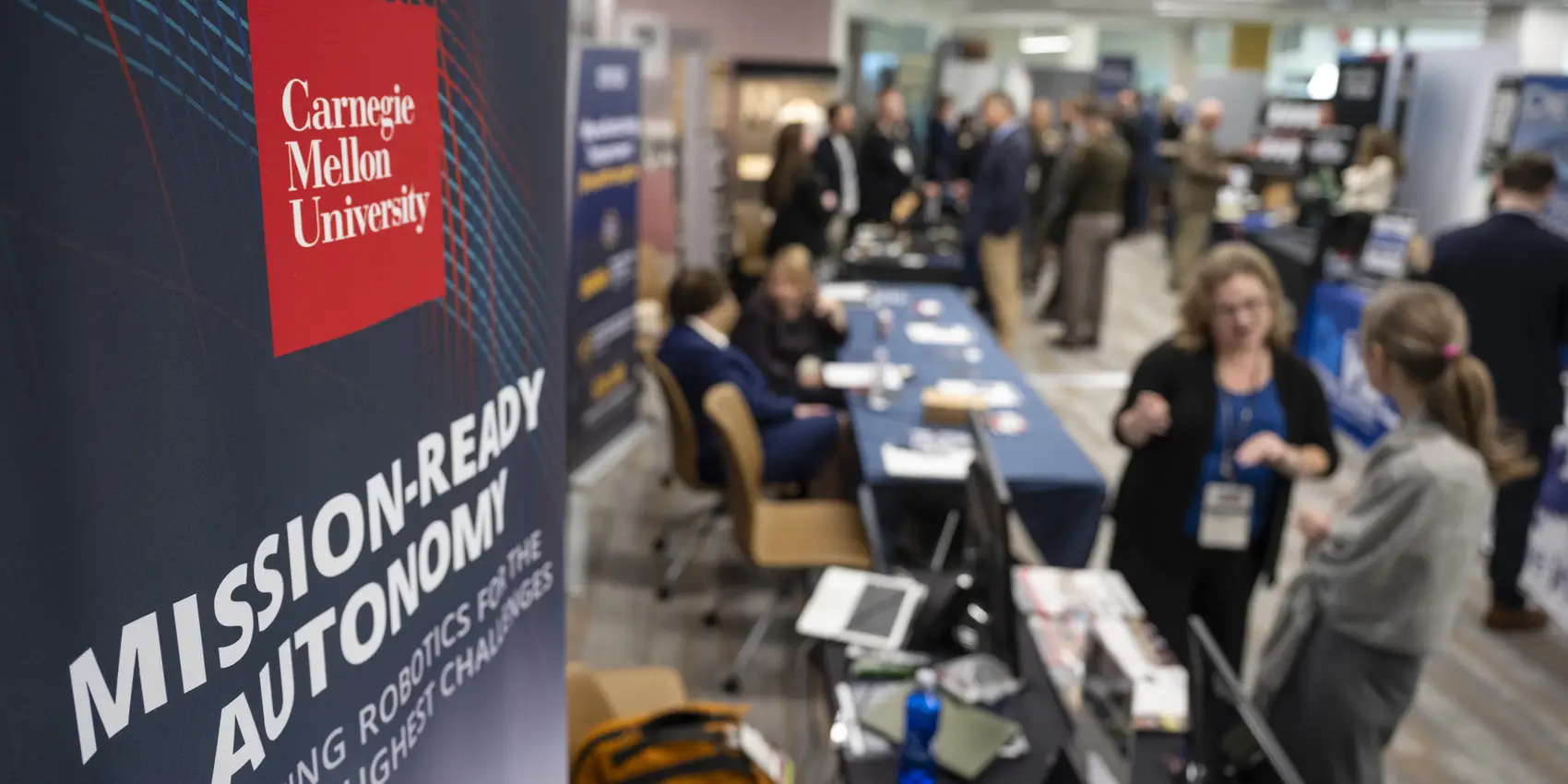
Carnegie Mellon University Showcases Innovations in Defense Manufacturing at 2026 Summit
Carnegie Mellon University (CMU) presented several new partnerships and technologies at the 2026 Pennsylvania Defense and Innovation Summit. This event took place from July 14-15 at the U.S. Army War College in Carlisle, Pennsylvania, and was hosted by U.S. Senator David McCormick. The summit highlighted CMU's commitment to advancing defense manufacturing and military education through innovative research and collaboration. These efforts are crucial for enhancing the capabilities of the defense sector and ensuring that military personnel are equipped with the latest technologies. Looking ahead, stakeholders in the defense industry should monitor CMU's ongoing initiatives and partnerships that may emerge from this summit. No further timeline was disclosed at the time of publication.
Announcements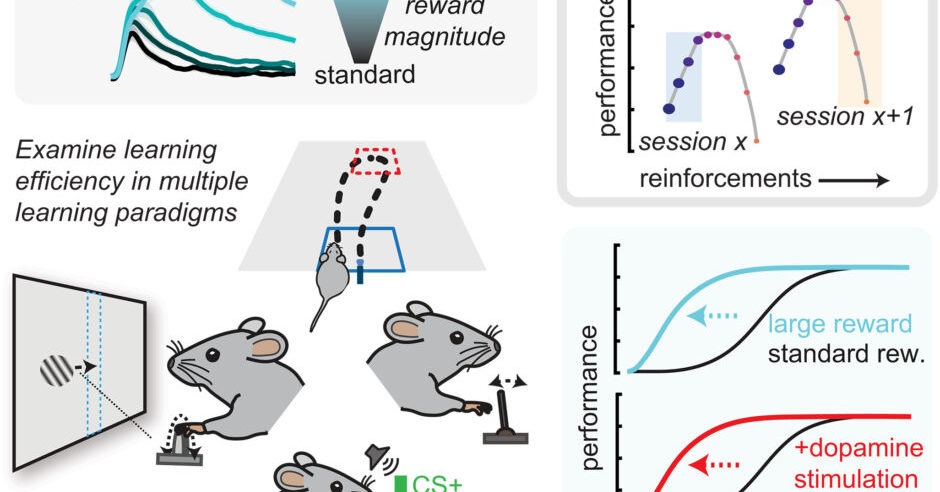
Research Reveals Reward Magnitude Enhances Learning Efficiency in Mice
A study published in Science by researchers from the Howard Hughes Medical Institute demonstrates that the magnitude of rewards significantly influences learning speed. Mice receiving larger rewards completed complex tasks, such as navigation and decision-making, in fewer trials compared to those receiving standard rewards. This finding is crucial as it suggests that learning efficiency is not solely dependent on practice quantity but rather on the size of the rewards. The study indicates that larger rewards lead to prolonged dopamine release in the brain, enhancing motivation and retention of learned tasks. Future research may focus on how these insights can be applied to improve learning strategies in various fields, including education and behavioral training. No further timeline was disclosed at the time of publication.
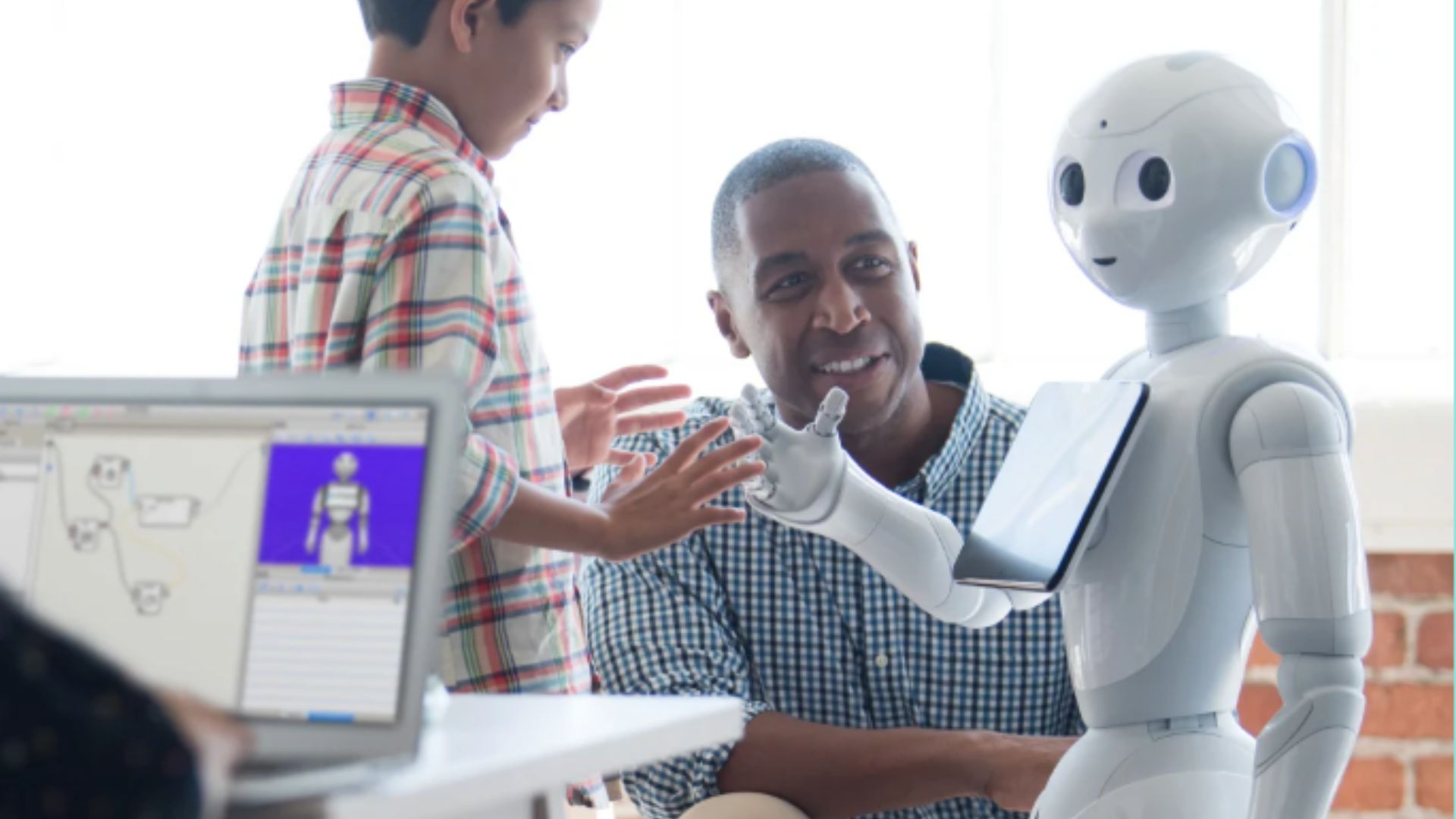
New research shows robot ‘personality’ in games hinges on timing and turn-taking
Recent research indicates that humanoid robots have the potential to serve as effective playmates for humans, particularly in enhancing social interaction and engagement among children. Conducted by a team of robotics experts, the study highlights the robots' ability to adapt to children's preferences and behaviors, fostering a more interactive play environment. The findings were published in a peer-reviewed journal earlier this month, following extensive trials in various settings, including schools and homes. The motivation behind this research stems from the growing interest in integrating technology into childhood development, aiming to address socialization challenges faced by some children. By employing advanced artificial intelligence, these robots can learn and respond to individual needs, making them more appealing companions for play. The study's authors emphasize the importance of ensuring that these interactions are safe and beneficial, advocating for guidelines on the ethical use of robots in children's lives. As the field of robotics continues to evolve, the implications of this research could significantly impact educational practices and child development strategies, offering new avenues for fostering creativity and social skills among young users.
AI and Robotics
Electromate Announces Availability of Dobot Educational Robots and Accessories in Canada
Electromate has announced the launch of Dobot’s educational robots and accessories, now available to customers throughout Canada. This expansion, revealed on May 25, 2026, aims to support academic institutions, training centers, and research labs by providing a comprehensive ecosystem of robotic platforms designed for teaching robot programming, automation systems, and mechatronics. The Dobot educational lineup caters to various instructional levels, from K-12 to higher education. It includes entry-level platforms like the Magician Lite, which focuses on foundational coding and robotics skills, and the more advanced Dobot Magician Educational Version, which offers enhanced capabilities and accessory integration. For institutions seeking to provide advanced training, models such as the MG400 and Magician E6 are available, featuring higher payload capacities and multi-axis control suitable for industrial applications. In addition to the robots, Electromate offers a range of accessories, including electric grippers, suction cups, vision kits, and linear rail kits, enabling educators to create practical exercises that cover material handling, pick-and-place operations, and system integration. Electromate collaborates with educators to ensure that the robotic platforms meet curriculum objectives and lab requirements. With these products in stock for immediate delivery, institutions can prepare for the upcoming academic terms.
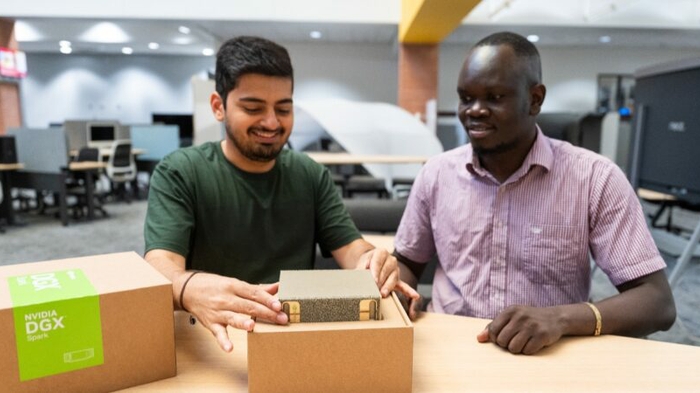
NVIDIA DGX Spark Powers Big Projects in Higher Education
The NVIDIA DGX Spark desktop supercomputer is revolutionizing artificial intelligence capabilities at leading institutions worldwide, making data-center-class AI accessible to researchers, faculty, and students. This advanced technology is being utilized in various settings, including academic laboratories and offices, enhancing the ability to conduct complex data analysis and AI research. Notably, a DGX Spark unit is operational at the IceCube Neutrino Observatory in the South Pole, showcasing its versatility and effectiveness in extreme environments. By integrating powerful computing resources directly into educational and research settings, NVIDIA aims to empower the next generation of innovators and scientists, facilitating groundbreaking discoveries and advancements in AI.
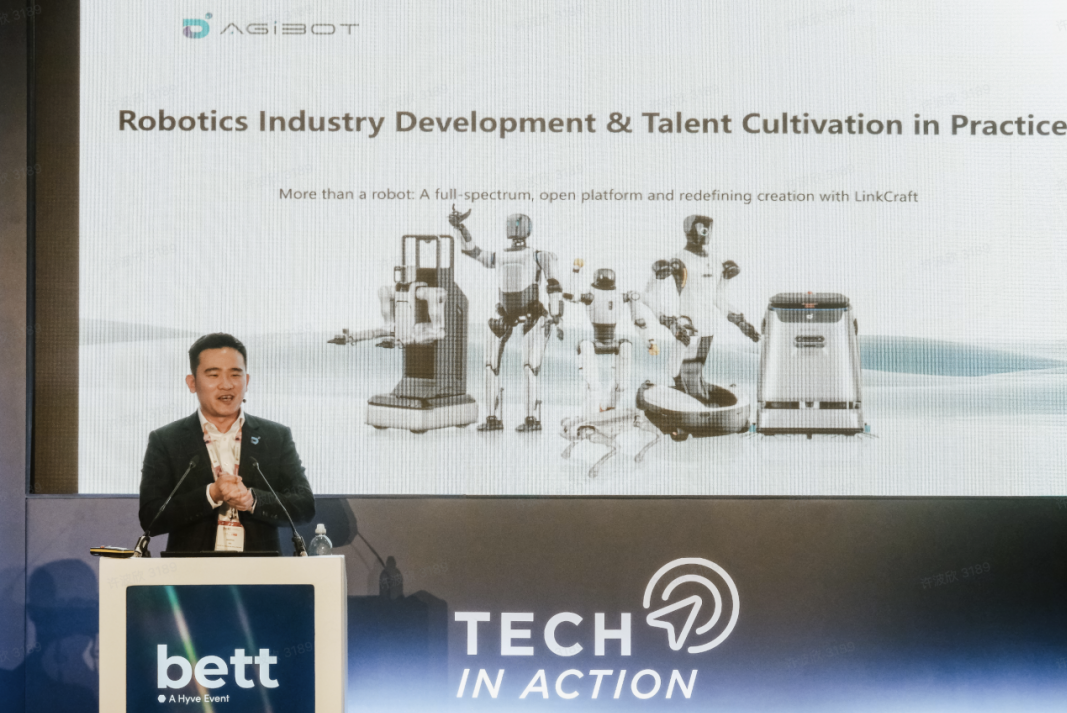
AGIBOT Makes Debut at BETT UK: Empowering European Embodied Intelligence Education with Leading Large
AGIBOT unveiled its cutting-edge humanoid robots and educational solutions at the BETT UK event, highlighting its role as a leader in the humanoid robotics sector. The company's presentation focused on advancing embodied intelligence education throughout Europe, aiming to connect theoretical knowledge with practical application in talent development. In a significant move to bolster innovation in this field, AGIBOT also announced a partnership with the University of Cambridge. This collaboration is expected to enhance research and development efforts, further positioning AGIBOT at the forefront of educational technology.
Humanoid Robots Embodied Intelligence Education Technology Talent Development Scientific Research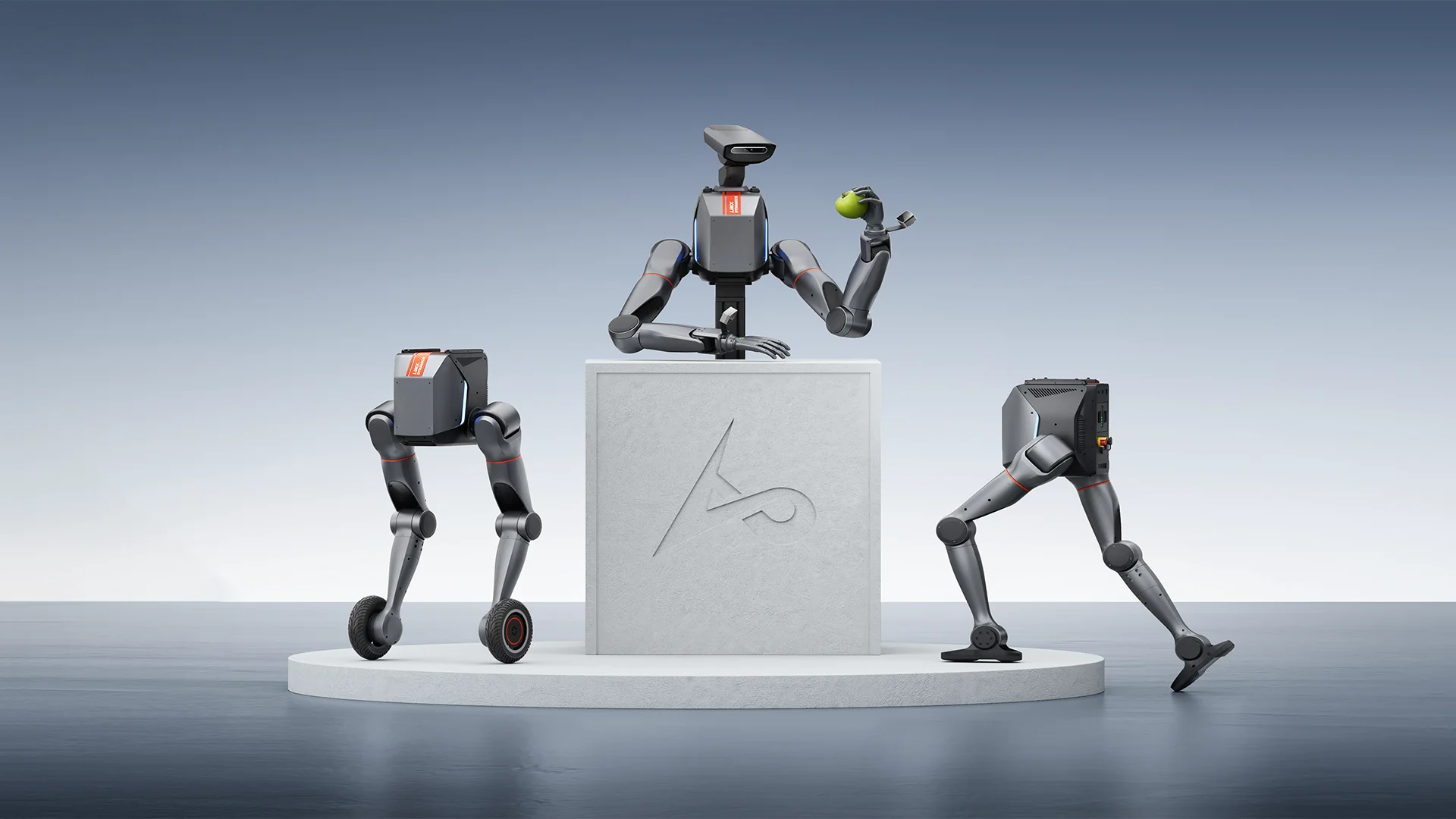
LimX Dynamics Launches TRON 2: A Modular "Shapeshifter" for Embodied AI Research
A robotics firm based in Shenzhen has introduced an innovative 3-in-1 platform designed to serve the education and research sectors. This versatile device can seamlessly transition between a bipedal walker, a wheeled robot, and a stationary dual-arm manipulator. Priced at $25,000, the platform aims to enhance learning and experimentation in various academic and research settings. The launch of this multifunctional robot highlights the company's commitment to advancing educational tools and robotics technology.
LimX Dynamics Tron 2 China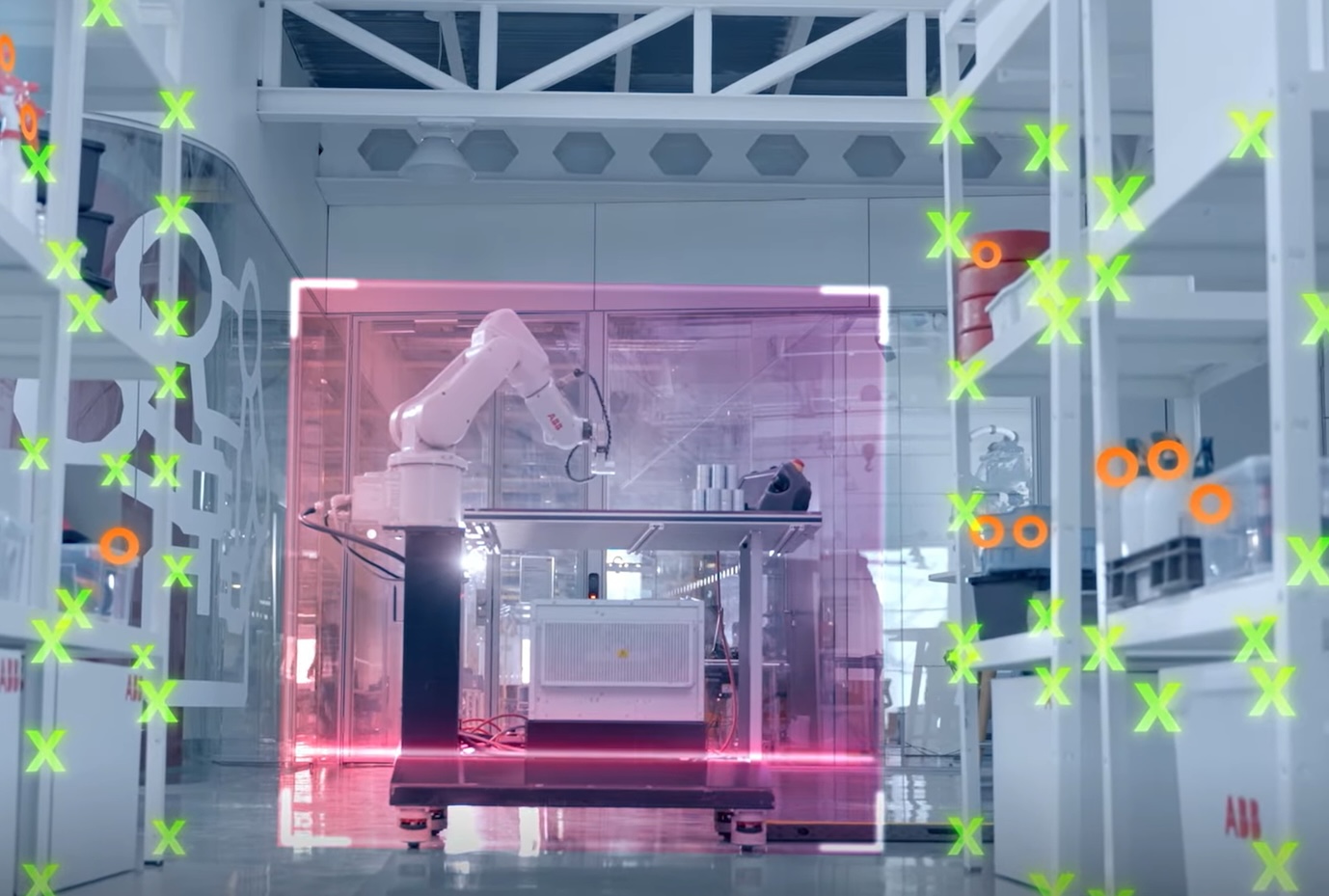
UBTECH launches Tiangong Walker, a research-grade humanoid robot priced under $45k
On Wednesday, UBTECH, a Shenzhen-based robotics company, in collaboration with the Beijing Humanoid Robot Innovation Center, unveiled the Tiangong Walker, a full-size humanoid robot designed for research and educational purposes. Priced at RMB 299,000 (approximately $41,310), the Tiangong Walker is touted as the first research-grade humanoid robot available for under RMB 300,000 in the industry. Deliveries of the robot are anticipated to commence in the second quarter of the year, marking a significant advancement in accessible robotics technology for educational institutions and researchers.
On the Cusp Content and entertainment government Highlight News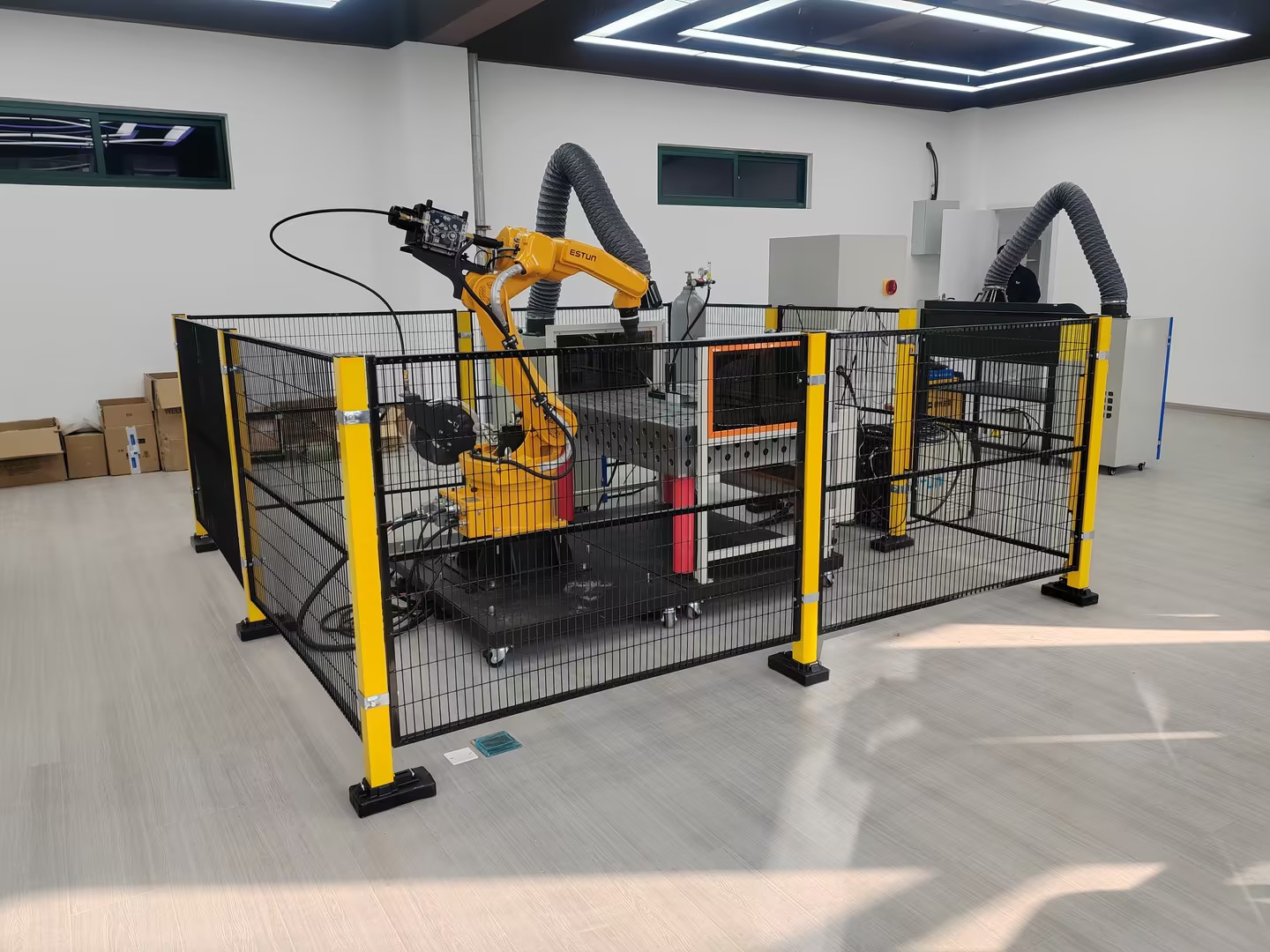
Internet + Made in China 2025: Estun builds innovative platform for industry-education integration and empowers the cultivation of intelligent manufacturing talents
The inauguration of the "Intelligent Manufacturing Industry and Education Integration Technology Service Center" took place at the Industrial Robotics Training Base of Chengdu Institute of Technology. This event, held recently, signifies a significant advancement in the collaboration between industry and education, particularly in the field of intelligent manufacturing. The establishment of the center is a strategic move by Estun, aimed at enhancing technological services and fostering innovation within the manufacturing sector. By integrating educational resources with industry practices, the center is expected to facilitate skill development and promote research initiatives that align with current market demands.
ESTUN AUTOMATION ROBOTICS SERVO SYSTEMS
ABB and Salzburg researchers patent AI system to cut energy use in industrial robots
Salzburg University of Applied Sciences has partnered with ABB’s Machine Automation Division, B&R, to enhance energy efficiency in industrial automation through the application of artificial intelligence. This collaboration is centered at the Josef Ressel Center for Intelligent and Secure Industrial Automation (JRZ ISIA), where the two entities aim to translate cutting-edge research into viable solutions for industrial drive systems. By leveraging AI technologies, the initiative seeks to optimize energy consumption and improve operational efficiency in manufacturing processes, addressing the growing demand for sustainable industrial practices.
Industrial robots News abb ai in manufacturing AI optimization automation news
Landmark UK-Portugal Ocean Research Partnership Celebrated in Madeira
The UK’s National Oceanography Centre (NOC) and Madeira Island’s Regional Agency for the Development of Research, Technology and Innovation (ARDITI) have forged a significant partnership aimed at enhancing deep-ocean research. This collaboration was highlighted by the arrival of the research vessel RRS Discovery in Madeira, which coincided with ARDITI's acquisition of two advanced NOC Autosub Long Range (ALR) autonomous underwater vehicles. This marks a historic moment as it is the first instance of this cutting-edge technology being sold internationally. The partnership aims to leverage these innovative tools to further scientific exploration and understanding of the deep ocean, underscoring the growing importance of international cooperation in marine research.
national oceanography centre (noc) madeira island’s regional agency for the development of research technology and innovation (arditi) noc autosub long range (alr) autonomous underwater vehicles
Sonardyne Underwater Positioning and Tracking for US Academic Research Fleet
Sonardyne's underwater positioning and tracking technology has been selected for integration into three new oceanographic research vessels, part of the National Science Foundation's Regional Class Research Vessel (RCRV) construction program. This decision underscores the NSF's commitment to advancing marine research capabilities. The vessels, designed to enhance scientific exploration and data collection in oceanographic studies, will be constructed in the coming years. By utilizing Sonardyne's innovative technology, the NSF aims to improve the accuracy and efficiency of underwater navigation and data acquisition, ultimately supporting a wide range of research initiatives. The program reflects a significant investment in the future of ocean science, addressing the growing need for advanced research tools in understanding marine environments.
sonardyne underwater positioning tracking us academic research fleet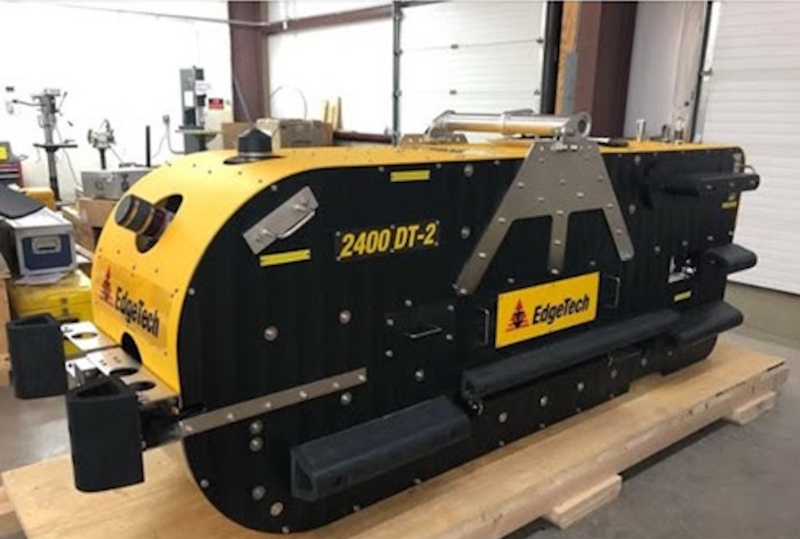
Fugro Donates Survey Equipment to CSIRO to Support Australian Ocean Research
Fugro has made a significant contribution to ocean research by donating two EdgeTech Deep Tow survey systems to the Commonwealth Scientific and Industrial Research Organisation (CSIRO), Australia’s national science agency. This donation, announced recently, underscores Fugro's commitment to advancing global ocean science initiatives and supports the objectives of the United Nations Decade of Ocean Science for Sustainable Development. By providing these advanced survey systems, Fugro aims to enhance the capabilities of CSIRO in conducting vital oceanographic research, ultimately contributing to sustainable management and conservation of ocean resources.
fugro survey equipment csiro ocean research edgetech deep tow
Boxfish Robotics Introduces Reliable and Easy-to-Use Hovering AUV for Marine Research
Boxfish Robotics has unveiled its first generation of fully autonomous tetherless hovering Boxfish AUV (Autonomous Underwater Vehicle), marking a significant advancement in underwater exploration technology. This innovative vehicle, which boasts state-of-the-art autonomy features, aims to redefine standards in the field. The launch took place in October 2023, showcasing the company's commitment to pushing the boundaries of underwater robotics. By eliminating the need for tethering, the Boxfish AUV enhances operational flexibility and efficiency, making it an invaluable tool for researchers and marine explorers. The development of this technology reflects Boxfish Robotics' dedication to advancing marine exploration capabilities and addressing the growing demand for sophisticated underwater vehicles.
boxfish robotics hovering auv marine research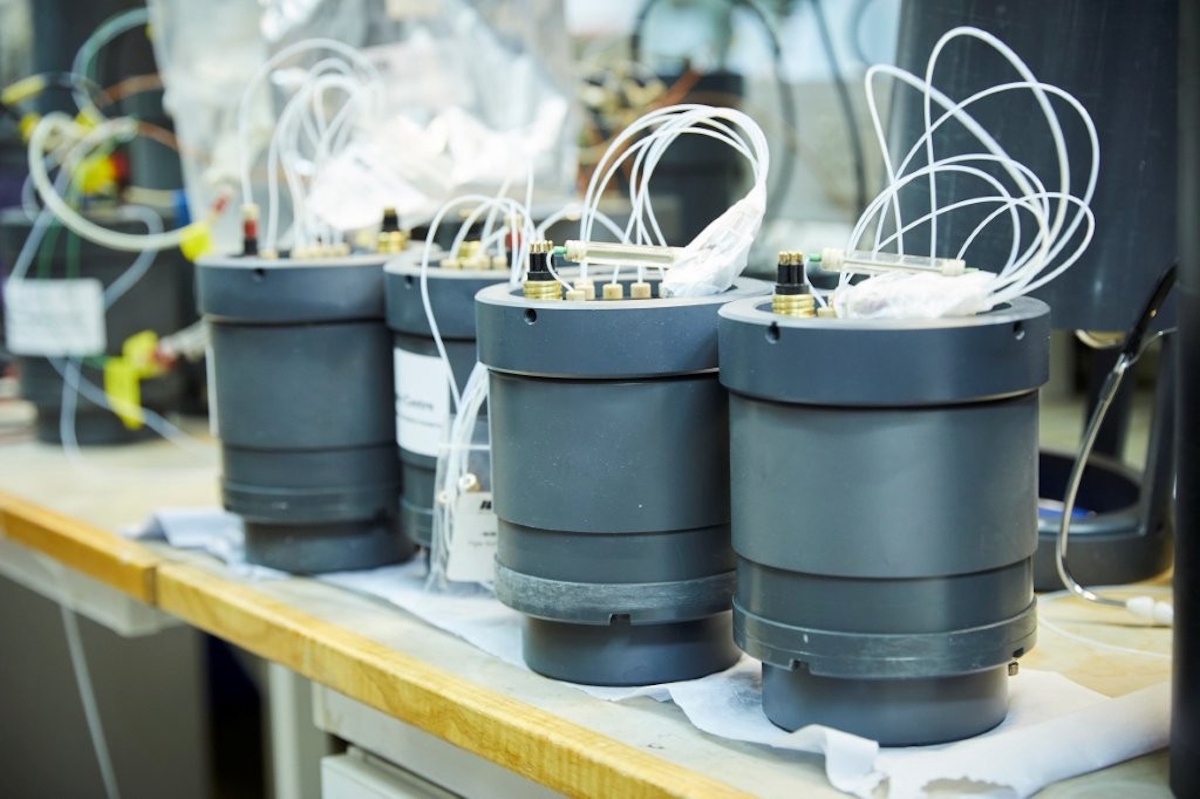
£4 m to Boost Marine Robotics Research Capabilities
The UK’s National Oceanography Centre (NOC) has secured a funding boost of £4 million aimed at enhancing its fleet of marine autonomous systems with next-generation sensing technologies. This investment, announced recently, is designed to support the advancement of sustainable ocean science, enabling researchers to gather more accurate and comprehensive data about marine environments. By integrating these advanced sensing capabilities, the NOC aims to improve its understanding of ocean dynamics and contribute to the global efforts in addressing climate change and preserving marine ecosystems. The initiative reflects a growing commitment to innovative research methods in the field of oceanography, positioning the NOC at the forefront of marine science advancements.
marine robotics research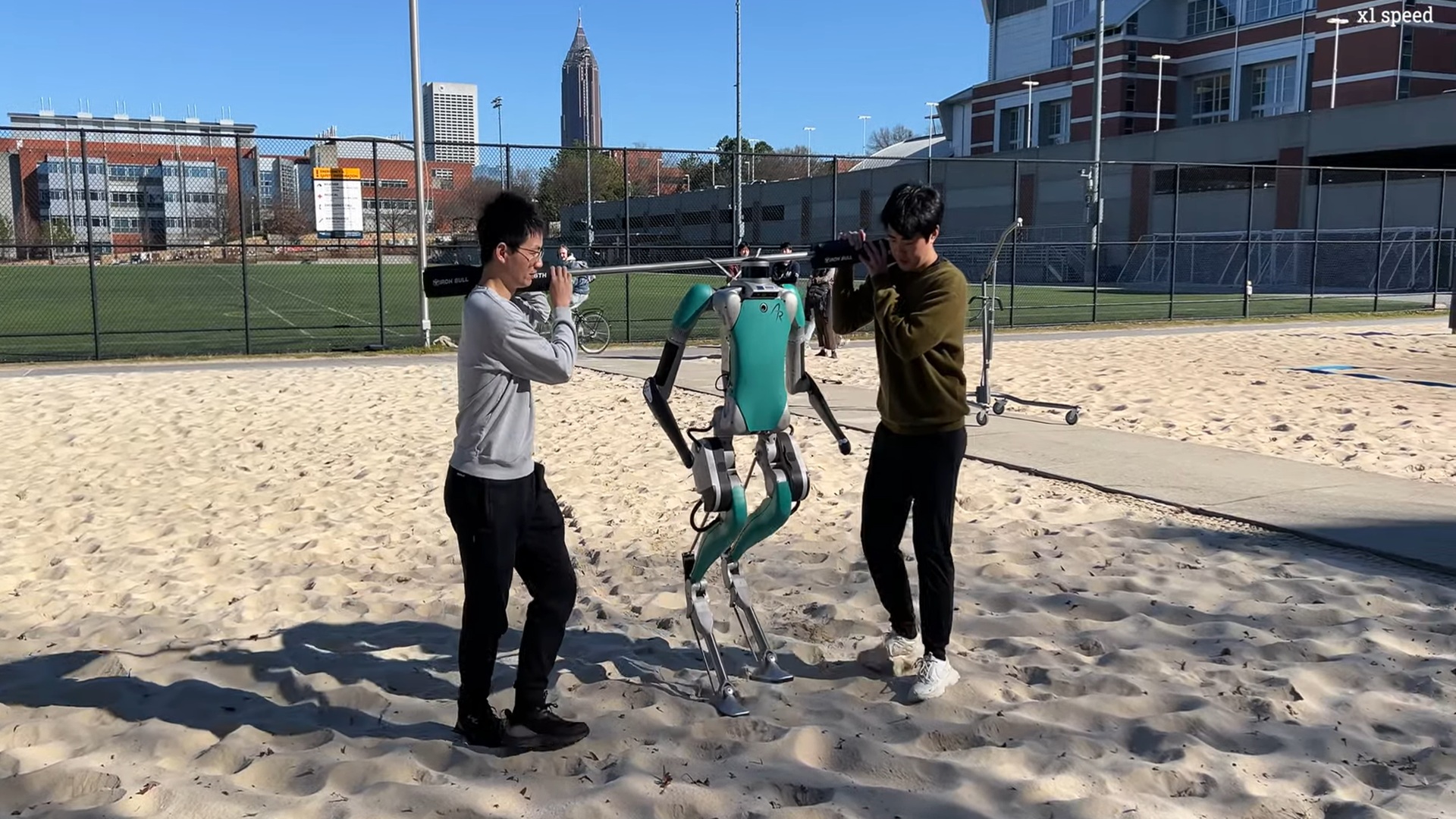
Georgia Tech Researchers Develop Framework for Humanoid Robot to Walk on Varied Terrain
Researchers at Georgia Tech have created a novel machine-learning framework that allows a humanoid robot to traverse diverse terrains, including sand, gravel, and slopes. This framework, named 'Learn to Teach,' enhances the traditional teacher-student reinforcement learning method by enabling simultaneous training of both agents, significantly reducing the time and computational resources required. The significance of this development lies in its ability to equip the robot with a controller capable of adapting to unfamiliar terrains without extensive prior training. The humanoid robot successfully navigated various challenging surfaces, demonstrating stability even when pushed or pulled during tests. This advancement could have broader implications for robotics, as the framework can be adapted for other robotic tasks beyond walking. Looking ahead, the potential for this training framework to be applied to different robots and tasks is promising. The researchers highlighted that their approach not only streamlines the training process but also allows for real-time knowledge transfer between the teacher and student models. No further timeline was disclosed at the time of publication.
AI and Robotics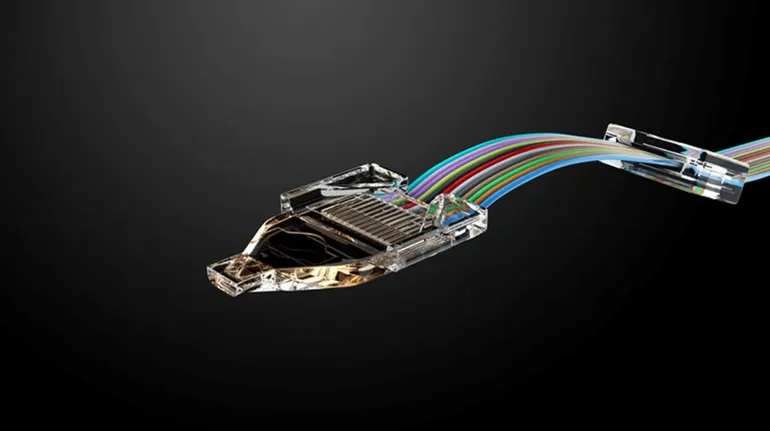
Microsoft and 3M Collaborate on AI and Data Center Research and Development
Microsoft and 3M have announced a partnership aimed at accelerating AI adoption and enhancing the physical networks necessary for cloud growth and AI workloads. This collaboration will focus on research and development related to Microsoft’s data center and device marketplace, leveraging 3M's expertise in electronic components and materials science. The significance of this partnership lies in Microsoft's ambitious plans to invest approximately $80 billion in AI-enabled data centers by January 2025, which will support the training of large language models and the deployment of machine intelligence. Currently, Microsoft operates over 400 data centers globally, with the first of two new facilities in Mount Pleasant, Wisconsin, now fully operational. Looking ahead, both companies are part of the Expanded Beam Optics Multi-Source Agreement Group, which aims to advance open specifications for EBO connectivity products in the AI market. 3M is also expanding its manufacturing capacity for high-speed interconnects, responding to increased demand from hyperscalers and ensuring a reliable supply chain for AI data centers. No further timeline was disclosed at the time of publication.
Korean Researchers Develop AI Framework for Robot Dog's Adaptive Movement in Complex Terrain
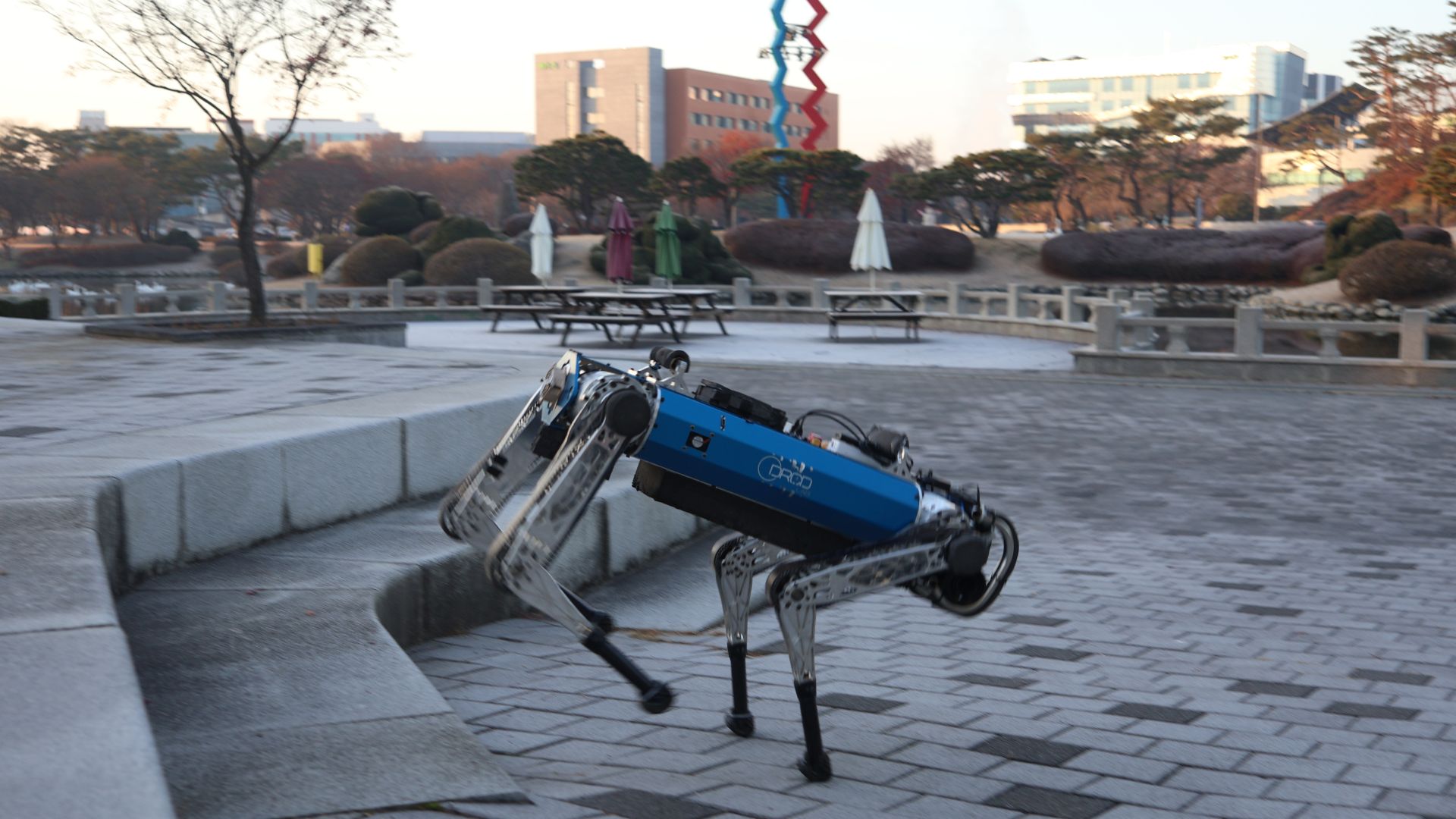
Researchers from Korea have created an AI framework that allows a quadruped robot to autonomously adapt its motor skills while navigating challenging environments. This system enables real-time gait adjustments for traversing forests, climbing stairs, and overcoming obstacles using only onboard sensors and computing capabilities. The significance of this development lies in its potential applications for autonomous search-and-rescue and exploration missions. The Action Pretrained Transformer-based Reinforcement Learning (APT-RL) framework enhances agility by combining pretrained locomotion skills with adaptive decision-making, demonstrating the robot's ability to handle diverse obstacles effectively. Future observations will focus on the framework's deployment in real-world scenarios, as it has already shown impressive performance on KAIST’s quadruped robot, HOUND. The robot's ability to switch between different gaits based on terrain and speed, achieving speeds of up to 6 meters per second, highlights the effectiveness of the APT-RL approach in complex environments. No further timeline was disclosed at the time of publication.
AI and Robotics
South Korean Researchers Develop AI for Innovative DNA Origami Designs
Researchers from Seoul National University and Hanyang University have created an AI model named Generative SNUPI, which simplifies the design of DNA origami structures. This model allows users to generate complex DNA shapes, such as the Mona Lisa, by considering the chemical properties of DNA, significantly reducing the time and expertise required for design. The development of Generative SNUPI is crucial as traditional DNA origami design is often tedious and expensive, requiring significant expertise. Kyounghwa Jeon, a Ph.D. candidate at SNU, emphasizes that this new tool could enable users to transition directly from concept to physical assembly of DNA structures, enhancing research capabilities in the field. Looking ahead, the researchers aim to improve the flexibility of DNA origami designs to facilitate real-world applications such as drug delivery and immunotherapy. Do-Nyun Kim, an assistant professor at SNU, notes that future work will focus on creating dynamically reconfigurable structures, which are essential for many molecular functions.
Biotechnology Dna-origami Dna Generative-ai
Study on Offshore Wind Turbine Blade Repair Using Particle Swarm Optimization and Advanced Control Techniques
A recent study published in the Journal of Field Robotics explores innovative methods for repairing offshore wind turbine blades. The research focuses on utilizing a Particle Swarm Optimization-Backpropagation Neural Network combined with Improved Active Disturbance Rejection Control to enhance repair efficiency. This research is significant as it addresses the growing need for effective maintenance strategies in offshore wind energy, which is crucial for maximizing energy output and minimizing downtime. The integration of advanced algorithms aims to improve the precision and reliability of repair processes, ultimately contributing to the sustainability of wind energy. Looking ahead, the implications of this study could influence future developments in wind turbine maintenance technologies. No further timeline was disclosed at the time of publication.
RESEARCH ARTICLE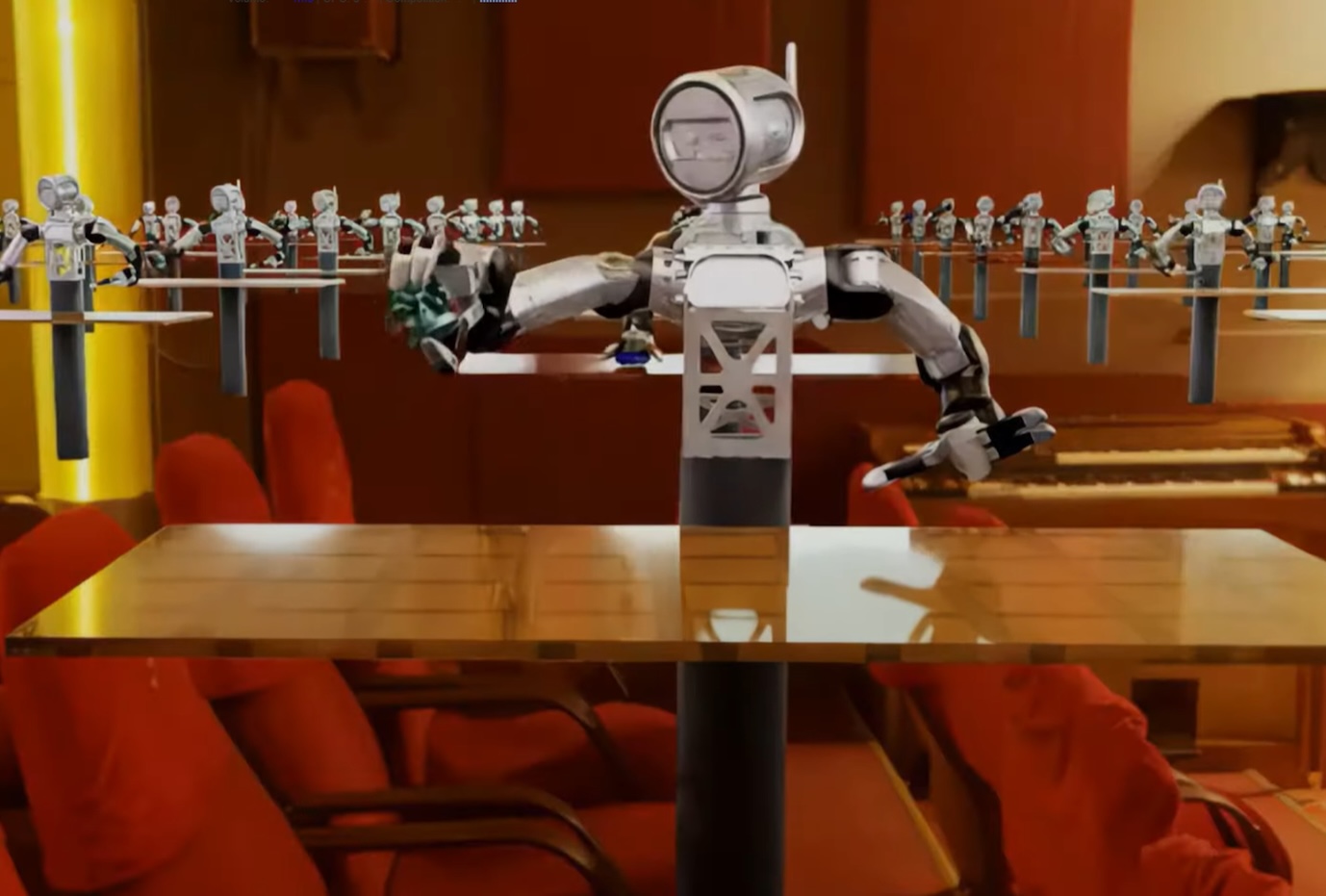
A Comprehensive Review of Surface Water Cleaning Robots and Their Future Directions
The Journal of Field Robotics has published an early view article that provides a structured review of surface water cleaning robots. This review highlights various technologies employed in the development of these robots, as well as the implementation challenges faced in real-world applications. Understanding the technologies and challenges associated with surface water cleaning robots is crucial for advancing their effectiveness and adoption. The review discusses the current state of research and identifies gaps that need to be addressed to enhance the performance and reliability of these robotic systems. Looking ahead, the article emphasizes the need for further research to overcome existing challenges and improve the design and functionality of surface water cleaning robots. No further timeline was disclosed at the time of publication.
SURVEY ARTICLE
Study on Task Sequence Planning and Trajectory Optimization for Rebar Tying Robot End-Effectors
A recent study published in the Journal of Field Robotics focuses on task sequence planning and trajectory optimization specifically for the end-effectors of rebar tying robots. This research addresses the complexities involved in automating the rebar tying process, which is critical in construction and infrastructure projects. The significance of this study lies in its potential to enhance the efficiency and accuracy of rebar tying robots, thereby improving overall productivity in construction. By optimizing task sequences and trajectories, the research aims to reduce operational costs and time, which are essential factors in large-scale construction projects. Looking ahead, the implications of this research could lead to advancements in robotic automation within the construction industry. As the demand for efficient construction methods grows, further developments in trajectory optimization and task planning for rebar tying robots will be crucial. No further timeline was disclosed at the time of publication.
RESEARCH ARTICLE
Researcher Uncovers Systemic Vulnerabilities in LLMs, Urges Caution in Deployment
Researcher Dave Kuszmar has identified multiple systemic vulnerabilities in large language models (LLMs) that allow for the bypassing of safety protocols, enabling access to dangerous instructions. This discovery highlights a significant security issue across nearly all major LLMs, prompting Kuszmar to advocate for a slowdown in deployment and increased transparency in LLM safety research. The implications of Kuszmar's findings are profound, as they reveal that the very restrictions intended to secure LLMs can be manipulated by attackers to access harmful information. Despite efforts by large AI companies to fortify their models, Kuszmar's experience indicates a troubling lack of responsiveness from these organizations when vulnerabilities are reported. This raises concerns about the safety of LLMs, which are becoming increasingly accessible to the general public. Looking ahead, Kuszmar's call for large-scale research into LLM safety is critical as these technologies continue to integrate into society. The ease with which LLMs can be convinced to provide harmful instructions poses a significant risk, and without proper oversight and security measures, the potential for misuse remains high. No further timeline was disclosed at the time of publication.
Security Llms Ai-safety Ai-companies
MIT and Toyota Research Institute Unveil SceneSmith for Robot Household Training
MIT's Computer Science and Artificial Intelligence Laboratory (CSAIL) and the Toyota Research Institute have developed SceneSmith, an AI-powered system that allows robots to practice household tasks in a virtual environment. This system utilizes three visual language models to collaboratively create realistic 3D scenes, enabling robots to learn complex skills through extensive simulation. SceneSmith not only generates lifelike environments but also incorporates physical properties like mass, friction, and inertia, allowing robots to interact meaningfully within these spaces. The research team tested over 100 unique action plans in the digital world, revealing flaws in the robots' planning that were validated by human consensus over 99% of the time, helping to refine their strategies before real-world application. The effectiveness of SceneSmith was highlighted at a recent international machine learning conference, where it received positive feedback from over 200 testers, with more than 90% rating its visual realism highly. As robots learn to perform tasks like moving objects in a kitchen, the prospect of robots handling household chores may soon become a reality.
AI Robotics Virtual Reality Machine Learning
Japanese Researchers Develop Floating Companion Robot Inspired by Fictional Characters
Researchers at Keio University in Tokyo have created a silent, floating companion robot that mimics the movement of animated creatures. This innovative prototype, inspired by characters like Tinker Bell and Pokémon’s Mew, is designed to be approachable and safe for indoor environments. The significance of this development lies in its potential to enhance human-robot interaction at home. Unlike traditional drones, this soft floating robot utilizes helium for buoyancy, resulting in quieter operation and lower energy consumption, making it a more natural companion for users. Looking ahead, the researchers have established a systematic interaction design framework for soft floating robots, which could lead to advancements in mobility and human interaction. No further timeline was disclosed at the time of publication.
AI and Robotics
University of Illinois Researchers Challenge Traditional Views on Brain Decision Making
Researchers at the University of Illinois Urbana Champaign have revealed new insights into brain decision-making processes, suggesting that these processes begin earlier than previously thought. This research, led by Professor Yurii Vlasov, indicates that early sensory brain regions play a crucial role in decision-making, contradicting the long-held belief that decisions are made only after information passes through a strict hierarchy of brain regions. The implications of this study are significant for both neuroscience and artificial intelligence. By understanding that decision-making involves interconnected feedback loops rather than a linear progression, researchers can design AI systems that mimic this biological architecture. This could lead to the development of AI that is not only more capable but also more energy-efficient, addressing current limitations in AI technology. Moving forward, the research team aims to further explore how biological intelligence, refined through evolution, can inform AI development. No further timeline was disclosed at the time of publication.
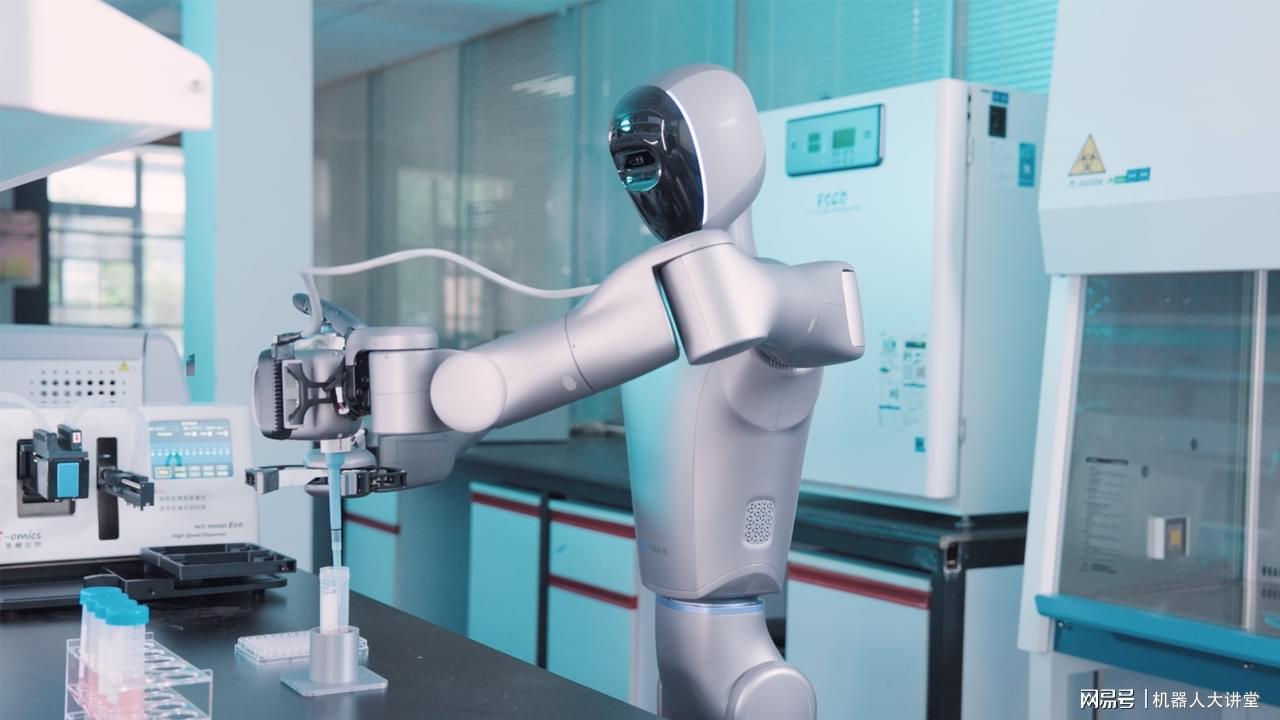
Yuanluo Technology Unveils First Autonomous Laboratory Utilizing Object-Centric Physics Model
Yuanluo Technology has successfully launched the world's first autonomous laboratory on a national research platform, marking a significant advancement in embodied intelligence. The laboratory's robotic system can autonomously perform over 40 operations, including nucleic acid extraction and cytotoxicity testing, with a precision of less than one millimeter. This achievement demonstrates the robot's capability to execute complex, multi-step tasks continuously for over three hours, addressing challenges in throughput and consistency in biochemical research. This development is crucial as it signifies a shift from demonstration to practical application of embodied intelligence in the biochemical and material science sectors. The Object-centric Physics Native Model (OPN), developed by Yuanluo, enables the robot to understand and adapt to the dynamic conditions of a real laboratory environment. By integrating visual, tactile, and force feedback, the robot can make real-time adjustments, ensuring stable execution of intricate experimental workflows across multiple devices. Looking ahead, the successful implementation of this autonomous laboratory sets the stage for further advancements in research and development processes across various industries, including public health and advanced manufacturing. The next milestones will involve expanding the capabilities of the OPN model and integrating it into more complex industrial systems. No further timeline was disclosed at the time of publication.
Autonomous Laboratories Embodied Intelligence Biochemical Research Robotics AI
Carnegie Mellon University Develops Open-Source Framework for AI Deployment in Robotics
Researchers at Carnegie Mellon University have created an open-source software framework aimed at streamlining the deployment of AI systems across various robots. This framework significantly reduces the time spent on setup, which can often take weeks or months, allowing researchers to focus on testing new behaviors more efficiently. The significance of this development lies in its potential to enhance collaboration and innovation in robotics. By eliminating the need to rebuild software for each robot, the framework facilitates easier integration of AI technologies, potentially accelerating advancements in robotic capabilities and applications. Looking ahead, the framework's adoption could lead to broader implications for the robotics field, including increased interoperability among different robotic systems. No further timeline was disclosed at the time of publication regarding additional features or updates to the framework.
Robotics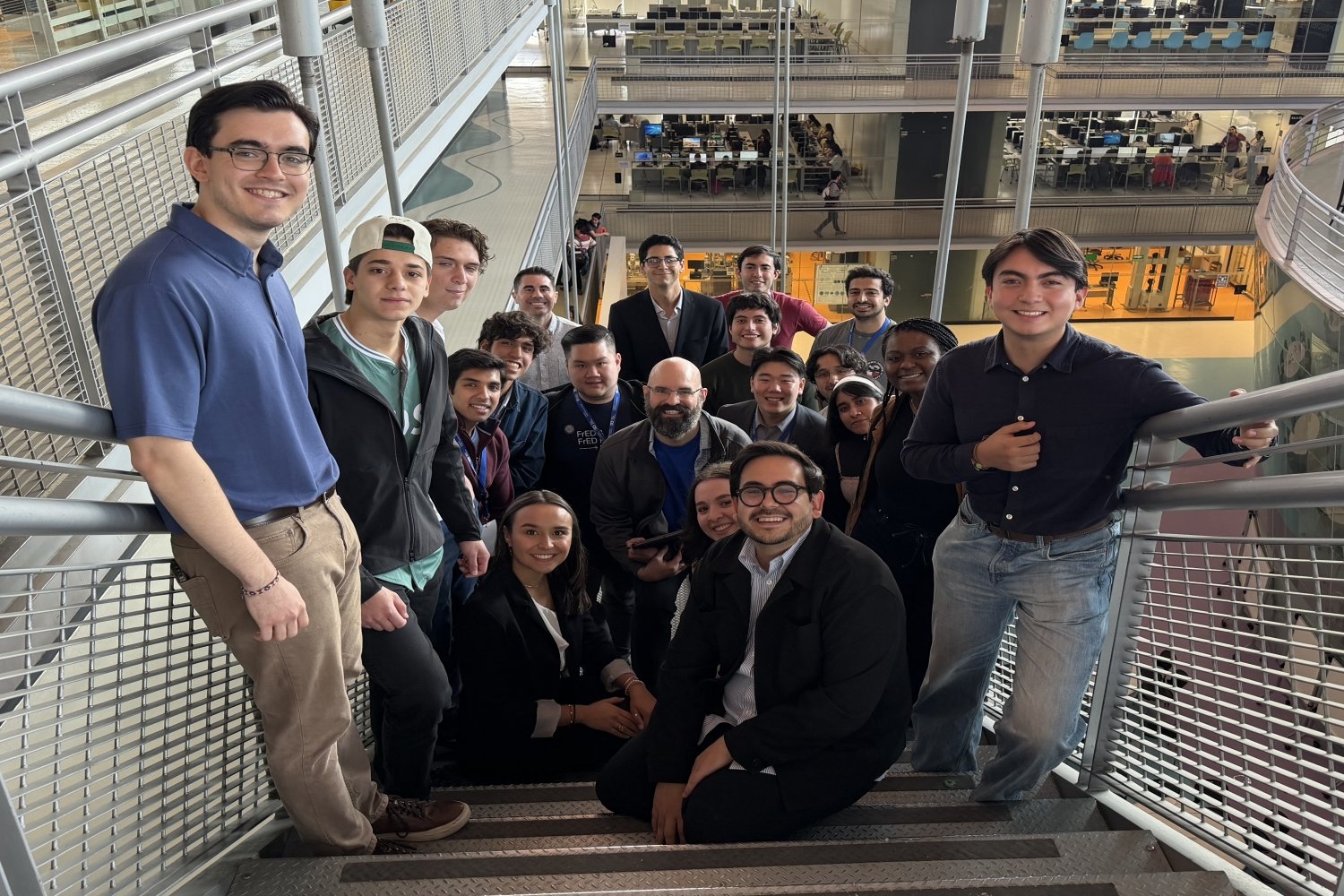
MIT-designed educational factory embraces modern manufacturing
The Massachusetts Institute of Technology (MIT) and Tecnológico de Monterrey (Tec de Monterrey) have announced plans to broaden the FrED (Frugal and Inclusive Education) curriculum to universities throughout Mexico. This initiative aims to enhance educational opportunities and promote innovative teaching methods in response to the growing demand for accessible and inclusive education. The collaboration is set to roll out in early 2024, with the goal of equipping students with practical skills and knowledge that address local challenges. By leveraging MIT's expertise in technology and Tec de Monterrey's strong presence in the region, the program seeks to foster a new generation of leaders capable of driving social change. The expansion is part of a larger effort to improve educational equity and empower students from diverse backgrounds, ultimately contributing to the development of a more inclusive society.
Classes and programs International initiatives 3-D printing Automation Collaboration Manufacturing
"Embodied Intelligence Industry Ecosystem Research" Opening: The "Body" and "Brain" of Shenzhen Robot Valley
Shenzhen's burgeoning robotics sector is set to gain further insights with the launch of the "Embodied Intelligence Industry Ecosystem Research" initiative. This new research aims to explore the intricate relationship between physical robotics and artificial intelligence, often referred to as the "body" and "brain" of the industry. The initiative was officially unveiled on October 15, 2023, in Shenzhen, a city recognized as a global hub for technological innovation and robotics development. The research is motivated by the increasing demand for advanced robotics solutions across various sectors, including manufacturing, healthcare, and logistics. By examining the interplay between embodied intelligence—where robots possess both physical form and cognitive capabilities—the initiative seeks to enhance the understanding of how these technologies can be optimized for real-world applications. Collaboration among local universities, tech companies, and research institutions will be a key component of the initiative, facilitating knowledge sharing and innovation. Through workshops, seminars, and collaborative projects, stakeholders will work together to address the challenges and opportunities within the robotics ecosystem. As Shenzhen continues to position itself at the forefront of robotics and artificial intelligence, this research initiative represents a significant step towards fostering a more integrated and advanced robotics industry, ultimately aiming to improve efficiency and effectiveness across various applications.
Robotics Automation AI
Research on Harvesting Robots for Fragile Fruit: A Review
A recent study published in the Journal of Field Robotics highlights advancements in autonomous robotics technology. Researchers from a leading robotics institute conducted experiments to improve the navigation and decision-making capabilities of robots in complex environments. The study, released in early October 2023, took place in various outdoor settings, including forests and urban areas, to test the robots' adaptability to different terrains. The motivation behind this research stems from the growing demand for autonomous systems in sectors such as agriculture, disaster response, and urban planning. By enhancing the robots' ability to process real-time data and make informed decisions, the team aims to increase their efficiency and reliability in real-world applications. Through a combination of machine learning algorithms and sensor integration, the researchers developed a new framework that allows robots to better interpret their surroundings and respond to dynamic changes. This innovative approach not only improves navigation but also enables robots to collaborate more effectively with human operators. The findings from this study are expected to pave the way for more sophisticated autonomous systems, ultimately contributing to the advancement of robotics technology and its integration into everyday life.
SURVEY ARTICLE
GA Robotics launches three models of UBTECH humanoids for research, commercial, and industrial use in Japan.
GA Robotics, the official distributor of UBTECH humanoid robots in Japan, announced the launch of three new models set to be available domestically starting June 30, 2026. The models include the "Walker Tienkung DEX" designed for research and development, the "Walker C1" tailored for commercial services, and the "Cruzr Y1" intended for industrial applications. This initiative aims to enhance technological innovation and support various sectors in Japan by providing advanced robotic solutions.
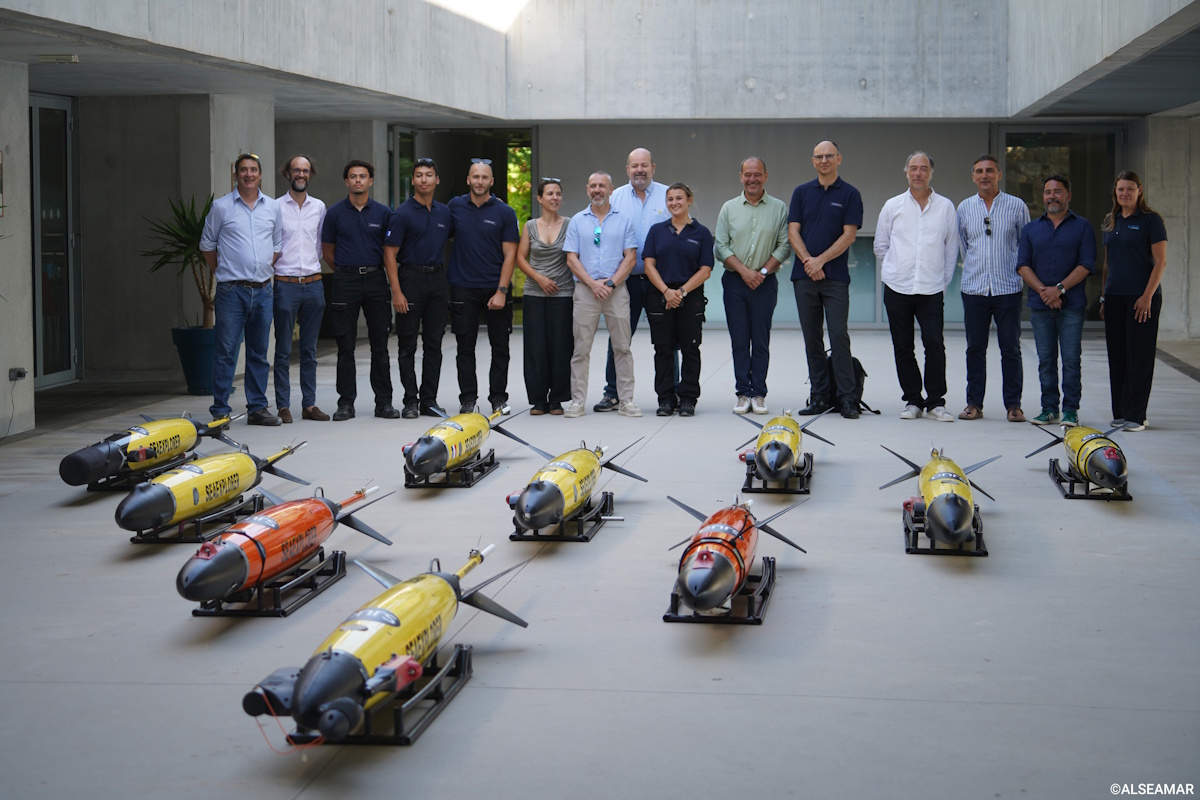
CNRS Deploys Ten SEAEXPLORER Autonomous Gliders for Mediterranean Ecosystem Research
In mid-June 2026, the CNRS deployed ten SEAEXPLORER autonomous underwater gliders in the Ligurian Sea as part of Mission 6 under France's 2030 funding plan. This initiative aims to create a comprehensive environmental data atlas for the northwestern Mediterranean, focusing on the impacts of human activities on marine ecosystems. The gliders will operate for one month, diving to depths of 1,000 meters and equipped with sensors to monitor underwater noise and ocean currents. The deployment is significant as it represents a strategic effort by the French government to enhance industrial competitiveness and develop next-generation technologies for deep-sea exploration. By utilizing coordinated fleets of autonomous gliders and advanced sensing technologies, researchers aim to better understand the dynamics of marine ecosystems and the effects of climate change, maritime traffic, and ocean acidification. This innovative approach will facilitate the study of plankton distribution and biodiversity through methods such as environmental DNA monitoring. Looking ahead, the next phases of Mission 6 will involve additional deployments in the Gulf of Lion in 2028 to test new sensors, followed by operations in French Polynesia between 2028 and 2029. These efforts will further expand the capabilities of autonomous underwater vehicles in marine research, with no further timeline disclosed at the time of publication.
autonomous gliders cnrs exploration mediterranean marine ecosystems
NVIDIA BioNeMo Agent Toolkit Brings Accelerated AI to Life Sciences Researchers in Claude Science
NVIDIA is at the forefront of a transformative shift in the life sciences sector, leveraging over a decade of expertise in developing a comprehensive GPU-accelerated computing stack. This stack includes hardware, frameworks, libraries, models, microservices, and specialized tools designed to enhance computational capabilities in biological research and healthcare. The company's advancements are aimed at addressing the growing demand for sophisticated data analysis and processing in life sciences, which has increasingly relied on computational power to drive innovation and discovery. As of October 2023, NVIDIA's initiatives are set to revolutionize how researchers and healthcare professionals utilize technology, ultimately improving outcomes in various applications from drug discovery to personalized medicine.

UCF-led virtual experience research accelerator achieves initial milestones for XR science
An international research consortium, spearheaded by the University of Central Florida (UCF), has unveiled two groundbreaking advancements in renewable energy technology. This announcement was made during a press conference held on October 15, 2023, at the UCF campus in Orlando. The consortium, which includes experts from various institutions across the globe, aims to address the urgent need for sustainable energy solutions in response to climate change and rising global energy demands. The first innovation involves a new type of solar panel that significantly increases energy conversion efficiency, making solar power more viable for widespread use. The second breakthrough focuses on an advanced energy storage system that allows for more efficient and reliable storage of renewable energy, addressing one of the key challenges in the transition to sustainable energy sources. These developments are expected to play a crucial role in reducing carbon emissions and promoting the use of clean energy. By leveraging cutting-edge research and collaboration among leading scientists and engineers, the consortium hopes to accelerate the adoption of renewable energy technologies worldwide. The project exemplifies a commitment to innovation and sustainability, aiming to contribute to a greener future for generations to come.
AI and Robotics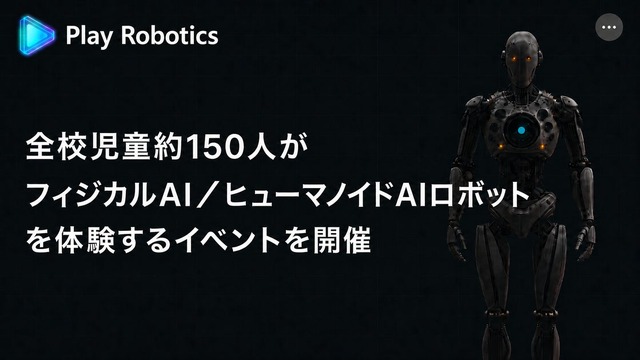
First educational event in Japan featuring humanoid demonstrations and physical AI experiences at elementary schools on June 26.
Play Robotics, a company specializing in safety evaluation and support for the integration of humanoid robots, is set to host a Physical AI Experience event on June 26, 2026. The event will take place at Shiroyama Elementary School in Inagi City. This initiative aims to provide participants with hands-on experiences to explore the capabilities and safety of humanoid robots, promoting awareness and understanding of AI technologies in educational environments. Through interactive demonstrations and activities, attendees will gain insights into the practical applications of robotics and artificial intelligence in everyday life.

Latest Progress! Zhejiang University Team's T-RO Research Achievements, Magnetic-Controlled Microrobots Achieve "Wave-Like Steps" in Complex Environments.
A team from Zhejiang University has made significant advancements in the field of robotics with their development of magnetic-controlled microrobots capable of executing "wave-like steps" in complex environments. This breakthrough was announced recently, showcasing the innovative capabilities of these microrobots, which can navigate challenging terrains with enhanced agility. The research aims to address various practical applications, including medical procedures and environmental monitoring, where precise movement is crucial. By employing magnetic fields to control the microrobots, the team has demonstrated a novel approach to maneuvering small-scale machines, potentially paving the way for future technological advancements in robotics.
Robotics Automation AI
AI in Medical Education: Enhancing or Misinforming Clinical Reasoning and Diagnostic Accuracy?
The integration of artificial intelligence in medical education is generating both challenges and opportunities, according to recent findings. Experts advocate for the development of curricula that emphasize active engagement and literacy in AI technologies. This shift aims to better prepare future healthcare professionals to navigate the complexities of AI in clinical settings. As medical institutions explore innovative teaching methods, the goal is to enhance students' understanding and application of AI tools, ultimately improving patient care. The ongoing discussions highlight the necessity for educators to adapt to the evolving landscape of medical training, ensuring that graduates are equipped with the skills needed to thrive in a technology-driven environment.

NAIRR Science Program Reshapes Scientific Research, Powered by NVIDIA AI Infrastructure
The U.S. National Science Foundation’s National Artificial Intelligence Research Resource (NAIRR) pilot program has been instrumental in advancing innovative research over the past two years, supporting more than 700 projects across the country. These initiatives cover a wide range of topics, including protein prediction and infectious disease modeling. By providing essential resources and funding, the NAIRR program aims to enhance the capabilities of researchers and institutions in the field of artificial intelligence. This initiative not only fosters collaboration among scientists but also addresses pressing challenges in health and technology, showcasing the potential of AI to drive significant advancements in various sectors.
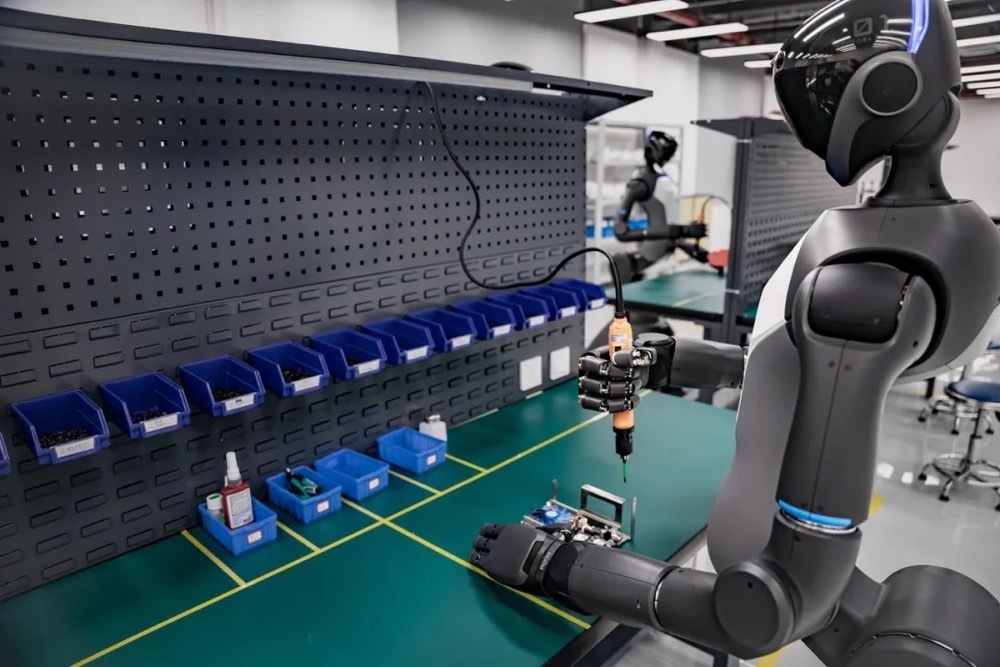
Research on the Application of SSG‐RRT Path Planning Algorithm Integrated With Dynamic Obstacle Avoidance in Wheeled Picking Robot
A recent study published in the Journal of Field Robotics highlights advancements in robotic technology aimed at improving agricultural efficiency. Researchers from various institutions conducted the study to explore how autonomous robots can enhance crop management and reduce labor costs. The findings, released in early October 2023, indicate that these robots can perform tasks such as planting, monitoring, and harvesting with greater precision than traditional methods. The research was conducted in diverse agricultural settings, showcasing the robots' adaptability to different crops and terrains. By integrating advanced sensors and machine learning algorithms, the robots can analyze soil conditions and plant health, allowing for timely interventions that can lead to increased yields. This initiative is driven by the growing need for sustainable farming practices in response to global food demands and labor shortages in the agricultural sector. The study emphasizes that implementing robotic solutions could not only optimize resource use but also address environmental concerns associated with conventional farming techniques. As the agricultural industry faces mounting challenges, the deployment of these innovative robotic systems represents a significant step forward in modernizing farming practices and ensuring food security for the future.
RESEARCH ARTICLE
Research on the Design and Experiment for Obstacle‐Crossing Capability of a Wheeled‐Claw Deformable Mobile Platform With Large Expansion Ratio
A recent study published in the Journal of Field Robotics highlights advancements in autonomous robotic navigation systems. Researchers from a leading robotics institute conducted experiments to improve the efficiency and accuracy of robots in complex environments. The study, released in early October 2023, focuses on the integration of artificial intelligence and machine learning techniques to enhance decision-making processes in real-time. The research took place in various challenging terrains, including urban settings and natural landscapes, to test the robots' adaptability. The motivation behind this work stems from the increasing demand for autonomous systems in industries such as agriculture, logistics, and disaster response. By developing more reliable navigation capabilities, the researchers aim to facilitate safer and more effective deployment of robots in real-world applications. Through a series of trials, the team employed advanced algorithms that enable robots to analyze their surroundings and make informed navigation choices. The findings suggest significant improvements in both the speed and precision of robotic movements, which could lead to broader adoption of these technologies across multiple sectors. This study represents a crucial step towards achieving fully autonomous robotic systems capable of operating in dynamic and unpredictable environments.
RESEARCH ARTICLERobotics needs a service framework.
RSF defines a common language for robot service capability, lifecycle operations, certification pathways, and service-provider networks.