


Differential Robotics 微分智飞
"Connecting Lives, Powering Progress."
Hangzhou developer of fully autonomous aerial robots (drones) that navigate GPS-denied tunnels, mines and forests without prior maps.
Contact Differential Robotics
WEBSITE
https://www.differentialrobotics.com/HEADQUARTERS
China


Company Facts
Founded
2024
Primary Role
Manufacturer
Company Size
-
Primary Region
Asia-Pacific
Annual Sales
-
Funding Stage
-
Funding Total
-
Certifications & Memberships
Gecko Robotics Partners with Anduril for New Arsenal-2 Shipyard in Baltimore County
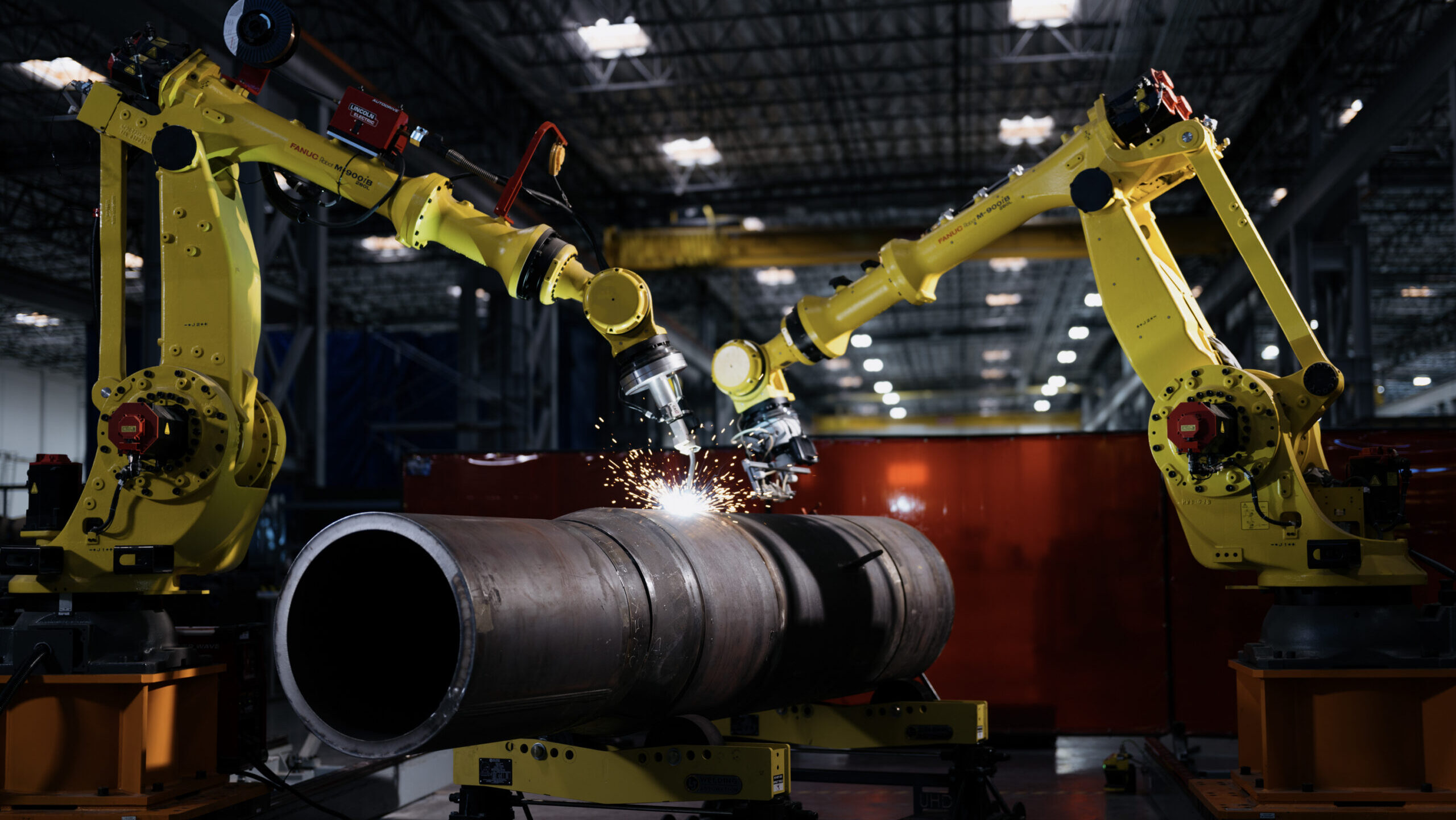
Gecko Robotics has announced its collaboration with Anduril to deploy robotics and AI software at the new Arsenal-2 shipyard in Baltimore County, Maryland. This facility will focus on manufacturing submarine parts, utilizing Gecko's inspection technology for non-destructive testing (NDT) of components, and creating a digital thread for maintenance planning. The partnership is significant as it aligns with Anduril's $6.6 billion investment to enhance submarine production capabilities, including parts for Virginia-class submarines. The integration of Gecko's technology is expected to streamline inspection processes and improve quality control from the outset of operations at the new shipyard. Looking ahead, Anduril plans to commence construction of the Arsenal-2 shipyard after receiving necessary approvals, with initial operations targeted for 2030. The collaboration with Gecko Robotics is also set to extend to a new facility in Orange County, California, indicating a broader strategy to enhance submarine manufacturing efficiency and meet Navy production goals.
Naval Warfare Anduril artificial intelligence AI Gecko Robotics Navy submarine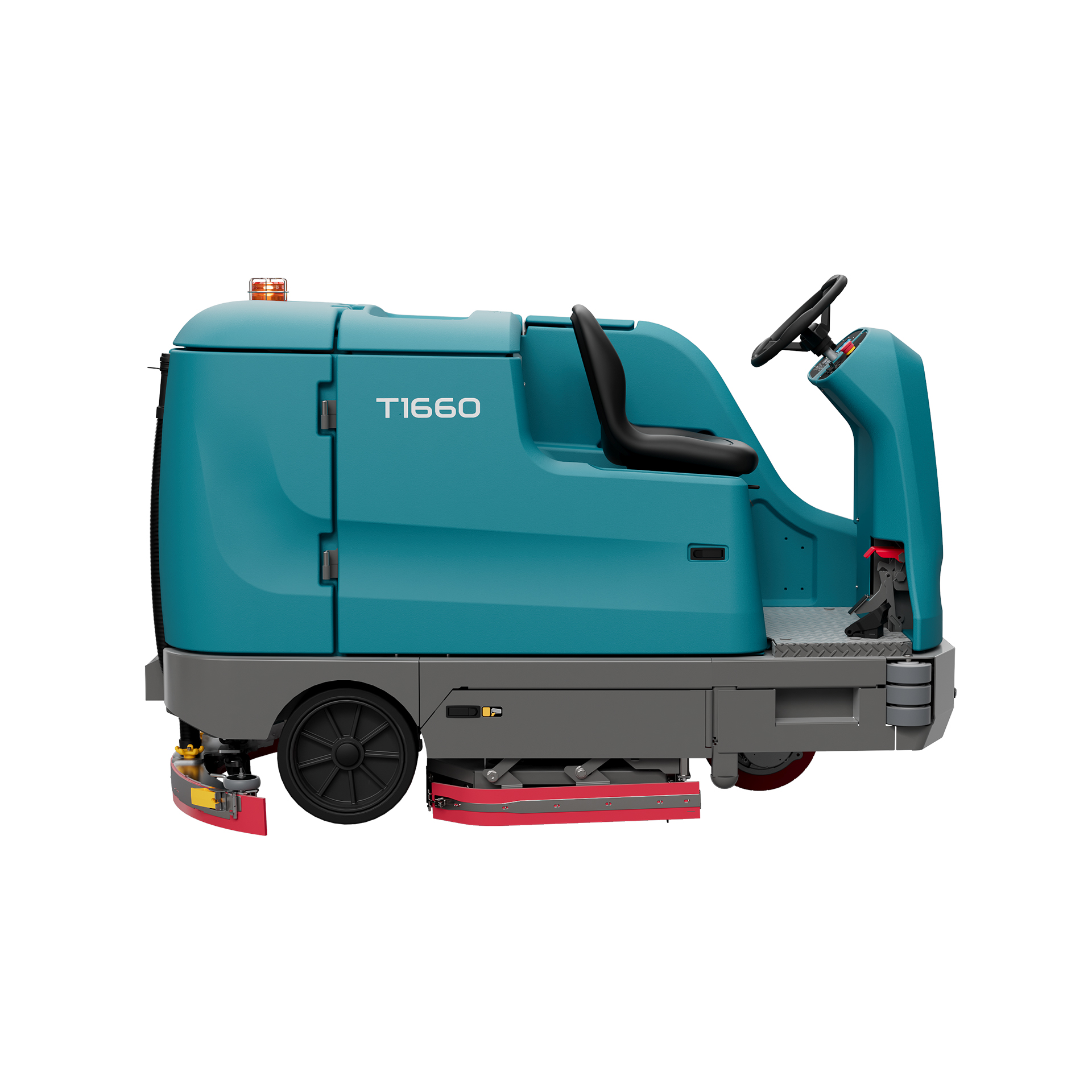
Tennant Company Launches T1660 Ride-On Scrubber for EMEA Warehouses
Tennant Company has introduced the T1660 Ride-On Scrubber across Europe, the Middle East, and Africa, targeting warehouses and light industrial applications. This battery-powered machine is designed to enhance cleaning efficiency with features like a wide cleaning path, large tank capacity, and user-friendly controls, allowing operators to maximize productivity. The T1660 is significant for its ability to deliver reliable cleaning performance while minimizing training requirements and simplifying maintenance. With a cleaning path of up to 1,320 mm and an estimated productivity rate of 8,400 m²/hr, it meets the demands of industrial cleaning without compromising on performance or ease of use. Looking ahead, the T1660's ergonomic design and battery-powered operation make it suitable for indoor environments, ensuring quieter cleaning operations. No further timeline was disclosed at the time of publication.
Warehousing cleaning Tennant
OpenAI's 377 Mathematical Results Spark Demand for Expert Input in Robotics
OpenAI's recent mathematical findings, spanning number theory, complexity theory, and physics, have prompted calls for expert engagement in the robotics field. These results are part of a broader initiative that includes advancements in industrial robots, cobots, and autonomous systems, such as the DALE robot, which automates high-volume concrete drilling in data centers. The significance of these developments lies in their potential to enhance robotic capabilities, particularly through mechanical intelligence that enables 3D movement with fewer actuators. The initiative, valued at nearly $1.8 billion, aims to create predictive 'virtual cells' and improve operational efficiency in various applications, including construction and service robots. Looking ahead, the industry is poised for a shift towards greater AI autonomy, as seen in projects like Kaleido, which aims to transition from remote control to fully autonomous operations. No further timeline was disclosed at the time of publication.
AI and Robotics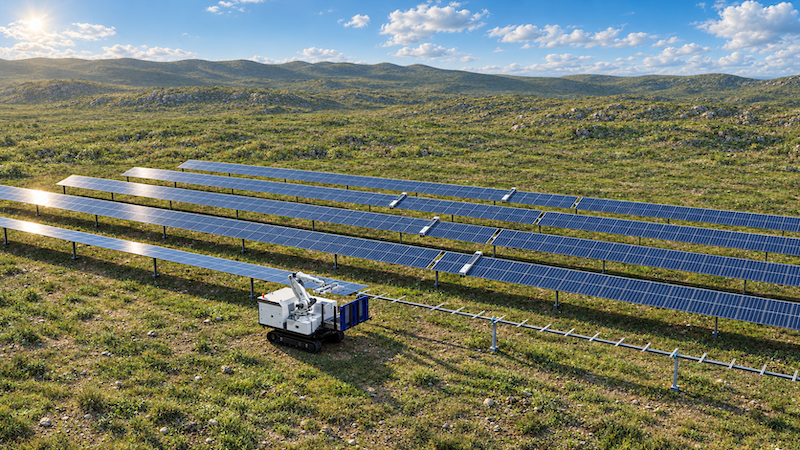
TrinaTracker Introduces Buildex and Aurora Robots for Solar Farm Automation
TrinaTracker, a subsidiary of Trinasolar, has launched two robotic products: the Buildex PV Module Installation Robot and the Aurora PV Cleaning Robot. These innovations aim to enhance the company's Smart PV Ecosystem by automating solar farm construction and maintenance processes. The introduction of these robots is significant as it marks TrinaTracker's transition from a traditional tracking system supplier to a comprehensive smart PV and robotics solution provider. By integrating advanced technologies, the company seeks to optimize plant design and improve operational efficiency, addressing the challenges of manual installation and maintenance in large-scale PV projects. Looking ahead, the Buildex robot is designed to install up to 90 modules per hour, significantly increasing installation speed and accuracy. The Aurora robot aims to tackle the challenges of module cleaning in harsh outdoor conditions. No further timeline was disclosed at the time of publication.
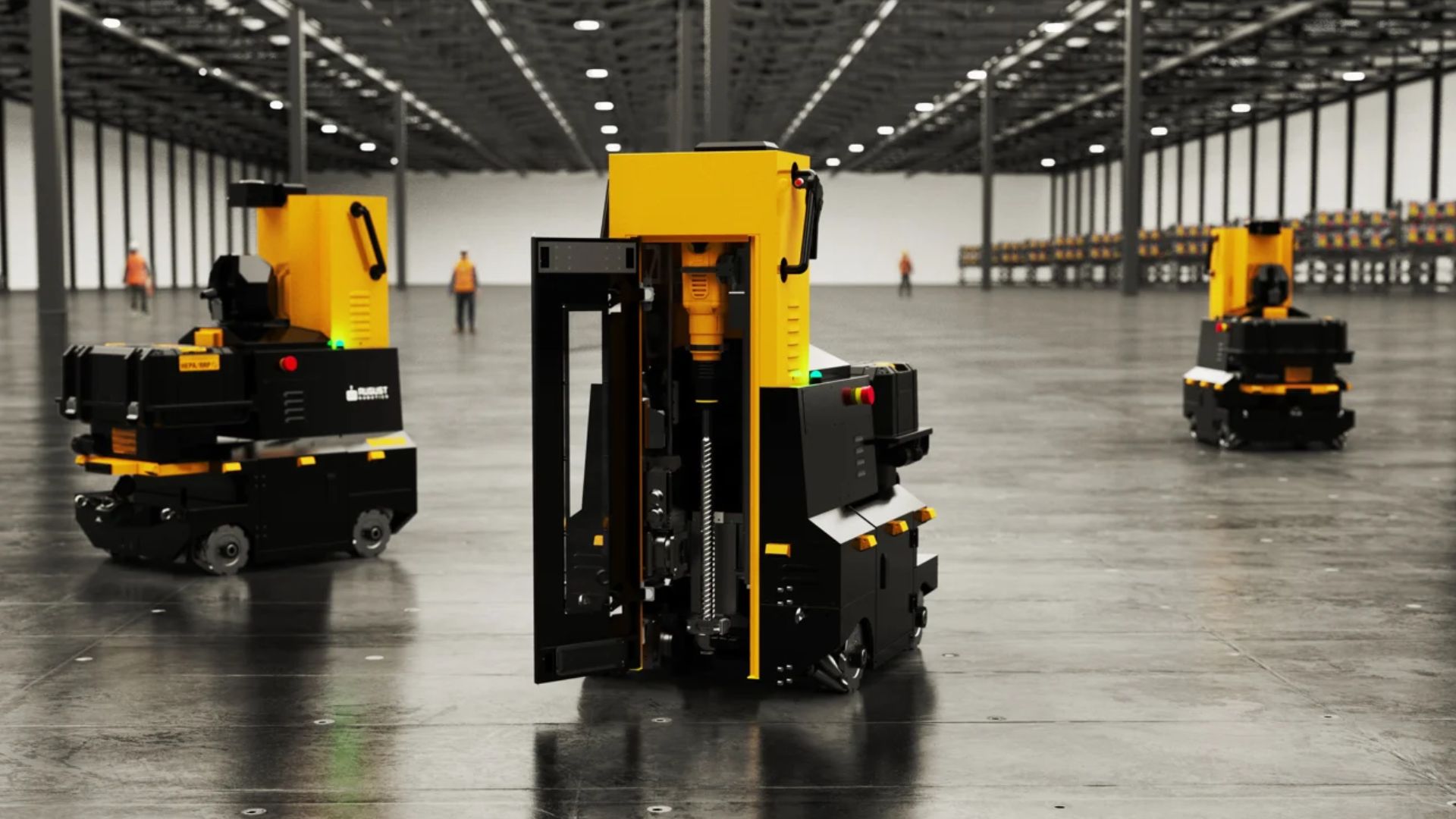
DEWALT's DALE Drilling Robot Achieves 10x Speed and 99% Accuracy in Construction
DEWALT's drilling robot, DALE™, has successfully drilled over 385,000 holes in concrete with an accuracy exceeding 99%. Developed in collaboration with August Robotics, DALE is engineered for data center construction, significantly speeding up the drilling process by operating at up to 10 times the speed of traditional methods. Its pilot deployments have reportedly reduced construction timelines by over 300 weeks across 44 phases. The introduction of DALE is significant as it addresses labor-intensive drilling tasks that are essential for installing server racks and mechanical systems in expansive data center projects. By automating this repetitive work, DALE allows construction crews to focus on other critical tasks, enhancing overall efficiency. The robot's ability to operate as part of a fleet further amplifies its impact, enabling contractors to increase drilling capacity without simply adding more workers. Looking ahead, DALE's recognition from Fast Company as a winner in the 2026 Next Big Things in Tech Awards highlights its potential influence in the construction industry. As the demand for data centers continues to grow, the effectiveness of DALE in expediting construction processes will be closely monitored, especially in terms of its impact on project timelines and labor dynamics.
AI and Robotics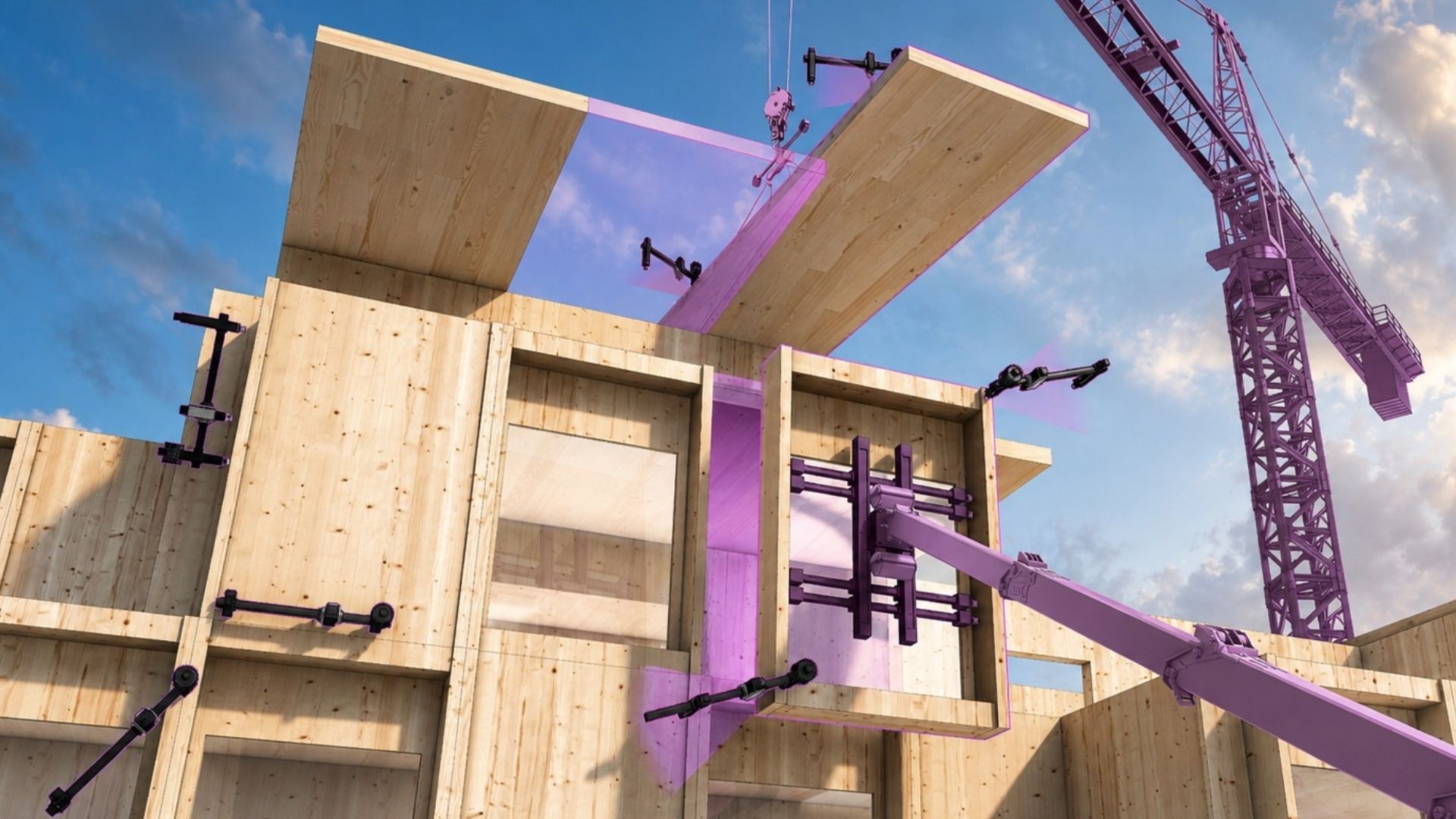
University of Stuttgart Researchers Develop Robot Swarms for Autonomous Construction Projects
Researchers at the University of Stuttgart in Germany are advancing two autonomous robotic systems aimed at enhancing construction efficiency and sustainability. The SCALAR and COBRAS projects, funded by the European Innovation Council’s EIC Pathfinder Challenge with approximately €4 million each, will explore robotic assembly methods with minimal human involvement, set to commence in November 2026. The significance of these projects lies in their potential to revolutionize construction practices. SCALAR focuses on modular timber construction, utilizing autonomous machines to assemble prefabricated components, while COBRAS aims to employ swarm intelligence for the assembly of lightweight space-frame structures. Both approaches promise to reduce waste and improve productivity in building processes. Looking ahead, the research will emphasize the development of digital control systems and sensors capable of functioning in challenging construction environments. No further timeline was disclosed at the time of publication.
AI and Robotics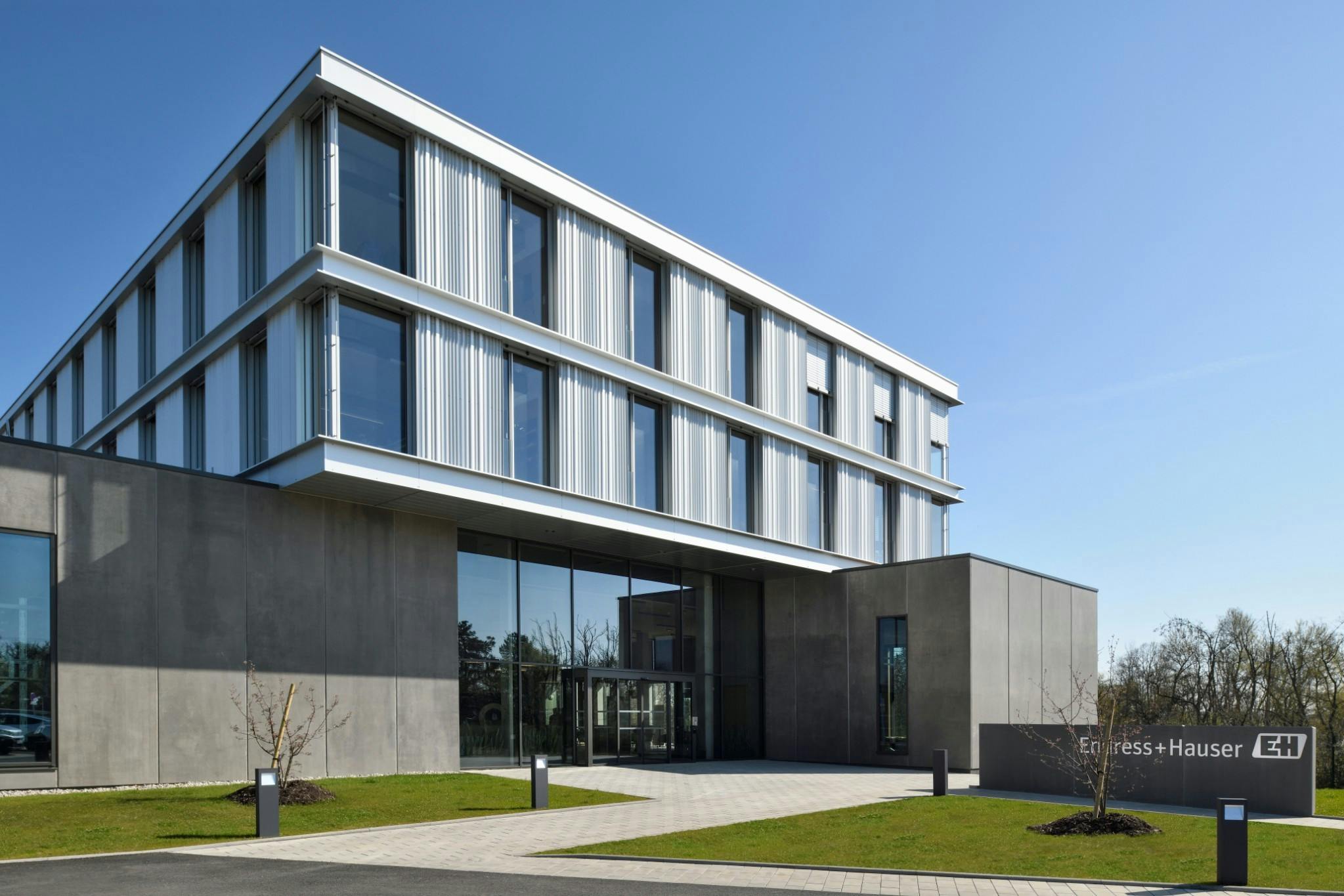
Endress+Hauser Unveils New Sustainable Campus in Cernay, France
Endress+Hauser has inaugurated its new campus in Cernay, France, which is designed to reduce energy consumption by approximately 70% compared to its former headquarters. This facility aims to enhance collaboration among production, sales, and central functions, fostering innovation and customer engagement. The significance of this development lies in its commitment to sustainability, with 96% of the construction materials reused or recycled. The new campus adheres to France's RE2020 environmental regulations and incorporates geothermal energy, photovoltaic systems, and energy-efficient heating and cooling solutions. Looking ahead, Endress+Hauser's focus on creating a collaborative environment includes various workspaces and facilities designed for training and customer experience. No further timeline was disclosed at the time of publication.
Business Intelligence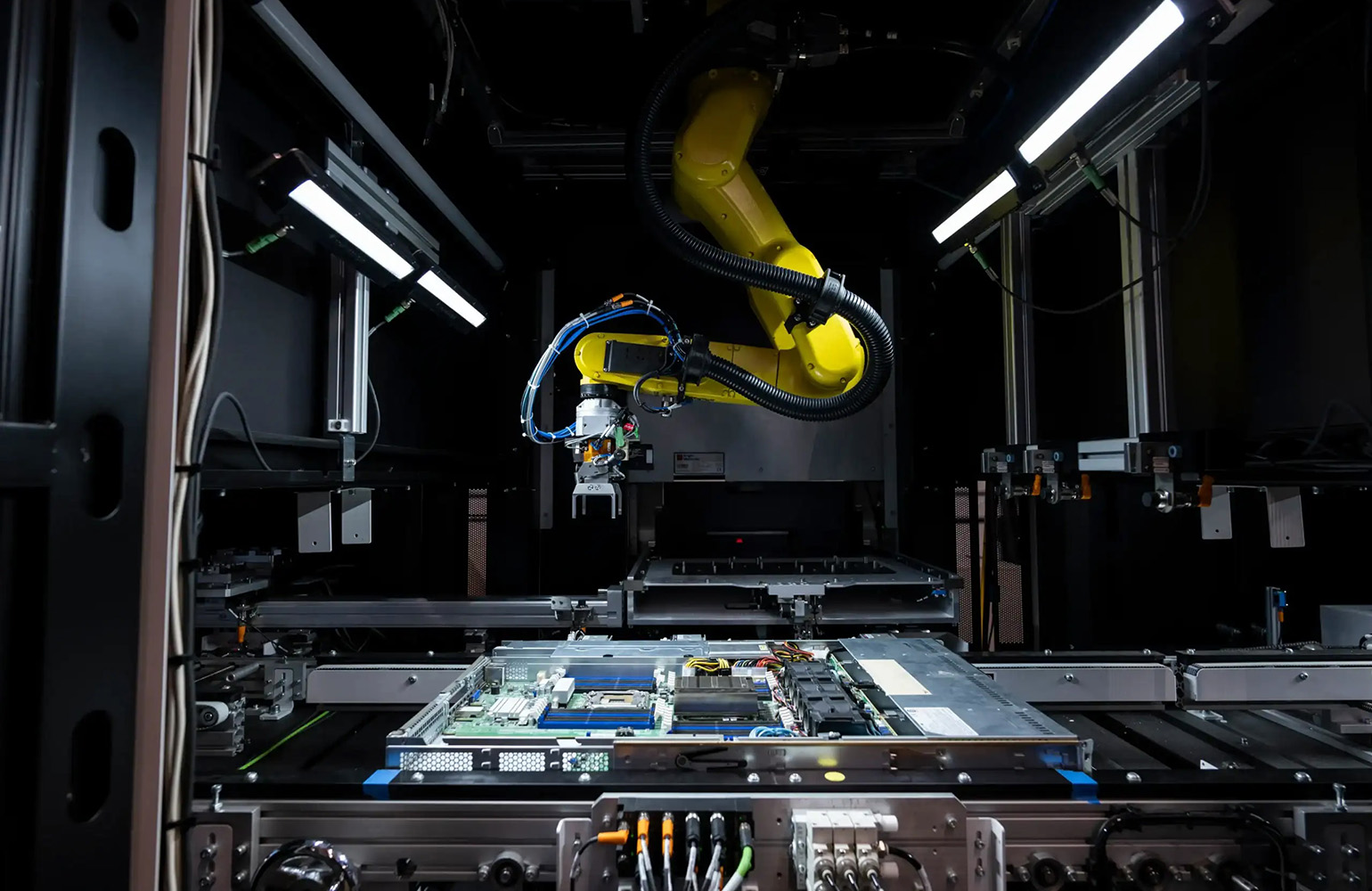
Teradyne Makes Strategic Investment in Bright Machines for AI Infrastructure Manufacturing
Teradyne Inc. has announced a strategic investment in Bright Machines Inc., focusing on integrating robotics and test technologies with Bright Machines’ intelligent manufacturing platform. This collaboration aims to enhance AI infrastructure manufacturing, leveraging Teradyne's expertise in robotics and Bright Machines' software-defined manufacturing capabilities. The partnership is significant as it aligns with Teradyne's ongoing investment in AI, which has been a key driver of its revenue growth. With the recent launch of Universal Robots' seventh-generation cobot arm, the integration of these technologies is expected to streamline production processes, enabling manufacturers to respond more effectively to the demands of AI infrastructure. Looking ahead, the companies plan to deploy integrated technologies at Bright Machines’ and customer sites, creating a cohesive production environment. This initiative will facilitate the connection of various data streams, enhancing production intelligence and efficiency. No further timeline was disclosed at the time of publication.
Artificial Intelligence Artificial Intelligence / Cognition Assembly Autonomous Mobile Robots (AMRs) Cobot Arms Collaborative Robots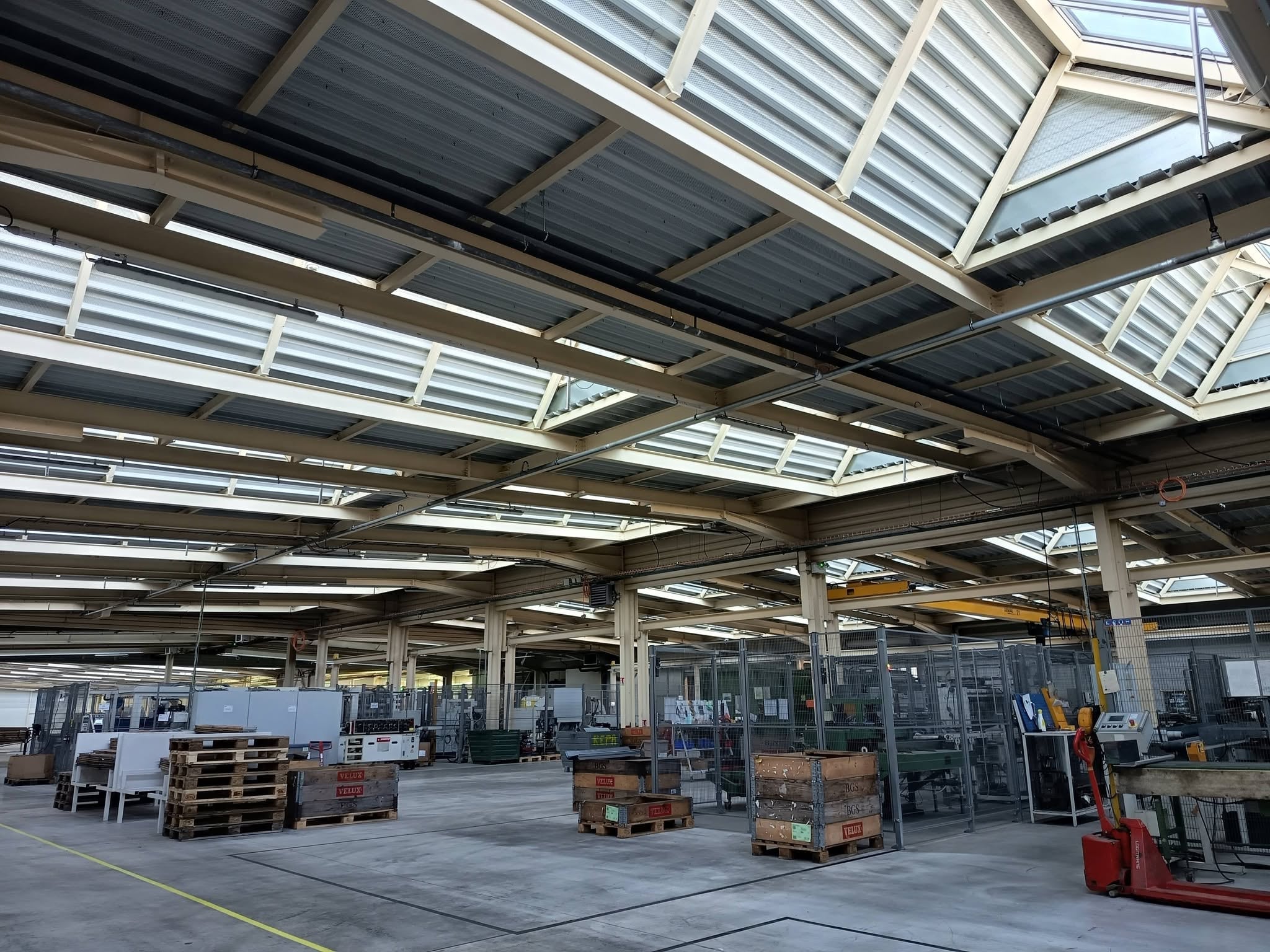
Velux Invests €11 Million to Renovate Historic Factory in Feuquières-en-Vimeu
Velux, the Danish roof window manufacturer, is investing €11 million to renovate and expand its historic factory in Feuquières-en-Vimeu, which was established in 1976. The investment plan aims to enhance four production buildings, with an additional 920 square meters of covered space expected next year. The renovations include improved insulation, high solar coefficient skylights, and upgraded ventilation systems. This renovation is significant as it aligns with Velux's commitment to sustainability, having reduced CO2 emissions by 85% since 2007. The factory, which produces several hundred thousand roof windows annually, is strategically located near the port of Tréport, facilitating logistics. The upgrades are also intended to adapt to modern production needs, transitioning from small workstations to long automated lines, reflecting industry trends. Looking ahead, Velux plans to further enhance its production capabilities, including the potential addition of a fourth production line for connectors. While some investments remain unapproved, the ongoing renovations are critical for maintaining competitiveness in a challenging market, as noted by Sandrine Maguin, the new president of Velux France. No further timeline was disclosed at the time of publication.
Made in France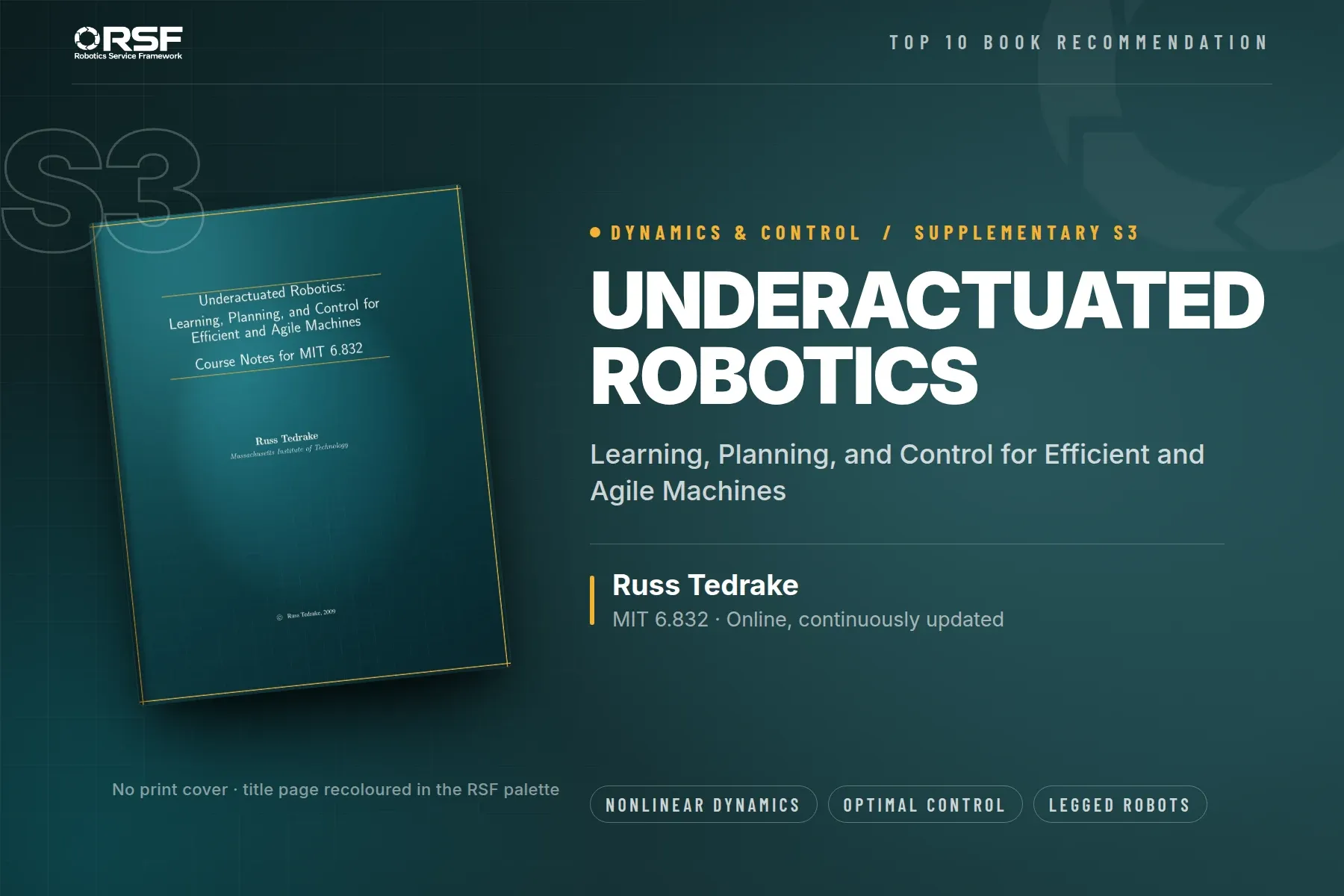
Underactuated Robotics Russ Tedrake — RSF Specialist Shelf · Book S3 of 6
Legged robots fall over for control reasons, not mechanical ones. Tedrake's free MIT 6.832 notes explain why, and what a controller must do about it.
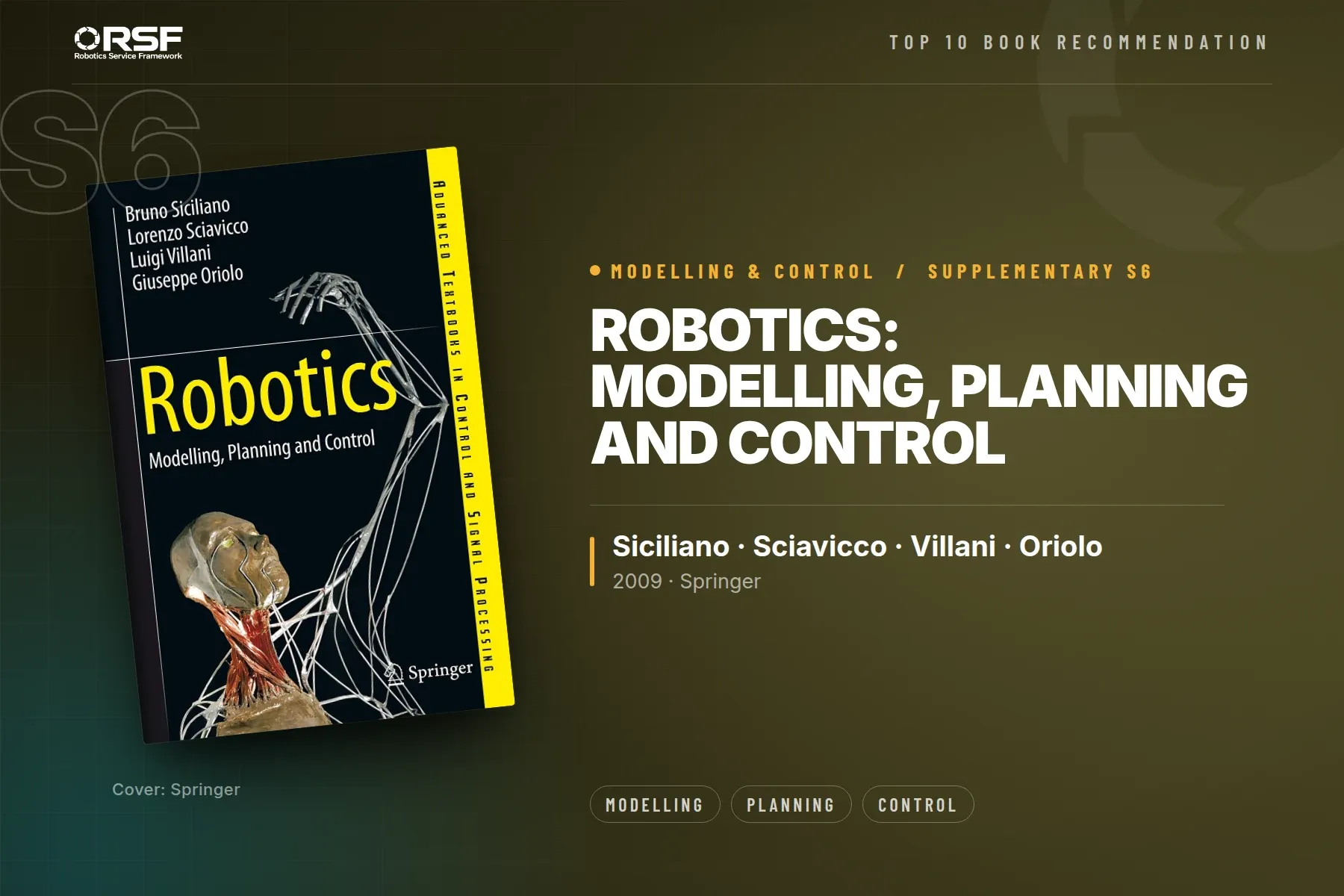
Robotics: Modelling, Planning and Control Siciliano, Sciavicco, Villani & Oriolo — RSF Specialist Shelf · Book S6 of 6
Siciliano's single-narrative counterpart to the Springer Handbook: kinematics through force control and visual servoing in one consistent notation. 4/5.

Planning Algorithms Steven M. LaValle — RSF Specialist Shelf · Book S4 of 6
The reference that treats planning as a subject in its own right: configuration space, sampling-based methods, RRT. Free online, dual difficulty 4/5-2/5.

Robotics, Vision and Control Peter Corke — RSF Top 10 Robot Education Textbooks · No. 5
Most books you read; Corke's you run. Every concept ships as executable Python via the open Robotics Toolbox. The code softens the maths.

Autonomous Mobile Robots Siegwart, Nourbakhsh & Scaramuzza — RSF Top 10 Robot Education Textbooks · No. 3
AMR and AGV fleets are the biggest robot service market. Siegwart decodes the vendor manual: odometry, localization, cost maps.
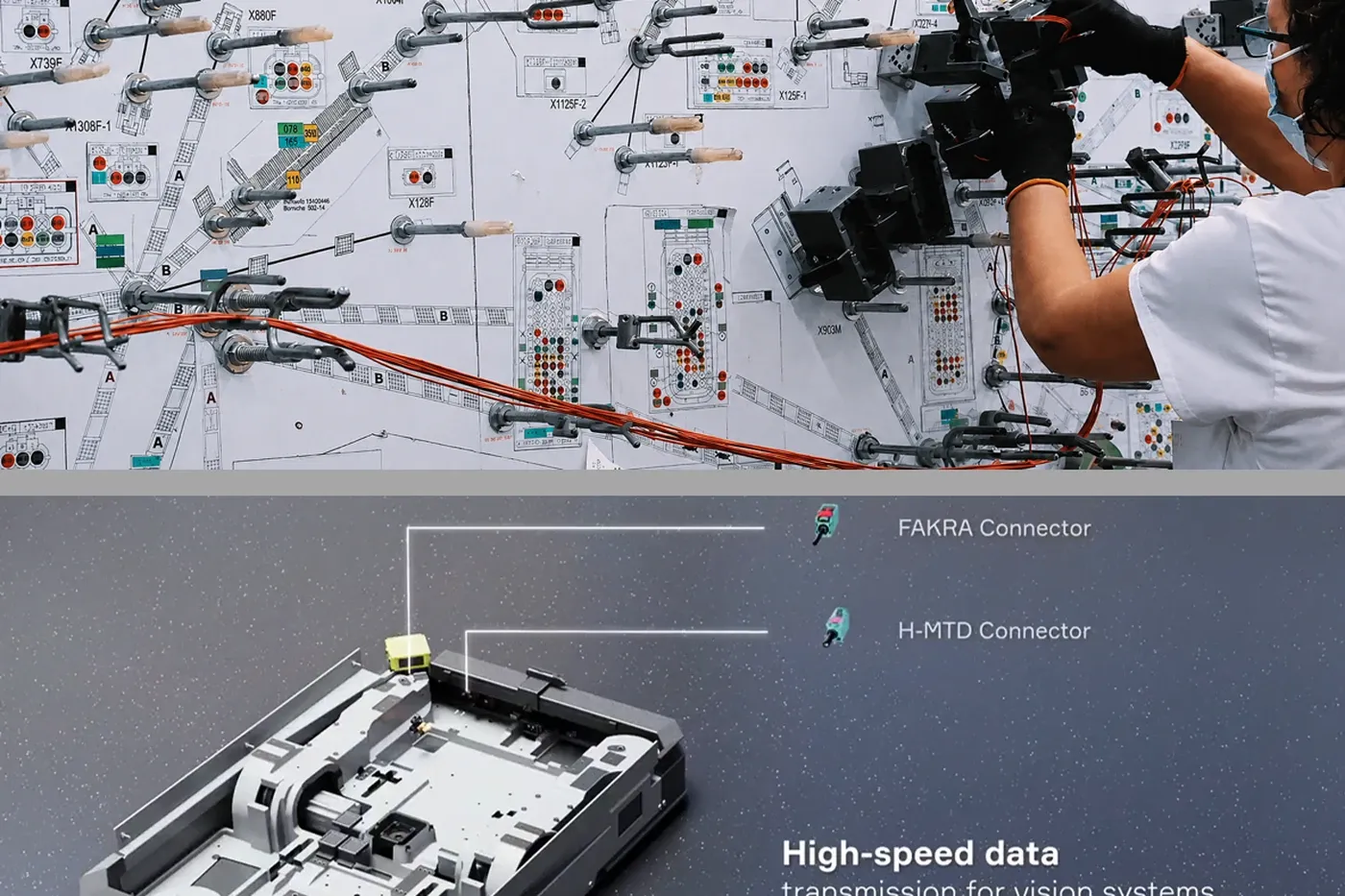
Humanoid Robot Wire Harnesses Emerge as a Critical System Technology
A RobotToday engineering deep dive into humanoid robot wire harnesses: 3D dynamic fatigue, 10-100 Gbps EMI shielding, FPC cost reduction, and global standards.
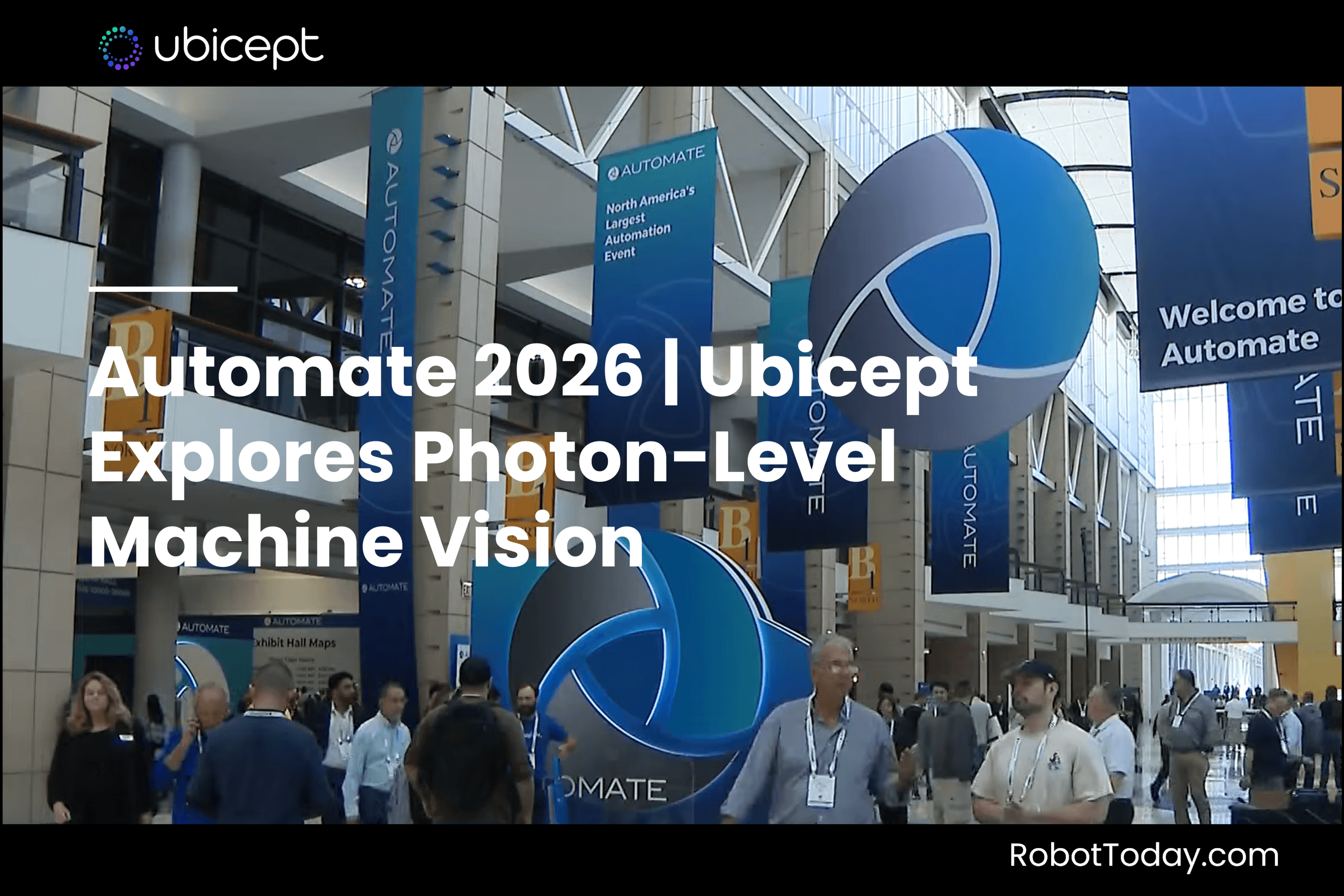
Automate 2026 | Ubicept Explores Photon-Level Machine Vision
Ubicept demonstrated single-photon SPAD imaging at Automate 2026, achieving 140 dB HDR and >10 dB SNR gains for industrial robotics edge AI.
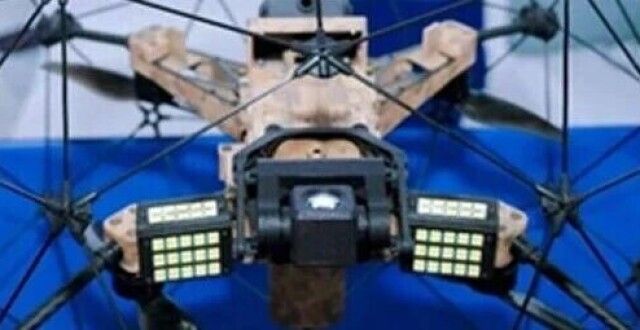
Differential Robotics, a Hangzhou-based flying robot startup, has raised hundreds of millions of RMB in a Series A1 round — bringing its total funding to over 500 million RMB across six rounds in less than two years of operation.
Differential Robotics has successfully secured hundreds of millions in its Series A1 funding round, aimed at scaling the production of its P300 autonomous flying robots. This significant investment comes as the company seeks to enhance the capabilities of its technology for use in complex environments where GPS signals and network connectivity are unreliable or unavailable. The funding will enable Differential Robotics to accelerate development and deployment of its innovative solutions, which are designed to operate effectively in challenging conditions. The announcement marks a pivotal moment for the company, highlighting the growing demand for advanced robotics in various sectors that require autonomous navigation and operation without traditional support systems.
HumanoidRobotics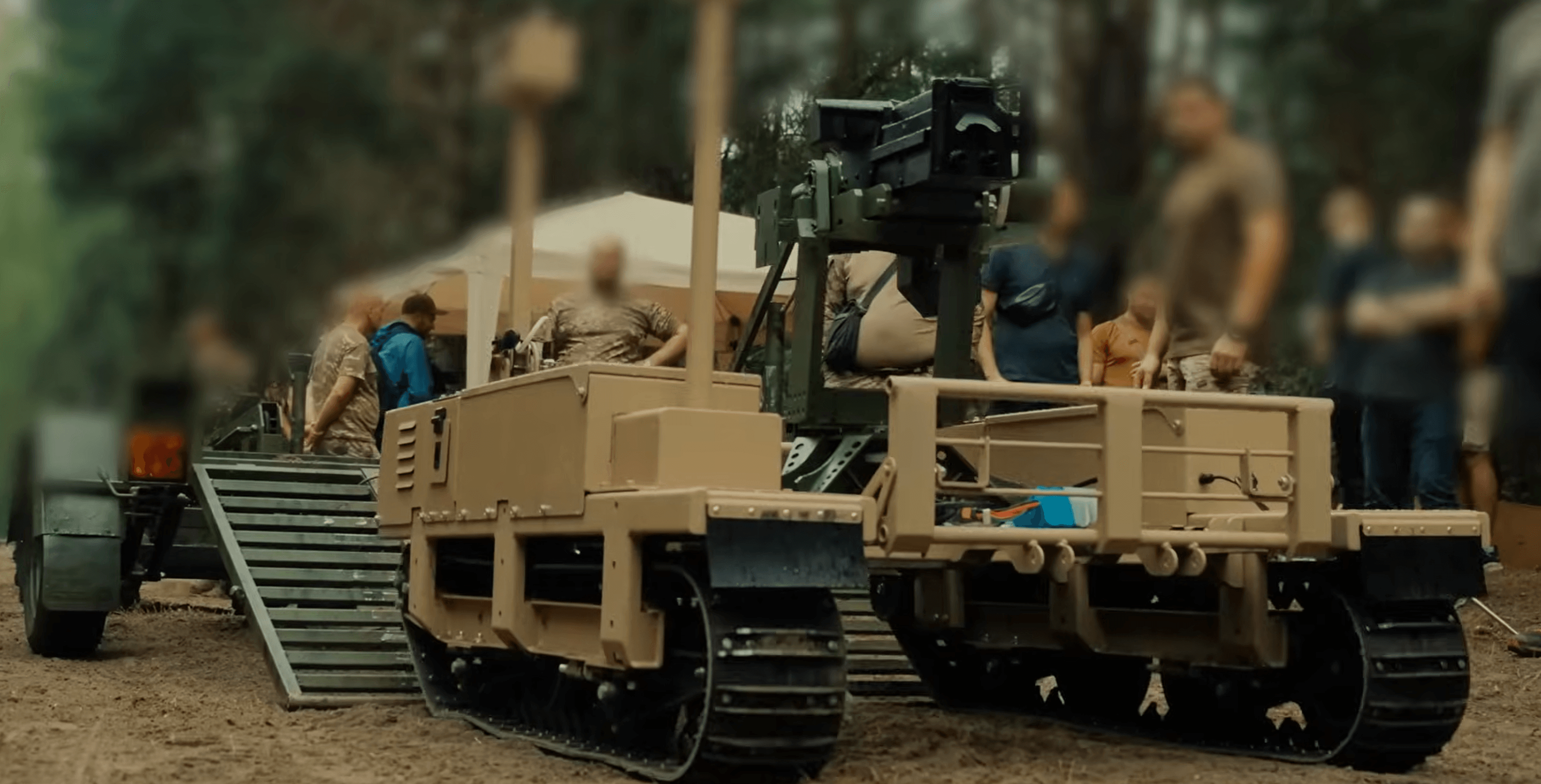
FUTURE WARFARE | Land - Unmanned Ground Vehicles — From Logistics Mules to Front-Line Robots
Ukraine fielded 15,000 unmanned ground vehicles in 2025 — surpassing its own procurement targets by over 100 percent. A single UGV held a front-line position for 45 days. Up to 90 percent of supplies to Pokrovsk now move by robot, not truck. The U.S. Army cancelled its $3 million Robotic Combat Vehicle and is starting over. China is deploying $3,000 robot dogs in PLA urban-warfare exercises. This article maps the emerging UGV battlefield — from Ukraine’s garage-built logistics fleet to the Pentagon’s stalled combat-vehicle ambitions, and from Ghost Robotics’ Vision 60 to the quadruped proliferation problem no treaty has yet addressed.
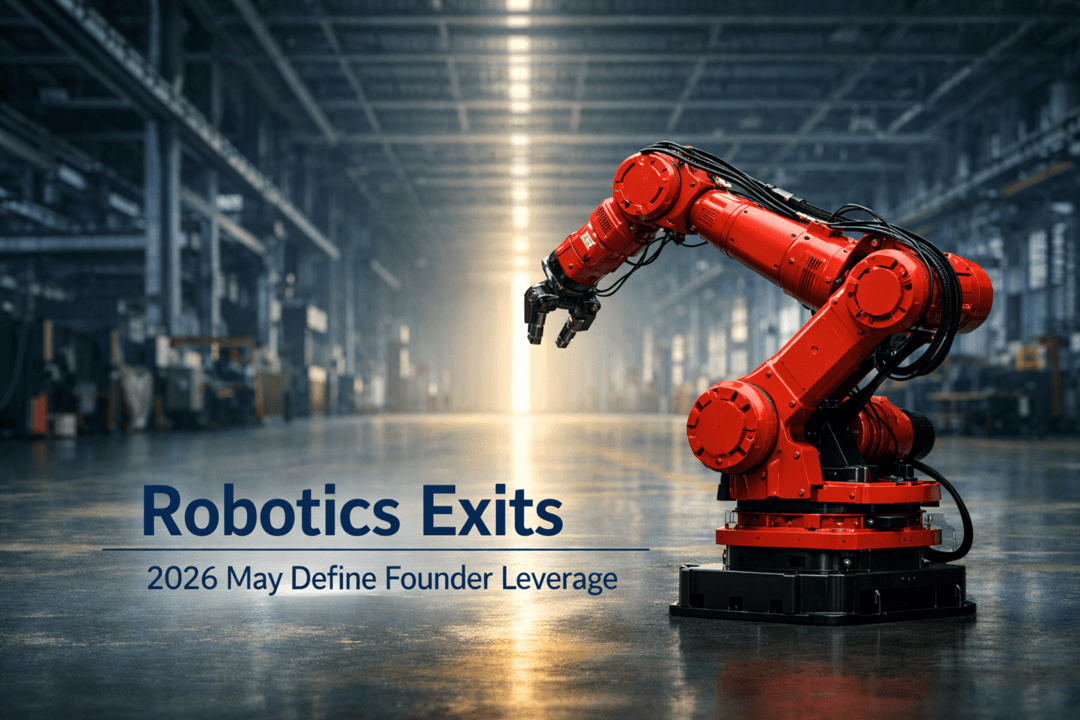
Robotics Exits: Why 2026 May Define Founder Leverage for Years
Robotics M&A is entering a critical window. Historical data from LiDAR, 3D printing, and warehouse robotics shows early exits capture premiums—late exits face distressed valuations.
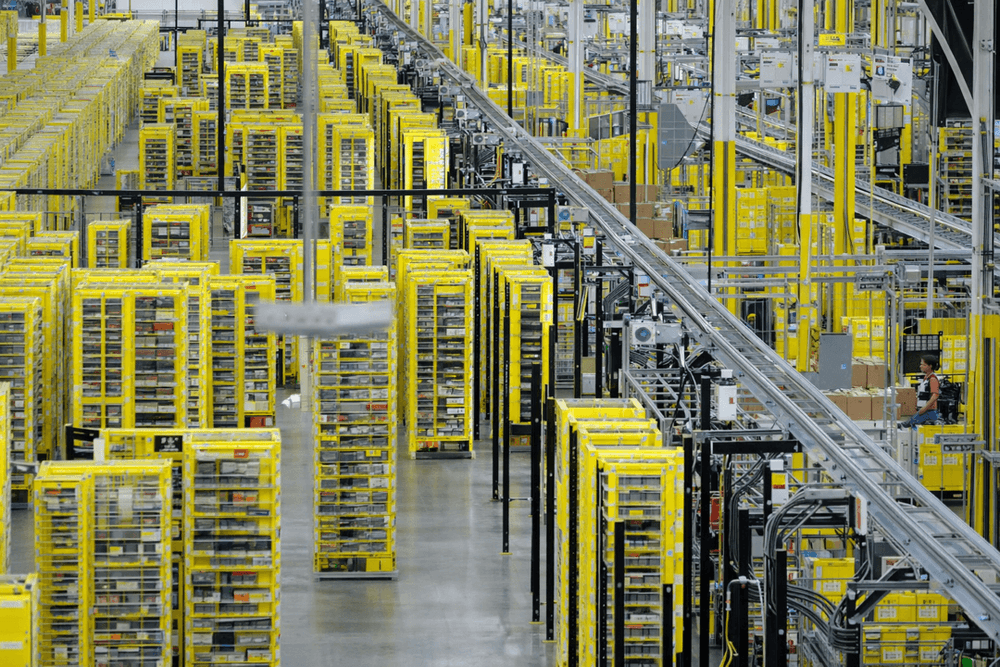
CES 2026 Exposes a Structural Divide in Humanoid Robotics
CES 2026 reveals a structural split in humanoid robotics: the U.S. leads in AI intelligence while China dominates scale, cost, and deployment—raising questions about who can truly scale.


