Maxim Integrated

Website resolved to a third-party distributor of Maxim (now part of Analog Devices) integrated circuits including power management and data conversion ICs. Maxim's components are widely used in embedded and robotic control systems.

Share
Maxim Integrated
160 Rio Robles
San Jose, California 95134
RobotToday Initiative

Robotics needs a service framework.

RSF defines a common language for robot service capability, lifecycle operations, certification pathways, and service-provider networks.

Share

Related Content

Bosch Initiates 200 mm Silicon Carbide Chip Production at California Semiconductor Plant

Bosch Initiates 200 mm Silicon Carbide Chip Production at California Semiconductor Plant

Bosch has commenced sample production of silicon carbide (SiC) semiconductor chips at its facility in Roseville, California. This marks a significant advancement in the effort to revitalize power chip manufacturing within the United States. The company has also secured up to $225 million in funding from the U.S. Department of Commerce’s CHIPS Program Office to support its investment of up to $2 billion at the site. The Roseville plant is set to begin commercial production in 2026, making it Bosch's first semiconductor manufacturing site in the U.S. The facility will produce third-generation SiC chips on 200-millimeter wafers, aligning with the U.S. government's initiative to bolster domestic semiconductor manufacturing. Silicon carbide chips are increasingly vital for applications in electric vehicles, industrial equipment, and energy systems. Looking ahead, Bosch plans to invest up to $7.5 billion across its U.S. operations by 2031, enhancing manufacturing capacity and expanding its North American business. The Roseville site currently employs over 300 individuals and is committed to workforce development through local education partnerships, with plans to contribute more than $100,000 annually to community STEM programs starting in 2026.

Innovation
AMX Launches HuRoC to Advance Social Implementation of Humanoid Robots in Ota City

AMX Launches HuRoC to Advance Social Implementation of Humanoid Robots in Ota City

AMX Corporation has established the HuRoC (Human-Robot Commons) co-creation platform aimed at exploring and creating a future where humans and robots coexist. Based in Ota City, Tokyo, HuRoC will focus on the social implementation of humanoid robots and the validation of use cases. An expo titled 'HuRoC EXPO 2026' is scheduled for July 17 at the Ota City Industrial Plaza PiO. The initiative is significant as it addresses the pressing question of how humanoid robots can be utilized in society, a topic that remains under-discussed globally. HuRoC aims to create a concrete vision for the future of humanoid robots, emphasizing their social integration rather than just the technology itself. The platform will facilitate collaboration among robot manufacturers, AI researchers, and testing environments to generate valuable AI training data through practical demonstrations. Looking ahead, HuRoC plans to incorporate additive manufacturing techniques to produce humanoid robots, thereby enhancing the manufacturing capabilities in Ota City. The expo will feature discussions on the future of humanoid robots, agricultural automation, and collaborative efforts among various stakeholders, including startups and universities. No further timeline was disclosed at the time of publication.

LG Electronics Expands Humanoid Robot Actuator Supply Chain Ahead of 2027 Goals

LG Electronics Expands Humanoid Robot Actuator Supply Chain Ahead of 2027 Goals

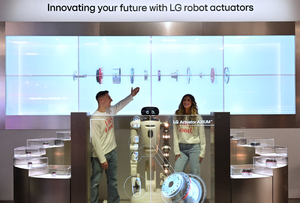
LG Electronics is enhancing its robot-actuator division by hiring for six mid-career positions, aiming to supply motorized joints for humanoid robots by 2027. Actuators, which can account for up to 60% of a humanoid's cost, are critical components in the robotics industry. This strategic move is significant as LG seeks to establish itself as a key player in the actuator supply market, which is expected to generate substantial revenue in the near term. The roles span R&D, quality management, and global sales, indicating a comprehensive approach to bringing these components to market. Looking ahead, LG plans to leverage its manufacturing capabilities, producing approximately 45 million motors annually. The company aims to first utilize its actuators in its home robot CLOiD before expanding to global partners by 2027 and entering industrial applications by 2030. No further timeline was disclosed at the time of publication.

All News
SkyDrive Conducts Successful SD-05 Flights in Yamaguchi for 2028 Tourism Initiative

SkyDrive Conducts Successful SD-05 Flights in Yamaguchi for 2028 Tourism Initiative

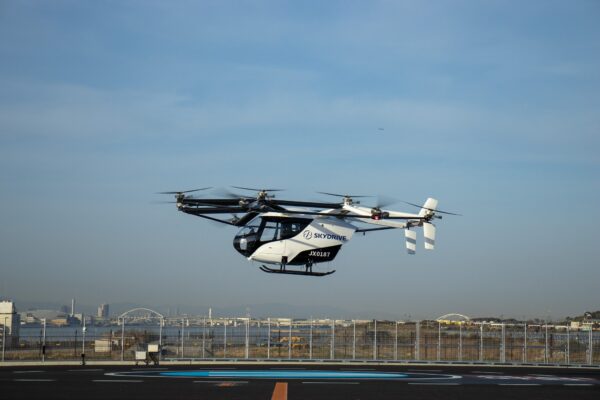
SkyDrive Inc. successfully conducted two demonstration flights of its SD-05 eVTOL aircraft in Yamaguchi Prefecture on July 13, 2026. These flights were part of a test aimed at showcasing the aircraft's potential for tourism, with a commercial launch planned for 2028. The flights simulated a scenic tour over the Seto Inland Sea, highlighting the seamless transition from ground transport to air travel. The significance of these flights lies in their demonstration of SkyDrive's commitment to urban air mobility and tourism integration. Witnessed by notable figures including Yamaguchi Prefecture's governor and the president of Suzuki Motor Corporation, the flights operated autonomously, emphasizing safety and efficiency. The successful execution of these flights marks a critical step toward the company's goal of launching commercial eVTOL services by 2028. Looking ahead, SkyDrive aims to enhance its eVTOL infrastructure further, with plans to collaborate with rail partners for integrated travel solutions. While tourism is a primary focus, the company envisions broader applications of eVTOL technology, including disaster relief and emergency medical services. No further timeline was disclosed at the time of publication.

Advanced Air Mobility Drone News Drone News Feeds Japan Drone Industry Japan Drone News News
Motorola Solutions Leads $125 Million Funding for BRINC's Emergency Drone Expansion

Motorola Solutions Leads $125 Million Funding for BRINC's Emergency Drone Expansion

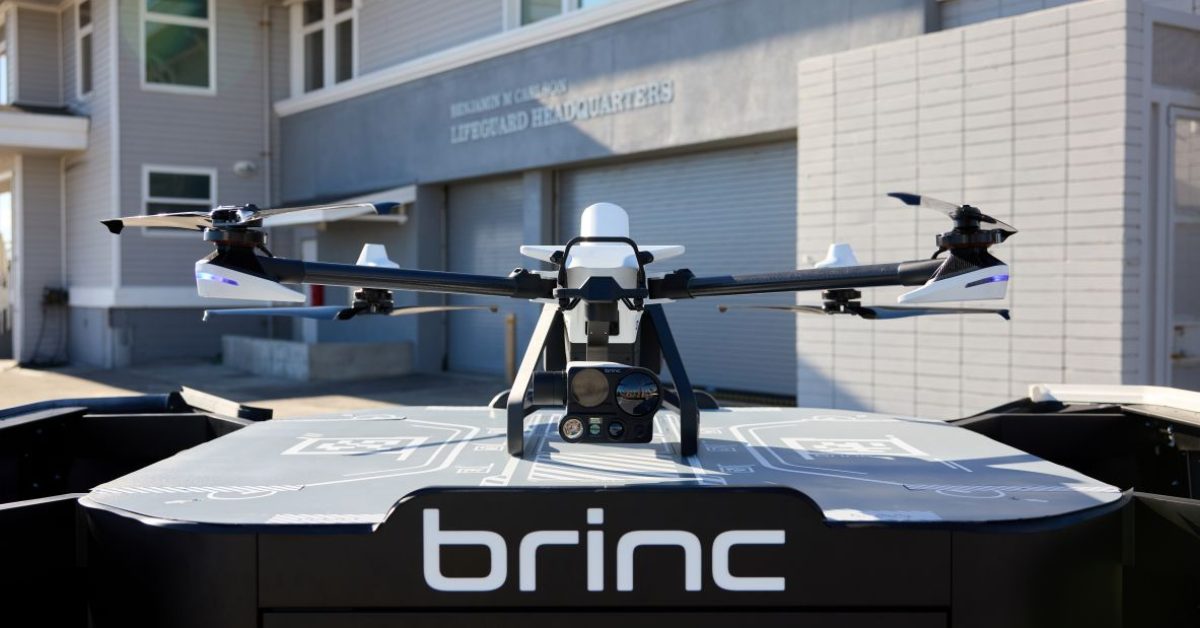
BRINC, a Seattle-based public safety drone company, has raised $125 million in a funding round led by Motorola Solutions, bringing its total funding to over $250 million. This investment will enable BRINC to expand its manufacturing capabilities and product offerings, with the goal of deploying a 911 response drone at every police and fire station in the U.S. The significance of this funding lies in BRINC's ambition to enhance emergency response times across the nation. With approximately 80,000 police and fire stations in the U.S., the deployment of drones can provide crucial situational awareness before first responders arrive, potentially saving lives and improving operational efficiency. Looking ahead, BRINC plans to move into a new manufacturing facility by the end of the year, which is three times larger than its current site. The company has already seen a surge in demand for its drones, tripling its revenue in 2025 and signing significantly more contracts for 911 response drones compared to the previous year. No further timeline was disclosed at the time of publication.

News
MIT's JARVIS Challenge Explores AI's Role in Jet Engine Engineering

MIT's JARVIS Challenge Explores AI's Role in Jet Engine Engineering

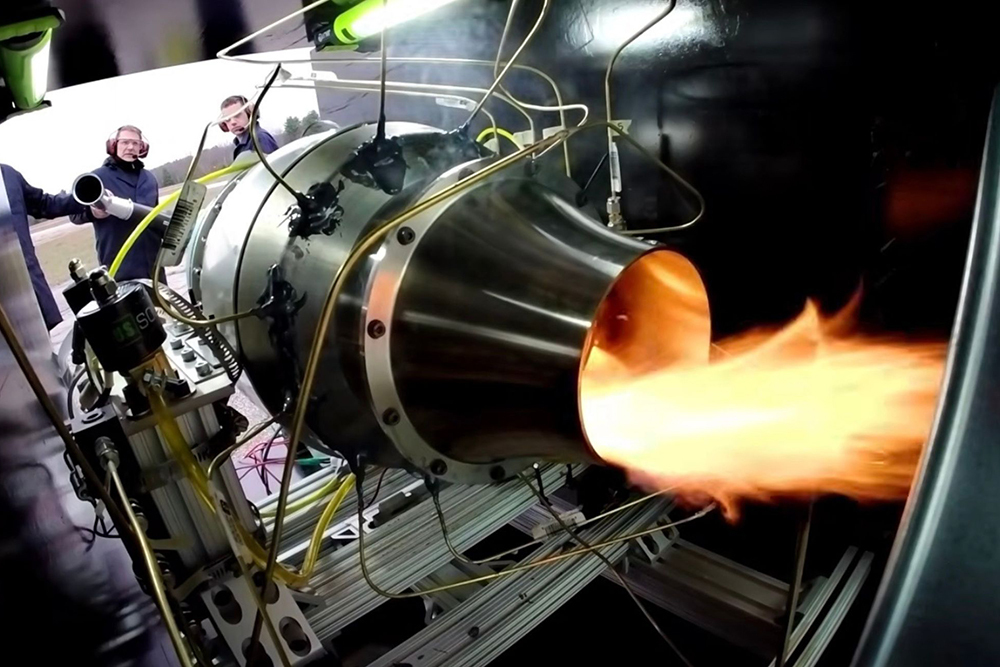
The JARVIS Challenge, held at MIT, investigated the potential of AI in designing and building jet engines. Over four weeks, undergraduate teams utilized AI tools to create a small gas turbine engine, aiming for a thrust of 50-100 pounds. Professor Zolti Spakovszky emphasized that while AI can enhance hardware engineering, human engineering judgment remains crucial. This initiative is significant as it highlights the evolving relationship between AI and engineering, particularly in safety-critical domains. With support from MIT Lincoln Laboratory and corporate sponsors like Safran and Voyager Technologies, students had unprecedented access to AI resources, fostering an environment of innovation and exploration. Looking ahead, the challenge showcased the importance of integrating AI into engineering workflows. As students learned to navigate AI's capabilities and limitations, it raises questions about the future of engineering education and the skills required in a rapidly changing technological landscape. No further timeline was disclosed at the time of publication.

Classes and programs Contests and academic competitions Students Undergraduate STEM education Artificial intelligence
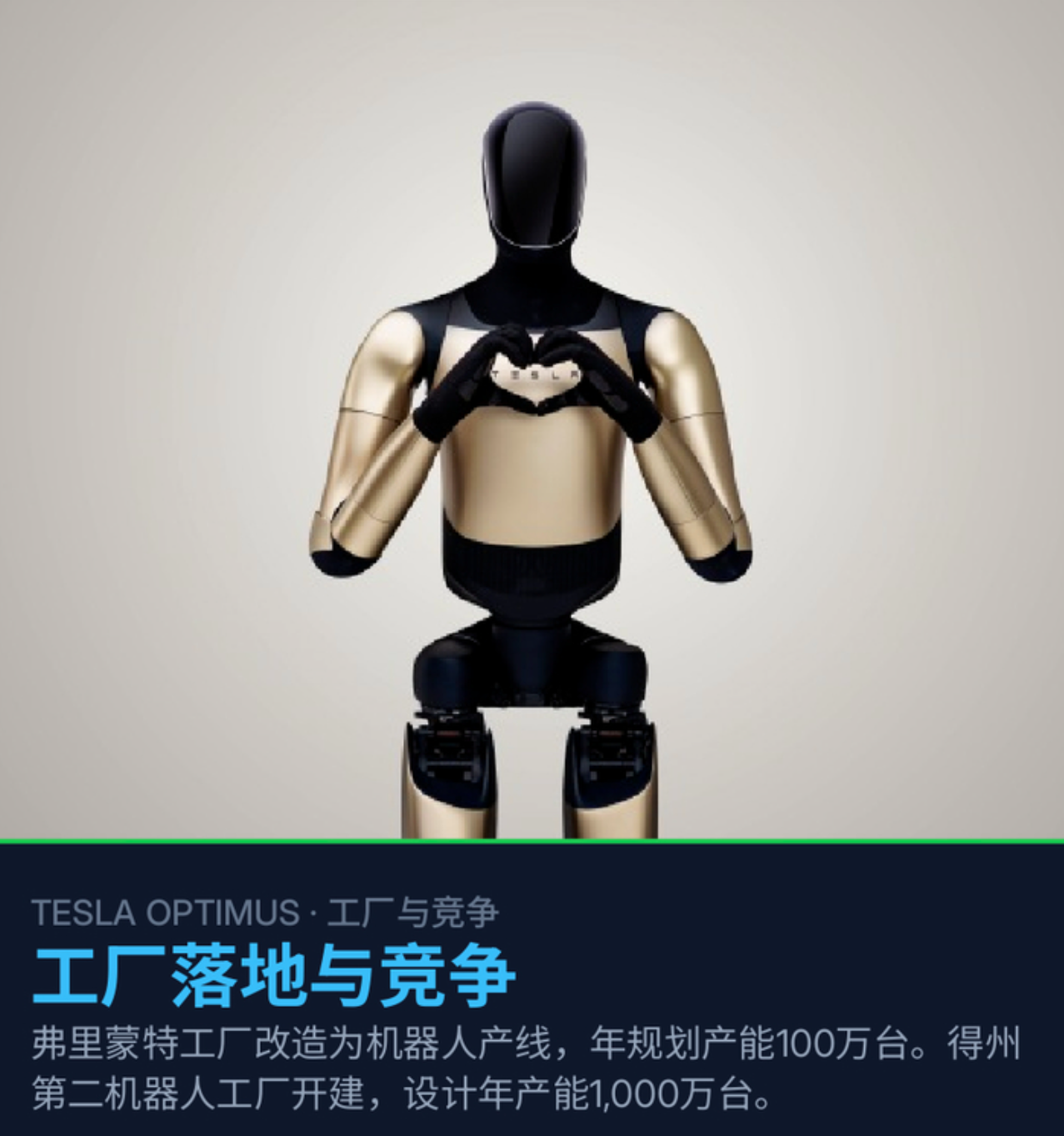
Tesla's Optimus Gen 3 Approved: Musk Aims for 100,000 Units Production Target

Tesla's Optimus Gen 3 Approved: Musk Aims for 100,000 Units Production Target

Elon Musk has officially approved the latest version of the Optimus Gen 3 robot, marking a significant milestone after over three years of development. With the production line nearing completion, Tesla has issued clear procurement guidelines to suppliers, aiming to ramp up production to 1,000 units per week by September and 2,000 to 2,500 units per week by year-end. This ambitious target of producing 100,000 units annually underscores Tesla's commitment to revolutionizing the labor landscape with robotics. The Optimus Gen 3 features a more compact design with 38 degrees of freedom and a refined dexterous hand, which has been a challenging aspect of its development. The production line is set to begin operations in late July to August, with a long-term plan for a second factory in Texas. As Tesla strives to catch up with competitors in the robotics sector, the success of the Optimus Gen 3 will depend on meeting production goals and effectively integrating the robot into various applications. The target of 100,000 units represents a critical turning point in this four-year journey, with the potential to reshape economic dynamics if realized.

Humanoid Robots AI Robotics Manufacturing Automation
Chinese Company Wins Red Dot Award for Panda-Inspired Delivery Robot Design

Chinese Company Wins Red Dot Award for Panda-Inspired Delivery Robot Design

The Shenzhen-based company, Wandachang Innovation Intelligent Co., has won the prestigious Red Dot Award for its Panda-inspired meal delivery robot, known as Xiong Da. This recognition highlights the robot's unique design that embodies Eastern aesthetics, setting it apart in a market often dominated by minimalist technology. The significance of this award lies in its affirmation of Wandachang's commitment to blending cultural heritage with advanced robotics. The Xiong Da robot features a bionic design inspired by the giant panda, integrating a SLAM positioning system and multi-sensor technology for efficient navigation in narrow spaces. This innovative approach positions the robot as not just a tool, but a companion that resonates emotionally with users. Looking ahead, Wandachang aims to expand its intelligent service system for healthcare and wellness, leveraging its award-winning design to tell the story of Chinese manufacturing on a global stage. No further timeline was disclosed at the time of publication.

Robotics Product Design Cultural Aesthetics Healthcare Technology
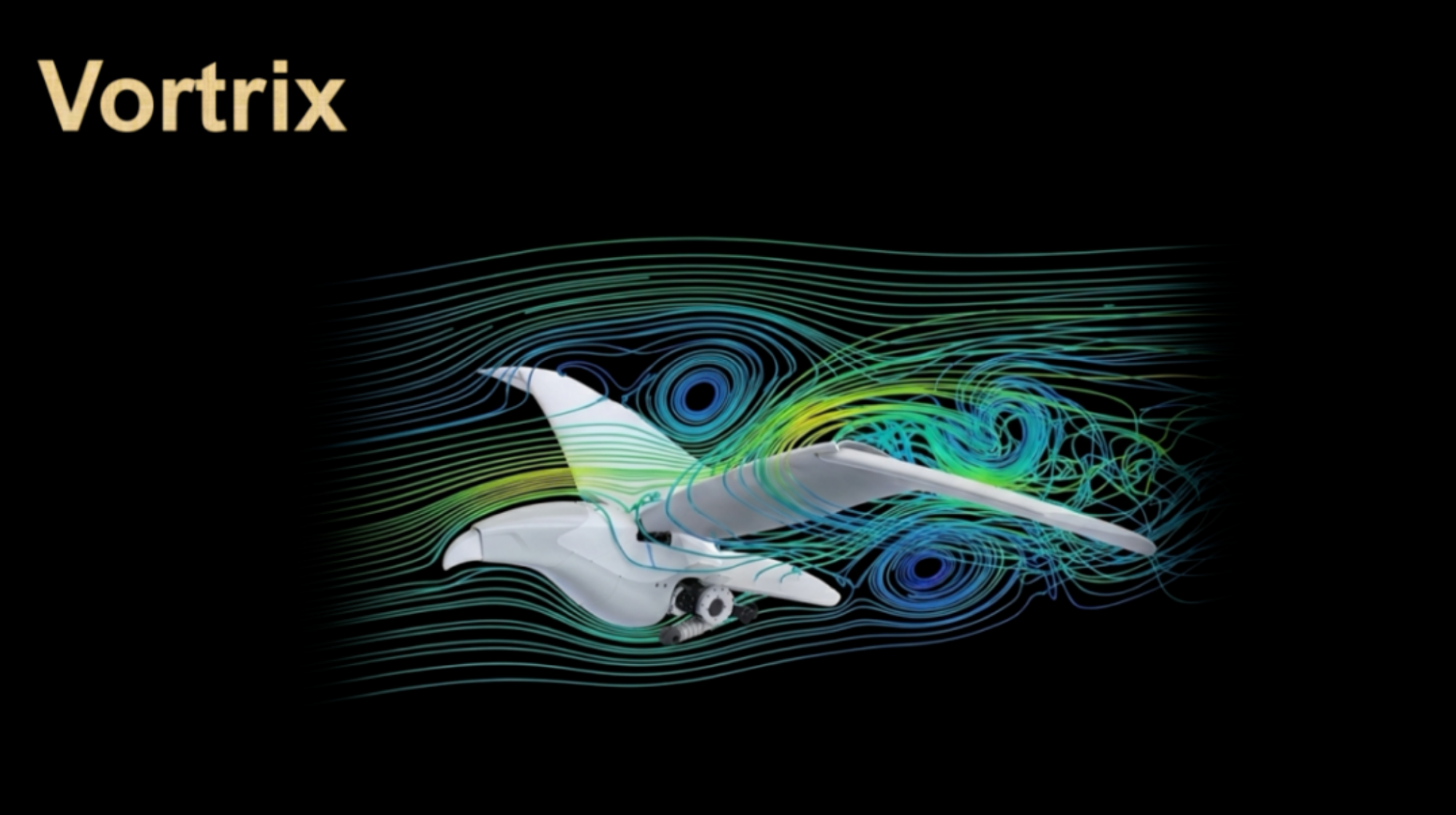
Post-00s PhD Team Secures Funding for Biomimetic Flapping Robot Development

Post-00s PhD Team Secures Funding for Biomimetic Flapping Robot Development

A team of PhD students born after 2000 has developed a biomimetic flapping robot capable of fluid navigation, announced by Eagle Eye Intelligent Wings. The company recently completed a Series A funding round, raising tens of millions of yuan, led by Yuanhe Puhua with participation from Futen Capital and Houxue Capital. This marks the third funding round for the company within three months since its establishment 15 months ago. The funding will primarily support the mass production of their first consumer product, the 'Eagle X,' and the development of the next-generation flapping robot and fluid simulation engine. Founded in March 2025 in Shenzhen, Eagle Eye Intelligent Wings is among the early companies focusing on embodied intelligent flapping robots. The core team consists of over ten members from Shanghai Jiao Tong University, all born after 2000, with notable achievements in research. The 'Eagle X' has completed over 3,000 hours of flight testing and is set to launch on Kickstarter in Q3 of this year. The next-generation product will feature approximately 15 degrees of freedom, allowing for independent wing adjustments. The Vortrix fluid simulation engine is expected to be opened for external use, enhancing training for flying robots and optimizing aerodynamics for fixed-wing aircraft and wind turbine blades. No further timeline was disclosed at the time of publication.

Biomimetic Robots AI Fluid Dynamics Robotics Drone Technology
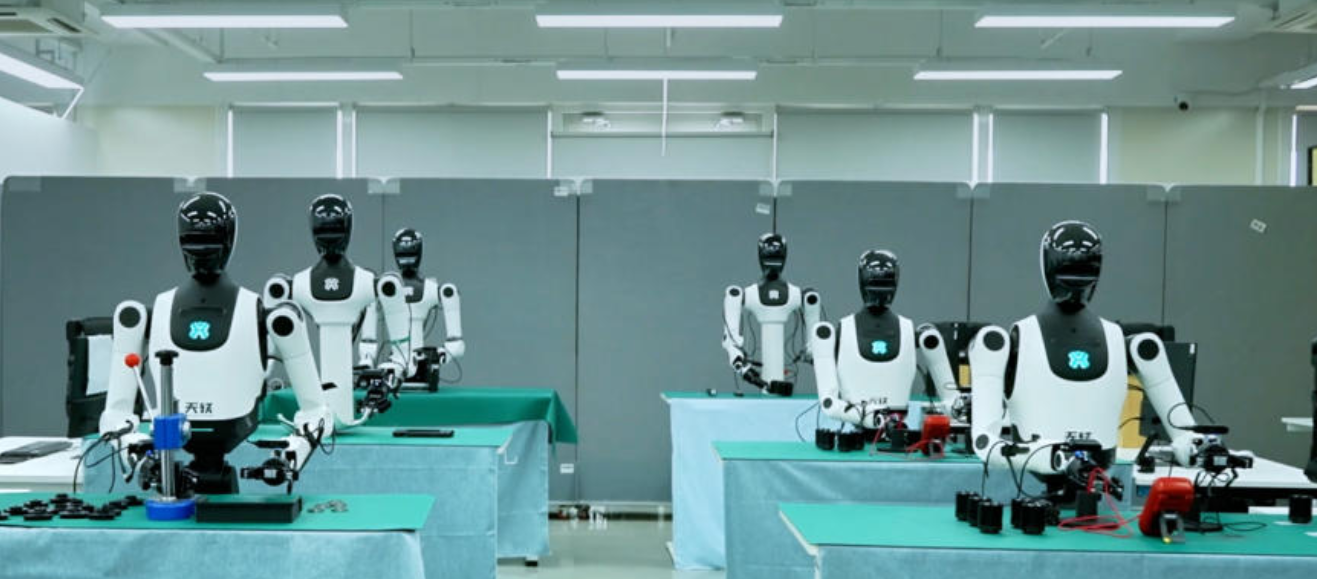
Launch of Robo-ValueRL: The First Open-Source VLA Reinforcement Learning Framework for Robotics

Launch of Robo-ValueRL: The First Open-Source VLA Reinforcement Learning Framework for Robotics

The Beijing Humanoid Robot Innovation Center and Renmin University of China's Gaoling Artificial Intelligence Institute have launched the Robo-ValueRL open-source framework. This initiative aims to enhance humanoid robots' decision-making capabilities in precision tasks, such as semiconductor assembly, by addressing challenges in data quality, control precision, and adaptability in dynamic environments. Robo-ValueRL introduces a value estimation mechanism based on historical observations, enabling robots to autonomously assess their actions. This closed-loop learning process—observation, value estimation, correction, and iteration—allows for improved accuracy and reduced instability in operations. The framework is fully open-source, providing access to core algorithms, evaluation tools, and standardized protocols for universities, research institutions, and manufacturers. The open-source nature of Robo-ValueRL significantly lowers the barriers for small and medium-sized manufacturers to implement reinforcement learning in specialized fields like semiconductor production and medical device manufacturing. This development marks a shift in humanoid robotics from laboratory experiments to practical industrial applications, paving the way for robots to evolve their decision-making capabilities independently.

Humanoid Robots Reinforcement Learning Precision Manufacturing Open Source Technology