


MetaX 沐曦
"Make the Difference. Mark the Future."
Shanghai fabless GPU maker founded 2020, listed on the STAR Market as 688802 in 2025; builds N-, C-, G-, and X-series AI and graphics accelerator chips.
Contact MetaX
WEBSITE
https://www.metax-tech.com/HEADQUARTERS
China

Company Facts
Founded
-
Primary Role
Component Supplier
Company Size
-
Primary Region
Asia-Pacific
Annual Sales
-
Funding Stage
Public
Funding Total
-
Certifications & Memberships
CASIA's Peiyan Li Brings Two VLA Papers to IROS 2026
CASIA Ph.D. candidate Peiyan Li co-authored two IROS 2026 papers on VLA models for long robot tasks. We also cover his BridgeVLA and SpatialVAM work.
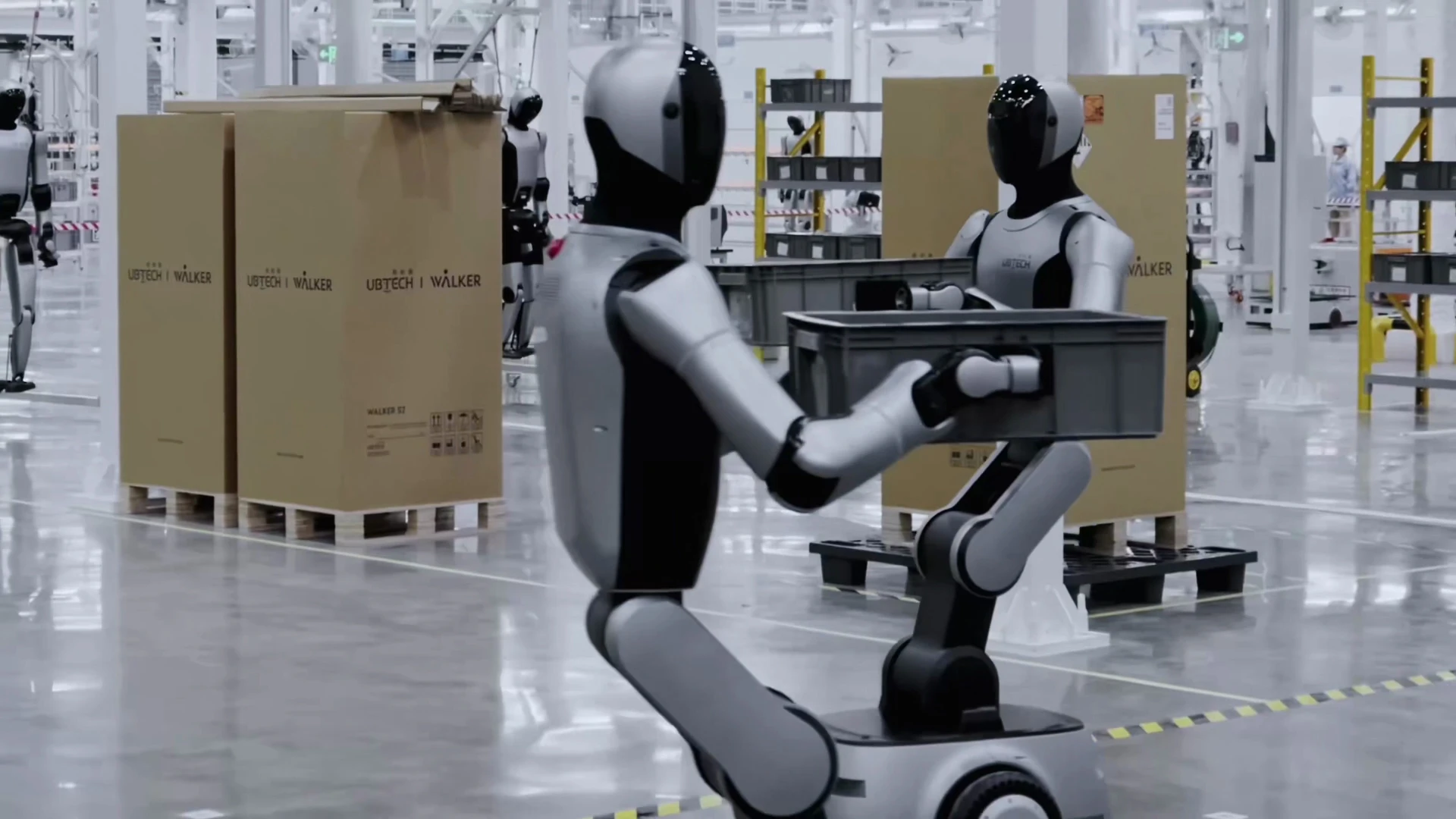
UBTECH and FAW-Volkswagen Enhance Partnership to Develop Humanoid Robots for Logistics
UBTECH and FAW-Volkswagen have announced a partnership to develop and test humanoid robot applications for logistics, building on their existing collaboration in manufacturing. This strategic cooperation, revealed on October 8, aims to create demonstration applications that promote humanoid solutions for smart manufacturing, addressing the increasing demand for personalized vehicles. The significance of this partnership lies in its potential to enhance flexibility in manufacturing processes. As automakers like FAW-Volkswagen adapt to changing consumer preferences, the integration of humanoid robots could streamline logistics operations, thereby improving efficiency and productivity on the factory floor. UBTECH's previous work with FAW-Volkswagen at the Qingdao plant, where the Walker S Lite was used for quality inspections, showcases the practical applications of their technology. Looking ahead, the partnership raises questions about the specific logistics tasks that humanoid robots will be able to perform reliably. While the agreement focuses on joint development and testing, it does not disclose details about the robot models or the facilities involved. No further timeline was disclosed at the time of publication.
China UBTECH Robotics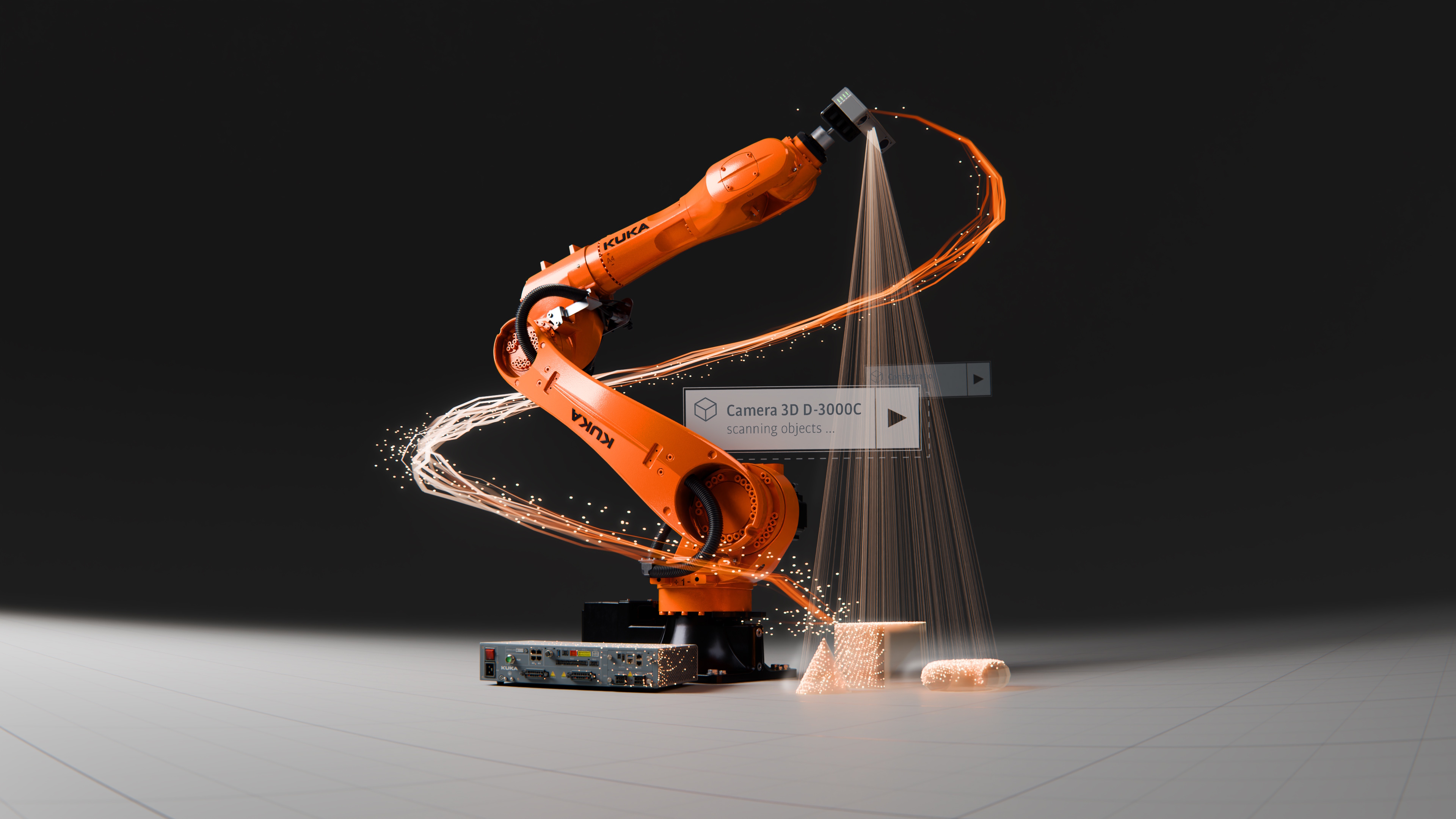
iiQKA.AI Vision Enhances Industrial Image Processing with User-Friendly Interface
iiQKA.AI Vision has introduced a standalone vision application within iiQWorks, designed to simplify industrial image processing. This application features a graphical user interface that allows users to implement vision applications efficiently, utilizing drag-and-drop functionality, pre-built templates, and guided workflows from setup to commissioning. The significance of this development lies in its ability to ensure process reliability through robust image processing capabilities, including precise 2D and 3D object recognition, automatic position determination, and gripper point calculation. The system is designed to perform reliably under varying component conditions and changing lighting, making it suitable for diverse industrial applications. Looking ahead, the seamless integration of iiQKA.AI Vision with iiQWorks and the robot controller facilitates a unified system from engineering to operation. This integration supports a consistent workflow from configuration to deployment, along with centralized management and monitoring via a web interface. No further timeline was disclosed at the time of publication.
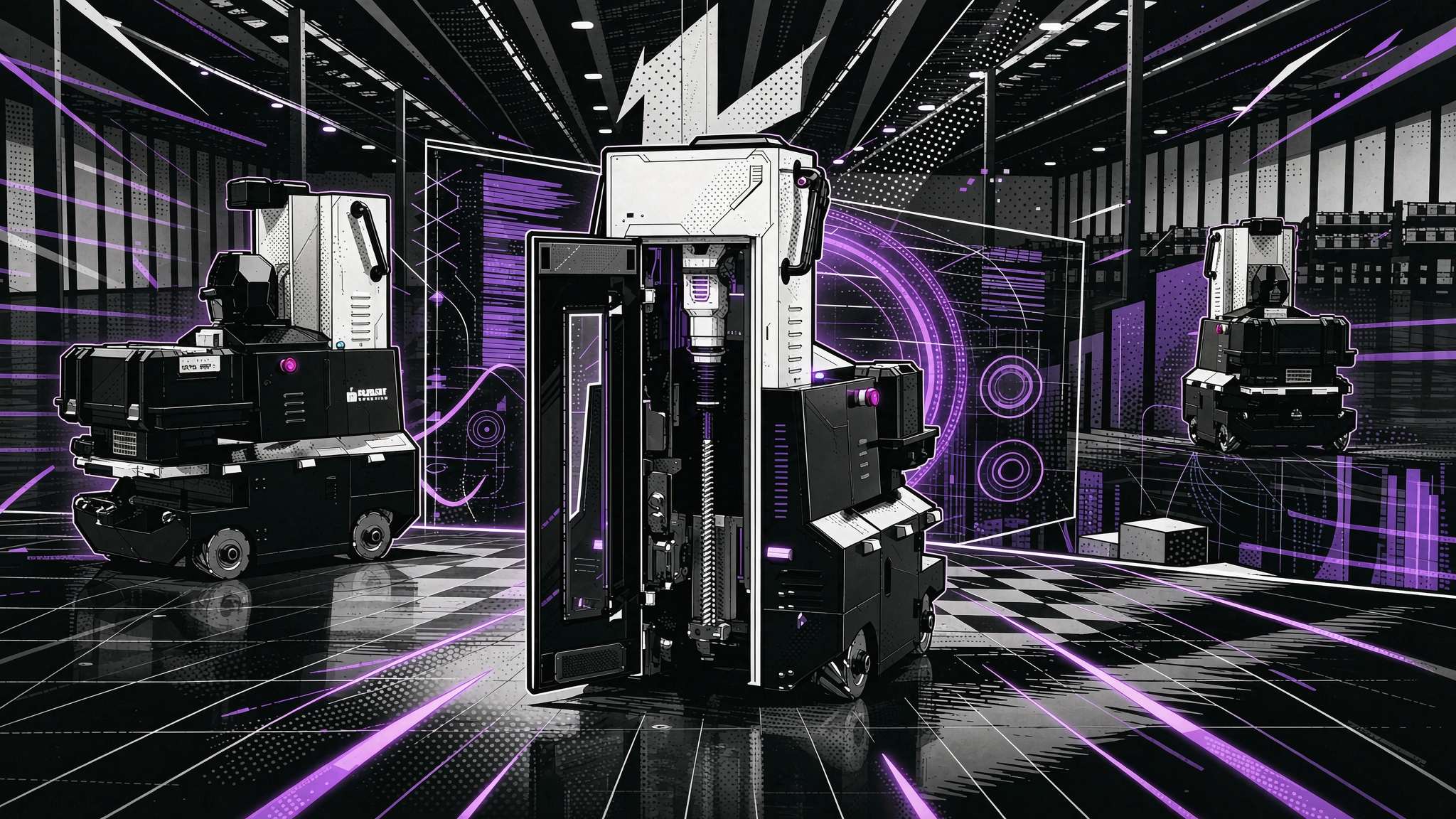
First Coordinated Drilling Robot Achieves 10x Speed and 99% Accuracy
A groundbreaking drilling robot has been developed, showcasing the ability to perform coordinated operations with a speed ten times greater than traditional methods and an accuracy rate exceeding 99%. This innovation marks a significant advancement in drilling technology, potentially transforming various industrial applications. The introduction of this robot is crucial as it addresses the limitations of conventional drilling techniques, which often suffer from slower speeds and lower precision. By enhancing operational efficiency, this technology could lead to cost savings and improved outcomes in sectors that rely on drilling processes. Looking ahead, industry stakeholders should monitor the deployment and performance of this drilling robot in real-world scenarios. No further timeline was disclosed at the time of publication.
Robotics Automation AI
Israeli Company Develops Flexible Picking Robots Targeting 95% Fruit Coverage on Trees
An Israeli company has developed innovative flexible picking robots designed to harvest up to 95% of the fruit from trees. This advancement in agricultural robotics aims to enhance efficiency in fruit picking, addressing labor shortages and increasing productivity in the sector. The significance of this technology lies in its potential to transform the fruit harvesting process, making it more efficient and less reliant on human labor. As the agricultural industry faces challenges such as labor shortages, these robots could provide a viable solution, ensuring that fruit is harvested at optimal times and reducing waste. Looking ahead, the adoption of these flexible picking robots could reshape agricultural practices, particularly in fruit production. Stakeholders in the agriculture sector should monitor developments in this technology and its implementation in various regions. No further timeline was disclosed at the time of publication.
Robotics Automation AI
OpenAI's 377 Mathematical Results Spark Demand for Expert Input in Robotics
OpenAI's recent mathematical findings, spanning number theory, complexity theory, and physics, have prompted calls for expert engagement in the robotics field. These results are part of a broader initiative that includes advancements in industrial robots, cobots, and autonomous systems, such as the DALE robot, which automates high-volume concrete drilling in data centers. The significance of these developments lies in their potential to enhance robotic capabilities, particularly through mechanical intelligence that enables 3D movement with fewer actuators. The initiative, valued at nearly $1.8 billion, aims to create predictive 'virtual cells' and improve operational efficiency in various applications, including construction and service robots. Looking ahead, the industry is poised for a shift towards greater AI autonomy, as seen in projects like Kaleido, which aims to transition from remote control to fully autonomous operations. No further timeline was disclosed at the time of publication.
AI and Robotics
The Impact of Automation on the Future of Manufacturing in the U.S.
Labor shortages and supply chain volatility are driving a significant transformation in U.S. manufacturing. Companies are now compelled to rethink their operational strategies to remain competitive in a landscape characterized by increasing demand for customized products. This shift necessitates the production of complex parts with fewer workers, shorter lead times, and enhanced flexibility. The importance of automation in this context cannot be overstated. As manufacturers face these challenges, the integration of advanced automation technologies becomes essential for achieving efficiency and meeting customer expectations. The ability to adapt to changing market demands while maintaining productivity is crucial for the survival of manufacturing enterprises in the U.S. Looking ahead, the continued evolution of automation technologies will be pivotal for manufacturers. Companies must stay abreast of advancements and consider how these innovations can be leveraged to optimize their operations. No further timeline was disclosed at the time of publication.
Robotics
Jiangxi's First Independent Humanoid Robot Brand 'Luyou' Emerges from OEM Roots
The first independent humanoid robot brand, 'Luyou,' has been established in Jiangxi, marking a significant shift from OEM production to brand creation. This development highlights the growing trend of companies in the robotics sector moving towards creating their own identities and products. The emergence of 'Luyou' is significant as it reflects the evolving landscape of the robotics industry in China, where companies are increasingly focusing on brand development rather than solely relying on original equipment manufacturing. This shift could lead to more innovation and competition in the humanoid robot market. Looking ahead, it will be important to monitor how 'Luyou' positions itself in the market and the potential impact it may have on other companies in the robotics sector. No further timeline was disclosed at the time of publication.
Robotics Automation AI
Chinese Academy of Sciences' Automation Institute Cuts Humanoid Robot Development Time to Two Weeks
The Institute of Automation of the Chinese Academy of Sciences has established a new facility designed to significantly shorten the development cycle of humanoid robots. This innovative 'big factory' has successfully reduced the time required to develop these robots from six months to just two weeks. This advancement is crucial as it enhances the efficiency of humanoid robot production, allowing for faster iterations and improvements in design and functionality. The ability to develop robots in a fraction of the time could lead to increased competitiveness in the robotics market and accelerate the adoption of humanoid robots across various sectors. Looking ahead, the impact of this facility on the robotics industry will be significant, particularly in how quickly companies can bring new humanoid robots to market. No further timeline was disclosed at the time of publication.
Robotics Automation AI
IROS 2026 by the Numbers: Papers, Countries, Topics
RobotToday analyzed all 1,933 IROS 2026 papers: acceptance fell to 36.5%, the U.S. overtook China, and VLA titles jumped from 4 to 65.
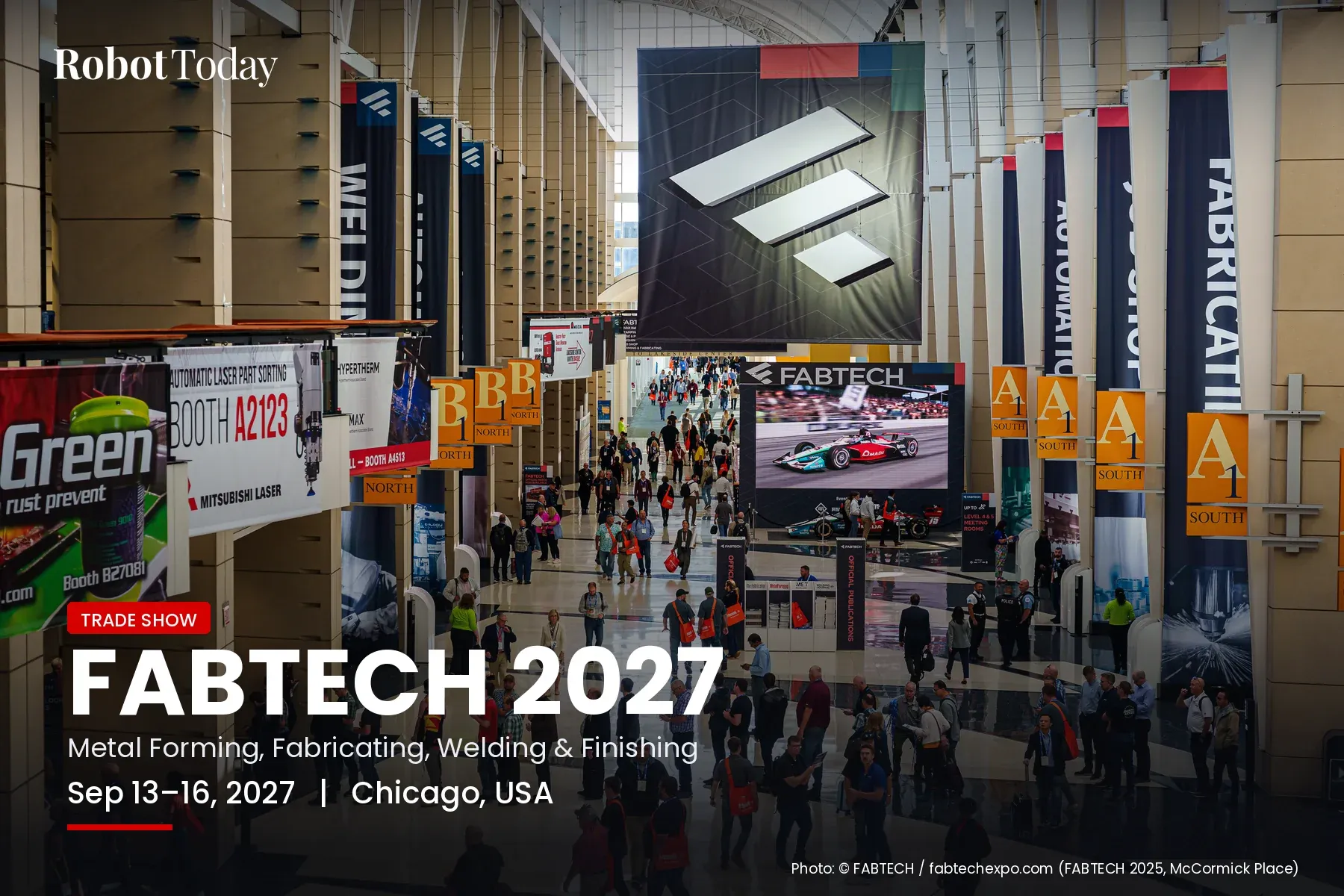
FABTECH 2027 | Sep 13–16, McCormick Place, Chicago
FABTECH 2027, Sep 13–16 at McCormick Place, Chicago: metal fabrication, welding and automation expo with robotic welding cells, AI pavilion.
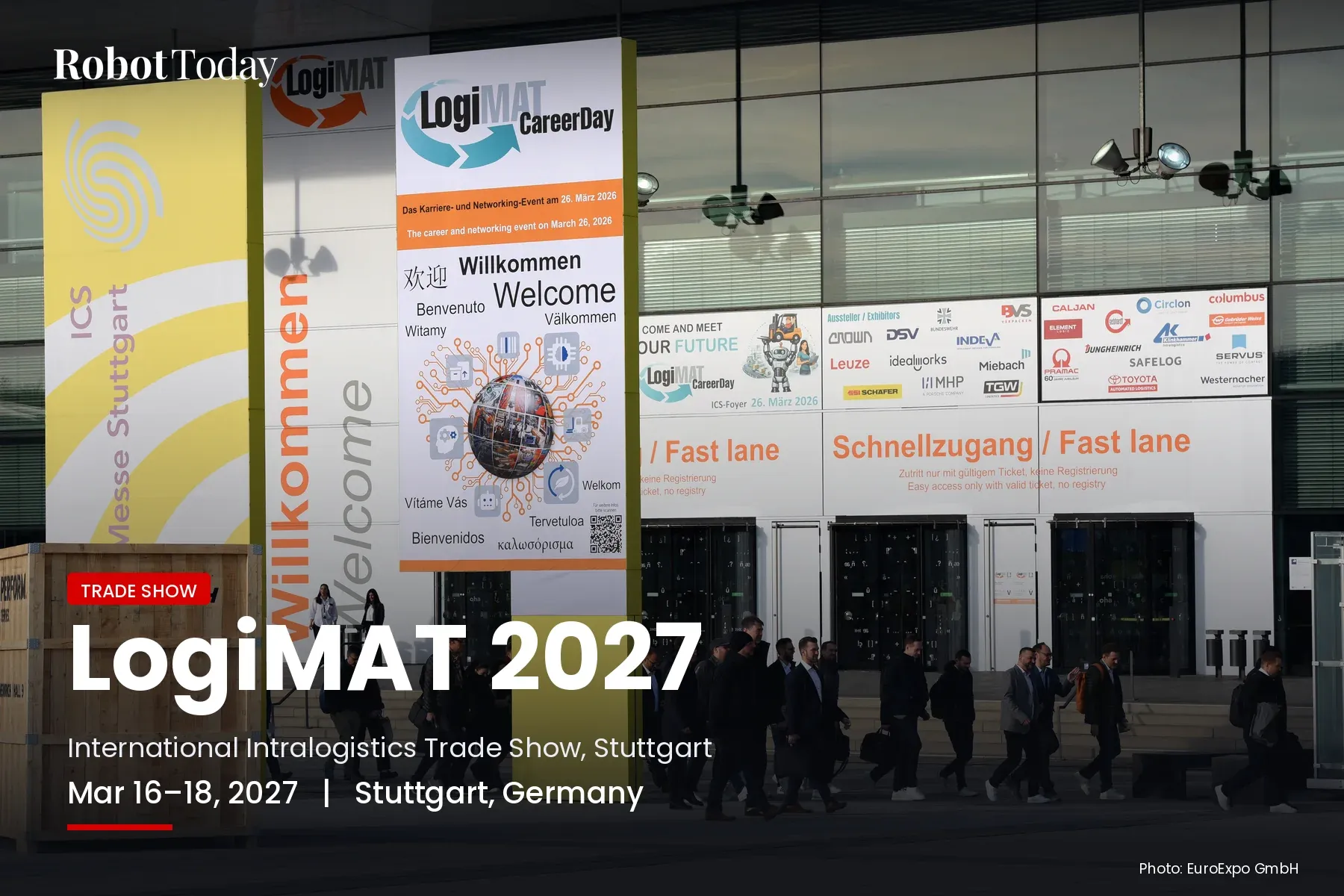
LogiMAT 2027: March 16–18, Messe Stuttgart
Meta description LogiMAT 2027 runs March 16–18 at Messe Stuttgart under the theme "MIND MEETS MACHINE", with AI, AMRs and humanoid robots in focus for intralogistics.

RobotToday Weekly September 21 – 25, 2026
Cognex buys RealSense, Qualcomm acquires PickNik, the IFR counts 5 million factory robots, AGIBOT deploys 300 robots at Chimelong, and Tekever raises $580 million.

Innovation Works Venture Expo 2026: 58 Pittsburgh Startups Pitch to Investors
58 health, deep tech and robotics startups pitched at Innovation Works Venture Expo 2026 in Pittsburgh. Full company list, program and 2025 funding data.
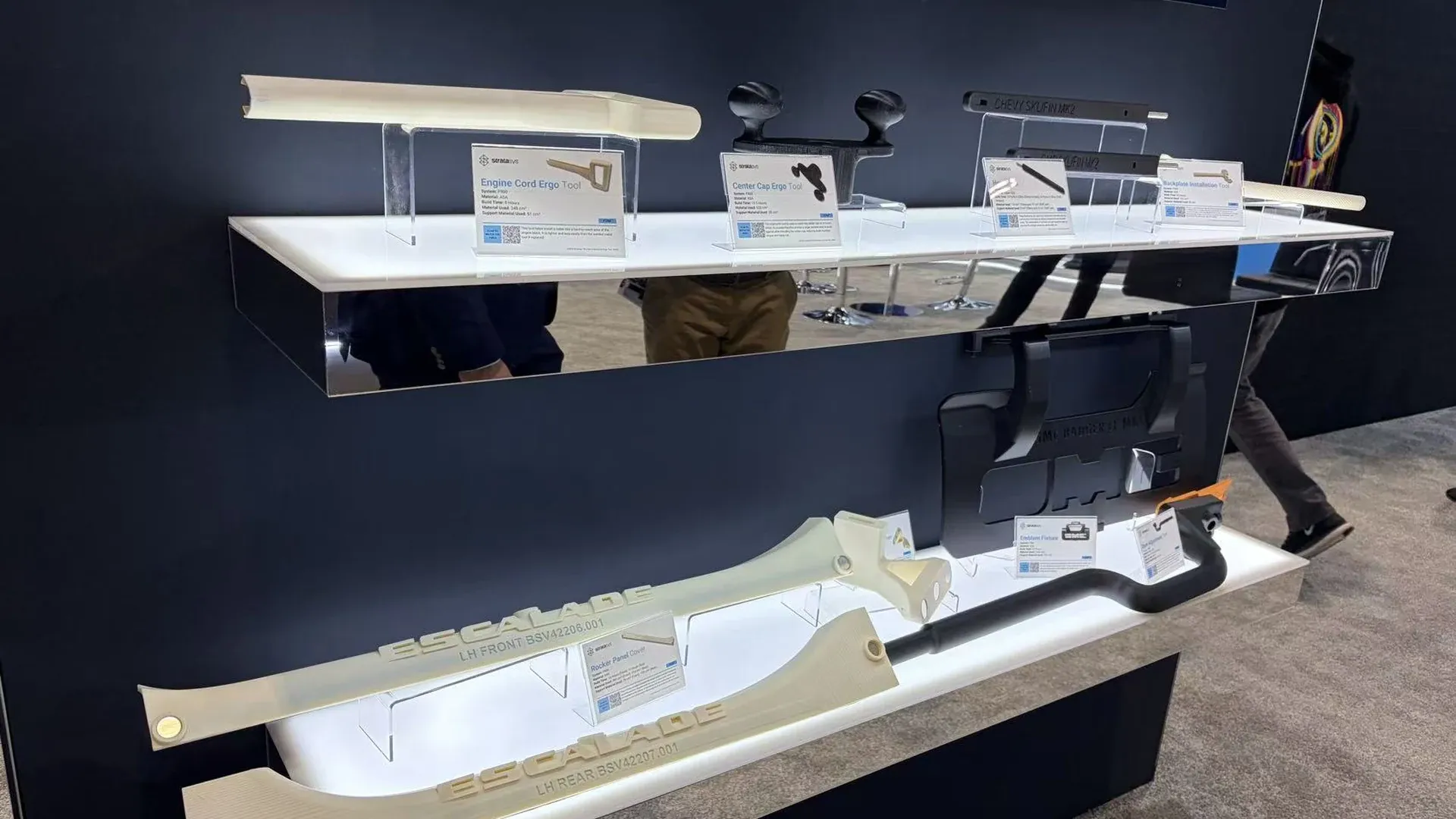
Stratasys at IMTS 2026: GM Scales Additive to 20+ Plants
Stratasys is rolling additive out across 20+ GM plants while Toyota prints robot grippers. Booth build data, the F870, and where the cost case breaks.

IMTS 2026 Preview: Record Orders and the Automation Story
IMTS 2026 opens in Chicago with 1,788 exhibitors and record H1 machine tool orders. What the USMTO data says about automation, and the booths to see.

China’s Dexterous Hand Industry, 2026 Part 3 — The Players
Five vendor archetypes, MIR’s composite top ten, eight company profiles and six field deployments — every firm linked to the RobotToday supplier directory.
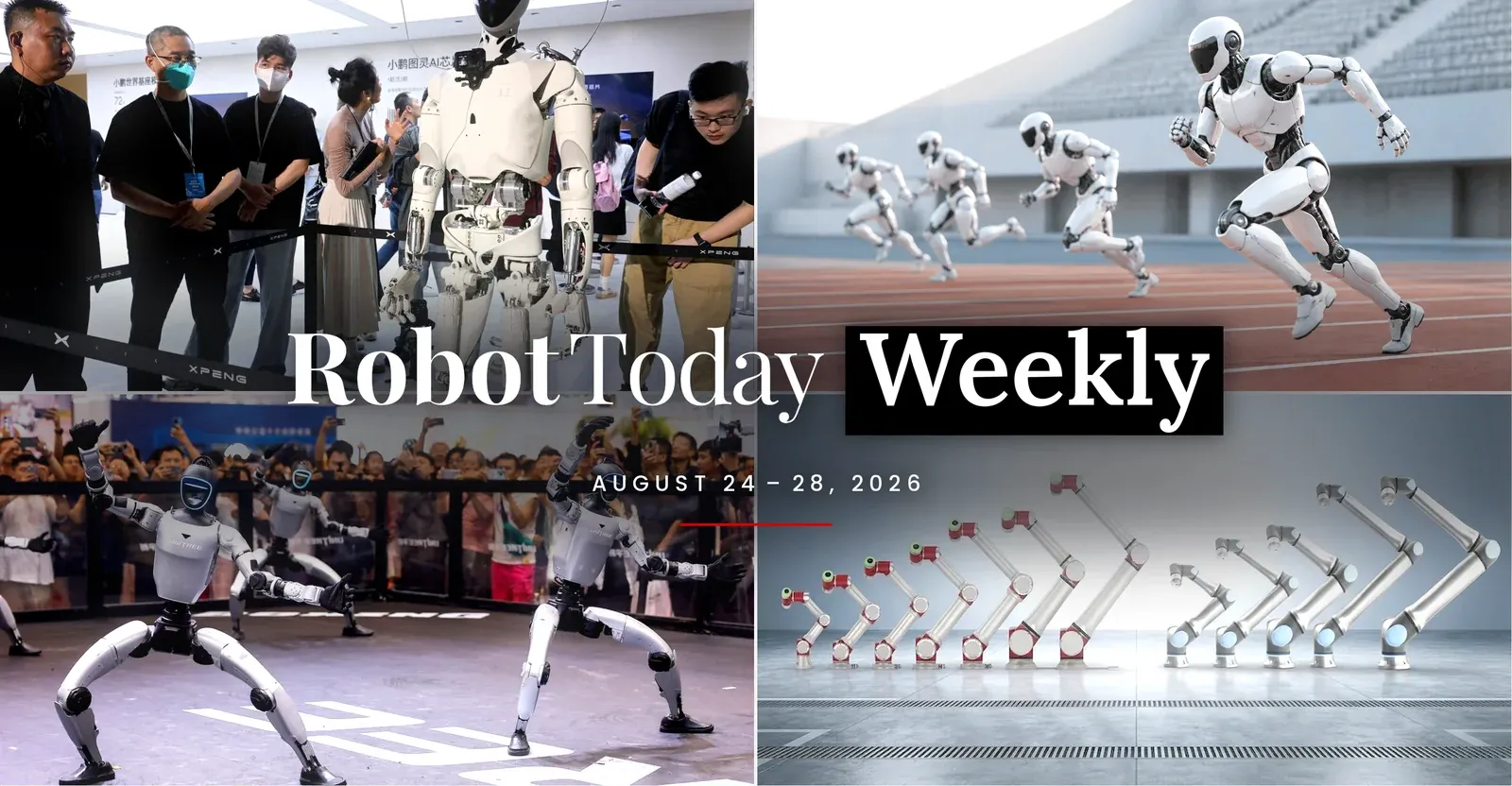
ROBOTTODAY WEEKLY BRIEFING August 24 – 28, 2026
This week in robotics: XPeng's Dogotix raises over $900 million at a $6.3 billion valuation, Unitree's post-IPO slump revives bubble talk, Beijing's World Humanoid Robot Games close with a shift to real-world tasks, and Teradyne sues JAKA at Europe's Unified Patent Court. August 24–28, 2026.
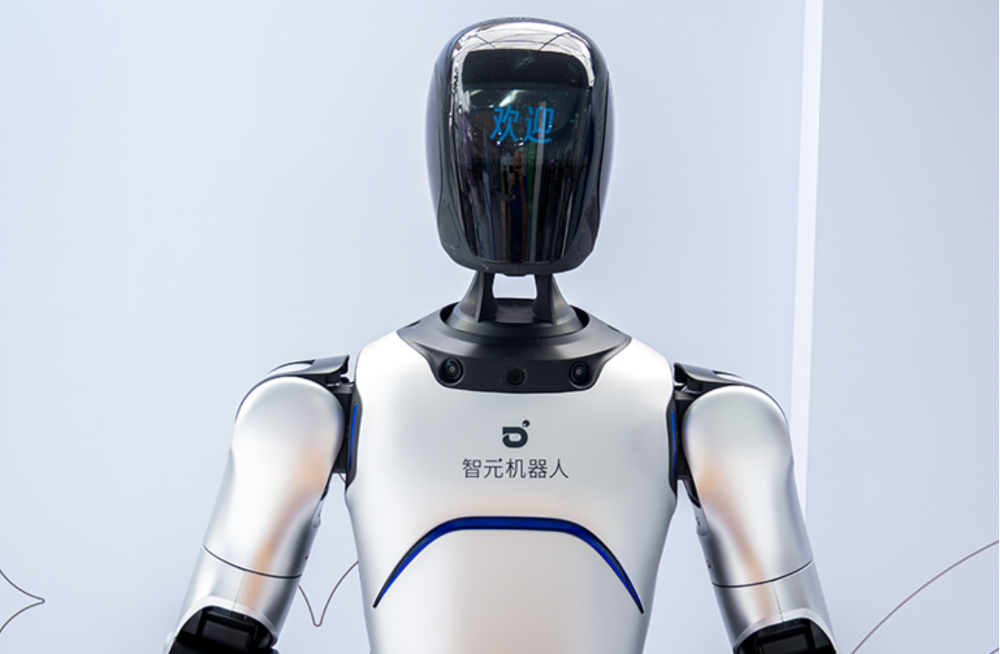
AgiBot and Others Transition to Domestic Chips Amid Rising Costs in Robotics
As Chinese robotics companies ramp up production, domestic chips are increasingly replacing Nvidia's offerings due to cost pressures. On July 22, Wang Chuang, Senior Vice President of AgiBot, revealed that the company has begun integrating domestic chips into its robots, including the 'cerebellum' for joint motion control and communication chips, collaborating with various chip manufacturers. This shift is significant as it reflects a broader trend in the industry where high costs of foreign chips, which can account for one-third of hardware procurement costs, are driving companies like AgiBot and UBTECH to seek local alternatives. UBTECH has even formed a joint venture with domestic chip maker MetaX to focus on the research and mass production of intelligent chips. Looking ahead, the transition to domestic chips is expected to reshape not only supply chains but also the entire cost structure and competitive landscape of the robotics industry. By 2025, Chinese companies are projected to dominate the global humanoid robot market, with AgiBot leading the way with approximately 5,168 units shipped.
Humanoid Robots Domestic Chips Robotics Industry AI Cost Efficiency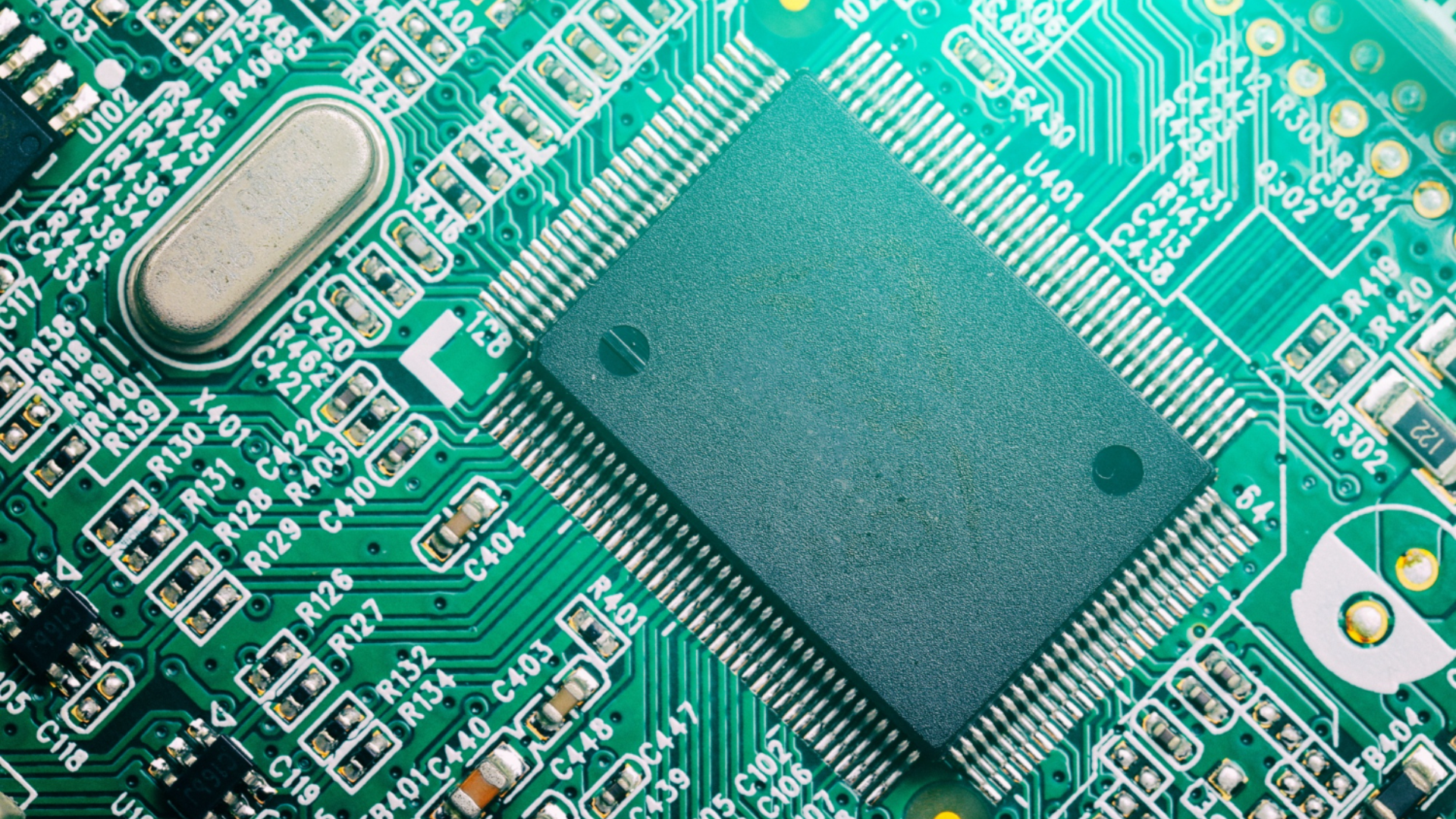
Biren Develops Next-Gen Optical Links for Enhanced AI Chip Connectivity
Biren, a Shanghai-based startup, is pioneering optical technology to connect thousands of AI accelerators into unified computing systems. As AI models grow increasingly complex, the demand for efficient interconnectivity among GPUs has intensified, with traditional copper connections reaching their limits. Biren's innovative near-packaged optics (NPO) architecture aims to support clusters of up to 1,024 AI accelerator cards, significantly enhancing computing capabilities. This advancement is crucial for AI infrastructure companies striving to meet the needs of models with trillions of parameters. Biren's approach addresses the scalability challenges faced by conventional server architectures, which typically cap at around 128 GPUs. By positioning optical fibers closer to chips, the company enhances bandwidth and data transmission efficiency, positioning itself against competitors like MetaX and Alibaba. Looking ahead, Biren is testing its NPO interconnect system while also developing an orthogonal hardware architecture in collaboration with ZTE. Although the semiconductor industry is still in the early stages of optical interconnect technology, widespread adoption is projected for around 2028, contingent on further advancements and real-world validation of these systems.
AI and Robotics

