


X-Humanoid 北京人形机器人创新中心有限公司
Beijing-based national humanoid robot innovation center founded Nov 2023, developing Embodied Tien Kung platform and Huisi Kaiwu embodied AI system.
Contact X-Humanoid
WEBSITE
https://www.x-humanoid.comHEADQUARTERS
China

Company Facts
Founded
2023
Primary Role
Manufacturer
Company Size
-
Primary Region
Asia-Pacific
Annual Sales
-
Funding Stage
-
Funding Total
-
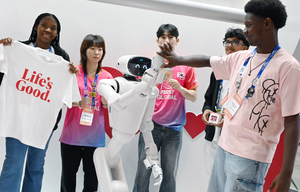
LG Electronics Showcases Robotics at 2026 First Global Challenge in Incheon
LG Electronics is actively participating in the 2026 First Global Challenge, an international youth robotics competition taking place at Songdo Convensia in Incheon. The event, which runs from Wednesday to Saturday, gathers youth teams from 185 countries to design and build robots aimed at addressing global challenges, particularly focusing on wildfire prevention and recovery due to climate change. This year's competition, themed “Igniting Innovation,” emphasizes the importance of robotics in tackling pressing issues like wildfires. LG's involvement includes sponsoring the event and showcasing its latest robotics technologies at an exhibition booth. The company also features its humanoid robot, LG CLOiD, allowing visitors to engage with the technology and learn about the innovative solutions being developed by young participants. As LG increases its investment in robotics as a key growth area, it aims to integrate physical AI into its strategy. The company recently launched LG Data Factory to enhance data management for robotics training. No further timeline was disclosed at the time of publication.
All News
IROS 2026 Category Award Finalists: All 22 Papers
From humanoid tennis to bin picking and farm robots: the 22 finalists for IROS 2026's eight category awards, and what each one means for industry.
IROS 2026 Best Paper Finalists: South Korea Leads
Ten papers made the IROS 2026 Best Paper and Best Student Paper shortlist, four from South Korea. What each one does and what it means for industry.

IROS 2026 Closing Briefing — Pittsburgh, Sep 27–Oct 1
IROS 2026 closes in Pittsburgh with 1,900+ papers and 186 exhibitor listings. Humanoids, dexterous hands, tactile sensing and robot data led the show.
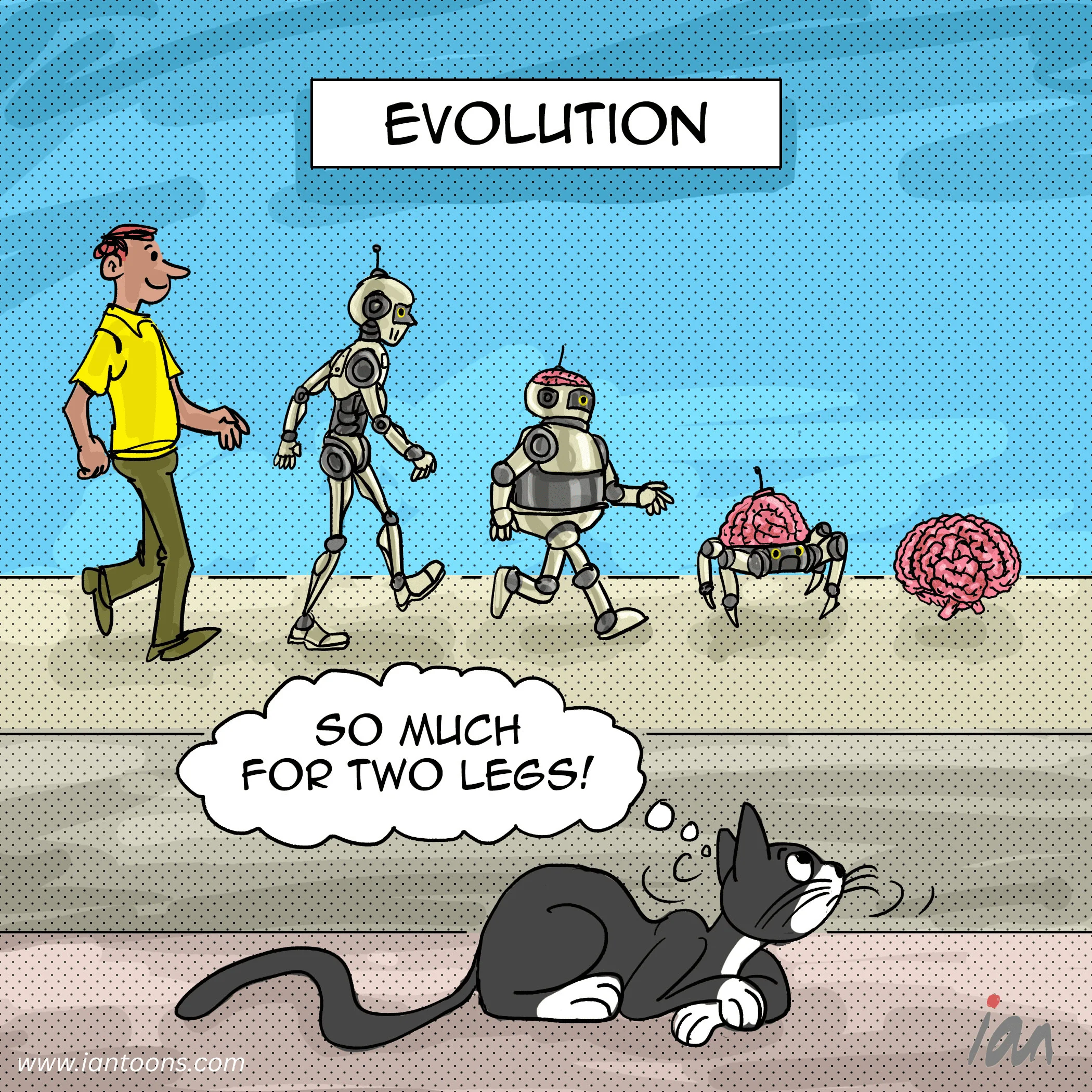
Robots Evolve: Tiangong Ultra Breaks Running Records at World Humanoid Robot Games
At the World Humanoid Robot Games in Beijing, X-Humanoid's Tiangong Ultra achieved remarkable feats, running 100 meters in 8.64 seconds and 400 meters in 38.15 seconds, surpassing human records. This evolution in robotic movement highlights the potential of first-principles learning, as Tiangong Ultra optimized its gait independently, moving away from traditional human-like motions. The significance of these advancements lies in the shift from human-centric designs to robots that can optimize their performance based on task requirements. As Tiangong Ultra demonstrated, robots can learn and adapt in ways that challenge our assumptions about their form and function. This evolution suggests a future where robots may not resemble humans but are better suited for their specific tasks. Looking ahead, the implications of Tiangong Ultra's performance could influence the design and development of future robots. The focus may shift towards creating machines that prioritize efficiency and effectiveness over human-like characteristics. No further timeline was disclosed at the time of publication.
Physical AI AI comic robots Tech Comic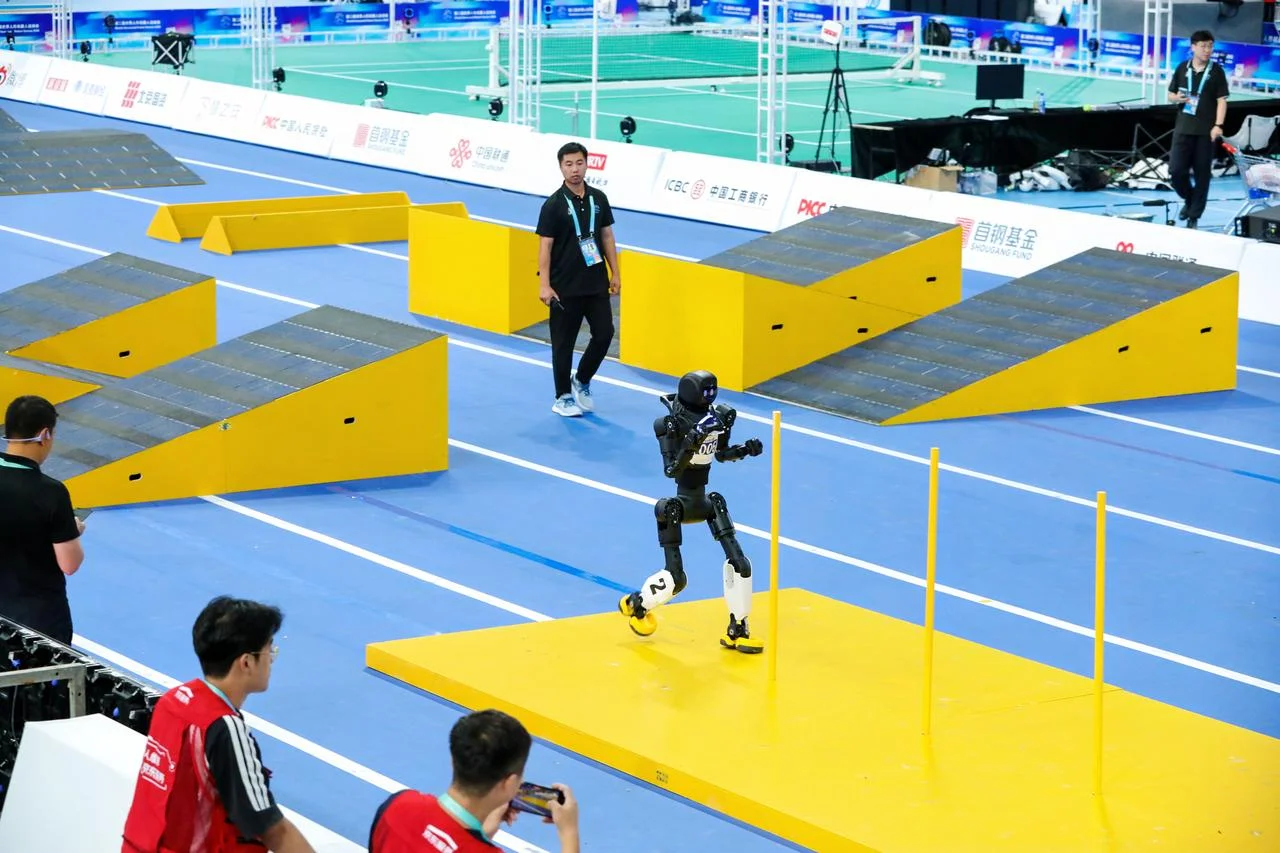
AGIBOT Dominates Medal Table at 2nd World Humanoid Robot Games in Beijing
The 2nd World Humanoid Robot Games concluded at Beijing's National Speed Skating Oval, with Shanghai-based AGIBOT emerging as the top competitor. AGIBOT secured the highest position on the medal table, amassing a total of 46 medals, including 18 gold, 16 silver, and 12 bronze, narrowly surpassing TianGong Robotics, which earned 45 medals. AGIBOT's success was attributed to its diverse performance across various categories, particularly in dexterous manipulation, where its OmniHand excelled, winning seven gold medals. The company also showcased its motion-control capabilities, with the X2 platform winning gold in the 100-meter obstacle race and the G2 platform achieving five gold medals in scenario-based challenges, emphasizing the importance of multi-domain competence in humanoid robotics. The competition highlighted a significant shift in the humanoid robotics industry, with AGIBOT's strategy of utilizing commercial units from mass production lines demonstrating real-world applicability. As the industry evolves, the contrasting approaches of AGIBOT and TianGong Robotics underscore the growing importance of both athletic performance and versatile task execution in humanoid robotics.
AGILINK Beijing Humanoid Robot Innovation Center China AGIBOT UBTECH Robotics WHRG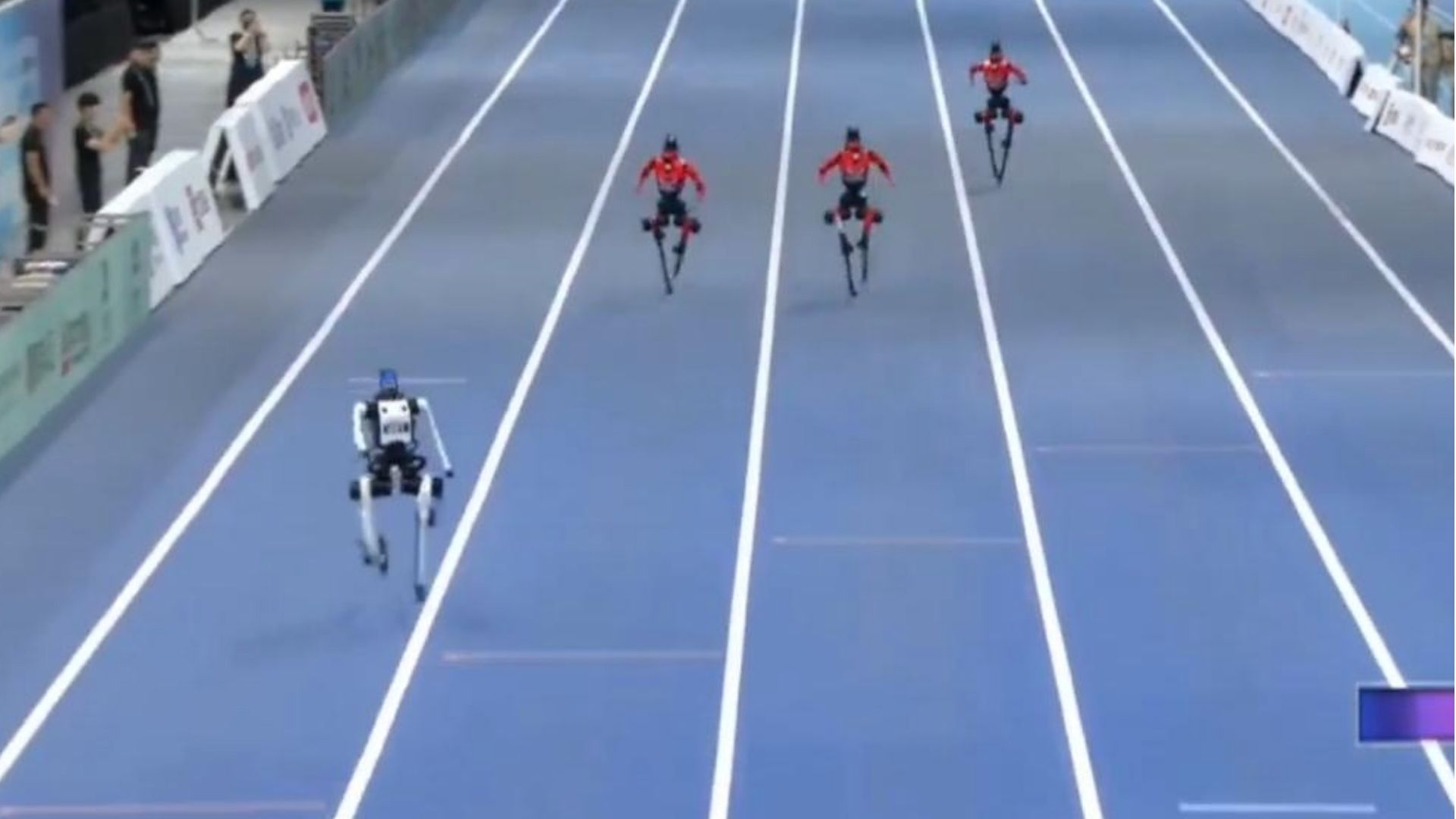
Tiangong Ultra Sets New 100-Meter Record at World Humanoid Robot Games
At the 2nd World Humanoid Robot Games, the humanoid robot Tiangong Ultra, developed by X-Humanoid in Beijing, completed a 100-meter race in 8.64 seconds, establishing a new record for the event. This performance was nearly one second faster than Usain Bolt's human world record of 9.58 seconds, although direct comparisons between robot and human times are not applicable. The achievement is significant as it demonstrates the rapid advancements in humanoid locomotion, with Tiangong Ultra improving its own previous record of 8.86 seconds set earlier in the competition. This year's event showcased substantial progress compared to the inaugural games, where the fastest time exceeded 12 seconds, indicating a year of remarkable development in robotic sprinting capabilities. Looking ahead, Tiangong Ultra's performance raises expectations for future competitions and advancements in humanoid robotics. The robot's closest competitor, Lightning, also made headlines with its own record-breaking feats, including a half-marathon completion time of 50 minutes and 26 seconds. No further timeline was disclosed at the time of publication.
AI and Robotics
Humanoid Robots Break Usain Bolt's Record at 2nd World Humanoid Robot Games
At the 2nd World Humanoid Robot Games held in Beijing, humanoid robots surpassed Usain Bolt's 9.58-second world record in the 100-meter dash. The Tiangong Ultra, developed by the Beijing Innovation Center of Humanoid Robotics (X-Humanoid), achieved times between 9.32 and 9.39 seconds, showcasing significant advancements in robotic speed and performance. This event highlights the rapid progress in dynamic locomotion control, with robots previously completing the same sprint in approximately 21.50 seconds just a few years prior. The ability to break such records reflects advancements in torque delivery, reinforcement learning, and joint thermal management, although challenges remain in controlled braking and stability at high speeds. As the robotics community analyzes these achievements, attention will be on how these developments impact future applications in industrial and commercial settings. No further timeline was disclosed at the time of publication.
TianGong Robotics Honor China World Robot Contest X-Humanoid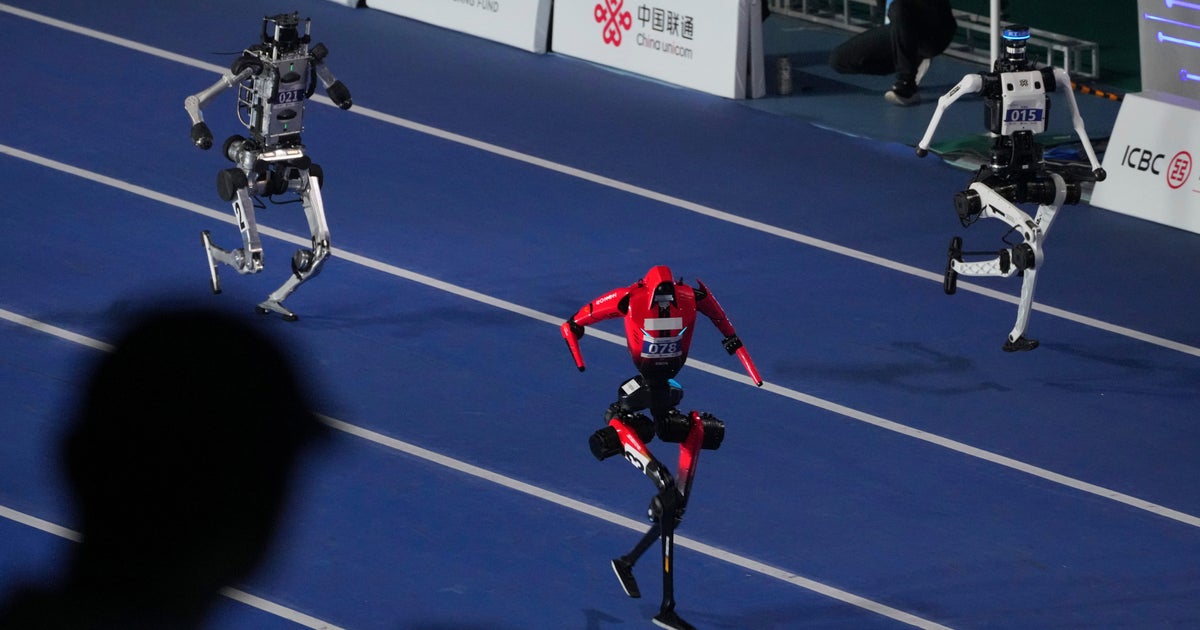
X-Humanoid's Robot Breaks Usain Bolt's 100-Meter Sprint Record in Beijing
At the World Humanoid Robot Games in Beijing, China's X-Humanoid showcased a humanoid robot that completed a 100-meter sprint in 9.39 seconds, surpassing Usain Bolt's previous record of 9.58 seconds set in 2009. This achievement highlights the advancements in robotics and the competitive spirit of the event, which featured over 2,000 humanoid robots. The significance of this milestone lies in China's growing leadership in humanoid robot development, as the event aims to demonstrate the country's rapid technological progress. The successful sprint and high jump records, alongside the participation of numerous robots, underscore the potential of robotics in various applications, despite some failures during the competitions. Looking ahead, the event reflects China's ambition in robotics, but experts caution that while impressive, the technology is still primarily used for demonstrations. No further timeline was disclosed at the time of publication.
WAIC Review 2/4: World Models vs. VLA: Robotics' Next 'ChatGPT Moment'
At WAIC 2026, world-model and VLA camps staked rival paths to generalist robots; Zhiyuan, SenseTime and NVIDIA predict a robot 'ChatGPT moment' in 2-5 years.

ROBOTTODAY Weekly July 6 – 10, 2026
This week in robotics: AI² Robotics raises $735M for wheeled humanoids, Unitree G1 performs first live surgery, Dexmal launches DexOS platform, Agility Robotics announces SPAC, and Ondas acquires DZYNE for $875.8M. July 6–10, 2026.

Physical AI Landscape: From Digital Intelligence to the Embodied Physical World
A comprehensive industry analysis of Physical AI — covering Embodied AI, Field AI, Factory AI, VLM, World Model, VLA, and the VLA vs WAM architecture debate. Includes 20+ companies, 28 references, and the RobotToday Physical AI Landscape diagram. July 2026.

LingBot-VLA 2.0: Open-Source Universal Brain for Robots
Robbyant open-sources LingBot-VLA 2.0, a vision-language-action model trained on 60,000 hours of data for cross-morphology, whole-body robot control.

ROBOTTODAY Weekly June 30 – July 4, 2026
Unitree wins CSRC approval for China’s first humanoid IPO, Korea unveils ₩312T AI investment, RoboCup 2026 opens in Incheon, and Paris launches Europe’s inaugural Physical AI summit.
When a Materials Giant Meets Robotics: Covestro at Automate 2026
At Automate 2026, Covestro brought Makrolon, Bayblend, Baysafe BEF and Vulkollan to robotics — tackling weight, heat, sensing and sustainability for humanoids and AGV/AMRs.

ROBOTTODAY Weekly June 23 – 27, 2026
This week in robotics: Agility Robotics $2.5B SPAC deal for first humanoid IPO, BMW Figure 03 logistics deployment, Morgan Stanley doubles China humanoid forecast, ON Semiconductor acquires Synaptics for $7B, Sony halts aibo in Japan. June 23–27, 2026.
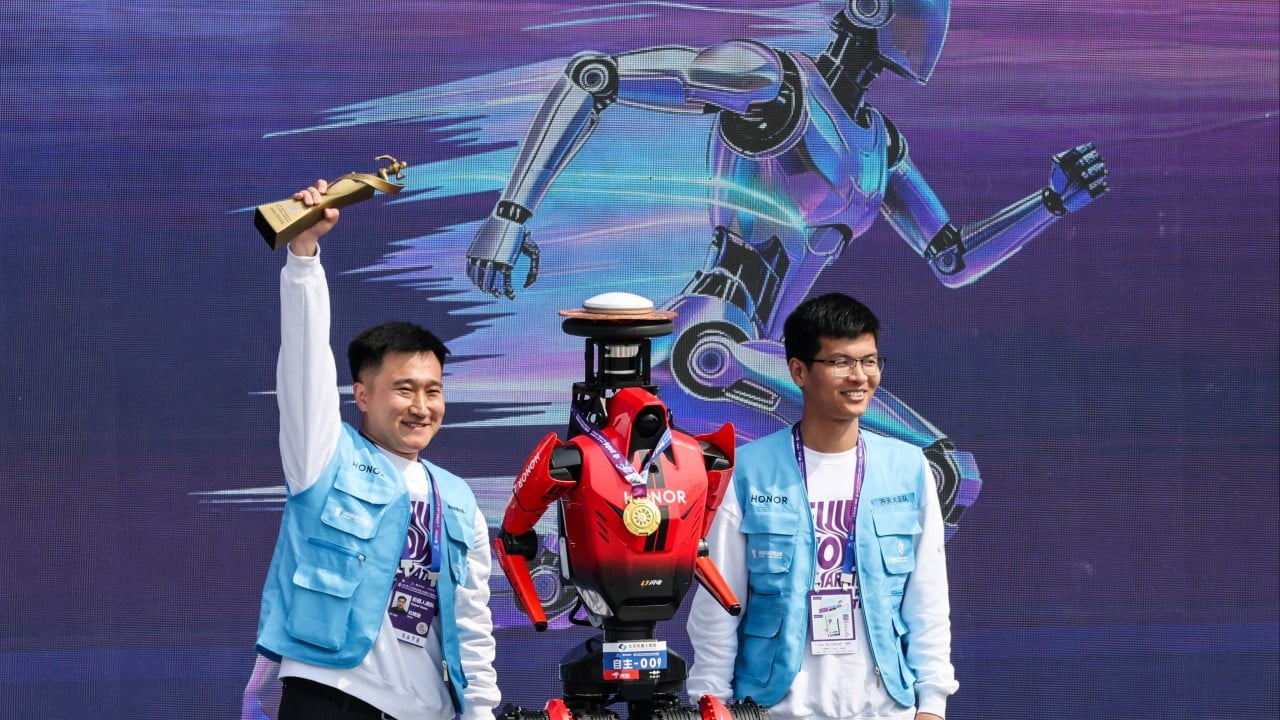
Chinese tech giants advance robotics push as sector sees rapid growth
Chinese technology giants, including Huawei's spin-off Honor and Alibaba Group, are leading the nation’s initiative to advance its robotics industry as part of Beijing's strategy to stimulate growth in this sector. In a notable achievement, Honor, which pivoted to robotics last year after its separation from Huawei in 2020, clinched the top prize at the second Beijing humanoid half-marathon held on Sunday. This victory was particularly significant as it outperformed established competitors like Unitree and X-Humanoid, highlighting Honor's rapid ascent in the robotics field. The event underscores the increasing emphasis on innovation and competition within China's burgeoning robotics landscape, driven by government support and investment in technology.

X-Humanoid's Embodied Tien Kung 3.0 Wins Beijing Robot Warrior Challenge with Fully Autonomous Run
A full-size general-purpose humanoid robot has made history by completing the Robot Warrior Challenge, a competition focused on high-risk scenarios. This event, which took place recently, featured tasks such as pendulum traversal, forward progression, and barrier breaching, all designed to test the robot's capabilities in real-world situations. The robot successfully navigated the course autonomously, achieving the highest overall score and earning the distinction of being the first winner of this challenge. In recognition of its remarkable performance, it was awarded the Warrior Intelligent Mobility Award, highlighting advancements in robotic technology and autonomous systems.

Beijing Humanoid Robot Innovation Center Secures $100 Million to Scale Commercial Operations
The Beijing Humanoid Robot Innovation Center has successfully secured 700 million yuan in funding, marking a pivotal transition from focusing solely on research achievements to advancing large-scale industrial applications. This financing round, completed recently, underscores the center's commitment to developing humanoid robotics technology that can be integrated into various sectors. The investment is expected to accelerate the commercialization of their innovations, enabling the center to expand its operations and enhance its competitive edge in the rapidly evolving robotics market.
Beijing Humanoid Robot Innovation Center Business China X-Humanoid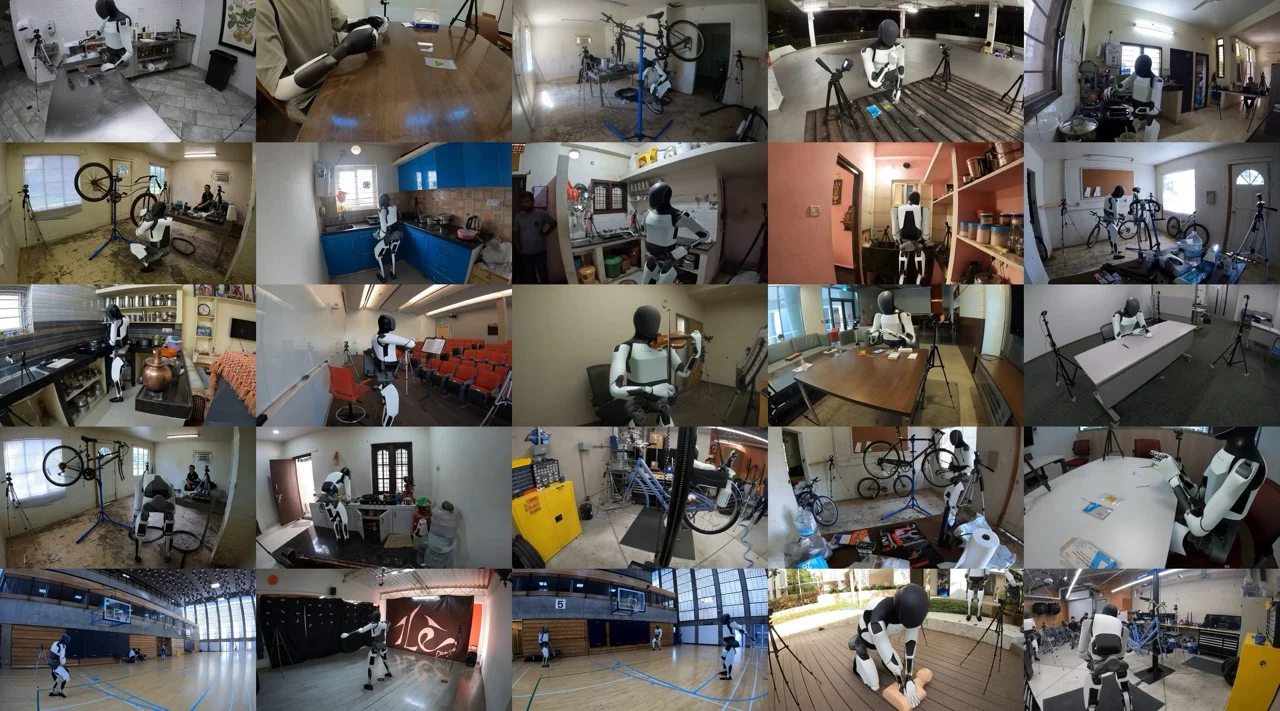
Research Spotlight: X-Humanoid ‘Robotizes’ Human Videos to Train the Next Generation of Androids
Researchers at the National University of Singapore have unveiled an innovative generative video pipeline designed to transform third-person footage of human activities into synthetic training data for humanoid robots. This groundbreaking development aims to address the embodiment gap in robotics, enabling more effective training of robots by providing them with diverse and realistic scenarios. The project, which leverages advanced video synthesis techniques, represents a significant advancement in the field of robotics and artificial intelligence. By creating a scalable solution for generating training data, the researchers hope to enhance the capabilities of humanoid robots, making them more adept at understanding and interacting with the world around them.
Data Collection embodied-ai

