

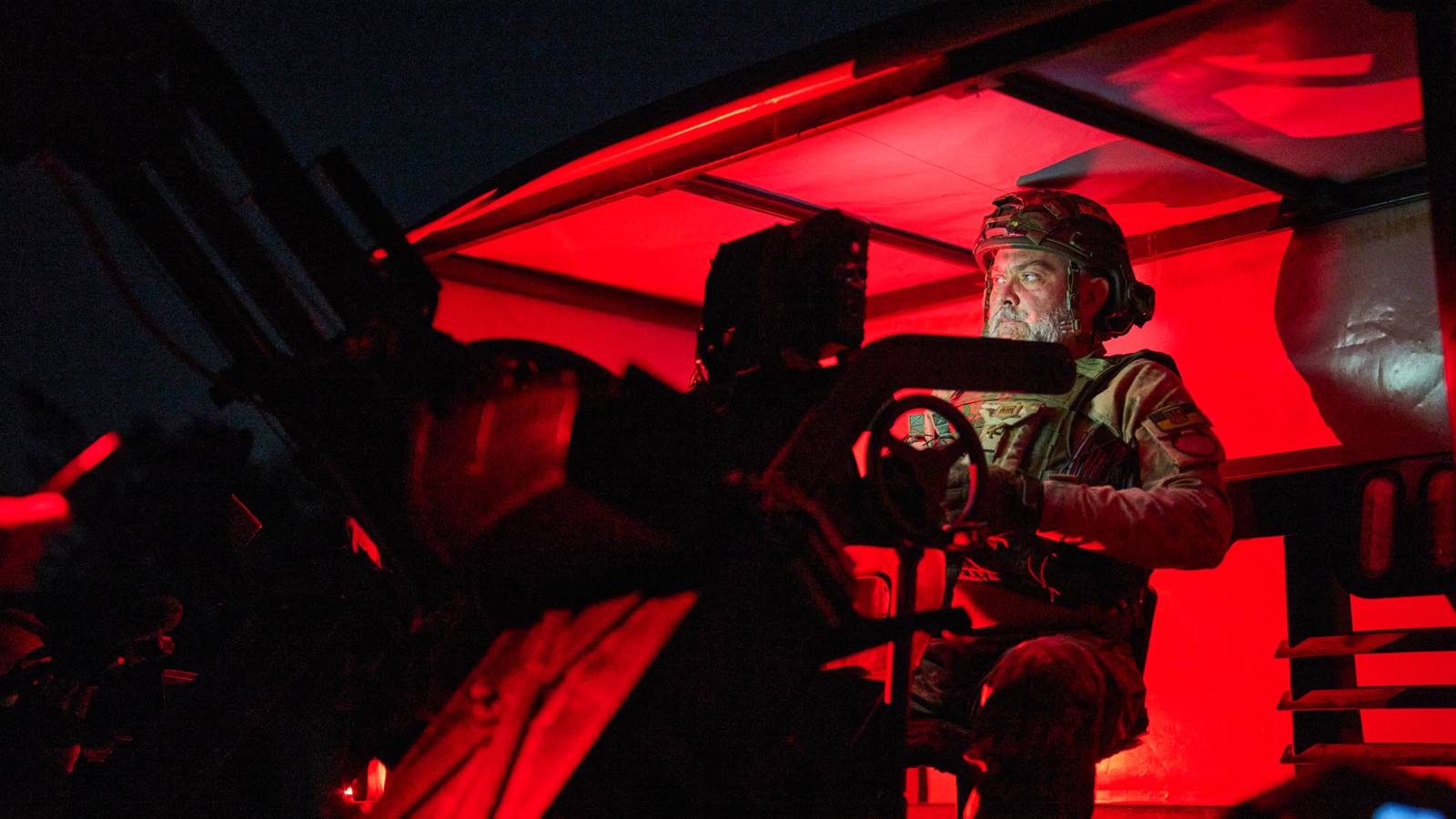
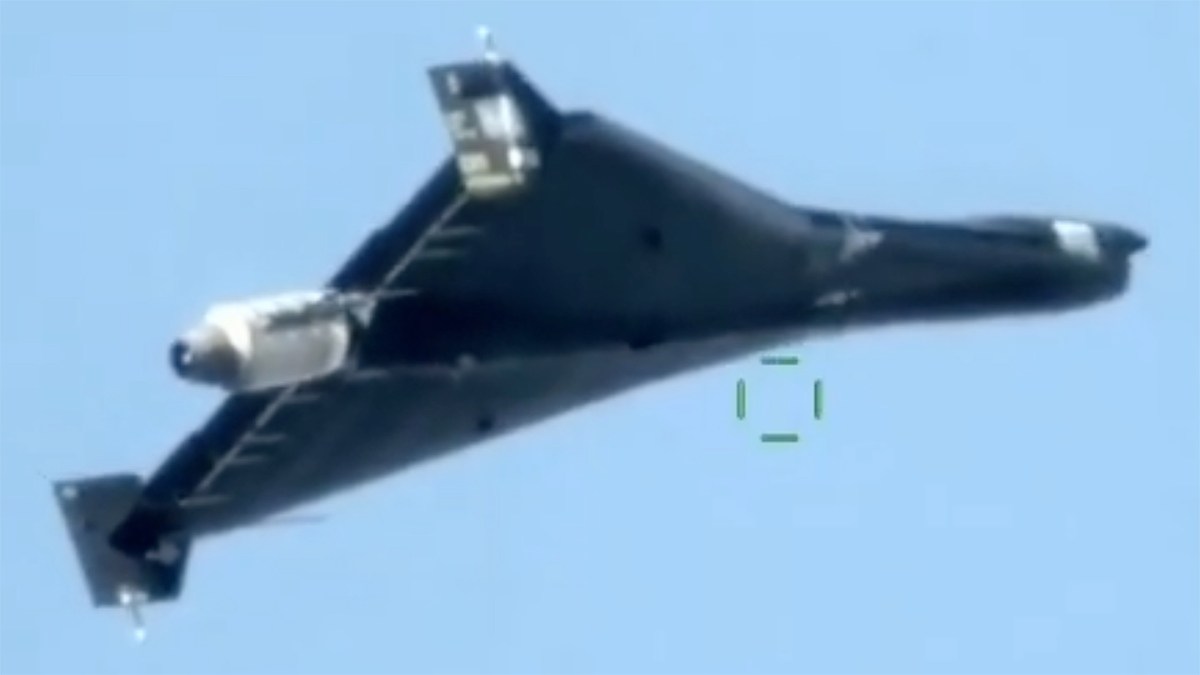
In Kyiv, Russian jet-powered drones are evading Ukrainian air defenses, prompting manufacturers to rapidly develop new interceptors. These drones, which can travel at hundreds of kilometers per hour, are targeting critical infrastructure, exacerbating the challenges faced by Ukraine's war-torn economy.
The urgency for new interceptors is heightened as Russian tactics evolve, with recent drone strikes disrupting energy systems, industries, and essential services in Kyiv. Ukrainian officials report that the new interceptors have successfully engaged these high-speed threats, but the rapid pace of drone attacks leaves little room for error.
Manufacturers are racing against time, with production and pilot training for the interceptors potentially taking up to six months. President Volodymyr Zelenskyy has emphasized the need for expedited production, as air-defense crews face daily losses while improvising under constant drone assaults.
Editor's Note
The ongoing conflict in Ukraine highlights the critical need for advanced air-defense systems as drone warfare evolves. The rapid development of jet-powered interceptors is essential for maintaining operational effectiveness against increasingly sophisticated threats. This situation underscores the importance of timely procurement and innovation in defense technology to protect vital infrastructure and civilian safety.
Copyright Notice
This briefing is an independently written summary based on publicly available reporting and is provided for industry information and news discovery. The original report and source publication are credited and linked where applicable. RobotToday does not claim ownership of third-party source material.
Rights concerns? If you believe any material in this briefing infringes your copyright or other rights, please contact [email protected] with the relevant URL and details. We will review the matter and take appropriate action where warranted.





























Leave a comment