Industry Briefing
A single destination for timely, editor-curated robotics news from around the world.
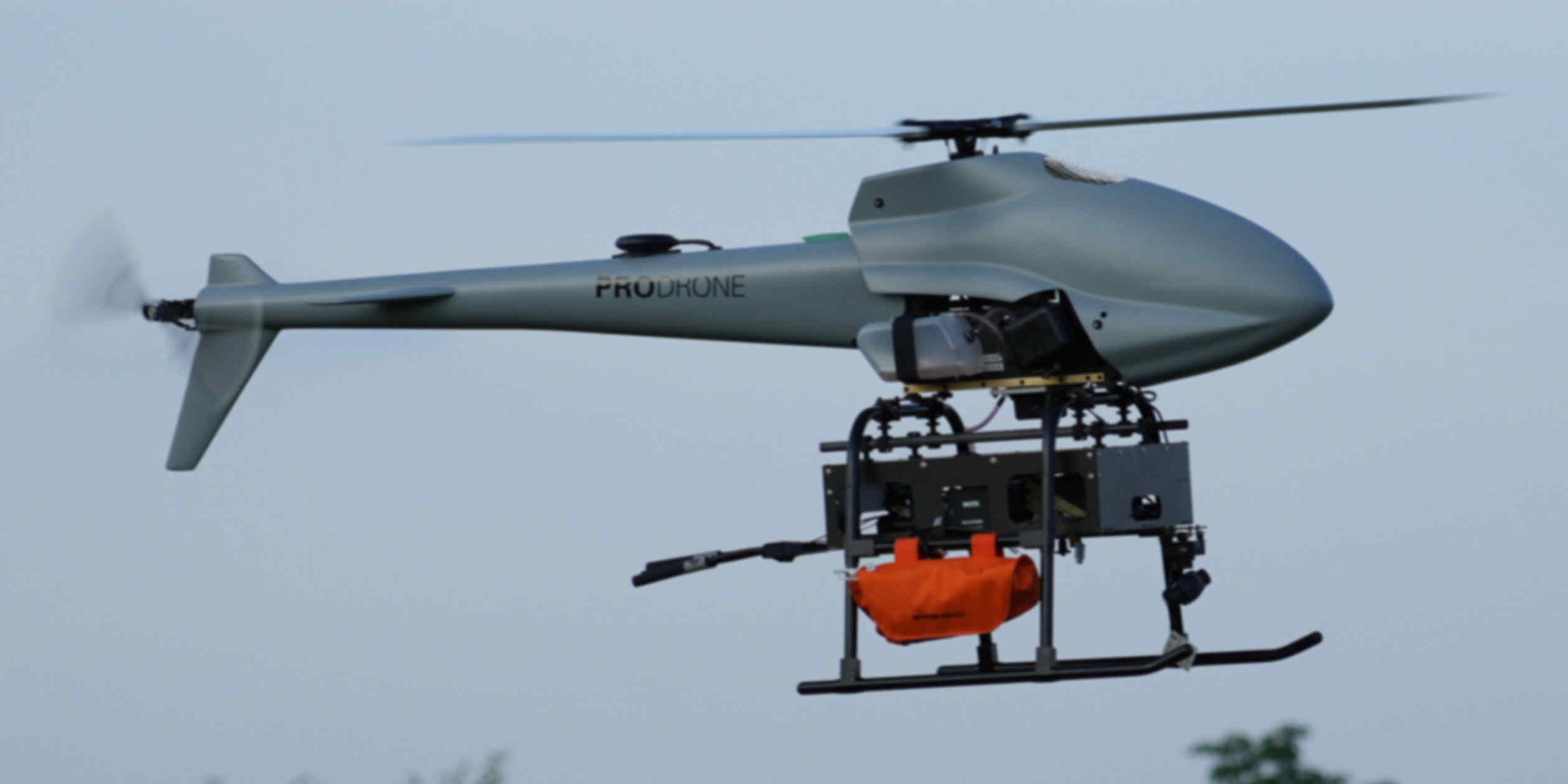
Prodrone Plans $20 Million Facility to Mass Produce 58,000 Drones Annually
Prodrone, a Japanese drone developer, is set to invest approximately $19 million to establish a mass production facility in Aichi prefecture. This new plant aims to produce 58,000 unmanned aerial vehicles each year, addressing the demand for domestically manufactured drones in a market currently dominated by imports. The establishment of this facility is significant as it represents a strategic move by Prodrone to enhance local production capabilities and reduce reliance on foreign drone imports. By increasing the availability of Japanese-made drones, Prodrone aims to strengthen its position in the competitive drone market and cater to the growing needs of various sectors, including defense and commercial applications. Looking ahead, industry observers will be keen to see how Prodrone's investment impacts the domestic drone landscape and whether it will lead to increased competition among local manufacturers. No further timeline was disclosed at the time of publication.

Drones, Satellites, and Unified Controls Transform ISR Capabilities for US Military
Airborne intelligence, surveillance, and reconnaissance (ISR) are crucial for achieving information superiority in modern warfare. As threats evolve, the integration of drone technology and satellite capabilities is essential for effective information gathering and sharing. The US Air Force plans to accelerate its Massed Modular Aircraft (MMA) program, aiming to deploy 100 drones by 2029 and 500 by 2032, significantly increasing its ISR capabilities. The importance of ISR extends beyond traditional airborne platforms, as the US military recognizes the need for space-based ISR and counter-satellite strategies. The US Space Force Delta 7 is tasked with monitoring adversarial activities and analyzing threats, particularly from nations like Russia and China, which are enhancing their own ISR capabilities in space. This evolving landscape underscores the necessity for the US to maintain its information advantage in all domains of warfare. Looking ahead, the focus will be on the standardization of control interfaces for drone operations, as emphasized by Lt. Gen. Christopher Niemi. The US Marine Corps is also developing its own ISR capabilities, aiming for a common controller software solution. No further timeline was disclosed at the time of publication.
Air Warfare AFA Focus 2026 Air Force Drones intelligence surveillance and reconnaissance ISR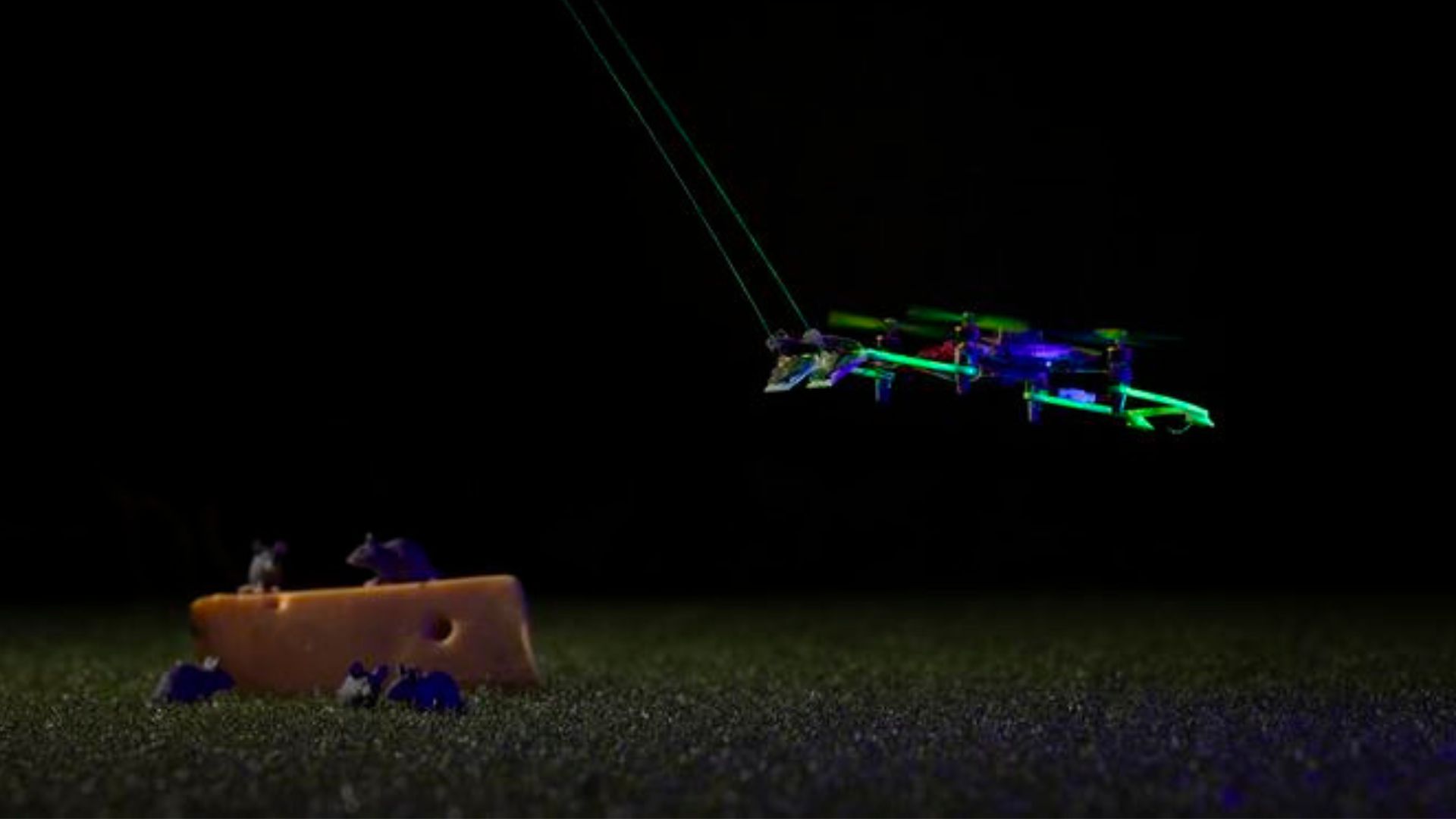
New Whisker-Based Technology Enables Tiny Drones to Navigate Without Vision
Researchers at Delft University of Technology have developed a whisker-based tactile framework that allows tiny drones to navigate complex environments without relying on visual input. Inspired by the natural whiskers of rodents, this technology equips drones with artificial whiskers that provide real-time feedback as they interact with their surroundings. This innovation addresses a significant challenge in aerial robotics, particularly for micro-drones weighing under 100 grams, which cannot support heavy LiDAR systems. The whisker system enables these drones to operate effectively in low-visibility conditions, such as dust or darkness, where traditional cameras fail. Moving forward, the focus will be on refining this tactile navigation system and exploring its applications in various environments. No further timeline was disclosed at the time of publication.
AI and Robotics
Delft University Develops Whisker-Based Sensors for Drones to Navigate in Darkness
Researchers at Delft University of Technology have created a lightweight tactile sensor inspired by animal whiskers, enabling tiny autonomous drones to navigate in low-visibility environments. This innovation allows drones to explore areas filled with darkness, dust, or smoke without relying on heavy sensors. The ability for drones to navigate through challenging environments is significant for various applications, including search and rescue operations, environmental monitoring, and industrial inspections. By mimicking the sensory capabilities of rats and mice, these drones can effectively maneuver in tight spaces and complex terrains. Future developments in this technology could enhance the operational capabilities of drones in various sectors. As research progresses, it will be important to monitor advancements in sensor technology and potential applications in real-world scenarios. No further timeline was disclosed at the time of publication.
Robotics
Raleigh, North Carolina Implements Drones and AI to Develop City Digital Twin
The city of Raleigh, North Carolina, is utilizing drones and AI technology to create a digital twin aimed at addressing urban challenges and planning for future growth. Collaborating with tech partners like Esri, NVIDIA, and Microsoft, Raleigh seeks to enhance traffic management and urban development through this innovative approach. This initiative is significant as it allows city officials to visualize and communicate urban development effectively, addressing citizens' top concerns regarding development and traffic. The digital twin has already been applied in projects like the Gipson Play Plaza, showcasing its potential in event planning and preserving local trees, vital to Raleigh's identity as the 'City of Oaks.' Looking ahead, Raleigh plans to integrate additional data-collection devices into its digital twin, enhancing its accuracy and utility. No further timeline was disclosed at the time of publication.
Digital Twins Drone News Drone News Feeds News Blue UAS city government city digital twin drones
Army Secures Drones for Every Unit, Focuses on Soldier Training
The Army has successfully acquired enough drones to equip each unit, according to Col. Gregory Merkl, the Drone Dominance director. This achievement marks a significant step in enhancing the Army's operational capabilities with unmanned aerial systems. However, Col. Merkl emphasized that the next challenge lies in ensuring that all personnel are adequately trained to operate these drones effectively. Proper training is essential to maximize the benefits of the technology and ensure mission success. Looking ahead, the Army will need to prioritize training programs to ensure that soldiers are proficient in drone operations. No further timeline was disclosed at the time of publication.
Land Warfare Pentagon Army Drone Dominance Program Drones
Odyssey Launches Odyssey-3 World Model for Robots, Humanoids, and Drones
Odyssey has unveiled Odyssey-3, a versatile world model designed to control robots, humanoids, autonomous vehicles, and drones using a unified AI system. This autoregressive diffusion transformer is trained on a diverse set of visual observations, allowing it to adapt with minimal task-specific data. The model has been pre-trained to understand physics, motion, and human behavior, enabling developers to create tailored action decoders for various systems. The significance of Odyssey-3 lies in its potential to streamline the training process for humanoid robots. In collaboration with Flexion, Odyssey is exploring how pretraining can minimize the data required for teaching new skills. Flexion has successfully developed control policies for tasks like object manipulation using only a small amount of teleoperation data, demonstrating improved generalization over traditional models. Looking ahead, Odyssey plans to publicly release Odyssey-3 in the coming weeks. The company is also collaborating with Poke & Wiggle to assess the model's adaptability across different robot types and control systems. This initiative could reshape how robots learn and adapt to new environments, enhancing their operational capabilities significantly.
AI AI Funding & Investment Robotics autonomous vehicles Flexion humanoid robotics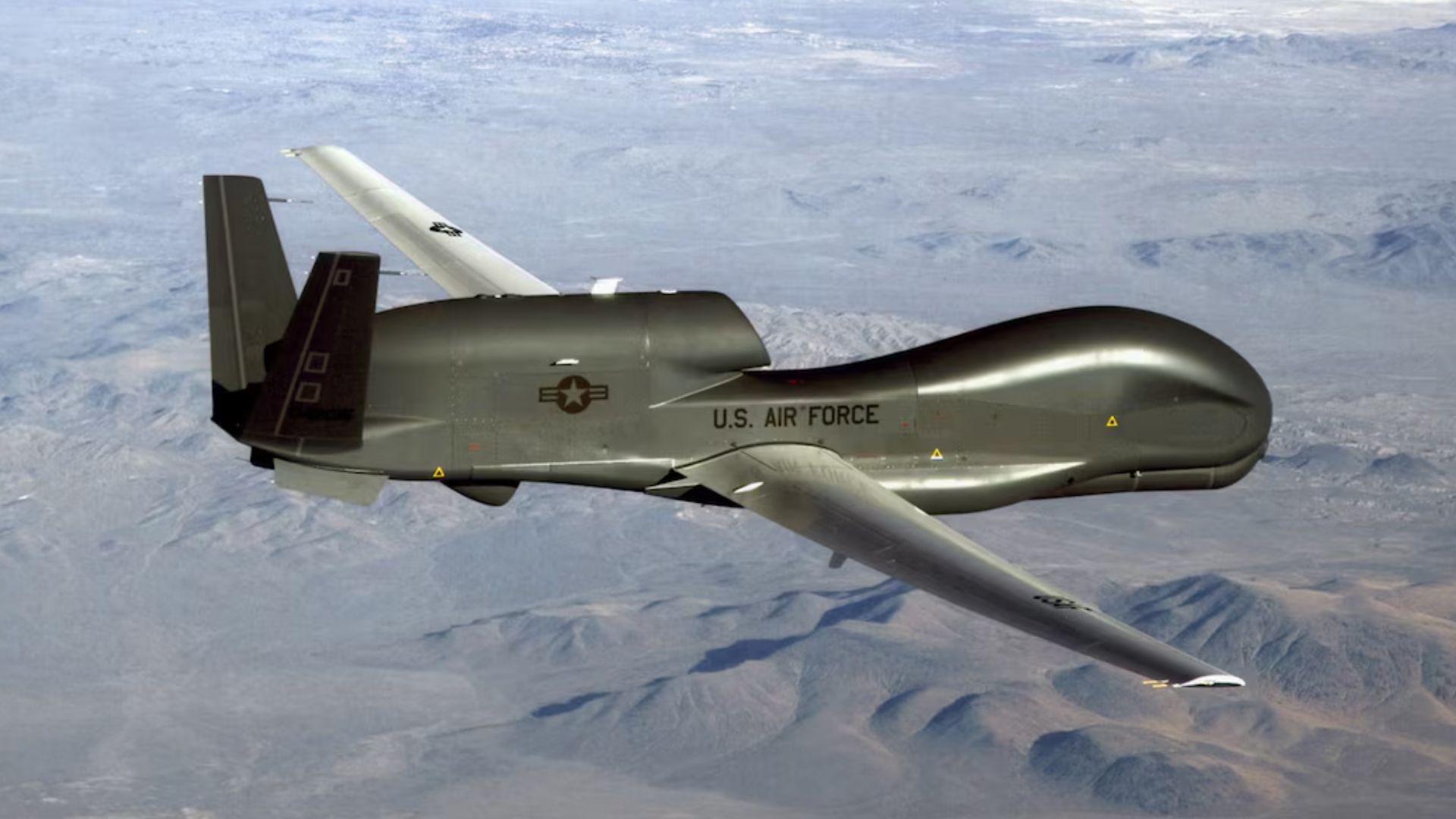
AEVEX Corp. Secures $92M Contract for Hypersonic Flight Test Support with Drones
AEVEX Corp. has secured a potential contract worth $92.2 million to support the U.S. military's SkyRange hypersonic test program over three years. This contract will enable AEVEX to conduct flight operations across designated corridors in the Western U.S. and the Pacific, focusing on airborne telemetry, communications, and payload integration. The significance of this contract lies in its innovative approach to hypersonic testing. By utilizing unmanned aircraft, such as converted RQ-4 Global Hawks, as airborne test platforms, the SkyRange program enhances data collection capabilities during flight tests. This flexibility is crucial, as hypersonic vehicles can traverse vast distances rapidly, making traditional fixed tracking stations less effective. Looking ahead, AEVEX's role will encompass the integration of airborne range equipment with the SkyRange architecture and support for resilient communications systems. No further timeline was disclosed at the time of publication.
Military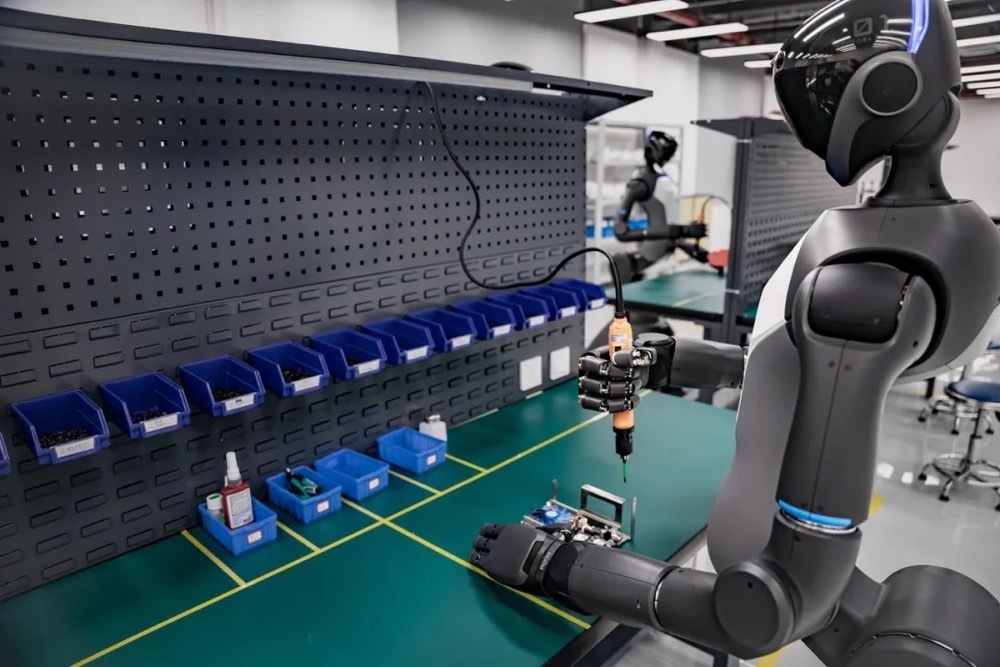
Italian Air Force Places Order for Two MQ-9A Block 5 Reaper Drones
The Italian Air Force (ItAF) has placed an order for two MQ-9A Block 5 Reaper Remotely Piloted Aircraft (RPA) from GA-ASI. This acquisition highlights the ItAF's commitment to enhancing its aerial capabilities with advanced drone technology. The MQ-9A Block 5 Reaper is known for its versatility and advanced features, making it a significant addition to the ItAF's fleet. This order reflects the growing trend among military forces worldwide to integrate unmanned systems into their operations for improved surveillance and combat effectiveness. Looking ahead, the integration of these drones into the Italian Air Force's operations will be crucial for their strategic objectives. No further timeline was disclosed at the time of publication.
News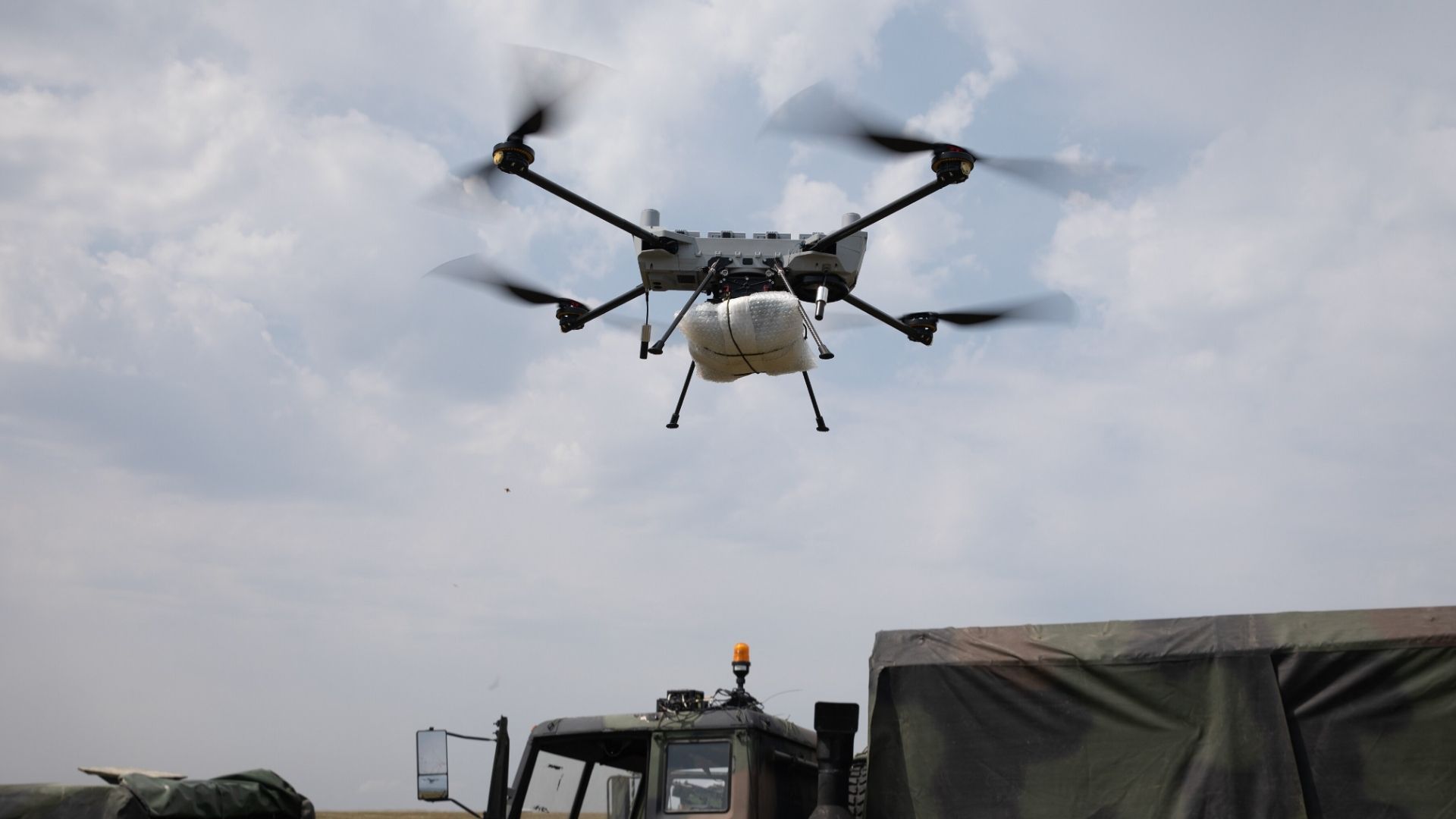
US Army's High-Energy Laser Dismantles Cartel Drones, Achieves 75% Activity Reduction
The US Army has successfully destroyed 11 drones linked to cartels within 10 days using its high-energy laser system, leading to a reported 75% decrease in drone activity in the Rio Grande Valley. This deployment, which began on August 25, enables soldiers to permanently disable drones that may pose a threat to military and law enforcement operations. The significance of this technology lies in its ability to ensure that disabled drones cannot return for further surveillance, unlike traditional jamming methods. Army officials noted that since the start of 2026, US forces have intercepted around 300 cartel-related drones, primarily through electronic jamming, but have shifted to using directed energy for immediate threats. This change has reportedly altered drone activity patterns in the region. Looking ahead, the military's continued use of the high-energy laser system may further impact cartel operations. However, the lack of publicly available detection figures leaves the reported 75% reduction without a clear baseline. No further timeline was disclosed at the time of publication.
Military
Taiwan Proposes $4.6 Billion Supplementary Defense Budget for Drones and Missiles
Taiwan's cabinet has proposed a supplementary defense budget of T$145.7 billion ($4.59 billion) for the year 2026. This budget aims to enhance Taiwan's military capabilities, particularly in the areas of drones and missiles, in response to ongoing pressures from China. The proposed budget is significant as it reflects Taiwan's commitment to strengthening its defense amid rising tensions in the region. The focus on drones and missiles indicates a strategic shift towards modernizing its military assets to better address potential threats. Looking ahead, it will be important to monitor how this budget proposal progresses through the legislative process and whether it will be fully approved. No further timeline was disclosed at the time of publication.
News
China's Updated Defense Law Enhances Military Use of AI and Drones
China's revised defense law is set to facilitate the integration of artificial intelligence and drones into military operations. This legislative change aims to enhance the capabilities of the Chinese military, allowing for more advanced technological applications in defense strategies. The significance of this development lies in its potential to reshape military engagements and defense strategies globally. By embracing AI and drone technology, China is positioning itself to improve its military efficiency and effectiveness, which could have far-reaching implications for international security dynamics. Looking ahead, it will be crucial to monitor how this law influences China's military modernization efforts and its impact on regional and global military balances. No further timeline was disclosed at the time of publication.
Military
Mouser Launches Qorvo eBook on RF Solutions for Drones, SATCOM, and IIoT Markets
Mouser Electronics has released a new eBook focusing on RF solutions tailored for modern applications such as drones, satellite communications, and industrial IoT. This resource highlights the evolving landscape of RF systems, emphasizing the need for higher speed, flexibility, and scalability in response to market demands. The eBook addresses the transition from traditional, highly customized architectures to more agile development strategies. This shift is crucial for meeting the rapid timelines associated with next-generation technologies, ensuring that developers can adapt to the fast-paced nature of the industry. As the demand for advanced RF solutions continues to grow, stakeholders should monitor how these developments influence the design and implementation of RF systems. No further timeline was disclosed at the time of publication.

Japanese Airports to Utilize AI and Drones for Enhanced Maintenance Efficiency Amid Travel Surge
Japanese airports are set to implement artificial intelligence and drones to identify issues with runways, lighting, and other infrastructure. This initiative, led by trading house Sumitomo, aims to double maintenance efficiency as the country prepares for an influx of foreign travelers with a reduced workforce. The significance of this initiative lies in Japan's goal to increase the combined annual takeoff and landing slots at Narita and Haneda airports from 830,000 to 1 million. By leveraging advanced technology, the airports aim to improve operational efficiency and ensure safety, addressing the challenges posed by a shortage of maintenance staff. Looking ahead, stakeholders will monitor the effectiveness of AI and drone deployment in enhancing maintenance operations. No further timeline was disclosed at the time of publication.

Mitsubishi Heavy and NEC Collaborate on Defense Drones and AI Systems
Mitsubishi Heavy Industries and NEC announced their partnership to develop domestic defense drones and AI-driven command and control systems. This collaboration aims to enhance Japan's defense capabilities amid increasing global reliance on drone technology in combat scenarios. The significance of this partnership lies in its potential to strengthen Japan's defense industry and reduce dependence on foreign technology. As drones become integral to modern warfare, the collaboration between these two major Japanese companies could position Japan as a key player in the defense drone market. Looking ahead, it will be important to monitor the progress of this collaboration and its impact on Japan's defense strategy. No further timeline was disclosed at the time of publication.

Vision Aerial Begins Production of Vulcan Drones Ahead of Mobix Labs Acquisition
Vision Aerial has commenced production of its new Vulcan drone family, including the Vulcan SX and the pre-order launch of the Vulcan YX. This move follows the announcement of its acquisition by Mobix Labs, which aims to enhance its portfolio with American-made autonomous aerial systems. The production of the Vulcan drones is significant as it reflects Vision Aerial's commitment to meeting the demands of commercial and government sectors, including infrastructure inspection and public safety. The company anticipates a revenue increase of approximately 46% in 2026 and 93% in 2027, contingent on various market factors. As the acquisition by Mobix Labs approaches, Vision Aerial is poised to leverage its established relationships with clients like the US Navy and L3Harris. The successful integration of Vision Aerial's manufacturing capabilities into Mobix's strategy could enhance the development of secure drone platforms, particularly as demand for US-made products rises.
News
The Evolving Threat Landscape: Drones Challenge Traditional Facility Security Measures
Securing facilities in the US is increasingly complex due to evolving threats like drones, rendering traditional security measures inadequate. The need for enhanced data to identify potential threats is critical, but it also poses challenges in managing information overload. Jason Rahimitabar from Constellis emphasizes the multi-domain nature of these threats, highlighting the economic imbalance in countering cheap drones with expensive defense systems. The rise of inexpensive drones has made it easier for adversaries to launch overwhelming attacks, as seen in recent incidents involving military installations like Barksdale Air Force Base. This situation underscores the necessity for advanced systems to track and intercept airborne threats, rather than relying solely on physical barriers. The challenge lies in distinguishing between harmless hobbyist drones and potential threats, which complicates security responses and can lead to costly missteps. As the threat landscape continues to evolve, facilities must adapt their security strategies to include counter-UAS measures and improved detection capabilities. The focus should shift from merely building higher fences to implementing comprehensive systems that can effectively identify and respond to aerial threats, ensuring the protection of critical infrastructure and personnel.
Networks & Digital Warfare Sponsored Post AI AI security Air Force Constellis
Agri Spray Drones Transitions to Agricultural Drone Manufacturer and Technology Innovator
Agri Spray Drones (ASD) has announced its shift from being a distributor of spray drones to becoming a manufacturer and technology company focused on agricultural drones. This evolution is driven by years of operator experience, which will inform product development, quality control, software, and autonomous systems. This transition is significant as it positions ASD to enhance the quality and innovation of agricultural drone technology in the U.S. market. By taking control of the manufacturing process, ASD aims to improve product reliability and performance, which are critical factors for farmers and agricultural businesses. Looking ahead, ASD's roadmap for U.S. manufacturing and advancements in spray drone technology will be crucial to watch. The company's commitment to integrating operator insights into its product offerings may lead to more effective solutions for agricultural applications. No further timeline was disclosed at the time of publication.

U.S. Tightens Restrictions on Drones and Robots Amid China's Manufacturing Dominance
In July and August, the U.S. government implemented stricter regulations on foreign-made advanced robotic systems and imposed significant tariffs on imported drones and their components, citing national security concerns. These tariffs, effective from September, are part of a broader initiative to limit foreign technology in critical industries, following the FCC’s Covered List expansion to include drones and advanced robotic devices. The implications of these restrictions are significant for the global robotics industry, particularly as Chinese manufacturers have established strong positions in both drones and humanoid robots, often offering competitive pricing that U.S. and European companies find challenging to match. While the U.S. aims to protect its market, the measures may inadvertently lead to a more fragmented global market, with Chinese firms expanding their reach while U.S. manufacturers focus on markets with stringent security requirements. As the competition evolves, it is essential to monitor how these restrictions affect the dynamics between U.S. and Chinese robotics industries. China currently dominates humanoid robot manufacturing, with 22,000 units shipped in the first half of this year, primarily from Chinese companies. The disparity in scale and cost advantages suggests that while the U.S. excels in AI and semiconductor innovation, China leads in manufacturing capabilities and supply chain efficiency.
AI Robotics China drones Federal Communications Commission geopolitics
AI Robots and Drones to Aid in Fukushima Nuclear Plant Cleanup Efforts
The Japanese government and Tokyo Electric Power Co. Holdings are set to launch a consortium to deploy AI robots and drones for the cleanup of radioactive debris at the Fukushima Daiichi nuclear plant. This initiative aims to address the significant challenge posed by the 880 tons of debris remaining in three reactors. This development is crucial as it marks a significant step in the ongoing decommissioning process of the Fukushima plant, which has been a focal point of concern since the nuclear disaster. The use of advanced technologies like AI robots and drones is expected to enhance safety and efficiency in handling hazardous materials. Looking ahead, the consortium is anticipated to commence its operations within the current fiscal year. Stakeholders will be keen to monitor the progress of this initiative, particularly in terms of its impact on the decommissioning timeline and the effectiveness of AI technologies in such complex environments. No further timeline was disclosed at the time of publication.

Military Engages Drones with AV Directed-Energy System at the Border
A military task force utilized an AV directed-energy system to engage and defeat drones suspected of reconnaissance activities. While the specific location of the drone engagement remains undisclosed, it is suggested that these drones may have been operated by a drug cartel. This operation highlights the increasing use of advanced technologies in military applications to counter aerial threats. The deployment of directed-energy systems represents a significant advancement in military capabilities, particularly in border security operations. By effectively neutralizing potential reconnaissance drones, the military aims to enhance its operational readiness against threats posed by illicit activities, such as drug trafficking. This incident underscores the importance of integrating innovative technologies to address evolving security challenges. Looking ahead, it will be crucial to monitor the military's ongoing efforts to implement directed-energy systems in various operational contexts. The effectiveness of these technologies in real-world scenarios will likely influence future military strategies and funding allocations. No further timeline was disclosed at the time of publication.
Land Warfare Aerovironment Army Counter UAS cUAS directed energy Drones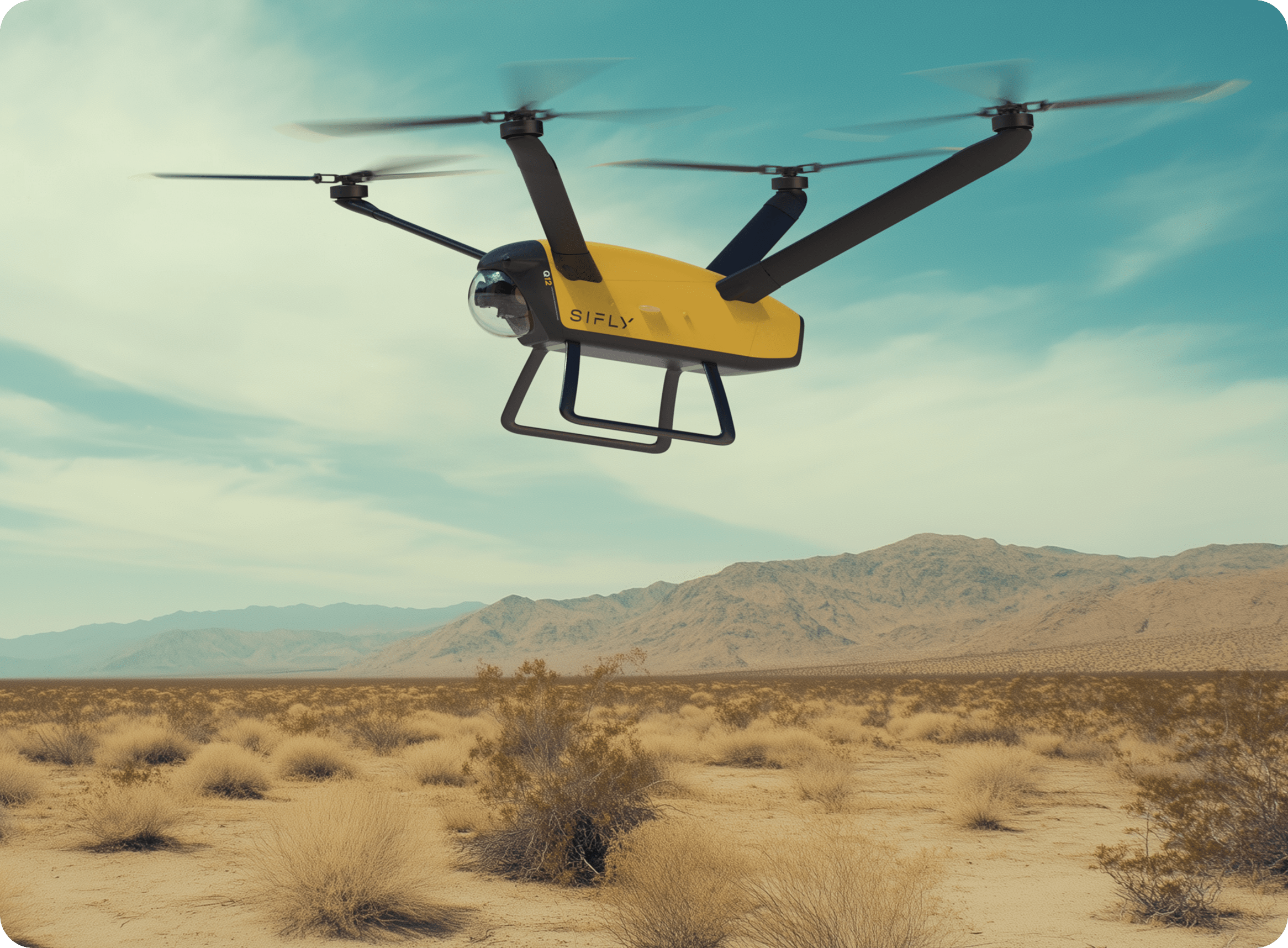
SiFly Secures $20 Million to Boost U.S. Production of Q12 Long-Endurance Drones
SiFly Aviation has successfully raised $20 million in Series A funding to enhance the U.S. production of its long-endurance Q12 electric drone. The financing round was led by Shield Capital, with contributions from Qudit, BBK Capital, Alumni Ventures, and other investors. The funds will be utilized to ramp up production and facilitate customer deliveries while continuing the development and field testing of its DronePort multi-drone infrastructure system. This funding is significant as it allows SiFly to address the limitations of traditional multirotor drones, particularly in flight endurance. The Q12 can fly four times longer and up to 10 times farther than leading enterprise drones, carrying payloads of up to 10 pounds. The aircraft has undergone extensive testing, achieving a Guinness World Record for the longest electric multirotor flight in its weight class, lasting over three hours. Looking ahead, SiFly aims to leverage the Q12's capabilities across various sectors, including public safety, utilities, infrastructure, and agriculture. The company believes that the longer endurance of the Q12 will enhance operational efficiency and response capabilities for drone operators. No further timeline was disclosed at the time of publication.
Applications DFR Drone News Drone News Feeds Featured – Safety and Security Fire and Police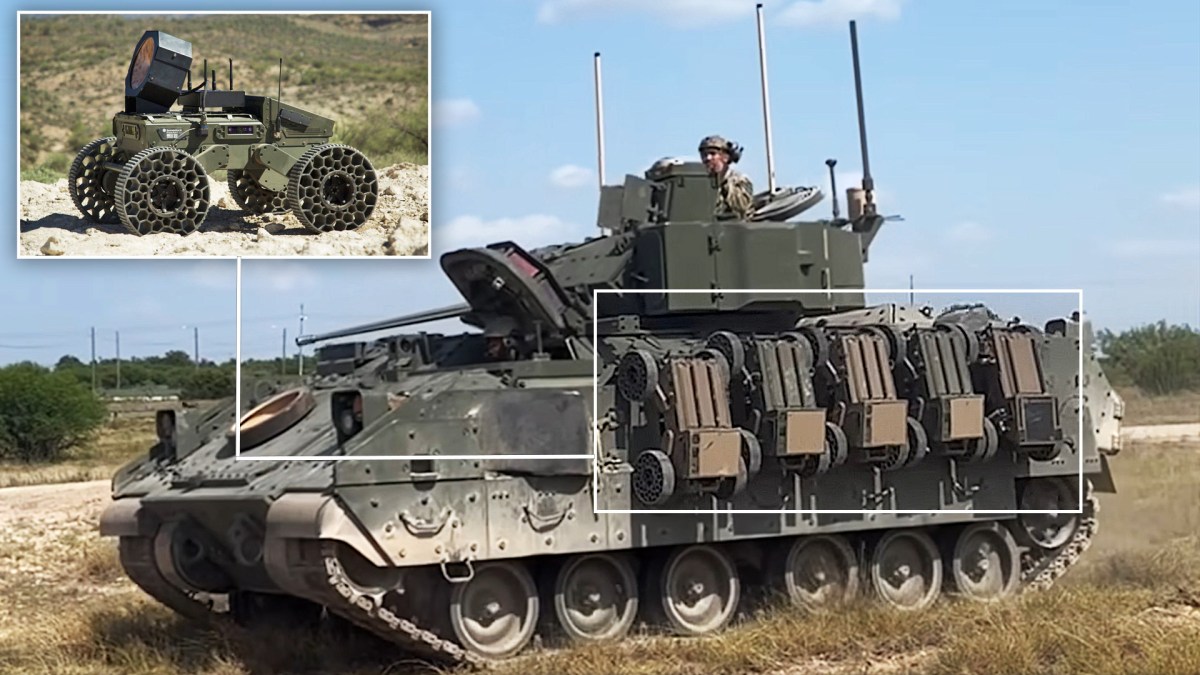
Bradley Fighting Vehicle Demonstrates Swarming Ground Drones in Recent Military Exercise
During a recent test exercise, U.S. Army soldiers utilized a Bradley Fighting Vehicle to transport FireAnt uncrewed ground vehicles (UGVs). These versatile 4×4 UGVs can be adapted for various missions, including electronic warfare and reconnaissance. The integration of Bradleys as carriers for swarms of UGVs like the FireAnt could significantly enhance operational capabilities. This development is crucial as it aligns with the U.S. Army's Transformation In Contact (TIC) modernization initiative, which aims to incorporate advanced technologies into military operations. Swarmbotics AI, the developer of the FireAnt, showcased this capability during the Pegasus Charge 3 exercise, where the Bradley was seen carrying five FireAnt UGVs. The potential for these UGVs to operate in swarms could revolutionize battlefield tactics and strategies. Looking ahead, the effectiveness of the FireAnts in operational scenarios remains to be fully understood, particularly regarding their deployment and control from the Bradley. As the Army continues to test and evaluate these systems, the focus will be on how these UGVs can be integrated into existing military frameworks and their impact on future combat operations. No further timeline was disclosed at the time of publication.
Land Armies Armored Vehicles M2/3 Bradley News & Features U.S. Army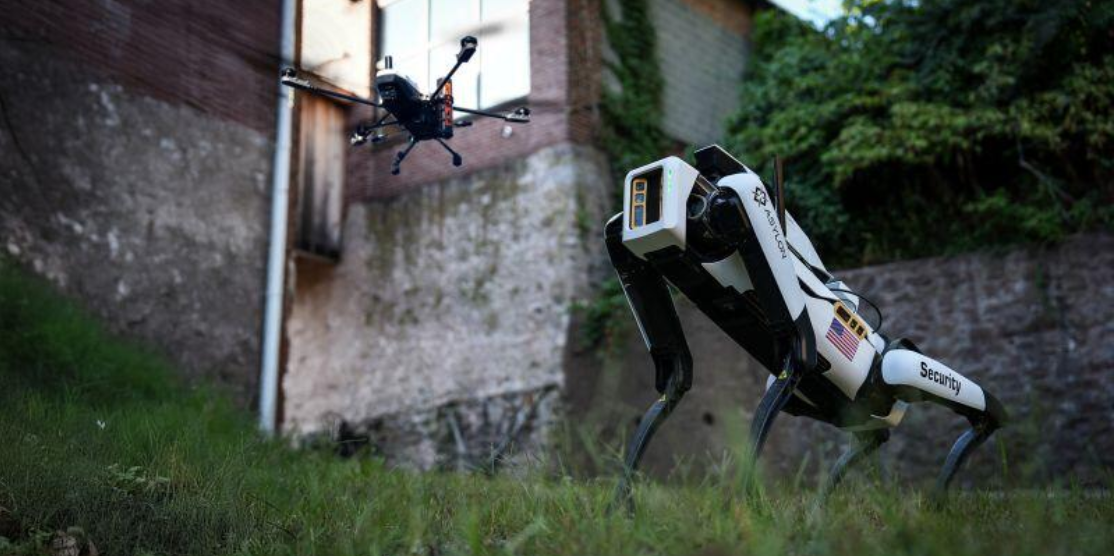
U.S. Air Force Transforms Aircraft Inspections with Asylon's Robot Dog and Drones
The U.S. Air Force's Warner Robins Air Logistics Center has awarded Asylon a Phase III SBIR contract to advance the MARIA system, integrating the Guardian drone and DroneDog robot dog for automated aircraft inspections. This system allows for rapid digital mapping of aircraft, significantly reducing inspection time from days to hours while eliminating the risks associated with manual high-altitude checks. The collaboration between the DroneDog and Guardian drone enables comprehensive inspections, identifying anomalies and defects autonomously. The data is transmitted in real-time to the DroneIQ platform, allowing maintenance personnel to review results through 2D workflows or 3D digital twin views. The system's core value lies in its speed and consistency, ensuring that inspections cover the same points each time, thus minimizing the randomness of manual checks. Currently programmed for the Lockheed C-5 and C-130 aircraft, the long-term goal is to expand the system's capabilities across all Warner Robins aircraft types and the broader Air Force logistics framework. Asylon aims to enhance the MARIA system with advanced AI anomaly detection and explore humanoid fleet management for concurrent maintenance tasks.
Robotic Inspection Aerospace Technology Drone Technology Automation Military Logistics
SiFly Secures $20 Million Series A to Enhance U.S. Production of Q12 Drones
SiFly Aviation has announced a successful $20 million Series A funding round led by Shield Capital, with participation from Qudit, BBK Capital, and Alumni Ventures. This financing aims to boost the manufacturing and customer delivery processes for SiFly's Q12 long-endurance electric aircraft. The significance of this funding lies in its potential to accelerate the production capabilities of SiFly, allowing for quicker deployment of the Q12 aircraft. Additionally, the investment will support the development and field validation of SiFly's DronePort multi-drone infrastructure system, which is crucial for enhancing operational efficiency. Looking ahead, stakeholders should monitor SiFly's progress in scaling production and fulfilling customer orders for the Q12. No further timeline was disclosed at the time of publication.
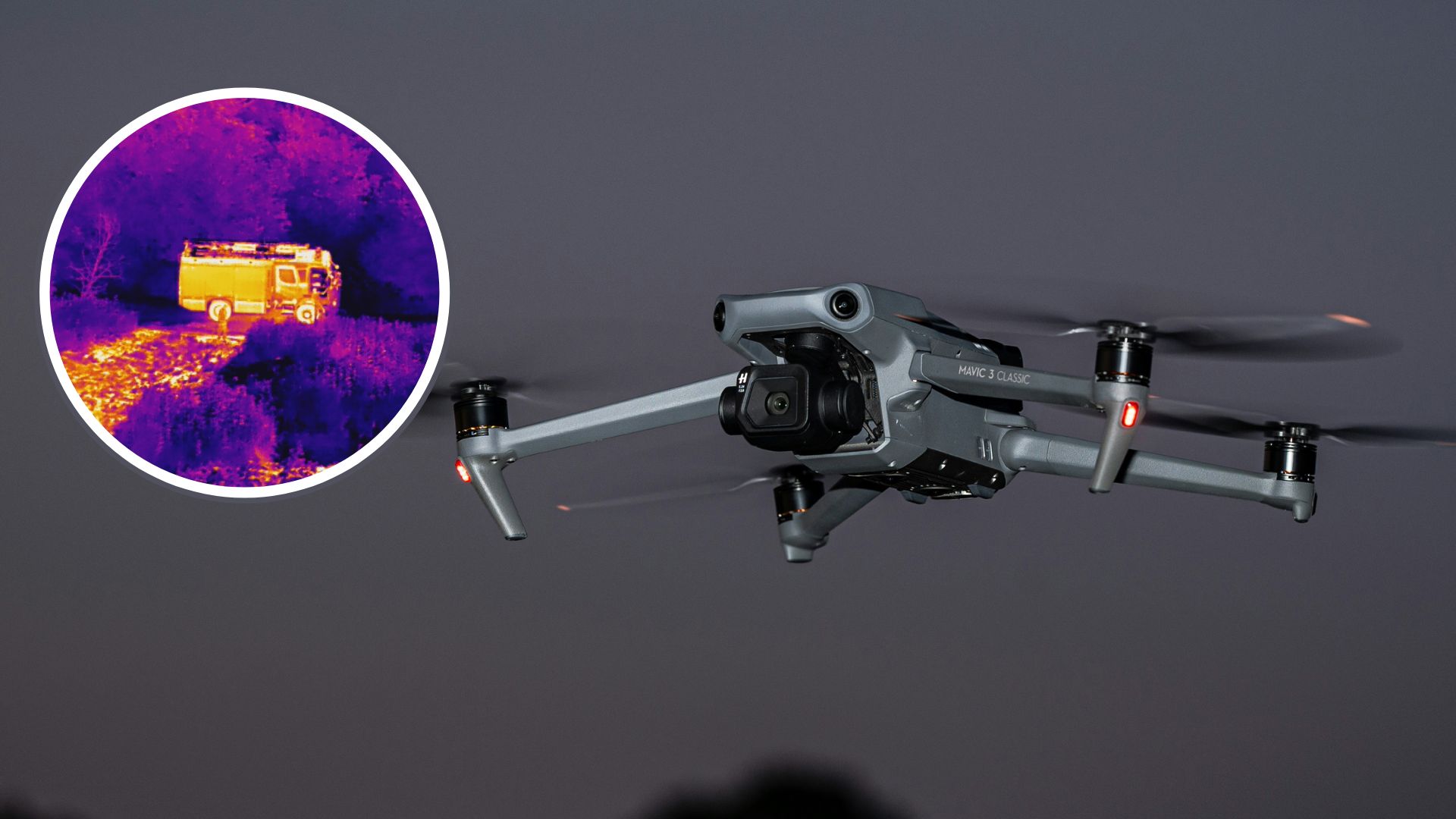
Teledyne FLIR OEM to Enhance U.S. Army's Thermal Imaging Technology for Drones
Teledyne FLIR OEM has partnered with the U.S. Army to advance thermal imaging technology under the DUTCH initiative. This program aims to develop smaller, more affordable uncooled infrared sensors for military applications, enhancing the performance of drones and other autonomous systems. The initiative is significant as it seeks to improve sensor capabilities without increasing size or power requirements, addressing the Army's need for more efficient military equipment. By focusing on size, weight, power, and cost (SWaP-C), the project aims to reduce payload burdens on uncrewed aircraft while extending operational time. Teledyne FLIR OEM plans to leverage its expertise in thermal imaging and system integration to support the Army's modernization efforts. The company is investing in small-pixel thermal sensor designs, which will allow for compact imaging systems that maintain thermal detail. No further timeline was disclosed at the time of publication.
Military
Auriga Space Completes First Field Test of Hermes Electromagnetic Launcher Against Drones
On August 25, Auriga Space announced the successful completion of the first field test of Hermes, an electromagnetic launcher designed to target drones. The test took place in the Mojave Desert, where Hermes demonstrated its capability to launch projectiles at speeds exceeding Mach 1 without chemical propellants, showcasing its potential for rapid deployment in remote areas. This development is significant as it addresses the growing challenge of low-cost drones that require expensive interceptors for defense. By utilizing electricity for propulsion, Hermes reduces the need for frequent ammunition resupply, potentially lowering operational costs and enhancing the efficiency of air defense systems. Looking ahead, Auriga plans a second field test in fall 2026 to further refine Hermes for harsher environments and improve its operational capabilities. The company aims to position Hermes as a counter-UAS solution for military clients, emphasizing its logistical advantages and reusability in air defense operations.
Military
The Role of LiDAR in Enhancing Safety for DJI Drones
DJI has integrated LiDAR technology into its latest consumer drones, including the Air 3S, Mavic 4 Pro, Mini 5 Pro, and Neo 2, primarily to enhance flight safety. The Federal Communications Commission (FCC) has proposed new regulations that classify certain foreign-made drones with advanced technologies like LiDAR as 'military-grade,' raising concerns for DJI. LiDAR technology provides a significant advantage over traditional cameras, especially in low-light conditions. While cameras rely on ambient light to detect obstacles, LiDAR emits laser pulses to create a detailed map of the environment, allowing drones to navigate safely even at night. This capability is crucial for preventing crashes and ensuring safe returns during flights. As regulatory scrutiny increases, it will be important to monitor how these proposed rules impact DJI and its use of LiDAR technology. The focus on flight safety rather than military applications may shape future developments in drone technology and regulations. No further timeline was disclosed at the time of publication.
News
Survey Reveals Construction Industry's Heavy Reliance on Chinese Drones
A recent survey by the Associated Builders and Contractors (ABC) highlights the construction industry's reliance on Chinese-made drones, with 97.1% of drone-using member companies favoring DJI products. The survey indicates that 36% of respondents utilize drones for various operations, showcasing a growing trend in technology adoption within the sector. The implications of increasing regulatory scrutiny on foreign drone manufacturers could lead to higher costs for construction firms, as federal officials aim to limit the use of foreign drones. ABC's vice president, Matt Abeles, noted that despite the current adoption rate, there remains significant potential for growth in drone usage across the industry. Looking ahead, ABC plans to leverage the survey data to enhance its construction innovation strategy. Challenges such as regulatory compliance and training were identified as barriers to wider drone adoption, suggesting that addressing these issues will be crucial for future advancements in construction technology.
Applications Construction DJI Drone News Drone News Feeds News
EPFL Researchers Develop Sound-Powered Miniature Drones Using Helmholtz Resonance
Researchers at the École polytechnique fédérale de Lausanne (EPFL) have developed miniature drones powered by sound, utilizing Helmholtz resonance. This innovative approach allows the drones to convert sound waves into propulsive force, enabling controlled motion and navigation. The significance of this development lies in its potential to revolutionize small-scale robotics. By employing hollow structures that act as acoustic resonators, the EPFL team has created devices that can be made extremely small and lightweight, paving the way for advanced designs in robotics and aeronautics. Looking ahead, the researchers envision integrating multiple sound-responsive structures into a single device, allowing for dynamic shape changes in response to sound frequencies. This could lead to the creation of sophisticated aerodynamic robotic devices capable of versatile movements. No further timeline was disclosed at the time of publication.

AEVEX Aerospace Secures $41 Million Contract for One-Way Attack Drones
AEVEX Aerospace has secured a significant $41 million contract to provide one-way attack uncrewed systems to US government clients. This contract highlights AEVEX's role in advancing military drone technology and its commitment to supporting defense operations. The importance of this contract lies in the growing demand for innovative unmanned systems in military applications. One-way attack drones are becoming increasingly vital for modern warfare, offering strategic advantages in various combat scenarios. AEVEX's expertise in this field positions it as a key player in the defense sector. Looking ahead, industry observers will be keen to monitor AEVEX's progress in fulfilling this contract and any potential future contracts that may arise from the increasing focus on unmanned aerial systems. No further timeline was disclosed at the time of publication.
News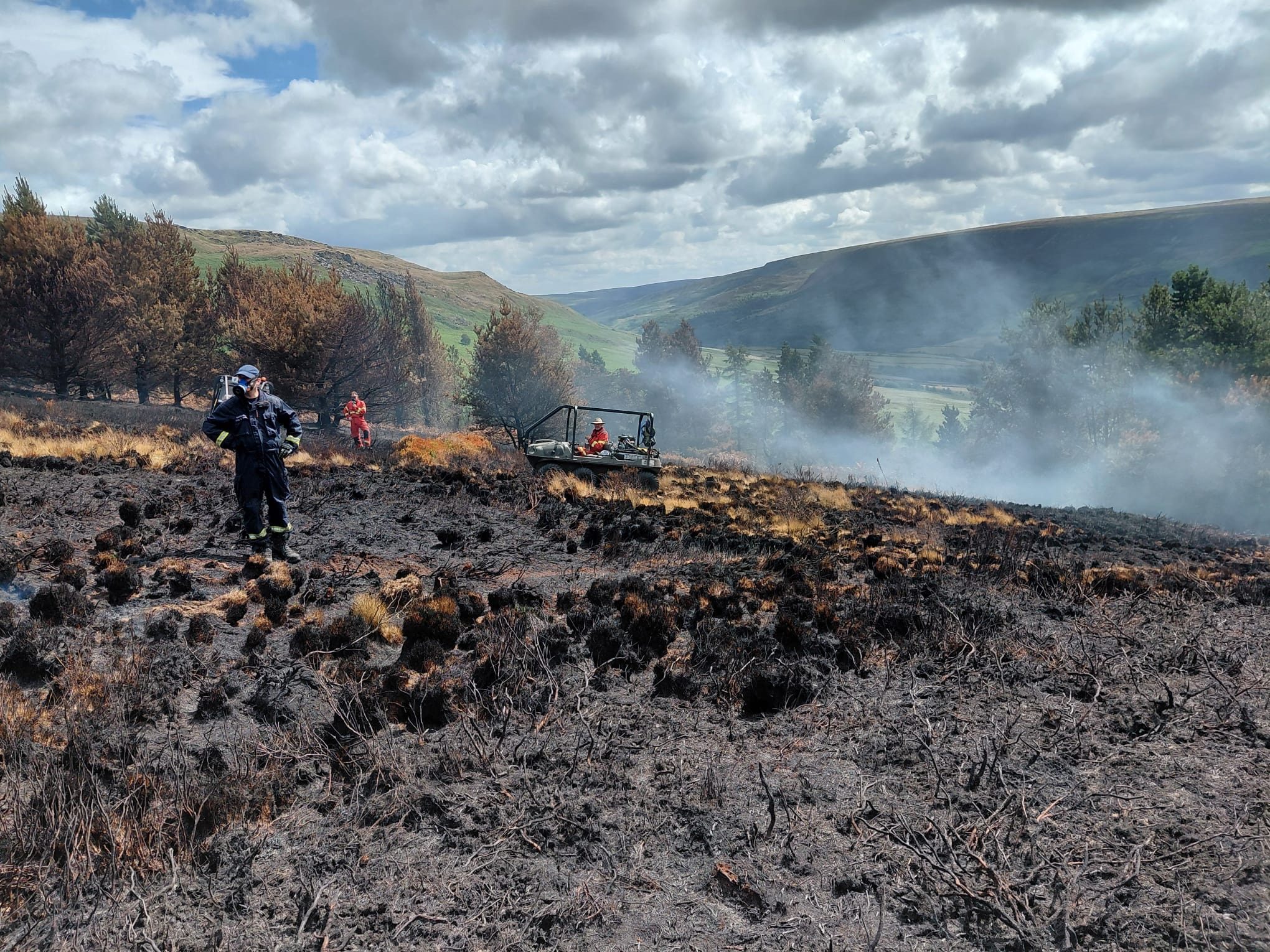
United Utilities Deploys Thermal Imaging Drones to Detect Moorland Fire Hotspots
United Utilities is employing thermal imaging drones to locate hidden hotspots from recent moorland fires in northwest England. Since the fires began at the end of June, the water company has been assisting emergency services. Despite cooler weather and rain, underground heat in peatland poses a risk of re-ignition, making the drones crucial for identifying these areas. The use of thermal drones is significant as it enhances the efficiency of firefighting efforts. Lindsay Page, United Utilities’ lead for Water Services in Greater Manchester, emphasized the collaborative effort with partners like the RSPB and Derbyshire Mountain Rescue. The drones provide GPS coordinates, allowing ground crews to target their resources effectively, which is vital in challenging terrain where monitoring from the ground is difficult. While major incidents have been scaled back, United Utilities continues to patrol areas like Dovestones and Tintwistle to extinguish remaining hotspots. The company has expanded its drone capabilities, previously trained for asset inspections, to include thermal imaging, significantly improving the identification of heat sources that may be hard to detect otherwise. No further timeline was disclosed at the time of publication.
Applications Drone News Drone News Feeds emergency response Fire Fire and Police
Leonardo DRS Combat Vehicle Successfully Engages 55-Pound Drones with Software Upgrade
A US armored air defense vehicle successfully engaged simulated Group 1 and Group 2 drones in a recent government test, showcasing its enhanced capabilities without new hardware. The demonstration, conducted by Leonardo DRS using the SGT STOUT mission equipment package on a Stryker armored fighting vehicle, utilized updated detection and fire-control functions to effectively counter smaller airborne threats. This advancement is significant as it supports the US Army’s Mobile Low, Slow UAS Integrated Defeat System program, which aims to improve air defense against evolving drone threats. The test specifically targeted drones weighing up to 55 pounds, which present unique challenges compared to larger aerial threats. The results indicate a promising direction for software-driven air defense capabilities that can adapt to changing operational needs. Looking ahead, the open architecture of the SGT STOUT system allows for future enhancements without major hardware changes, ensuring that the vehicle remains relevant as aerial threats evolve. No further timeline was disclosed at the time of publication.
Military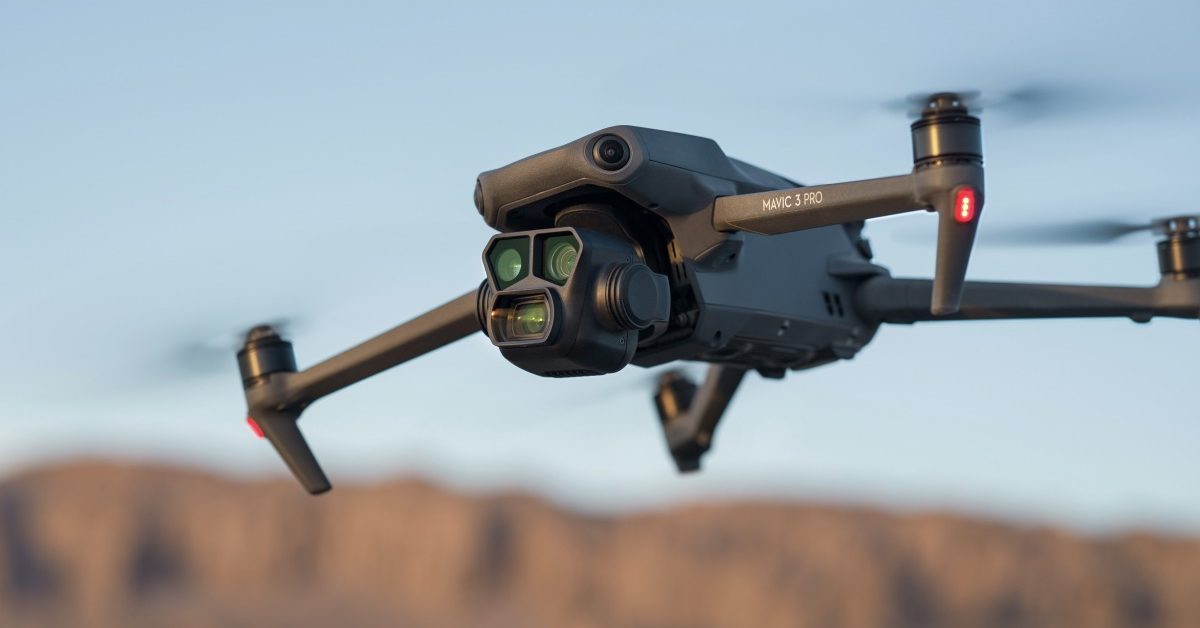
US Air Force to Acquire DJI Drones for Counter-Drone Training at F.E. Warren Base
The US Air Force is set to purchase refurbished DJI drones for counter-drone training at F.E. Warren Air Force Base in Wyoming. This initiative aims to enhance the preparedness of security personnel against potential drone threats, particularly as DJI dominates the global drone market with an estimated 80% to 85% share. The decision to utilize DJI drones, rather than American-made alternatives, stems from the unique capabilities and characteristics of DJI aircraft that cannot be replicated by US manufacturers. The Air Force's procurement documents highlight the operational necessity of training with the technology most likely to be encountered in real-world scenarios, as evidenced by a significant rise in drone incursions at military installations. Looking ahead, the Air Force's acquisition of these drones is part of a broader strategy to address the evolving landscape of drone threats. The training will incorporate US-made RIZER software to ensure cybersecurity, aligning with Defense Secretary Pete Hegseth’s memorandum that permits limited foreign drone purchases for military training and electronic warfare testing. No further timeline was disclosed at the time of publication.
News
Drones Transform Military and Infrastructure Protection Strategies
Drones are changing the landscape of military operations and the protection of critical infrastructure. They offer innovative solutions for safeguarding deployed forces and government sites, enhancing security measures significantly. The adoption of drones in these sectors is crucial as they provide a non-traditional approach to countering threats. This shift not only improves operational efficiency but also ensures better protection for citizens and vital assets. Looking ahead, the continued evolution of drone technology will likely lead to further advancements in military and infrastructure security. No further timeline was disclosed at the time of publication.
Features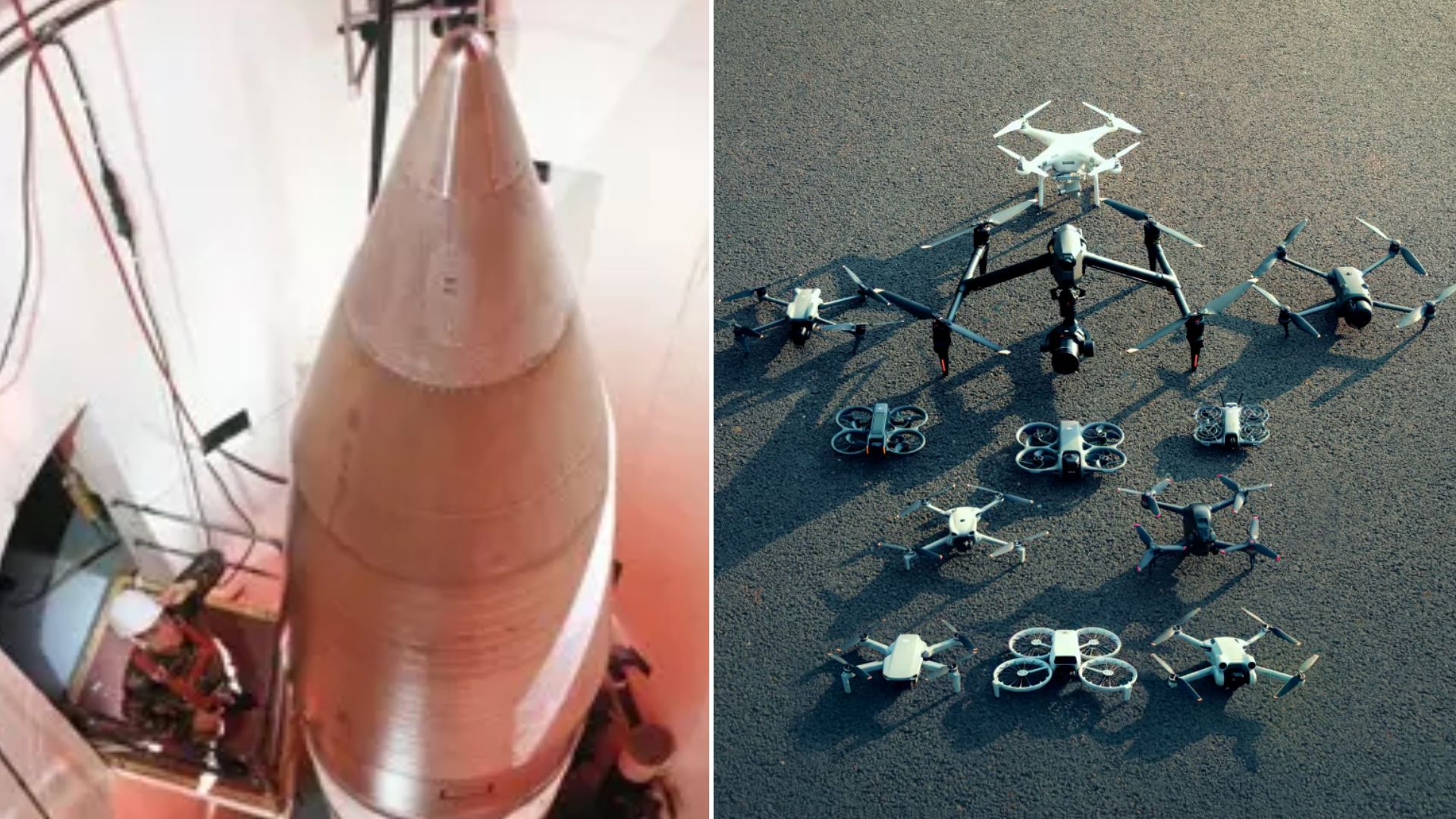
U.S. Air Force Plans to Acquire DJI Drones for Counter-Drone Training at Missile Base
The U.S. Air Force intends to purchase DJI drones for counter-drone training at F.E. Warren Air Force Base, which is part of the Minuteman III missile system. This initiative, led by the 90th Missile Security Operations Squadron, aims to enhance personnel's ability to detect and neutralize drone threats in the vicinity of the base. This procurement is significant as DJI drones dominate the commercial market, accounting for 80% to 85% of global sales, making them ideal for realistic training scenarios. The Air Force's decision to use these drones, despite existing restrictions on Chinese technology, highlights the need for effective training against prevalent drone threats, especially given the 350 reported incursions over U.S. military installations in 2024. Looking ahead, the Air Force plans to modify the acquired drones with RIZER software to ensure data security while allowing personnel to train against the unique characteristics of DJI systems. No further timeline was disclosed at the time of publication.
Military
Autonomous Drones Use Virtual Rewards to Outmaneuver Pursuers in Tag Game
Autonomous drones are being trained using virtual rewards to enhance their evasion skills in a high-speed game of tag. This innovative approach focuses on machine learning and decision-making, allowing drones to effectively outmaneuver pursuers and reach their base. The significance of this development lies in its potential applications in various fields, including surveillance, search and rescue, and military operations. By mastering cooperative strategies and rapid responses, these drones could revolutionize how autonomous systems interact in dynamic environments. Looking ahead, it will be important to monitor advancements in drone technology and machine learning algorithms that facilitate these capabilities. No further timeline was disclosed at the time of publication.
Robotics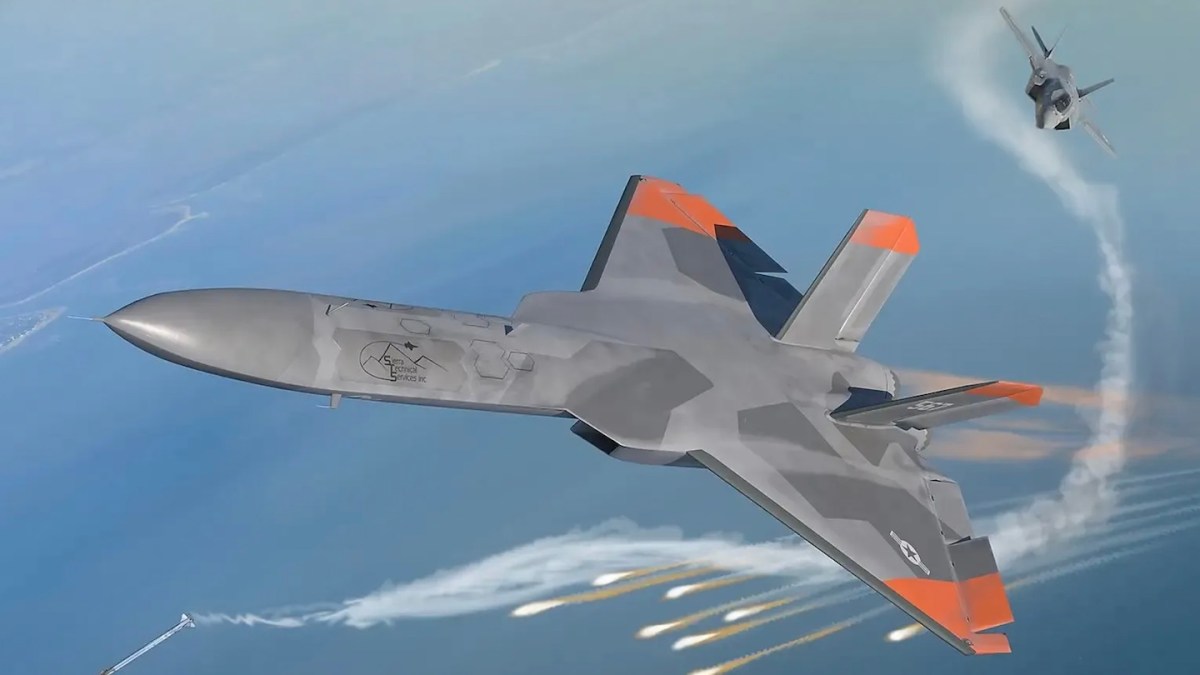
U.S. Air Force Seeks New Family of Expendable Target Drones for Diverse Threat Simulation
The U.S. Air Force is pursuing a new family of aerial targets designed to replicate a wide range of airborne threats, including stealth fighters and UAV swarms. This initiative aims to create realistic yet cost-effective targets that can be routinely used and destroyed during testing, as outlined in a recent Request for Information (RFI). The Air Force's requirements emphasize the need for these targets to be inexpensive and simple to manufacture, allowing them to be treated as expendable. This marks a shift from existing aerial targets like the QF-16, which is based on a converted fighter aircraft. The new targets are expected to leverage commercial technologies and manufacturing methods to enhance scalability and reduce costs. The proposed systems will cater to various threat categories, with specific requirements for advanced fighter aircraft, including supersonic capabilities and advanced radar cross-section profiles. Responses to the RFI are due by September 28, and the Air Force is particularly interested in non-traditional solutions that can offer advantages over legacy systems.
Air Air Forces Drones News & Features U.S. Air Force
FAA NextGen Fact Sheet Highlights Future Integration of Drones and Aircraft
On August 17, the Federal Aviation Administration (FAA) released a NextGen fact sheet detailing updates to the National Airspace System (NAS) and ongoing modernization efforts. The Next Generation Air Transportation System, or NextGen, has significantly advanced U.S. air traffic management technology, transitioning to digital communications, satellite navigation, and integrated data sharing. The FAA reports that NextGen programs are now operational and have generated $10.9 billion in benefits from 2010 to 2023. The modernization efforts include the implementation of over 20 capabilities across the country, enhancing air traffic management through technologies like Automatic Dependent Surveillance-Broadcast (ADS-B) and Performance Based Navigation. These advancements allow for more precise navigation and real-time data sharing, shifting the focus from traditional air traffic control to a more strategic, integrated management approach. The FAA emphasizes the importance of accommodating non-traditional aviation forms, including uncrewed aircraft systems (UAS). Looking ahead, the FAA is developing traffic management concepts to safely integrate UAS and other emerging aircraft into the NAS. Technologies such as DroneZone and the Low Altitude Authorization and Notification Capability (LAANC) are pivotal in supporting this growth. The agency is also exploring concepts for UAS Traffic Management and Urban Air Mobility, indicating a significant shift in airspace management strategies in the coming years.
Drone News Drone News Feeds Drones in the News FAA News ADS-B
Trump Administration Implements Tariffs Up to 100% on Imported Drones
The Trump administration has announced new tariffs on imported drones and components, with rates reaching up to 100% for specific products. This initiative aims to enhance domestic manufacturing and reduce reliance on foreign suppliers, particularly from China, which dominates the global drone market. The tariffs are structured in tiers, with the highest penalties applied to drones over 25 kilograms and those with sensitive capabilities, such as thermal imaging. Smaller drones will face a 25% tariff, with implementation timelines varying by product. The administration is also offering lower tariffs for drones from allied countries, including the EU and Japan, to encourage domestic production. This policy reflects a broader strategy to address national security vulnerabilities linked to foreign-made unmanned aircraft systems. Analysts suggest that the tariffs could significantly impact companies like DJI, which holds a substantial share of the US commercial drone market. No further timeline was disclosed at the time of publication.
News
Rakuten Collaborates with German Startup Helsing to Introduce Military Drones in Japan
Rakuten Group Inc. is partnering with defense AI startup Helsing to introduce military drones to Japan. This collaboration aims to enhance Japan's defense capabilities by leveraging advanced drone technology from the German startup. The partnership is significant as it reflects Japan's growing interest in integrating cutting-edge military technology to bolster its defense strategy. By working with Helsing, Rakuten is positioning itself at the forefront of defense innovation in the region. Looking ahead, it will be important to monitor the progress of this collaboration and any developments regarding the deployment of these military drones in Japan. No further timeline was disclosed at the time of publication.

F-Drones Unveils LITAVR+ Interceptor Drone to Combat Shahed Kamikaze Drones
A Ukraine-based defense company, F-Drones, has introduced the LITAVR+ interceptor drone designed to target the Shahed kamikaze drones utilized by Russia in the ongoing conflict. The Shahed drones, developed in Iran, are favored by Russian forces due to their cost-effectiveness and precision in attacks. The LITAVR+ can intercept these drones at speeds exceeding 250 mph, providing a significant advantage in air defense. The introduction of the LITAVR+ is crucial as the Shahed-136 drones, priced around $35,000, pose a substantial threat, especially given the higher costs associated with existing air defense systems. The upgraded LITAVR+ features advanced navigation capabilities that allow it to operate without GPS and a target guidance system for autonomous last-mile engagement. This innovation is expected to enhance Ukraine's defense capabilities against the increasing use of kamikaze drones. Looking ahead, F-Drones is also establishing a manufacturing facility in the United States to produce compliant drones for defense applications. The LITAVR+ represents a significant step in Ukraine's efforts to localize drone production and reduce reliance on foreign components, which is vital for rapid deployment in the current conflict.
Military
New Tariffs on Imported Drones and Components Announced by White House
President Donald Trump has announced new tariffs on imported drones and specific drone components following a national security investigation by the Commerce Department. The tariffs, which range from 25% to 100%, are set to take effect on September 3, 2026, for most products, while certain component tariffs will begin on February 9, 2027. The investigation, initiated on July 1, 2025, highlighted concerns over U.S. reliance on foreign unmanned aircraft systems (UAS) and components. The significance of these tariffs lies in their potential impact on national security, as the White House emphasized the critical role of drones in military operations, law enforcement, agriculture, and disaster relief. The highest tariffs will apply to drones over 25 kilograms and those equipped with thermal imaging, with a 100% tariff imposed on these products. Smaller drones without thermal imaging will face a 25% tariff, reflecting the administration's strategy to bolster domestic manufacturing and reduce foreign dependency. Looking ahead, the tariffs are expected to reshape the U.S. drone market and supply chains, particularly as the proclamation acknowledges that many domestically produced UAS still rely on foreign components. No further timeline was disclosed at the time of publication.
Drone News Drone News Feeds Drones in the News Dual Use Feature 1 News
Trump Implements 100% Tariffs on Select Drones and Components Amid Security Concerns
President Trump has enacted a 100% tariff on certain drones and their components, aiming to bolster domestic manufacturing and reduce reliance on foreign suppliers. This move is part of a broader strategy to strengthen the U.S. supply chain in response to national security risks associated with Chinese drone technology. The tariffs align with Trump's executive order to expedite domestic drone production and limit the Department of Defense's ability to procure critical components from foreign entities, particularly China. This decision comes as the U.S. Army previously banned the use of Chinese-made DJI drones due to security concerns, highlighting the ongoing tension between the U.S. and China in the drone market. Looking ahead, the tariffs are part of a larger initiative under the National Defense Authorization Act for fiscal year 2026, which aims to enhance domestic manufacturing capabilities. No further timeline was disclosed at the time of publication.
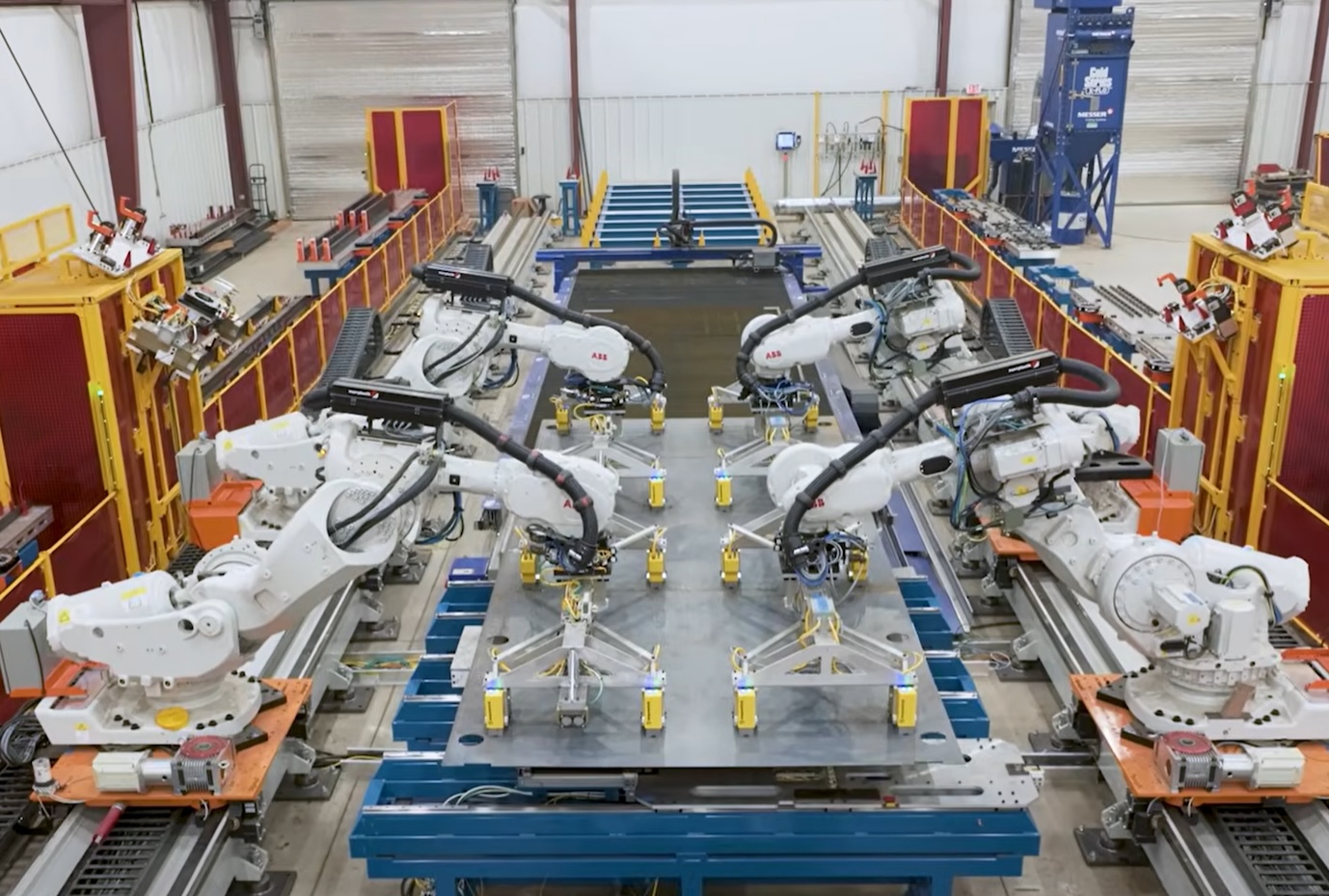
Drones Illuminate Atmospheric Boundary Layer for Military and Energy Traders
Drones are being utilized to gather data that sheds light on the poorly observed boundary layer of the atmosphere. This information is crucial for military strategists and energy traders who rely on accurate atmospheric data for decision-making. The ability to observe this boundary layer is significant as it can influence weather patterns and forecasts, which are essential for military operations and energy market strategies. By enhancing the understanding of this atmospheric layer, drones are providing valuable insights that can lead to more informed strategic planning. Looking ahead, the continued use of drones for atmospheric data collection may expand, potentially leading to improved weather forecasting and strategic military applications. No further timeline was disclosed at the time of publication.

Energy Traders Leverage Drones for Enhanced Weather Forecasting Insights
Energy traders are increasingly utilizing drones to gather data that enhances weather predictions, potentially improving their financial outcomes. This innovative approach allows for more accurate forecasting, which is crucial for making informed trading decisions in the energy sector. The significance of this development lies in its potential to optimize trading strategies and reduce risks associated with unpredictable weather patterns. By harnessing drone technology, traders can access real-time data that informs their operations, ultimately leading to better financial performance. Looking ahead, the continued integration of drone-collected data into energy trading strategies is expected to evolve. As technology advances, the accuracy and reliability of weather forecasts may further improve, providing traders with a competitive edge in the market. No further timeline was disclosed at the time of publication.

Trump Implements 100 Percent Tariffs on Specific Drones and Aircraft Parts
President Donald Trump has announced a 100 percent tariff on imports of drones equipped with thermal cameras and those weighing over 25kg, along with all parts for unmanned aircraft of the same weight. Additionally, a 25 percent tariff will apply to smaller drones under 250 grams. This move follows a previous ban on foreign drones and aims to increase costs for existing imports. The tariffs are part of a broader strategy to encourage domestic production of unmanned aerial systems (UAS) and their components. Companies can avoid these tariffs by committing to manufacture drones or parts in the United States. The tariffs also feature reduced rates for certain countries, including a 15 percent tariff for the EU and others, contingent on local production of technology. Looking ahead, the Secretary of Commerce has been authorized to create a program to incentivize investment in U.S. production facilities for UAS. However, the legality of these tariffs has been challenged in court, raising questions about their long-term viability and impact on consumers and companies alike. No further timeline was disclosed at the time of publication.
News Policy
Lockheed Martin Unveils MORFIUS: A Drone Capable of Neutralizing Adversary Drones
Lockheed Martin has introduced the MORFIUS X-Rotor, a counter-UAS system designed to neutralize over 50 adversary drones in a single sortie. This drone features a High Power Microwave (HPM) payload and a cross-wing configuration for vertical takeoff and landing, enabling field recovery and rapid reuse. The significance of MORFIUS lies in its ability to counter both individual drones and complex swarms, a growing concern on modern battlefields. Lockheed Martin's Jason Reynolds emphasized the system's potential to protect critical assets and sites, highlighting the increasing global demand for effective counter-UAS solutions. Looking ahead, Lockheed Martin has completed live-fire testing and is accelerating production to meet the rising interest in MORFIUS. No further timeline was disclosed at the time of publication.
News & Features Counter-Unmanned Aerial Vehicles (C-UAS) Drones Land
Reports Suggest Iranian Drones May Have Tracked US F-15E Before Shootdown
A recent report indicates that Iranian drones may have played a crucial role in tracking a U.S. Air Force F-15E Strike Eagle before its shootdown in April. According to a U.S. military official, these drones provided vital information regarding the aircraft's location, speed, and direction, aiding Iranian forces in targeting the fighter jet. This claim, reported by The New York Times, has not been independently confirmed by the Pentagon. The significance of this development lies in demonstrating how cost-effective unmanned systems can enhance a compromised air-defense network. Even basic drones equipped with cameras can detect aircraft and relay their positions, allowing for improved situational awareness. The report raises questions about the sensors used by Iranian drones and how tracking data was communicated to missile units, highlighting the potential for simpler drone networks to provide effective air-defense capabilities. Looking ahead, analysts are keen to understand the implications of this incident for military strategies involving drone technology. The concept of using inexpensive drones as disposable sensors could reshape air-defense tactics, as evidenced by their successful application in Ukraine. No further timeline was disclosed at the time of publication.
Military
British Navy Drones Found Communicating with Chinese IP Address
Recent reports indicate that British Navy drones were detected communicating with a Chinese IP address. The origin of the component that facilitated this communication remains uncertain, especially considering the UK's prohibition on using Chinese parts in military equipment. This situation raises significant concerns regarding national security and the integrity of military technology. The presence of Chinese components in British military drones could potentially compromise sensitive operations and data, leading to increased scrutiny of supply chains and procurement processes. Moving forward, it will be important to monitor any investigations or actions taken by the UK government regarding this incident. The implications for military procurement policies and the broader defense strategy may be substantial, especially in light of ongoing tensions with China. No further timeline was disclosed at the time of publication.
Robotics needs a service framework.
RSF defines a common language for robot service capability, lifecycle operations, certification pathways, and service-provider networks.
Join the RobotToday community on LinkedIn
Daily robotics news, in-depth analysis, conference highlights, and discussions with professionals worldwide.