


3eye Bird
"ドローンの未来に貢献します (Contributing to the future of drones)"
3eye Bird Co., Ltd. runs the JUIDA-certified D-Academy Tohoku drone school in Akita, Japan, and is building an AI bear-detection drone system for 2026 rollout.
Contact 3eye Bird
WEBSITE
https://www.3eye-bird.jp/PHONE
+81 18-893-5860HEADQUARTERS
Japan

Company Facts
Founded
2016
Primary Role
System Integrator
Company Size
-
Primary Region
Asia-Pacific
Annual Sales
-
Funding Stage
-
Funding Total
-
Certifications & Memberships
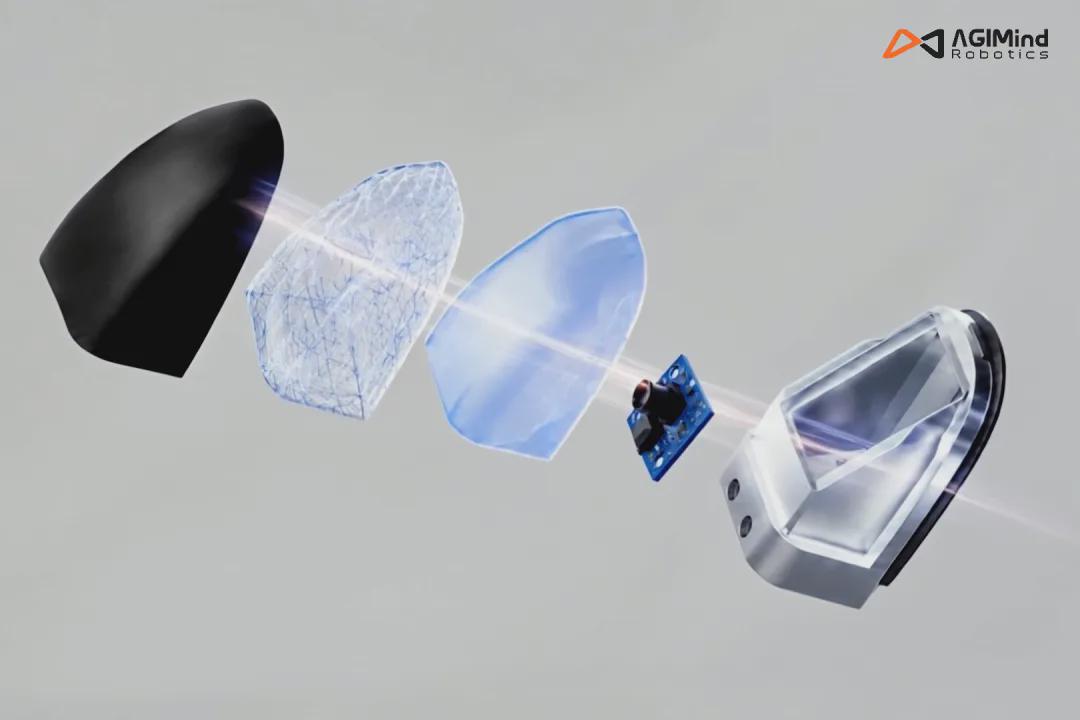
A Haptic Technology Company Aims to Redefine Haptic Data Amidst a 20-Fold Data Gap
A haptic technology company is striving to redefine the concept of 'haptic data' in light of a significant 20-fold data gap. This initiative highlights the challenges faced in the industry regarding data collection and utilization, particularly in the context of robotics and human interaction. The importance of this effort lies in its potential to bridge the existing gap in haptic data, which is crucial for enhancing the performance and capabilities of robotic systems. By addressing this issue, the company aims to improve the integration of haptic feedback in various applications, ultimately leading to more intuitive and effective human-robot interactions. Looking ahead, industry observers should monitor the company's progress in developing new methodologies for haptic data collection and application. No further timeline was disclosed at the time of publication.
Robotics Automation AI
Company Explores Robot Socialization Through Interactive Scenarios Like Autism
A company is focusing on developing robot socialization by creating strong interactive scenarios, particularly for individuals with autism. This initiative aims to enhance the engagement and interaction capabilities of robots in social contexts, which is crucial for their acceptance and utility in everyday life. The importance of this development lies in its potential to bridge the gap between robotic technology and human emotional understanding. By targeting specific scenarios such as autism, the company is addressing a significant need for social robots that can effectively communicate and interact with users, thereby improving their quality of life. Looking ahead, the company is expected to continue its research and development in this area, although no specific timeline for future milestones was disclosed at the time of publication.
Robotics Automation AI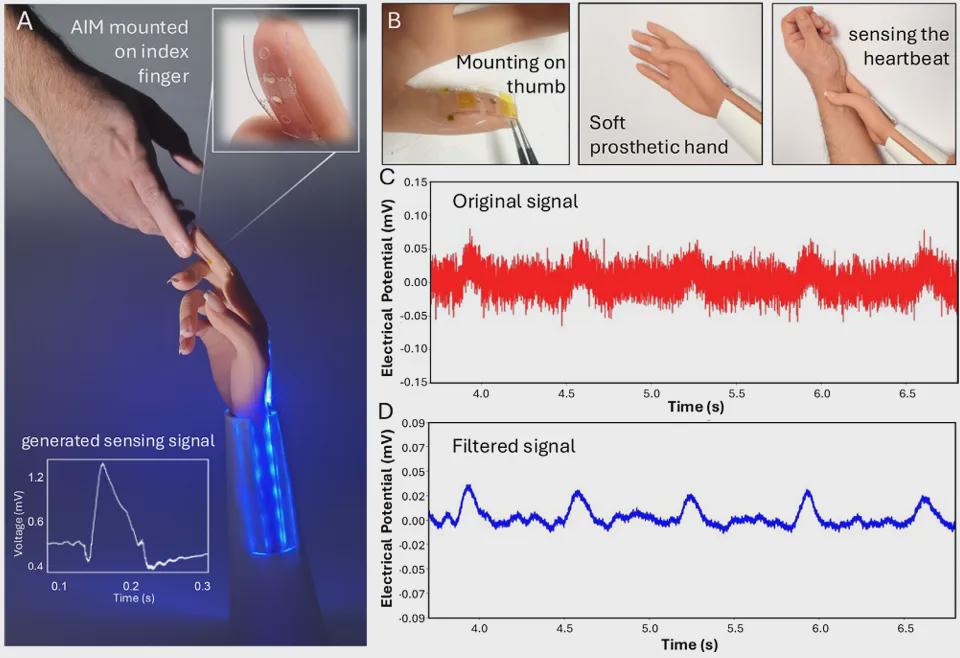
Danish Team Develops Tactile Sensor That Generates Electricity Through Pressure Without Signals
A Danish research team has developed a novel tactile sensor that generates electricity when pressed, eliminating the need for electronic signal transmission. This innovation could significantly enhance the functionality of robots and other devices that rely on touch sensitivity. The importance of this development lies in its potential applications across various sectors, including robotics and automation. By creating a sensor that operates without traditional electronic signals, the team is paving the way for more efficient and responsive robotic systems. Looking ahead, the industry will be keen to observe how this technology is integrated into existing robotic platforms and whether it can lead to advancements in human-robot interaction. No further timeline was disclosed at the time of publication.
Robotics Automation AI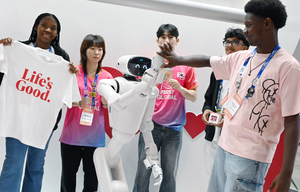
LG Electronics Showcases Robotics at 2026 First Global Challenge in Incheon
LG Electronics is actively participating in the 2026 First Global Challenge, an international youth robotics competition taking place at Songdo Convensia in Incheon. The event, which runs from Wednesday to Saturday, gathers youth teams from 185 countries to design and build robots aimed at addressing global challenges, particularly focusing on wildfire prevention and recovery due to climate change. This year's competition, themed “Igniting Innovation,” emphasizes the importance of robotics in tackling pressing issues like wildfires. LG's involvement includes sponsoring the event and showcasing its latest robotics technologies at an exhibition booth. The company also features its humanoid robot, LG CLOiD, allowing visitors to engage with the technology and learn about the innovative solutions being developed by young participants. As LG increases its investment in robotics as a key growth area, it aims to integrate physical AI into its strategy. The company recently launched LG Data Factory to enhance data management for robotics training. No further timeline was disclosed at the time of publication.
All News
Innovative FiberMotor Technology Enhances Soft Robotics and Wearable Devices
Researchers have developed a novel FiberMotor that operates similarly to a telescope, providing enhanced power for soft robots and wearable technology. This advancement is significant as it opens new possibilities for the integration of robotics in various applications, particularly in health and personal devices. The importance of this innovation lies in its potential to revolutionize the design and functionality of soft robotics and wearables, making them more efficient and versatile. By utilizing this FiberMotor technology, developers can create lighter and more adaptable devices, which could lead to improved user experiences and expanded use cases. Looking ahead, the focus will be on the practical applications of the FiberMotor in real-world scenarios. Researchers and developers will likely explore its integration into existing systems and assess its performance in various environments. No further timeline was disclosed at the time of publication.
Innovation Science
North Carolina State University Develops Feather Star-Inspired Underwater Robot with Two Actuators
Researchers at North Carolina State University have created a soft underwater robot inspired by feather stars, capable of three-dimensional movement using only two actuators. This innovative design significantly reduces mechanical complexity, as traditional systems typically require six actuators for similar maneuverability. The robot employs a principle known as 'mechanical intelligence,' allowing its structure and water interactions to minimize control input from operators. With four elastic wings arranged around a central disk, the robot can achieve various motions, including upward movement, hovering, and rotation, all while maintaining a streamlined design. Future developments to watch include the robot's application in underwater exploration and object manipulation, as demonstrated by its ability to lift items and navigate environments using a camera. No further timeline was disclosed at the time of publication.
AI and Robotics
Zhiyuan's Data Business Struggles to Support Robotics at $20 Per Hour
Zhiyuan's data business is facing challenges as it operates at a rate of $20 per hour, which is insufficient to sustain the robotics industry. The company is exploring new avenues to enhance its offerings and address the growing demand for data in robotics. This situation highlights the broader issue within the robotics sector, where the cost of data collection and processing is becoming a critical factor. As companies seek to innovate and improve their robotic systems, the financial viability of data services like those offered by Zhiyuan is under scrutiny. Looking ahead, industry stakeholders should monitor how Zhiyuan adapts its business model to better serve the robotics market. No further timeline was disclosed at the time of publication.
Robotics Automation AI
MIT Develops Paper-Thin Robot Powered by Live Muscle Cells and Light Control
MIT has successfully created a paper-thin robot that utilizes live muscle cells for swimming and is controlled by light. This innovative design showcases the potential of biohybrid robotics, merging biological materials with robotic systems to enhance functionality. The significance of this development lies in its implications for future robotics applications, particularly in environments where traditional motors may not be suitable. By employing live muscle cells, the robot can achieve more natural movements and adaptability, which could lead to advancements in soft robotics and bioengineering. Looking ahead, the ongoing research at MIT may pave the way for further innovations in biohybrid robots. As the technology matures, it will be interesting to observe how these robots can be integrated into various fields, including medicine and environmental monitoring. No further timeline was disclosed at the time of publication.
Robotics Automation AI
ZTE Unveils Self-Developed Multi-Form Humanoid Robot Matrix Featuring Xingzai, Xingqing, and Xingwang
ZTE has introduced its self-developed multi-form humanoid robot matrix, which includes models named Xingzai, Xingqing, and Xingwang. This showcase highlights ZTE's advancements in humanoid robotics and its commitment to innovation in this field. The introduction of these humanoid robots is significant as it marks ZTE's entry into a competitive market where robotics technology is rapidly evolving. The models aim to bridge the gap between physical and semantic knowledge, addressing challenges in the robotics sector. Looking ahead, industry observers will be keen to see how ZTE's humanoid robots perform in real-world applications and whether they can establish a foothold in the market. No further timeline was disclosed at the time of publication.
Robotics Automation AI
IMTS 2026 Preview: Record Orders and the Automation Story
IMTS 2026 opens in Chicago with 1,788 exhibitors and record H1 machine tool orders. What the USMTO data says about automation, and the booths to see.
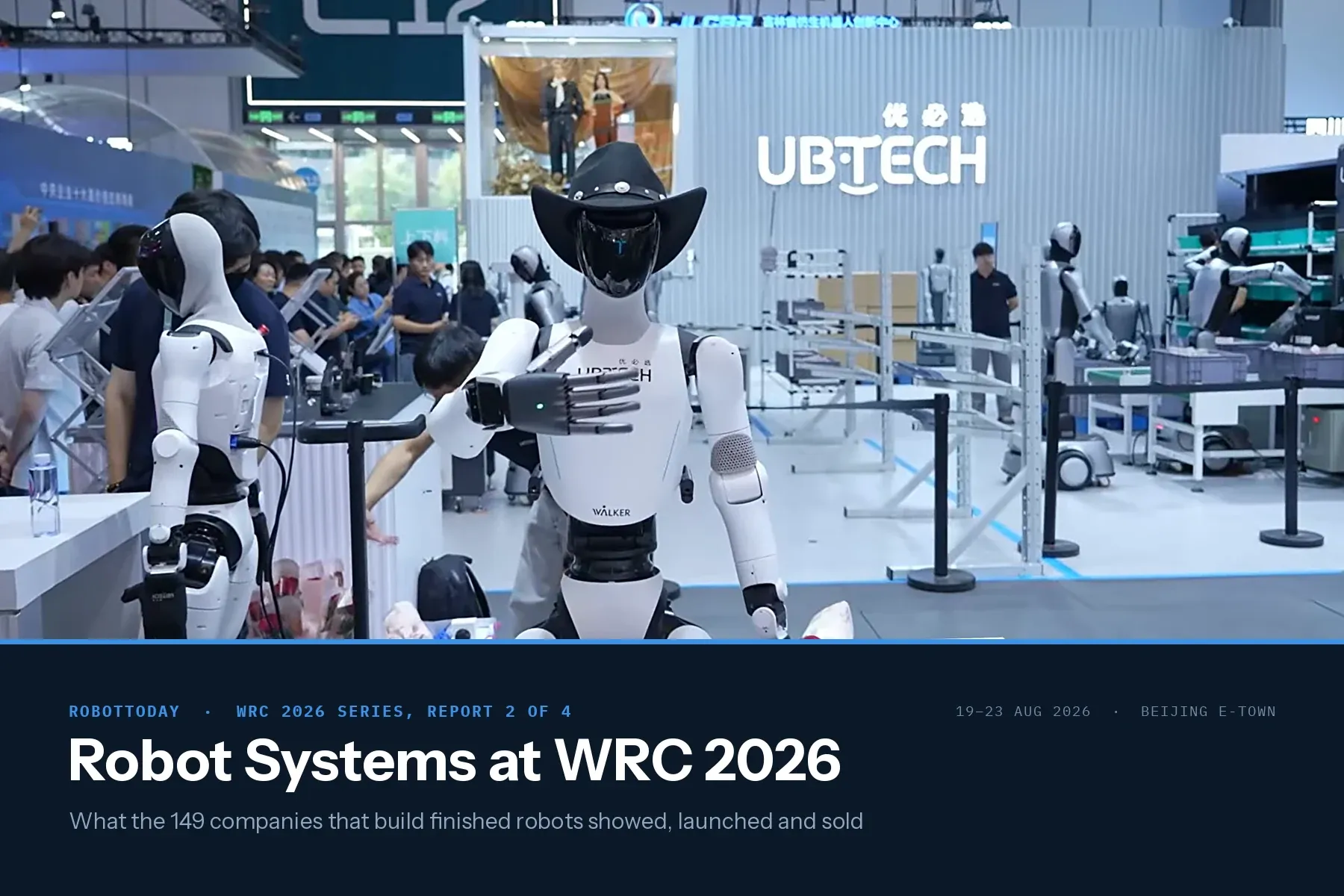
WRC 2026 Robot Systems: 149 Companies That Build Robots
149 of the 248 classified WRC 2026 exhibitors build finished robots. 93 build humanoid or legged machines. The audited humanoid sales number is one unit.

WRC 2026 Exhibitor Map: 248 Robotics Companies Mapped
We classified 248 WRC 2026 exhibitors with the RobotToday taxonomy. Motion & Actuation leads at 75 companies, Humanoid at 72, and compute stays thin at 12. (Modified 2026-08-27)

JUIDA Launches Bear Mitigation Technology Showcase Featuring Six Drone Solutions in Japan
The Japan UAS Industrial Development Association (JUIDA) has introduced a Bear Mitigation Technology Showcase to address the rising bear sightings and attacks across Japan. This initiative highlights drone-based solutions from JUIDA member organizations, focusing on surveillance, deterrence, and habitat mapping to enhance community safety. The showcase features six organizations, including Island Biyori Co., Ltd., which utilizes multi-tier autonomous drones for bear damage prevention, and 3eye Bird Co., Ltd., known for its AI-powered drones that can detect and track bears using night vision and infrared technology. The increasing demand for effective bear response strategies underscores the importance of these innovative solutions in protecting residents and wildlife. Looking ahead, companies like 3eye Bird Co., Ltd. are targeting commercial deployment by 2026, while Terra Drone Corporation plans to introduce bear-repellent drones by winter 2025. The ongoing development of these technologies will be crucial in shaping future bear response efforts across Japan. No further timeline was disclosed at the time of publication.
Drone News Drone News Feeds Drones in the News Japan Drone Industry Japan Drone News JUIDA
ROBOTTODAY Weekly July 13 – 17, 2026
This week in robotics: Hyundai takes full ownership of Boston Dynamics, Xpeng targets 1,000 Iron humanoids a month, LimX Dynamics raises $200M pre-IPO, and Agility opens a Silicon Valley physical-AI hub. July 13–17, 2026.

Physical AI Landscape: From Digital Intelligence to the Embodied Physical World
A comprehensive industry analysis of Physical AI — covering Embodied AI, Field AI, Factory AI, VLM, World Model, VLA, and the VLA vs WAM architecture debate. Includes 20+ companies, 28 references, and the RobotToday Physical AI Landscape diagram. July 2026.
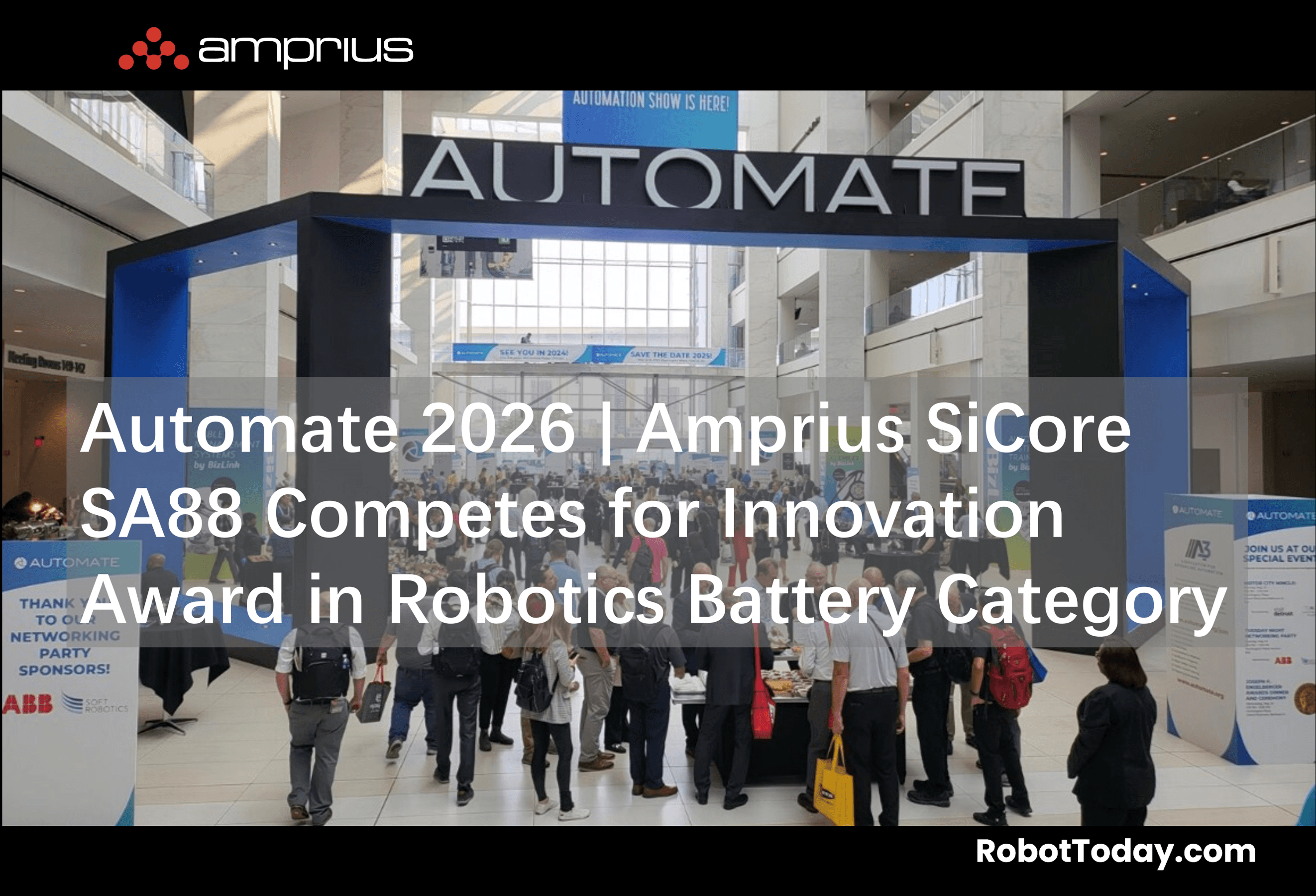
Automate 2026 | Amprius SiCore SA88 Competes for Innovation Award in Robotics Battery Category
At Automate 2026 in Chicago, Amprius Technologies exhibited its SiCore SA88 silicon-anode pouch cell — 358 Wh/kg, 750 Wh/L — as a finalist in the Components, Hardware & Enabling Technologies category. Analysis of implications for AMR, UAV, and aerial mobility platforms.
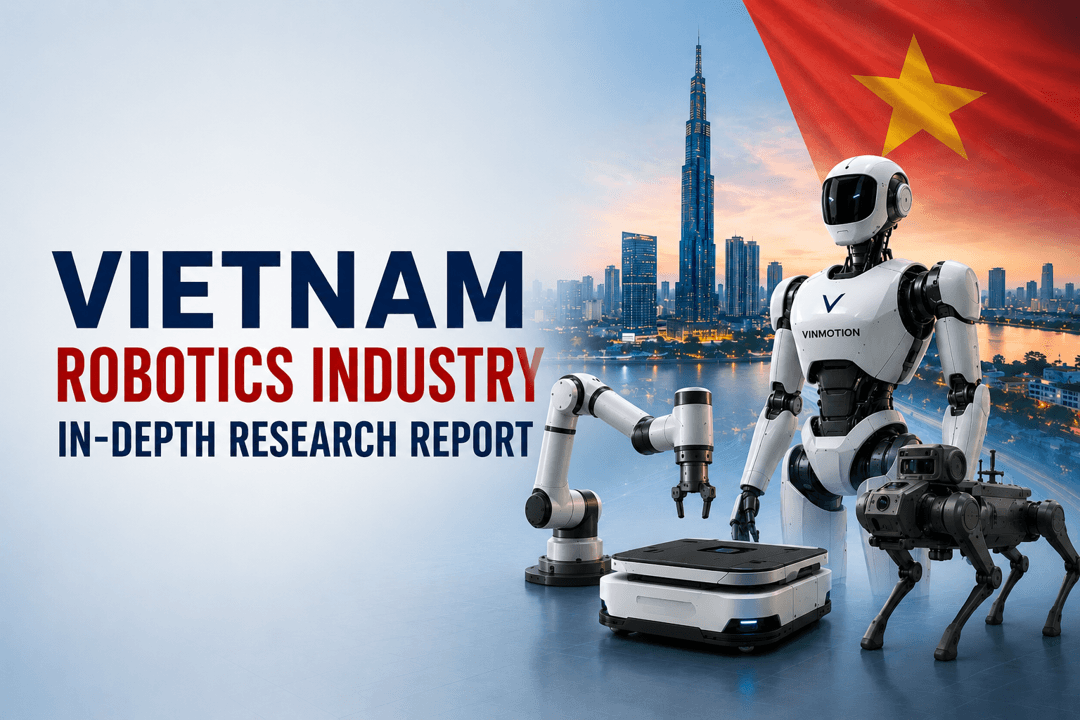
Vietnam Robotics Industry Report 2026
Comprehensive analysis of Vietnam's robotics industry: market size, industrial policy, key companies (Vingroup, Apicoo, Phenikaa-X), geopolitical dynamics, and 2030 growth opportunities.
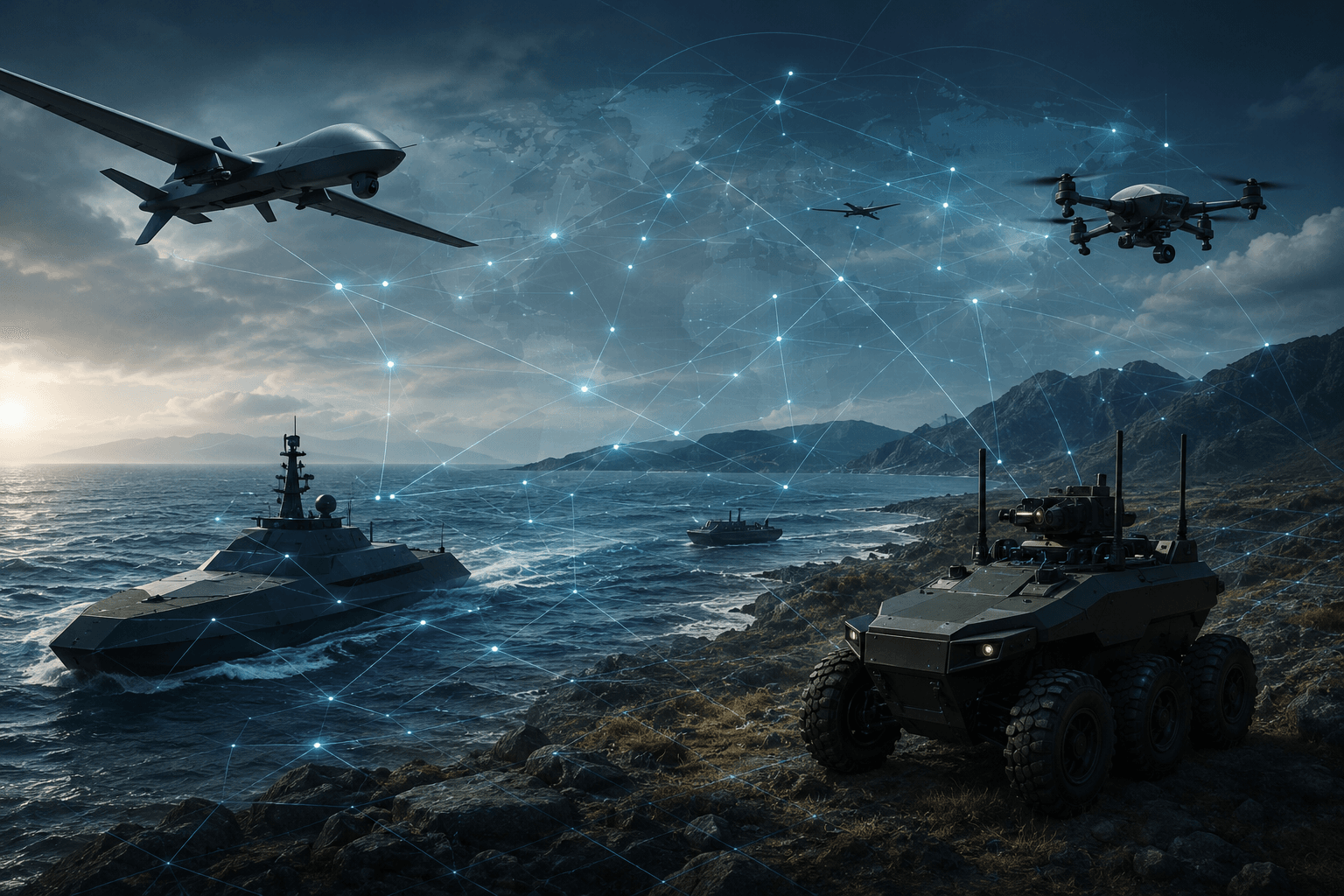
FUTURE WARFARE | Cross-Domain Integration - Integration How Land, Sea, Air and Software Are Converging Into a Single Kill Chain
Cross-domain robotics is reshaping modern warfare as drones, UGVs, AI targeting systems, and autonomous logistics converge into a single networked kill chain across land, sea, air, and software.

RobotToday Weekly Industry Briefing: Feb 2 – 6, 2026
Robotics shifted from demos to deployment post-CES 2026, led by China’s humanoid scale, AI robot brains, and accelerating industrial adoption.
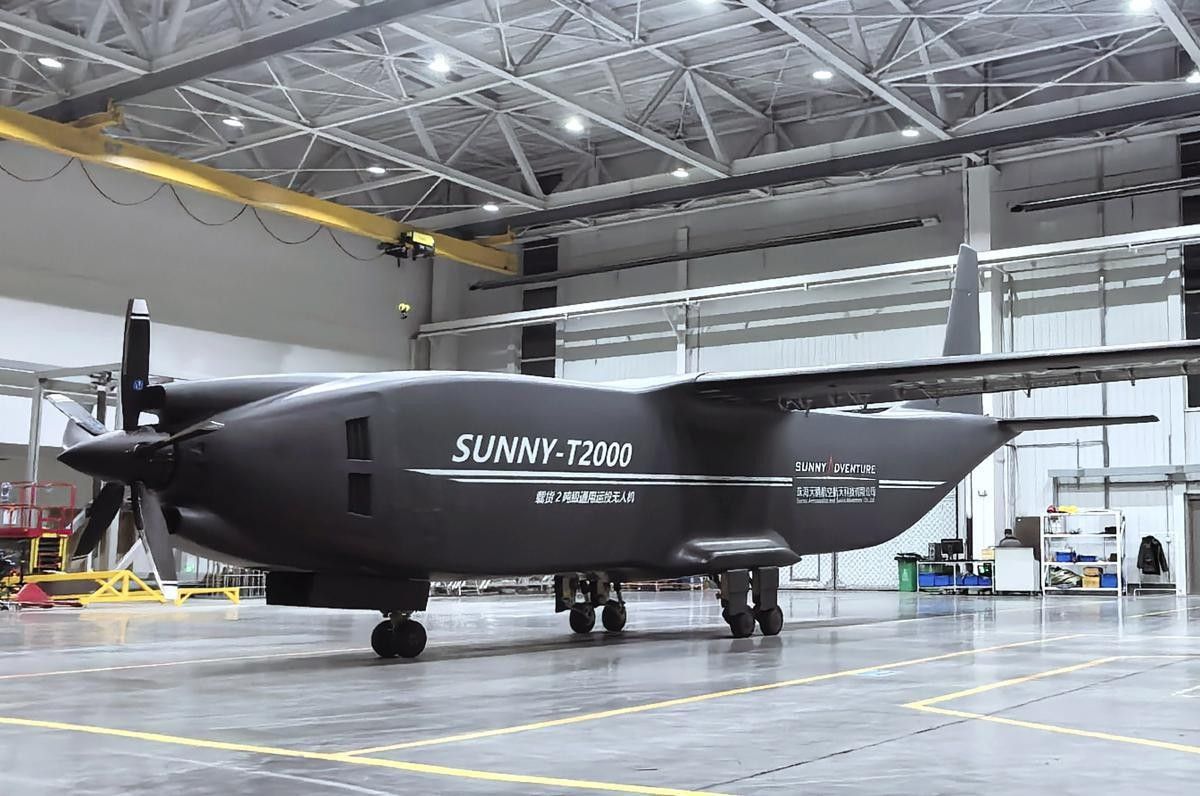
Sunny t2000 china s first 2 ton turboprop cargo uav signals a new era for heavy unmanned logistics
The SUNNY-T2000 signals a shift in heavy cargo UAVs, showing how two-ton unmanned aircraft are reshaping regional and industrial air logistics.


