Industry Briefing
A single destination for timely, editor-curated robotics news from around the world.
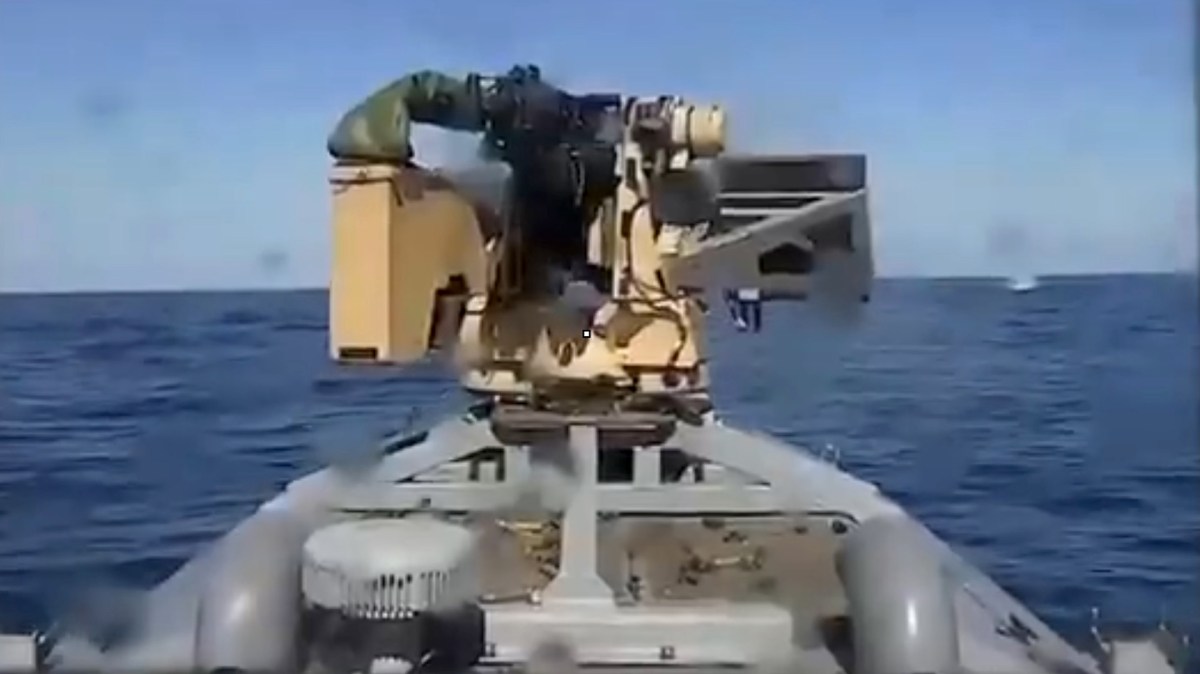
Ukraine Claims Historic First Kill of Russian Drone Boat by Its Own Uncrewed Vessel
The Ukrainian Navy has reported that its uncrewed surface vessel (USV) successfully sank a Russian USV, marking a historic first in naval warfare between unmanned boats. This engagement highlights the increasing effectiveness of Ukraine's combat drone boats against Russia's Black Sea Fleet, prompting a significant evacuation of Russian naval assets from Crimea. This incident underscores the growing proliferation of weaponized USVs globally, as nations explore advanced maritime combat capabilities. The Ukrainian Navy's Sargan 3000, equipped with a Protector 12.7 mm remotely operated weapon station, played a crucial role in this engagement, demonstrating the potential of unmanned vessels in modern warfare. As the use of drone boats expands, industry observers will be keen to monitor further developments in unmanned naval combat. No further timeline was disclosed at the time of publication.
Sea Around The Globe Europe Navies News & Features Russia
Canada and Ukraine Forge Long-Term Defense Partnership for Uncrewed Technologies
Canada and Ukraine have entered a significant defense agreement to collaboratively produce uncrewed technologies, counter-drone systems, and munitions. This partnership, announced by Canadian Prime Minister Mark Carney during Ukrainian President Volodymyr Zelenskyy's visit to Calgary, aims to enhance Ukraine's defense capabilities amid ongoing Russian aggression. The agreement is part of a broader commitment to a '100-year partnership' between the two nations, combining Ukraine's battlefield experience with Canada's manufacturing and technological expertise. Notably, General Dynamics Mission Systems of Canada and Ukraine's Green Tech Harvest will explore co-producing Ukrainian-designed drones, while Canada plans to invest approximately $350 million in air defense interceptors through the Joint Ukraine Multinational Program. Looking ahead, the partnership is expected to bolster Ukraine's air defense capabilities significantly, with Zelenskyy highlighting the training of 21 Ukrainian pilots in Canada. However, specific operational details regarding the drone cooperation remain limited. No further timeline was disclosed at the time of publication.
Air Warfare Allies Air Force canada Drones Europe
Ukraine Conducts Longest Drone Strike Against Russia Targeting Gas Plant
On September 9, 2026, Ukraine executed a drone strike on the Novy Urengoy Gas Condensate Processing Plant, marking its farthest attack from the Ukrainian border at over 1,700 miles. This operation highlights Ukraine's ongoing strategy to disrupt Russia's energy infrastructure amidst the ongoing conflict. The strike is significant as it targets a crucial facility in Russia's gas condensate infrastructure, which has an annual processing capacity of approximately 19.5 million tons. The Ukrainian military claims that the plant's products are essential for the Russian armed forces, indicating a strategic focus on weakening military supply lines. As the situation develops, observers should monitor the extent of the damage and any potential retaliatory actions from Russia. The Ukrainian Armed Forces have indicated that operations against key military targets will continue, suggesting further escalations in the conflict may be imminent.
News & Features Around The Globe Europe Russia Ukraine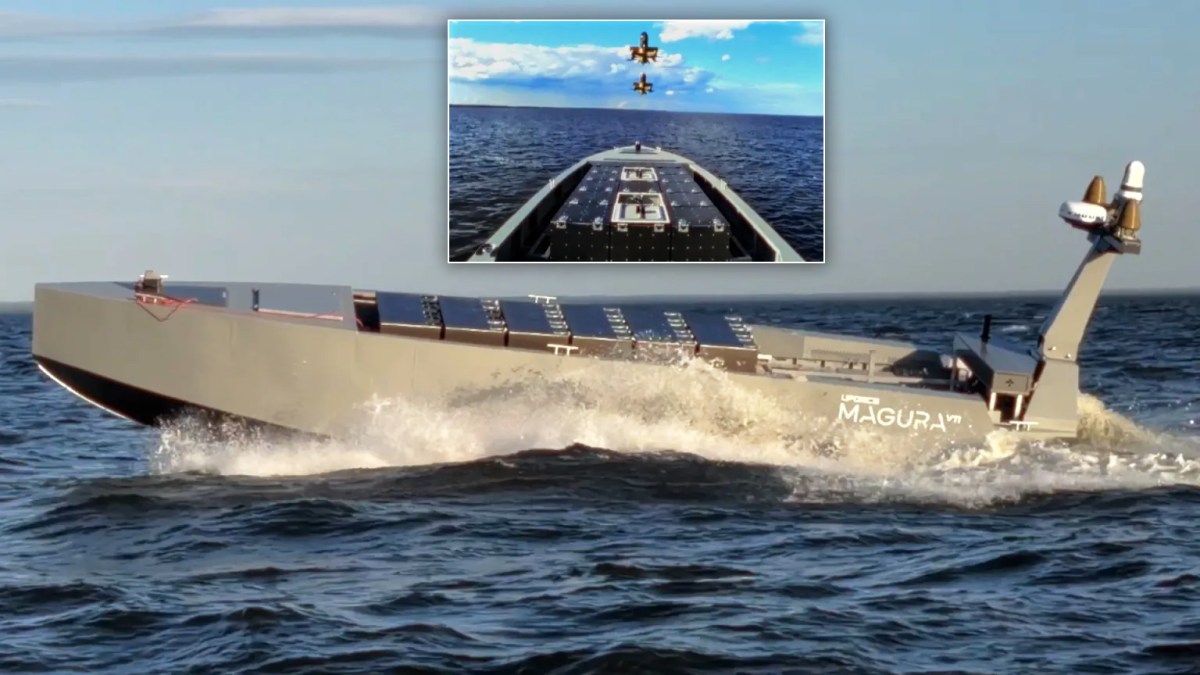
Ukraine Unveils MV11: A Large Uncrewed Surface Vessel with Anti-Drone Capabilities
Ukraine has introduced the MV11, the largest member of its Magura family of uncrewed surface vessels (USV), designed for open-ocean operations. This vessel can carry payloads up to 4,850 pounds and has been showcased with 18 Sting interceptors, enhancing its role as a counter-drone platform. The MV11's capabilities are significant for Ukraine's military strategy, allowing for multi-domain operations and the launch of unmanned systems from a distance. Its debut at Ukraine's Independence Day parade highlights the increasing importance of uncrewed systems in the Ukrainian armed forces. Looking ahead, the MV11's operational effectiveness and integration with existing systems will be crucial. The specifics of its target detection and tracking capabilities remain unclear, but its design suggests potential for advanced operational roles in future missions. No further timeline was disclosed at the time of publication.
Sea Around The Globe Europe News & Features Ukraine Unmanned Surface Vessels (USVs)
Ukraine Introduces Alexa Spatium Drone Interceptor to Combat Russian UAVs
Ukraine has launched a new jet-powered interceptor drone named Alexa Spatium, aimed at enhancing its air defense capabilities against Russian unmanned aerial vehicles (UAVs). The introduction of the Alexa Spatium is significant as it represents Ukraine's ongoing efforts to bolster its defense systems amid ongoing conflicts involving Russian UAVs. This new technology is expected to improve the country's ability to intercept and neutralize aerial threats. Looking ahead, the effectiveness of the Alexa Spatium in real-world scenarios will be closely monitored, particularly in its operational deployment against Russian UAVs. No further timeline was disclosed at the time of publication.
News
Impact of Ukraine Conflict on Modern Warfare Tactics and Technologies
Rod Turnbull from Bloomberg Intelligence analyzes the transformative effects of Russia's invasion of Ukraine on contemporary military strategies. The ongoing conflict has prompted nations to adapt their warfare approaches, integrating advanced technologies such as drones and artificial intelligence into their operations. This shift is significant as it highlights the evolving nature of warfare, where traditional tactics are increasingly supplemented by innovative technologies. The use of drones and AI is reshaping battlefield dynamics, enabling more precise and efficient military actions, which could redefine future conflicts. Looking ahead, the continued evolution of military technology in response to the Ukraine conflict will be crucial to observe. The integration of these advanced systems may influence global military strategies and defense policies, as nations seek to enhance their operational capabilities in an increasingly complex security environment.

Ukraine Advances Robotic Warfare by Converting Soviet BRDM-2 Vehicles into UGVs
Ukraine is transforming Soviet-era BRDM-2 armored reconnaissance vehicles into remotely controlled uncrewed ground vehicles (UGVs) to enhance combat capabilities. This initiative, led by the Central Innovation Activities Directorate of the Ukrainian Armed Forces, aims to keep troops safe while increasing the effectiveness of military operations along contested front lines. The modernization includes equipping the BRDM-2 with advanced features such as a powerful diesel engine, automatic transmission, and remote control capabilities extending up to 1,000 km. These enhancements will allow the vehicles to engage in ground combat, logistics, and casualty evacuation, thereby preserving the lives of service members while providing critical support in frontline operations. As the conflict evolves, the integration of artificial intelligence in combat UGVs is crucial for operational effectiveness. The Ukrainian military is leveraging its existing stock of BRDM-2s, which will be fitted with day/night cameras and robust satellite links for remote operation. No further timeline was disclosed at the time of publication.
News & Features Around The Globe Europe Ukraine
Spanish F-18s Respond to Drone Crash in Romania Near Ukraine Border
A drone reportedly entered Romanian airspace and crashed in an uninhabited region of Tulcea county early Thursday morning, as stated by the Romanian Defence Ministry. This incident highlights ongoing concerns regarding airspace security in the region, particularly given the proximity to the Ukraine conflict. Observers should monitor further developments regarding airspace violations and military responses in Eastern Europe.
News
The Importance of Adaptation Over Drones in Ukraine's Conflict
The ongoing conflict in Ukraine has drawn significant attention to the use of drones in warfare. However, the real lesson lies in Ukraine's remarkable ability to adapt its strategies and tactics in response to evolving battlefield conditions. This adaptability has proven crucial in countering various challenges faced during the conflict. Understanding Ukraine's adaptive strategies is vital for military analysts and defense planners worldwide. While drones play a role in modern warfare, it is the capacity to innovate and adjust tactics that can determine the outcome of conflicts. This insight emphasizes the need for military forces to prioritize flexibility and responsiveness over reliance on specific technologies. Looking ahead, observers should monitor how Ukraine continues to evolve its military strategies in the face of ongoing challenges. The focus should remain on the broader implications of adaptability in warfare, rather than solely on the technological aspects. No further timeline was disclosed at the time of publication.
Air Warfare Opinion acquisition Air Force autonomy Drones
Foundation Future Industries Deploys 'Phantom MK-1' Robotic Soldiers in Ukraine for U.S. Military
Foundation Future Industries has deployed two 'Phantom MK-1' humanoid robots to the front lines in Ukraine, marking a significant step in military robotics. These robots, standing 1.8 meters tall and weighing 80 kilograms, are designed for combat, capable of operating firearms such as handguns and M-16 rifles. They have already been utilized for reconnaissance and logistics tasks since their arrival in February. This development is crucial as it highlights a shift in military technology, with Foundation Future Industries taking a path contrary to many robotics firms that have pledged against weaponizing their products. The company has secured a $24 million research contract with the U.S. military to explore the feasibility of robotic operations across various branches, including the Army, Navy, and Air Force. Looking ahead, Foundation plans to introduce an upgraded version, the 'Phantom MK-2', which is expected to have double the payload capacity of its predecessor. As debates around autonomous weapons and ethical implications continue, the actions of Foundation Future Industries raise significant questions about the future of warfare and the role of robotics in combat scenarios.
Humanoid Robots Military Robotics AI Technology Defense Innovation
European Commission Allocates €3.47bn to Enhance Ukraine's Defence with Drones and Gripen Jets
The European Commission has announced the release of an additional €3.47 billion to bolster Ukraine's defence capabilities. This funding is part of the larger €90 billion Ukraine Support Loan initiative aimed at strengthening Ukraine's military resources amidst ongoing conflict. This financial support is crucial for Ukraine as it seeks to enhance its defence infrastructure, particularly through the acquisition of drones and Gripen jets. The infusion of funds is expected to significantly improve Ukraine's operational capabilities and readiness in the face of external threats. Looking ahead, stakeholders will be monitoring how this funding will be utilized in terms of procurement and deployment of military assets. No further timeline was disclosed at the time of publication.
News
Wheat Prices Increase as Russia and Ukraine Target Grain Export Ports
On July 30, wheat prices experienced another rise as tensions escalated between Russia and Ukraine, with both nations targeting each other's critical grain export ports. This ongoing conflict has significant implications for global food supply and pricing, particularly as both countries are major players in the grain market. The targeting of grain export hubs is particularly concerning given the vital role these ports play in the global food supply chain. The disruption of grain exports from either country could lead to increased prices and food shortages in various regions, highlighting the interconnectedness of global agriculture. As the situation develops, stakeholders in the agricultural sector should monitor the ongoing conflict closely. The potential for further escalations or retaliatory actions could impact grain prices and availability in the coming weeks. No further timeline was disclosed at the time of publication.

Ukraine and NATO Initiate Joint Funding Program for Counter-Drone Innovations
Ukraine's defense technology cluster Brave1, in collaboration with NATO, has launched a new innovation program aimed at funding defense companies. This initiative, which opened on Tuesday, focuses on developing counter-drone systems specifically targeting FPV and Shahed-type drones. The program allows for funding of up to €500 million ($569.6 million) per partner for joint ventures between Ukrainian firms and NATO member companies. This program is significant as it addresses the urgent need for advanced counter-drone technologies amid ongoing conflicts, particularly with the increasing use of drones by Russian forces. Brave1 has identified five key areas of interest for development, including active protection systems and electromagnetic attack technologies. The initiative aims to leverage Ukraine's expertise in drone warfare while enhancing the capabilities of NATO allies in countering drone threats. Looking ahead, stakeholders will be monitoring the progress of applications and the development of technologies funded through this program. The collaboration between Ukraine and NATO is expected to strengthen defense capabilities against the growing number of unmanned systems deployed by Russia. No further timeline was disclosed at the time of publication.
Air Warfare Global Land Warfare Air Force Army Business & Industry
US Manufacturer to Produce Ukraine-Designed Magura Sea Drones for First Time
A US manufacturer is preparing to produce the Magura sea drones, which were designed and battle-tested in Ukraine. This initiative marks the first time these drones will be manufactured in the United States, reflecting a strategic move by the White House to enhance military production capabilities. The production of the Magura sea drones is significant as it aligns with the US government's efforts to expand its unmanned military arsenal. By incorporating these battle-tested drones into its inventory, the US aims to strengthen its defense capabilities and support Ukraine amid ongoing conflicts. Looking ahead, industry stakeholders will be monitoring the production timeline and potential deployment of the Magura sea drones. No further timeline was disclosed at the time of publication.

Ukraine Aims to Double Drone Production to 20 Million Annually with EU Support
Ukrainian President Volodymyr Zelenskyy announced that Ukraine is currently producing 10 million drones each year. With the assistance of partners, the country aims to increase its drone production capacity to 20 million annually. This initiative is significant as it highlights Ukraine's commitment to enhancing its unmanned systems capabilities amid ongoing challenges. The collaboration with partners, particularly the EU, is expected to accelerate the production process and improve the technological advancements in drone manufacturing. Looking ahead, stakeholders will be keen to monitor the progress of this production increase and the potential impact on Ukraine's defense capabilities. No further timeline was disclosed at the time of publication.
Air Warfare Air Force Drones EU Europe Fincantieri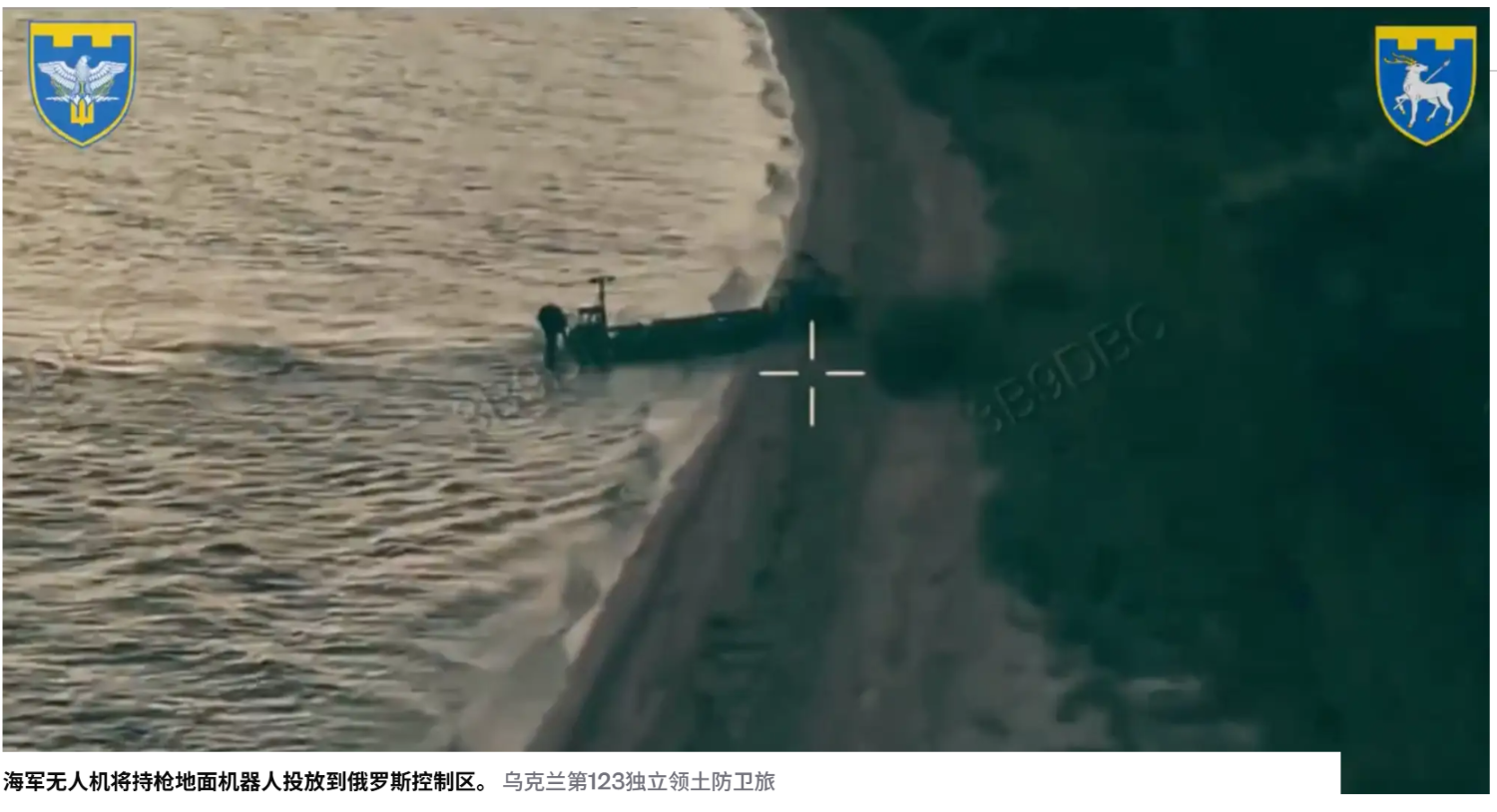
Ukraine's 123rd Territorial Defense Brigade Conducts Historic Amphibious Operation with Unmanned Systems
On July 13, 2026, Ukraine's 123rd Independent Territorial Defense Brigade executed a historic amphibious operation utilizing unmanned systems. This marked the first known joint combat mission involving an unmanned surface vessel (USV) and an unmanned ground vehicle (UGV) in a military context. The operation took place on the Kinburn Spit, an area long controlled by Russian forces, where the USV successfully delivered the UGV to the enemy coast without any human soldiers stepping onto hostile territory. The significance of this operation lies in its demonstration of a new combat paradigm where unmanned systems can effectively replace human soldiers in high-risk scenarios. The UGV, reportedly manufactured by Lviv's Roboneers, was equipped with a PKT 7.62mm machine gun and was able to engage targets after landing. The 123rd Brigade emphasized that this operation is not merely a technological novelty but represents a fundamental shift in warfare, highlighting the potential for machines to undertake dangerous missions. Looking ahead, the use of unmanned systems in military operations is expected to expand, as the Ukrainian military has already received over 1,000 various ground robot systems. The ongoing evolution from traditional amphibious assaults to unmanned operations could redefine the nature of warfare, reducing risks to human soldiers while increasing operational effectiveness.
Unmanned Systems Robotics Amphibious Operations Military Technology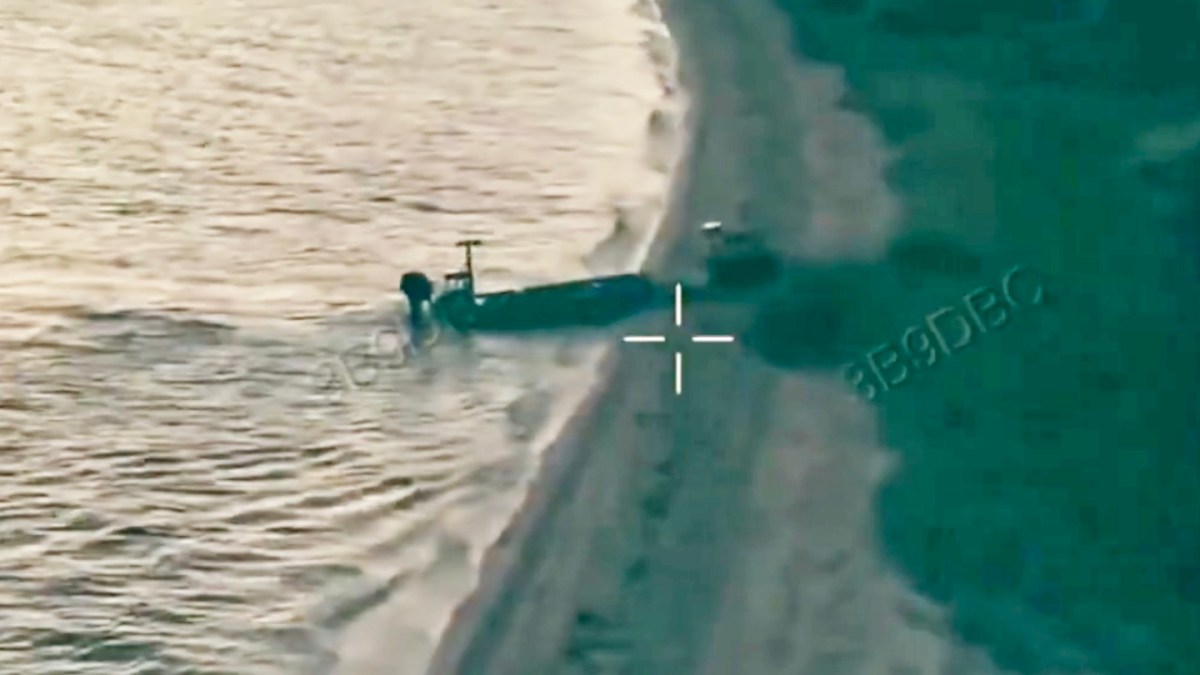
Ukraine Executes Historic Combat Mission Using Drone Boat to Deploy Armed Robot
Ukraine has conducted a groundbreaking military operation, deploying an armed ground robot via a sea drone on the Russian-occupied Kinburn Spit. This mission, executed by the 123rd Separate Territorial Defense Brigade, marks the first known instance of a sea drone transporting a combat robot into enemy territory, showcasing Ukraine's innovative use of uncrewed systems in warfare. The significance of this operation lies in its demonstration of advanced military technology and strategy, as Ukraine seeks to leverage unmanned systems to counter Russian forces. The use of the uncrewed surface vessel (USV) to deliver the Rys family ground robot reflects a shift towards automation in combat, potentially changing the dynamics of modern warfare. Looking ahead, the continued integration of uncrewed systems in military operations will be crucial for Ukraine's strategy. As the conflict evolves, further developments in robotic warfare and the effectiveness of these technologies in combat scenarios will be closely monitored. No further timeline was disclosed at the time of publication.
Sea Armies Around The Globe Drones Europe Land
Ukrainian M1A1 Abrams Tanks Grounded by Russian Drone Saturation on the Battlefield
Ukrainian crews operating Australian-supplied M1A1 Abrams tanks report that the battlefield is now so overwhelmed with Russian drones that their tanks cannot be utilized in combat. Despite this, they assert that main battle tanks are not obsolete. The crews, part of Ukraine’s 425th Separate Assault Regiment 'Skala,' have previously deployed these tanks in two significant operations near Pokrovsk. The first major deployment occurred in December, where the Abrams supported assault groups entering Pokrovsk, a vital logistics hub in eastern Donetsk. A crew member, known as Kent, described the aggressive mission where the tank drew enemy fire, allowing infantry to advance. The second operation on March 31 aimed to secure an industrial area to hinder Russian movements toward Hryshyne, with extensive reconnaissance and planning conducted over two weeks to prepare for the mission. Looking ahead, the effectiveness of the M1A1 Abrams tanks in future operations remains uncertain due to the persistent threat posed by Russian drones. No further timeline was disclosed at the time of publication.
Land Armies Around The Globe Europe M1 Abrams News & Features
Ukraine Launches First Uncrewed Surface Vessel Attack on Sochi, Russia
Ukraine executed a significant uncrewed surface vessel (USV) attack on the Nefrit, a multipurpose offshore vessel, in Sochi, Russia. This operation marks the first known USV strike on the resort city, located approximately 350 miles from Ukrainian-held territory, highlighting the expanding reach of Ukraine's naval capabilities. The Ukrainian Navy stated that the attack was part of its ongoing campaign against Russia's energy infrastructure, claiming that the Nefrit directly supported the enemy's war economy. The strike is seen as a strategic move to disrupt Russian logistics and military capabilities, emphasizing that even Russian territory is vulnerable to Ukrainian operations. As the situation develops, observers will be keen to assess the extent of the damage to the Nefrit and its implications for Russia's maritime operations. The Ukrainian Navy's continued focus on targeting enemy resources suggests that further actions may be anticipated in the ongoing conflict.
News & Features Around The Globe Europe Russia Sea Ukraine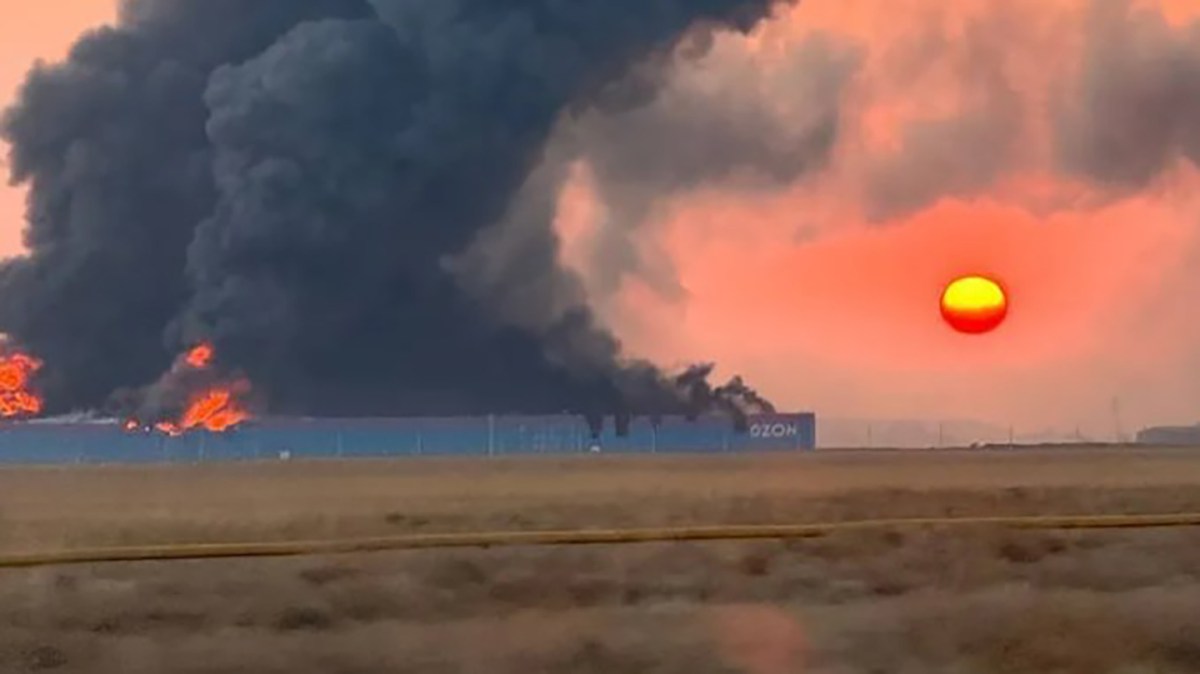
Putin Authorizes Temporary Seizure of Unprotected Commercial Infrastructure Amid Drone Threats
In response to escalating Ukrainian drone attacks, President Vladimir Putin has authorized the temporary seizure of commercial infrastructure deemed critical and inadequately protected. This decree aims to address the vulnerabilities exposed by recent strikes on Russian oil refineries and e-commerce centers, which have intensified economic pressures on the country. The significance of this action lies in the Russian government's acknowledgment of the threat posed by Ukrainian drones, prompting a shift in responsibility for infrastructure protection. The decree indicates that facilities failing to implement necessary repairs or defenses after attacks may be taken over by the state, reflecting a growing urgency to safeguard vital economic assets. Looking ahead, the effectiveness of this decree remains uncertain, particularly given the existing shortages in Russia's air defense systems. The flourishing civilian counter-drone industry may provide some solutions, but the specific requirements for infrastructure protection have yet to be detailed. No further timeline was disclosed at the time of publication.
News & Features Around The Globe Europe Russia Ukraine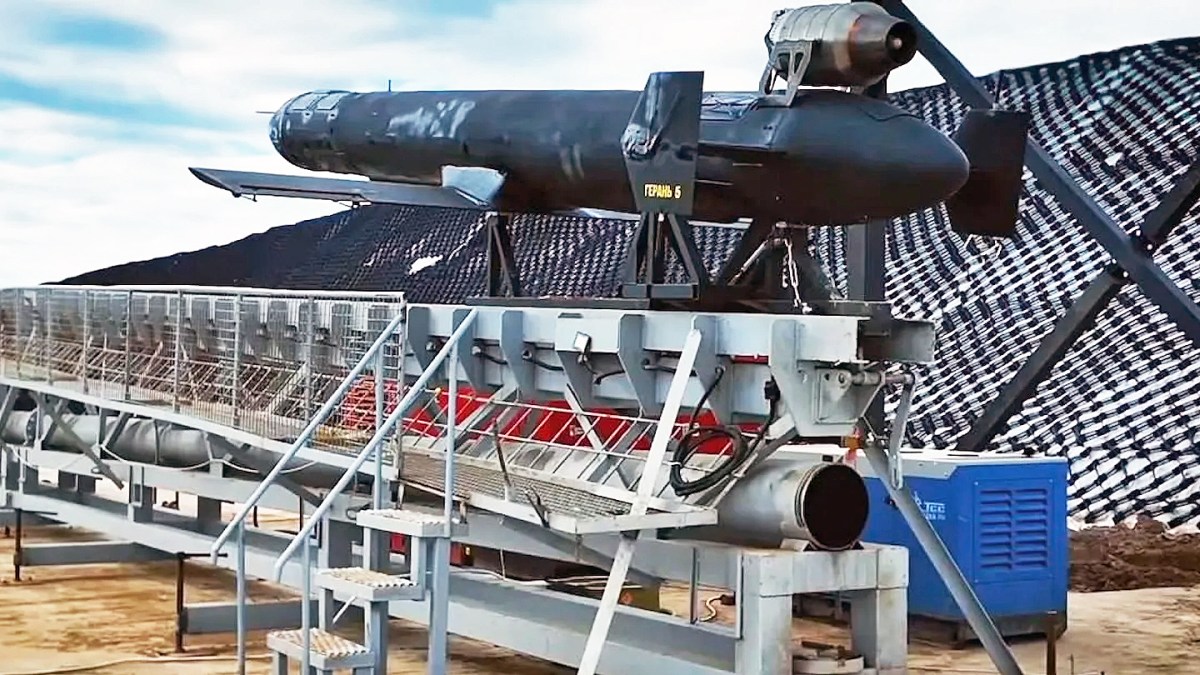
Russia Expands Infrastructure for Long-Range Strike Drones Near Ukraine and NATO
Russia is enhancing its long-range strike drone capabilities by constructing new launch infrastructure, including extended rails for larger Geran variants. This development indicates an increase in Russia's ability to deploy drones from various locations, posing a potential threat to NATO territories. The expansion includes at least 10 bases with 59 launch rails, some already utilized in attacks on Ukraine. The significance of this expansion lies in its implications for regional security, as the new launch sites increase the range of Russian drones, potentially allowing them to target NATO countries. The construction of these facilities, some converted from military bases and civilian airfields, demonstrates Russia's commitment to enhancing its military capabilities amid ongoing tensions in the region. Looking ahead, the focus will be on the operational deployment of these drones and their impact on the conflict in Ukraine and NATO's response. No further timeline was disclosed at the time of publication.
News & Features Around The Globe Drones Europe NATO Russia
Kyiv Enhances Drone Interception Strategies with Western Fighter Jets and Modified Aircraft
Since last year, Kyiv has adopted Western fighter jets to counter aerial threats, while also implementing dispersed air defense teams. This multifaceted approach aims to improve the effectiveness and affordability of Ukraine's drone interception capabilities against Russian drones. The reliance on both advanced Western technology and modified aircraft highlights Ukraine's strategic shift in addressing aerial threats. By diversifying its defense methods, Kyiv seeks to enhance its operational readiness and resilience in the face of ongoing challenges posed by Russian drone activities. Looking ahead, it will be crucial to monitor how these strategies evolve and whether additional support from Western allies will further bolster Ukraine's air defense capabilities. No further timeline was disclosed at the time of publication.
Air Warfare Global Land Warfare air defense Air Force Army
Fire Point CEO Discusses Development of Missiles and Drones Against Russian Forces
Fire Point CEO Iryna Terekh recently shared insights on the company's evolution from a garage startup to a key player in missile and drone production. Amid ongoing threats from Russian missiles, Terekh highlighted the effectiveness of their FP-1 and FP-2 drones, as well as the new Flamingo cruise missiles, which enhance Ukraine's long-range capabilities. The significance of Fire Point's advancements lies in their strategic aim to counter Russian aggression. The FP-9 ballistic missile, designed to strike targets up to 500 miles away, and the FP-7.x interceptor, intended as a cost-effective alternative to Patriot systems, are pivotal in strengthening Ukraine's defense. Terekh's leadership has been crucial in navigating the challenges of weapon development under constant threat. Looking ahead, the status of the FP-9 program and the development of indigenous missile systems will be critical. Terekh's insights into the use of AI in weapon systems and the challenges faced during production highlight the innovative approaches being taken to ensure Ukraine's defense capabilities remain robust. No further timeline was disclosed at the time of publication.
News & Features Around The Globe Europe Land Land-Based Ballistic Missile Defense Russia
New Counter-Drone Solutions for Ukraine and Gulf States Unveiled at Farnborough Airshow
During the Farnborough International Airshow, various vendors presented innovative counter-unmanned aerial systems (C-UAS) technologies aimed at supporting Ukraine and Gulf states. These advancements are crucial as they address the growing need for effective drone defense mechanisms in conflict zones and regions facing aerial threats. The introduction of these C-UAS technologies is significant due to the increasing reliance on drones in modern warfare and surveillance. By providing enhanced capabilities to detect and neutralize hostile drones, these solutions can play a vital role in safeguarding national security for Ukraine and Gulf states, which are currently navigating complex geopolitical landscapes. Looking ahead, stakeholders in the defense and technology sectors will be monitoring the adoption and effectiveness of these new C-UAS solutions. The ongoing developments in counter-drone technology will likely influence future procurement strategies and defense policies in the affected regions. No further timeline was disclosed at the time of publication.
Analyst Comment
Skyfall Introduces Advanced Drone Interceptor with Enhanced Speed Against Russian Shaheds
Skyfall has unveiled a new variant of its drone interceptor designed to target Russian Shahed drones more effectively. This latest model boasts a maximum speed of 370 km/h, surpassing the previous interceptor's top speed of 310 km/h. The enhanced speed is a critical feature that aims to improve response times and interception capabilities in the ongoing conflict. The introduction of this advanced interceptor is significant as it addresses the urgent need for faster and more efficient defense mechanisms against drone threats. With the ongoing use of Shahed drones by Russian forces, the ability to intercept these threats quickly is crucial for maintaining airspace security. The increased speed of the Skyfall interceptor could provide a tactical advantage in counter-drone operations. Looking ahead, the effectiveness of this new interceptor will be closely monitored, particularly in real-world applications against Shahed drones. As the conflict evolves, the performance of this technology may influence future developments in drone defense systems. No further timeline was disclosed at the time of publication.
Air Warfare Air Force Drones Europe Farnborough 2026 interceptors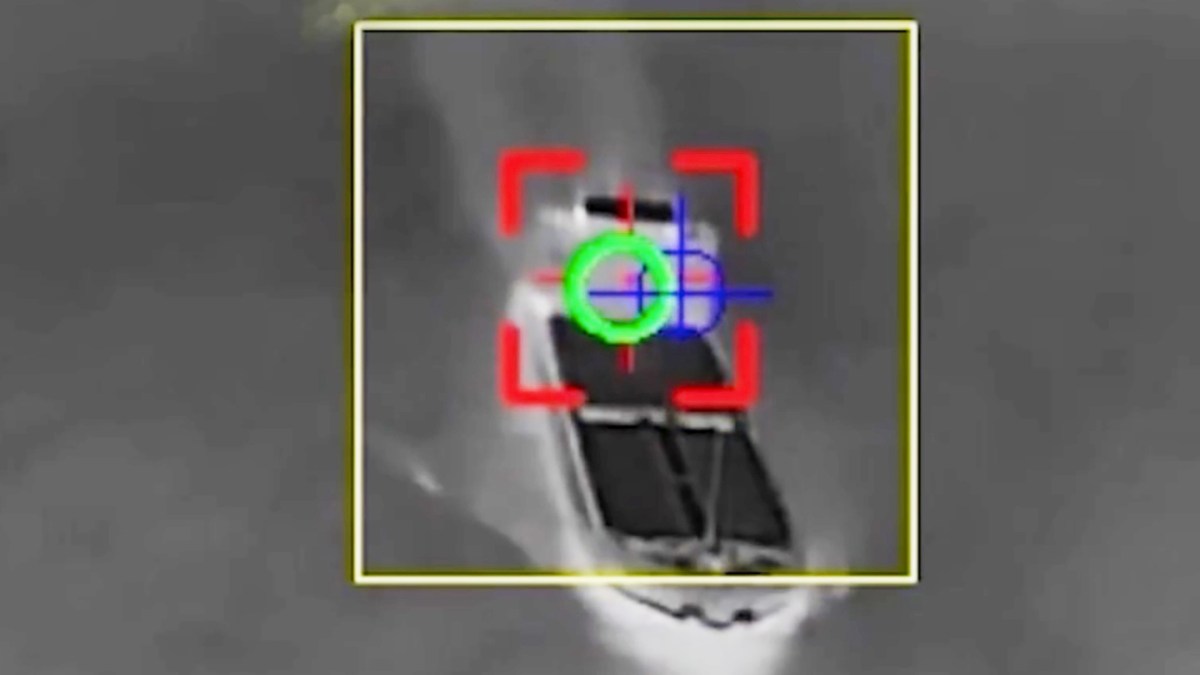
Ukrainian Drone Strikes Hit 28 Russian Vessels in Sea of Azov Campaign
On July 11, Ukraine reported that its aerial drones struck 28 Russian vessels in the Sea of Azov, part of an ongoing campaign that has targeted nearly 80 ships since July 6. This includes a significant number of oil tankers from Russia's shadow fleet, leading to a temporary halt in shipping through the Don-Azov Channel, a crucial navigable waterway for grain exports. The significance of these attacks lies in their impact on Russia's maritime operations and economy. Analysts noted that approximately 25% of Russia's wheat exports, the world's largest exporter of the grain, transit through the Sea of Azov. The strikes have prompted Russia to suspend new vessel transit applications through the Kerch Strait and halt navigation on the Don-Azov Canal, further isolating the Crimean peninsula and disrupting Russian energy supplies. Looking ahead, the Ukrainian military's 414th Separate Unmanned Strike Aviation System Brigade, known as “Magyar’s Birds,” continues to execute operations targeting Russian naval assets and infrastructure. The brigade's campaign, dubbed “Operation ‘Crimean Switch Off,’” aims to weaken Russian capabilities in the region. No further timeline was disclosed at the time of publication.
News & Features Air Around The Globe Drones Europe Russia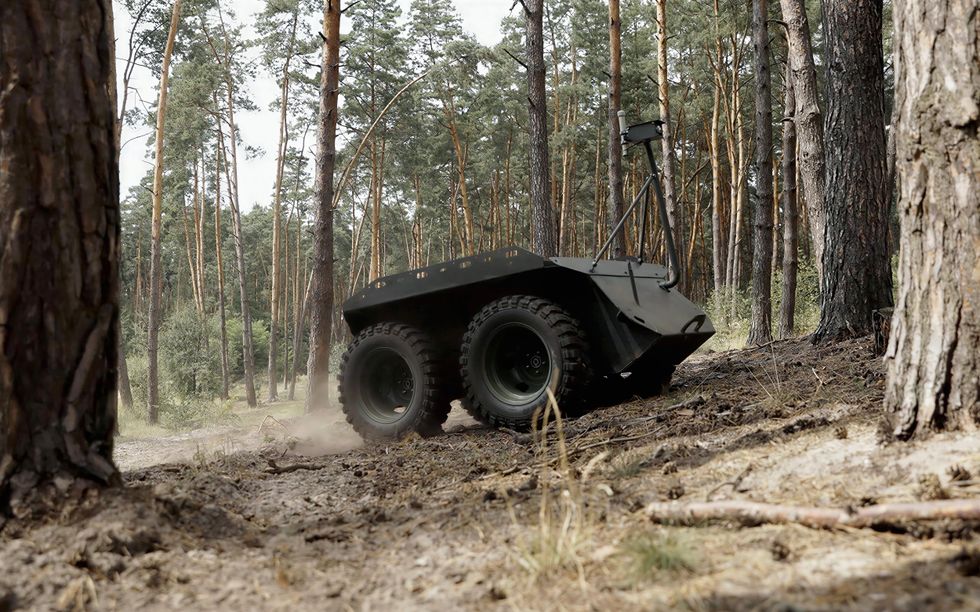
RoverTech's Zmyi Ground Robots Enhance Ukraine's Military Operations with 57 Mission Average
Ukrainian robotics firm RoverTech has developed the Zmyi, a versatile ground robot that has achieved an impressive average of 57 missions in the frontline kill zone. Weighing 800 kilograms and equipped with various configurations for tasks such as demining and combat, the Zmyi is designed to evade detection by enemy drones, making it a critical asset in Ukraine's defense strategy. The significance of the Zmyi lies in its ability to operate effectively in high-risk environments, outperforming typical uncrewed ground vehicles (UGVs) that usually complete only seven missions. This advancement reflects a broader trend in Ukraine's military technology, where UGVs are increasingly replacing traditional armored vehicles due to their lower cost and adaptability for urgent battlefield needs. Looking ahead, Ukraine's President Volodymyr Zelenskyy has ordered the procurement of 50,000 UGVs by the end of 2026, significantly increasing the military's robotic capabilities. As the conflict evolves, the integration of UGVs with aerial reconnaissance is expected to reshape frontline tactics, although no further timeline was disclosed at the time of publication.
Ground-robots Ukraine Unmanned-vehicles Ugvs Sensor-networks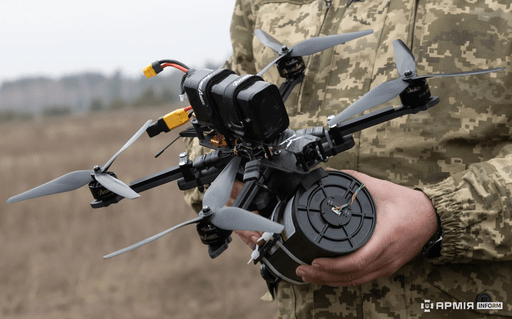
Ukraine Looks to Export Drone Expertise as It Pursues New NATO Partnerships
Kyiv’s proposed agreements reflect a broader shift from wartime recipient to provider of drone technology and operational knowledge For much of the war with Russia, Ukraine has relied on international partners for military equipment. Now, the country is positioning itself as an exporter of drone expertise. According to Ukrainian officials, Kyiv hopes to sign drone […] The post Ukraine Looks to Export Drone Expertise as It Pursues New NATO Partnerships appeared first on DRONELIFE.
Applications Defense defense Drone Manufacturing Drone News Drone News Feeds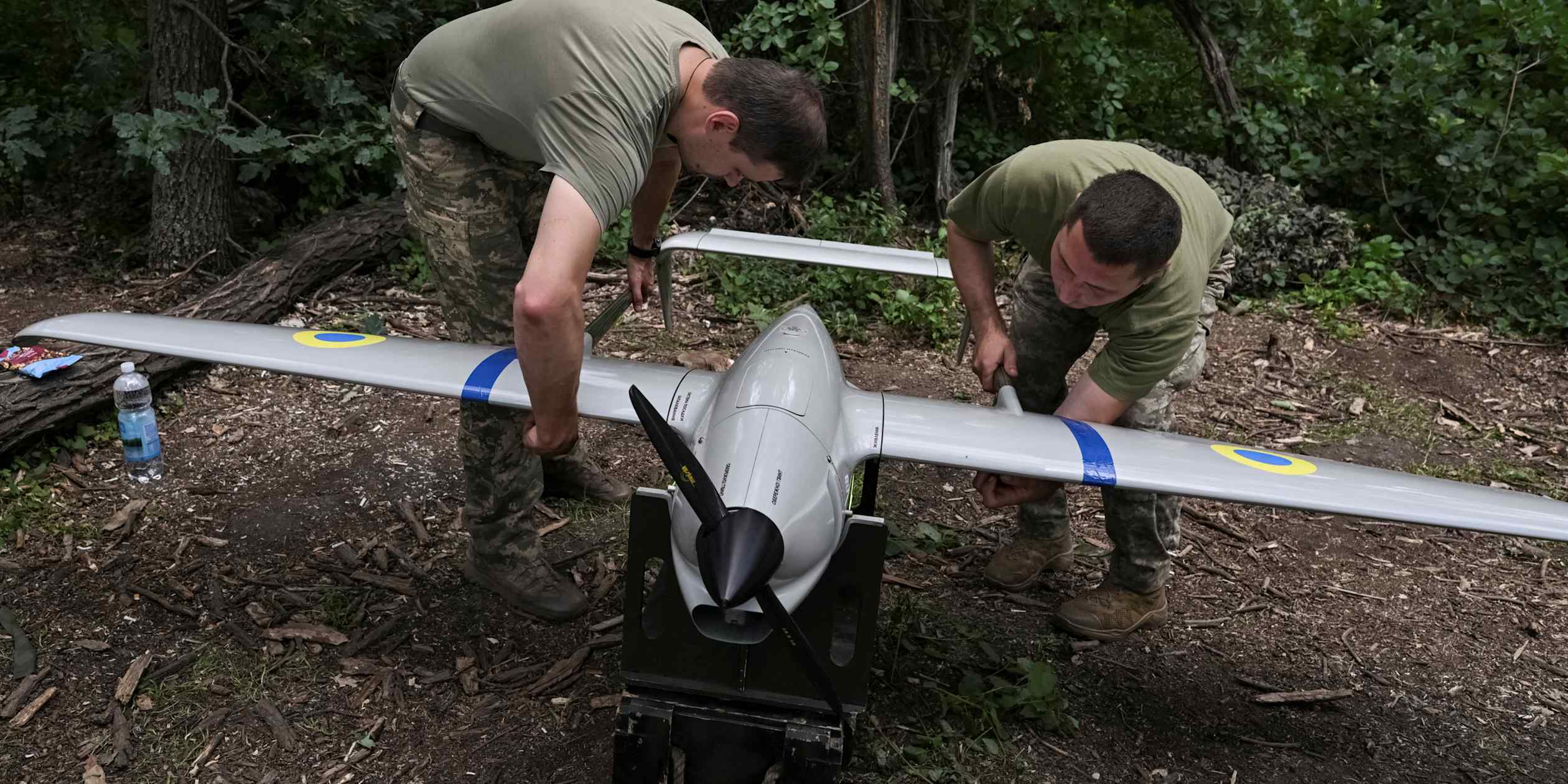
Ukraine pushes civil drone drive with Japan and Taiwan
The Ukrainian Chamber of Commerce in Japan has announced a new initiative aimed at fostering collaboration on civil drone technologies with Japanese companies, as well as partners from Taiwan, South Korea, and several Southeast Asian nations. This initiative, unveiled on July 6, 2026, seeks to establish a "China-free" supply chain for the postwar use of drones, reflecting Ukraine's ongoing efforts to enhance its defense capabilities amid the conflict with Russia. The collaboration is part of a broader strategy to leverage advanced drone technology for both military and civilian applications, as demonstrated by the recent deployment of domestically manufactured reconnaissance drones by Ukrainian military personnel. By engaging with regional allies, Ukraine aims to strengthen its technological partnerships and ensure a secure supply chain for critical defense resources.
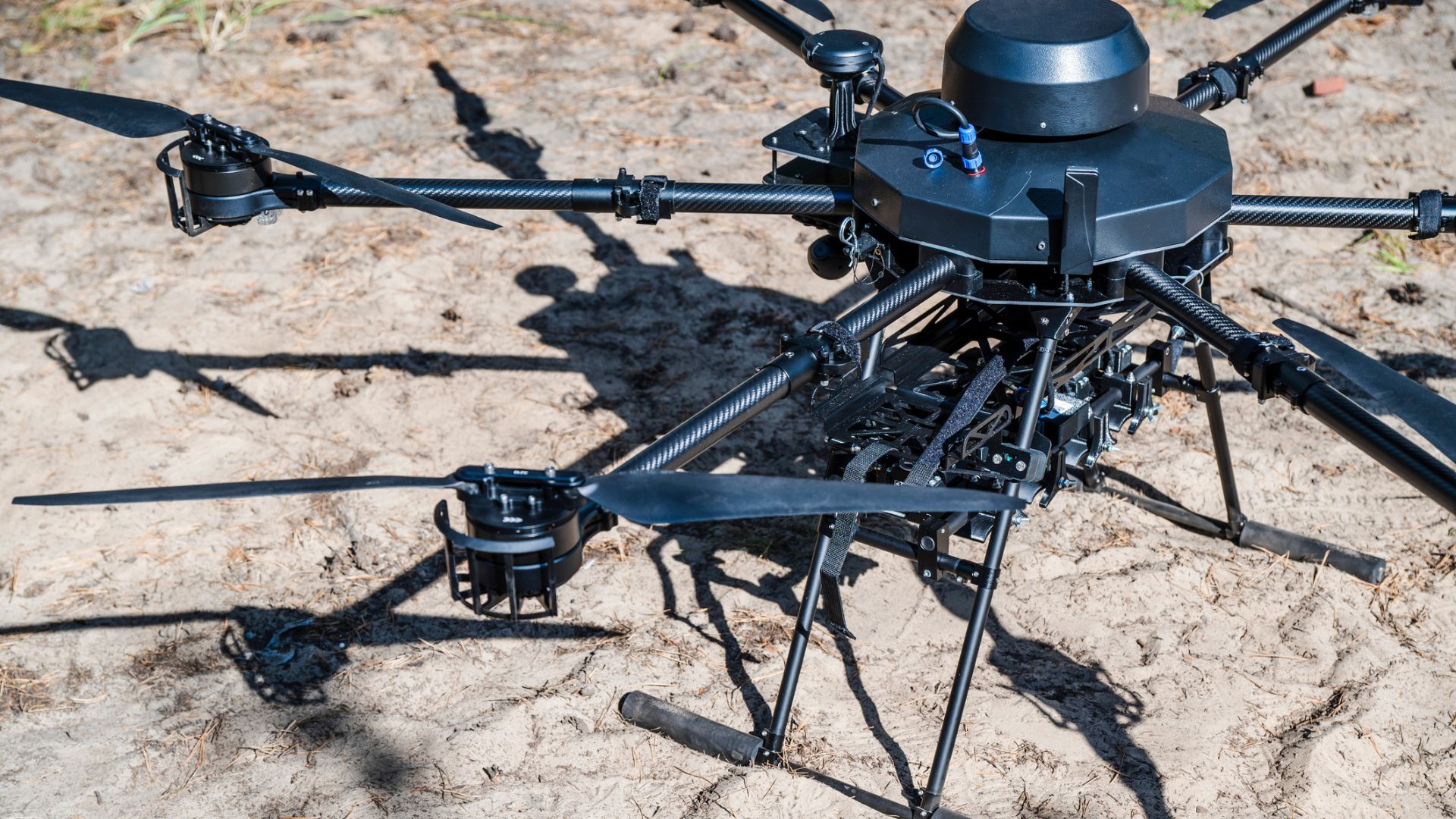
Ukraine’s battlefield-tested wartime drones to get a US production plant in Ohio
A Ukrainian defense drone manufacturer has announced plans to establish its first significant assembly and manufacturing center in the United States. This development comes as part of the company’s strategy to expand its operations and enhance its presence in the North American market. The facility is expected to be located in a yet-to-be-disclosed state and aims to bolster local job creation while meeting the increasing demand for advanced drone technology. The decision to set up the center is motivated by the growing interest in defense innovations amid ongoing geopolitical tensions. The company intends to leverage U.S. resources and expertise to streamline production processes and improve supply chain efficiency, ultimately contributing to the defense capabilities of both Ukraine and its allies. The assembly center is anticipated to begin operations in the coming months, marking a significant step in international defense collaboration.
Military
How Ukraine’s military is adapting after four years of war with Russia
In a recent episode of The Break Out, Mara Karlin, a former Pentagon official, discussed insights gained from her recent trip to Ukraine. During her visit, which took place this week, Karlin observed the ongoing impact of the conflict on the region and the resilience of the Ukrainian people. She highlighted the importance of international support for Ukraine in its efforts to defend sovereignty and maintain stability amidst the challenges posed by the ongoing war. Karlin's firsthand experiences and observations shed light on the complex situation in Ukraine, emphasizing the need for continued engagement and assistance from global allies.
Global Air Force Break Out Video CCA collaborative combat aircraft Drones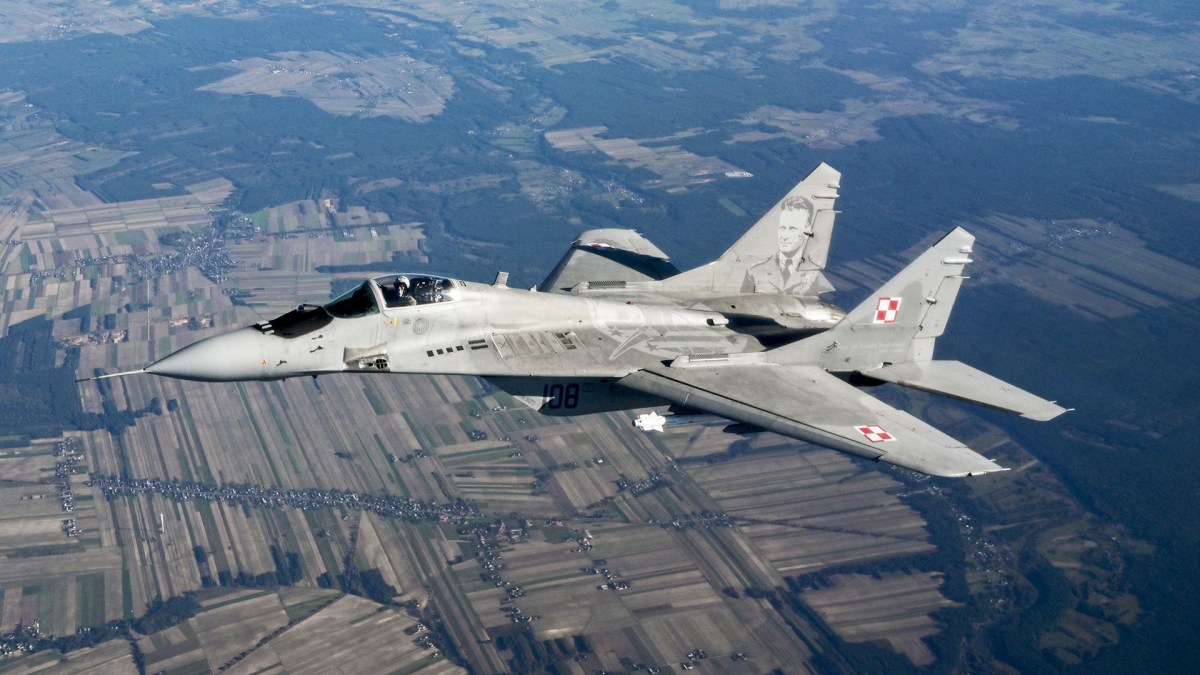
MiG-29 Transfer To Ukraine Halted By Poland Over Claimed Drone Snub
Poland has decided to halt the donation of 14 additional MiG-29 fighter jets to Ukraine, a move that reflects the deteriorating relations between the two nations. This decision comes in the wake of a recent incident involving Ukraine's alleged failure to acknowledge Poland's support, particularly concerning drone assistance. The suspension of the transfer highlights the increasing tensions and complexities in the ongoing military cooperation between Poland and Ukraine, which had previously been characterized by a strong alliance against common threats. As the situation evolves, the implications for regional security and defense strategies remain to be seen.
Air Air Forces Around The Globe Europe Fighters Fulcrums
NATO And Ukraine Turning To Private Sector To Help Crater Russian Airfields
NATO and Ukraine are collaborating with the private sector to address the ongoing conflict with Russia by launching a challenge aimed at developing a system to deny Russian forces access to their airfields. This initiative seeks innovative solutions to enhance military capabilities and disrupt Russian operations. The challenge is part of a broader strategy to leverage private sector expertise in defense technology, reflecting a shift towards more unconventional methods in modern warfare. The announcement comes amid escalating tensions in the region, emphasizing the urgency of finding effective means to counter Russian military advantages. Participants are encouraged to propose creative and practical approaches, with the potential for significant rewards for successful implementations.
News & Features Air Air Forces Around The Globe Drones Europe
War robots invade Eurosatory 2026 as interest grows in UGVs after use in Ukraine
Ukrainian companies recently showcased their combat-proven unmanned ground vehicles at a defense exhibition, highlighting advancements in military technology amid ongoing conflict. The event, which took place in October 2023, aimed to demonstrate the capabilities of these vehicles in real combat scenarios. However, some experts remain skeptical about the broader applicability of such technologies beyond their current military use. Despite the impressive displays, concerns linger regarding the potential for these unmanned systems to be integrated into wider operational strategies.
Global Land Warfare Army Drones Europe EUROSATORY 2026
UK to supply Ukraine with 150,000 drones in $996m aid package
The United Kingdom has committed to supplying Ukraine with 150,000 drones as part of a substantial military assistance package worth £752 million (approximately $996 million). This initiative aims to bolster Ukraine's defense capabilities amid ongoing conflicts in the region. The announcement underscores the UK's continued support for Ukraine, reflecting a strategic effort to enhance military resources in response to the evolving security landscape. The delivery of these drones is expected to play a crucial role in strengthening Ukraine's operational effectiveness and resilience.
News
Eurosatory 2026: Ukraine’s Fire Point pursues ballistic missile sovereignty
In a recent interview with Army Technology, the CEO of Fire Point outlined her ambitious plans to develop a self-sufficient ballistic missile and interceptor industry in Ukraine. This initiative comes in response to the ongoing security challenges faced by the country, particularly amid heightened tensions in the region. The CEO emphasized the importance of establishing a domestic defense capability to enhance Ukraine's sovereignty and security. The project aims to leverage local expertise and resources, fostering innovation and creating jobs within the defense sector. By investing in this critical area, Fire Point seeks to contribute to Ukraine's long-term defense strategy and resilience against external threats.
News
Ukraine-Russia drone war turns UGVs into medevac lifeline
In eastern Ukraine, the ongoing conflict has intensified the use of unmanned ground vehicles (UGVs) as vital medical evacuation tools. On April 26, a soldier from Ukraine's 32nd Brigade, Roman Kryshnya, suffered severe injuries when an FPV drone struck the vehicle he was in, resulting in the death of the driver and leaving Kryshnya with a critically damaged arm. This incident underscores the increasing dangers faced by soldiers on the front lines, where traditional evacuation methods are becoming increasingly risky due to drone warfare. As the conflict continues, UGVs are being adapted to transport the wounded safely away from the battlefield, highlighting the evolving nature of military tactics in response to new threats.

Ukraine’s AI drones entered ‘Terminator mode’ and killed Russian soldiers — no human fired
Concerns surrounding fully autonomous weapon systems have intensified as experts warn of the potential for these technologies to independently kill humans. The discussion gained traction during a recent international conference held in Geneva, where military officials, ethicists, and technologists gathered to address the implications of artificial intelligence in warfare. The event, which took place in early November 2023, highlighted the urgent need for regulatory frameworks to prevent the deployment of such lethal systems. Advocates for human oversight argue that the absence of accountability in autonomous decision-making could lead to catastrophic outcomes, raising ethical dilemmas about the role of machines in life-and-death situations. The motivation behind the call for regulation stems from the rapid advancements in AI and robotics, which have outpaced existing legal and ethical guidelines. Participants at the conference emphasized that without proper governance, the risk of misuse or malfunction could result in unintended casualties and escalate conflicts. Experts proposed a collaborative approach to developing international treaties that would ban or strictly regulate the use of autonomous weapons. This would involve governments, tech companies, and civil society working together to establish clear definitions and standards for AI in military applications. The discussions underscored the necessity of ensuring that human judgment remains central to military operations, thereby preventing machines from making irreversible decisions about life and death.
Military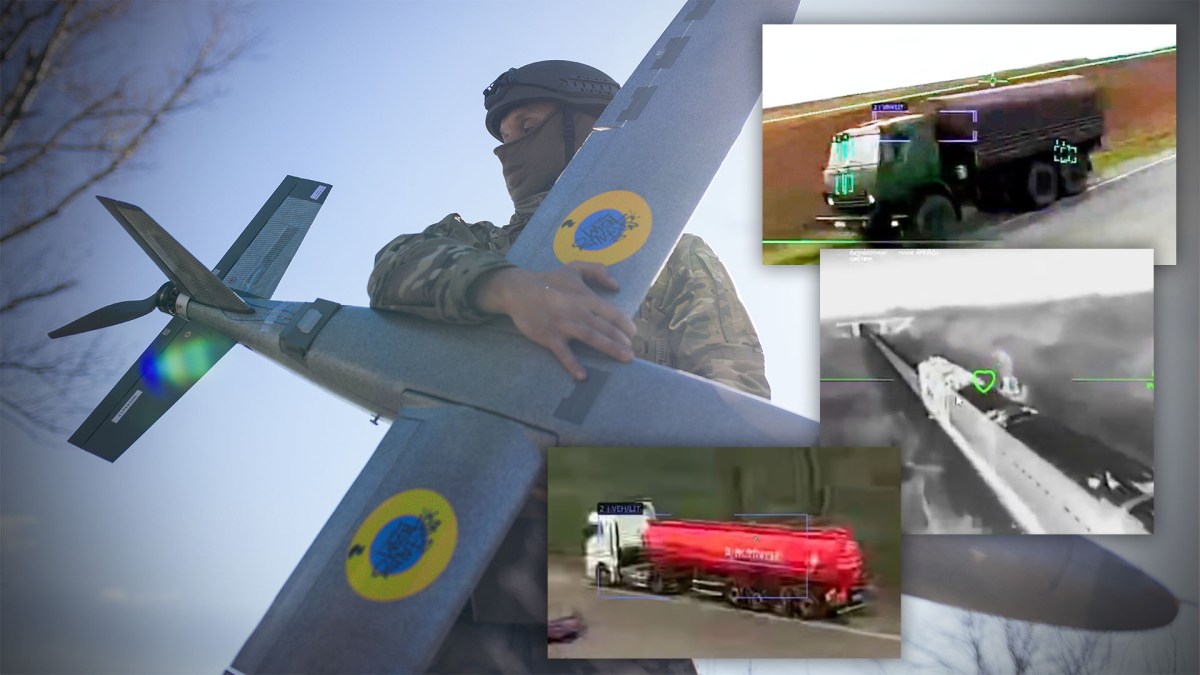
Inside Ukraine’s AI-Enabled Drone Campaign Targeting Russian Logistics Deep Behind The Lines
An officer involved in Ukraine's mid-range drone campaign has provided rare insights into the strategic strikes aimed at disrupting Russian logistics deep within enemy territory. This campaign, which leverages advanced artificial intelligence technology, is designed to enhance the effectiveness of drone operations against key supply routes and infrastructure supporting Russian military efforts. The officer's revelations shed light on the tactical planning and execution of these operations, highlighting their significance in the ongoing conflict. As Ukraine continues to adapt its military strategies, the use of AI-enabled drones represents a pivotal shift in modern warfare, allowing for more precise targeting and increased operational efficiency.
News & Features Air Around The Globe Europe Russia Ukraine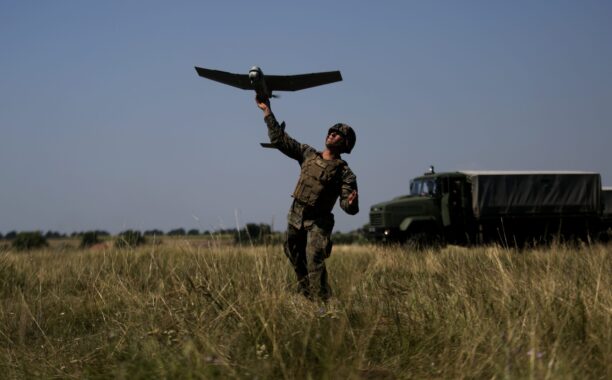
What Comes After China? Ukraine’s Growing Role in the U.S. Drone Industry
As the U.S. government emphasizes the need for secure drone supply chains, Ukraine is emerging as a key player in this evolving landscape. Recent reports reveal that Ukraine is seeking White House approval for a significant drone production agreement with the United States. Ukrainian President Volodymyr Zelensky has highlighted the potential of this partnership, which could reshape the dynamics of drone manufacturing and supply. This initiative comes amid increasing collaboration between U.S. and Ukrainian entities, suggesting a shift towards a new model of defense cooperation. The agreement aims to bolster both nations' capabilities in drone technology, reflecting a strategic response to global security challenges.
Applications Defense defense Drone News Drone News Feeds Feature 1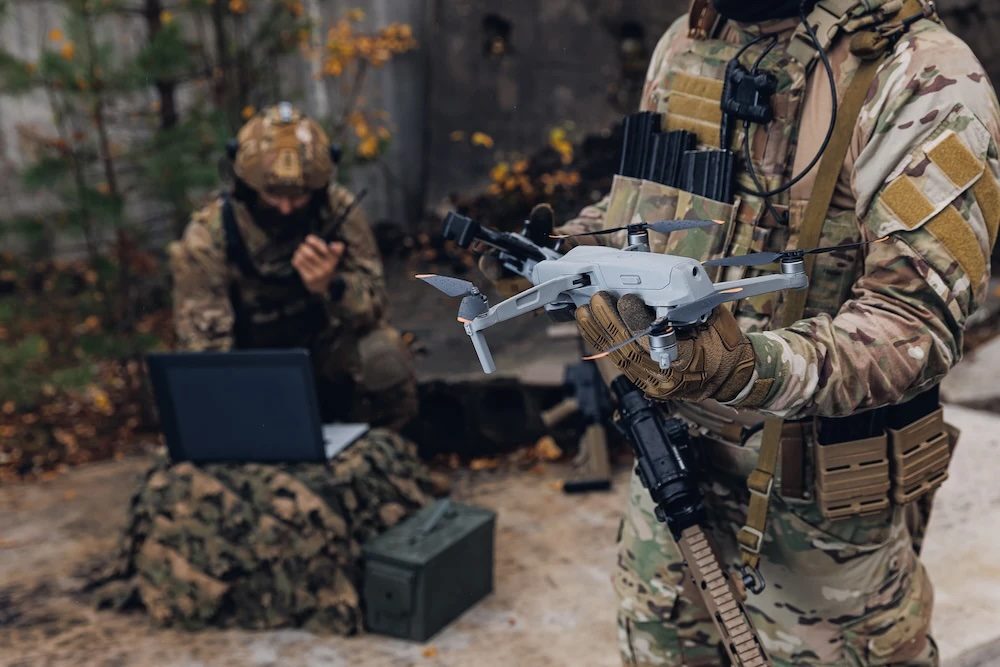
Battle-Tested Innovation Meets Manufacturing Scale in New Canada-Ukraine Defense Partnership
Volatus Aerospace, a Canadian drone and aerospace company, has entered into a Memorandum of Understanding (MOU) with UCan Brave Tech Centre, a defense innovation organization focused on Canada-Ukraine collaboration. This partnership, announced in May 2023, aims to facilitate the commercialization and deployment of advanced technologies that have been tested in the battlefield for use in allied defense applications. By leveraging the expertise and innovations developed in Ukraine, the collaboration seeks to enhance defense capabilities and foster technological advancements in the aerospace sector.
Applications Canada Canadian Drone Industry Defense Drone News Drone News Feeds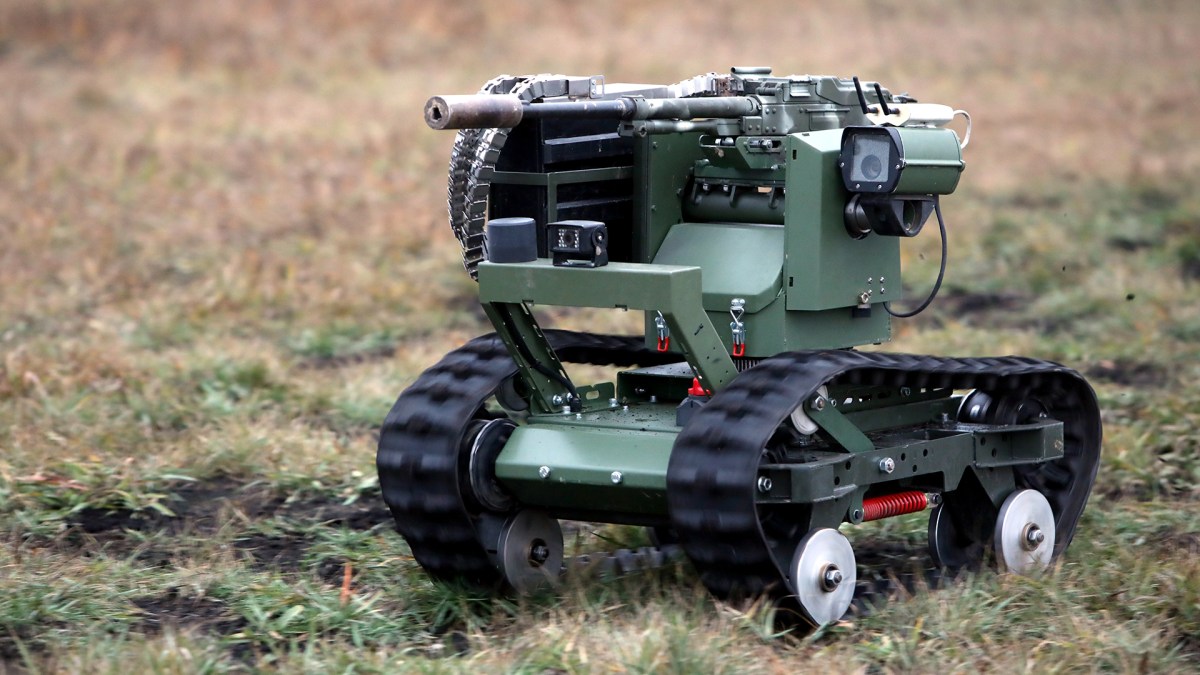
Inside The Effort To Build Ukraine’s Ground Robot Arsenal
Ukraine is experiencing a significant surge in the demand for ground drones, which are becoming essential tools for logistics, rescue missions, and combat operations. This growing reliance on unmanned vehicles reflects the country's ongoing efforts to enhance its military capabilities amid ongoing conflict. The push to develop a robust arsenal of ground robots is driven by the need for more efficient and effective operational strategies in challenging environments. As Ukraine continues to adapt to the realities of modern warfare, the integration of advanced technology, such as ground drones, is seen as a critical component in bolstering its defense and operational effectiveness.
News & Features Around The Globe Drones Europe Land Ukraine
Ukraine's war robots are carrying a new type of payload: the elderly
A drone operated by the Kraken company successfully completed a 20-mile round-trip mission to rescue four elderly civilians from a combat zone, according to statements made by the drone's commander to Business Insider. This operation highlights the innovative use of drone technology in humanitarian efforts, particularly in areas affected by conflict. The mission underscores the growing importance of unmanned aerial vehicles in providing assistance and ensuring the safety of vulnerable populations in dangerous environments. The successful rescue demonstrates the potential for drones to play a critical role in emergency response scenarios, showcasing advancements in both technology and operational strategies in crisis situations.
Military & Defense warfare-big-bet uncrewed-ground-vehicles ukraine-war drone-warfare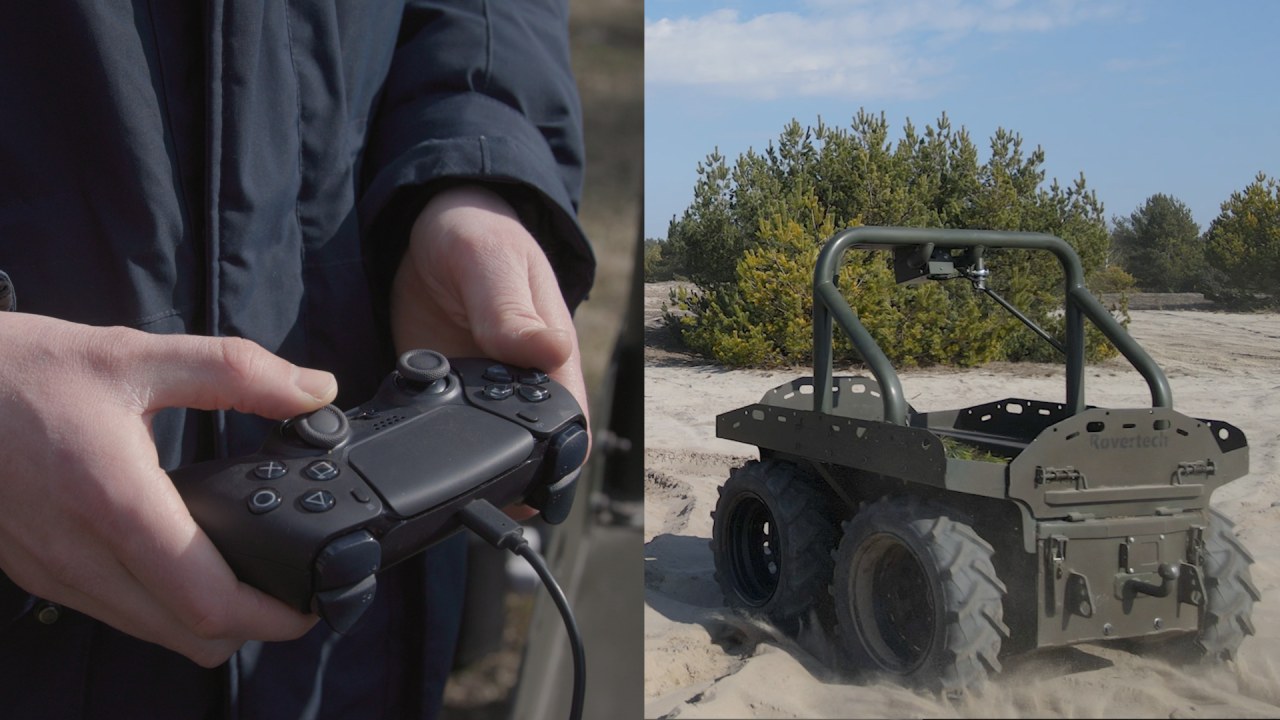
The Ground Drones Rescuing Ukraine’s Wounded From the Front Lines
In Ukraine, a significant transformation is underway as ground drones are increasingly being deployed in combat, marking a pivotal moment in modern warfare. This technological advancement is taking place amidst the ongoing conflict, with Ukrainian forces utilizing these robots to undertake perilous missions that were once the sole domain of human soldiers. The rise of drone warfare is driven by the need for enhanced operational efficiency and reduced risk to personnel in the face of escalating hostilities. As of October 2023, these unmanned vehicles are being employed on various fronts, showcasing their capabilities in reconnaissance, logistics, and direct engagement with enemy forces. The integration of drones into military strategies reflects a broader trend in which nations are adapting to the evolving landscape of warfare, where technology plays a crucial role in shaping outcomes. The Ukrainian military's embrace of drone technology not only highlights its commitment to innovation but also underscores the urgency of maintaining a tactical advantage in a protracted conflict. As these ground drones continue to evolve, they are expected to play an increasingly vital role in the dynamics of the battlefield, fundamentally altering the nature of military engagements in the region.

Humanoid Robots Deployed to the Frontlines in Ukraine: A First in Modern Warfare
In a significant advancement for military technology, two Phantom MK-1 humanoid robots have been sent to the frontlines in Ukraine, marking the first official deployment of humanoid robots in modern warfare. This unprecedented move, which occurred recently, highlights a transition from traditional industrial applications to military operations, as the robots are specifically designed to assist with reconnaissance tasks. The introduction of these automated systems raises important ethical considerations regarding the role of automation in combat scenarios, prompting discussions about the implications of using robots in warfare.
Humanoid Robots Military Technology Robotics AI Autonomous Systems
Japanese drone company eyes global defense market through Ukraine
Japanese drone manufacturer Terra Drone is advancing its presence in the defense sector with the deployment of its new fixed-wing interceptor drone, the Terra A2, in Ukraine. This move comes as low-cost attack drones increasingly transform modern warfare, and Ukraine serves as a critical testing ground for anti-drone technologies amid ongoing conflict. The operational deployment of the Terra A2 marks a significant step for the company as it seeks to enhance its capabilities in a market that is rapidly evolving due to the challenges posed by drone warfare.
News
Terra Drone Deploys Terra A2 Interceptor Drone to Ukraine Frontlines
Terra Drone Corporation, a Japanese drone manufacturer, has officially deployed its Terra A2 interceptor drone to the frontlines in Ukraine. This strategic move, announced on May 19, 2026, is part of a collaborative program with Ukrainian defense technology firm WinnyLab LLC. The introduction of the long-range, wide-area air defense platform aims to enhance Ukraine's defense capabilities amid ongoing conflicts. The operational deployment of the Terra A2 is expected to bolster Ukraine's aerial defense efforts significantly, reflecting the growing international support for the country’s military initiatives.
Anti-drone technology C-UAS Defense Japan Drone Industry Japan Drone News Ukraine Drones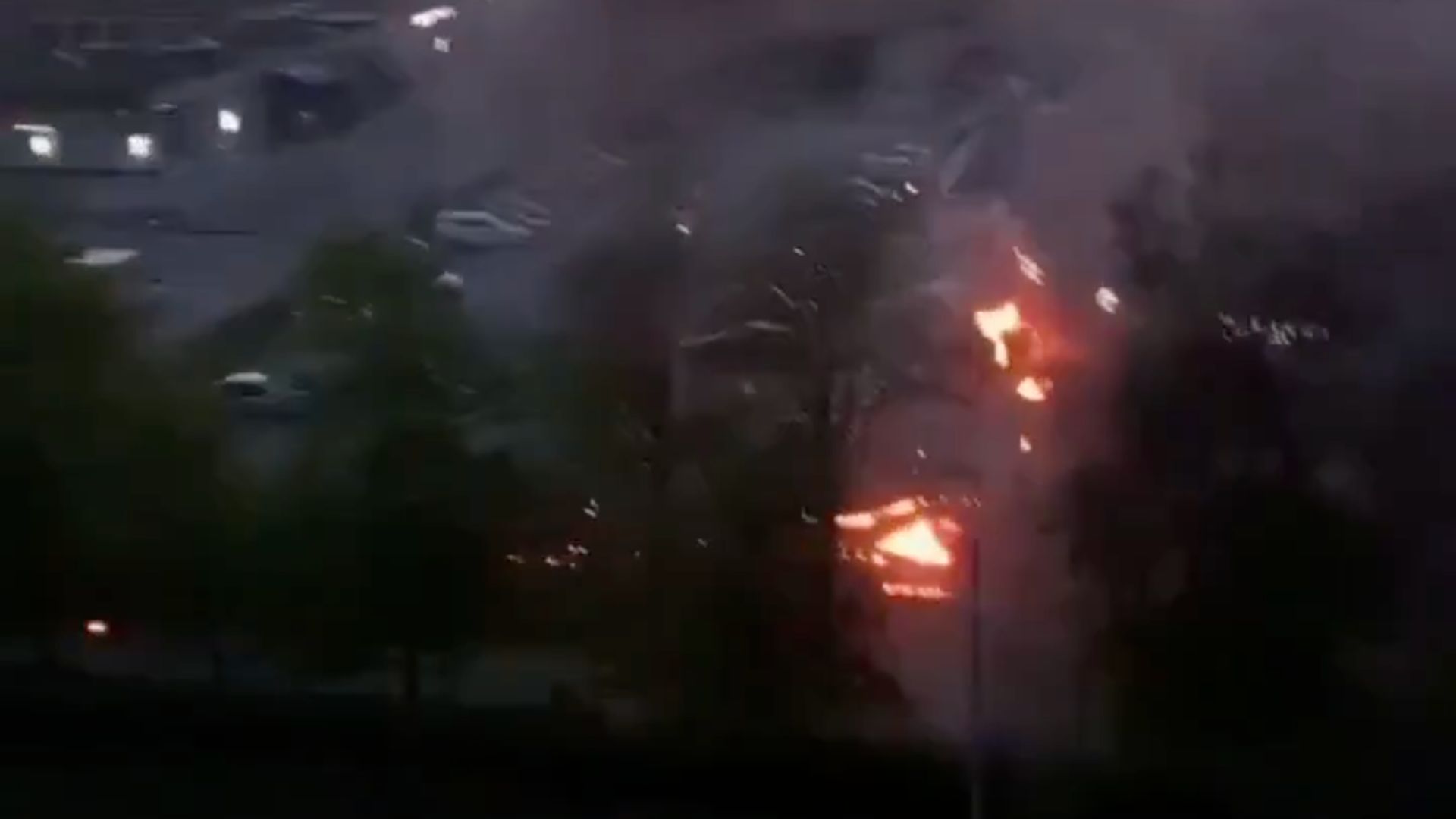
Ukraine hits Russia with massive 500-drone strike, fires and fatalities reported in Moscow
On May 17, 2026, Ukraine executed a significant drone strike targeting Moscow, Russia's capital. This operation marks a notable escalation in the ongoing conflict between the two nations, which has seen heightened tensions and military engagements in recent months. The strike aimed to disrupt key infrastructure and military capabilities within the city, reflecting Ukraine's strategic efforts to assert its position in the protracted war. The attack was carried out using advanced drone technology, showcasing Ukraine's evolving military tactics and capabilities. As the situation unfolds, both Ukrainian and Russian officials are expected to respond, potentially leading to further developments in the conflict.
Inside Ukraine’s Interceptor Drone Innovations Swatting Down Thousands Of Russian Shaheds
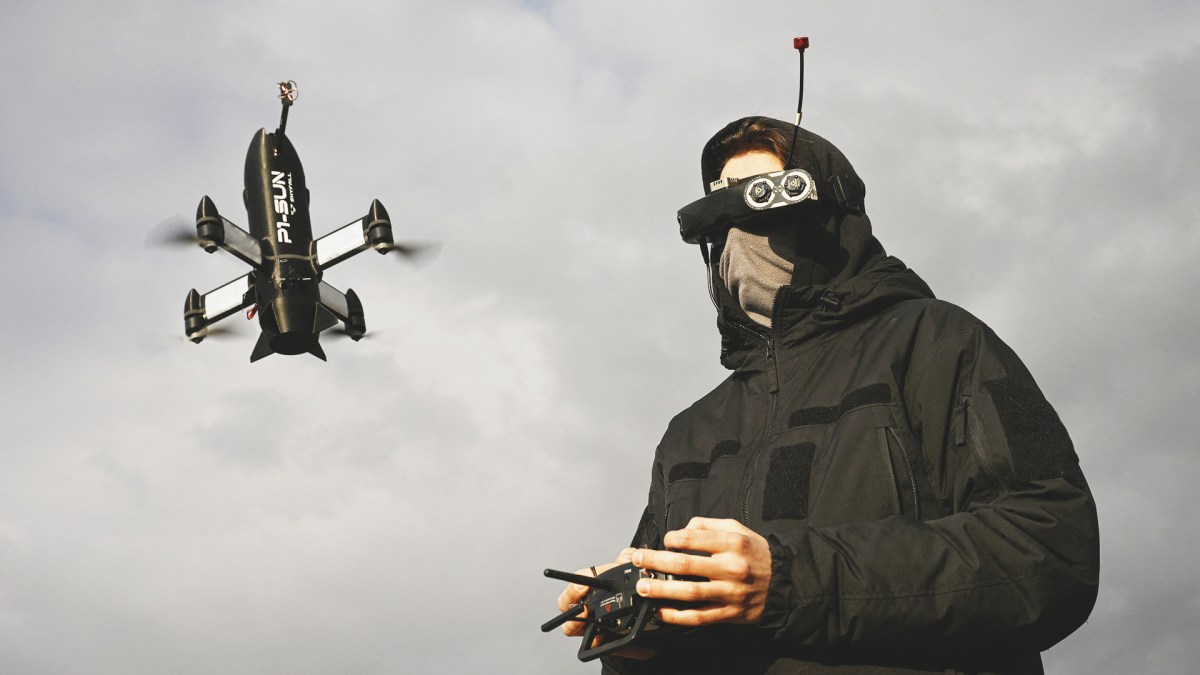
In an exclusive interview, Andrii Hrytseniuk, CEO of Brave1, shared insights into Ukraine's innovative strategies for countering Russia's extensive use of one-way attack drones, specifically the Shahed models. As the conflict continues, Ukraine has developed cost-effective interceptor drones that have successfully neutralized thousands of these threats. Hrytseniuk emphasized the importance of these advancements in bolstering Ukraine's defense capabilities amid ongoing hostilities. The innovations reflect a broader effort to enhance military technology in response to the evolving nature of warfare, showcasing Ukraine's resilience and adaptability in the face of adversity.
News & Features Air Around The Globe Counter-Unmanned Aerial Vehicles (C-UAS) Drones Europe
Ukraine UGV ‘Simba’ rolls out of the shadows in NATO Baltic exercise
In a recent demonstration, the Simba Unmanned Ground Vehicle (UGV) showcased its resilience by successfully completing night missions despite sustaining damage. Footage obtained by Breaking Defense reveals the UGV continuing operations even after losing a wheel and being hit by a first-person view (FPV) drone. This performance highlights the vehicle's robust design and operational capabilities in challenging conditions. The incident underscores the increasing reliance on advanced robotic systems in military operations, particularly in nighttime scenarios where visibility is limited. The Simba UGV's ability to maintain functionality under duress reflects ongoing advancements in unmanned technology, aimed at enhancing battlefield efficiency and safety for human operators.
Allies Global Land Warfare Army Drones EuropeRobotics needs a service framework.
RSF defines a common language for robot service capability, lifecycle operations, certification pathways, and service-provider networks.
Join the RobotToday community on LinkedIn
Daily robotics news, in-depth analysis, conference highlights, and discussions with professionals worldwide.