

Industry Briefing
A single destination for timely, editor-curated robotics news from around the world.

Study Reveals Trust in Human-Like Robots Diminishes After Errors
A study from Drexel University indicates that the more human-like a robot is, the more it can influence people, provided it does not make mistakes. Researchers engaged 50 adult males in conversations with the humanoid robot Pepper for two and a half hours, with half interacting with an expressive version and the other half with a motionless version. When Pepper made intentional errors in the third round, participants' trust significantly declined, with influence dropping from 0.25 to 0.10 after just one mistake. The findings highlight the importance of reliability in social robots, especially in sensitive environments like hospitals and schools. While the expressive Pepper initially fostered a stronger connection, errors led to a more pronounced loss of trust compared to the motionless version. The study also recorded participants' brain activity, revealing heightened responses to social norm violations when interacting with the expressive robot, indicating a shift from technical to interpersonal judgment. Future research will explore whether robots can regain trust through apologies or explanations after making mistakes. The study's limitations include a focus on adult males and the specific robot Pepper, but its implications stress the need for reliability in the design of social robots to prevent trust erosion after errors.
Social Robots Human-Robot Interaction Trust in AI Robotics Research
Data Collectors at JD Teach Robots to Live Like Humans Through Daily Activities
At JD's Robot Data Collection Center in Suqian, data collectors are teaching robots to mimic human activities such as cooking and scanning. This innovative approach transforms everyday actions into precise data points, essential for training embodied intelligent models. The center aims to collect over 10 million hours of quality data within two years, recruiting 100,000 full-time and 500,000 part-time data collectors across various environments. This initiative is significant as it bridges the gap between AI and human-like understanding, allowing robots to learn from real-life scenarios. The data collectors, equipped with lightweight devices, meticulously capture actions to ensure the data's accuracy and relevance. Their work exemplifies the evolving relationship between humans and robots, highlighting the importance of human input in AI development. Looking ahead, the center's ambitious goal of extensive data collection will play a crucial role in advancing AI capabilities. As the demand for skilled data collectors grows, this emerging profession is gaining popularity, with experienced collectors earning substantial incomes. No further timeline was disclosed at the time of publication.
AI Data Collection Robotics Human-Robot Interaction
Humanoid Robots Evolve as Competition Intensifies in Human-Like Capabilities
On August 20, the World Robot Conference 2026 entered its second day, showcasing a notable trend: humanoid robots are increasingly resembling humans. Companies like Galaxy Universal launched the bipedal Galbot ET1, while Zhi Shen Technology presented the dynamic debut of the Yin Yi NE01. Various firms, including Xingdong Era and Ant Lingbo, have deployed humanoid robots in parcel sorting roles. This shift is significant as the industry debate over bipedal versus wheeled robots diminishes, with a growing consensus on the need for humanoid robots in both factories and homes. However, differing technological paths and product designs remain. Galaxy Universal's founder, Wang He, emphasized that for large-scale commercialization, humanoid robots must address foundational model capabilities, rapid scene adaptation, and reliable hardware, introducing the WAM-TTT technology to facilitate quick adaptation without manual intervention. As competition evolves, the focus is shifting from merely choosing a robot form to mastering specific applications and data utilization. EIR's CEO, Feng Zhenyu, highlighted the importance of real-world usage for product optimization and data collection. The next phase of competition will hinge on who can leverage deeper insights and stronger data capabilities to create value in various sectors, including finance and education.
Humanoid Robots Robotics Technology AI Automation Data Analytics
New Convergent Binocular Stereo Algorithm Enhances Humanoid Robots' Depth Perception
Researchers from York University in Toronto have developed a new vision algorithm that enables humanoid robots to perceive depth similarly to humans using two forward-facing eyes. This innovative approach, known as convergent binocular stereo (CBS), processes visual differences between images from the left and right cameras to create a more accurate 3D understanding of scenes, improving distance judgment and navigation in complex environments. The significance of this advancement lies in its potential to enhance robotic vision, making it more biologically inspired and capable. By mimicking human depth perception, CBS allows robots to calculate depth through a camera arrangement that converges on targets, rather than relying solely on parallel cameras. This method captures both horizontal and vertical disparities, enabling a more nuanced understanding of object orientation and surface slant. Looking ahead, researchers have created the Convergent Binocular Stereo–BenchMark dataset to test the algorithm, which has shown competitive performance against established stereo methods. However, limitations remain, including reduced accuracy at greater distances and the need for precise calibration. No further timeline was disclosed at the time of publication.
AI and Robotics
Carnegie Mellon University Teaches Humanoid Robots to Think and Compete in Sports
Carnegie Mellon University's Professor Liu Changliu is leading efforts to teach humanoid robots to understand game dynamics and make decisions on the field. Unlike traditional robotic arms that follow fixed programs, these robots can adjust their movements in real-time, a crucial skill for sports. The goal is ambitious: to develop a humanoid robot team capable of defeating the current World Cup champions by 2050. This involves teaching robots to locate the ball, communicate strategies with teammates, and make real-time decisions, which tests their multi-agent collaboration and motion control abilities. While progress has been made in various sports, including boxing and marathons, significant challenges remain. Liu emphasizes the need for further programming to ensure safety and effective shutdown methods for humanoid robots. The vision of robots competing in sports is becoming increasingly plausible, with the 2050 goal of defeating human champions appearing more attainable than ever.
Humanoid Robots Sports Robotics AI Autonomous Decision Making
ULTRA Enables Humanoid Robots to Move Boxes with Target Guidance: IROS 2026 Best Paper Candidate
The IROS 2026 conference has nominated a paper highlighting ULTRA, a system that allows humanoid robots to move boxes simply by providing a target. This innovation showcases advancements in robotic mobility and task execution. The significance of ULTRA lies in its potential to enhance the efficiency of humanoid robots in various applications, particularly in logistics and warehousing. By simplifying the interaction process, it reduces the complexity of robotic operations, making them more accessible for real-world applications. Looking ahead, the robotics community will be keen to observe further developments and potential implementations of ULTRA. No further timeline was disclosed at the time of publication.
Robotics Automation AI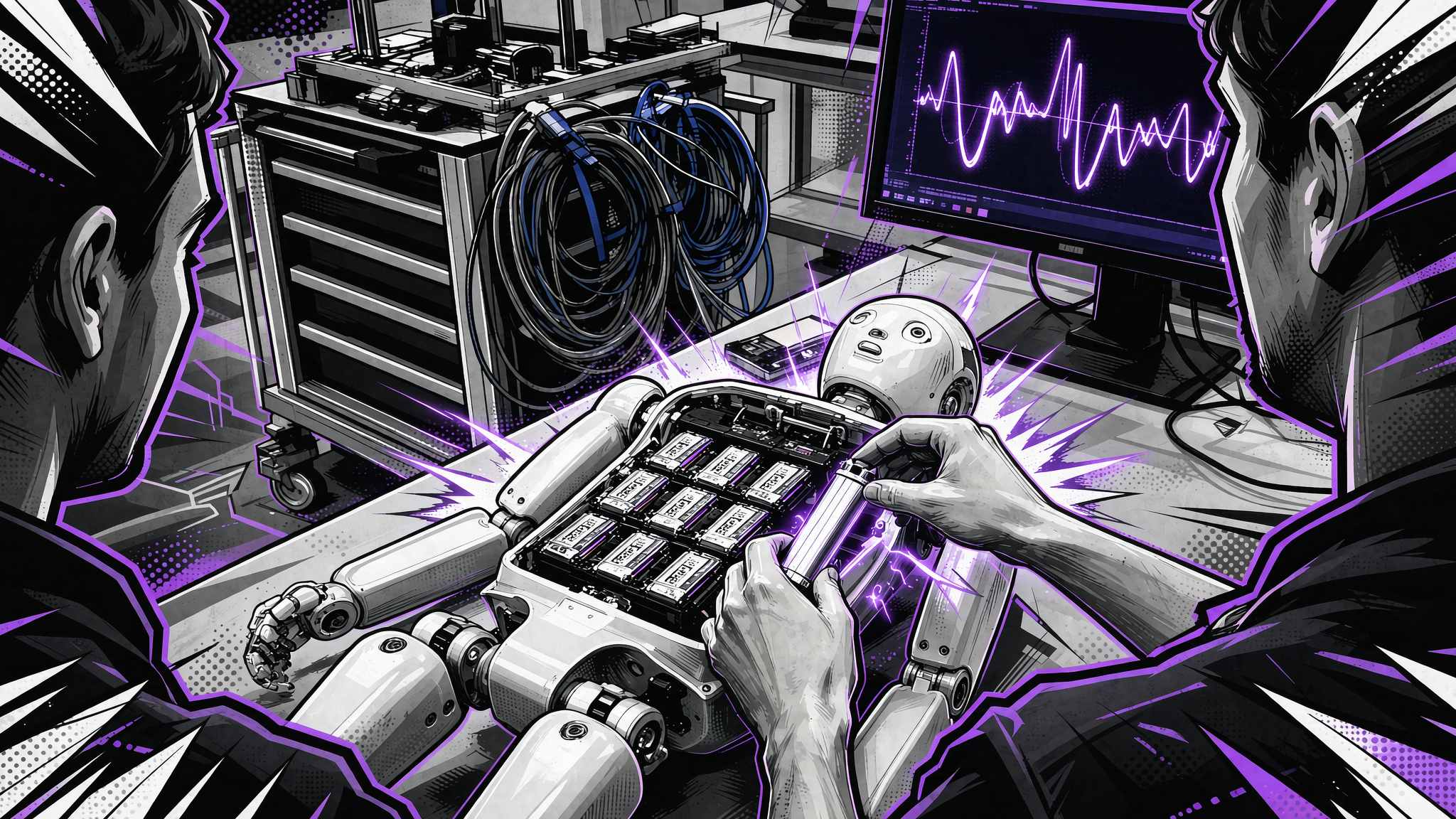
Humanoid Robots May Lead the Way for Solid-State Battery Applications
Recent developments suggest that humanoid robots could be the first large-scale commercial application of solid-state batteries, rather than electric vehicles. This shift highlights the potential for advanced battery technology to enhance robotic capabilities, making them more efficient and versatile in various applications. The significance of this trend lies in the growing demand for improved energy storage solutions in robotics, which can lead to enhanced performance and longer operational times. As companies like Fangqi Technology and Tiangong Robotics explore these innovations, the integration of solid-state batteries could revolutionize the robotics industry, providing a competitive edge in the market. Looking ahead, stakeholders should monitor the advancements in solid-state battery technology and its adoption in humanoid robots. No further timeline was disclosed at the time of publication, but the ongoing research and development in this area could pave the way for new applications and partnerships in the robotics sector.
Robotics Automation AI
IBM Develops Patent for Autonomous Wireless Charging via Humanoid Robots' Feet
IBM has filed a patent application for a system that allows humanoid robots to autonomously recharge by standing on specially designed floor tiles. This innovative approach combines wireless power transmission, RFID positioning, and electromagnets in the robot's boots and the floor, enabling robots to recharge without manual intervention or docking stations. The significance of this technology lies in its potential to enhance the operational efficiency of humanoid robots in industrial settings. As companies increasingly deploy these robots in factories and warehouses, the ability to autonomously recharge addresses the critical issue of battery capacity, allowing robots to transition seamlessly between work and charging. Looking ahead, the implementation of this technology could revolutionize how humanoid robots are utilized in various sectors. The patent highlights the importance of precise alignment for effective wireless power transfer, suggesting that future developments will focus on refining this system to ensure reliability and efficiency in autonomous charging operations. No further timeline was disclosed at the time of publication.
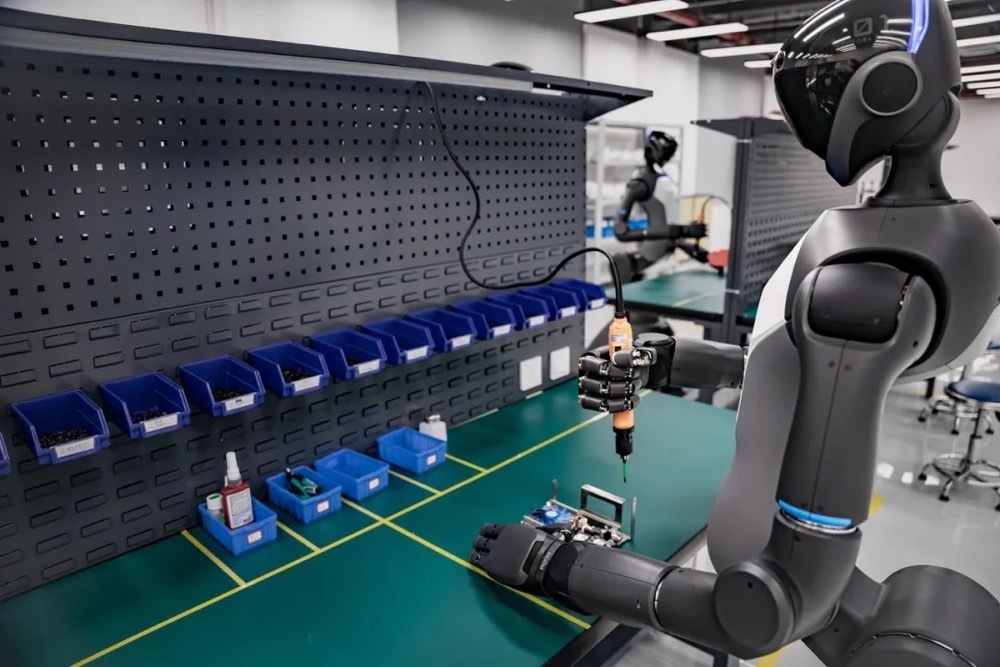
Exploring the Role of Humanoid Robots in Addressing Elder Care Challenges
The United States allocates approximately $400 billion annually for long-term care, facing a significant shortage of formal caregivers, with only four available for every 100 individuals over 65. Humanoid robots, such as Abi developed by Andromeda, are being introduced to provide emotional support for dementia patients, representing a potential solution to this growing issue. The introduction of humanoid robots in elder care is crucial as the demand for caregiving services continues to rise, highlighting the need for innovative solutions. Experts like Andromeda COO Jennifer Haroon and Brookings researcher Gopi Goda are evaluating whether these robots can effectively alleviate the pressures of elder care or if advancements in technology are still necessary. As the conversation around the capabilities of humanoid robots evolves, stakeholders should monitor developments in this field. The ongoing discussions among industry leaders and researchers will determine the future role of robots in elder care and whether they can significantly contribute to addressing the existing caregiver shortage. No further timeline was disclosed at the time of publication.
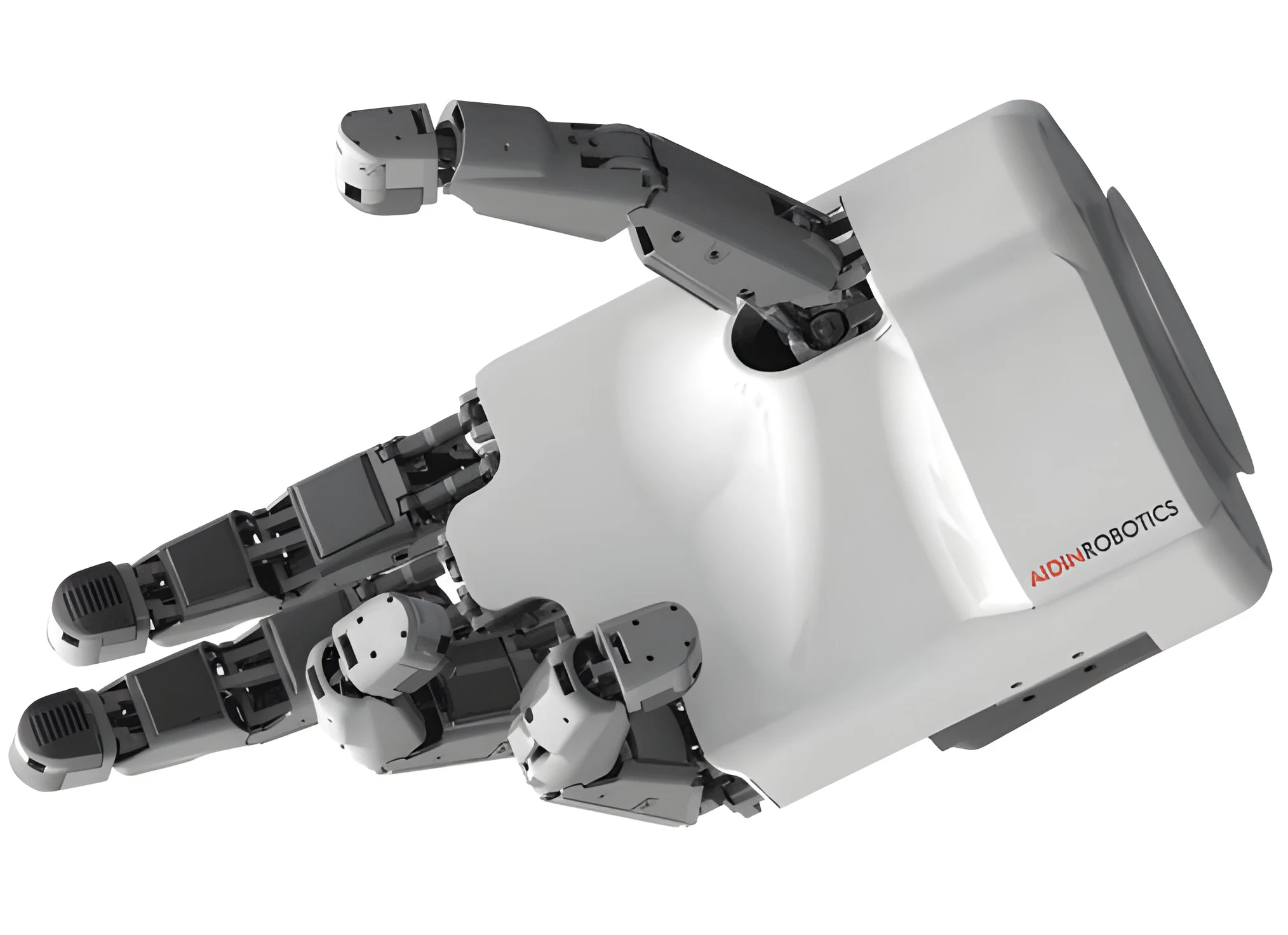
HD Hyundai Robotics Develops Humanoid AI to Enhance Existing Factory Robots
HD Hyundai Robotics is advancing its humanoid robot project, aiming to integrate AI capabilities into its existing industrial and collaborative robots. CTO Ahn Sung-hwan revealed plans to enhance perception, manipulation, and task-planning abilities in a recent interview, although no specific launch date for the humanoid was provided. This initiative is significant as it seeks to create a unified platform that connects industrial robots, cobots, and humanoids, leveraging data from manufacturing processes. The company has also invested ₩13 billion in AIDIN Robotics to develop a specialized five-finger hand for applications in shipbuilding, which will be utilized in both humanoids and existing robots. Looking ahead, HD Hyundai Robotics is also collaborating with Persona AI to integrate humanoids into shipyards, following initial demonstrations of teleoperated welding. Future developments will be closely monitored, particularly regarding the progress of humanoid capabilities and their application in industrial settings. No further timeline was disclosed at the time of publication.
South Korea manufacturing Persona AI
Former Ukrainian Defense Minister Unveils 'Robot Legion' to Deploy Humanoid Robots in Six Months
The former Ukrainian Defense Minister has announced the launch of 'Robot Legion,' a project aimed at deploying humanoid robots to the battlefield within six months. This initiative seeks to enhance military capabilities through advanced robotics technology. The significance of this project lies in its potential to revolutionize warfare by integrating humanoid robots into military operations. The deployment of such technology could provide strategic advantages and improve operational efficiency in combat scenarios. Looking ahead, the development timeline indicates that the first humanoid robots could be operational within six months. Stakeholders will be keen to observe the progress of 'Robot Legion' and its impact on military strategies and defense capabilities.
Robotics Automation AI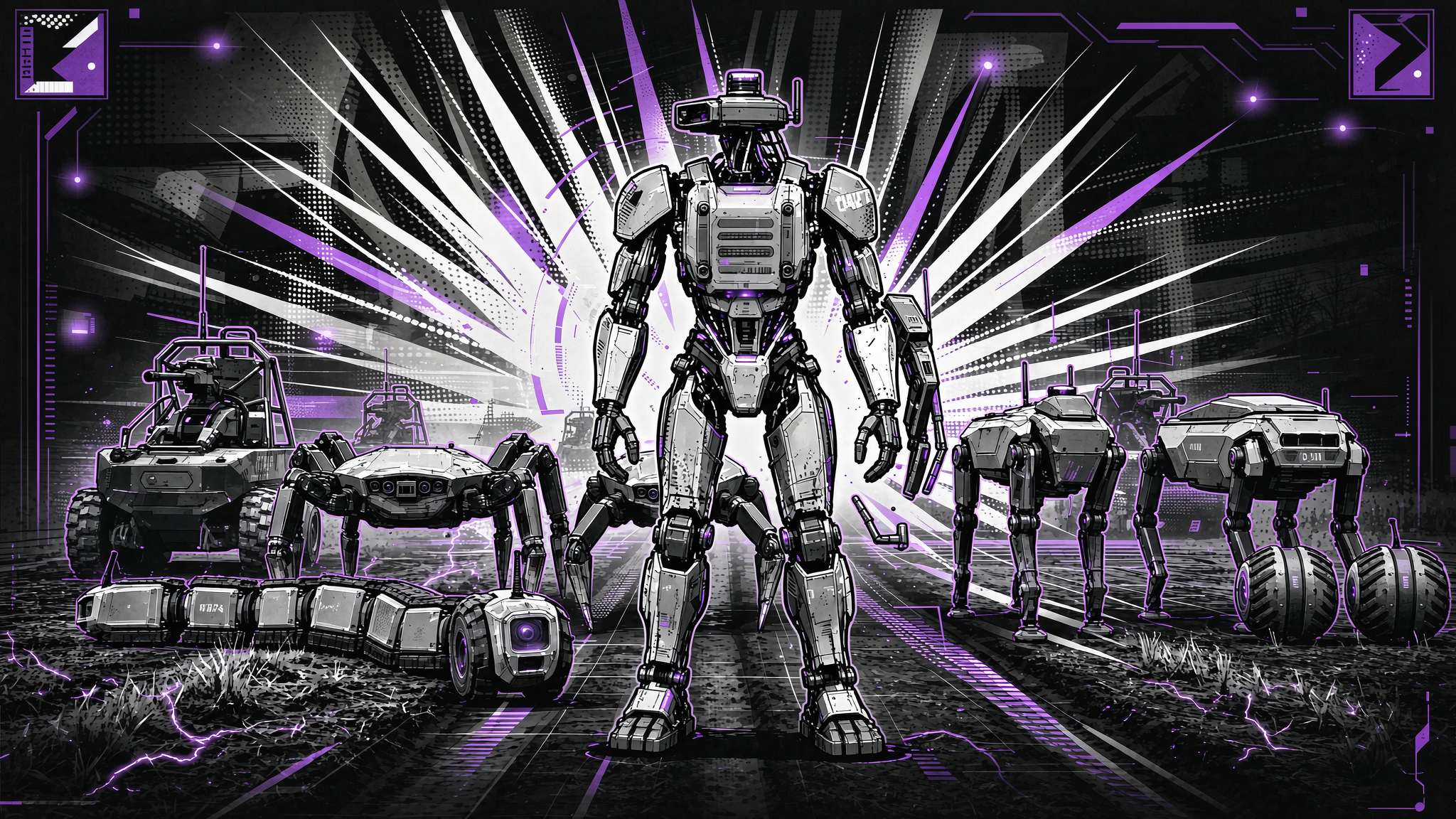
Fedorov Launches 'Robot Legion' Initiative to Deploy Humanoid Robots in Combat by March 2024
On September 26, former Ukrainian Defense Minister Mykhailo Fedorov announced the 'Robot Legion' initiative during his speech at the Lviv IT Arena. The program aims to replace human soldiers on the battlefield with robots to save lives, with a specific goal of deploying a humanoid robot capable of killing a Russian soldier within six months. This initiative is significant as it reflects Ukraine's ongoing efforts to enhance its military capabilities through automation. Fedorov highlighted that drones currently account for over 95% of battlefield strikes, and there are more than 700 drone manufacturers in Ukraine. The push for robotic solutions is underscored by the reported increase in armed ground robot missions, with over 9,000 in a single month this spring. Looking ahead, the first tasks for the humanoid robots will involve mechanical operations such as reloading machine guns and sensor placement. Fedorov's ambitious timeline aims for a combat-ready humanoid robot by March 2024, which could reshape military operations. No further timeline was disclosed at the time of publication.
Humanoid Robots Military Robotics Defense Technology AI Automation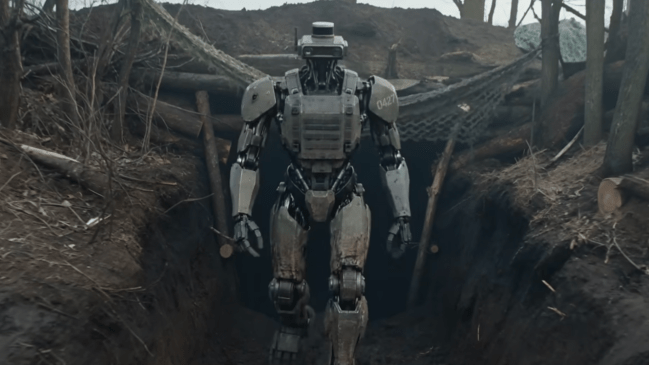
Ukraine's Army of Robots Initiative Aims to Enhance Warfare with Humanoid Systems
Former Ukrainian defense minister Mykhailo Fedorov has launched the 'Army of Robots' initiative, aiming to deploy humanoid and autonomous systems for high-risk military tasks. This project seeks to reduce soldier exposure to danger by utilizing robots for logistics, reconnaissance, and combat operations. The initiative is a continuation of Ukraine's technology-driven approach, building on the success of the Army of Drones. Fedorov is actively seeking partnerships with engineers, robotics teams, and investors to create a robust ecosystem that integrates humanoid robots with existing military technologies, including drones and unmanned ground vehicles. Fedorov has set ambitious goals, including the deployment of a humanoid robot capable of lethal action within six months and the first combined operation of robots and drones within a year. The initiative represents a significant shift towards integrating advanced robotics into military operations, reflecting the urgent need for innovation in response to evolving threats.
Military
Agility Robotics Explores Development of Wheeled Robots Alongside Digit Humanoid
Agility Robotics recently revealed plans to explore wheeled robots during the launch of Digit 5. CEO Jonathan Hurst confirmed that the company is considering various robot designs, including wheeled options, to meet diverse customer needs and operating environments. This exploration is significant as it marks a potential shift for Agility, which has primarily focused on legged robots. Hurst emphasized that while legged robots are becoming more capable, wheeled robots could provide quicker market entry in certain environments where legged capabilities may not be necessary. No specific timeline for the introduction of a wheeled robot has been disclosed. As Agility continues to commercialize Digit, the company is also navigating a SPAC merger with Churchill Capital Corp. XI, valuing it at $2.5 billion and highlighting the importance of diversifying its product offerings to enhance revenue growth.
Humanoids News Robots / Platforms Agility Robotics robobusiness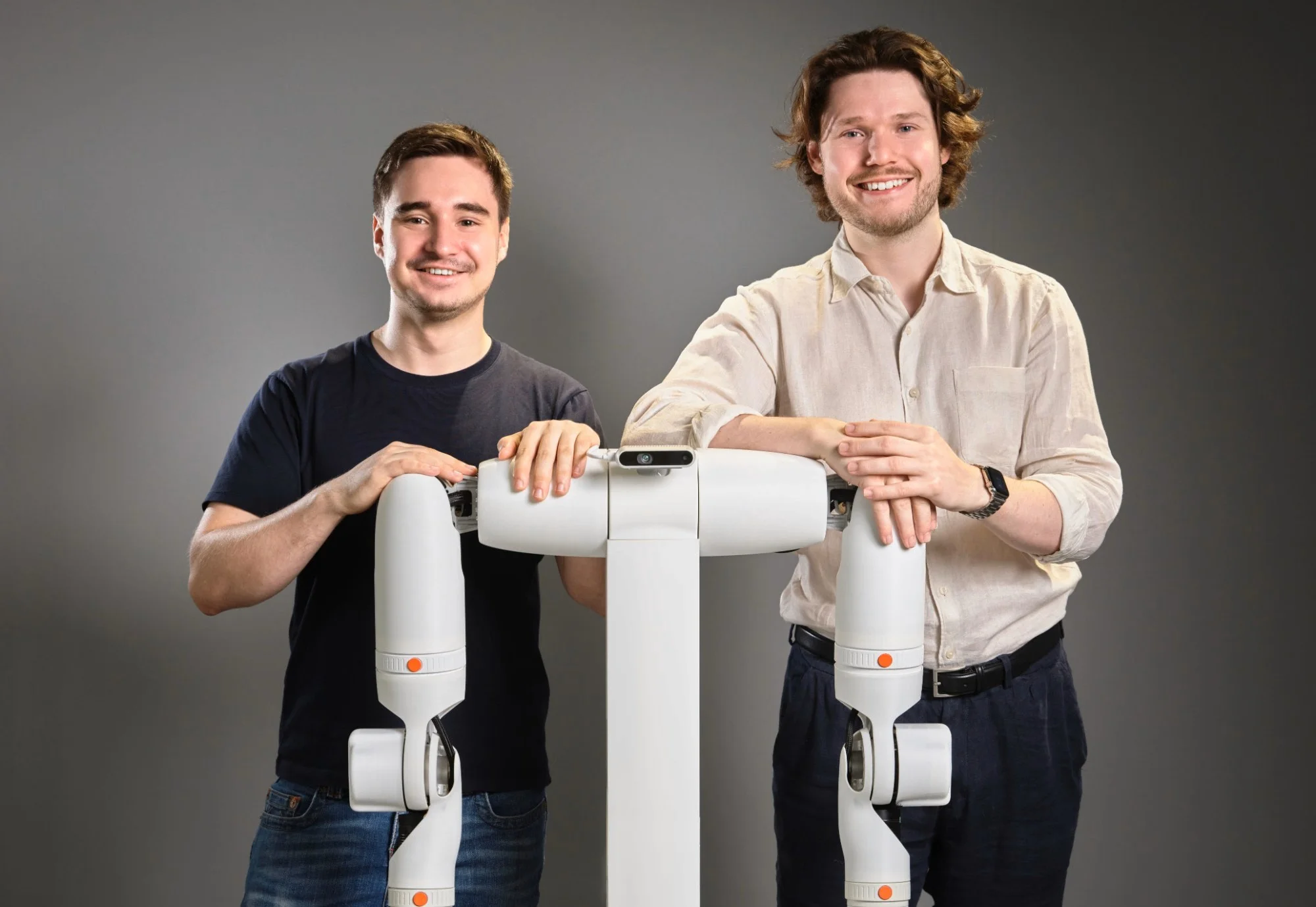
O-ID Secures $1.2 Million Pre-Seed Funding for Modular Humanoid Robots in Japan
Tokyo-based O-ID has successfully raised $1.2 million in pre-seed funding to advance its modular humanoid robot towards production, focusing initially on the automotive manufacturing and logistics sectors in Japan. The funding, with participation from Tawani Ventures, Hustle Fund, and Techstars, will enable O-ID to prepare its first robot for deployment on factory floors. The company's design allows for major modules to be replaced on-site in about five minutes without tools, addressing the growing labor shortage in Japan, which could reach 11 million by 2040. Looking ahead, O-ID plans to expand its market reach beyond Japan into the U.S. and other industries. The company is also ensuring compliance with industrial safety standards and has filed a provisional U.S. patent for its modular connector technology, marking significant progress in its mission to reshape factory operations.
AI AI Funding & Investment Robotics humanoid robot Hustle Fund Japan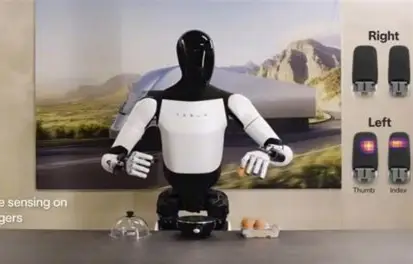
Tesla Initiates Procurement of Chinese Components for US-Manufactured Humanoid Robots
Tesla has started sourcing components from China for its humanoid robots produced in the United States. This move is expected to enhance production capacity at Tesla's Fremont factory in California, leveraging China's status as the largest producer of humanoid robot parts. The procurement process began in mid-September when Tesla's robotics team conducted factory audits of three automotive parts suppliers in Ningbo: Joyson Electronics, Top Group, and Sanhua Automotive. These suppliers have already received orders for components such as joint modules, actuators, and precision structural parts, indicating a pre-existing collaboration with Tesla in the automotive sector. Looking ahead, Tesla's strategy of ordering components before auditing production lines highlights its confidence in these suppliers' capabilities. The ongoing partnership with these established companies reflects China's growing influence in the global robotics industry, particularly as Tesla shifts focus to humanoid robot production at its California facility.
Humanoid Robots Supply Chain Automotive Components Robotics Manufacturing
Tesla Sources Chinese Components for Humanoid Robots Produced in the US
Tesla has started procuring components from China for its humanoid robots manufactured in the United States. This move aims to enhance production capacity at Tesla's Fremont factory in California, leveraging China's status as the largest producer of humanoid robot parts. In mid-September, Tesla's robotics team conducted factory audits of three automotive parts suppliers in Ningbo, including Joyson Electronics, Top Group, and Sanhua Automotive Components, which had already received orders for robot parts such as joint modules and actuators. The collaboration with these suppliers, which already provide parts for Tesla's electric vehicles, indicates a solid foundation for partnership. The audits focus on ensuring that the production lines can meet mass production requirements for the humanoid robot components. Joyson Electronics, Top Group, and Sanhua Automotive Components rank 29th, 57th, and 100th respectively in the Automotive News 2026 global supplier rankings, showcasing their experience in supplying parts for leading humanoid robot companies. Tesla's decision to source from Chinese suppliers reflects its consistent strategy in the automotive sector, where Chinese companies excel in cost control, mass production capabilities, and supply chain responsiveness. This procurement strategy highlights China's growing influence in the global robotics industry, especially as Tesla continues to develop its Optimus humanoid robot assembly line at its California facility.
Humanoid Robots Supply Chain Automotive Components Robotics Manufacturing
Analysts Predict PEEK Demand Surge in Humanoid Robots, Kingfa's Yu Fei Calls It Overhyped
A recent report highlights the growing interest in PEEK, a high-performance plastic, for use in humanoid robots. European manufacturers like Victrex and Evonik are poised to benefit as demand increases, but Kingfa's Yu Fei argues that much of the excitement surrounding PEEK in embodied AI is exaggerated. Current estimates suggest that humanoid robots may utilize 6-10 kg of plastics, with future designs potentially increasing this demand significantly. The implications of this discussion are significant for the robotics industry, as Barclays analysts predict that one million robots by 2030 could lead to a demand for 10,000 tons of PEEK. This projection indicates a potentially exponential growth in the market, although the specifics of whether this demand is annual or cumulative remain unclear. The established applications of PEEK in various industries further underscore its potential utility in robotics, particularly in components like joints and actuators. Looking ahead, the market for PEEK is expected to exceed $1.56 billion by 2034, with new production capacities being announced, particularly from Chinese manufacturers. As companies like XPENG and Tesla ramp up their robot production, the actual demand for PEEK and its applications in humanoid robots will become clearer. No further timeline was disclosed at the time of publication.
Europe Actuators Schaeffler Supply Chain China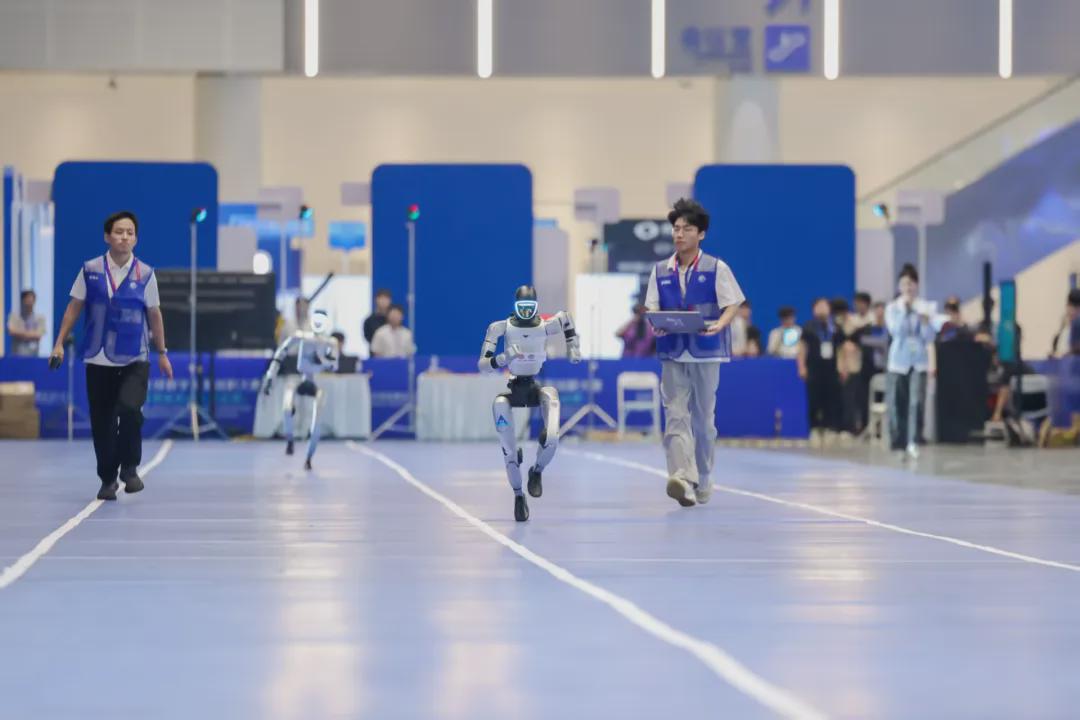
Humanoid Robots Compete in Multiple Events at 2026 Global Digital Trade Innovation Competition
On September 24, 2026, the Global Digital Trade Innovation Competition featured a day packed with events for humanoid robots at the Hangzhou International Expo Center. This marked the first time humanoid robots participated in competitive racing, including 100-meter sprints, obstacle courses, and endurance tests, showcasing their movement control capabilities. The significance of this event lies in its role as a benchmark for evaluating the technological advancements in humanoid robotics. The competition highlighted critical challenges, such as the difficulty in deceleration, which affects the robots' ability to stop safely after high-speed runs. This issue underscores the importance of refining motion control algorithms for practical applications in real-world scenarios. Looking ahead, the competition's standardized testing environment provides valuable insights into the baseline capabilities of humanoid robots, shifting the focus from mere speed to essential skills like stability and adaptability in complex terrains. No further timeline was disclosed at the time of publication.
Humanoid Robots Robotics Competition AI Technology Motion Control Industrial Robotics
Survey by Plus One Robotics Reveals Americans Favor Human Oversight for Humanoid Robots
A recent survey conducted by Plus One Robotics indicates that Americans prefer humanoid robots to operate under human supervision. The research highlights that as robot autonomy increases, so do expectations for human oversight, especially in safety-sensitive tasks. Notably, 26% of respondents expressed concerns about the lack of human judgment in humanoid robots. The survey results reveal that 57.5% of those uncomfortable with robots performing certain tasks would feel more at ease if a trained human could monitor or intervene. Concerns are particularly significant regarding robots in roles involving direct responsibility for individuals, with 52% uneasy about robots supervising children and 46% about robots conducting surgeries. These findings raise critical questions for developers of humanoid robots about the balance between autonomy and human involvement. Erik Nieves, CEO of Plus One Robotics, emphasizes the importance of a human-in-the-loop approach, suggesting that this model could enhance public acceptance as robots transition into more interactive roles beyond industrial applications. No further timeline was disclosed at the time of publication.

O-ID Secures $1.2M to Develop Modular Humanoid Robots Amid Worker Shortages
Tokyo-based robotics company O-ID has raised $1.2 million to develop fully modular humanoid robots. These robots are designed to integrate seamlessly into existing factory lines and can be repaired on-site, addressing the anticipated worker shortages in Japan and the United States. The significance of this initiative is underscored by projections indicating a potential shortage of 11 million workers in Japan by 2040 and 1.9 million in U.S. manufacturing by 2033. O-ID's approach aims to mitigate these challenges by providing a flexible robotic solution that can adapt to various manufacturing environments. As industries prepare for these workforce deficits, the development of O-ID's humanoid robots will be closely monitored. The company's innovative design could set a precedent in the robotics sector, potentially influencing how factories operate in the future. No further timeline was disclosed at the time of publication.

Academician Zheng Nanning Discusses Embodied Intelligence Beyond Humanoid Robots
Academician Zheng Nanning, Director of the Artificial Intelligence and Robotics Institute at Xi'an Jiaotong University, published an article discussing the growth of embodied intelligence in the physical world. He emphasized that a key direction for artificial intelligence is enabling machines to not only process information but also to flexibly perform various tasks in dynamic environments. This includes precise operations on industrial production lines, autonomous navigation in complex terrains, and dynamic movements in exhibition settings. Zheng clarified that embodied intelligence is not synonymous with humanoid robots; rather, it focuses on whether intelligent systems can truly engage with real-world environments, forming a closed loop of perception, cognition, decision-making, action, and feedback. The evaluation of embodied intelligence should be based on its ability to solve real-world problems, not merely its physical form. He likened understanding embodied intelligence to an infant's process of learning about the world through interaction with their environment. To enable machines to act in the world, embodied intelligence requires various capabilities, including the formation of world models, multimodal representation, causal reasoning, and the integration of generation and action. The development of embodied intelligence relies on high-quality multimodal data and realistic simulation environments. Current limitations include the black box problem, computational constraints, and an immature industrial ecosystem. In sectors like industrial manufacturing, healthcare, and urban governance, intelligent systems are evolving from mere tools to proactive systems capable of continuous learning and adaptation.
Embodied Intelligence Artificial Intelligence Robotics Machine Learning
Tesla Initiates Procurement of Chinese Components for US-Made Humanoid Robots
Tesla has begun sourcing components from China for its humanoid robots produced in the United States. This move is expected to enhance production capacity at Tesla's Fremont factory in California, leveraging China's status as the largest supplier of humanoid robot parts globally. In mid-September, Tesla's robotics division started factory audits of three automotive component suppliers located in Ningbo, China: Joyson Electronics, Top Group, and Sanhua Automotive. These suppliers had already received orders for parts such as joint modules, actuators, and precision components prior to the audits, which will assess production line performance and compliance with regulations. The focus will be on whether these suppliers can meet mass production requirements for robot components. Given their existing relationships with Tesla in the automotive sector, the suppliers are expected to have the necessary capabilities. The upcoming months will reveal if these suppliers can scale production in line with Tesla's ambitious output targets for its Optimus humanoid robots.
Humanoid Robots Supply Chain Robotics Components Automotive Parts
Humanoid Robots Enhance Navigation in Cluttered Environments with Whole-Body AI Control
Humanoid robots, designed with human-like body structures, have the potential to assist in various environments such as homes, offices, and healthcare facilities. However, for effective deployment, these robots must demonstrate the ability to navigate safely through cluttered and dynamic spaces. This capability is essential for their integration into everyday settings where obstacles are common. The ability of humanoid robots to navigate narrow gaps and obstacles is crucial for their functionality in real-world applications. This advancement in whole-body AI control technology is significant as it enhances the robots' adaptability and safety, making them more reliable companions in environments that require interaction with humans and other objects. Looking ahead, the focus will be on further developing these navigation capabilities to ensure that humanoid robots can operate effectively in diverse settings. No further timeline was disclosed at the time of publication.
Robotics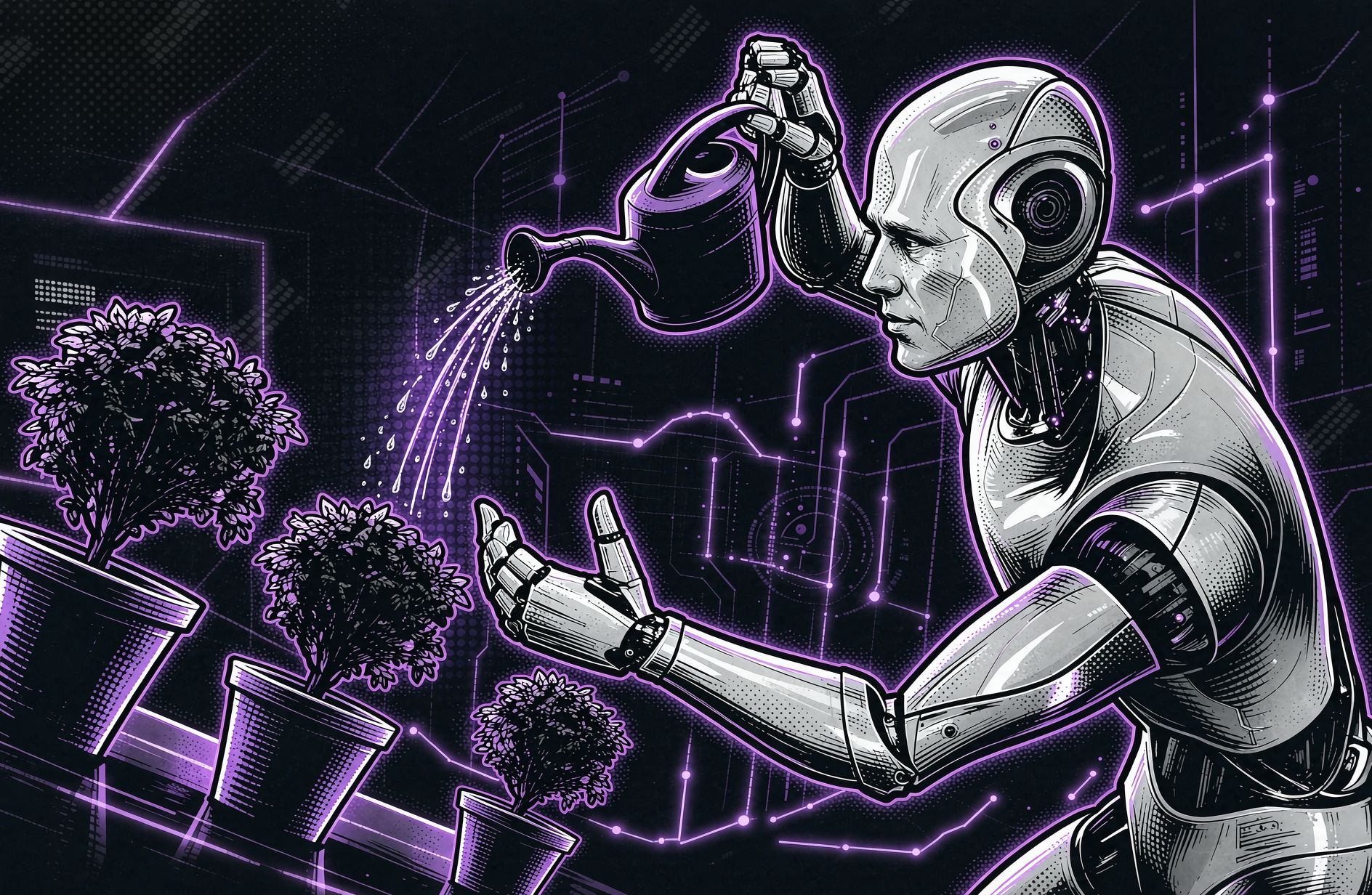
Humanoid Robots Priced Between 10,000 and 20,000 Yuan: A Step Towards Home Integration
A new range of humanoid robots has been introduced in Shanghai, priced between 10,000 and 20,000 Yuan, marking a significant shift towards the personal consumer market. As prices approach those of high-end consumer electronics, these robots are transitioning from industrial applications to home environments. The CEO of Shuwei New Materials, Tian Hua, outlines a three-stage path for integrating robots into homes: they must be interesting, useful, and lovable. The initial focus is on making robots engaging to encourage exploration, followed by demonstrating practical value in everyday scenarios, such as assisting children and recording life events. Looking ahead, the challenge lies in ensuring these robots can adapt to dynamic home environments and meet diverse family needs. Safety is paramount, with considerations for sharp edges and the ability to respond to unexpected situations. The future of home robots may involve them acting as coordinators for smart devices, enhancing family interactions and providing new value beyond traditional tools.
Humanoid Robots Home Robotics Consumer Electronics AI Safety Technology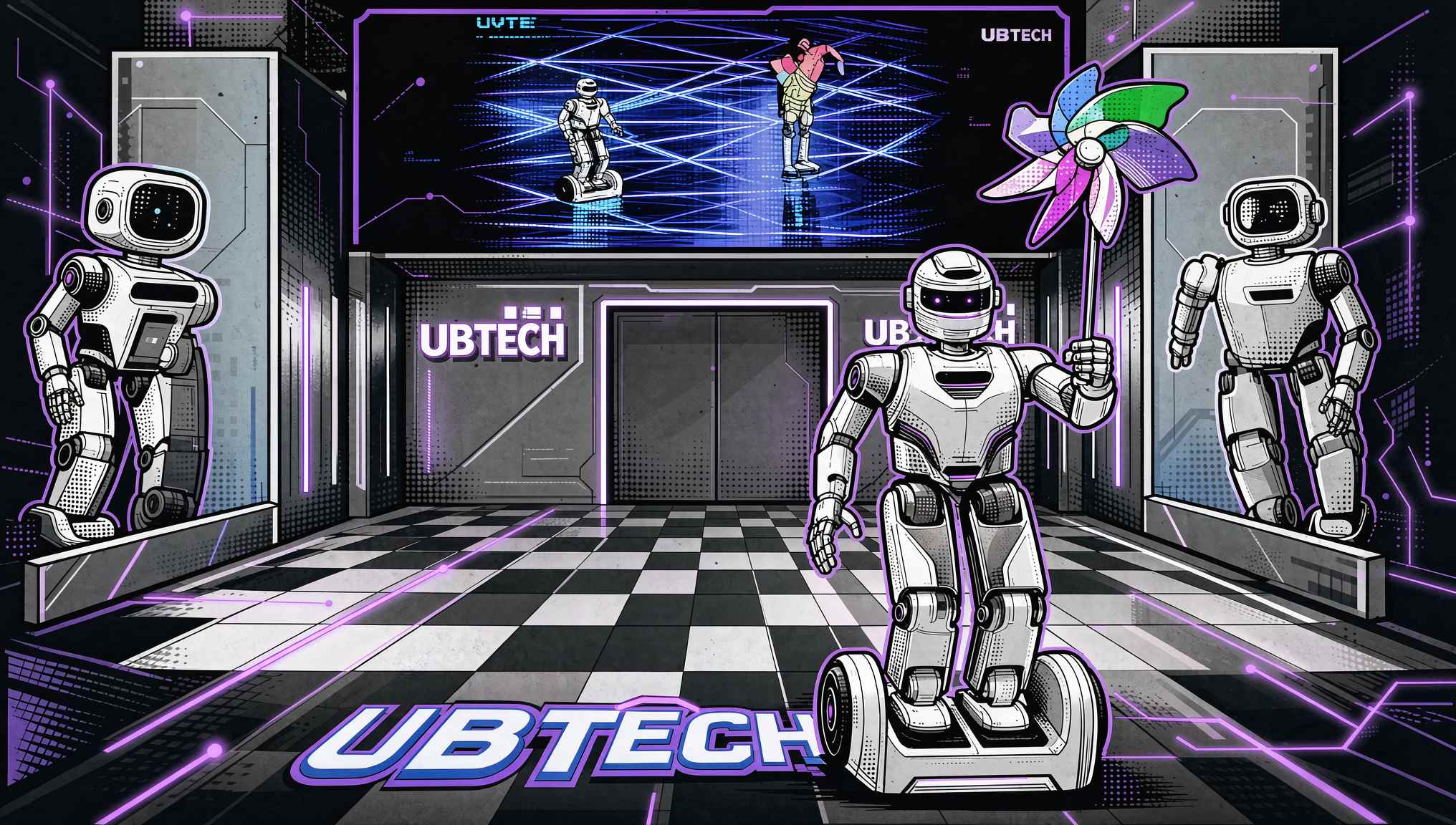
UBTECH Unveils Ethical Governance White Paper for Humanoid Robots with Three Protection Goals
Recently, UBTECH officially released the 'Ethical Governance White Paper on Humanoid Robots.' This document outlines a comprehensive governance framework covering the identification, assessment, control, testing, and review of ethical risks, providing a roadmap for the ethical governance of humanoid robots in industrial, commercial, and home companion applications. The white paper introduces three specific ethical protection goals for humanoid robots: controllable actions, appropriate anthropomorphism, and moderated interaction. These goals address unique ethical issues arising from humanoid robots, which possess physical action capabilities, human-like appearances, and long-term interaction attributes, distinguishing them from other smart devices. The white paper emphasizes the need for continuous ethical review throughout the robot's lifecycle, proposing a dynamic governance approach with nine key stages, from project definition to retirement. This framework reflects the evolving nature of humanoid robots, which are not static products but systems that change through OTA updates and skill expansions. No further timeline was disclosed at the time of publication.
Humanoid Robots Ethical Governance Risk Management AI Robotics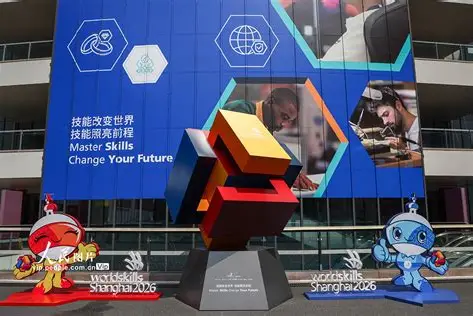
Humanoid Robots Showcase Innovative Performances at World Skills Competition Opening Ceremony
The 48th World Skills Competition is being held in Shanghai from September 22 to 27, featuring 64 competition categories and 1,385 participants with an average age of 21. During the opening ceremony, the artistic director, Hou Jie, highlighted the interactive segments involving humanoid robots, including a full-sized robot performing intricate finger dances and waltzing with dancers, marking a global premiere. These robot performances required extensive preparation, with a dedicated training area of over 300 square meters established in Lingang. To synchronize the robots with the stage rhythm, 18 imaging devices captured human dance movements, which were then programmed into the robots. Challenges included the robots' weight causing damage to the stage and overheating issues due to inadequate costume ventilation, which affected rehearsal schedules. As the rehearsals progressed, the distance between dancers and robots decreased from 50 meters to a close performance, showcasing their ability to dance together. The opening ceremony featured an aerial control system with over 200 suspension points and a giant mortise and tenon mechanical device, which was a highlight of the event. This device, weighing 200 tons, will remain as a permanent art installation at the Shanghai Global Celebrity Museum after the competition.
Humanoid Robots AI Robotics Performance Technology Event Technology
Guangdong Factories Deploy Over 2,000 Humanoid Robots, Anticipating 3,000 by Year-End
In Guangdong, over 2,000 humanoid robots have been deployed in manufacturing facilities, with expectations to exceed 3,000 by the end of 2026. This deployment is part of a broader initiative to integrate artificial intelligence into the manufacturing sector, showcasing significant advancements in automation. The significance of this development lies in its potential to transform traditional manufacturing processes. As noted by Yang Huaiyu, General Manager of Kuawei Intelligent's humanoid robot division, these robots are already operational in various production environments, performing tasks such as material handling and integration with factory systems. Looking ahead, the recent AI application conference in Guangdong has led to the signing of multiple projects aimed at scaling the use of humanoid robots across diverse sectors, including industrial manufacturing and logistics. The anticipated impact includes the introduction of over 600 humanoid robots into frontline operations, with a total investment of 75 million yuan.
Humanoid Robots Manufacturing Automation Artificial Intelligence Flexible Manufacturing Industrial Robotics
Ensuring Compliance for Humanoid Robots in Europe by 2027: Key Considerations
Humanoid robots are transitioning from labs to workplaces, prompting European companies to address compliance issues. As the EU Machinery Regulation (EU) 2023/1230 comes into effect on January 20, 2027, demonstrating conformity for walking humanoid robots is becoming critical for industrial directors and technical managers. The urgency arises from the lack of established standards for humanoid robots, complicating compliance efforts. The upcoming regulation will replace the previous Machinery Directive, and companies must prepare for this transition. The confusion surrounding various European regulatory timelines for machines and AI systems adds to the complexity, making it essential for businesses to align their projects with the 2027 deadline. As the market for humanoid robots expands, stakeholders must navigate these regulatory challenges to ensure successful deployment. Companies planning to launch humanoid robots by 2027 need to incorporate compliance strategies early in their project timelines. No further timeline was disclosed at the time of publication.
À la une Humanoide Robotique achat robot humanoïde conformité robot humanoïde déploiement robot humanoïde
Humanoid Robots Break Bolt's Record but Struggle with Practical Applications
Last month, humanoid robots broke Usain Bolt's 100-meter record at the World Humanoid Robot Games in Beijing. However, while their running and jumping feats are impressive, their practical utility remains unclear. Performing tasks like folding clothes or working on factory assembly lines is more challenging than simply sprinting, as these require complex hand movements and cognitive understanding. According to a report by Citrini Research, observers may underestimate the risks as robots are learning complex tasks at an increasing pace. Citrini suggests that the robotics industry will not experience a singular breakthrough moment akin to ChatGPT, but rather multiple advancements from various sources. Recent developments have led analysts, including those at Citrini, to raise their expectations for the industry. Generalist showcased a robot capable of learning simple tasks like cup stacking through its GEN-1.5 AI model, while Skild demonstrated a similar robot learning to flip pancakes. Additionally, Figure's humanoid team sorted 250,000 packages, and Spirit AI's wheeled robots are now operational in a factory. However, high costs remain a barrier to mainstream adoption, with estimates around $120,000 per robot, while companies like Xpeng aim to reduce costs significantly.
Humanoid Robots Robotics Technology AI Automation Manufacturing
Qiyuan Robotics Unveils Affordable Humanoid Robots Starting at 19,999 Yuan
On September 20, Qiyuan Robotics, a subsidiary of Weiqi New Materials, officially launched two consumer-grade humanoid robots, Q1 and T1, priced as low as 19,999 yuan, setting a record for the lowest price in this category. The product lineup includes four models: Q1, Q1 Explorer, T1, and T1 Pro, with prices ranging from 19,999 yuan to 29,999 yuan. This pricing strategy is supported by enhanced mass production capabilities, allowing Qiyuan Robotics to produce thousands of units efficiently. The company has integrated automotive manufacturing standards to ensure quality and consistency, with the ability to assemble a robot every 2.5 minutes. Shanghai's robust robotics industry, which accounts for about one-third of the national market, provides a strong foundation for this production model. Looking ahead, Qiyuan Robotics aims to capitalize on the evolving consumer robotics market, focusing on developing applications that enhance user engagement and emotional value. The company plans to expand into international markets next year, with expectations that overseas revenue will contribute approximately 30% of total sales. No further timeline was disclosed at the time of publication.
Humanoid Robots Consumer Robotics AI Robotics Manufacturing
UBTECH Opens Liuzhou Factory with Capacity for 10,000 Humanoid Robots Annually
On September 12, UBTECH inaugurated a super smart factory in Liuzhou capable of producing over 10,000 humanoid robots annually. This facility is the world's first industrial humanoid robot manufacturing benchmark factory designed for such high capacity, utilizing intelligent planning and digital scheduling systems to implement a robot-to-robot manufacturing model. The significance of this factory lies in its ability to address the challenges of mass production in the humanoid robot sector, where most companies previously produced only hundreds to thousands of units per year. The factory's design allows for a robot to be completed every 10 minutes, potentially scaling production to around 50,000 units annually, contingent on order fulfillment and supply chain alignment. Looking ahead, UBTECH's Walker S2 humanoid robot, equipped with advanced capabilities such as dual RGB vision and a high degree of freedom, is set to redefine operational efficiency in various sectors. The factory's production capacity supports UBTECH's expansion into industrial, commercial, and consumer markets, marking a significant step in the evolution of humanoid robotics manufacturing.
Humanoid Robots Industrial Automation Smart Manufacturing Robotics Technology
Tesla, BMW, and Mercedes Deploy Humanoid Robots in Production Lines
Tesla, BMW, and Mercedes have integrated humanoid robots into their production lines, marking a significant shift from prototype to real-world application in heavy industry. Tesla's Optimus robots are deployed in Fremont and Texas factories, assisting in battery assembly and wiring tasks, while BMW has procured Figure 03 for metalworking and logistics testing. Mercedes utilizes Apollo for high-risk positions, showcasing the adaptability of humanoid robots to existing factory setups without extensive modifications. The economic advantages of these robots are becoming clear, with operational costs as low as $2 to $5 per hour compared to $35 to $45 for workers in the U.S. and Europe. This cost differential, which includes wages, social security, benefits, training, and management, is a key motivator for automakers to adopt humanoid robots. As the Labor-as-a-Service (LaaS) leasing model gains traction, the barriers to entry for automotive companies are lowering, prompting hardware manufacturers to shift towards high-margin software subscription services. Looking ahead, the humanoid robot market is projected to reach $15 trillion, but there are challenges to overcome. These include limited interaction data for robots in complex environments, insufficient hardware durability, and labor disputes regarding job displacement. The year 2026 is anticipated to be a pivotal point for humanoid robots in commercial applications, with the success of this transition hinging on data accumulation, hardware reliability, and societal responses to job replacement issues.
Humanoid Robots Manufacturing Automation Cost Efficiency Industrial Robotics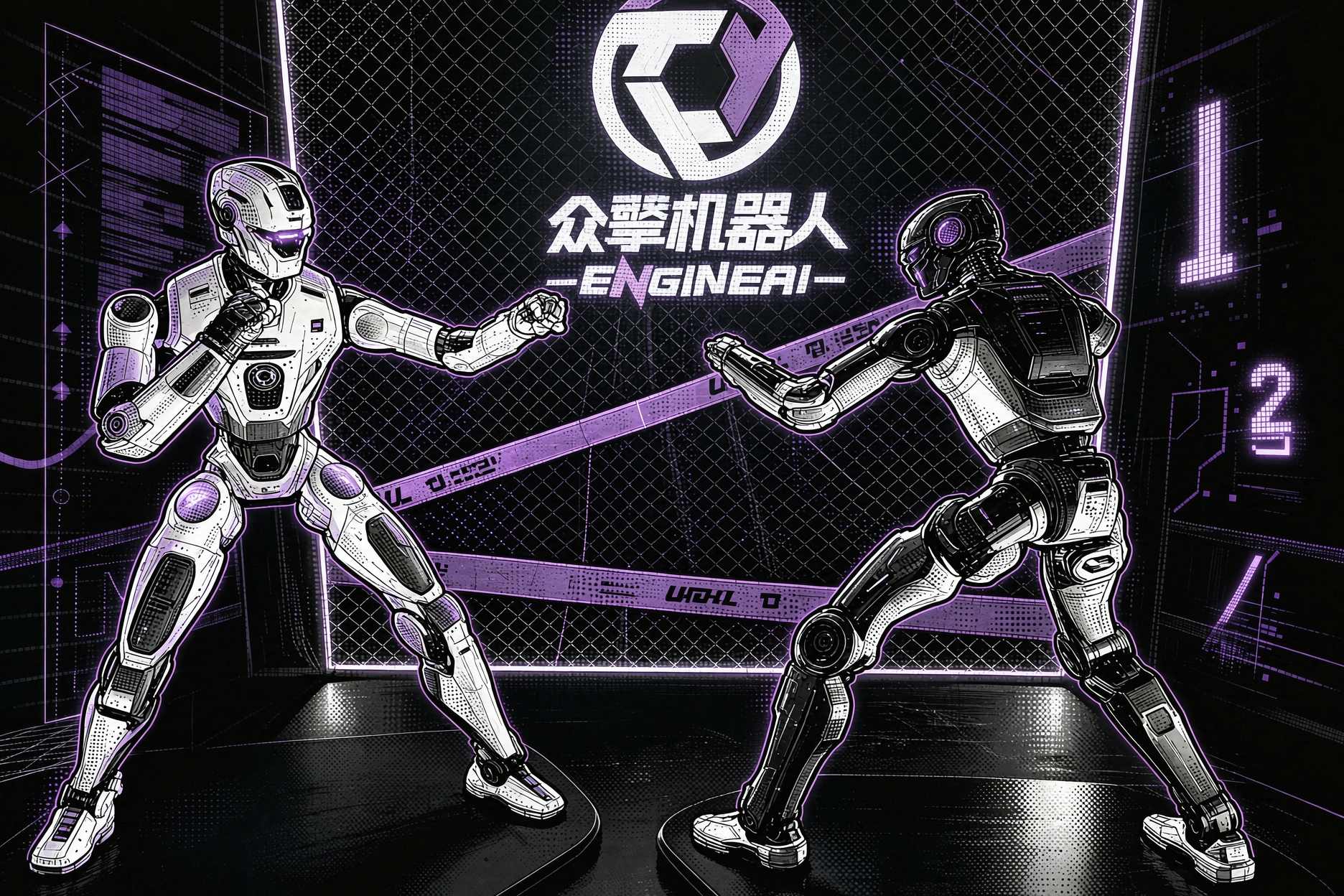
Humanoid Robots Showcase Resilience in URKL Combat Tournament in Shanghai
On September 19, the 2026 URKL Robot Combat City Tour kicked off in Shanghai at the Baoshan Sports Center, following its debut in Shenzhen in July. The event marked a significant step in the commercialization of the URKL global humanoid robot free combat league, with all 5,000 tickets sold out. The tournament attracted not only fans from other cities but also local youth and families, indicating a growing interest in humanoid robot combat beyond just technical demonstrations. The appeal of the combat tournament lies in its unpredictability, as demonstrated by the ZQ T800 robot's impressive recovery after being knocked down. This ability to bounce back captivated the audience, showcasing the potential for humanoid robots to engage in dynamic and entertaining performances. The event was organized by the Baoshan District People's Government and supported by the Shanghai Robot Industry Park, highlighting a robust local operational framework. As URKL continues its city tour, with plans to visit more locations, the sustainability of this commercial venture will depend on audience willingness to purchase tickets for future events. The integration of combat capabilities into industrial applications, such as maintaining balance and recovering from impacts, could also pave the way for advancements in robotics technology in various sectors.
Humanoid Robots Robot Combat Robotics Competitions AI Technology Events
Eight Departments Launch Action Plan to Boost Smart Home Consumption with Financial Support for Humanoid Robots
On September 14, eight departments, including the Ministry of Commerce, issued an action plan to promote smart home consumption. The plan encourages financial institutions to develop diverse consumer finance products and services tailored to home and decoration needs, leveraging personal consumption loan subsidies to enhance support for smart home loans. This initiative is significant as it aims to stimulate the market for smart home products, particularly focusing on elderly-friendly AI hardware and household service robots. With prices for educational and companion robots reaching 25,999 yuan and 7,172 yuan respectively, consumer finance options are essential for many families to afford these technologies, which are otherwise considered high-cost items. Looking ahead, the effectiveness of this policy in driving sales will depend on banks' willingness to create differentiated products in this category and the ability of robotics companies to reduce prices further. No further timeline was disclosed at the time of publication.
Smart Home Technology Consumer Finance Humanoid Robots AI Devices
Wang Xingxing Identifies Alignment Errors as Key Challenge for Humanoid Robots
At the 2026 Private Economy Innovation Development Conference on September 9, Wang Xingxing highlighted alignment errors as the main challenge facing humanoid robots. While current humanoid robots can perform tasks like dancing and flipping, they struggle with adaptability in varying environments due to insufficient alignment between AI model inputs and real-world robot outputs. Wang emphasized that these alignment errors manifest in the final centimeters or even millimeters of movement, which significantly hinder the robots' generalization capabilities and their success in everyday applications. He pointed out that while robots can execute large movements, precise tasks such as grasping and placing objects remain problematic due to these discrepancies. Wang also discussed a future scenario where a robot could organize a messy room without prior training, suggesting that the industry could experience explosive growth. He believes that the alignment issue will be resolved in the coming years, contingent on the joint optimization of models and hardware, with Yushu Technology allocating 48% of its IPO funds for model development to address this challenge.
Humanoid Robots AI Alignment Robotics Technology Machine Learning Automation
GMO Introduces Japan's First Dedicated Ambulance for Humanoid Robots
GMO AIR has launched Japan's first ambulance specifically designed for humanoid robots. This vehicle addresses the challenge of diagnosing and repairing robots that may malfunction in unpredictable locations, minimizing downtime and operational losses. It is equipped with a professional humanoid robot engineer, diagnostic tools, and spare components, allowing for on-site repairs or transportation to specialized repair centers. The introduction of this ambulance is significant as it marks a transition from trial deployments of humanoid robots to large-scale operations. In environments with multiple robots, any downtime can disrupt overall operations, making after-sales and maintenance capabilities critical factors in procurement decisions. GMO AIR's understanding of downtime costs is more direct than that of traditional robot manufacturers, as they provide robot leasing and operational services. Looking ahead, the effectiveness of this service will depend on its coverage density. If one ambulance can service dozens of robots within a city efficiently, it will enhance operational reliability. However, if robots are spread across multiple cities, the costs of mobile maintenance may increase. The concentration of robot deployments will play a crucial role in the economic viability of this service model.
Humanoid Robots Mobile Repair Solutions Robot Maintenance Automation Services
Odyssey Launches Odyssey-3 World Model for Robots, Humanoids, and Drones
Odyssey has unveiled Odyssey-3, a versatile world model designed to control robots, humanoids, autonomous vehicles, and drones using a unified AI system. This autoregressive diffusion transformer is trained on a diverse set of visual observations, allowing it to adapt with minimal task-specific data. The model has been pre-trained to understand physics, motion, and human behavior, enabling developers to create tailored action decoders for various systems. The significance of Odyssey-3 lies in its potential to streamline the training process for humanoid robots. In collaboration with Flexion, Odyssey is exploring how pretraining can minimize the data required for teaching new skills. Flexion has successfully developed control policies for tasks like object manipulation using only a small amount of teleoperation data, demonstrating improved generalization over traditional models. Looking ahead, Odyssey plans to publicly release Odyssey-3 in the coming weeks. The company is also collaborating with Poke & Wiggle to assess the model's adaptability across different robot types and control systems. This initiative could reshape how robots learn and adapt to new environments, enhancing their operational capabilities significantly.
AI AI Funding & Investment Robotics autonomous vehicles Flexion humanoid robotics
Humanoid Robots Transition from Demonstrative Tasks to Real-World Deployment
Recent advancements in humanoid robotics highlight the shift from mere demonstrations to practical deployment in various environments. Unlike robots that can perform a single impressive task, modern systems are designed to execute thousands of cycles, recover from exceptions, and coexist with humans. This evolution is crucial for integrating robots into existing software and safety architectures within facilities. The significance of this transition lies in the ability of humanoid robots to operate reliably in real-world settings, enhancing productivity and safety. As these robots become more adept at handling complex tasks and interacting with their surroundings, they are poised to play a vital role in industries ranging from manufacturing to healthcare. This evolution marks a pivotal moment in the robotics industry, as the focus shifts from demonstration to practical application. Looking ahead, it will be important to monitor how these humanoid robots are integrated into various sectors and the impact they have on operational efficiency. The ongoing development and deployment of these systems will likely lead to new standards and practices in robotics, shaping the future landscape of automation. No further timeline was disclosed at the time of publication.
Toyota Plans Global Deployment of 400,000 Humanoid Robots in Factories
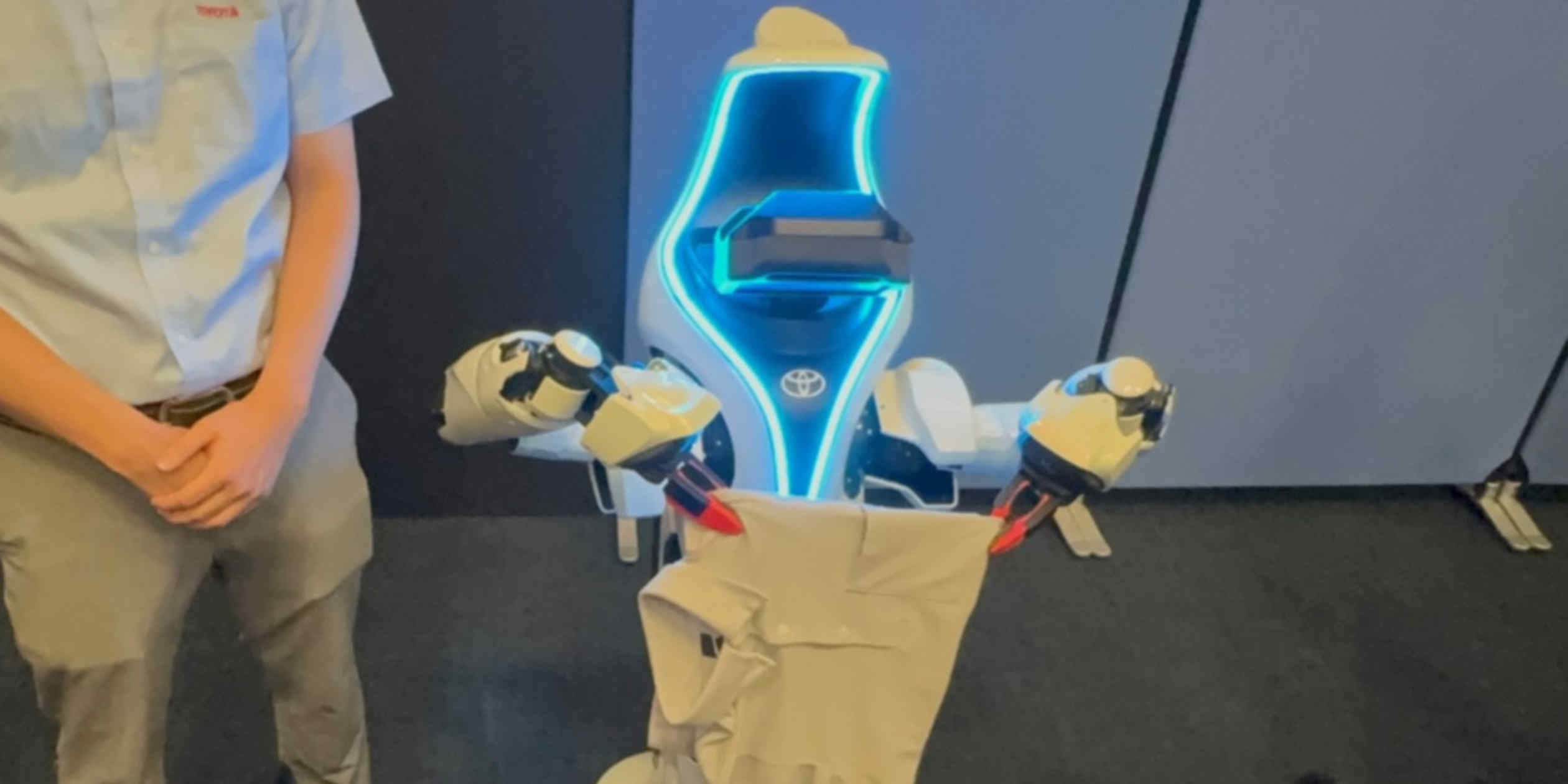
Toyota Motor group has announced plans to deploy 400,000 humanoid robots across its production sites worldwide. This initiative is part of the company's strategy to enhance factory operations by integrating robots that can learn from human employees and assist in training new workers. The introduction of these in-house-developed humanoid robots signifies Toyota's commitment to creating a collaborative work environment where humans and robots can work side by side. This move is expected to improve efficiency and productivity in manufacturing processes, aligning with the industry's ongoing trend towards automation and advanced technology integration. As Toyota progresses with this deployment, industry watchers will be keen to see how these humanoid robots perform in real-world factory settings. No further timeline was disclosed at the time of publication.
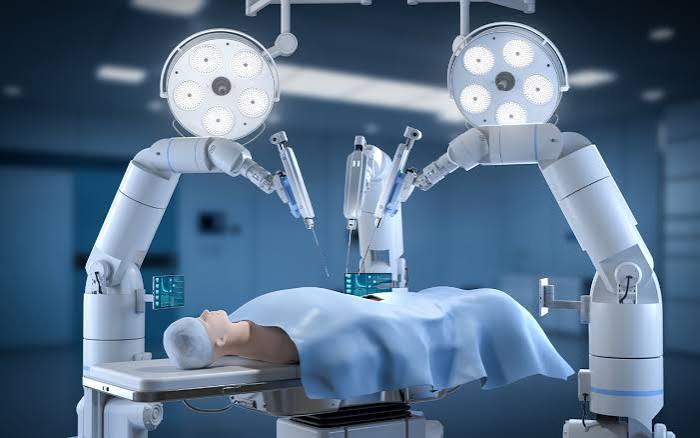
Samsung Medical Center Performs First Surgery with Humanoid Robots Assisting Surgeons
On September 16, Samsung Medical Center in Seoul conducted a simulated surgery with two humanoid robots assisting a surgical team. The robots, dressed in surgical attire, successfully collaborated with the lead surgeon, Professor Woo Nam-ki, by retrieving and delivering surgical instruments upon request. This marks a significant advancement in robotic assistance in surgery, showcasing the potential for robots to work alongside human medical professionals. The importance of this development lies in its potential to address staffing challenges in hospitals, particularly in smaller facilities where skilled surgical assistants may be scarce. Professor Jung Yong-ki emphasized that if a robot can effectively replace a human assistant, it could lead to cost-effective solutions for maintaining surgical operations around the clock. The robots demonstrated a 100% success rate in grasping surgical instruments and a 98.7% success rate in instrument delivery, highlighting their reliability in the operating room. Looking ahead, the project is set to progress with plans for commercialization led by Rainbow Robotics and AIDIN ROBOTICS. The first clinical trials are expected to begin in 2029, starting with low-risk endoscopic tasks before expanding to more complex procedures. The ongoing development of AI capabilities, including tactile feedback and predictive analytics, will further enhance the robots' performance in surgical environments.
Humanoid Robots Surgical Robotics AI in Healthcare Medical Technology
Stricter IPO Review for Humanoid Robots Mirrors Trends in Unprofitable Firms
Recent reports indicate that the IPO review process for humanoid robot companies has become more stringent, reflecting a broader scrutiny of unprofitable firms. Investment bankers suggest that this heightened focus is not a new policy but rather an intensified examination of the quality of IPO applicants, particularly in light of some projects not yet achieving reasonable commercialization cycles. The profitability outlook for unprofitable companies is a key concern for regulators. For instance, the humanoid robot company Yundong is projected to achieve profitability by 2025, with revenues increasing from 50.11 million yuan in 2023 to 337 million yuan in 2025. Conversely, companies like Yujian Technology and Leju Intelligent are still facing significant losses, raising questions about their future viability in the market. The recent IPO of Yushu Technology, which became the first humanoid robot stock on the A-share market, has also influenced regulatory expectations. Its stock price dropped significantly after an initial surge, highlighting the disparity between primary market pricing and secondary market performance. As a result, regulators are expected to adopt a more cautious approach when evaluating similar companies for IPOs, emphasizing the need for consistent revenue and narrowing losses.
Humanoid Robots IPO Regulations Investment Banking Financial Viability Market Trends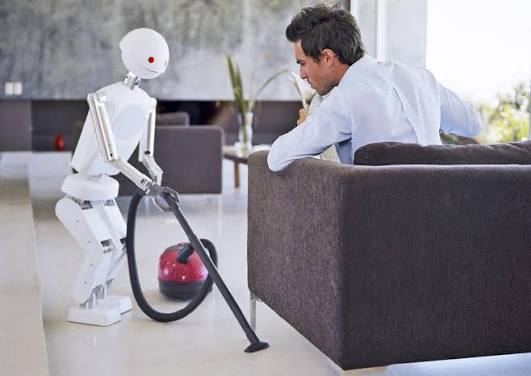
Survey Shows 42% of Respondents Would Trust Humanoid Robots with Household Tasks
A recent survey conducted by Live Science revealed that 42% of over 600 participants would allow humanoid robots to handle household chores. This interest reflects a growing acceptance of robots in daily life, although many still express skepticism about their capabilities. For instance, 36% of respondents indicated they would not trust robots with their dishes, while others preferred to wait for neighbors to test the technology first. The survey highlights a significant gap between the capabilities of humanoid robots being developed and the expectations of potential users. While companies are racing to create robots that can navigate everyday environments, users are concerned about the robots' ability to make nuanced decisions, such as determining which dishes are dishwasher-safe. The comments from participants reveal doubts about robots' dexterity and reliability in performing tasks like dusting or moving furniture. Looking ahead, the results suggest that the first household chore robots may successfully master could be simpler tasks that require fewer judgments. As the technology evolves, there may be more suitable applications for robots in structured environments, such as commercial nurseries, rather than in homes where tasks are more complex and varied. No further timeline was disclosed at the time of publication.
Humanoid Robots Household Automation AI Technology
Zoomlion's Humanoid Robots Showcase Full-Stack Capabilities at World Games
Zoomlion's humanoid robots participated in the World Humanoid Robot Games, facing challenging conditions that tested their gait algorithms, joint responsiveness, and stability during high-speed movements. This event is significant as it allows Zoomlion to gather critical data to enhance its full-stack capabilities, which encompass algorithms, software, hardware, and industrial applications. Looking ahead, the insights gained from these competitions will be crucial for Zoomlion's ongoing development and refinement of its robotic technologies. No further timeline was disclosed at the time of publication.
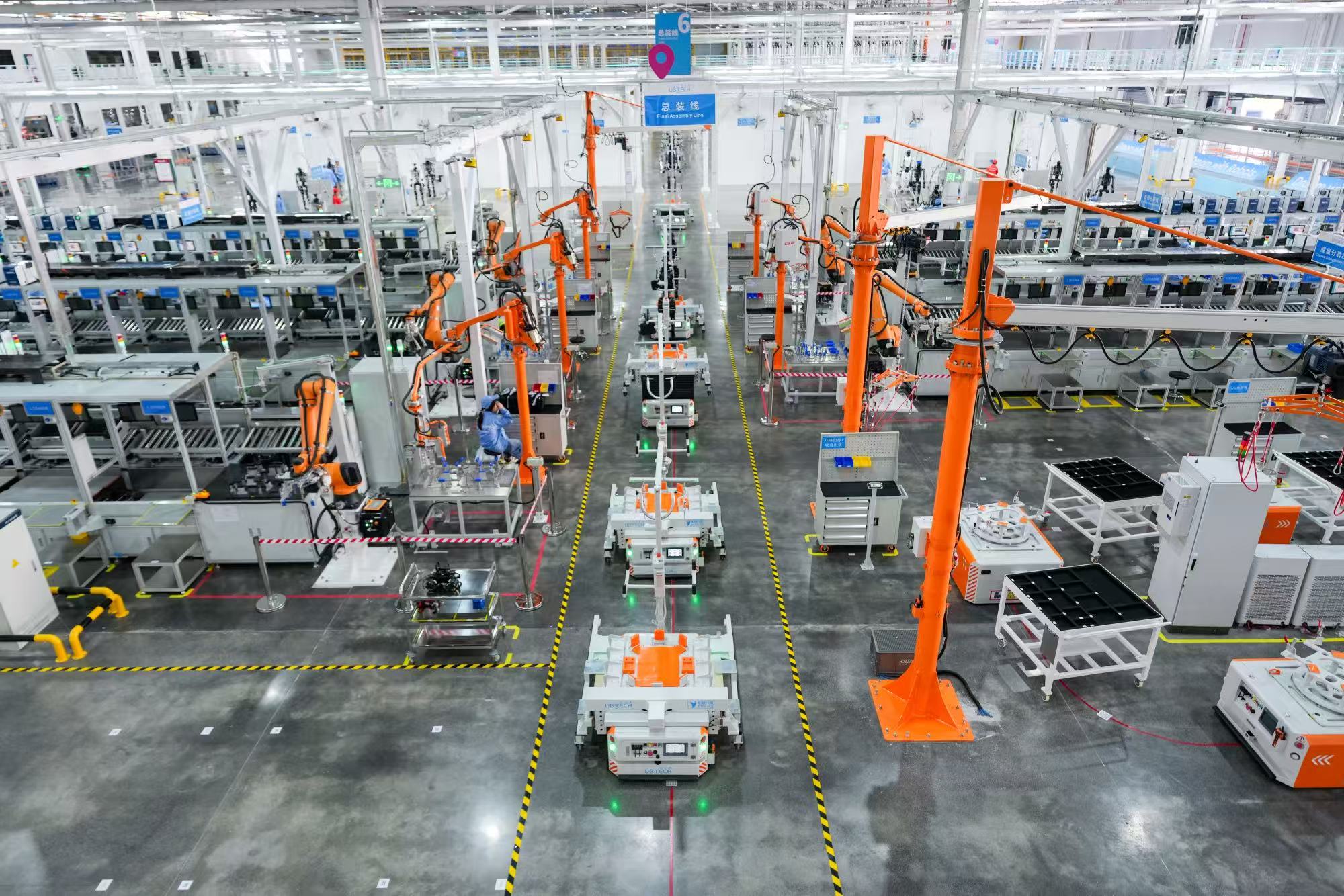
Company Producing 10,000 Humanoid Robots Annually, with Non-Human Workers Dominating Factory Operations
A newly established company has begun producing 10,000 humanoid robots each year, highlighting a significant advancement in robotics manufacturing. This development is noteworthy as it reflects the growing reliance on automation in production processes, where non-human workers are increasingly taking on roles traditionally held by humans. The implications of this trend are profound, as it raises questions about the future of labor and the potential for robots to replace human jobs. The fact that a company can produce such a high volume of humanoid robots annually indicates a shift towards more automated and efficient manufacturing practices. Looking ahead, it will be important to monitor how this company and others in the industry adapt to the challenges and opportunities presented by automation. No further timeline was disclosed at the time of publication.
Robotics Automation AI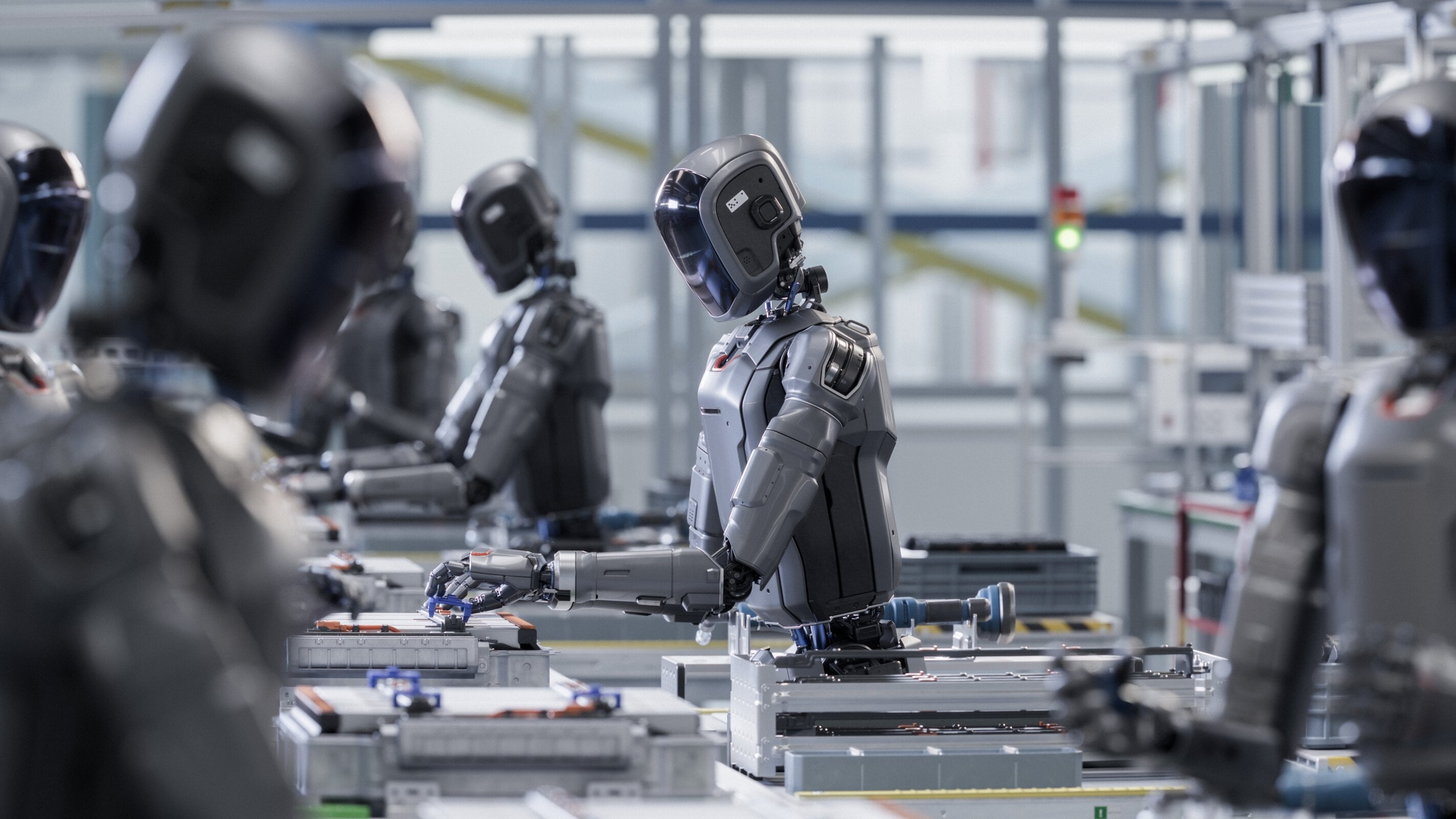
Goldman Sachs Projects 6.5 Million Humanoid Robots by 2035, Driving Market Growth
Goldman Sachs has projected that 6.5 million humanoid robots will be shipped globally by 2035, marking a significant increase from previous estimates. The firm anticipates a phased ramp-up, with 75,000 units expected in 2026 and 890,000 by 2030, representing a $138 billion market opportunity primarily in logistics, warehousing, and automotive sectors. This projection highlights the growing demand for humanoid robots and the necessary infrastructure to support their production, including dedicated production lines and factory-floor automation. The anticipated growth is also linked to a broader AI capital expenditure cycle, which is expected to influence various industries and technologies. Investors should monitor the developments in this sector, particularly the impact of potential AI regulation as flagged by leaders at Anthropic and OpenAI. No further timeline was disclosed at the time of publication.
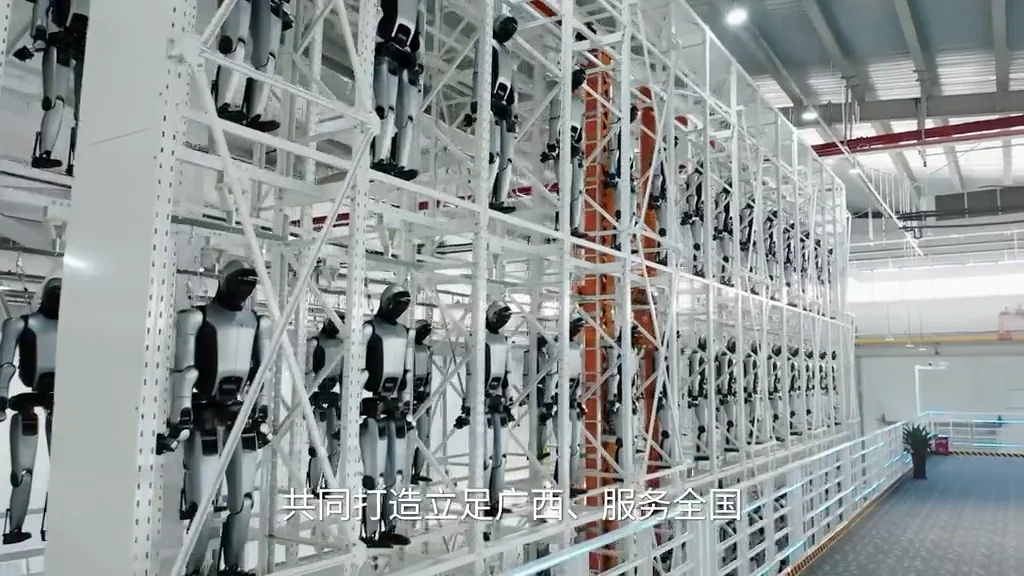
UBTECH Launches 10,000-Unit Super Factory for Humanoid Robots in Liuzhou
UBTECH Robotics has officially launched its Industrial Humanoid Robot Super Smart Factory in Liuzhou, China, on September 12-13, 2026. This facility is designed to produce 10,000 industrial humanoid robots annually, marking a significant shift from traditional batch assembly to high-throughput manufacturing. The establishment of this factory is crucial as it supports UBTECH's ambitious growth targets, especially after a remarkable 1,445% revenue increase in the first half of 2026, driven by 921 bipedal robot deliveries. The factory's design allows for the completion of a humanoid robot every 10 minutes, positioning UBTECH competitively in the global robotics market. Looking ahead, the factory employs a flexible assembly line and a robotic logistics fleet, enhancing efficiency and adaptability in production. The integration of UBTECH's Yanshee MOM platform with Siemens' technology further streamlines operations. No further timeline was disclosed at the time of publication.
Market manufacturing China UBTECH Robotics
Challenges in Developing Human-Like Robotic Hands for Household Tasks
Humanoid robots can perform complex movements like backflips, yet struggle with simple tasks such as folding shirts or picking up sponges. This paradox arises because while backflips involve predictable sequences, household tasks are fraught with uncertainty due to the variability of objects and environments. The human hand's dexterity, which combines mechanics, sensing, and control, is difficult to replicate in robots. The challenge lies in the need for robots to understand their grip and the properties of objects they manipulate. A modern robotic hand may have multiple motors, but it requires advanced sensors and software to adjust grip strength and position dynamically. Recent research from Zhejiang University highlights the importance of tactile sensing, achieving an 85% success rate in complex tasks by integrating visual and tactile information with reinforcement learning. Researchers at Ohio State University emphasize that household robots must coordinate their entire body and environment for effective manipulation. Unlike factory robots, which operate in controlled settings, household tasks involve unpredictable variables. This complexity makes the development of robotic hands capable of performing everyday tasks a significant hurdle in humanoid robotics.
AI and Robotics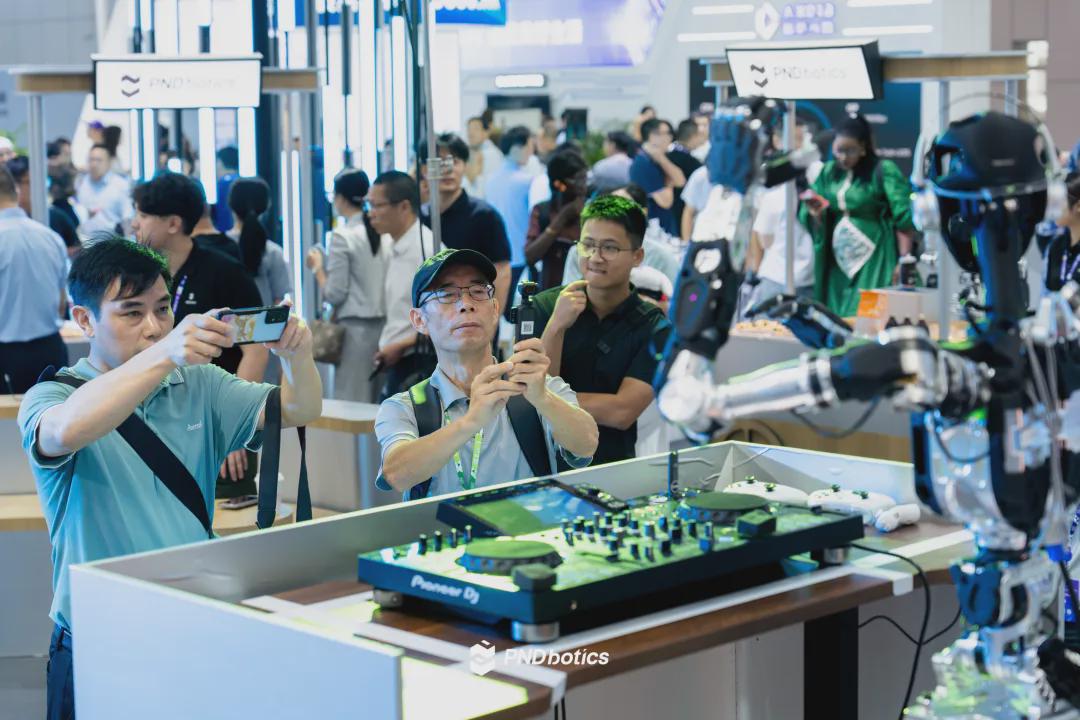
PNDbotics Showcases Humanoid Robots for Real-World Industrial Applications
PNDbotics is exploring the application of humanoid robots in real industrial tasks at the Future Factory exhibition, held from September 11 to 13 at the Ningbo International Exhibition Center. The showcase emphasizes the robots' ability to understand tasks, recognize environments, and adapt execution strategies in dynamic production settings. This initiative is significant as it addresses the challenges of integrating humanoid robots into complex industrial environments, where continuous decision-making is crucial. Unlike controlled lab settings, real factories present fluctuating conditions that require robots to perform a series of interconnected actions, demonstrating their full operational capabilities. Looking ahead, the focus will be on how these robots can effectively connect with real production environments and validate their reliability through successful task execution. The goal is to enhance the robots' system capabilities, moving beyond mere movement to achieving task completion in manufacturing settings.
Humanoid Robots Industrial Automation Robotics Technology AI Manufacturing Solutions
Humanoid Robots Enter Combat Arena: A New Path for EngineAI T800
On September 10, in Riyadh, two humanoid robots, EngineAI T800, engaged in combat in a specially constructed arena. Each robot stands 1.73 meters tall and weighs between 75 to 85 kilograms, showcasing capabilities such as walking, running, punching, and kicking. This event marked the first humanoid robot fighting competition in the Middle East, organized by Hero Esports, a leading esports operator. The significance of this event lies in its potential to commercialize humanoid robots effectively. Unlike traditional roles in factories or service sectors, combat provides a dynamic environment for robots to gather valuable data on physical interactions. This data is crucial for improving robotic movement and decision-making in real-world scenarios, making combat a more viable path for humanoid robots. Looking ahead, Hero Esports plans to host eight competitions across four regions: the Middle East, Europe, America, and Asia. The focus will be on collecting combat data to enhance motion control algorithms. The success of this initiative could transform robot fighting from mere entertainment into a significant driver of technological advancement in humanoid robotics.
Humanoid Robots Robot Combat AI Technology Data Analytics Entertainment TechnologyRobotics needs a service framework.
RSF defines a common language for robot service capability, lifecycle operations, certification pathways, and service-provider networks.
Join the RobotToday community on LinkedIn
Daily robotics news, in-depth analysis, conference highlights, and discussions with professionals worldwide.







