Industry Briefing
A single destination for timely, editor-curated robotics news from around the world.
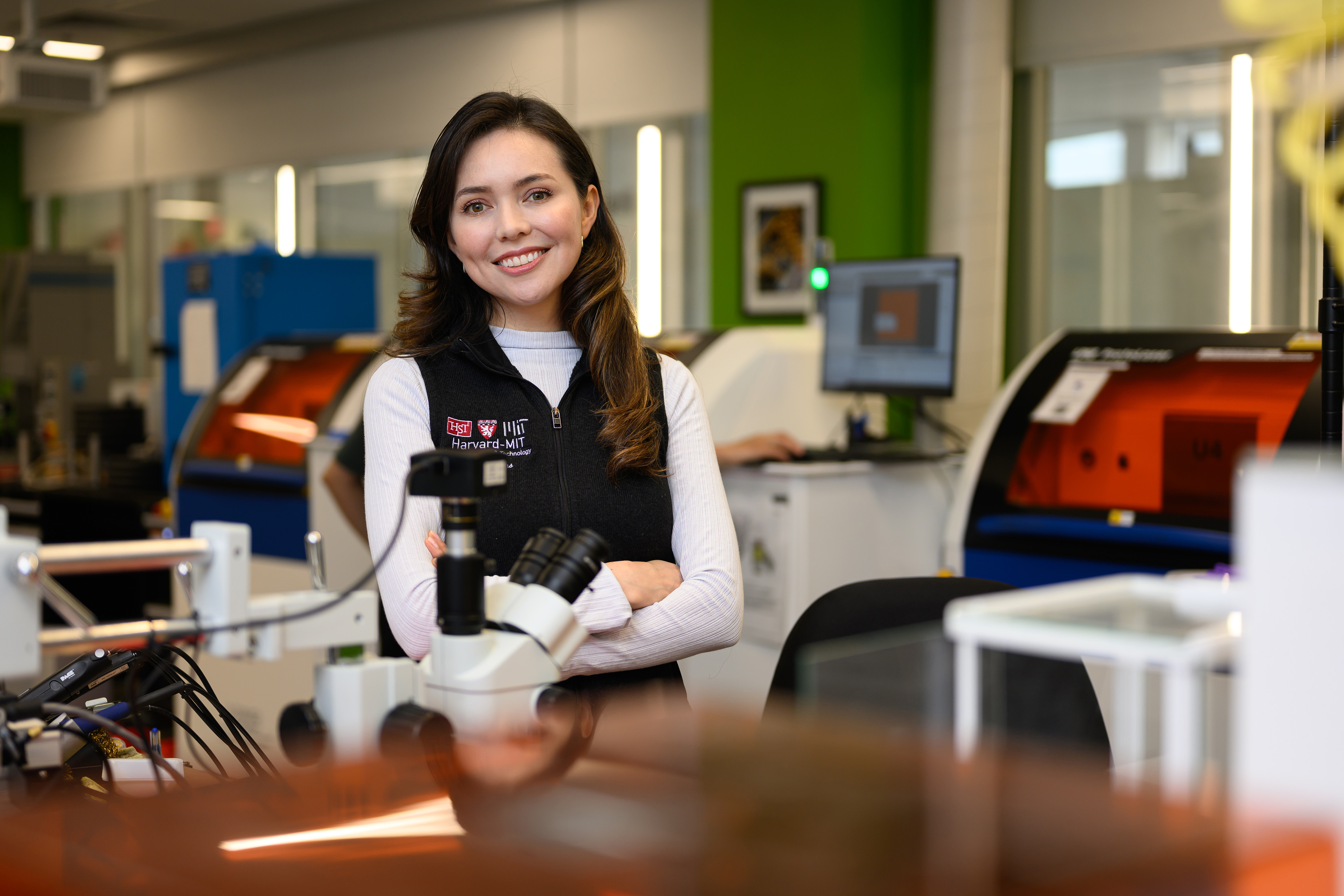
Diana Grass Explores Body Communication Through Soft Bioelectronic Devices
Diana Grass, a PhD candidate in the Harvard-MIT Program in Health Sciences and Technology, is developing soft bioelectronic devices to study physiological signals that facilitate communication between the brain and body. Her journey from studying philology and education to neuroscience was sparked by her experiences as a medical interpreter, where she observed the interactions between physicians and patients with neurological disorders. Grass's work aims to bridge the gap in understanding how the body communicates continuously, despite the reliance on isolated biological snapshots in current medical practices. Her research emphasizes the interconnectedness of the nervous system with the immune system and other peripheral organs, highlighting the importance of these interactions in maintaining physiological balance. As she pursues her PhD in medical engineering and medical physics, Grass is part of the Bioelectronics Group at MIT, where she collaborates on innovative projects that could revolutionize our understanding of health and disease. No further timeline was disclosed at the time of publication.
Profile Students Graduate, postdoctoral Materials science and engineering Medicine Electronics
MIT's Susumu Tonegawa, Nobel Laureate in Physiology, Passes Away at 86
Susumu Tonegawa, the Picower Professor of Biology and Neuroscience at MIT, passed away on July 11 at the age of 86. He was a distinguished molecular biologist known for his groundbreaking work in immunology and neuroscience, particularly for discovering how the immune system generates antibody diversity, earning him the Nobel Prize in Physiology or Medicine in 1987. Tonegawa's contributions significantly advanced our understanding of both immunology and neuroscience. His research into the mechanisms of memory storage in the brain, specifically through the concept of 'engrams,' has opened new avenues for exploring cognitive functions. His legacy includes over 40 years at MIT, where he also founded the Picower Institute for Learning and Memory. Looking ahead, the impact of Tonegawa's work on immunological therapies and memory research will continue to influence scientific inquiry. No further timeline was disclosed at the time of publication.
Faculty Obituaries Neuroscience Biology Brain and cognitive sciences Picower Institute
Study Reveals Electric Fields Influence Neural Activity Variability in the Brain
A recent study published in Cerebral Cortex highlights how local electric fields affect neural activity, explaining fluctuations during repetitive tasks. Researchers Earl K. Miller and Dimitris Pinotsis found that these electric fields, through a process known as ephaptic coupling, play a crucial role in organizing neural spiking and processing information. This discovery is significant as it challenges the traditional view of brain function, which primarily focuses on individual neuron connections. The findings suggest that manipulating electric fields could lead to therapeutic interventions for neurological diseases, potentially allowing for the reorganization of faulty neural circuits. Looking ahead, the researchers emphasize the importance of understanding the moment-to-moment influence of electric fields on brain function. They propose that further exploration of these fields could unlock new strategies for enhancing cognitive functions in patients with neurological impairments. No further timeline was disclosed at the time of publication.
Research Neuroscience Memory Brain and cognitive sciences Picower Institute School of Science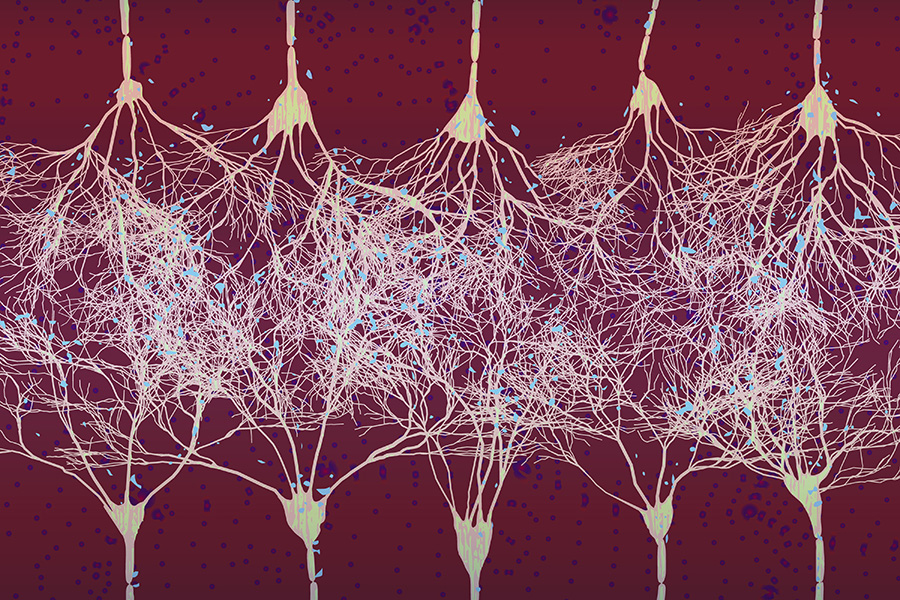
MIT and York University Study Visual Learning in the Brain Using Neural Networks
Researchers at MIT’s McGovern Institute for Brain Research and York University in Toronto have investigated how visual learning occurs in the brain. By analyzing neural activity and utilizing computational modeling, they compared the learning processes of animals and an artificial neural network designed to mimic brain architecture. Their findings, published on July 8 in Nature Communications, reveal that changes in visual processing are crucial for learning to discriminate new objects. This research is significant as it enhances our understanding of the brain's adaptability and the mechanisms behind visual learning. The study suggests that while the overall activity patterns in the inferior temporal cortex remain stable, subtle changes occur in response to learned object recognition. These insights could inform educational strategies and improve learning outcomes across various contexts. Looking ahead, the researchers aim to further explore how these modest changes in neural activity contribute to learning. They believe that artificial neural networks can provide valuable insights into biological learning processes, potentially leading to new experimental approaches and predictions that extend beyond current understanding. No further timeline was disclosed at the time of publication.
Research Neuroscience Learning Brain and cognitive sciences Computer modeling Vision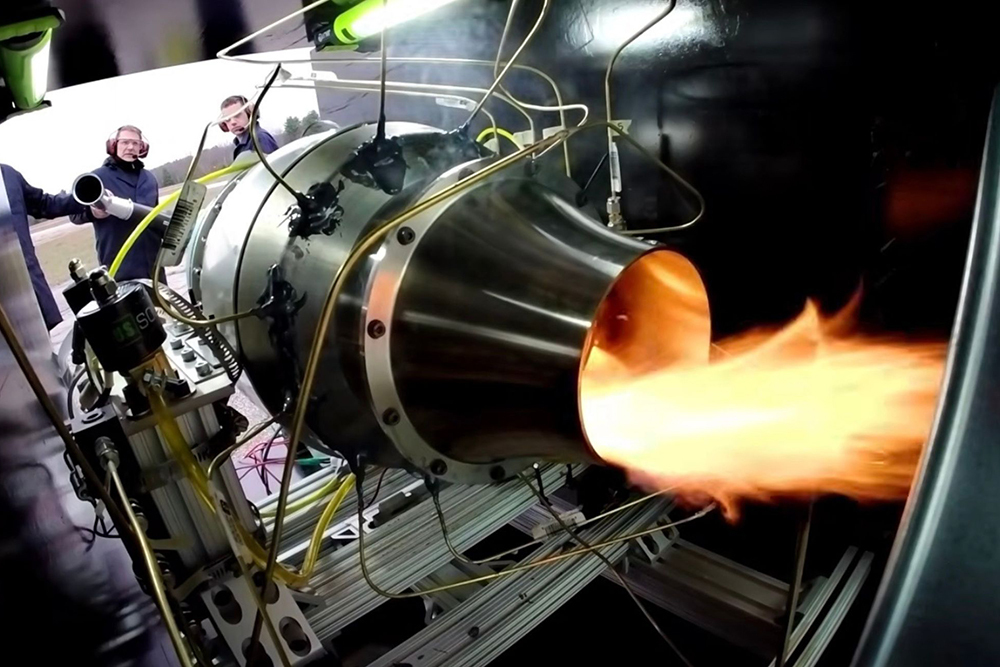
MIT's JARVIS Challenge Explores AI's Role in Jet Engine Engineering
The JARVIS Challenge, held at MIT, investigated the potential of AI in designing and building jet engines. Over four weeks, undergraduate teams utilized AI tools to create a small gas turbine engine, aiming for a thrust of 50-100 pounds. Professor Zolti Spakovszky emphasized that while AI can enhance hardware engineering, human engineering judgment remains crucial. This initiative is significant as it highlights the evolving relationship between AI and engineering, particularly in safety-critical domains. With support from MIT Lincoln Laboratory and corporate sponsors like Safran and Voyager Technologies, students had unprecedented access to AI resources, fostering an environment of innovation and exploration. Looking ahead, the challenge showcased the importance of integrating AI into engineering workflows. As students learned to navigate AI's capabilities and limitations, it raises questions about the future of engineering education and the skills required in a rapidly changing technological landscape. No further timeline was disclosed at the time of publication.
Classes and programs Contests and academic competitions Students Undergraduate STEM education Artificial intelligence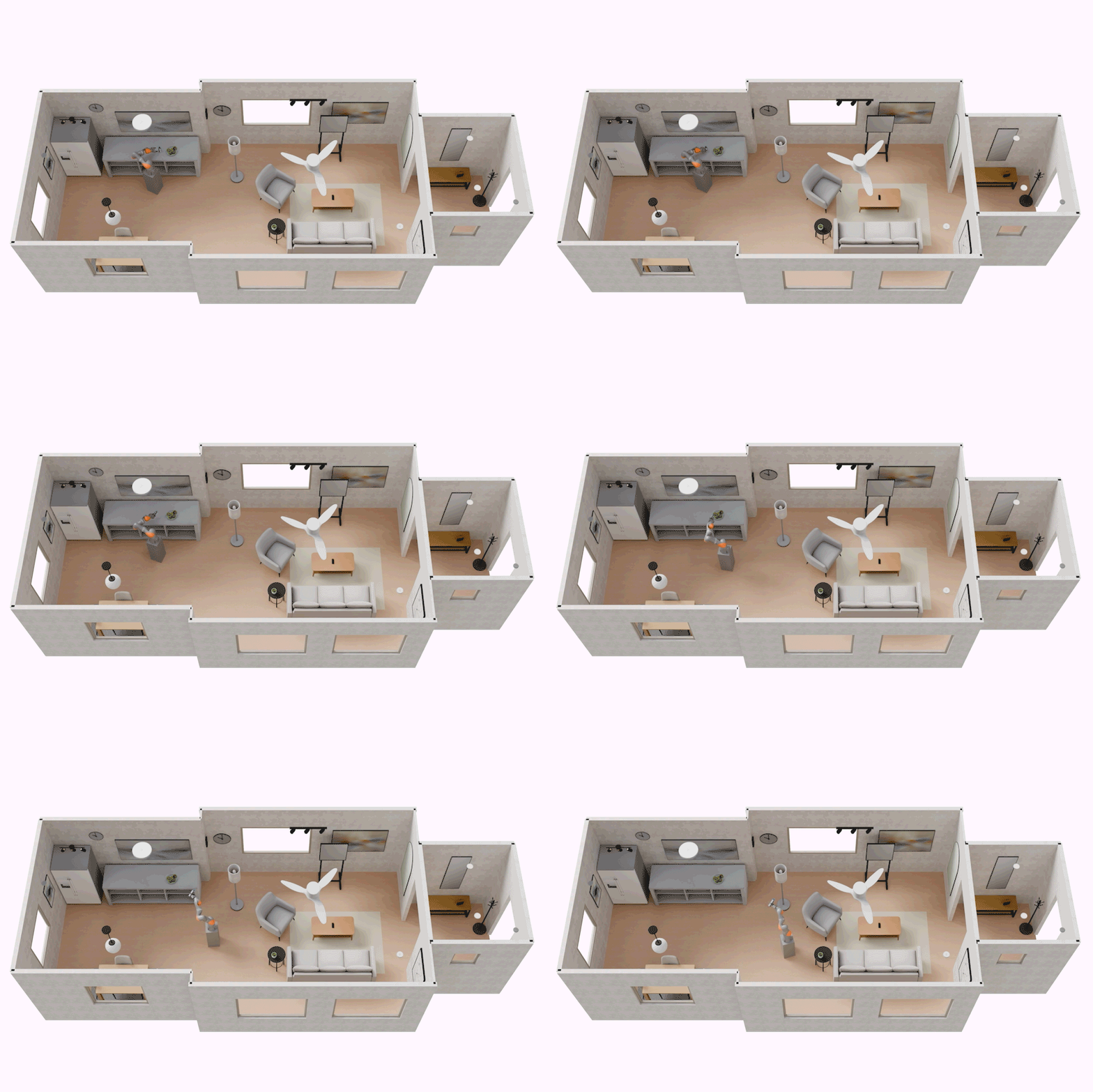
MIT and Toyota Develop SceneSmith to Enhance Robot Training with AI-Generated Environments
MIT and the Toyota Research Institute have introduced SceneSmith, a system that utilizes AI agents to create realistic 3D environments for robot training. This innovation addresses the significant challenge of generating diverse simulation content, which is crucial for teaching robots various tasks in a cost-effective manner. The SceneSmith system employs three AI agents, leveraging the advanced vision-language model GPT-5.2, to design intricate indoor scenes. These environments, featuring up to six times more objects than previous methods, allow robots to practice skills in a rich virtual playground, ultimately reducing the need for extensive real-world testing. As the research progresses, the effectiveness of these AI-generated environments will be closely monitored. The team has already demonstrated that robots can successfully navigate and perform tasks in these virtual settings, indicating a promising future for robotic training methodologies. No further timeline was disclosed at the time of publication.
Research Robotics Artificial intelligence Simulation Computer science and technology Machine learning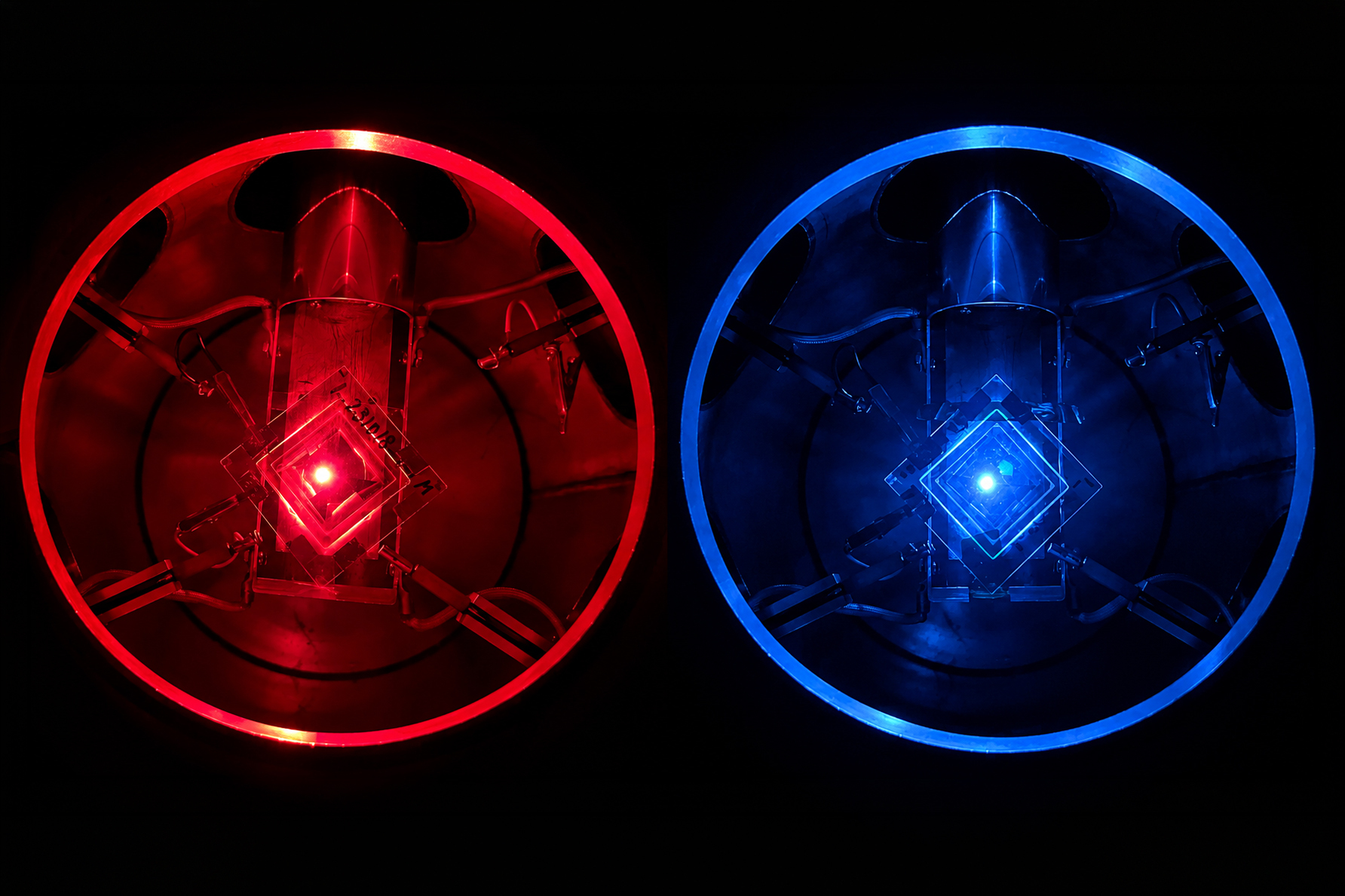
MIT and Samsung Enhance Quantum Dot LED Lifespan for Energy-Efficient Displays
MIT researchers, in collaboration with Samsung, have developed a method to improve the lifespan and efficiency of quantum dot LEDs (QD-LEDs) used in digital displays. By encapsulating QD-LEDs in an acrylate-based resin, the team achieved a remarkable 5,000-fold increase in lifespan, addressing previous limitations that hindered commercial applications. This advancement could significantly impact various devices, including TVs, smartphones, and medical imaging equipment. The significance of this research lies in its potential to transform digital display technology. Quantum dots, known for emitting pure colors, are already utilized in high-quality displays. The new encapsulation technique not only enhances the stability of QD-LEDs but also simplifies their manufacturing process, paving the way for broader adoption in consumer electronics. This could lead to displays that are not only brighter and more energy-efficient but also capable of producing a wider range of colors. Looking ahead, the insights gained from this study may facilitate further innovations in display technology. The researchers aim to address the challenges that have limited the commercialization of QD-LEDs, potentially revolutionizing how displays and ambient lighting are produced. No further timeline was disclosed at the time of publication.
Research Electronics Chemistry Materials science and engineering Nanoscience and nanotechnology Light
MIT and EPFL Develop Flapping Robot for Aerial and Aquatic Exploration
Engineers from MIT and EPFL have created a flapping-wing aerial-aquatic vehicle (FAAV) that weighs under 300 grams. This robot can swim underwater and transition to flight, mimicking the behavior of diving birds. The research, published in Science, showcases the robot's ability to adapt its mechanics for both mediums, which differ significantly in density and resistance. The significance of this development lies in its potential applications in oceanography and environmental monitoring. The FAAV can access areas that are typically hazardous for traditional vessels, allowing scientists to collect data from locations such as icebergs or marine habitats. This innovation could reduce operational costs and enhance data collection efficiency in marine research. Looking ahead, the research team aims to refine the FAAV's design and functionality. Future experiments will likely focus on optimizing the robot's performance in various aquatic environments. No further timeline was disclosed at the time of publication.
Bioinspiration Drones Mechanical engineering Oceanography and ocean engineering Research Robotics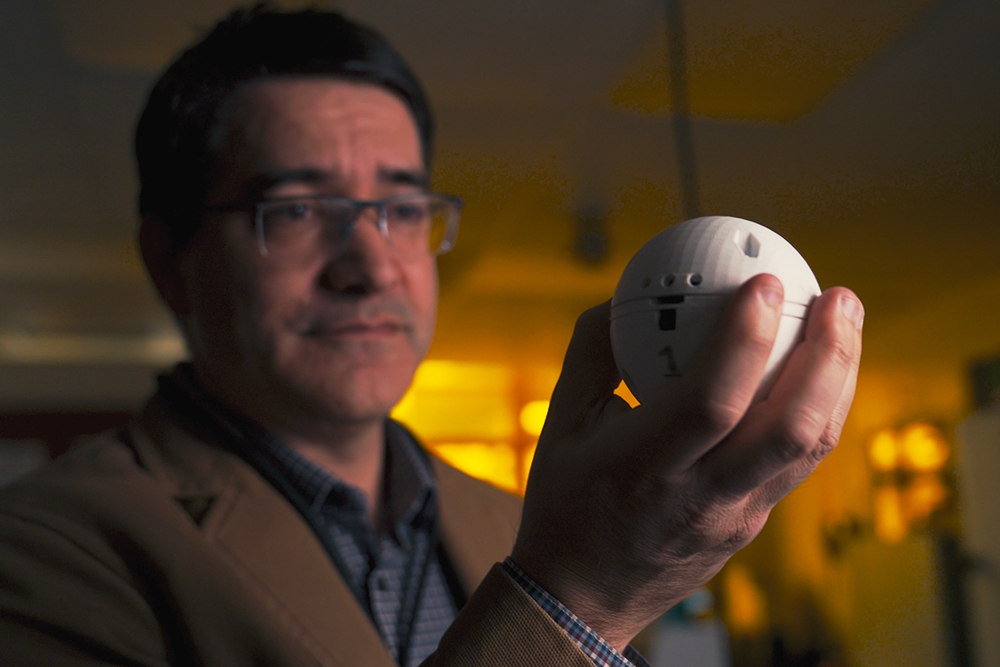
MIT Lincoln Laboratory Develops TOSSIT Sensor for Chemical Threat Detection
MIT Lincoln Laboratory has introduced the Tactical Optical Spherical Sensor for Interrogating Threats (TOSSIT), a baseball-sized device capable of detecting hazardous vapors and aerosols. Designed for military and first responder use, TOSSIT can be thrown, drone-dropped, or launched into areas of concern. The sensor utilizes an internal camera and a removable dye card to identify chemical threats, alerting users through an app or alarms when dangerous substances are detected. The significance of TOSSIT lies in its ability to address a critical gap in chemical detection capabilities. According to principal investigator Richard Kingsborough, this low-cost sensor option is essential for identifying toxic dust particles and other chemical threats that smaller deployed sensor systems typically overlook. This innovation is particularly relevant in contexts involving nerve agents, blister agents, and industrial chemical accidents, enhancing safety for military personnel and first responders. Looking ahead, TOSSIT is undergoing a transfer process to the U.S. military following extensive field testing. No further timeline was disclosed at the time of publication, but the deployment of such technology could significantly improve situational awareness and response capabilities in hazardous environments.
Research Sensors Public health Invention 3-D printing Mechanical engineering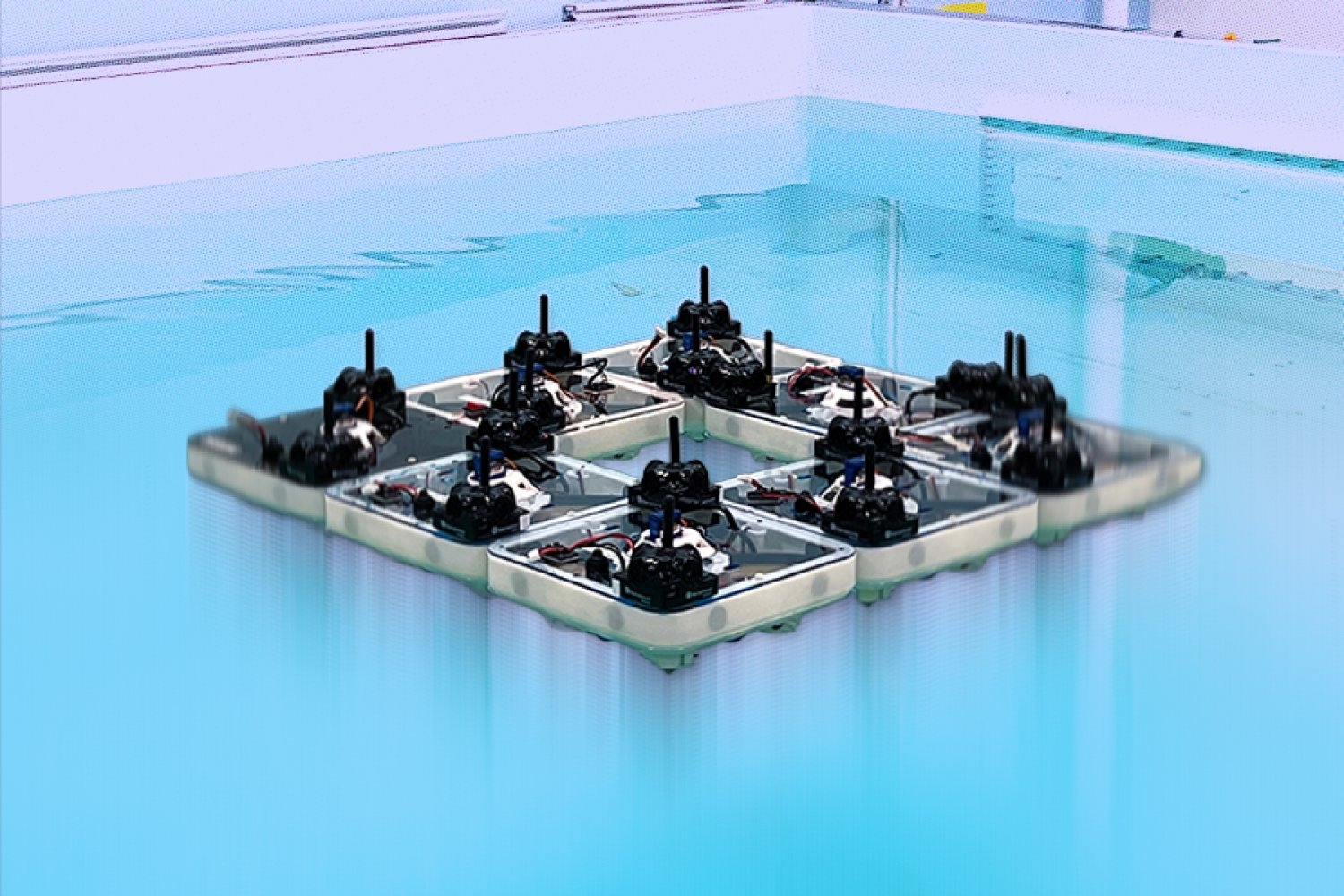
MIT's FloatForm Swarm Robots Create Adaptive Floating Structures for Urban Spaces
MIT researchers have developed FloatForm, a swarm of small robotic boats that autonomously assemble into larger floating structures. Each robot, measuring 21 centimeters square, is equipped with thrusters, sensors, and magnetic latches, allowing them to form bridges, platforms, and other structures with minimal human input. This innovative system aims to transform urban waterfronts into dynamic, programmable spaces, enhancing public infrastructure and emergency response capabilities. The significance of FloatForm lies in its potential to revolutionize how urban areas utilize water surfaces. By mimicking the self-organizing behavior of fire ants, the robots can adaptively create and reconfigure structures on demand, addressing challenges such as traffic alleviation during emergencies or creating temporary public spaces. This modular approach to floating infrastructure could lead to more livable cities by expanding usable public space onto underutilized water areas. Looking ahead, the research team plans to explore further applications of FloatForm in urban environments, with no specific timeline disclosed for future developments. The project builds on previous work with full-size autonomous vessels in Amsterdam, indicating a growing interest in leveraging water for urban mobility and public space expansion. The open-access findings were published in Nature Communications, highlighting the collaborative efforts of MIT's Computer Science and Artificial Intelligence Laboratory and the Senseable City Lab.
Research Robotics Autonomous vehicles Artificial intelligence Computer science and technology Machine learning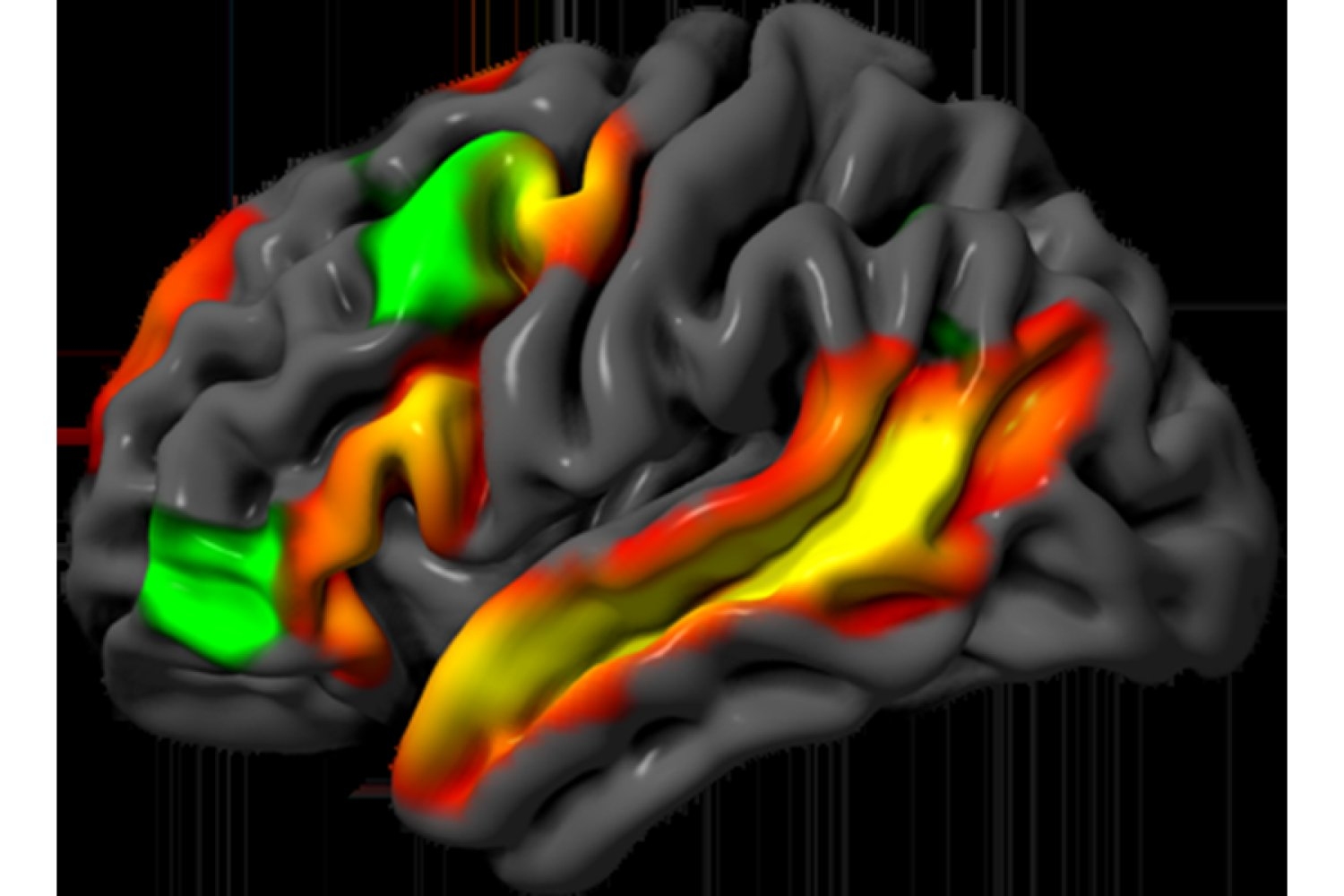
Separating logic and language
A recent study conducted by neuroscientists has revealed that logical reasoning operates independently of the brain's language-processing regions. This groundbreaking research, published in October 2023, challenges the long-held belief that language is essential for reasoning tasks. The findings were derived from brain imaging techniques that monitored participants as they engaged in various logical reasoning exercises. The study, which took place at a leading research institution, suggests that the cognitive processes underlying logical reasoning may rely on distinct neural pathways separate from those involved in language comprehension and production. This discovery could have significant implications for understanding how humans think and solve problems, potentially influencing educational approaches and cognitive therapy practices.
Research Neuroscience Language Learning Brain and cognitive sciences School of Science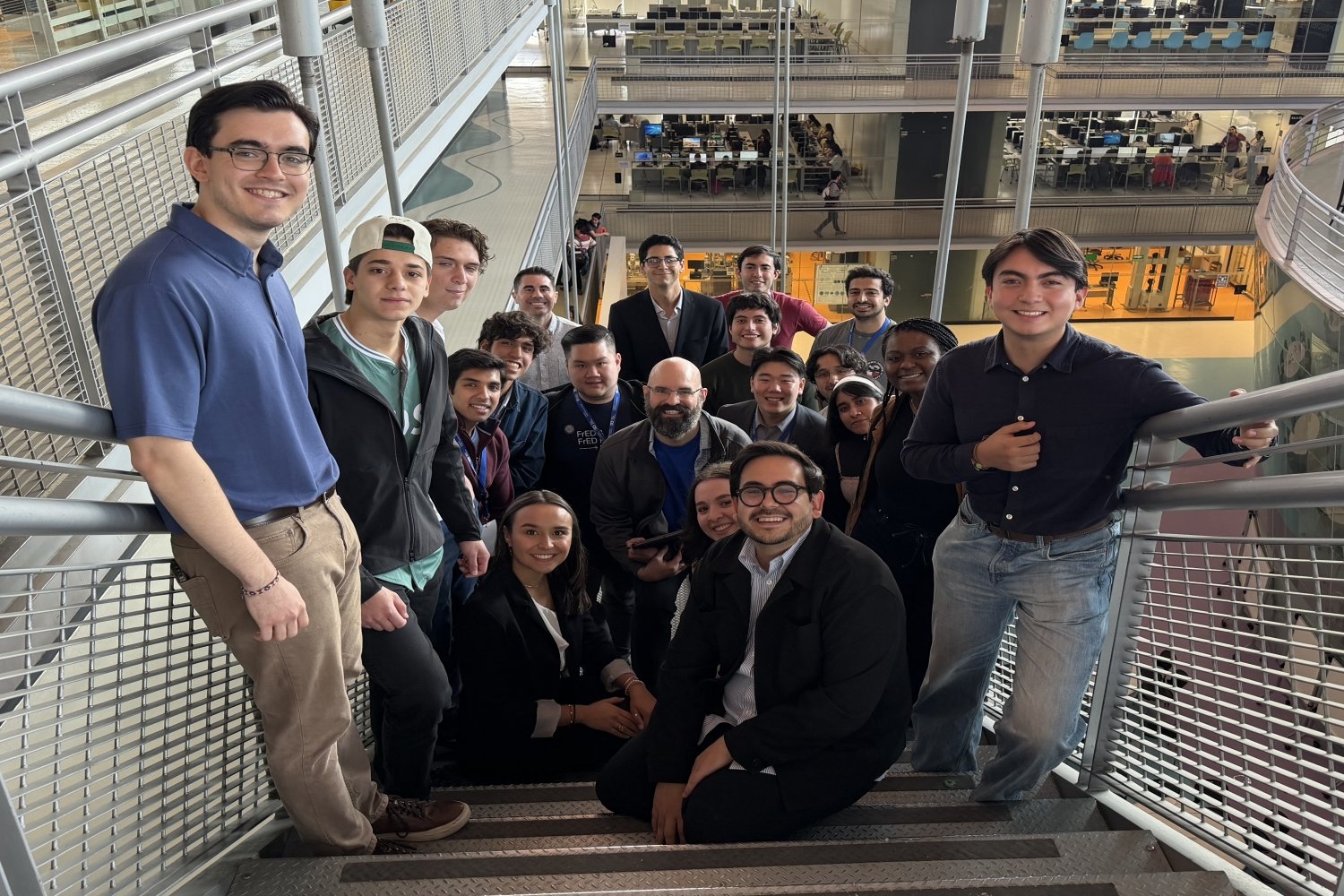
MIT-designed educational factory embraces modern manufacturing
The Massachusetts Institute of Technology (MIT) and Tecnológico de Monterrey (Tec de Monterrey) have announced plans to broaden the FrED (Frugal and Inclusive Education) curriculum to universities throughout Mexico. This initiative aims to enhance educational opportunities and promote innovative teaching methods in response to the growing demand for accessible and inclusive education. The collaboration is set to roll out in early 2024, with the goal of equipping students with practical skills and knowledge that address local challenges. By leveraging MIT's expertise in technology and Tec de Monterrey's strong presence in the region, the program seeks to foster a new generation of leaders capable of driving social change. The expansion is part of a larger effort to improve educational equity and empower students from diverse backgrounds, ultimately contributing to the development of a more inclusive society.
Classes and programs International initiatives 3-D printing Automation Collaboration Manufacturing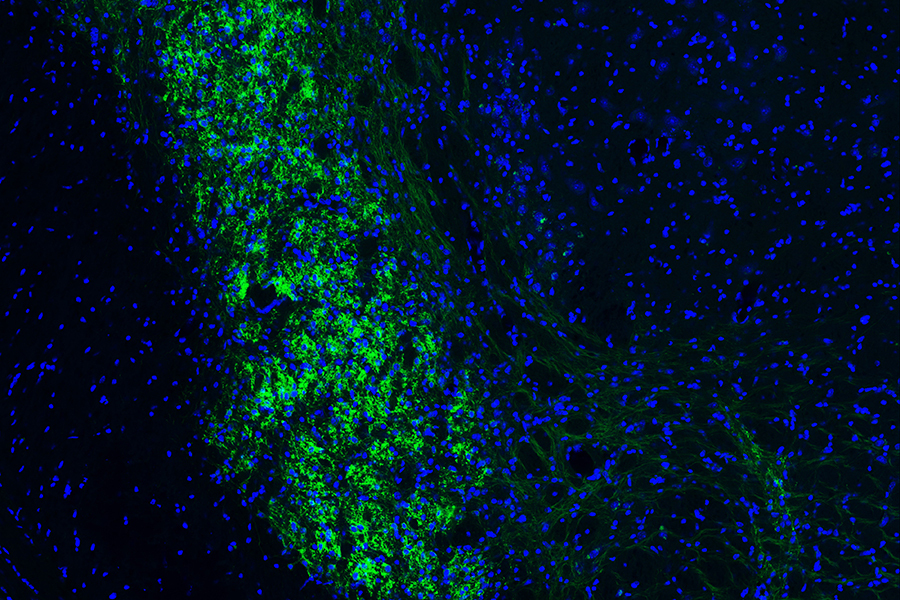
The brain’s internal ruler
A simple brain circuit measures objects’ distance from the body using touch signals from a rodent’s whiskers, MIT scientists find.
Research Neuroscience Animals Brain and cognitive sciences McGovern Institute School of Science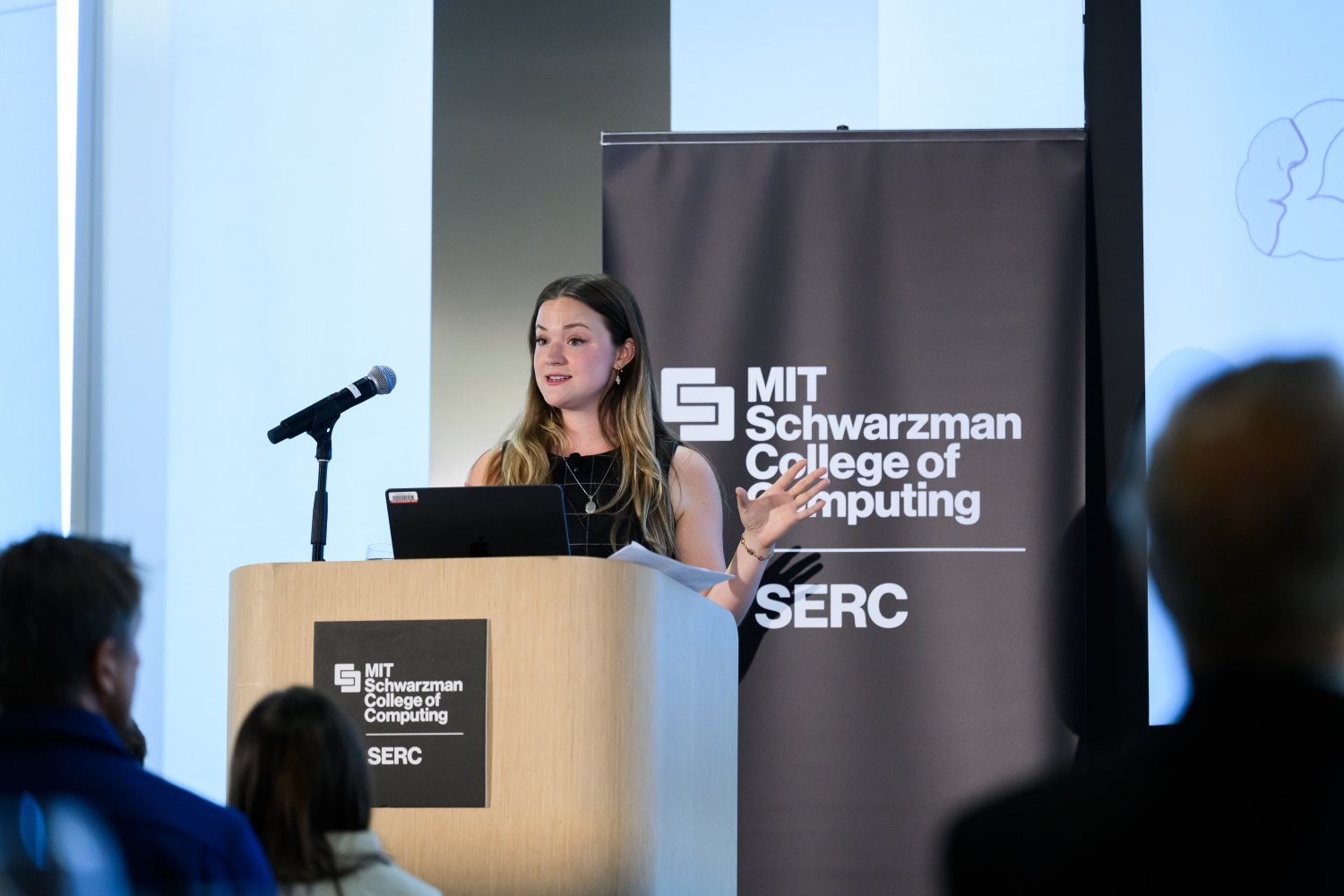
Toward a future that preserves benefits of neurotechnology for all
PhD student Rachel Sava, winner of the Envisioning the Future of Computing Prize, explores transformative improvements and dystopian risks of neural technology.
Contests and academic competitions Awards, honors and fellowships Students Artificial intelligence Ethics Law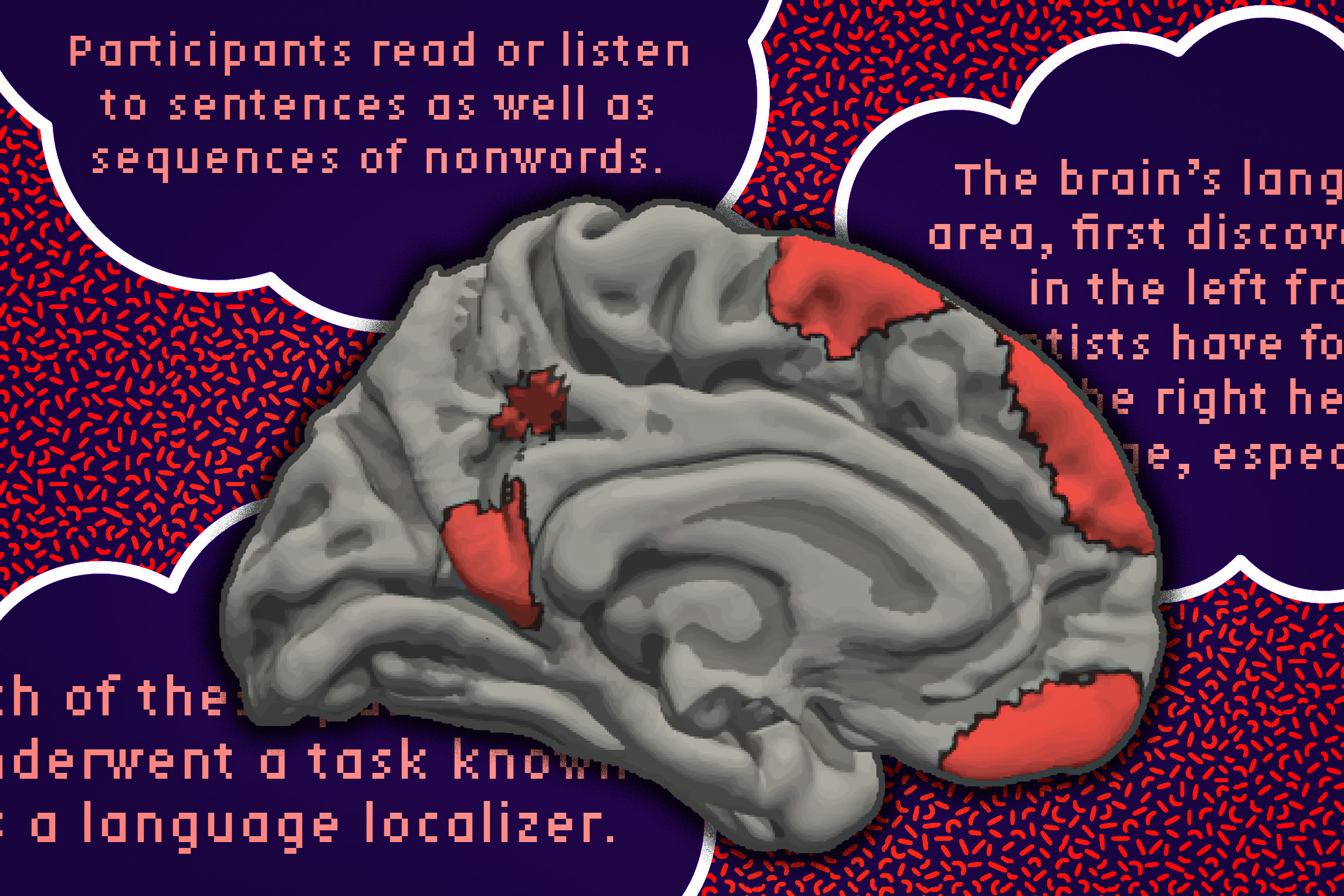
The brain’s language network is more extensive than previously thought
A recent study has uncovered that regions of the brain traditionally not associated with language processing play a significant role in language comprehension. Conducted by a team of researchers, the study highlights the complexity of language understanding and suggests that various brain areas contribute to this cognitive function. The findings, published in October 2023, challenge existing notions about the localization of language processing, emphasizing the brain's interconnectedness. This research could have implications for understanding language disorders and developing new therapeutic approaches. By employing advanced imaging techniques, the researchers were able to identify these previously overlooked brain regions, shedding light on the intricate mechanisms underlying language comprehension.
Research Brain and cognitive sciences Neuroscience Learning McGovern Institute School of Science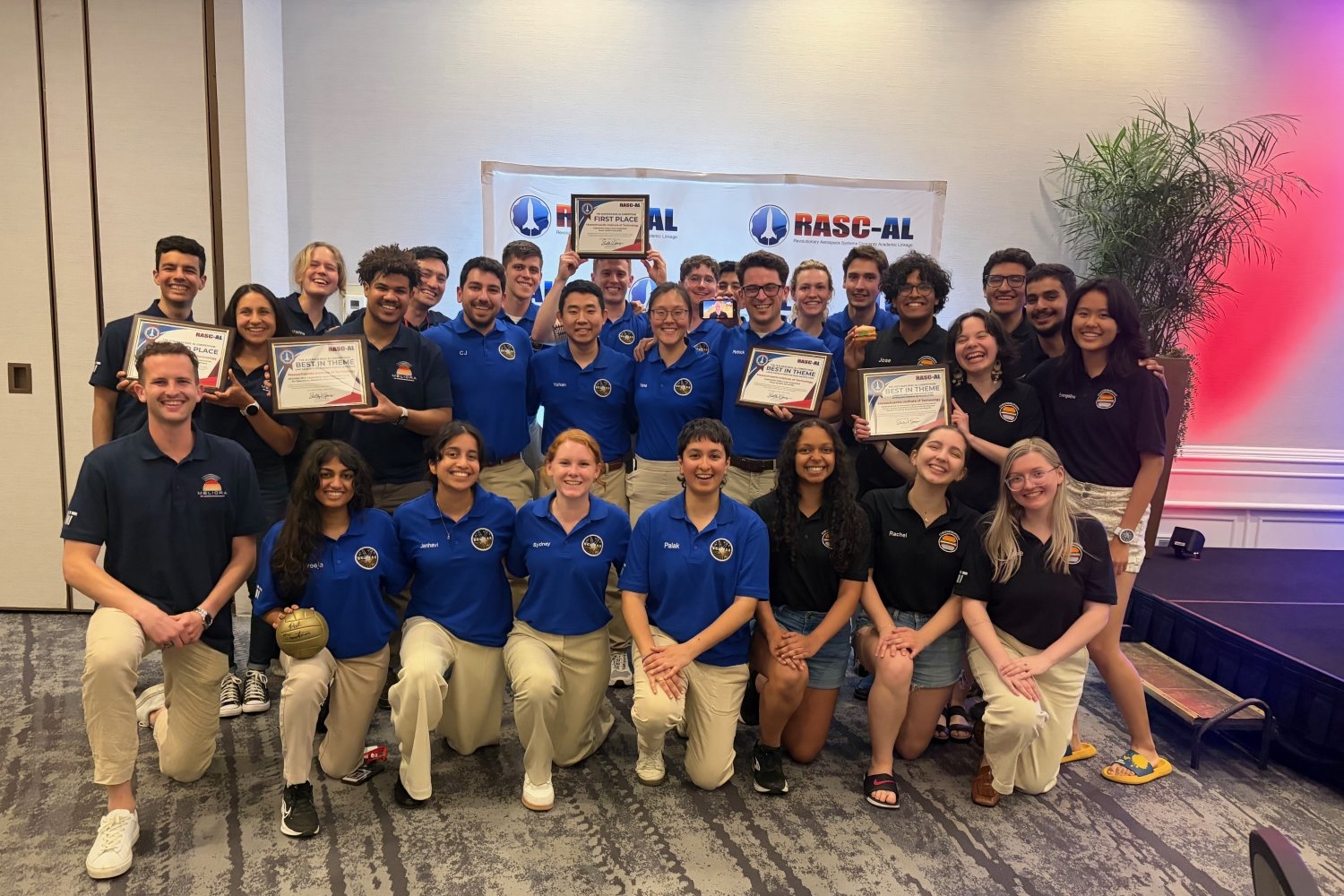
MIT student teams win top honors in NASA competition
Three teams from the Massachusetts Institute of Technology (MIT) achieved remarkable success in the 2026 NASA RASC-AL Competition, securing five prestigious awards for their innovative designs aimed at supporting lunar bases and future Mars missions. This competition, which focuses on developing critical technologies for space exploration, highlights the importance of advanced engineering and creative problem-solving in addressing the challenges of extraterrestrial habitats. The event took place recently, showcasing the efforts of students and faculty who are dedicated to pushing the boundaries of space science and exploration. The recognition of these teams underscores MIT's commitment to fostering cutting-edge research and development in aerospace technology, paving the way for future missions that could expand human presence beyond Earth.
School of Engineering MIT Sloan School of Management Aeronautical and astronautical engineering EAPS Electrical engineering and computer science (EECS) Nuclear science and engineering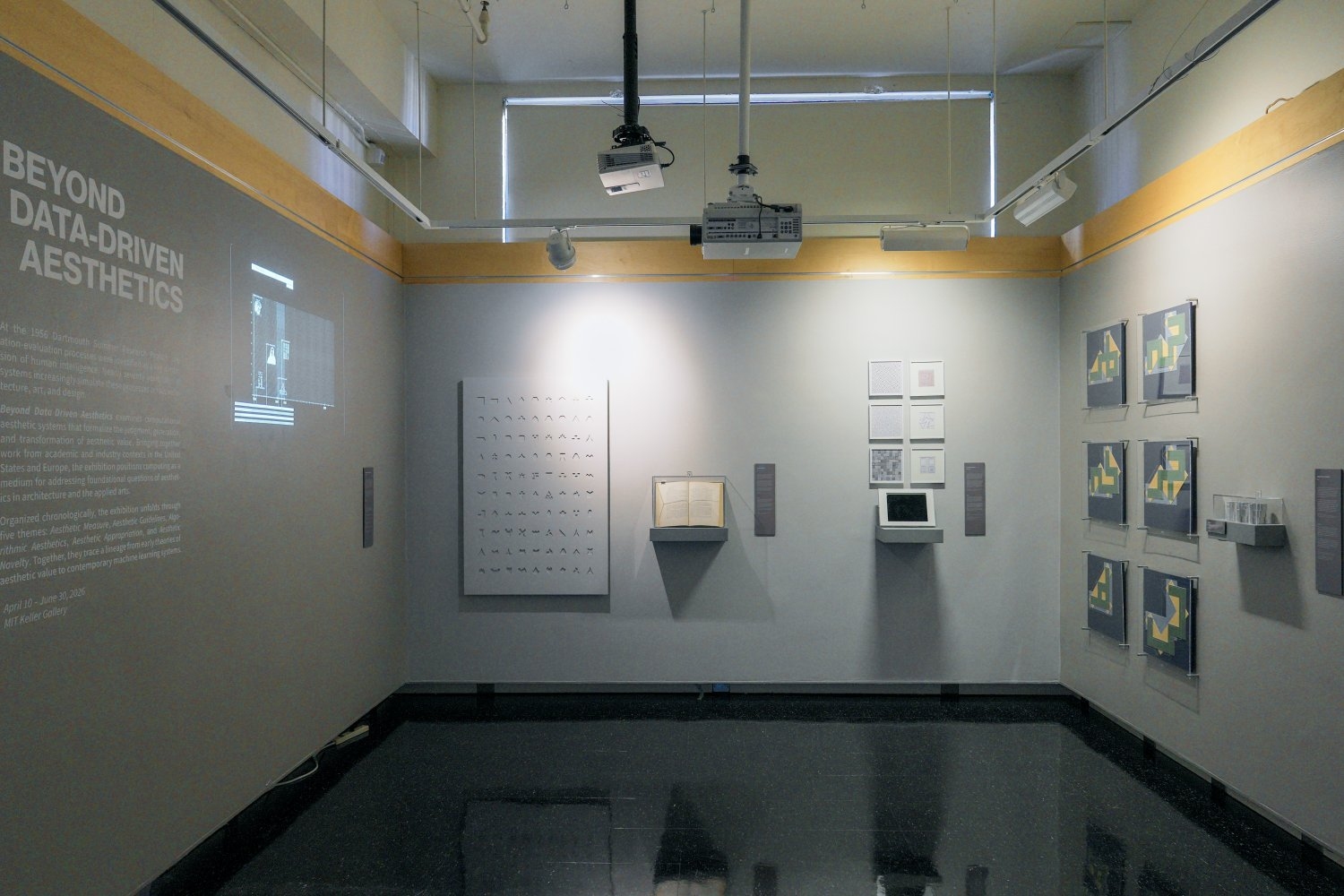
3 Questions: Beyond data-driven aesthetics
Alexandros Haridis, a recent graduate with a master's degree in 2017 and a PhD in 2022, is showcasing his work in a new exhibition at the Keller Gallery. The exhibition delves into the evolution of aesthetic judgment over the centuries and examines the role of design in rendering complex computational systems more accessible and understandable. By highlighting the intersection of art and technology, Haridis aims to foster a deeper appreciation for how design influences our perception of intricate data. The exhibition is set to attract visitors interested in both the historical context of aesthetic principles and contemporary design practices.
School of Architecture and Planning Architecture Computer science and technology Artificial intelligence Machine learning Algorithms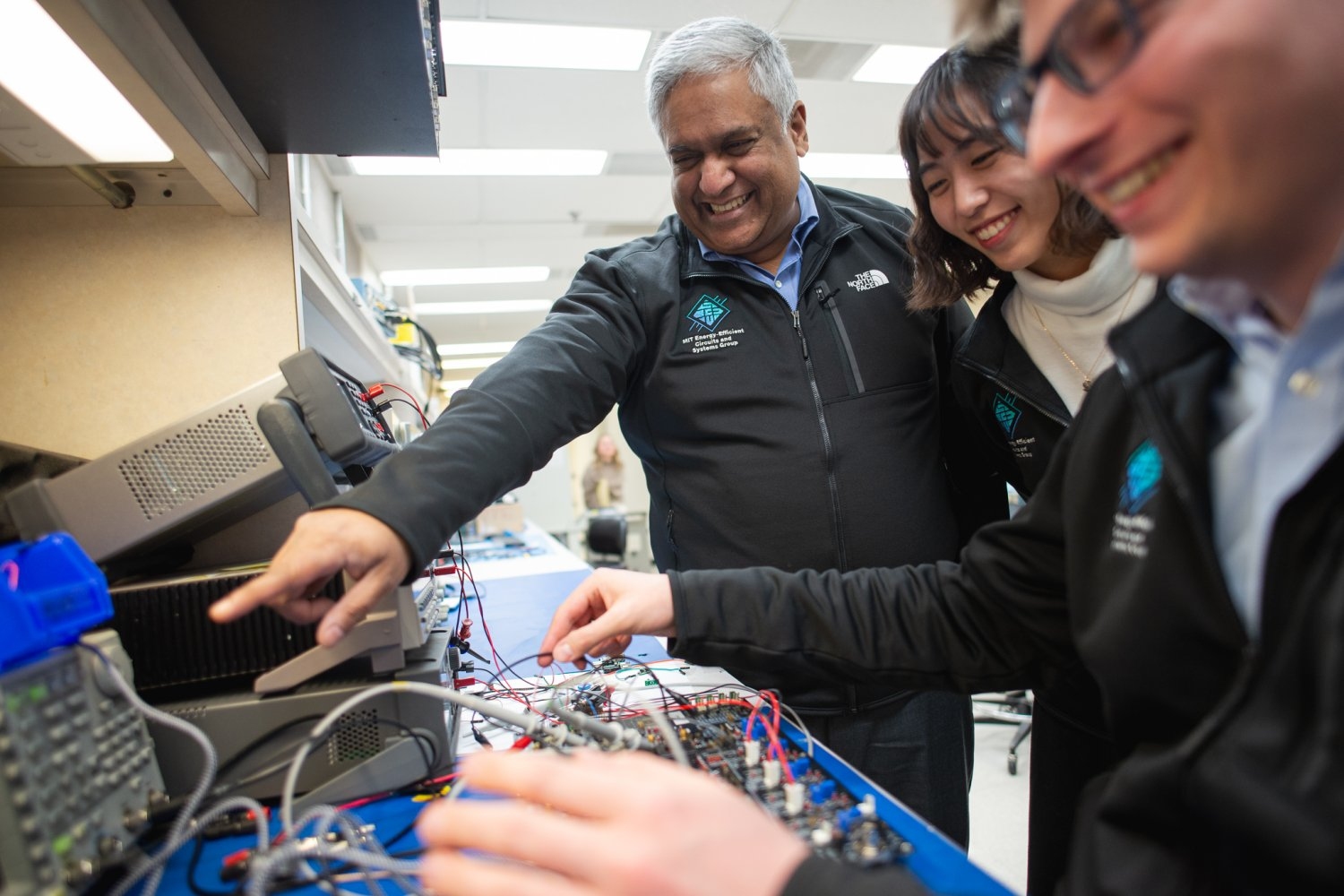
Care in the midst of pressure
Anantha P. Chandrakasan, a prominent figure in the field of electrical engineering, is making significant strides in redefining mentorship by emphasizing the importance of presence and perspective. His commitment to caring for students and young professionals is evident in his approach, which prioritizes meaningful interactions and guidance. Chandrakasan's efforts aim to foster a supportive environment that encourages personal and professional growth. By actively engaging with mentees and sharing his insights, he seeks to inspire the next generation of leaders in technology and engineering. His initiatives reflect a broader movement within academia to enhance mentorship practices, ensuring that they are not only informative but also deeply impactful.
School of Engineering Electrical engineering and computer science (EECS) Microsystems Technology Laboratories Awards, honors and fellowships Community Mentoring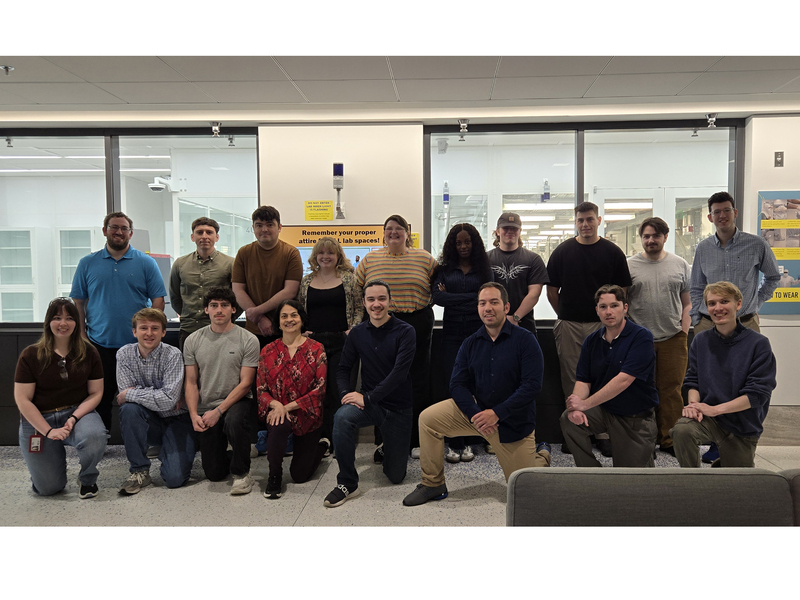
Students from across the Northeast step inside MIT.nano’s cleanroom
A hands-on boot camp is currently underway, aimed at teaching integrated photonics to students from community and four-year colleges in the region. This educational initiative, which focuses on practical skills and knowledge in the rapidly evolving field of photonics, is designed to equip participants with the necessary tools to excel in this technology-driven industry. The program is taking place in local educational institutions, fostering collaboration and learning among students from diverse backgrounds. By providing this training, organizers hope to enhance the workforce's capabilities and address the growing demand for expertise in integrated photonics. The boot camp emphasizes experiential learning, allowing students to engage directly with the technology and gain valuable insights into its applications and implications.
Materials Research Laboratory MIT.nano Education, teaching, academics STEM education Manufacturing Industry
LLMs help robots understand vague instructions and focus on key details
Researchers at MIT have developed an innovative approach to enhance the efficiency of robots in performing chores in various environments, including homes and factories. This new method employs a dual-language model system: the first model is designed to interpret and clarify user instructions, while the second model focuses on filtering out irrelevant information that may hinder task execution. This advancement aims to improve the interaction between humans and robots, making it easier for machines to understand and carry out complex tasks effectively. The initiative reflects MIT's commitment to advancing robotics technology and its potential applications in everyday life.
School of Engineering MIT Schwarzman College of Computing Aeronautical and astronautical engineering Electrical engineering and computer science (EECS) Computer Science and Artificial Intelligence Laboratory (CSAIL) Computer science and technology
Exploring the societal impacts of AI
At the recent AI and Society Forum, prominent researchers from the Massachusetts Institute of Technology (MIT) engaged in an in-depth discussion regarding the impact of artificial intelligence on employment and democratic processes. The forum, held in October 2023, served as a platform for experts to address pressing concerns about how AI technologies are reshaping job markets and influencing political systems. The motivation behind this dialogue stems from the rapid advancements in AI and the need to understand their broader societal implications. Researchers presented findings and insights on the potential benefits and challenges posed by AI, emphasizing the importance of developing strategies to mitigate risks while harnessing the technology's capabilities. Through collaborative discussions, the forum aimed to foster a greater understanding of AI's role in shaping the future of work and governance.
Special events and guest speakers Artificial intelligence Technology and society Computer science and technology Economics Democracy
New chip could help tiny robots traverse complex environments
A team of researchers has developed an innovative method for creating 3D maps to enhance navigation systems, utilizing a combination of an efficient algorithm and specialized hardware. This advancement, which was announced in October 2023, aims to significantly reduce the memory and power requirements typically associated with 3D mapping technologies. By streamlining the mapping process, the researchers hope to improve the efficiency and accessibility of navigation tools, making them more practical for a variety of applications, including autonomous vehicles and mobile devices. The integration of dedicated hardware with the algorithm allows for rapid map generation, which could lead to faster and more reliable navigation solutions in real-world scenarios.
Research Computer science and technology Algorithms Artificial intelligence Machine learning Robotics
MIT in the media: For the future of tech, "Massachusetts can absolutely lead"
Leaders and faculty from the Massachusetts Institute of Technology (MIT) engaged in discussions focused on enhancing innovation and talent development in Greater Boston. This dialogue is part of a special series of articles released in conjunction with the outlet's annual compilation of influential figures in the technology sector, known as the 'Tech Power Players.' The initiative aims to address the region's evolving tech landscape and the importance of nurturing a skilled workforce to maintain Greater Boston's competitive edge in the industry. Through collaborative insights and expert perspectives, the series seeks to highlight strategies that can effectively foster an environment conducive to technological advancement and innovation.
President Sally Kornbluth Faculty Research Cambridge, Boston and region Technology and society Computer science and technology
Could AI tell you where you left your keys?
Researchers have developed an innovative spatial memory system designed for robots, enabling them to effectively capture and retain detailed information about objects encountered during environmental exploration. This advancement, which leverages cutting-edge technology, aims to enhance the robots' ability to navigate and interact with their surroundings more intelligently. The system was introduced in a study published in October 2023, showcasing its potential to improve robotic perception and memory capabilities. By integrating sophisticated algorithms, the robots can now better recognize and remember various objects, ultimately leading to more autonomous and efficient operations in diverse settings. This breakthrough is expected to have significant implications for fields such as robotics, artificial intelligence, and automation, as it allows for more nuanced interactions between machines and their environments.
Research Computer science and technology Algorithms Artificial intelligence Machine learning Robotics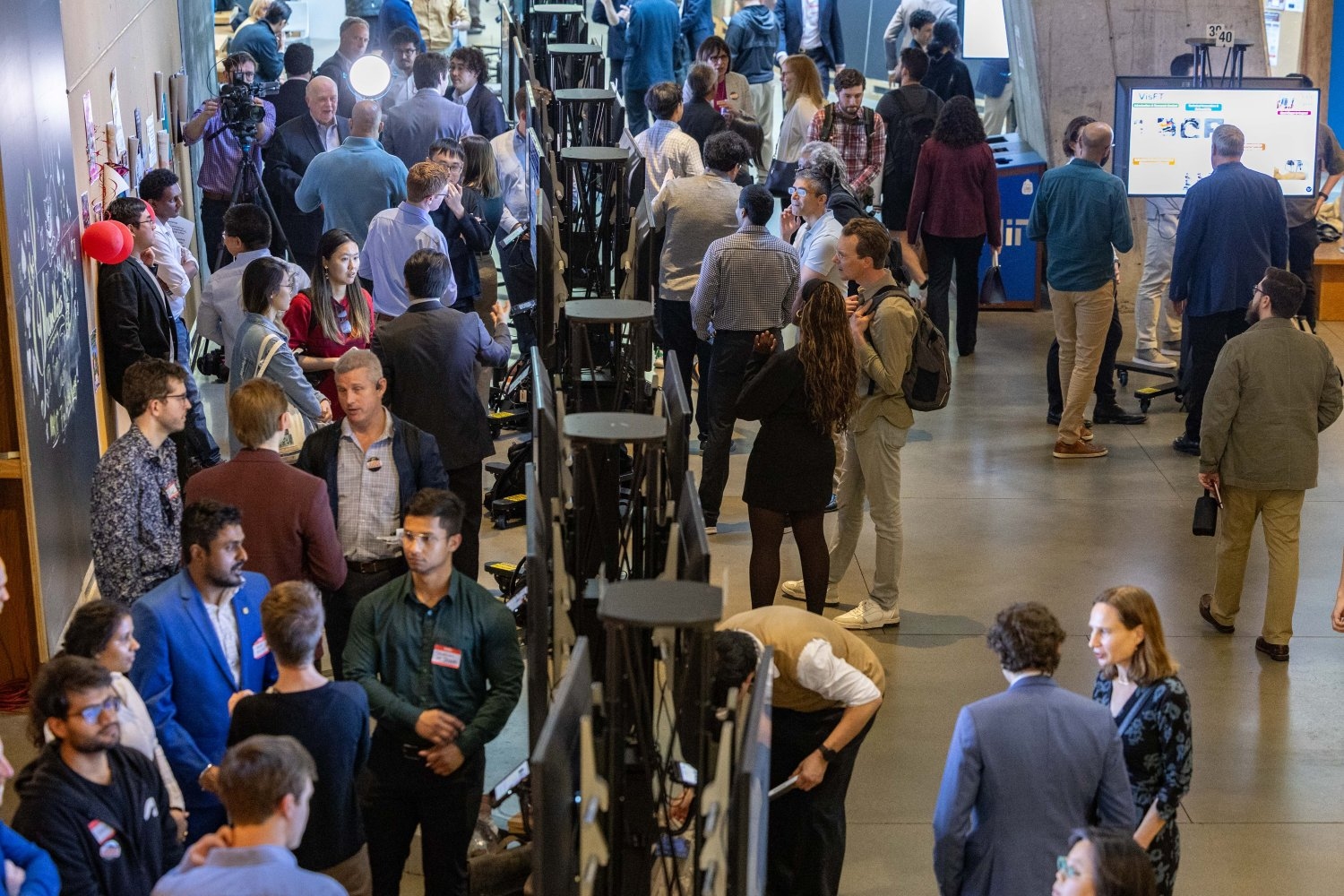
MIT’s Initiative for New Manufacturing builds momentum
In its inaugural year, the Innovative Manufacturing Network (INM) has made significant strides in advancing new manufacturing technologies. The organization has focused on three key areas: research, workforce development, and industry engagement. By fostering collaboration among various stakeholders, INM aims to accelerate the adoption and practical application of these technologies in the manufacturing sector. The initiative is driven by the need to enhance efficiency and competitiveness within the industry, responding to the growing demand for innovation and modernization. Through targeted programs and partnerships, INM is positioning itself as a catalyst for change, ensuring that the latest advancements are effectively integrated into real-world manufacturing processes.
Special events and guest speakers Classes and programs Industry Collaboration Mechanical engineering Manufacturing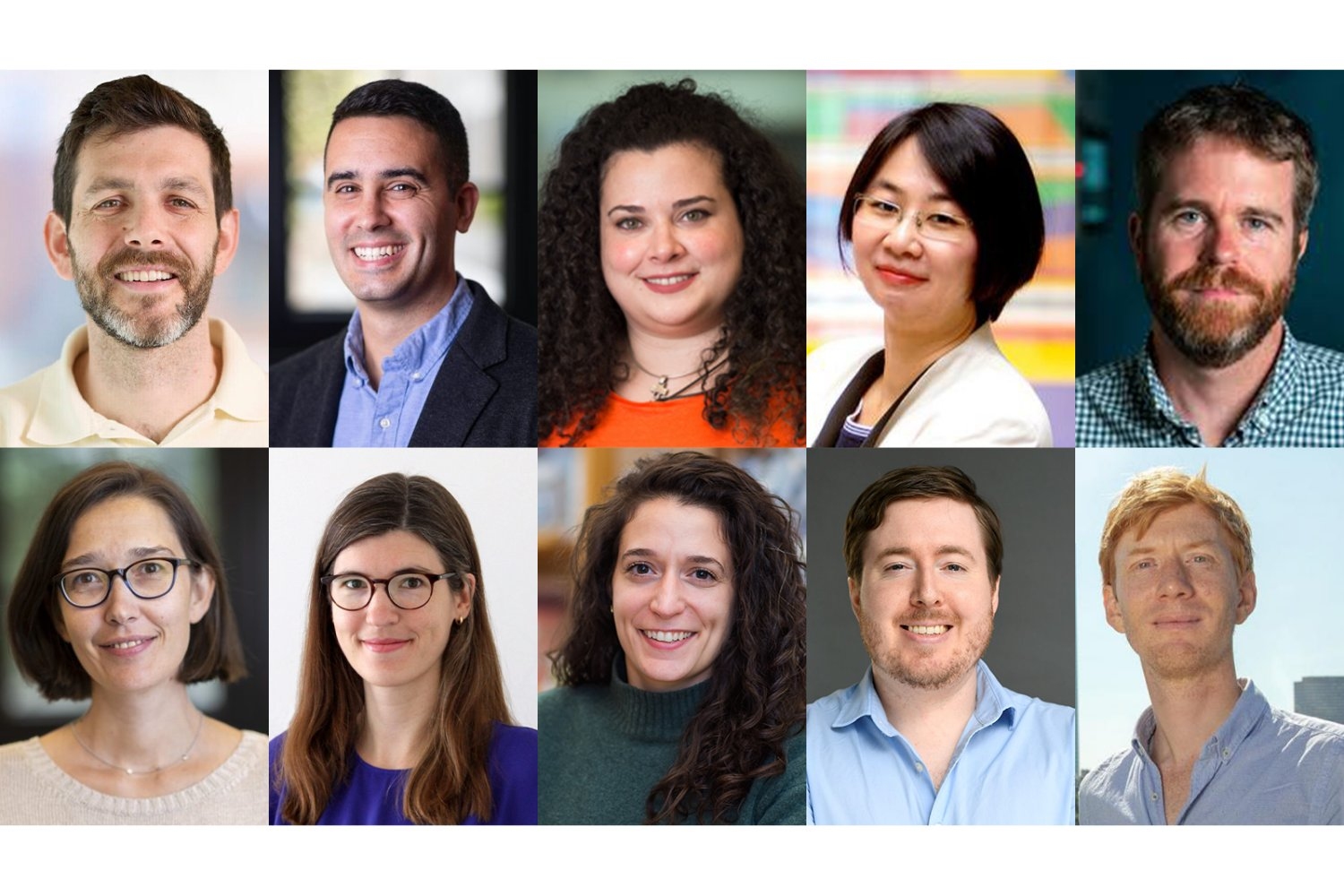
The tenured engineers of 2026
Ten faculty members at the Massachusetts Institute of Technology (MIT) have been awarded tenure, marking a significant milestone in their academic careers. This decision, announced recently, affects five different units within the School of Engineering, highlighting the institution's commitment to fostering academic excellence and innovation. The tenure grants are intended to recognize the contributions and potential of these faculty members, who have demonstrated exceptional research and teaching capabilities. By securing tenure, these educators will gain increased job security and the opportunity to pursue long-term projects that can further advance their fields. This announcement underscores MIT's ongoing efforts to support its faculty and enhance its educational environment.
Awards, honors and fellowships Faculty Aeronautical and astronautical engineering Civil and environmental engineering Electrical engineering and computer science (EECS) Mechanical engineering
Harriet having it all
Harriet Latham Robinson, a distinguished molecular biologist and alumna of Boston University, has made significant contributions to her field while also nurturing personal relationships and pursuing adventurous experiences. Throughout her career, which spans several decades, Robinson has engaged in groundbreaking research that has influenced the understanding of molecular biology, earning her recognition both in the United States and internationally, including in Moscow. Her journey reflects a unique blend of professional dedication and a commitment to maintaining a rich personal life, showcasing how one can thrive in a demanding scientific career while also valuing family and friendships. Robinson's story serves as an inspiration to many in the scientific community, illustrating the balance between work and personal fulfillment.
Profile Alumni/ae Biology Cancer Vaccines History of science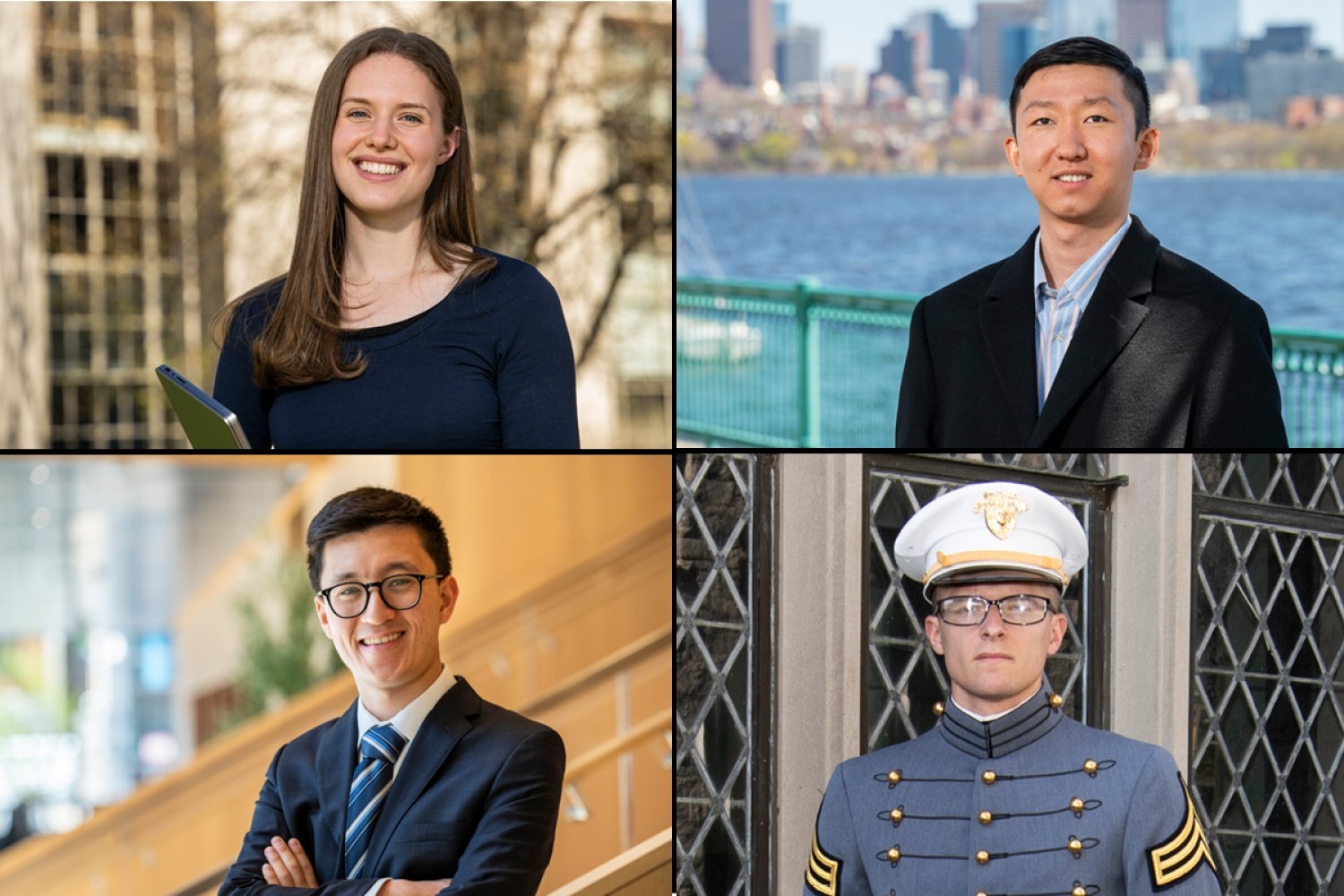
MIT affiliates win 2026 Hertz Foundation Fellowships
A new fellowship program has been launched to support doctoral students in applied sciences, engineering, and mathematics who are dedicated to addressing critical challenges in science and technology. This initiative aims to recognize and empower emerging researchers who are developing innovative solutions to pressing issues. The program is designed to enhance the educational and research opportunities for these students, providing them with the resources necessary to advance their work. By fostering a new generation of scientists and engineers, the fellowship seeks to contribute to the advancement of knowledge and technology, ultimately benefiting society as a whole. The initiative is expected to play a significant role in shaping the future of scientific research and technological development.
Awards, honors and fellowships Students Graduate, postdoctoral Alumni/ae Chemistry Mechanical engineering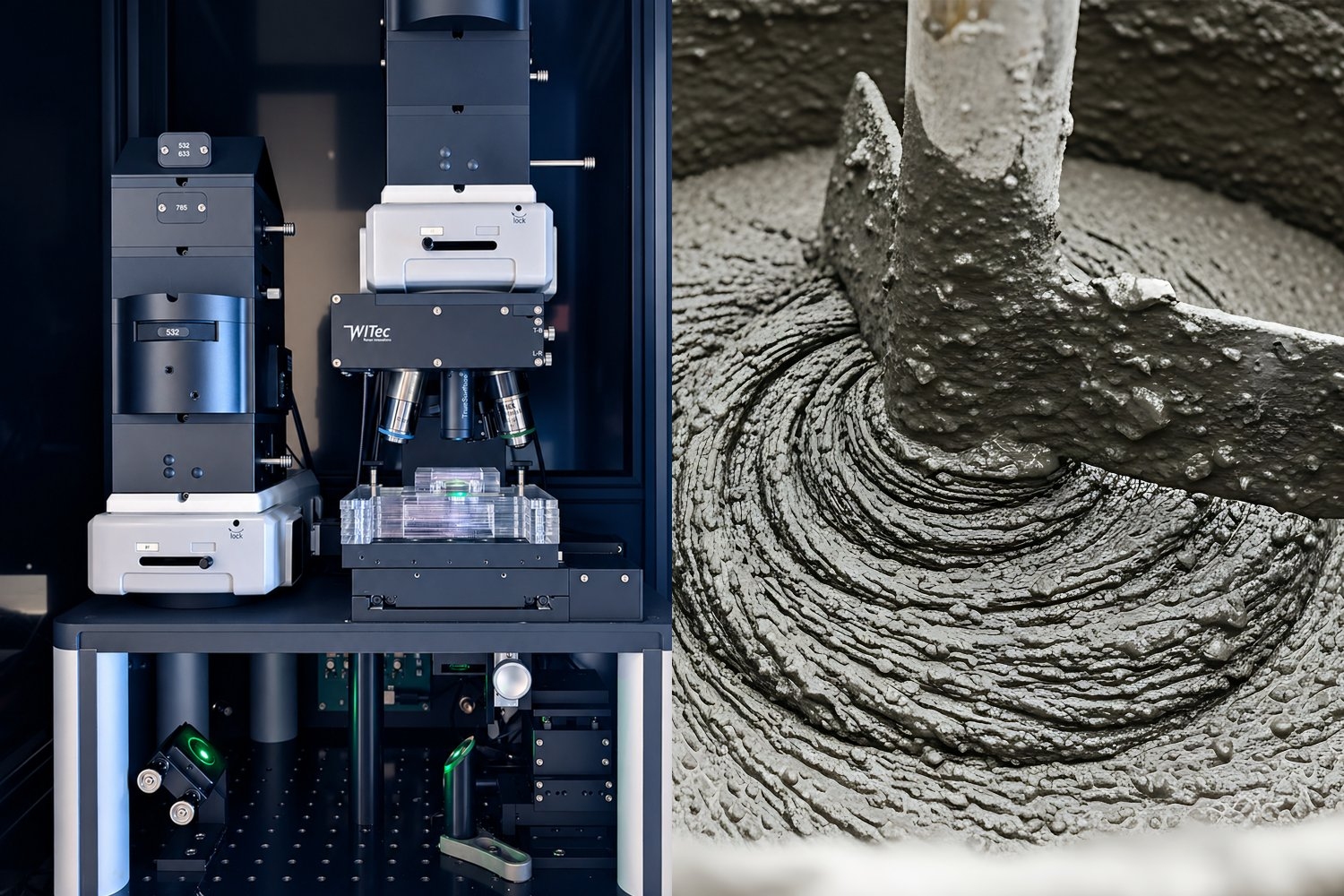
A shot of carbon dioxide rewires how cement sets
Recent research has unveiled the chemical sequence initiated by the injection of carbon dioxide (CO₂) into cement paste, marking a significant advancement in materials science. Conducted by a team of scientists, this study successfully captured a transient intermediate reaction for the first time through the application of real-time Raman spectroscopy. The findings, published in a leading scientific journal, aim to enhance the understanding of cement chemistry and its potential for carbon capture, which is increasingly important in the context of climate change and sustainable construction practices. By elucidating the mechanisms at play during CO₂ injection, the researchers hope to pave the way for more effective strategies in reducing greenhouse gas emissions associated with cement production.
Research Concrete Carbon dioxide Civil and environmental engineering Concrete Sustainability Hub School of Engineering
New imaging system sees through murky waters
A groundbreaking technology known as “Sonar-MASt3R” has been developed to enhance underwater mapping capabilities by integrating sonar and visual data. This innovative system is capable of producing real-time 3D maps, significantly improving navigation and exploration in challenging environments, including cloudy water conditions. The technology was unveiled in October 2023, showcasing its potential to revolutionize marine research and underwater operations. By combining different data sources, Sonar-MASt3R addresses the limitations of traditional mapping methods, offering clearer and more accurate representations of underwater landscapes. This advancement is expected to benefit various sectors, including environmental monitoring, maritime safety, and underwater archaeology, by providing researchers and professionals with reliable tools for better decision-making in aquatic environments.
Research Robotics Computer vision Imaging Sensors Oceanography and ocean engineering
Would you return a favor? Scientists say it depends on the relationship
A recent study has revealed that individuals tend to anticipate reciprocal generosity primarily in their interactions with friends or peers of similar social standing. Conducted by a team of researchers, the study highlights the social dynamics that influence expectations of generosity, suggesting that people are less likely to expect such behavior from those they perceive as having a lower social status. The findings, published in October 2023, shed light on the underlying motivations for generosity and the importance of social equality in fostering reciprocal relationships. The research involved a series of experiments designed to assess participants' expectations of generosity across various social contexts, ultimately concluding that social status plays a significant role in shaping these expectations. This study could have implications for understanding social interactions and the development of community ties, emphasizing the need for equitable relationships to promote mutual generosity.
Research Behavior Brain and cognitive sciences Behavioral economics McGovern Institute School of Science
Myriam Heiman named director of The Picower Institute for Learning and Memory
Heiman, a prominent researcher specializing in neurodegenerative diseases including Huntington’s and Parkinson’s, has been appointed to lead the institute starting July 1. This leadership transition aims to enhance the institute's focus on groundbreaking research and innovative treatments for these debilitating conditions. Heiman's extensive expertise and commitment to advancing the understanding of neurodegenerative disorders are expected to drive the institute's initiatives forward, fostering collaboration and discovery in the field. The appointment reflects the institute's dedication to addressing the growing challenges posed by these diseases, which affect millions globally.
Leadership Faculty Brain and cognitive sciences Neuroscience Disease Parkinson's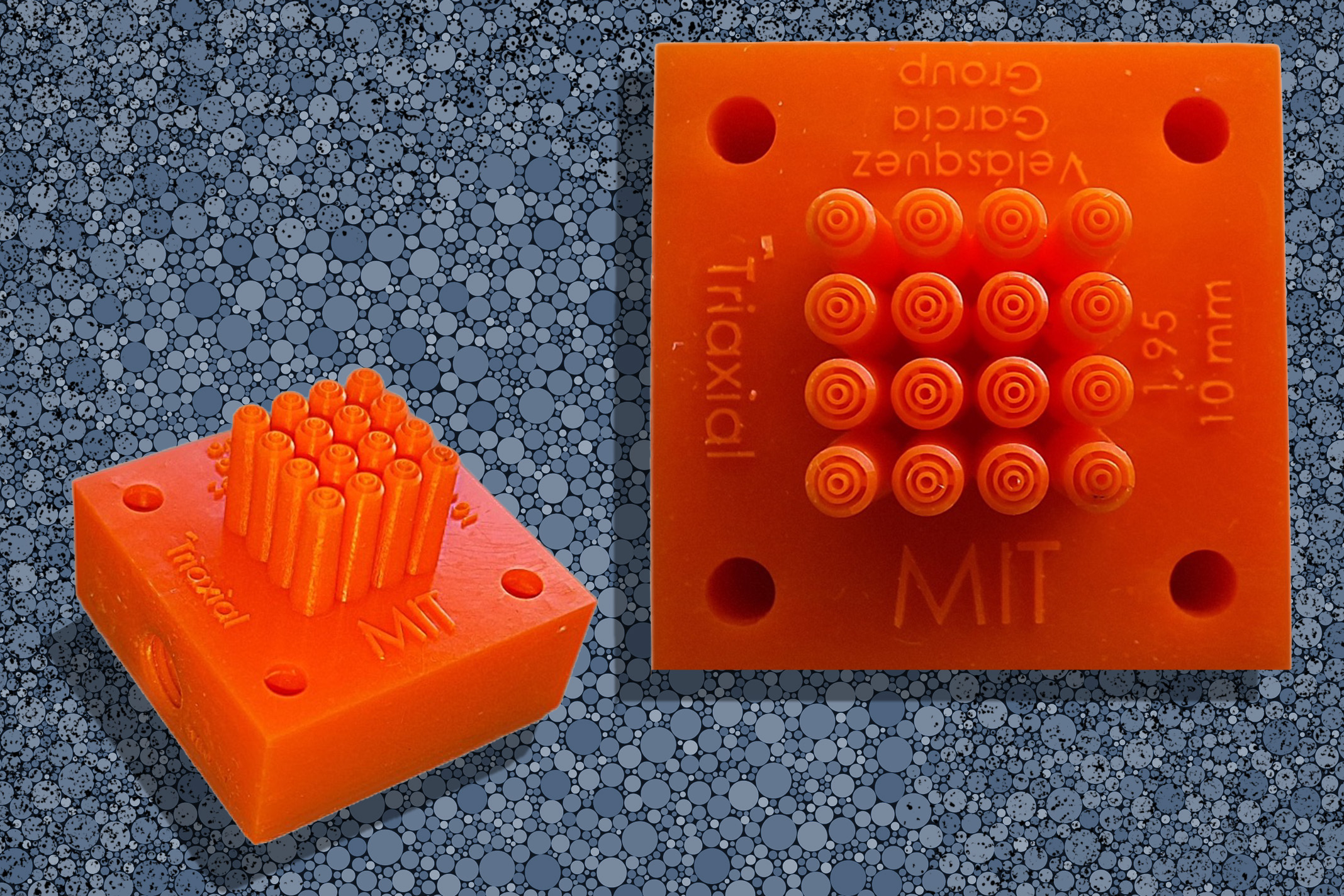
3D-printed devices could streamline the production of drug-delivery microparticles
A new development in particle production technology has emerged, utilizing cost-effective devices that can be constructed in just a few hours. These innovative devices employ electrospray emitter technology to efficiently generate three-layered particles on a large scale. This advancement is poised to enhance manufacturing processes across various industries by providing a faster and more economical method of particle creation. The introduction of these devices marks a significant step forward in the field, potentially leading to improved applications in pharmaceuticals, materials science, and other sectors that rely on precise particle engineering.
Research 3-D printing Additive manufacturing Electronics Medical devices Drug delivery
Improving the performance of high-power electronics
Researchers have discovered that applying a thin layer of diamond can significantly enhance the speed and energy efficiency of next-generation wireless devices. This innovative approach addresses the challenge of excessive heat generated during device operation, which has been a limiting factor in the performance of modern technology. The findings, which emerged from ongoing studies in advanced materials science, highlight the potential for diamond to serve as an effective thermal management solution. This breakthrough could pave the way for faster and more efficient wireless communication, ultimately benefiting consumers and industries reliant on high-performance devices.
Research Computer chips Electronics Carbon materials Nanoscience and nanotechnology Mobile devices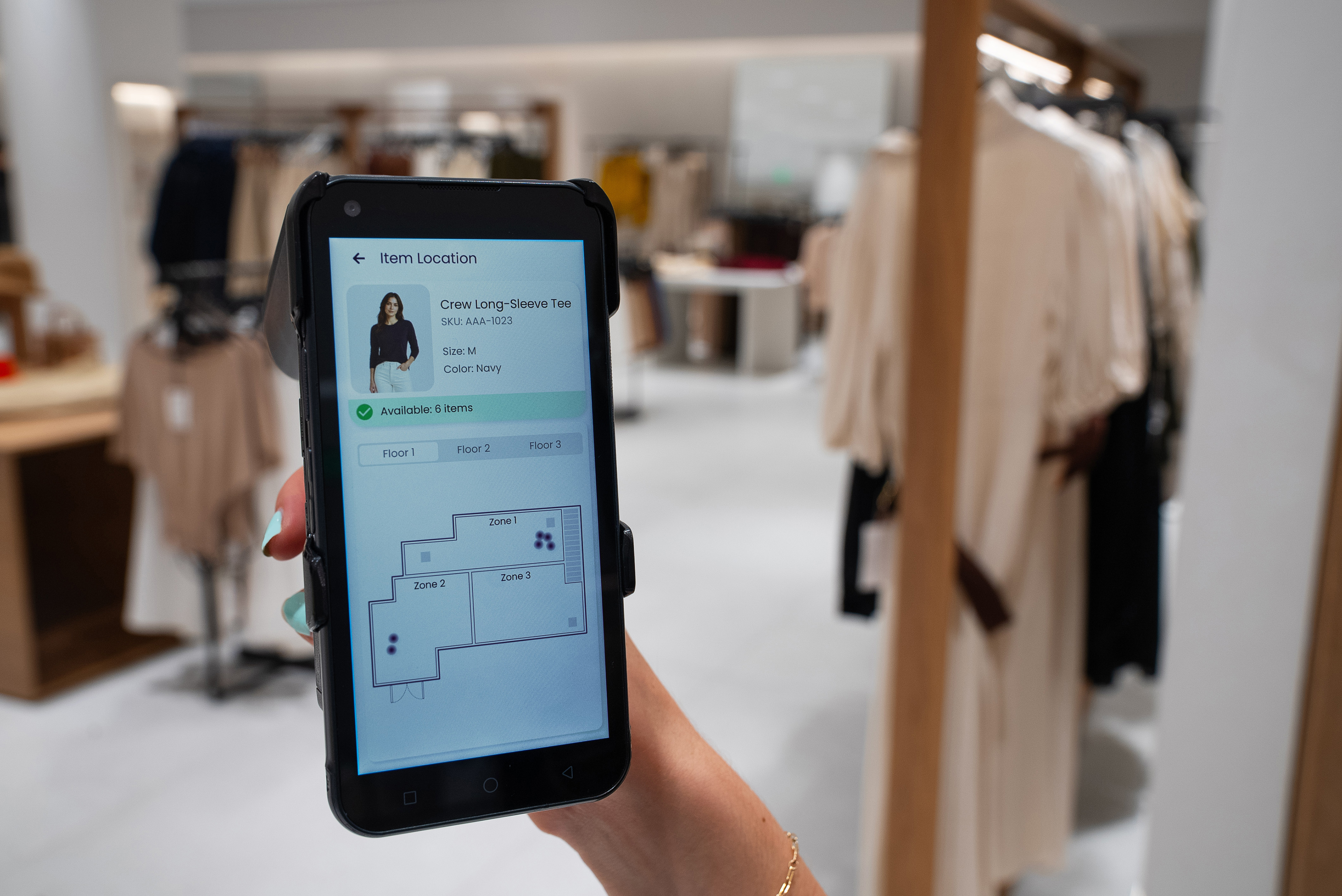
Startup helps retailers track their products in real-time
Cartesian, a technology company, has developed an innovative system for locating objects, leveraging technology originally invented at the Massachusetts Institute of Technology (MIT). This cutting-edge system has the potential to revolutionize various industries, including manufacturing, logistics, and robotics. By enhancing the accuracy and efficiency of object tracking, Cartesian aims to streamline operations and improve productivity across these sectors. The technology, which was first conceptualized at MIT, is now being adapted for practical applications in real-world settings. As industries increasingly rely on automation and precise tracking systems, Cartesian's advancements could play a crucial role in shaping the future of operational efficiency.
Research Startups Innovation and Entrepreneurship (I&E) Electrical engineering and computer science (EECS) Machine learning Wireless
Research from the ground up
Professor Sonya Atalay, a prominent figure in community-based archaeology, is making strides in integrating local knowledge with academic research worldwide. Her work emphasizes the importance of collaboration between communities and scholars, aiming to enhance the understanding of archaeological practices and cultural heritage. Through her innovative approach, Atalay seeks to empower local populations, ensuring their voices and insights are recognized in the academic discourse. This initiative not only enriches the field of archaeology but also fosters a deeper appreciation for diverse cultural narratives. By bridging the gap between local expertise and scholarly inquiry, Atalay is setting a new standard for how archaeology is conducted and understood on a global scale.
Anthropology Faculty Social sciences Profile School of Humanities Arts and Social Sciences
Ambassadors of STEM
A newly established student club at the Massachusetts Institute of Technology (MIT) is dedicated to supporting K-12 students through hands-on STEM education. This initiative, spearheaded by alumni of the FIRST Robotics program, seeks to leverage their experiences and expertise to inspire younger students in the fields of science, technology, engineering, and mathematics. The club aims to create engaging learning opportunities that foster creativity and problem-solving skills among participants. By organizing workshops, mentorship programs, and robotics competitions, the group hopes to enhance educational enrichment and ignite a passion for STEM in the next generation. The club's formation reflects a growing commitment within the MIT community to address educational disparities and promote STEM literacy among youth.
Clubs and activities STEM education Students Undergraduate Robotics Mechanical engineering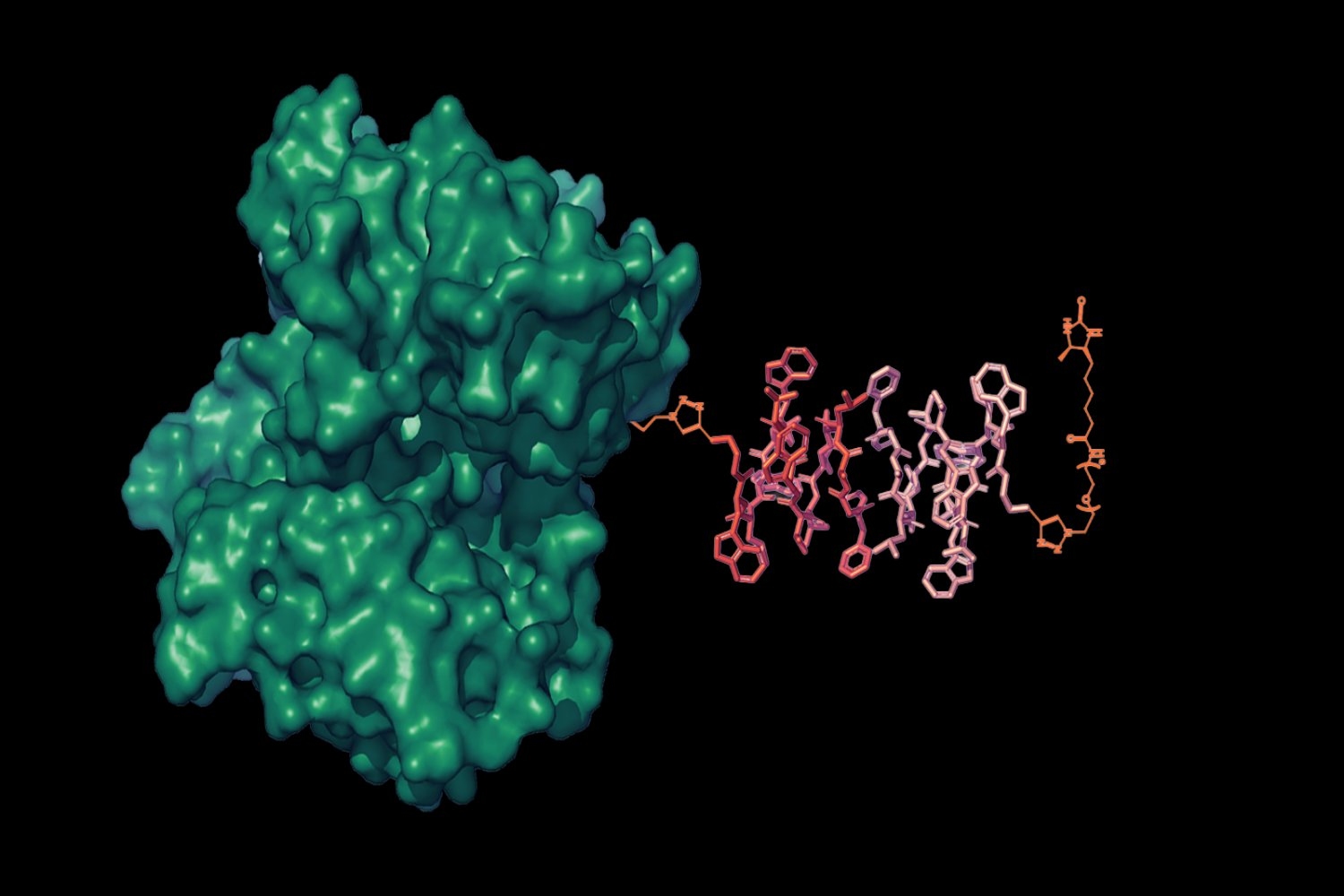
Brighter MRI signals
Researchers at MIT have developed advanced MRI sensors capable of sensitively detecting target molecules within the brain and body. This breakthrough, announced in October 2023, aims to enhance medical imaging techniques, potentially leading to earlier diagnosis and better monitoring of various health conditions. The innovative sensors utilize cutting-edge technology to improve the accuracy and efficiency of molecular detection, which is crucial for understanding complex biological processes and developing targeted therapies. By refining the imaging process, the team hopes to provide healthcare professionals with more precise tools for patient care, ultimately improving treatment outcomes.
Research Imaging Biological engineering Brain and cognitive sciences Magnetic resonance imaging (MRI) Sensors
The rules neurons follow to make sense of what we see
Researchers have unveiled new insights into how brain cells process visual information by analyzing the intricate network of connections that facilitate signal reception. The study, conducted by a team of neuroscientists, focuses on the mechanisms that transform various inputs into a coherent functional arrangement of neurons responsible for vision. This groundbreaking research, published recently, aims to enhance our understanding of neural processing and could have implications for developing treatments for visual disorders. By employing advanced imaging techniques and computational models, the scientists were able to identify specific rules governing neuronal interactions, shedding light on the complex dynamics of the brain's visual processing system. The findings contribute to the broader field of neuroscience, offering a clearer picture of how sensory information is integrated and interpreted by the brain.
Research Brain and cognitive sciences Cells Vision Imaging Neuroscience
Four from MIT named 2026 Searle Scholars
Computational neuroscientist Sven Dorkenwald and cell biologist Whitney Henry, alongside two alumni from the Massachusetts Institute of Technology (MIT), have been honored for their outstanding contributions to early-career research. This recognition highlights their innovative work in their respective fields, showcasing the impact of their research on advancing scientific understanding. The awards were announced recently, celebrating the achievements of these emerging scholars and their potential to shape future developments in neuroscience and cell biology. Their recognition serves to inspire other young researchers and underscores the importance of fostering talent in the scientific community.
Awards, honors and fellowships Faculty Alumni/ae Research Neuroscience Biology
Single-molecule tracker illuminates workings of cancer-related proteins
A team of researchers has developed advanced microscopy and nanotechnology techniques to monitor the activity of individual proteins in real-time. This innovative approach allows scientists to gain unprecedented insights into protein dynamics, which are crucial for understanding various biological processes and diseases. The research, conducted in a state-of-the-art laboratory, aims to enhance the understanding of cellular mechanisms and potentially lead to breakthroughs in medical treatments. By tagging proteins with custom-built nanotechnology, the team can visualize and track their movements and interactions, providing valuable data that could inform future studies in biochemistry and molecular biology. This work represents a significant advancement in the field, promising to deepen our comprehension of life at the molecular level.
Research Proteins Cells Chemistry Imaging Cancer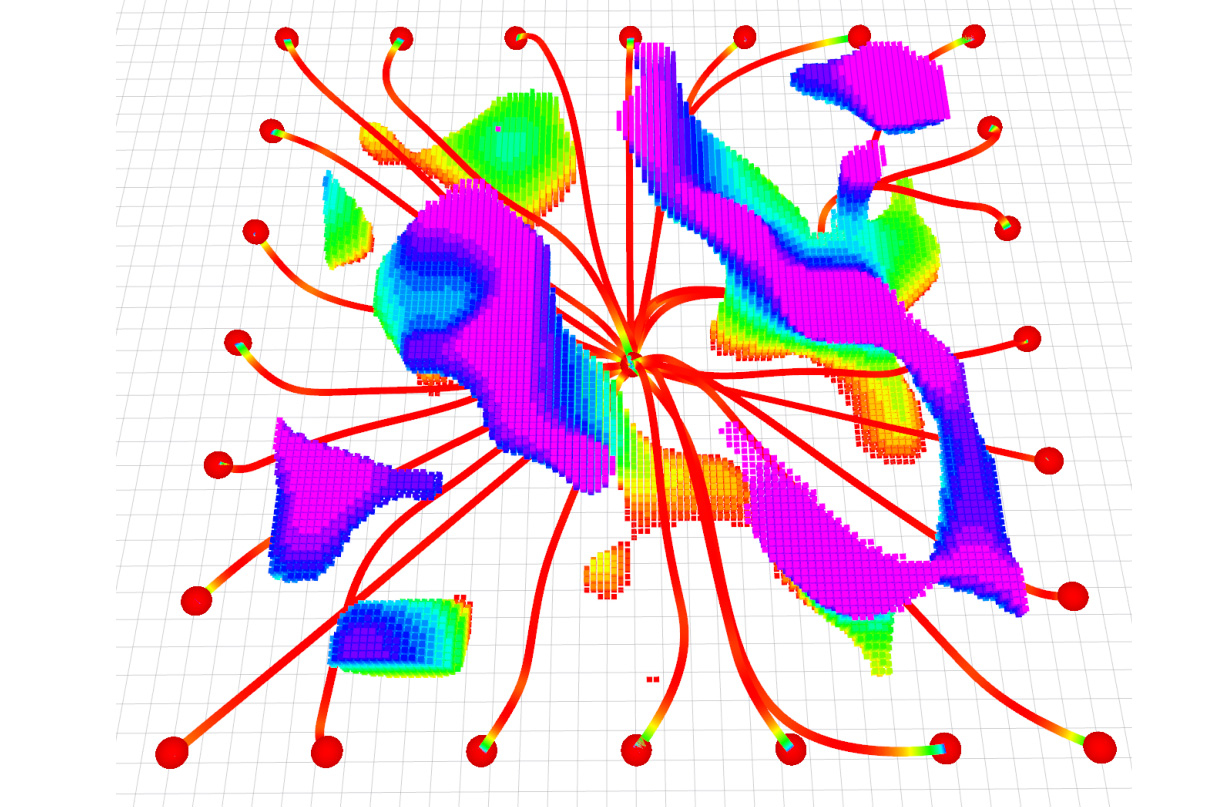
New research enables a robot to chart a better course
A new open-source system called “MIGHTY” has been developed to enhance efficiency in disaster recovery and parcel delivery by creating optimized travel routes. This innovative technology generates smooth path plans that significantly reduce travel time while effectively navigating around obstacles. The system aims to address the challenges faced during emergencies and improve logistics operations. By leveraging advanced algorithms, MIGHTY is designed to facilitate quicker responses in critical situations, ultimately aiming to save lives and resources. The initiative is expected to be particularly beneficial in areas prone to natural disasters, where timely assistance is crucial.
Research Computer science and technology Algorithms Drones Robotics Autonomous vehicles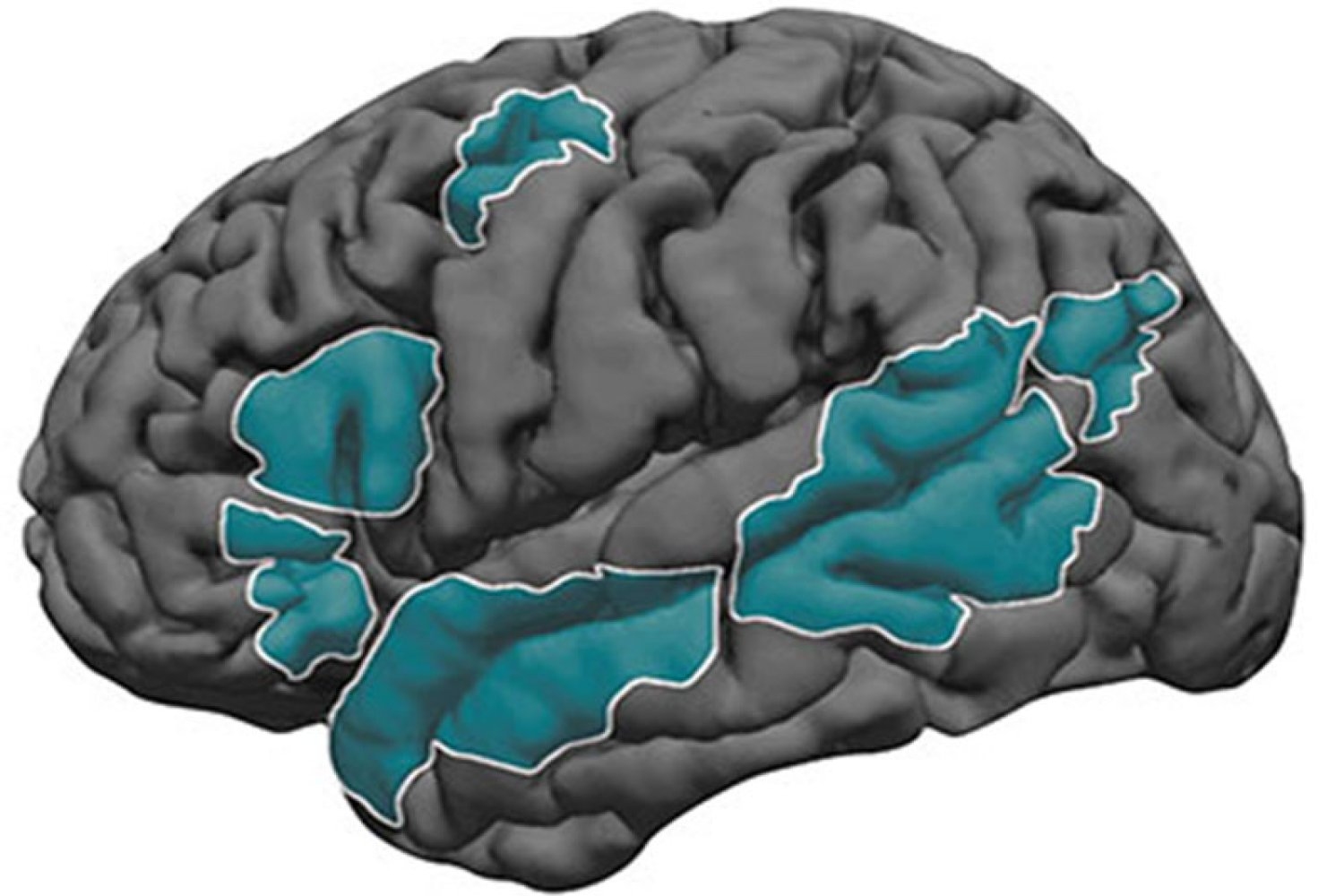
Language development in the brain
Recent research has revealed that the brain's language network continues to develop throughout adolescence, although significant language processing capabilities are established by the age of four. This study highlights the critical role of the left hemisphere in managing language functions early in childhood. Conducted by a team of neuroscientists, the findings underscore the importance of early language exposure and its impact on cognitive development. The research, which utilized advanced imaging techniques to observe brain activity, was published in October 2023, contributing valuable insights into how language skills evolve from early childhood through the teenage years. Understanding this progression can inform educational strategies and interventions aimed at supporting language acquisition in young learners.
Research Language Learning Brain and cognitive sciences Neuroscience McGovern Institute
Two from MIT named 2026 Knight-Hennessy Scholars
A prestigious fellowship has been established to support graduate studies at Stanford University, aiming to provide financial assistance to talented students pursuing advanced degrees. This initiative, announced recently, seeks to enhance educational opportunities for individuals from diverse backgrounds. By alleviating the financial burden associated with graduate education, the fellowship encourages a broader range of applicants to consider Stanford as their academic destination. The program is designed to foster innovation and research by attracting top-tier candidates who can contribute significantly to their fields of study. As the fellowship opens for applications in the upcoming academic year, it is expected to draw interest from prospective students worldwide, further solidifying Stanford's reputation as a leading institution for higher education.
Awards, honors and fellowships Students Graduate, postdoctoral Alumni/ae Economics Electrical engineering and computer science (EECS)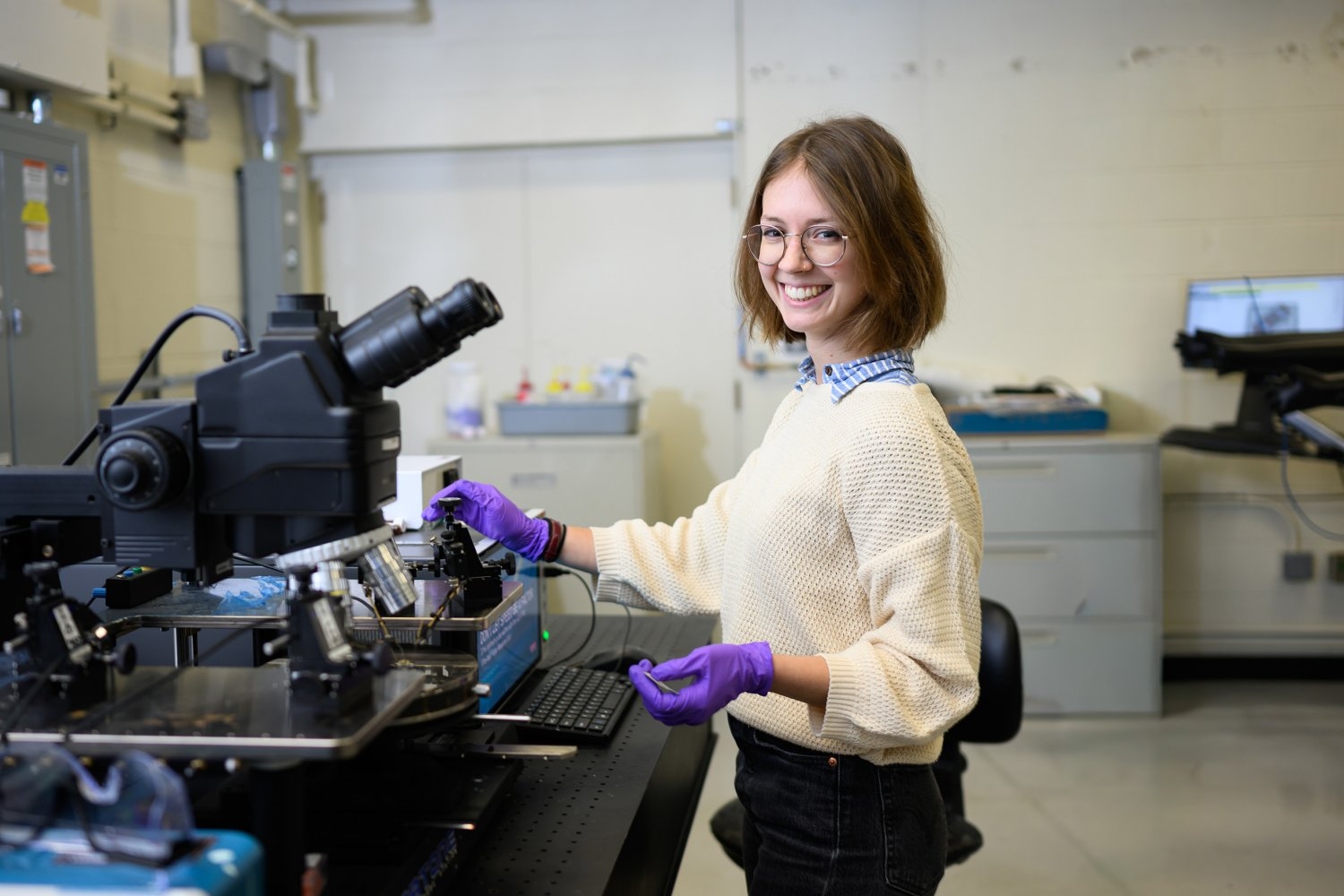
Solving hard problems in soft electronics
Camille Cunin, a PhD candidate from the class of 2026, is pioneering advancements in biomedical technology by developing innovative stretchable devices that enhance signal amplification. This groundbreaking work aims to address the limitations of traditional rigid circuitry, making these new devices more adaptable for practical applications in healthcare. Cunin's research, which is ongoing, seeks to improve the integration of technology in medical settings, potentially leading to better patient outcomes. By focusing on the creation of flexible circuitry, Cunin is contributing to a significant shift in how biomedical devices can be utilized in real-world scenarios, ultimately enhancing their functionality and effectiveness in monitoring and treating various health conditions.
School of Engineering DMSE Neuroscience Biomedical engineering Electronics Wearables
Rethinking how our brains use categories to make sense of the world
A team of researchers has put forth a new perspective that challenges the conventional understanding of how the brain categorizes information. Their findings, which were presented in a recent study, suggest that the brain's categorization process may be more complex than previously thought. This research, conducted by a group of neuroscientists, aims to shed light on the underlying mechanisms of cognitive function and how individuals interpret and organize their experiences. The study, published in a leading neuroscience journal, highlights the importance of reevaluating existing theories in light of new evidence. By employing advanced imaging techniques and experimental methods, the researchers were able to observe brain activity in real-time, providing insights into the dynamic nature of categorization. This work not only contributes to the field of neuroscience but also has implications for understanding cognitive disorders and improving educational strategies. The researchers hope that their findings will inspire further exploration into the intricacies of brain function and the ways in which we process information.
Research Neuroscience Behavior Learning Psychology Brain and cognitive sciences
MIT BrainTrust supports neighbors living with brain injuries
Nearly 100 students from the Massachusetts Institute of Technology (MIT) are actively engaged in a buddy program designed to support residents in the Boston area. This initiative, which fosters community connections, aims to provide assistance and companionship to local individuals in need. The program has gained traction as students seek to make a positive impact on their surrounding community while also gaining valuable experiences. Through this collaborative effort, participants are not only helping others but also enhancing their own understanding of the diverse challenges faced by residents in the area. The program reflects MIT's commitment to community service and social responsibility, encouraging students to apply their skills and knowledge in real-world settings.
Clubs and activities Students Alumni/ae Biology Community Student life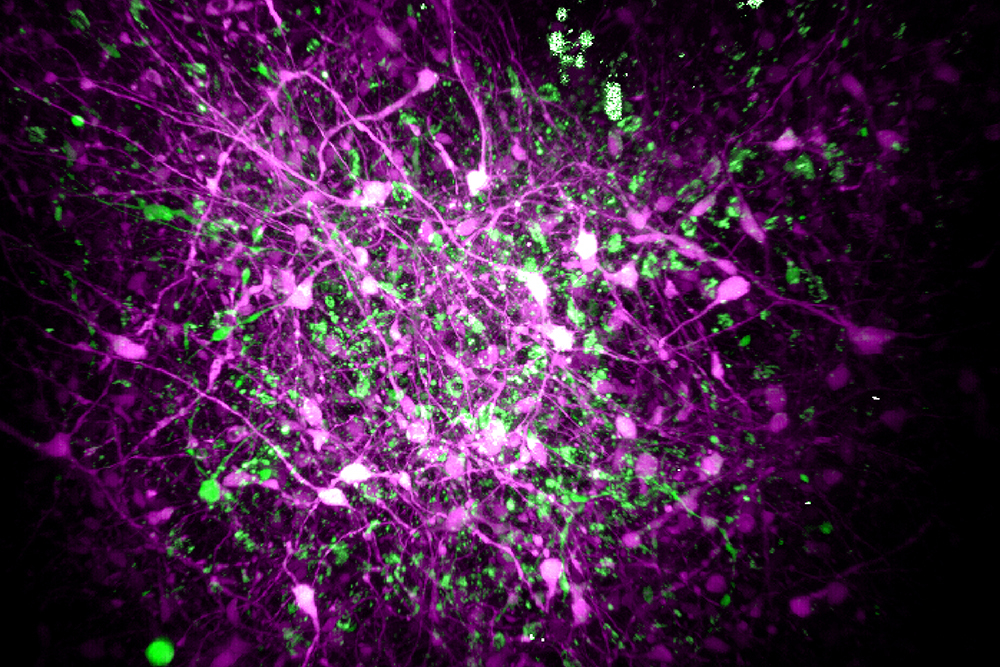
Rett syndrome study highlights potential for personalized treatments
Researchers at MIT have conducted a study utilizing advanced human cell cultures to investigate the impact of two distinct mutations on the development of neural circuits. The research aims to understand how these mutations affect neural development and to explore potential therapeutic approaches tailored to each mutation. The findings, which could pave the way for innovative treatments, highlight the significance of targeted therapies in addressing specific genetic alterations. This study underscores the importance of advanced cell culture techniques in neuroscience and opens new avenues for addressing neural circuit disorders.
Research Cells Genetics Brain and cognitive sciences Neuroscience Pharmaceuticals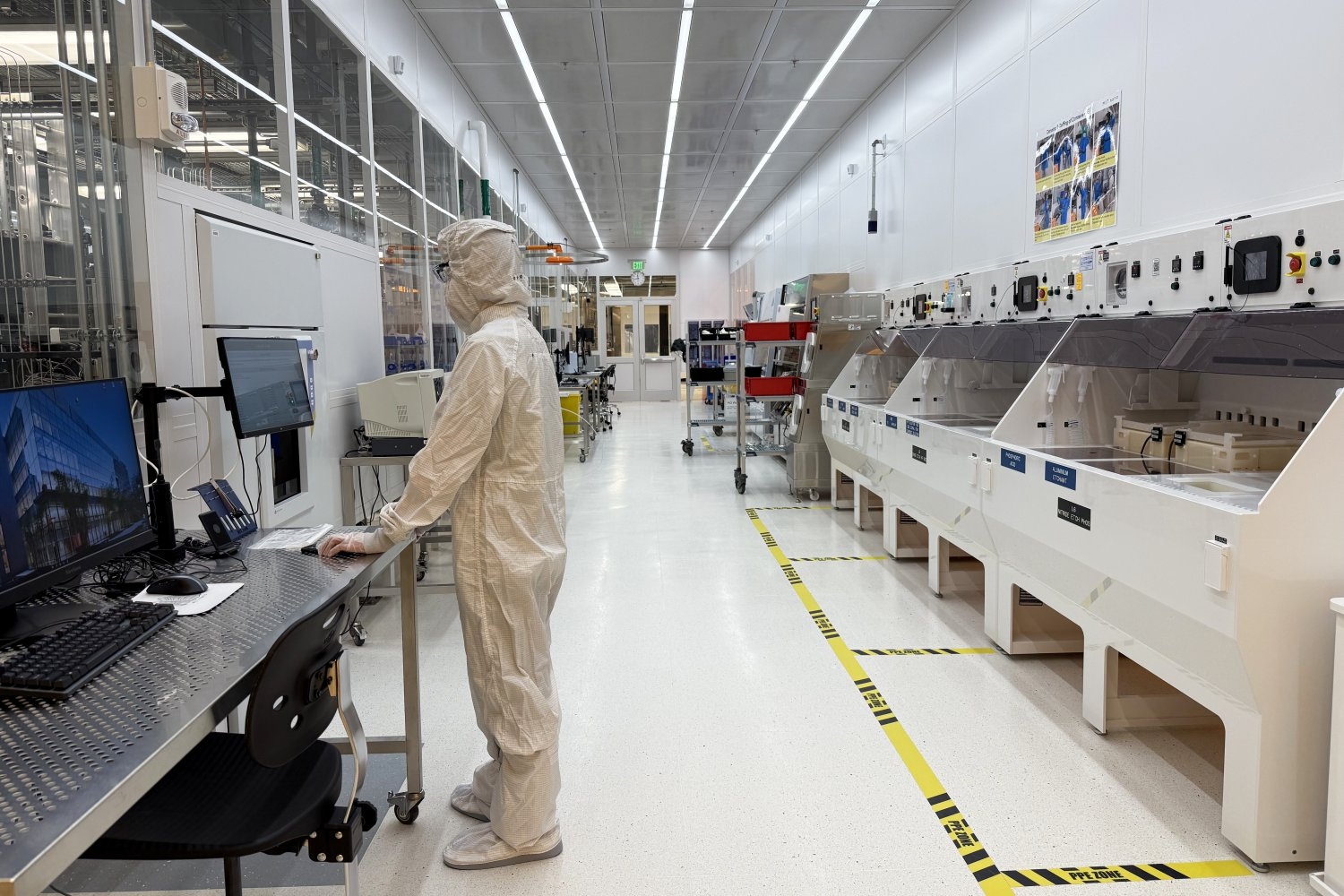
Powering 160,000 hours of discovery at MIT.nano
The NanoFab Equipment Management and Operations (NEMO) system has been introduced to enhance the management of shared facilities, focusing on tool training, reservations, and lab communications. This innovative platform aims to streamline operations for users, ensuring efficient access to equipment and resources. The system is designed to support collaborative research environments by providing a centralized hub for managing various aspects of facility usage. With the implementation of NEMO, users can expect improved coordination and communication within the lab, ultimately fostering a more productive research atmosphere. The rollout of this system is expected to significantly benefit researchers and technicians alike, facilitating a smoother workflow and better resource allocation.
Facilities Research Open source Collaboration Software Nanoscience and nanotechnology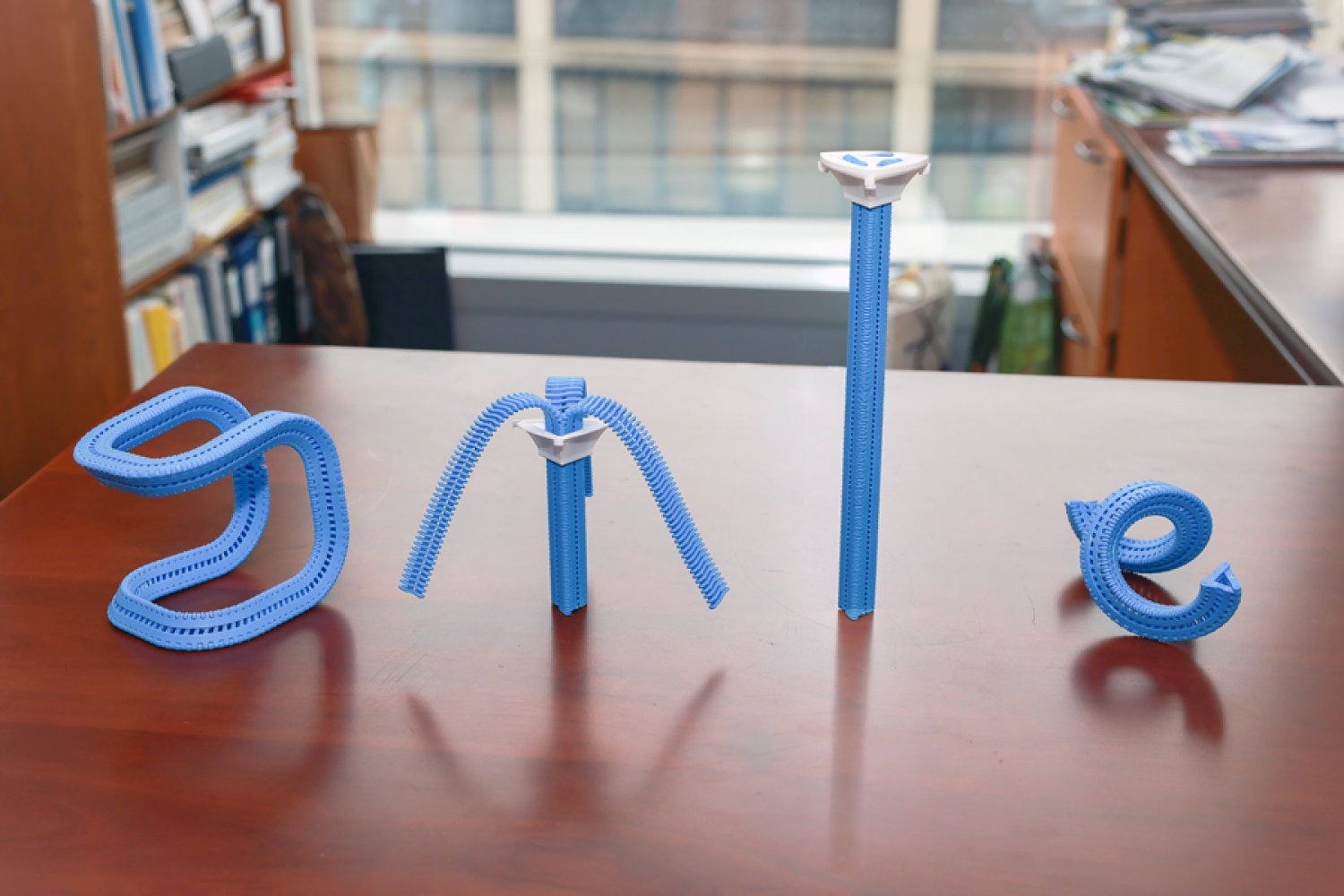
It took 40 years for technology to catch up to this zipper design
MIT Professor Bill Freeman has introduced an innovative fastener known as the "Y-zipper," which is designed to transform gear, robots, and art with ease. This three-sided fastener allows users to snap items into shape at the push of a button, significantly enhancing convenience and functionality. The concept draws inspiration from an old patent held by Freeman, showcasing the potential for advancements in design and technology. The development of the Y-zipper reflects a growing interest in creating user-friendly solutions that streamline the assembly and manipulation of various objects. As this technology gains attention, it could pave the way for new applications across multiple industries.
Research Invention Design Robotics 3-D printing WearablesRobotics needs a service framework.
RSF defines a common language for robot service capability, lifecycle operations, certification pathways, and service-provider networks.