Industry Briefing
A single destination for timely, editor-curated robotics news from around the world.
Faraday Future's FFAI Accelerates Robotics Expansion and Exceeds Shipment Goals at Automate 2026
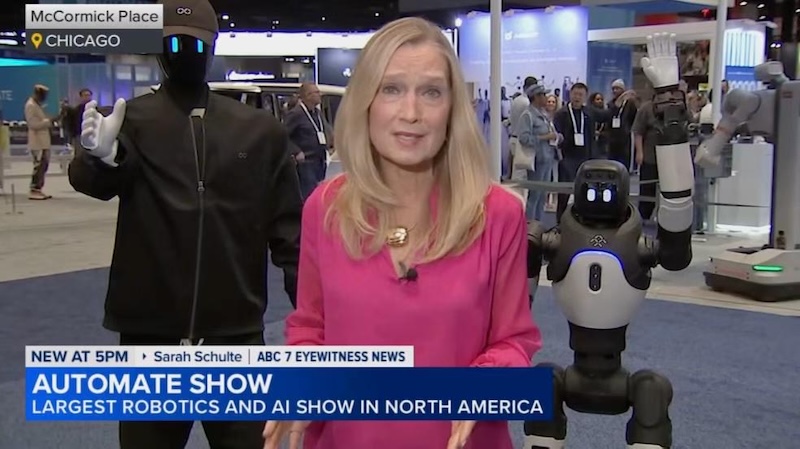
Faraday Future's AI subsidiary, FFAI, announced its accelerated expansion into commercial robotics at Automate 2026 in Chicago. The company showcased its 'one brain, multiple forms' robotics platform and revealed that June robot shipments are expected to exceed 100 units, bringing total first-half deliveries to over 220 units, surpassing its initial target ahead of schedule. This milestone is significant as it marks FFAI's transition from an education-focused robotics business to industrial automation, targeting commercial deployments across manufacturing, logistics, and research. The company presented a range of robotics products, including the All-New Futurist humanoid robot and the FF Faber mobile manipulator series, highlighting its commitment to integrating advanced AI technologies into various applications. Looking ahead, FFAI outlined a broader strategy focused on an open embodied AI ecosystem, which includes its EAI Brain software platform and an EAI Data Factory for operational data collection. No further timeline was disclosed at the time of publication.
Artificial Intelligence Events News ai All-New Futurist Automate 2026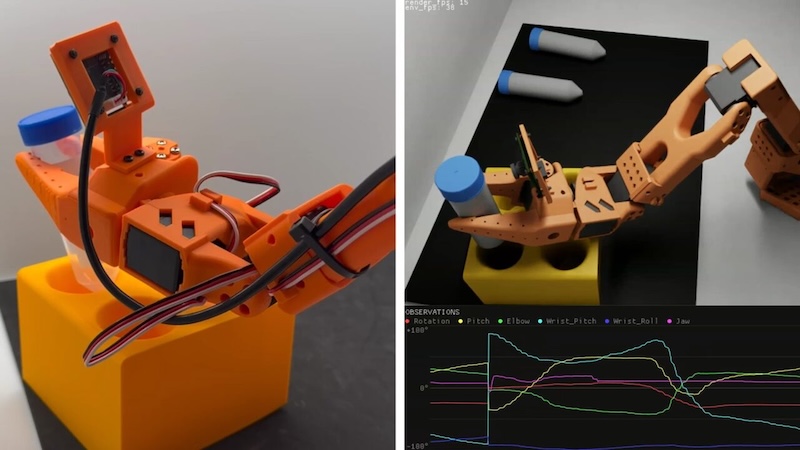
Nvidia and Hugging Face Enhance LeRobot with Advanced Open Robotics AI Tools
Nvidia and Hugging Face have expanded their partnership to introduce new AI models and robotics frameworks to the LeRobot platform, enhancing accessibility for developers. The integration of Nvidia Isaac GR00T 1.7, a vision-language-action foundation model, and the Isaac Teleop framework aims to streamline the development process for AI-powered robots. This collaboration is significant as it combines Nvidia's community of over three million robotics developers with Hugging Face's 16 million AI developers, fostering a broader access to physical AI technologies. The new tools will enable standardized workflows for data collection, model training, and performance evaluation, making it easier for developers to create and deploy robotic solutions. Looking ahead, the planned support for Nvidia Cosmos 3 will further empower developers by allowing the generation of synthetic data and simulation of environments. No further timeline was disclosed at the time of publication.
Artificial Intelligence Computing ai Hugging Face humanoid robots Isaac GR00T 1.7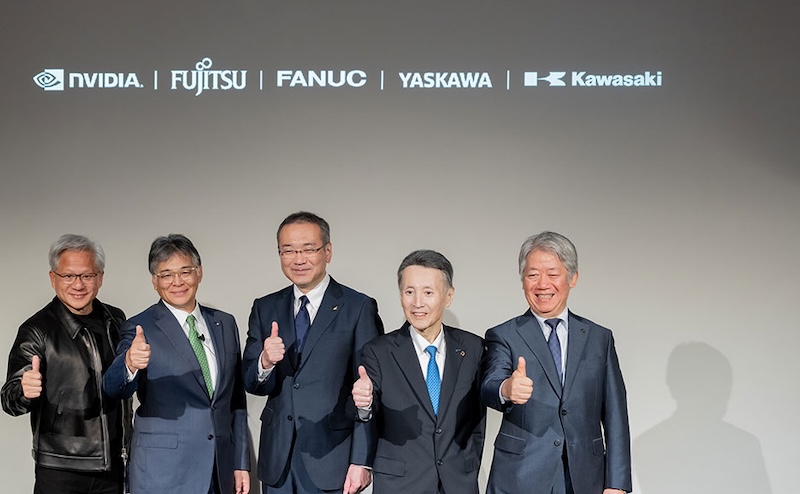
Fujitsu Collaborates with Fanuc, Yaskawa, and Kawasaki to Enhance Physical AI with Nvidia
Fujitsu has initiated a partnership with Japanese robotics firms Fanuc, Yaskawa Electric, and Kawasaki Heavy Industries to advance the development and deployment of physical AI in sectors such as manufacturing, logistics, and healthcare. This collaboration will leverage Nvidia's physical AI technologies to create a collaborative control platform that connects digital systems with robots and physical equipment. The initiative aims to accelerate the adoption of physical AI, addressing challenges like labor shortages and an aging workforce while enhancing global competitiveness. The platform will optimize production planning in manufacturing, automate material handling in logistics, and improve healthcare operations by automating the transport of medical supplies and assisting with patient interactions. Fujitsu plans to develop an open collaborative control platform that integrates AI, robotics, and data analysis technologies, ensuring interoperability and addressing cybersecurity concerns. No further timeline was disclosed at the time of publication.
Artificial Intelligence Industry News ai factory automation fanuc
Toyota and Nvidia Enhance Collaboration to Advance AI in Vehicles, Manufacturing, and Urban Infrastructure
Toyota and Nvidia have broadened their partnership to develop physical AI technologies that encompass next-generation vehicles, manufacturing, robotics, and urban infrastructure. This collaboration builds on a previous agreement, focusing on advanced driver-assistance systems using Nvidia's DRIVE AGX platform and DriveOS operating system. The significance of this partnership lies in its potential to revolutionize mobility and manufacturing. Rishi Dhall, Nvidia's vice president of automotive, emphasized that physical AI will enhance the intelligence of various machines, making vehicles more autonomous and urban environments safer and more responsive. Toyota aims to implement Level 2++ functionality in its future vehicles while leveraging Nvidia AI models for efficient software engineering. Additionally, Toyota is integrating AI into its manufacturing processes through factory simulations using Nvidia's Omniverse and Isaac Sim frameworks. The partnership also extends to urban mobility technologies via Woven by Toyota, which is developing models to analyze traffic conditions. No further timeline was disclosed at the time of publication.
Computing News advanced driver assistance systems ai automotive AI digital twins
Robbyant Launches LingBot-World 2.0 with Enhanced Real-Time World Generation Features
Robbyant, an embodied AI company under Ant Group, has released LingBot-World 2.0, an open-source interactive world model. This updated version supports hour-long real-time world generation, high-definition output, and enhanced interactive capabilities, marking a significant improvement over LingBot-World 1.0. The new model allows for continuous world generation sessions while maintaining visual quality and enabling real-time user interaction. It produces 720p video at 60 frames per second and is designed to generate, stream, and display content simultaneously, which reduces latency and enhances user engagement with the evolving environment. LingBot-World 2.0 features a dual-agent mechanism for dynamic interaction and supports multiple users in a shared virtual space. Additionally, Robbyant has open-sourced LingBot-Video, a video generation model aimed at robotics applications, which enhances efficiency and realism in AI-generated video for real-world robotic systems. No further timeline was disclosed at the time of publication.
Robot simulation AI models ai simulation Ant Group artificial intelligence embodied ai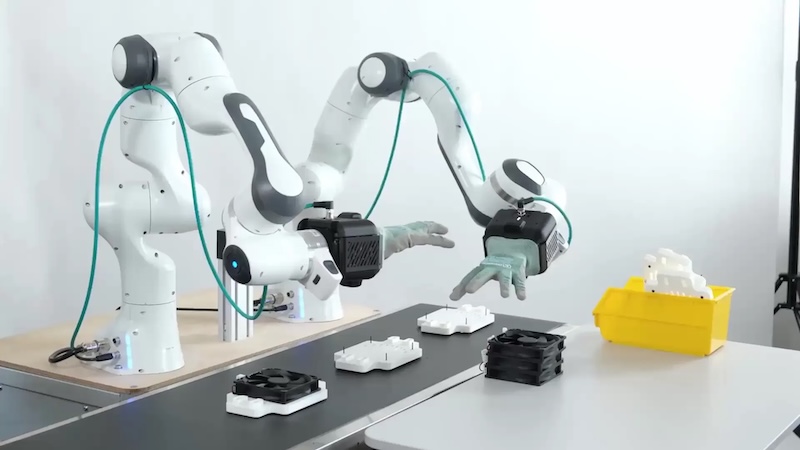
mimic Robotics Launches Comprehensive Platform for Advanced Dexterous Robot Manipulation
mimic Robotics has unveiled a new robotic hand, the mimic hand M1, along with the mimic wearable U1 exoskeleton and a proprietary software platform. This integrated system aims to enhance general-purpose dexterous manipulation in industrial robots by addressing the challenge of collecting high-quality training data for AI models that perform human-like tasks. The significance of this launch lies in mimic Robotics' approach to design, which focuses on human hand morphology rather than traditional two-finger grippers. The mimic hand M1 features 15 actuated degrees of freedom and is capable of handling payloads over 25 kg, while the mimic wearable U1 allows human operators to demonstrate tasks in real-time, improving data collection for AI training. Looking ahead, the company’s innovative middleware and teleoperation software are expected to enhance robot control and AI inference speed. No further timeline was disclosed at the time of publication.
Components Computing News ai automation dexterous manipulation
Inteq's Jon Roberts Discusses Strategic Shift in Warehouse Automation Investment
Warehouse automation is evolving from a mere operational efficiency tool to a strategic priority for organizations, driven by ongoing labor shortages and rising fulfillment expectations. Inteq, a UK-based warehouse automation specialist, emphasizes the importance of integrating robotics and software to create flexible, hardware-agnostic solutions that adapt to changing operational needs. Jon Roberts, sales director at Inteq, highlights that software, particularly Warehouse Execution Systems, is now the critical component of successful automation projects. These systems serve as the central hub connecting robotics, equipment, and personnel, enabling more efficient operations. The shift towards software-first strategies reflects a broader trend where businesses recognize the risks of inaction in the face of increasing competition and complexity in supply chains. Looking ahead, companies investing in integrated automation platforms are likely to gain a competitive edge in logistics and fulfillment. The conversation also touches on the growing role of AI in predictive operations and the transition of autonomous mobile robots into essential warehouse infrastructure, supported by innovative commercial models like Robotics-as-a-Service. No further timeline was disclosed at the time of publication.
Features Logistics Supply chain Warehouse robots amrs artificial intelligence
Panasonic Connect's Scott Zerkle Discusses AI's Role in Smart Manufacturing Transformation
Panasonic Connect is at the forefront of transforming manufacturing systems as electronics become smaller and more complex. The company offers smart manufacturing solutions that integrate surface-mount technology (SMT), robotics, AI analytics, and connected factory platforms. Through its Gemba Process Innovation strategy, Panasonic Connect aims to enhance productivity and operational resilience in factories. The increasing complexity of electronics, particularly in vehicles and industrial systems, is reshaping production line design and operations. Scott Zerkle, associate director of technical operations at Panasonic Connect North America, emphasizes that AI's primary value lies in supporting factory workers through predictive maintenance and defect detection, rather than replacing them. He highlights the need for manufacturers to connect data across various production elements to foster continuous improvement. Looking ahead, Zerkle predicts that the next significant advancement in smart manufacturing will involve integrating AI tools with data from machines and materials. This integration will enable factories to learn from their production history, ultimately enhancing efficiency and adaptability in high-mix production environments. No further timeline was disclosed at the time of publication.
Communications Computing Digital Automation Features Manufacturing ai
Aetina Expands Nvidia Jetson Support with T3000 and T2000 AI Modules
Aetina, a specialist in edge AI computing, is set to enhance its offerings by adding support for the newly unveiled Nvidia Jetson T3000 and T2000 modules. These modules are designed for robotics and industrial edge AI applications, and Aetina plans to integrate them into its DeviceEdge AIE-KT and AIE-PT systems, providing scalable and efficient AI computing solutions. This expansion is significant as it allows Aetina to leverage Nvidia's advanced AI capabilities, including the ability to run generative AI models with low latency, which is crucial for applications like humanoid robots. The Nvidia Jetson T3000 module boasts up to 865 FP4 TFLOPS, while the T2000 offers up to 400 FP4 TFLOPS, catering to a range of robotics applications from visual AI agents to autonomous mobile robots. Looking ahead, Aetina is among the first partners to support these new modules, with Nvidia expecting them to be available in the first quarter of 2027. The company plans to provide further details on system specifications and developer support as the launch date approaches, making it a key player in the evolving landscape of AI-driven robotics solutions.
Computing Industry Aetina automation Autonomous robots DeviceEdge AIE-KT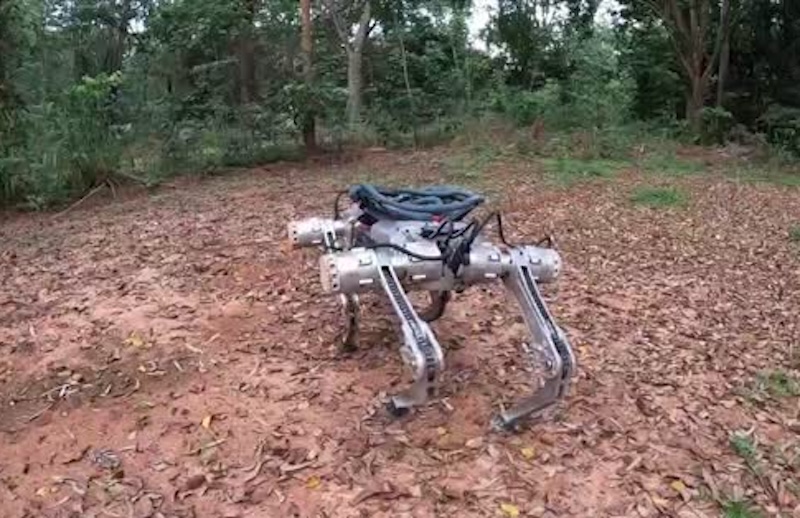
Strider Robotics Unveils 40 kg Payload Quadruped Robot Amid Commercial Deployments
Strider Robotics, an Indian startup, has successfully demonstrated a quadruped robot capable of carrying a 40 kg payload across challenging terrains. This marks a significant step as the Bengaluru-based company transitions from prototype development to commercial deployment, with field pilots currently underway with a major oil and gas company and an automotive manufacturer. The importance of this development lies in Strider's focus on enhancing India's domestic robotics manufacturing capabilities, as over 80 percent of the robot's components are sourced locally. Quadruped robots are gaining traction in industries where traditional wheeled vehicles face limitations, such as energy, mining, and infrastructure inspection, due to their ability to navigate uneven surfaces and carry equipment. Looking ahead, Strider Robotics aims to solidify India's position as a key player in the development of intelligent legged robotic systems for industrial and defense applications. No further timeline was disclosed at the time of publication.
Robotics Robotics and Automation Robotics and Automation News Robotics News AI software artificial intelligence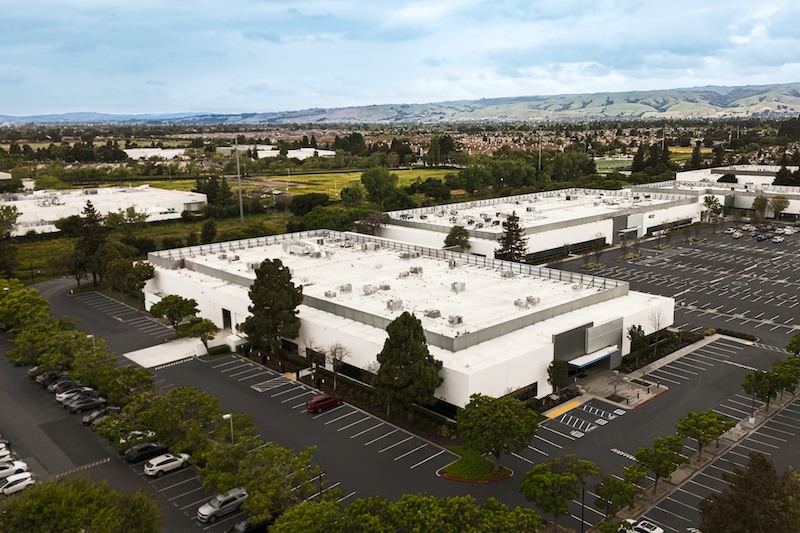
Agility Robotics Launches New Facility in Fremont to Enhance Physical AI Development
Agility Robotics has inaugurated a new facility in Fremont, California, aimed at accelerating advancements in physical AI that enhance customer operations. This 60,000-square-foot site will serve as a hub for software development and AI capabilities, focusing on training and testing technologies that enable the humanoid robot, Digit, to acquire new skills and perform complex tasks in various environments. The establishment of this facility is significant as it positions Agility Robotics in the heart of Silicon Valley, a region known for its AI talent and innovation. The company plans to employ nearly 200 staff members, including experts in hardware engineering and AI/ML software, to drive the development of next-generation AI capabilities that will enhance Digit's safety and productivity in enterprise settings. Looking ahead, Agility Robotics has secured over $300 million in multi-year orders for Digit v5 and has a growing pipeline of more than 30 customers. The Fremont facility is crucial for meeting the increasing demand for humanoid robots in warehouses and manufacturing, as it aims to deliver ongoing safety and productivity improvements in collaboration with human workers. No further timeline was disclosed at the time of publication.
Humanoids Infrastructure News agility robotics ai artificial intelligence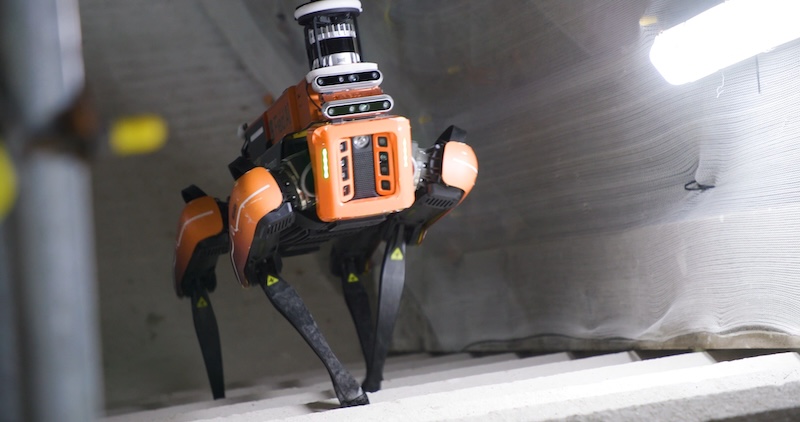
McLaren Construction Partners with FieldAI to Deploy Autonomous Robots Across UK Sites
McLaren Construction has formed a partnership with FieldAI to implement autonomous quadruped robots at its construction sites in the UK. These robots will initially be used for capturing 360° site imagery, generating point cloud data, and assisting with progress verification, safety compliance, and quality assurance. The capabilities of these robots will expand over time, enhancing their utility on-site. This partnership is significant as it marks FieldAI's entry into the UK market and builds upon its existing deployments across Europe, Asia, and North America. The use of AI-enabled deviation analysis will facilitate quicker identification of quality issues, ensuring better installation practices and reducing rework. McLaren aims to enhance project monitoring and compliance through this innovative technology. Looking ahead, McLaren Construction anticipates that the collaboration will yield valuable insights for broader robotic applications within the company. The deployment of FieldAI's Field Foundation Models will enable robots to adapt to complex environments without relying on pre-existing maps, thus enhancing operational efficiency. No further timeline was disclosed at the time of publication.
Construction News artificial intelligence Autonomous robots autonomous systems construction automation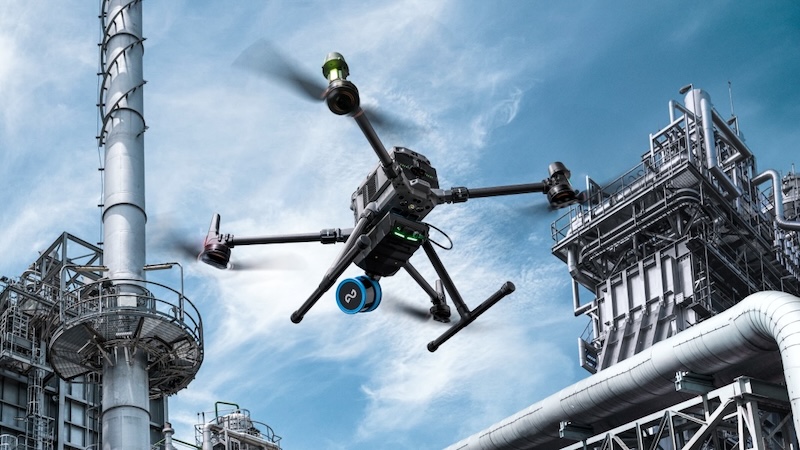
Emesent Raises $17 Million to Enhance Cortex AI and Aura Cloud Software Development
Emesent, an autonomous mapping and robotics company, has secured $17 million in funding to advance its Cortex AI autonomy platform and expand its Aura cloud software. This funding includes a $7 million venture debt facility from the National Reconstruction Fund Corporation and a $10 million equity round supported by various investors. The investment is significant as it will enable Emesent to scale its manufacturing operations in Wacol, Queensland, Australia, and enhance its capabilities in sectors such as mining, defense, and architecture, engineering, and construction. CEO Charles Miller emphasized the importance of this funding in meeting the demands of clients operating in challenging environments. Looking ahead, Emesent plans to leverage this capital to deepen its presence in critical sectors and further develop its AI and autonomy technologies. No further timeline was disclosed at the time of publication.
Financials & Investments News AEC artificial intelligence aura Australian robotics
Understanding the Deadly Risks of Left-Turn Crashes for Bicycle Riders
Left-turn crashes pose significant risks to bicycle riders due to the physics involved in such collisions. When a driver turns across an oncoming lane, they must quickly estimate various factors, and a misjudgment can leave little room for a cyclist. The resulting impact often leads to severe injuries, as bicycles lack protective features found in larger vehicles. These accidents frequently result in catastrophic injuries within seconds, as riders are exposed to direct force on vulnerable body parts. In Arkansas, for instance, evidence such as lane position and driver behavior is crucial for understanding the circumstances surrounding these crashes. The tendency of drivers to prioritize larger vehicles can lead to dangerous miscalculations during left turns, increasing the likelihood of collisions with cyclists. As the speed of a bicycle can exceed 50 feet per second, the window for avoiding a crash is minimal. Factors like road conditions can further complicate braking distances, making it essential for riders to be aware of their surroundings. No further timeline was disclosed at the time of publication.
Business Engineering accident prevention defensive riding driver awareness intersection safety
1X Introduces Advanced 25-Degree-of-Freedom Hands for NEO Humanoid Robot
1X has launched a new tendon-driven robotic hand for its NEO humanoid platform, featuring 25 degrees of freedom. This design enhances dexterity, strength, and tactile sensing, enabling advanced AI-driven manipulation capabilities. The introduction of these hands aims to eliminate the 'hardware ceiling' that has previously restricted humanoid robots, allowing for more human-like manipulation. The hands can perform various tasks, including assembling LEGO models and using tools, showcasing their versatility and advanced functionality. Looking ahead, 1X has established a dedicated production line and plans to manufacture up to 10,000 units this year, which will facilitate broader deployment of the NEO humanoid platform. No further timeline was disclosed at the time of publication.
Humanoids News 1x artificial intelligence automation embodied ai
Real-Time Supply Chains Transform Industrial Real Estate and Inventory Management
Recent advancements in predictive analytics, robotics, and data-driven logistics are reshaping industrial real estate by reducing reliance on large inventories. Traditionally, warehouses were designed to manage uncertainty through storage, but the shift towards real-time coordination is changing this paradigm. As supply chains become more connected and visibility improves, the need for extensive inventory diminishes, leading to a redesign of facilities focused on efficient operations. This transformation is significant as it alters the fundamental structure of industrial real estate, moving away from storage-heavy models to those optimized for continuous movement. Just as the introduction of standardized shipping containers revolutionized logistics, the new design principles for automation and throughput will set long-lasting standards for future infrastructure. The choice of facilities that prioritize flow over storage will influence the development of buildings, vehicles, and logistics networks for years to come. Looking ahead, the role of intermediate facilities is evolving from inventory storage to dynamic transfer points, facilitating the movement of goods between transportation modes. As data accessibility increases and transportation systems become more coordinated, the industry must adapt to these changes. No further timeline was disclosed at the time of publication.
Features Logistics Supply chain automation autonomous logistics digital twins
AI Agents Revolutionize Service Layer Automation Beyond Traditional Factory Settings
Industrial automation has significantly changed physical production, yet the service layer remains largely manual. Maintenance requests still require human coordination, consuming valuable operational time. AI agents are now emerging to automate this service layer, handling unstructured requests and integrating with various systems to streamline operations. This shift is crucial as it allows organizations to redirect skilled labor from administrative tasks to more strategic work. By automating the intake, triage, and coordination processes, AI agents enhance efficiency and reduce the burden on human operators. The ability to manage requests end-to-end marks a significant advancement in operational capabilities. Looking ahead, the continued development of AI agents in the service layer will be essential for organizations aiming to improve productivity and responsiveness. As these technologies evolve, they promise to further integrate with existing systems and transform how service operations are managed. No further timeline was disclosed at the time of publication.
Automation Computing ai agents artificial intelligence automation chatbots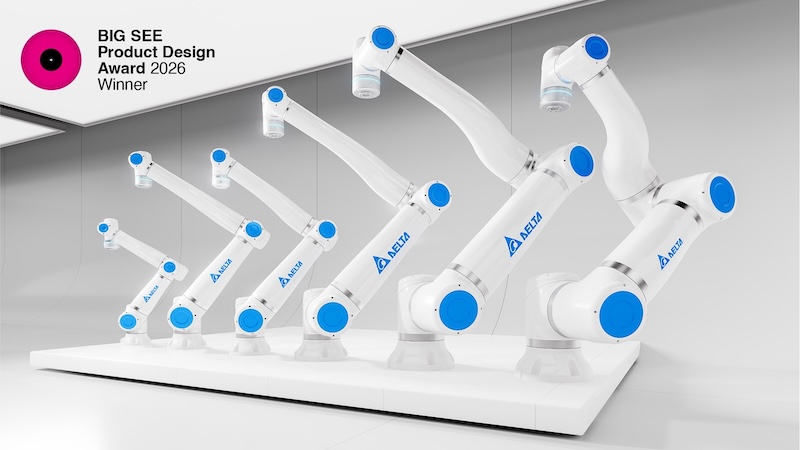
Delta Electronics' D-Bot Collaborative Robots Win BIG SEE Product Design Award 2026
Delta Electronics has received the prestigious BIG SEE Product Design Award 2026 for its Delta D-Bot series of collaborative robots. This award highlights exceptional achievements in product design and industrial innovation, showcasing Delta's commitment to sustainability and creativity in technology. The recognition is significant as it underscores Delta's strategy of investing over eight percent of its annual revenue in research and development, particularly in design and innovation. Michael Mayer-Rosa, senior director at Delta, emphasized that the award reflects the high standards of their team in merging industrial robotics with practical and efficient design, catering to diverse customer needs. Looking ahead, Delta's D-Bot series, launched in spring 2024, features six flexible models with advanced safety technologies and compatibility with various industrial protocols. No further timeline was disclosed at the time of publication.
Design Industrial robots autonomous mobile robots BIG SEE Product Design Award cobots collaborative robots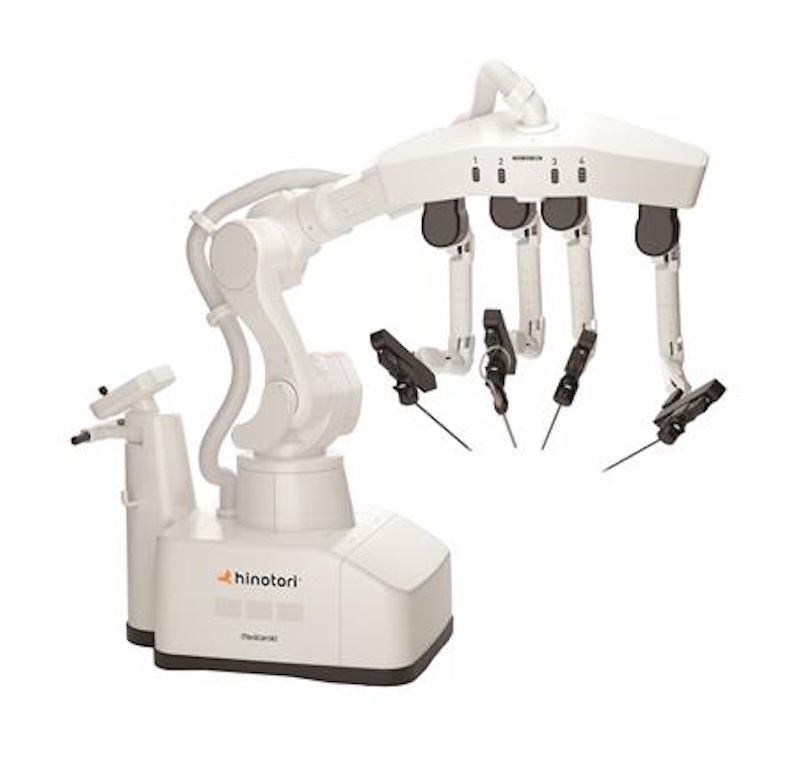
Medicaroid Achieves CE Marking for hinotori Surgical Robot System in Europe
Medicaroid has obtained CE marking for its hinotori Surgical Robot System under the EU's Medical Device Regulation, allowing it to market the system across EU member states and select non-EU countries. This approval is a crucial part of Medicaroid's strategy to expand internationally beyond Japan and the Asia-Pacific region. The hinotori Surgical Robot System was initially approved for manufacture and sale in Japan in 2020 and has since gained regulatory approvals in Singapore, Malaysia, and Vietnam. The recent CE marking enables Medicaroid to enter the European, Middle Eastern, and African markets, which is vital for the company's growth and the global adoption of medical robotics. Looking ahead, Medicaroid aims to leverage its new certification to enhance its presence in the EMEA region. The company established Medicaroid Europe GmbH in Germany in 2020 to facilitate its commercial operations. No further timeline was disclosed at the time of publication.
Health News automation CE marking europe healthcare robotics
Monumental Secures $32 Million to Enhance Autonomous Construction Robot Deployment
Monumental, a tech company based in Amsterdam, has successfully raised $32 million in a Series B funding round led by Khosla Ventures, with participation from existing investors Plural and Hummingbird. This funding will enable Monumental to expand its team of engineers, increase the deployment of its autonomous construction robots across Europe and the UK, and facilitate its entry into the US market. The significance of this funding lies in addressing the labor shortage in the UK construction sector, where the Home Builders Federation estimates a need for 20,000 additional bricklayers to meet the government’s target of 1.5 million new homes. Monumental's fleet of over 150 robots is already operational as autonomous subcontractors, demonstrating the potential to alleviate this gap in labor and enhance construction efficiency. Looking ahead, Monumental aims to broaden the range of construction tasks its robots can perform while deepening its presence in the UK and expanding into the US. No further timeline was disclosed at the time of publication.
Construction News Technology AI in construction Atrium AI platform automation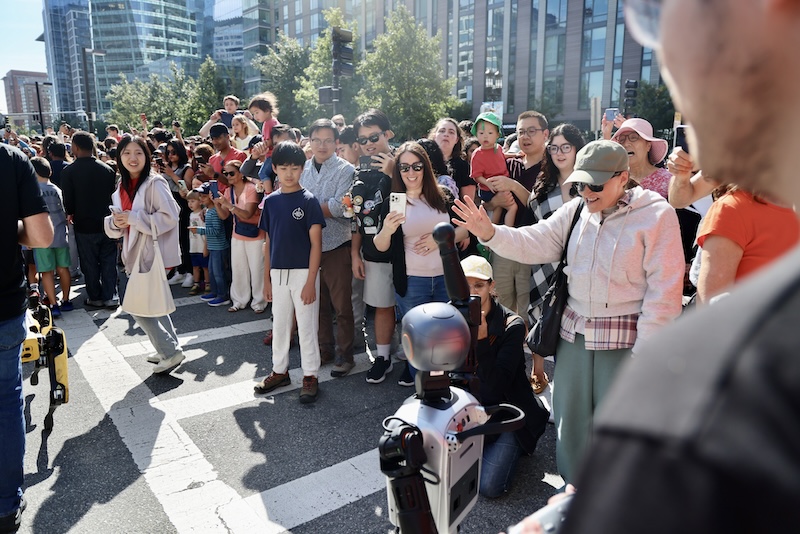
MassRobotics Launches Sponsorships for RoboBoston 2026 and AI Career Fair Announcement
MassRobotics has revealed plans for RoboBoston 2026, its ninth annual Robot Block Party, scheduled for September 26, alongside a Robotics & AI Technical Career Fair on September 25. The event will take place at Boston’s Seaport and is expected to host over 50 robotics companies, universities, and student teams, showcasing interactive exhibits and demonstrations. The significance of RoboBoston lies in its role in highlighting the region’s robotics ecosystem, uniting industry, academia, and students. Attendees will experience a variety of activities, including a Sidewalk Robot Parade and a ribbon-cutting ceremony, while exhibitors will present new technologies and research projects. MassRobotics has opened sponsorship opportunities, inviting organizations to support the event and promote STEM education and robotics innovation. Looking ahead, the Robotics & AI Technical Career Fair on September 25 aims to connect employers with technical talent in the robotics and AI sectors. Previous events have drawn over 800 job seekers, making it a valuable opportunity for both companies and candidates. No further timeline was disclosed at the time of publication.
Business Features ai careers artificial intelligence automation boston
Exotec's Managing Director Discusses Key Warehouse Automation Trends for 2026
Thomas Genestar, managing director of western Europe at Exotec, emphasizes the necessity of automation and AI in logistics due to the e-commerce boom. He identifies resilience, reliability, and operational continuity as critical pillars influencing supply chain strategies for 2026 and beyond. Genestar highlights the growing adoption of Goods-to-Person (G2P) solutions, which enhance warehouse efficiency by delivering items directly to operators. This innovation reduces unnecessary movement, increases task consistency, and minimizes physical strain on workers, addressing the significant costs associated with non-automated warehouses. Additionally, he notes the shift from traditional forecasting to AI/ML models that allow for dynamic demand sensing, enabling organizations to better align production with demand. This evolution supports more sustainable and resilient supply chain practices, including improved reverse logistics inspired by e-commerce return models. No further timeline was disclosed at the time of publication.
Features Logistics ai automation circular logistics demand sensing
Robbyant Launches Upgraded LingBot-VLA 2.0 AI Model for Advanced Robotics
Robbyant, a company specializing in embodied AI under Ant Group, has unveiled the upgraded LingBot-VLA 2.0 model. This next-generation vision-language-action model enhances morphological generalization, degrees of freedom support, and deployment efficiency, addressing a critical gap in the embodied AI industry. The significance of LingBot-VLA 2.0 lies in its extensive pre-training on 60,000 hours of real-world data, which includes interactions from 20 different robot morphologies. This upgrade allows for improved whole-body control and dual-arm manipulation, achieving leading scores on benchmarks, thus demonstrating its effectiveness in industrial-scale deployment. Looking ahead, the introduction of a version optimized for efficient post-training and a threefold increase in inference efficiency positions LingBot-VLA 2.0 as a strong contender for real-time commercial applications. No further timeline was disclosed at the time of publication.
Computing Robot simulation artificial intelligence dual-arm robots embodied ai humanoid robots
Noetra Initiates Development of Japan's Multimodal AI Foundation Model for Robotics
Noetra, in collaboration with key partners including Sony, SoftBank, NEC, and Honda Motor, has launched extensive R&D for a multimodal foundation model aimed at enhancing AI-enabled robotics in Japan. This initiative is part of a broader effort to develop sovereign AI technologies within the country, supported by investments from 44 companies across various sectors, primarily manufacturing. The significance of this development lies in its potential to position Japan as a leader in physical AI. By creating a robust multimodal foundation model, Noetra aims to improve industrial competitiveness and address societal challenges through advanced AI capabilities, including natural language processing and multimodal data understanding. Looking ahead, Noetra plans to construct AI computing infrastructure with Nvidia's advanced GPUs, with operations expected to commence in June 2028. The phased development will culminate in a comprehensive omni-modal foundation model by fiscal 2028, ultimately striving for a “Real-world Native AI” by fiscal 2030, which will be capable of understanding physical properties in real-world applications.
Artificial Intelligence News Robot simulation ai agents AI infrastructure artificial intelligence
Highline Commerce Expands in Industry City, Utilizing Ultra Robotics for E-commerce Fulfillment
Highline Commerce, a third-party logistics provider, has expanded its operations to 60,000 square feet in Industry City, Brooklyn. This growth allows the company to fulfill up to 30 percent of its clients' orders using humanoid robots from Ultra Robotics, another tenant in the area. With e-commerce booming in New York City, Highline Commerce supports over 200 brands by providing essential distribution services. The significance of this expansion lies in the strategic positioning of Industry City as a hub for logistics and retail technology. New York has become a critical location for moving retail goods, with Amazon operating over 40 facilities in the region. Highline Commerce's growth reflects a shift in the narrative of New York as a manufacturing and fulfillment center, moving beyond its historical role as merely a sales market. Looking ahead, Highline Commerce's innovative use of humanoid robots in its fulfillment process marks a notable trend in the logistics sector. As the company continues to scale, it will be important to monitor how this integration of robotics influences efficiency and competitiveness in the rapidly evolving e-commerce landscape. No further timeline was disclosed at the time of publication.
Business Industry 3pl automation Brooklyn e-commerce
AI Agent Autonomy's Impact on Robotics Safety and Control Mechanisms
Robotic systems are increasingly capable of perceiving, choosing, and altering their behavior autonomously, without human intervention. This shift towards autonomy enhances adaptability in various environments such as warehouses and labs, but it also raises significant concerns regarding safety and control. Traditional safety measures, including physical barriers and emergency buttons, may no longer suffice as robots undertake more complex tasks. The implications of this autonomy are profound, as organizations must now assess the quality of decisions made by autonomous systems, the reliability of their software, and the protocols for monitoring their actions. Unlike conventional robots that follow fixed commands, autonomous robots can evaluate multiple scenarios and make decisions based on real-time conditions, which complicates safety protocols. Ensuring that these systems operate safely requires a reevaluation of existing safety standards that focus on speed and force. Looking ahead, it is crucial for operators to have adequate information to respond effectively to unexpected robot behavior. Autonomous robots utilize various sensors to interpret their environment, but factors like dust and poor lighting can affect input quality. Organizations should prioritize the definition and testing of triggers for human intervention to maintain a balance between autonomy and safety. No further timeline was disclosed at the time of publication.
AI agents Infrastructure AI agent autonomy ai agents ai safety automation
The Rise of Enterprise AI Agents: Is Your Infrastructure Prepared for the Shift?
Enterprise AI agents are transitioning from laboratory environments to corporate systems, enabling them to track workflows, generate reports, and make decisions across various applications. This shift enhances operational speed and service quality but also places significant demands on existing technical infrastructures. The importance of robust AI agent infrastructure cannot be overstated, as it must accommodate fluctuating workloads, ensure secure access, and maintain data integrity. Without a solid foundation, AI agents may excel in pilot programs but struggle with reliability when integrated into live systems with larger datasets and user bases. Looking ahead, organizations must prioritize capacity planning guided by reporting and internal deadlines. As AI agents require organized and accurate data access to function effectively, businesses must establish clear rules for data retrieval and management. No further timeline was disclosed at the time of publication.
AI agents Infrastructure agentic ai ai agents AI infrastructure API integration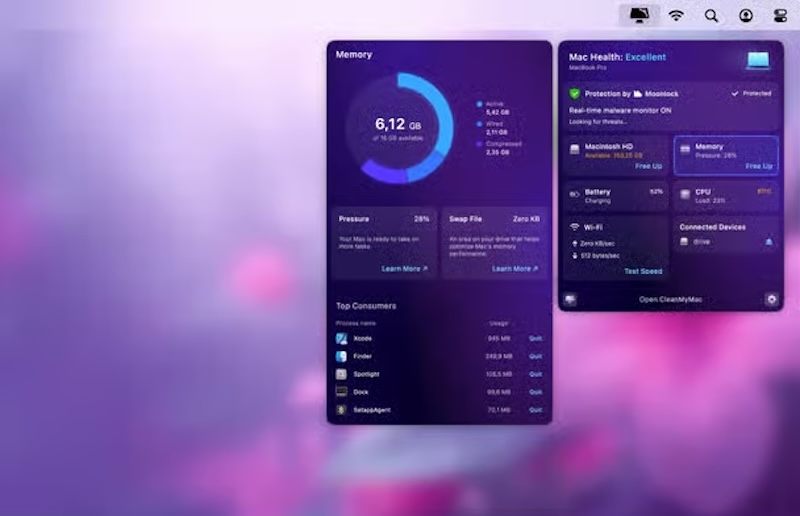
Benchmarking Your Development System for Effective Robotics Simulations
The development of robotics begins long before physical assembly, relying heavily on simulations to validate designs and refine algorithms. These simulations demand significant computational resources, making system benchmarking crucial to identify hardware limitations early in the process. By measuring workstation performance under demanding workloads, engineers can establish a performance baseline that aids in spotting potential bottlenecks. Understanding how different hardware components affect simulation performance is essential for robotics development. Whether using macOS, Windows, or Linux, benchmarking helps determine if slowdowns are due to software changes or hardware limitations. Key components such as the processor, graphics card, memory, and storage play varying roles in performance, and the weakest link can dictate the overall experience. As robotics projects grow in complexity, the need for robust hardware becomes increasingly important. Engineers should focus on comprehensive benchmarking to ensure their systems can handle the demands of their simulations. No further timeline was disclosed at the time of publication.
Components Robot simulation ABB RobotStudio automation cpu delmia
RevOps for Robotics OEMs Integrates AI Agents as New GTM Operating System
RevOps for robotics OEMs is evolving to unify sales, marketing, and customer success teams under a strategic framework. This integration aims to enhance customer attraction and retention, increase average order value (AOV), and maximize customer lifetime value (CLV), all while optimizing costs. Efficiency is paramount, making tech stack management a critical function of RevOps. The introduction of Go-to-Market (GTM) AI agents is transforming the tech stack, enabling improved predictive forecasting, market data analysis, and buyer intent tracking. These AI agents streamline lead routing, scheduling, and personalized outreach, allowing RevOps teams to focus on innovative strategies to drive revenue growth. The use of GTM AI APIs facilitates the development of core tech stack layers, enhancing the ability to analyze prospect interactions and identify effective sales tactics. As AI agents are integrated into intent layers, they monitor high buying intent signals and enrich prospect profiles by gathering data from various sources. This data is visualized as contact graphs, enabling targeted outreach. A practical example in the robotics OEM sector illustrates how these AI agents enhance operational efficiency and strategic decision-making, ultimately contributing to revenue preservation and growth.
AI agents Technology agentic ai ai agents artificial intelligence automation
Custom Application Development Services Enhance Customer Portal Solutions
The evolution of software development for customer portals has transitioned from basic ticket dashboards to sophisticated omnichannel hubs. These modern portals utilize API-first backends to deliver seamless content across various platforms, including web and mobile applications, addressing the specific needs of regulated industries. As off-the-shelf portal solutions often fall short for sectors like healthcare and finance, the demand for custom application development services is rising. Companies are increasingly seeking tailored solutions to overcome limitations such as rigid data models and licensing constraints, which hinder their ability to support complex workflows and customer journeys. Looking ahead, organizations must focus on defining their portal vision and selecting the right development partner to ensure a successful implementation. The article emphasizes the importance of planning for cross-platform development and long-term support to align with business goals, particularly in industries that require secure and user-friendly experiences.
Computing Software API integration business software cloud computing cloud engineering
Tech Professionals Leverage Connectivity Tools for Global Collaboration
Tech professionals are increasingly distributed across various countries and time zones, with companies employing cybersecurity experts in one location and software developers in another. This trend is facilitated by the internet, which 74% of the global population utilizes, enabling borderless work and collaboration. The rise of remote work and digital collaboration tools has transformed the tech industry, allowing professionals to work from anywhere. Reliable mobile connectivity is essential for these workers, with solutions like the Holafly eSIM providing seamless coverage before arrival in a new country. The eSIM's Always On feature ensures uninterrupted connectivity, crucial for remote presentations and system check-ins. As the demand for specialized talent grows, companies are increasingly hiring based on skills rather than location. This shift has led to a rise in global mobile engineering roles, presenting new opportunities and unique cybersecurity challenges for tech workers operating across borders. No further timeline was disclosed at the time of publication.
Internet Technology cloud computing cloud infrastructure cybersecurity digital nomads
Evaluating Office Relocation Versus Refurbishment for Business Growth
As businesses grow, they often face the decision of whether to relocate to a new office or refurbish their current space. Both options can enhance productivity and employee satisfaction, but they come with distinct advantages and challenges. Factors such as available space, budget, and business objectives play a crucial role in determining the best course of action. Investing in office refurbishment can modernize workspaces without the disruption of moving, allowing for improvements like flexible workspaces, better lighting, and upgraded facilities. These changes can create a more comfortable and professional environment for employees and clients alike. However, it is essential to assess whether the current office is genuinely limiting business operations or if minor adjustments could suffice. Consulting with workplace experts can provide valuable insights into optimizing existing spaces and identifying efficiency opportunities. Staying in the same location allows employees to maintain familiar routines and access to local amenities. However, if refurbishment cannot resolve fundamental issues, relocation may be necessary. No further timeline was disclosed at the time of publication.
Business Infrastructure business operations commercial property employee experience facilities management
How Pick and Pack Fulfillment is Transforming Order Delivery in the Automation Age
The modern supply chain has undergone a significant transformation, with consumers now expecting two-day shipping as a standard. This shift necessitates a complete rethinking of traditional logistics practices, moving away from manual processes to technology-driven solutions. Companies face challenges in managing increased order volumes while maintaining accuracy, highlighting the need for advanced robotics and smart software in logistics. The implementation of intelligent pick and pack fulfillment workflows is crucial for warehouses to enhance efficiency. By analyzing order data in real time, these systems optimize item retrieval and minimize unnecessary movement within the facility. Techniques such as batch picking and zone picking streamline operations, allowing workers to compile orders more quickly, which leads to faster delivery times and improved customer satisfaction. The rise of autonomous mobile robots (AMRs) marks a significant change in warehouse operations. These robots have evolved from being a novelty to a necessity, utilizing advanced navigation technologies to operate safely in dynamic environments. As logistics providers continue to adopt these innovations, the focus will be on further enhancing operational efficiency and meeting the growing demands of consumers.
Automation Logistics Supply chain amrs autonomous mobile robots e-commerce
Addressing the Human Bottleneck in Healthcare Automation: Aligning Physicians with Patient Demand
Hospitals are increasingly adopting automation to enhance care delivery by integrating software for administrative tasks, utilizing robots for logistics, and deploying AI for documentation and scheduling. These advancements aim to reduce waiting times and streamline workflows, allowing clinical teams to focus more on patient care. However, despite these technological improvements, healthcare automation faces a significant limitation: the availability of physicians. Even with optimized back-office operations and improved information flow, the system can falter if the right doctors are not present in necessary specialties and locations, leading to delays in patient care. As automation becomes a standard part of hospital operations, the challenge of matching physician availability with patient demand intensifies. The reliance on robotic process automation (RPA) to alleviate administrative burdens highlights the need for a balanced approach that addresses both technological and human resource constraints in healthcare delivery. No further timeline was disclosed at the time of publication.
Automation Health artificial intelligence automation digital health healthcare automation
The Importance of Nearshore Call Centers in Supporting Robotics and Automation
Robotics and automation are transforming various sectors, including manufacturing, healthcare, and logistics. While these technologies enhance efficiency and reduce costs, they still require human intervention for troubleshooting. Nearshore call centers have emerged as essential support systems, providing real-time assistance for complex technical issues that automated systems cannot resolve. As businesses increasingly adopt automation, the need for effective customer support becomes critical. Nearshore call centers offer a cost-effective solution, delivering high-quality support that enhances customer experience. These centers facilitate smoother communication and faster response times due to their proximity and cultural familiarity, ensuring that customers receive the personalized assistance they need when unexpected issues arise. Looking ahead, companies must balance operational efficiency with customer satisfaction. The role of nearshore call centers will continue to be vital in maintaining service standards, offering multilingual support, and ensuring that customers can easily access help. No further timeline was disclosed at the time of publication.
Business Communications artificial intelligence automation business automation contact centers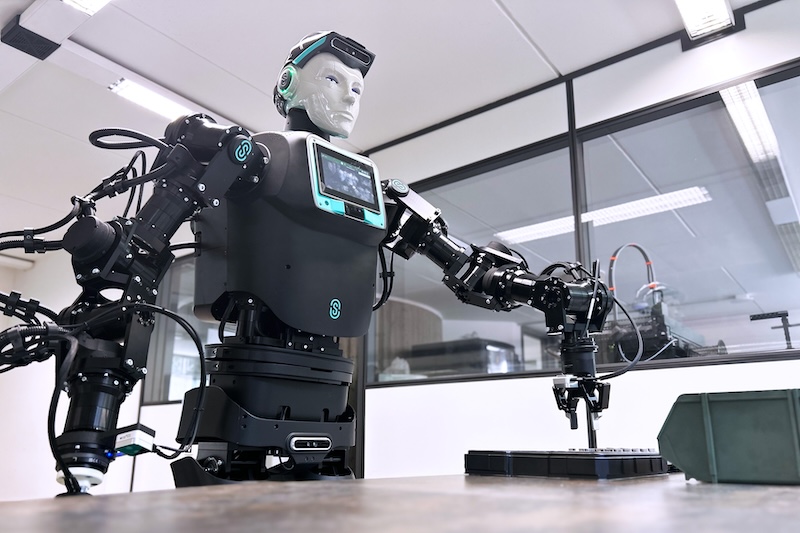
STMicroelectronics Invests in Oversonic Robotics to Enhance Humanoid Robot Development
Oversonic Robotics, an Italian cognitive robotics firm known for RoBee, has announced a strategic investment from STMicroelectronics, Fondazione ENEA Tech Biomedical, and SpotInvest. This investment aims to accelerate Oversonic's industrial, technological, and international growth, particularly in the cognitive humanoid robotics sector. The involvement of STMicroelectronics, a leader in semiconductors, is expected to bolster Oversonic's technological advancements and support its expansion into the U.S. market. The partnership will enhance the development of RoBee, the first certified cognitive humanoid robot designed for complex environments, and facilitate applications in manufacturing and healthcare. Looking ahead, Oversonic plans to focus on expanding its technological platform and applications while strengthening its team and industrial capacity. The company views the U.S. as a key market for its cognitive humanoid robotics, aiming for significant growth in both commercial and industrial sectors. No further timeline was disclosed at the time of publication.
Humanoids News artificial intelligence automation cognitive robotics deep tech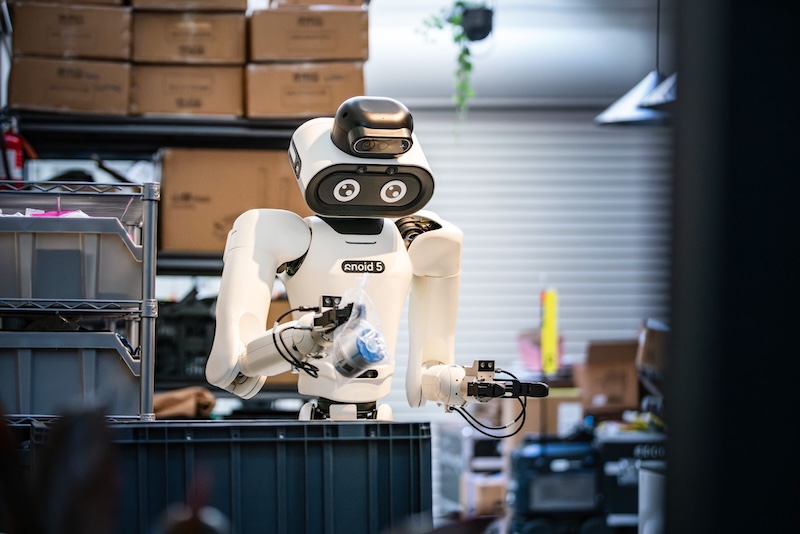
Robot.com Introduces R-noid Humanoid Robot for Challenging Labor Markets
Robot.com has officially launched R-noid, a humanoid robot designed to tackle repetitive and hard-to-fill jobs across various industries. Deployed under a Robot-as-a-Service model, R-noid can achieve autonomous operation within eight to twelve weeks, addressing significant staffing challenges in sectors like healthcare and food services. The introduction of R-noid is crucial as industries face high turnover rates, with quick-service restaurants experiencing over 130 percent staff turnover and hotel operators reporting critical staffing gaps. R-noid aims to alleviate these issues by taking on roles that are difficult to staff, allowing human workers to focus on more skilled tasks. Looking ahead, Robot.com is collaborating with FieldAI to integrate advanced AI capabilities into R-noid, enhancing its operational efficiency in dynamic environments. No further timeline was disclosed at the time of publication.
Humanoids News automation fieldai formic hospitality automation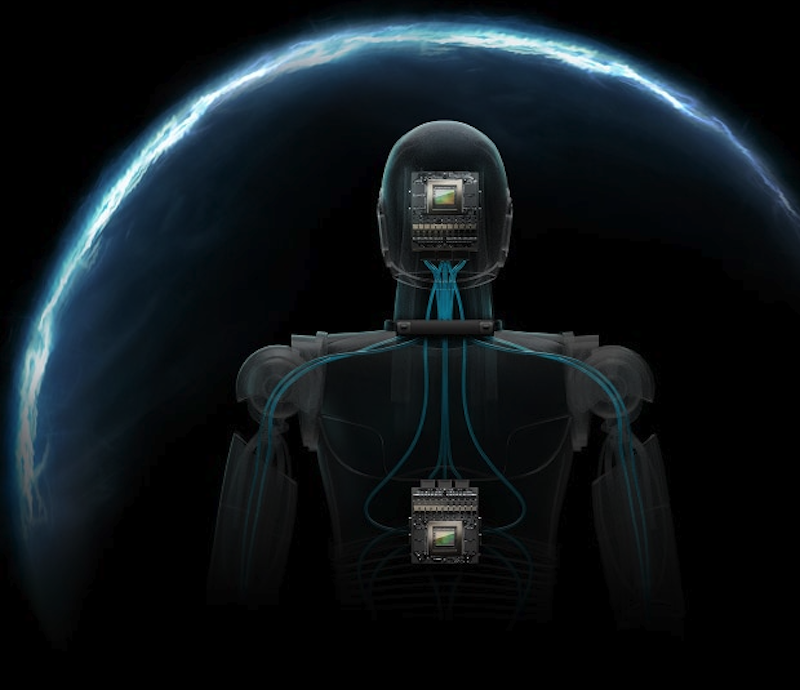
FORT Robotics Enhances AI Safety with Nvidia Halos at Automate Conference
FORT Robotics has joined the Nvidia Halos for Robotics ecosystem to enhance safety for autonomous robots. The company will showcase its agentic safety application, developed using the Nvidia Halos Outside-In Safety Blueprint, at the Automate conference in Chicago. This innovative solution utilizes external infrastructure sensors and visual AI agents to provide real-time, safety-certifiable functional safety, significantly improving operational efficiency in dynamic environments. The collaboration is significant as it addresses the limitations of traditional inside-out functional safety systems, which rely solely on onboard sensors. By integrating Nvidia's IGX Thor and Holoscan Sensor Bridge, FORT's solution allows robots to operate safely alongside human workers in high-efficiency modes. This adaptability is crucial for modern warehouses and factories, where environments are constantly changing, and safety frameworks must evolve to protect workers effectively. Looking ahead, FORT's integration with Nvidia Halos is expected to provide substantial value to customers in warehousing, manufacturing, and other automated sectors. The Outside-In Safety framework aims to prevent safety incidents in mixed human-robot environments, optimizing processes like inventory replenishment and product assembly. No further timeline was disclosed at the time of publication.
Artificial Intelligence Industry ai automation Autonomous robots fort robotics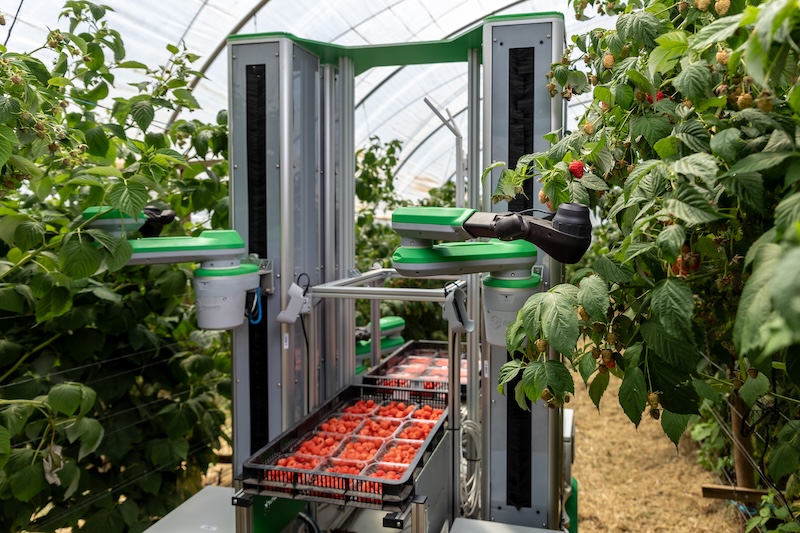
Fieldwork Robotics Receives £2.5 Million Investment for Berry Harvesting Automation
Fieldwork Robotics has secured a £2.5 million investment from SEED Innovations to enhance its selective and modular berry harvesting robots. This funding is part of a Seed+ fundraising initiative announced in April 2026, aimed at addressing labor shortages and rising costs in berry production. The investment will facilitate the transition from technology validation to commercial trials, with production robots already deployed in a two-year program in Norfolk and Stafford. The significance of this investment lies in its potential to alleviate pressing challenges faced by berry growers, including labor shortages and increased harvesting costs. By utilizing autonomous harvesting robots, Fieldwork aims to boost productivity and reduce reliance on seasonal labor, thereby minimizing food waste and stabilizing consumer prices. Jim Mellon, chairman of SEED Innovations, emphasizes the opportunity for robotics and AI to tackle real-world agricultural issues, aligning with Fieldwork's mission to enhance farm efficiency. Looking ahead, Fieldwork Robotics anticipates operating multi-robot fleets on farms by 2027, contingent on the success of ongoing trials. Additionally, the company plans to expand its operations internationally, with trials set to take place in Australia as part of its global growth strategy. No further timeline was disclosed at the time of publication.
Agriculture Financials & Investments agri robotics agricultural robotics agriculture automation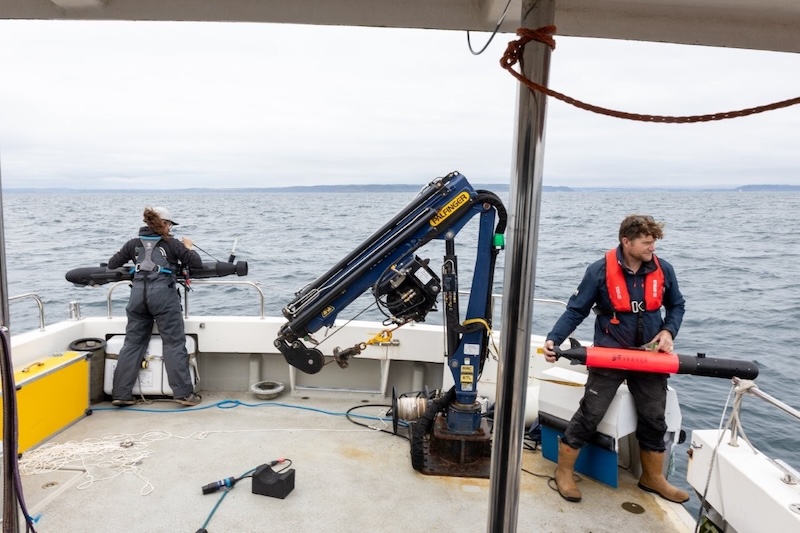
University of Plymouth Launches £1.2 Million Multi-Robot Demonstration at Smart Sound Connect
The University of Plymouth has successfully completed a significant underwater trials demonstration at the Smart Sound Connect Subsurface (SSCS) project, showcasing multi-marine robotic platforms. This event featured collaboration among ACUA Ocean, ecoSUB Robotics, Seaber, and Sonardyne, highlighting the capabilities of the £1.2 million initiative aimed at enhancing marine autonomy and ocean sensing in the UK. The demonstration attracted stakeholders from various sectors, emphasizing the project's role in advancing technology in marine environments. The SSCS project enhances the existing Smart Sound Plymouth testbed by integrating a seabed node array for precise positioning and communication, alongside intelligent sensors. This infrastructure supports advanced testing capabilities for autonomous vehicles, reinforcing Plymouth's status as a leading hub for marine autonomy. The successful demonstration underscores the importance of collaborative efforts in developing ocean observing technologies that can provide actionable intelligence for climate resilience and preparedness. Looking ahead, the SSCS project aims to further develop ocean observing technologies that can transform prototypes into reliable data streams. No further timeline was disclosed at the time of publication, but the ongoing collaboration is expected to drive innovation and strengthen industry partnerships in marine autonomy and sensing technologies.
Marine Research ACUA Ocean automation autonomous underwater vehicles auv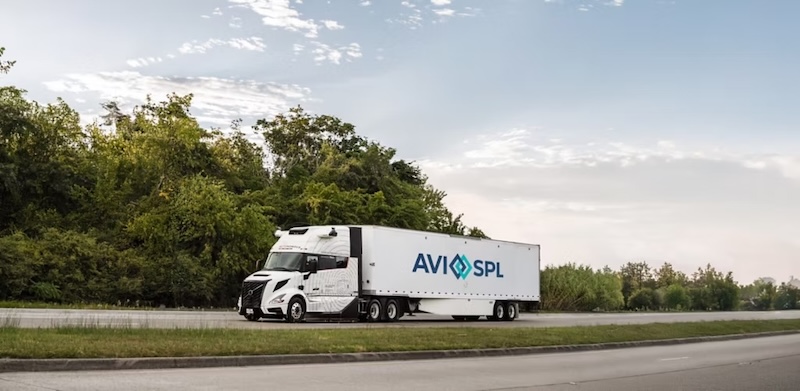
AVI-SPL and Volvo Autonomous Solutions Launch Freight Operations Between Dallas and Houston
AVI-SPL, in partnership with Volvo Autonomous Solutions, has initiated commercial autonomous freight operations between Dallas and Houston using the Volvo VNL Autonomous vehicle powered by the Aurora Driver. This operation will facilitate the transport of audio-visual electronics, including new products and end-of-life equipment for recycling, enhancing AVI-SPL's Electronic Recycling Program. This collaboration is significant as it addresses the increasing freight demand in the U.S. amid a shortage of qualified drivers and delivery capacity constraints. By leveraging autonomous transport technologies, AVI-SPL aims to improve logistics operations, enhance service delivery, and meet the needs of time-sensitive freight, thereby reinforcing its position as a leader in the industry. Looking ahead, this partnership represents a pivotal advancement in the application of autonomous trucking in logistics. As freight capacity demand escalates, the focus will be on how these technologies can enhance supply chain efficiency, improve asset utilization, and ensure cargo security. No further timeline was disclosed at the time of publication.
Autonomous Vehicles News Technology aurora driver autonomous freight autonomous trucking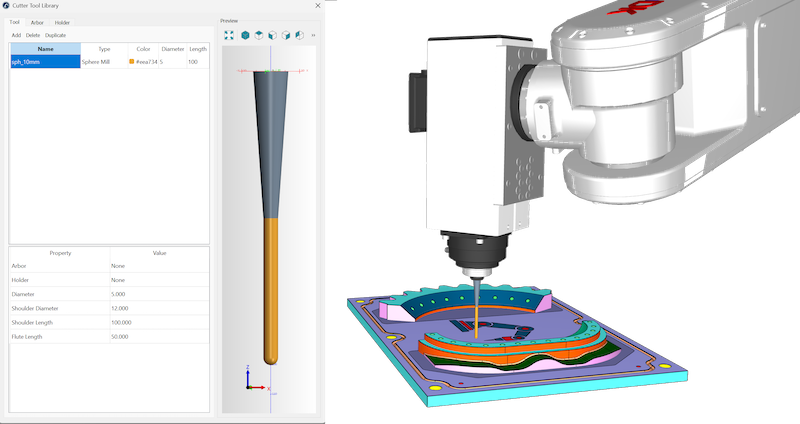
RoboDK Launches CAM Software to Reduce Robotic Machining Deployment Time by 40%
RoboDK has introduced its new CAM software, enabling robotic machining programs to be generated directly from CAD files. This innovation, showcased at the Automate Show, promises to reduce deployment time by up to 40%, allowing users to create toolpaths and collision-free motions without manual coding. The software aims to simplify the robotic machining process for manufacturers and integrators, even those lacking programming expertise. The significance of RoboDK CAM lies in its potential to overcome the traditional complexities associated with robot programming, which have hindered the adoption of robotic machining. By automating the generation of machining programs from CAD designs, RoboDK CAM facilitates rapid integration into production environments, thereby reducing costs and enhancing efficiency. CEO Albert Nubiola emphasized that this approach transforms CAD into the starting point for automation, making deployments faster and more consistent. Looking ahead, RoboDK's recent software update, Version 6.0, enhances performance and simulation capabilities, including support for over 1,400 robot models. The next milestone for RoboDK will be to further expand its software's capabilities and user accessibility. No further timeline was disclosed at the time of publication.
News Robot simulation Software Automate 2026 CAD-to-robot CAM software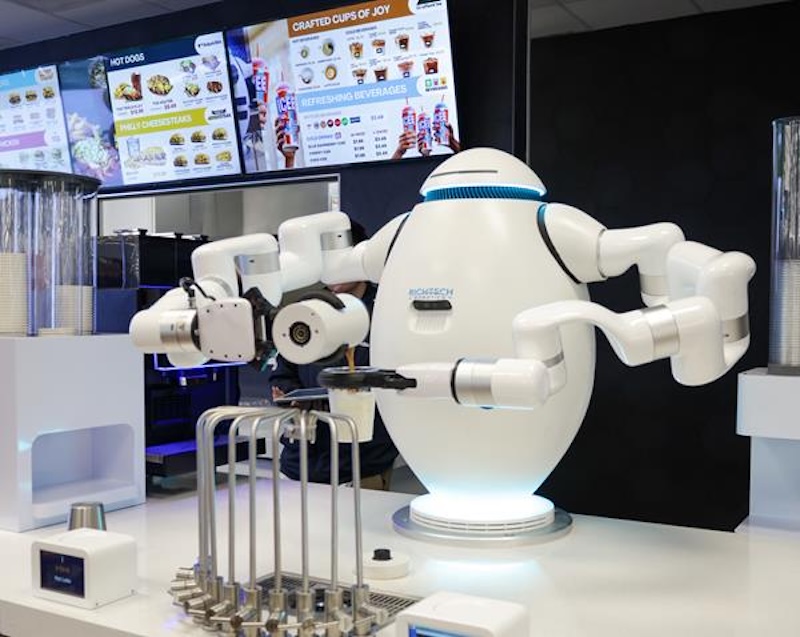
Richtech Robotics Introduces 24/7 Livestream with AI Robot ADAM for Global Interaction
Richtech Robotics, based in Nevada, has launched a 24/7 interactive livestream featuring its AI humanoid robot, ADAM. This initiative allows global audiences to engage with ADAM in real-time, asking questions and observing the robot's responses. The platform utilizes Nvidia Jetson Thor for onboard computing and the Nvidia Isaac open robotics platform, showcasing the capabilities of embodied AI. This livestream initiative is significant as it represents a shift in human-robot interaction, moving beyond traditional pre-recorded content to a dynamic, user-controlled experience. Richtech Robotics aims to demonstrate how AI-powered robots can effectively communicate in real-world settings, enhancing user engagement and showcasing their broader portfolio of automation solutions across various industries, including hospitality and manufacturing. Looking ahead, Richtech Robotics is positioned to lead advancements in intelligent automation and robotics. The company plans to continue evolving the interaction between humans and robots, with no further timeline disclosed for additional features or expansions of the ADAM livestream platform at the time of publication.
Humanoids adam AI-powered robots artificial intelligence automation conversational ai
Cognibotics Secures €6.5 Million EU Funding for HKM1800 Robot Development
Cognibotics, a Swedish robotics firm, has received €6.5 million in funding from the European Innovation Council Accelerator under the Horizon Europe program. This funding comprises a €2.5 million grant and €4 million in equity financing, aimed at advancing the development and industrialization of the HKM1800 robot platform for logistics and manufacturing. The HKM1800 features a hybrid kinematic design that allows for delta-class speed and a workspace ten times larger than traditional robots, while consuming one-third less energy. The significance of this funding lies in its potential to enhance automation in Europe, addressing labor shortages and increasing throughput demands. The HKM1800 is designed to facilitate quick installation and achieve over 2,000 picks per hour within a 10 square meter workspace, effectively breaking the conventional speed/reach trade-off. CEO Fredrik Malmgren emphasized that this funding validates their technology and strategic direction, which focuses on both the robot and the software that supports it. Looking ahead, Cognibotics aims to leverage this funding to bring the HKM1800 to market and further develop its software and automation strategies. The project aligns with the growing need for scalable automation solutions in Europe. No further timeline was disclosed at the time of publication.
Business Financials & Investments News cognibotics EIC Accelerator European Innovation Council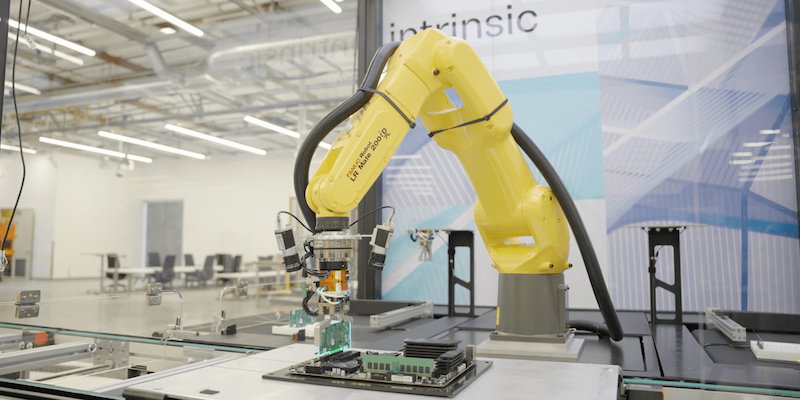
Intrinsic’s vision for physical AI: Building the software-defined factory
For decades, the industrial automation sector has adhered to a consistent model, where production lines have accelerated, robots have gained enhanced capabilities, and software has evolved, yet the fundamental approach has remained unchanged. Automation systems have traditionally been designed for specific tasks, resulting in high costs and lengthy processes for achieving flexibility. However, this conventional model is now facing significant challenges as manufacturers strive to adapt to rapidly changing market demands and consumer preferences. The push for more versatile and efficient automation solutions is prompting a reevaluation of existing practices, signaling a potential shift in the industry towards more adaptable and cost-effective systems. As companies seek to enhance their competitiveness, the evolution of automation technology is becoming increasingly critical in meeting the dynamic needs of the manufacturing landscape.
Artificial Intelligence Factories News ai robotics Automate 2026 electronics assembly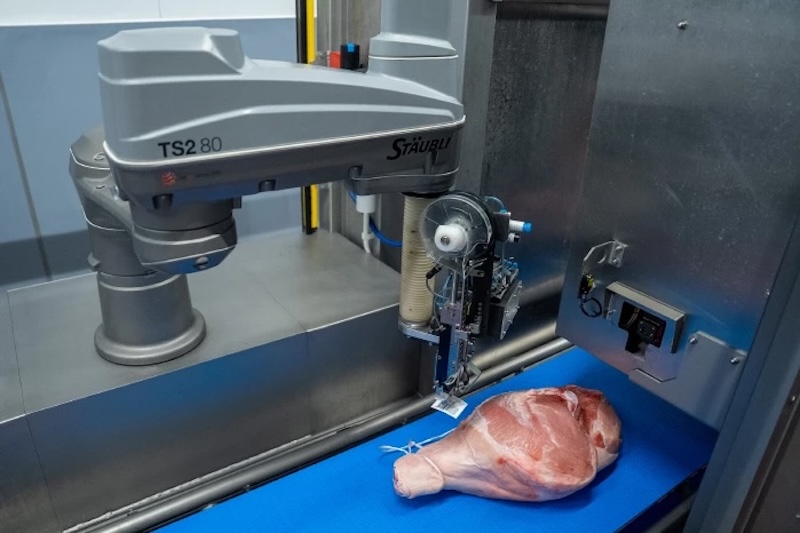
AI-powered robot automates Serrano ham labeling for the first time
A Spanish systems integrator has introduced an innovative AI-based robotic system that revolutionizes the labeling process for Serrano hams, a crucial step in their aging and drying. Previously, this task required significant human labor due to the challenges posed by the presence of bones in the hams, which robots could not detect. The new technology, unveiled recently, enhances efficiency and accuracy in the labeling process, streamlining production in the ham industry. This advancement not only reduces the reliance on manual labor but also ensures that the hams are properly categorized for optimal aging, ultimately benefiting producers and consumers alike.
Manufacturing News ai artificial intelligence food automation Food industry
Siemens collaborates with Databricks and FFT to enhance production data with AI insights.
Siemens has unveiled a new edge-to-cloud integration in collaboration with Databricks, a leading Data and AI company, and its long-time automation partner, FFT Produktionssysteme. This innovative partnership aims to streamline the connection of production data directly to enterprise AI, eliminating the need for complex IoT middleware. By facilitating this direct integration, Siemens and its partners intend to empower industrial customers to transform their production data into actionable insights, thereby enhancing the scalability of industrial AI solutions on a global scale. This initiative underscores the growing importance of data-driven decision-making in the manufacturing sector, enabling companies to leverage advanced analytics for improved operational efficiency and competitiveness.
Artificial Intelligence Automation Industry News artificial intelligence cloud computing
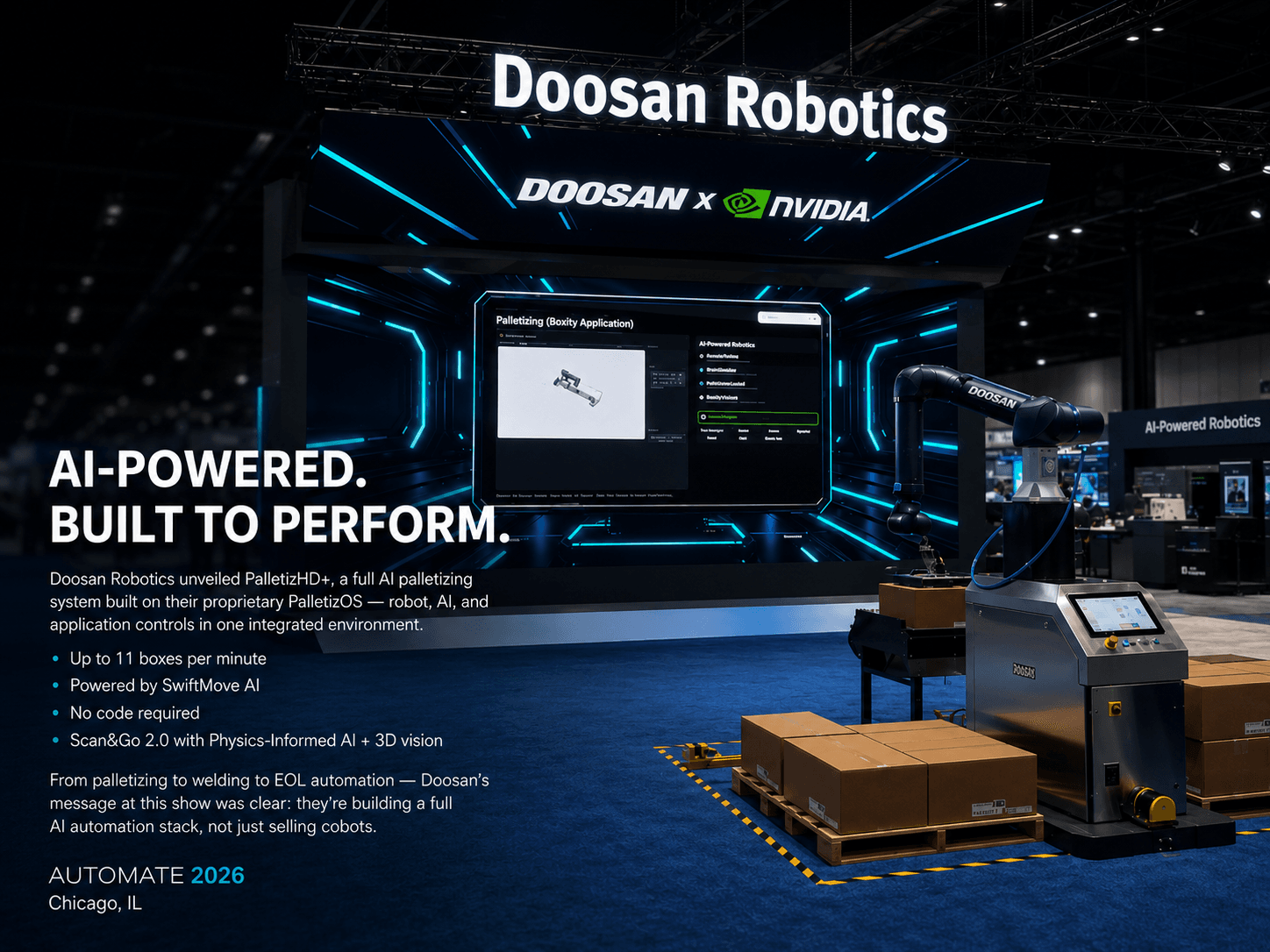
Doosan Robotics launches AI-powered palletizing solution for high-mix manufacturing
Doosan Robotics has introduced its latest innovation, PalletizHD+, an AI-driven palletizing solution aimed at streamlining the automation process for manufacturers. The launch took place at Automate 2026, where the company highlighted the system's ability to simplify engineering complexities while enhancing adaptability to evolving production needs. Built on the proprietary PalletizOS operating platform, PalletizHD+ is presented as a comprehensive, production-ready system designed to meet the demands of modern manufacturing environments. This development reflects Doosan Robotics' commitment to advancing automation technology and supporting manufacturers in optimizing their operations.
Industrial robots News ai artificial intelligence Automate 2026 cobots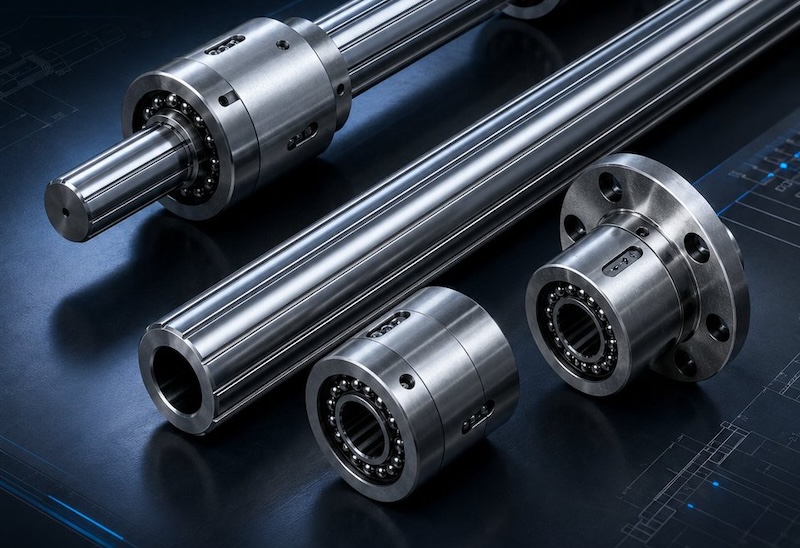
How JLCMC is Redefining Industrial Automation Solutions for Modern Factories
The manufacturing industry is undergoing significant transformation as companies strive to increase production efficiency, minimize waste, and adapt to market demands while keeping costs manageable. Central to this evolution is the rise of industrial automation, supported by various suppliers that play a crucial role behind the scenes. One such emerging player in this sector is JLCMC, an online store that is gaining recognition for its contributions to the automation landscape. As manufacturers navigate these challenges, the integration of advanced technologies and innovative solutions is becoming essential for sustained growth and competitiveness in a rapidly changing environment.
Automation Industry automation engineers cnc factory automation industrial automation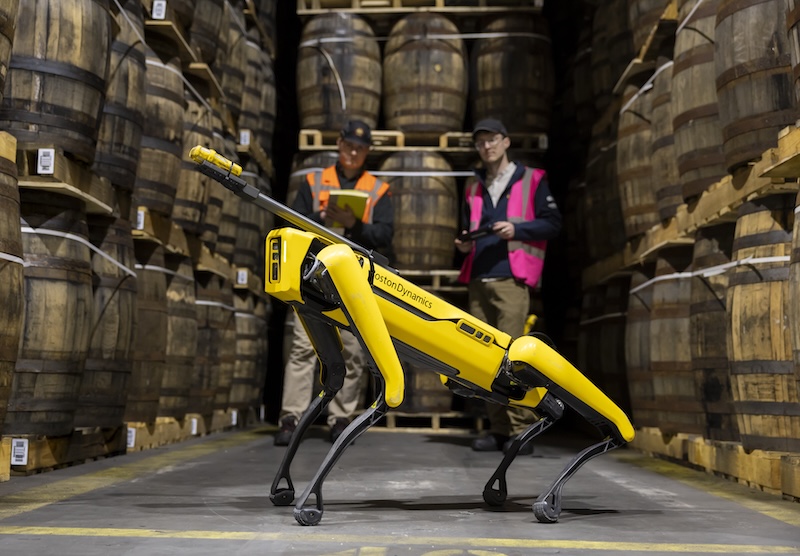
Opinion: Why robot dogs are leading the pack in factory floor efficiency
By Andrew Hamilton, head of the Digital Process Manufacturing Centre (DPMC) at the National Manufacturing Institute Scotland (NMIS) Manufacturing facilities today are sprawling, interconnected environments where equipment operates continuously and processes stretch across large physical footprints. From factory floors and plant rooms to service corridors and external assets, engineering teams need clear visibility across areas […]
Features Industry Autonomous robots boston dynamics spot digital manufacturing factory inspectionsRobotics needs a service framework.
RSF defines a common language for robot service capability, lifecycle operations, certification pathways, and service-provider networks.