

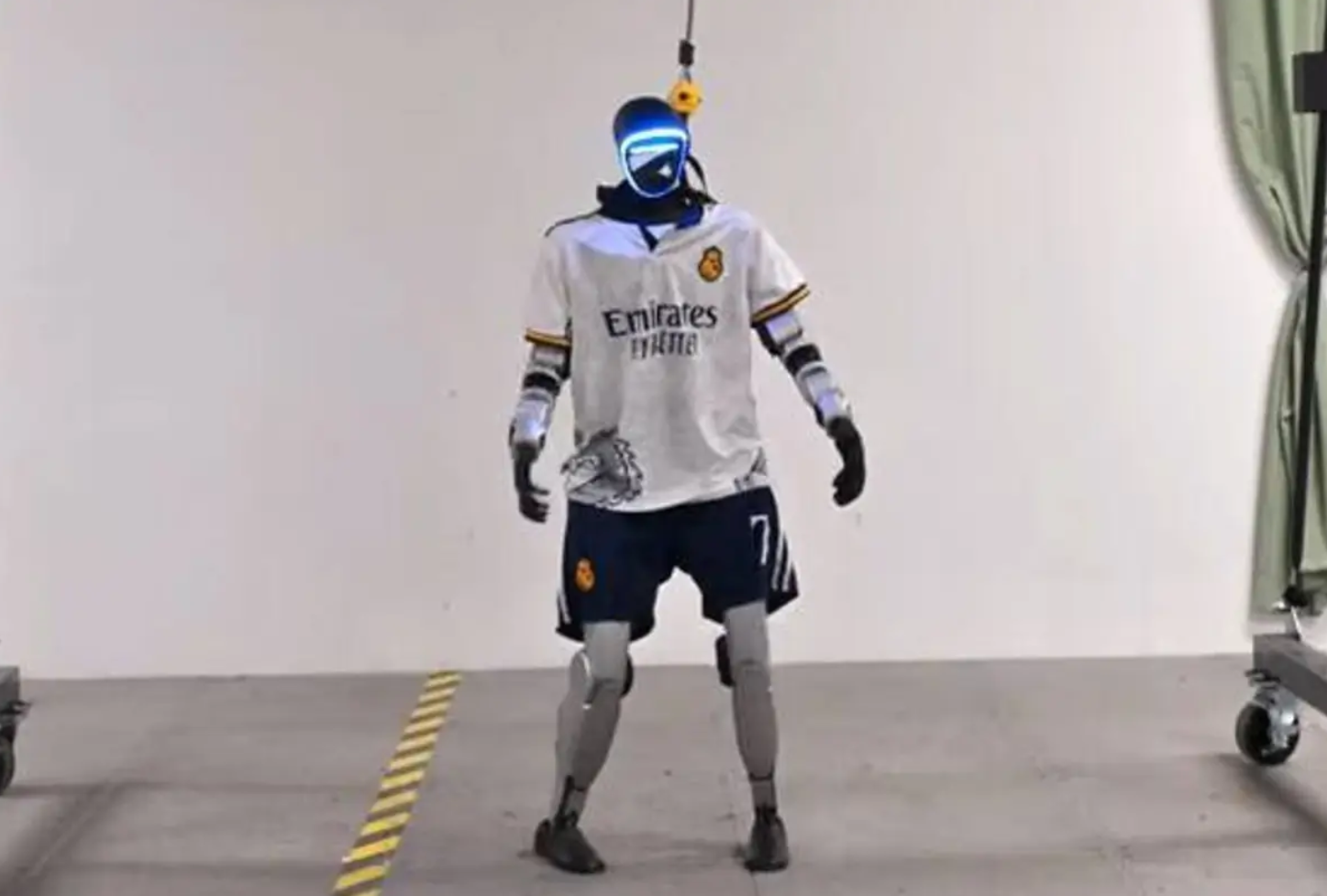
Carnegie Mellon University's Professor Liu Changliu is leading efforts to teach humanoid robots to understand game dynamics and make decisions on the field. Unlike traditional robotic arms that follow fixed programs, these robots can adjust their movements in real-time, a crucial skill for sports.
The goal is ambitious: to develop a humanoid robot team capable of defeating the current World Cup champions by 2050. This involves teaching robots to locate the ball, communicate strategies with teammates, and make real-time decisions, which tests their multi-agent collaboration and motion control abilities.
While progress has been made in various sports, including boxing and marathons, significant challenges remain. Liu emphasizes the need for further programming to ensure safety and effective shutdown methods for humanoid robots. The vision of robots competing in sports is becoming increasingly plausible, with the 2050 goal of defeating human champions appearing more attainable than ever.
Editor's Note
The integration of humanoid robots into competitive sports highlights a significant shift in robotics research, focusing on real-time decision-making and adaptability. As these technologies evolve, they could reshape training methodologies and competitive landscapes in sports, prompting new regulatory considerations and investment opportunities in the sector.
































Leave a comment