

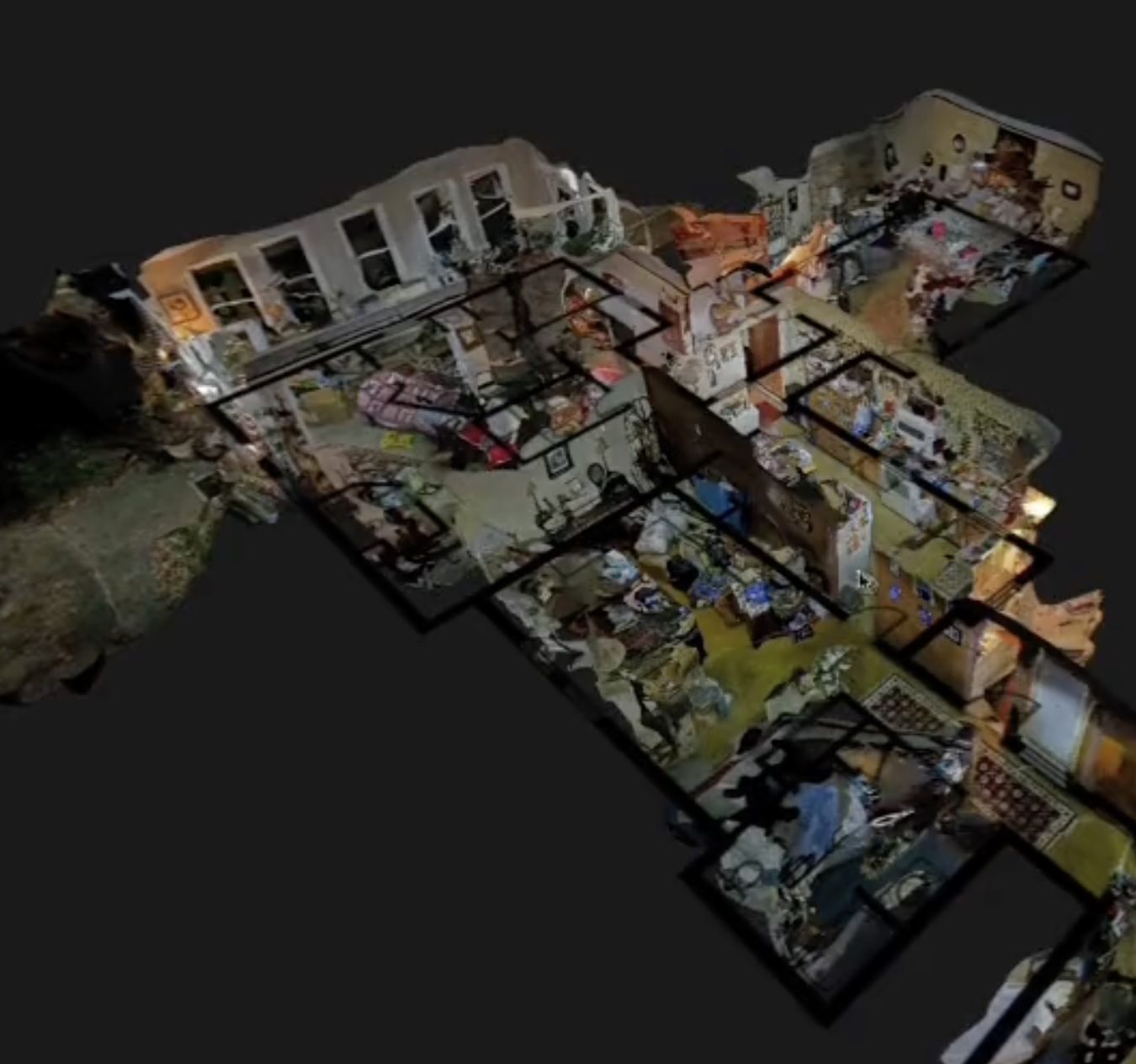
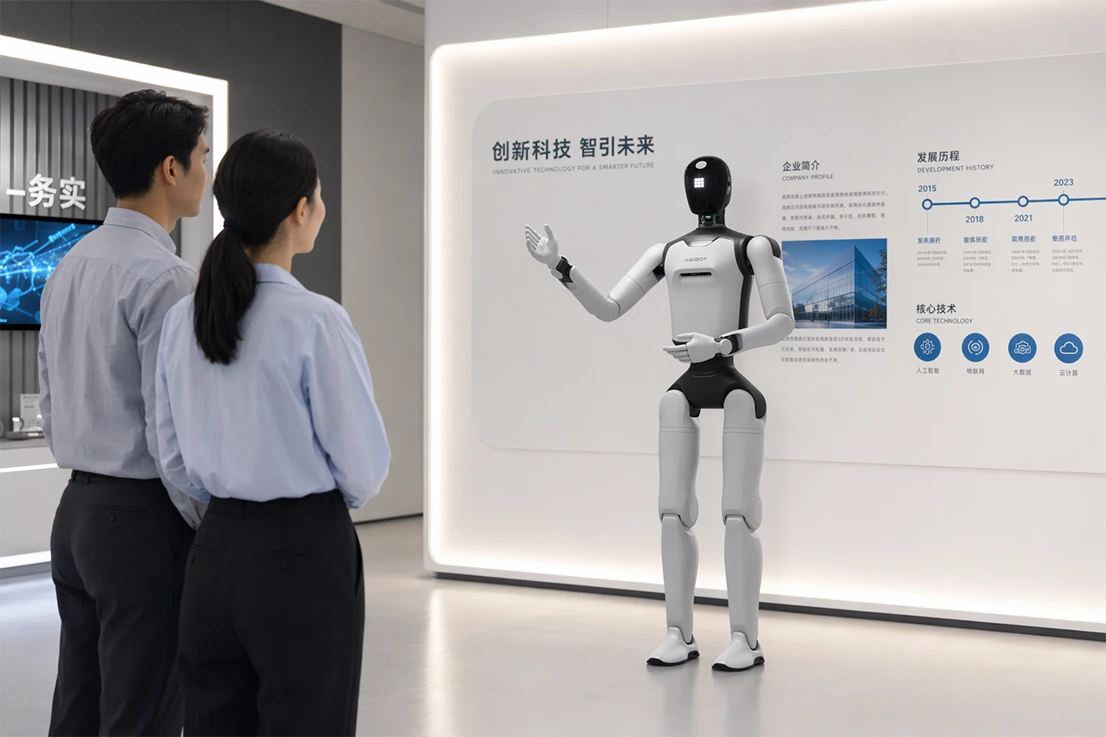
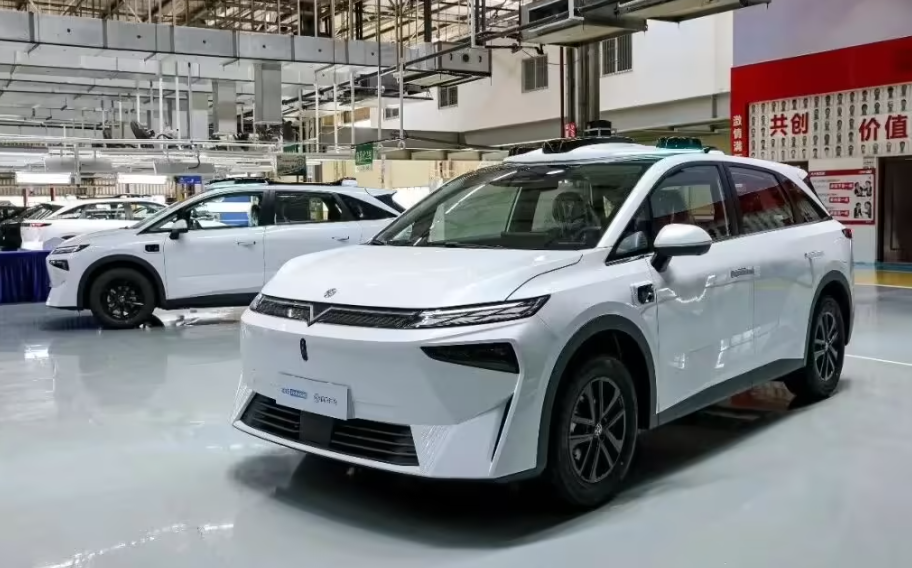
Odyssey has unveiled Odyssey-3, a versatile world model designed to control robots, humanoids, autonomous vehicles, and drones using a unified AI system. This autoregressive diffusion transformer is trained on a diverse set of visual observations, allowing it to adapt with minimal task-specific data. The model has been pre-trained to understand physics, motion, and human behavior, enabling developers to create tailored action decoders for various systems.
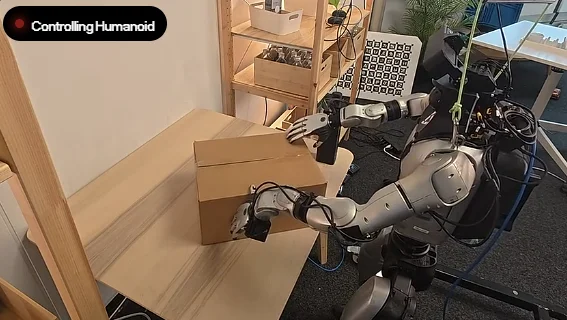
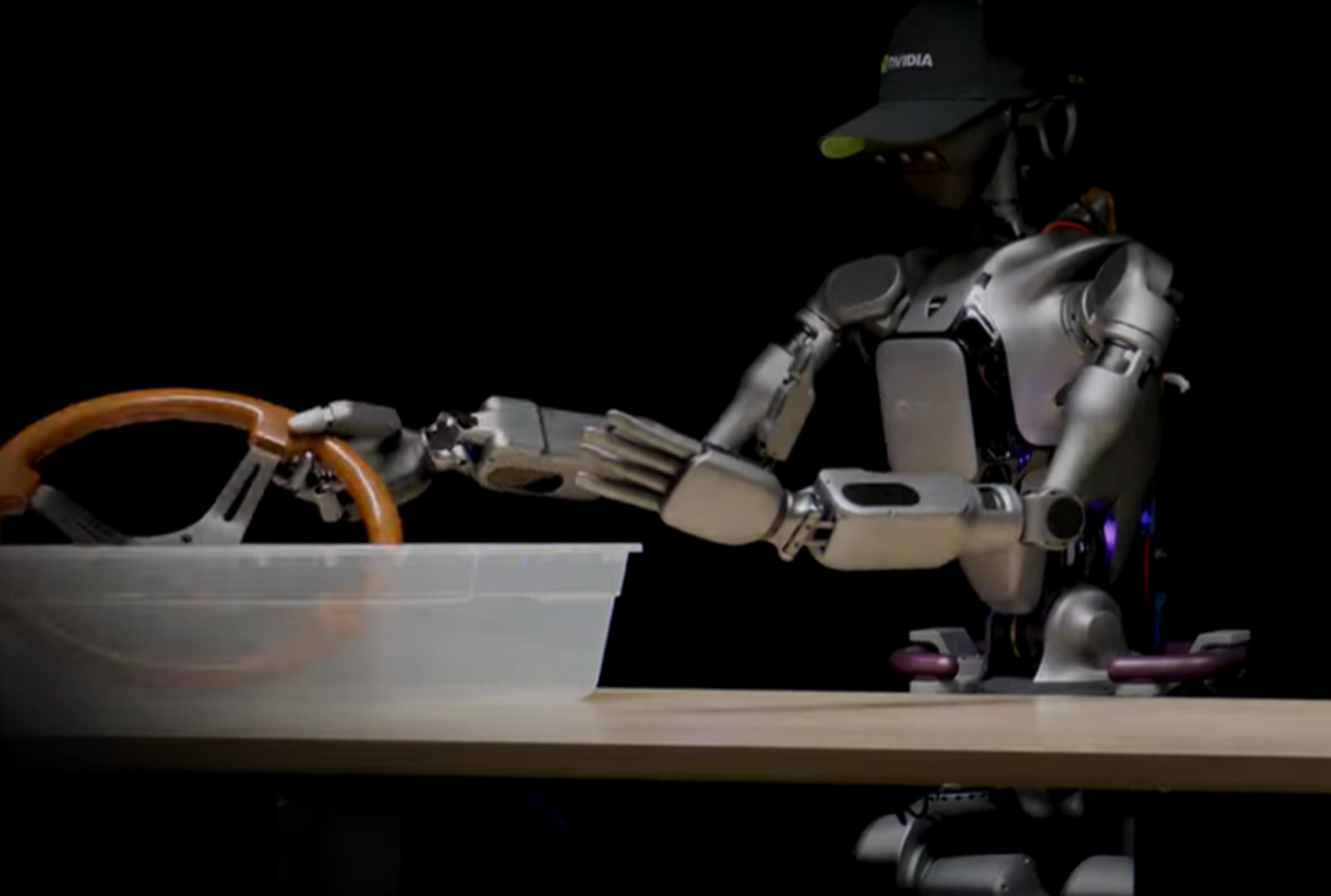
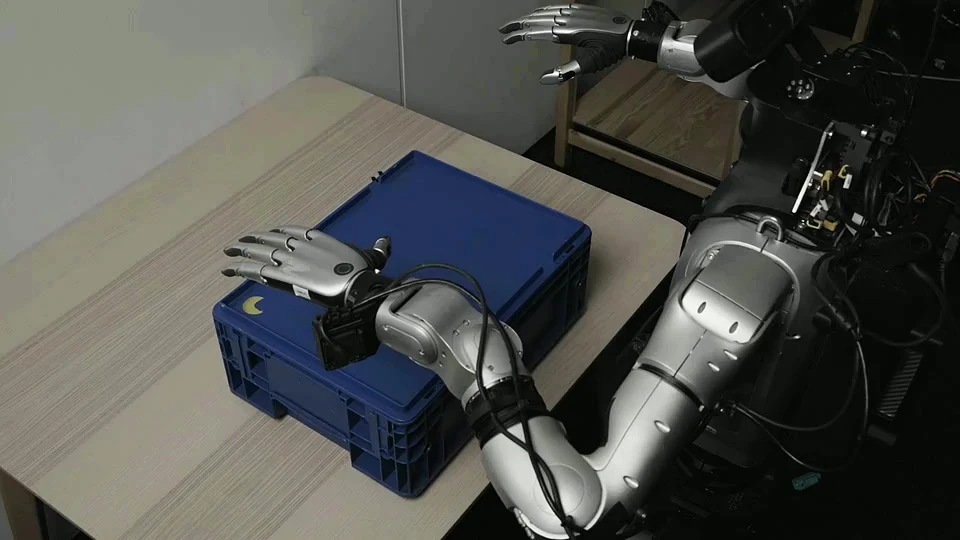
The significance of Odyssey-3 lies in its potential to streamline the training process for humanoid robots. In collaboration with Flexion, Odyssey is exploring how pretraining can minimize the data required for teaching new skills. Flexion has successfully developed control policies for tasks like object manipulation using only a small amount of teleoperation data, demonstrating improved generalization over traditional models.
Looking ahead, Odyssey plans to publicly release Odyssey-3 in the coming weeks. The company is also collaborating with Poke & Wiggle to assess the model's adaptability across different robot types and control systems. This initiative could reshape how robots learn and adapt to new environments, enhancing their operational capabilities significantly.
Editor's Note
Odyssey's introduction of the Odyssey-3 world model represents a significant advancement in AI-driven robotics. By providing a common foundation for various robotic systems, this model could enhance the efficiency of training processes and reduce the reliance on extensive task-specific data. The collaboration with Flexion highlights the growing trend of integrating reinforcement learning with foundational AI models, which may lead to faster skill acquisition in robots and improved adaptability in dynamic environments.
























Leave a comment