

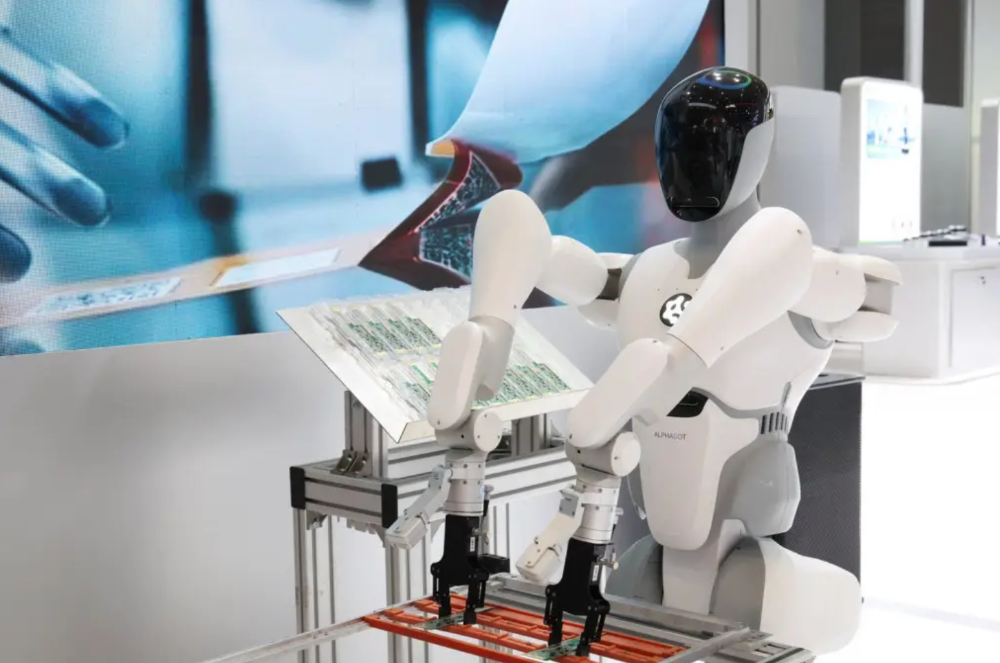
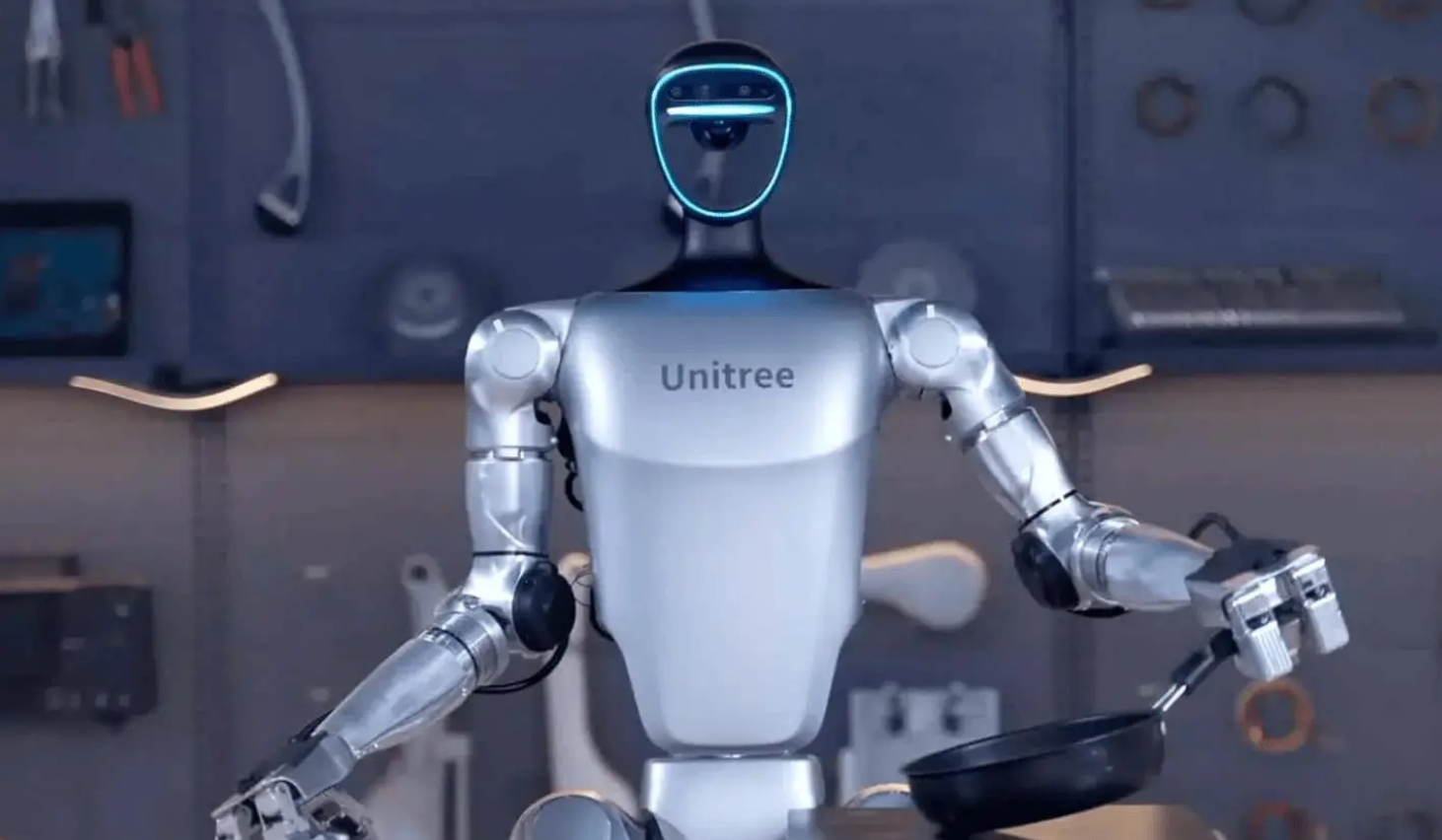
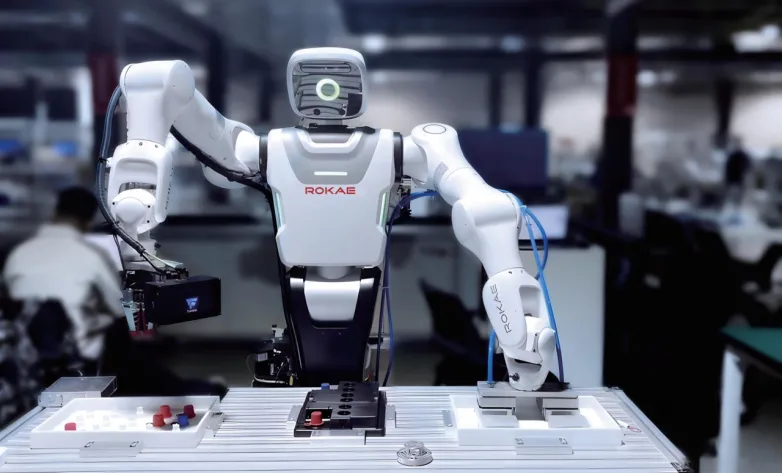
On August 20, the World Robot Conference 2026 entered its second day, showcasing a notable trend: humanoid robots are increasingly resembling humans. Companies like Galaxy Universal launched the bipedal Galbot ET1, while Zhi Shen Technology presented the dynamic debut of the Yin Yi NE01. Various firms, including Xingdong Era and Ant Lingbo, have deployed humanoid robots in parcel sorting roles.
This shift is significant as the industry debate over bipedal versus wheeled robots diminishes, with a growing consensus on the need for humanoid robots in both factories and homes. However, differing technological paths and product designs remain. Galaxy Universal's founder, Wang He, emphasized that for large-scale commercialization, humanoid robots must address foundational model capabilities, rapid scene adaptation, and reliable hardware, introducing the WAM-TTT technology to facilitate quick adaptation without manual intervention.
As competition evolves, the focus is shifting from merely choosing a robot form to mastering specific applications and data utilization. EIR's CEO, Feng Zhenyu, highlighted the importance of real-world usage for product optimization and data collection. The next phase of competition will hinge on who can leverage deeper insights and stronger data capabilities to create value in various sectors, including finance and education.
Editor's Note
The humanoid robotics sector is witnessing a pivotal transition as companies strive to enhance their products' human-like capabilities. This evolution is not just about technological advancements but also about strategic positioning in diverse application scenarios. As firms refine their approaches, the competitive landscape will likely favor those who can effectively integrate data-driven insights into their offerings.

























Leave a comment