Industry Briefing
A single destination for timely, editor-curated robotics news from around the world.

Robohub highlights 2025
As 2025 approaches its conclusion, a global team of researchers reflects on their collaborative efforts throughout the year, showcasing a variety of insightful contributions. This retrospective highlights a selection of engaging blog posts, interviews, and podcasts that have emerged from their work. Notably, an interview with Jiahui Zhang discusses the challenges of teaching robot policies without the benefit of new demonstrations, emphasizing the innovative approaches being explored in the field. This review not only celebrates the achievements of the contributors but also underscores the ongoing dialogue and knowledge-sharing that continues to shape advancements in robotics and artificial intelligence.
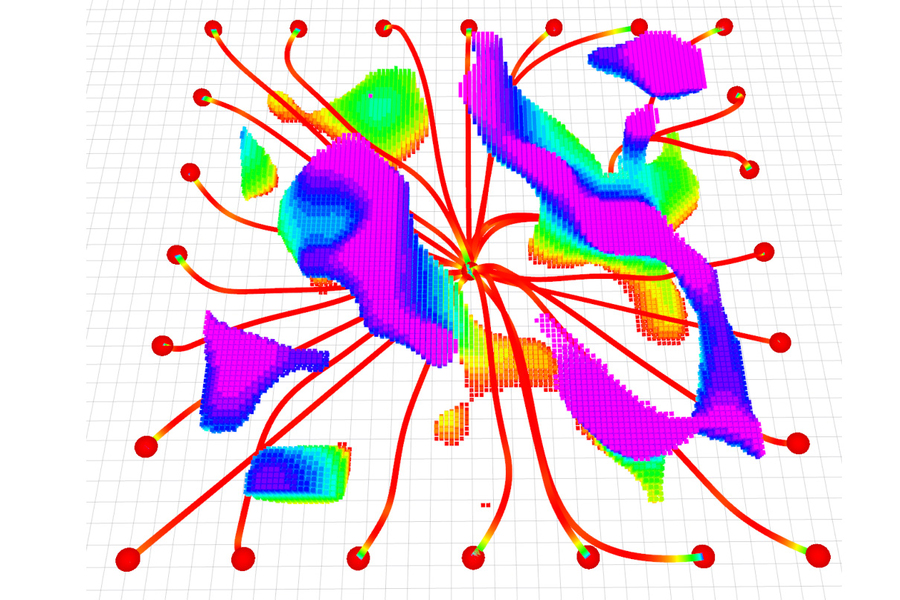
New research enables a robot to chart a better course
A new open-source system called “MIGHTY” has been developed to enhance efficiency in disaster recovery and parcel delivery by swiftly generating optimized travel routes. This innovative technology is designed to minimize travel time and navigate around obstacles, making it a valuable tool for emergency responders and logistics companies alike. The system's capabilities could significantly improve response times during disasters and streamline delivery processes, ultimately benefiting communities in need. The introduction of MIGHTY comes at a crucial time as the demand for efficient logistics solutions continues to grow, particularly in the wake of natural disasters. By leveraging advanced algorithms and real-time data, MIGHTY aims to transform how organizations approach both emergency management and everyday deliveries.

Light-activated gel could impact wearables, soft robotics, and more
Researchers at the Massachusetts Institute of Technology (MIT) have made significant strides in the field of ionotronics, a burgeoning area of study focused on the transfer of data via ions. This innovative approach aims to create a connection between traditional electronics and biological tissues, potentially revolutionizing the way information is processed and transmitted in various applications. The advancements were announced in October 2023, highlighting the ongoing efforts to enhance the integration of electronic systems with biological environments. By harnessing the unique properties of ions, the team at MIT is exploring new methods to facilitate communication between electronic devices and living organisms, paving the way for future developments in medical technology and bioengineering.
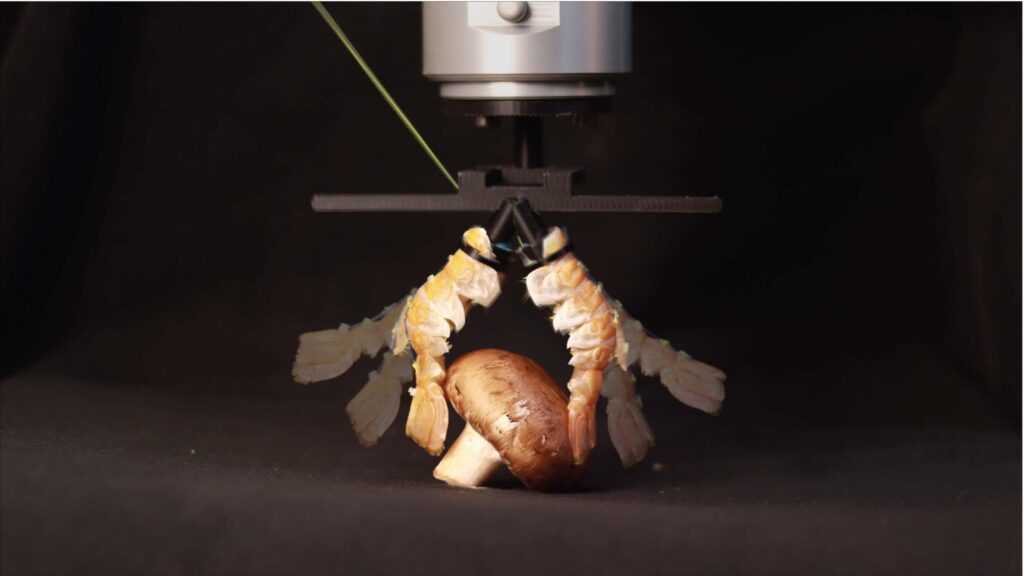
Bio-hybrid robots turn food waste into functional machines
Researchers at the CREATE Lab of the École Polytechnique Fédérale de Lausanne (EPFL) have unveiled a groundbreaking robotic gripper crafted from langoustine tails. This innovative design, showcased in 2025, marks a significant departure from traditional robotic components typically made from metals and plastics. By drawing inspiration from nature, the team aims to enhance the functionality and adaptability of robotic systems. The use of organic materials not only aligns with sustainable practices but also offers unique advantages in terms of flexibility and grip. This development highlights a growing trend in robotics, where natural elements are increasingly influencing technological advancements.

Artificial tendons give muscle-powered robots a boost
Engineers at the Massachusetts Institute of Technology (MIT) have unveiled an innovative design that has the potential to enhance various biohybrid systems. This groundbreaking development, announced recently, aims to improve the functionality and efficiency of biohybrids, which combine biological and synthetic components for applications in fields such as robotics and medicine. The motivation behind this research stems from the growing need for advanced technologies that can mimic natural processes and improve interaction with living organisms. By integrating new materials and engineering techniques, the team at MIT has created a design that could significantly advance the capabilities of biohybrid builds, paving the way for more sophisticated applications in the future.
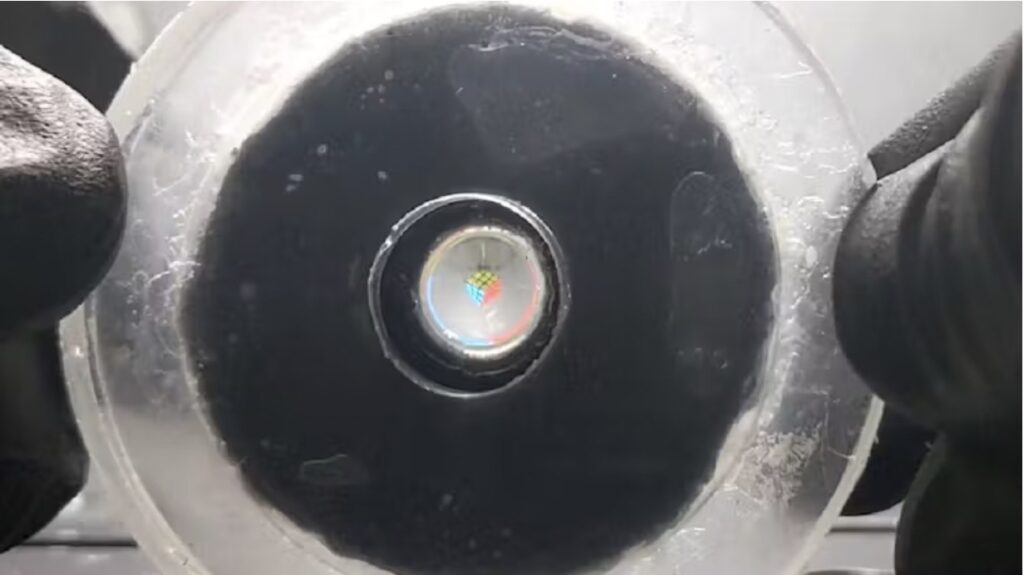
A flexible lens controlled by light-activated artificial muscles promises to let soft machines see
Researchers at the Georgia Institute of Technology have developed an innovative artificial eye designed to enhance the vision capabilities of soft robots. This adaptive lens, inspired by the human eye, is made from a soft, light-responsive material that allows for improved visual perception. The project, led by biomedical engineering experts Corey Zheng and Shu Jia, aims to bridge the gap between robotics and biological systems, enabling robots to interact more effectively with their environments. The development of this technology could significantly advance the field of robotics, particularly in applications requiring nuanced visual processing.
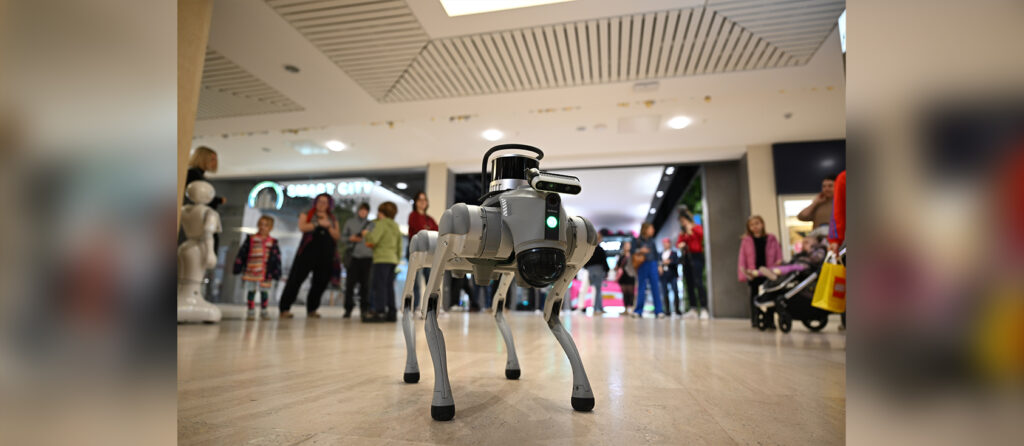
Robot Talk at the Smart City Robotics Competition
At the Smart City Robotics Competition held in Milton Keynes, Claire engaged in discussions with competitors, exhibitors, and attendees, highlighting the event's vibrant atmosphere and innovative spirit. This special episode was made possible through sponsorship from euRobotics, an international non-profit organization dedicated to enhancing robotics research, development, and innovation across Europe. The competition, which showcased cutting-edge technologies and solutions for urban challenges, served as a platform for collaboration and knowledge exchange among industry leaders and enthusiasts.
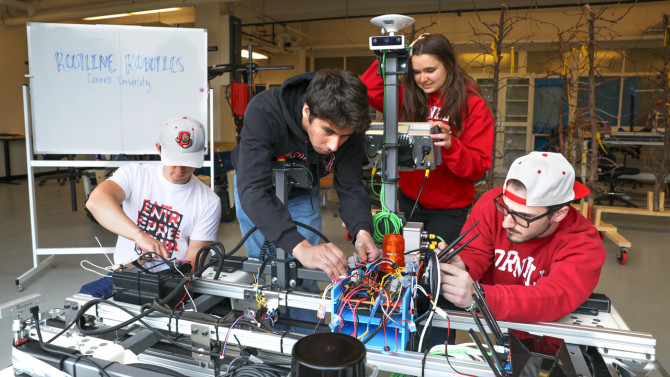
Cornell Undergraduates' Electric Weed-Killing Robot Wins Grand Prize at Competition
A team of undergraduates from Cornell University has secured the grand prize at The Farm Robotics Challenge with their innovative autonomous robot designed to eliminate weeds using electricity. This robot operates independently in vineyards and orchards, effectively reducing labor and energy consumption while avoiding herbicides. The significance of this achievement lies in its potential to address the persistent challenge of weeds in agricultural settings, which can severely impact crop health and yield. Traditional methods of weed control are labor-intensive and costly, making this new technology a promising alternative for growers. Looking ahead, the team plans to enhance their technology and validate it with agricultural producers before launching it commercially. No further timeline was disclosed at the time of publication.

EPFL and MIT Develop Flapping Robot That Swims and Flies Like Diving Birds
Engineers at EPFL and MIT have created a flapping-wing aerial-aquatic vehicle (FAAV) that mimics the swimming and flying abilities of diving birds. Weighing under 300 grams, the FAAV is designed to help researchers study the mechanics of how these birds transition between air and water. Experiments revealed optimal combinations of wing size, flapping frequency, and tail angle for effective movement in both environments. This innovation is significant as it could lead to a new class of aerial-aquatic drones capable of accessing aquatic regions that are difficult for traditional vessels. The robot's design allows it to dive for samples and return data at a lower cost, making it a valuable tool for oceanographers and marine biologists. The research findings were published in the journal Science, highlighting the potential for enhanced understanding of bird biomechanics. Future developments will focus on improving wing design for better maneuverability and testing the robot in turbulent conditions. The team aims to deploy the FAAV for ocean science research, potentially revolutionizing how data is collected from challenging aquatic environments. No further timeline was disclosed at the time of publication.
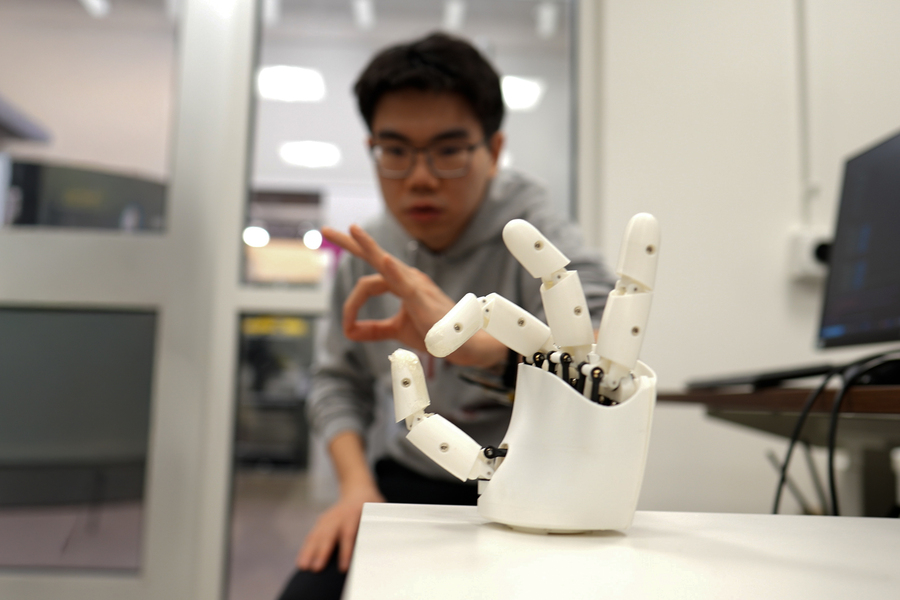
MIT Engineers Develop Ultrasound Wristband for Real-Time Robotic Hand Control
MIT engineers have created an innovative ultrasound wristband that allows wearers to control a robotic hand through their own movements. This wristband captures real-time images of the wrist's muscles and tendons, translating them into the positions of the fingers and palm using an AI algorithm. Demonstrations have shown that users can wirelessly manipulate a robotic hand to perform tasks like playing the piano or shooting a basketball. This technology is significant as it offers a new method for hand tracking in robotics and virtual reality, potentially replacing traditional techniques that rely on cameras or sensor-laden gloves. The wristband's ability to gather diverse hand motion data could lead to advancements in training humanoid robots for dexterous tasks, including surgical procedures. Xuanhe Zhao, a professor at MIT, emphasizes the immediate impact this work could have on both virtual environments and robotic dexterity. Looking ahead, the research team aims to expand their dataset of hand motions by collecting data from users with varying hand sizes and gestures. This could enhance the capabilities of humanoid robots and improve interactions in virtual settings. No further timeline was disclosed at the time of publication.

#RoboCup2026 – humanoid league knockout stages
The RoboCup 2026 league competitions concluded this weekend in Incheon, South Korea, showcasing the talents of robotics teams from around the globe. The event culminated in the announcement of the top three teams in the small, middle, and large humanoid divisions. In the small division, the Invic team claimed victory, followed by Wuhan University from China and the Hamburg Bit-Bots from Universität Hamburg in Germany. The competition aimed to advance robotics technology and foster international collaboration in the field, drawing participants eager to demonstrate their innovations and skills.
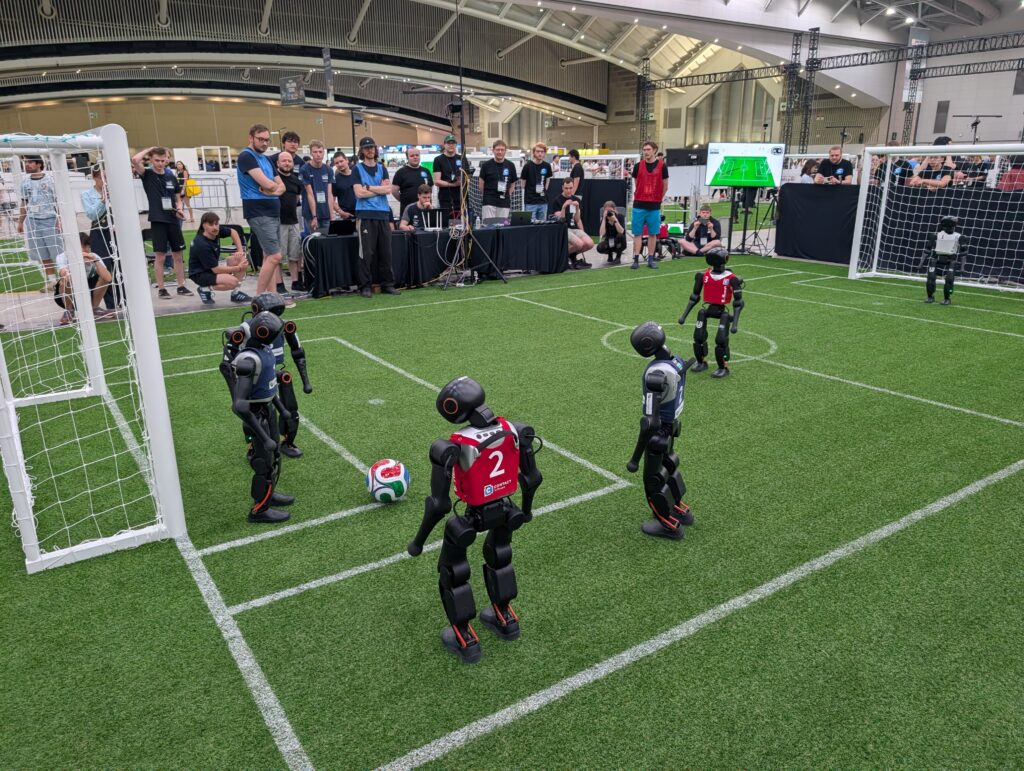
#RoboCup2026 – humanoid league day 2
The second day of play at RoboCup 2026 concluded with an exciting lineup of matches, showcasing the global appeal of the humanoid soccer competition. Teams from 17 countries participated, with China leading the representation by fielding 15 teams across three divisions. This year’s event highlights the growing international interest in robotics and artificial intelligence in sports, as teams compete not only for victory but also to advance technological innovation. The matches took place in a vibrant atmosphere, drawing spectators and participants alike to witness the cutting-edge developments in humanoid robotics. As the tournament progresses, anticipation builds for the upcoming matches, promising more thrilling displays of skill and strategy on the field.
Reflections from ICRA 2026
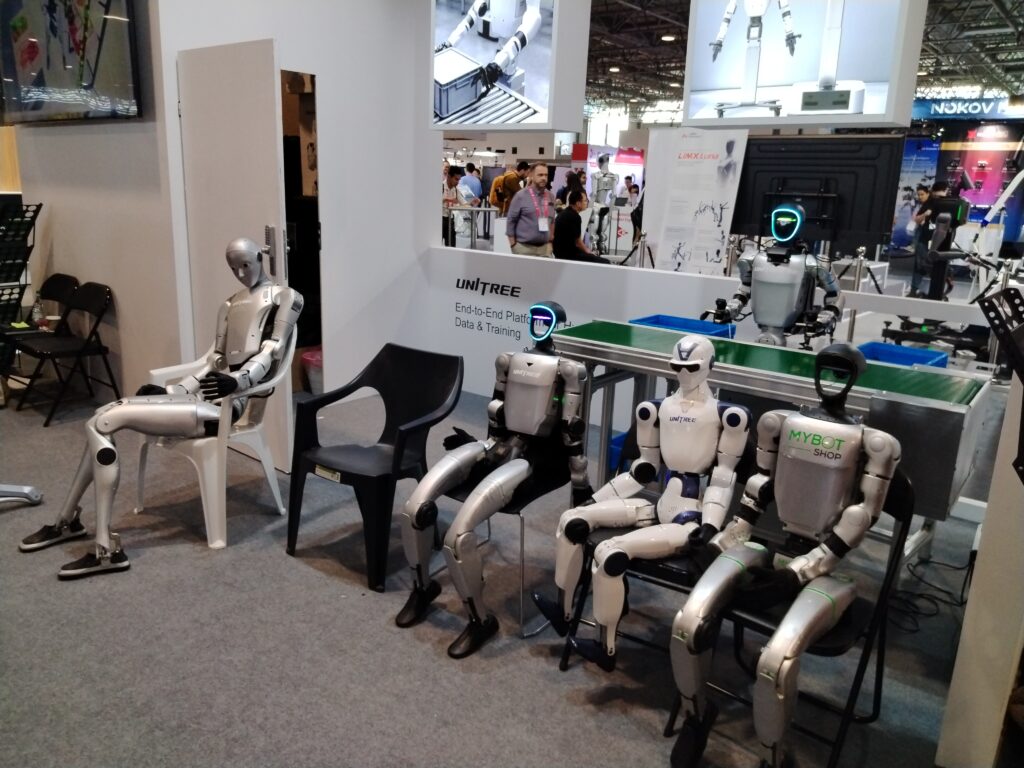
From June 1 to June 5, Vienna hosted the 2026 IEEE International Conference on Robotics & Automation (ICRA), attracting leading experts in robotics from around the globe. The event took place at Messe Wien, conveniently located near the Danube River, providing a picturesque backdrop for discussions and demonstrations. Participants showcased cutting-edge technologies, fostering collaboration and exchanging innovative ideas aimed at advancing the field of robotics. This annual conference serves as a vital platform for researchers and industry professionals to connect, share knowledge, and explore the future of automation and robotics.

#RoboCup2026 – humanoid league day 1
RoboCup 2026 commenced today in Incheon, South Korea, featuring league competitions that will continue until July 5. This year's event marks a significant evolution for RoboCup, particularly with updates to the leagues and competition formats. A notable change is the emphasis on humanoid robots in the soccer leagues, highlighting advancements in robotics and artificial intelligence. Participants from around the world are set to showcase their innovations and compete in various challenges, aiming to promote research and development in robotics while fostering international collaboration.

Robot Talk Episode 162 – The robot doctor will see you now
Over the past four decades, the field of medicine has undergone significant transformation due to advancements in robotics, computer vision, and artificial intelligence, particularly in the realm of robot-assisted surgery. These innovative technologies are enhancing the capabilities of healthcare professionals in various areas, including diagnosis, surgical procedures, and rehabilitation. However, as these medical tools become more autonomous, pressing ethical questions have emerged regarding their use and implications in patient care. The ongoing evolution of these technologies prompts a critical examination of the balance between innovation and ethical responsibility in healthcare.

AI brings object-level vision prosthetics closer to reality
Researchers at the NeuroAI Lab, led by Martin Schrimpf at the École Polytechnique Fédérale de Lausanne (EPFL), have developed advanced AI models capable of predicting precise stimulation sites in the brain. This groundbreaking research, which aims to enhance our understanding of brain functions and improve therapeutic interventions, was recently published. By utilizing sophisticated algorithms, the team analyzed neural data to identify optimal stimulation points, potentially revolutionizing treatments for neurological disorders. The findings underscore the intersection of artificial intelligence and neuroscience, highlighting the potential for AI to inform and refine medical practices.
AURA Foresight Reaches Global XPRIZE Wildfire Finals in Alaska
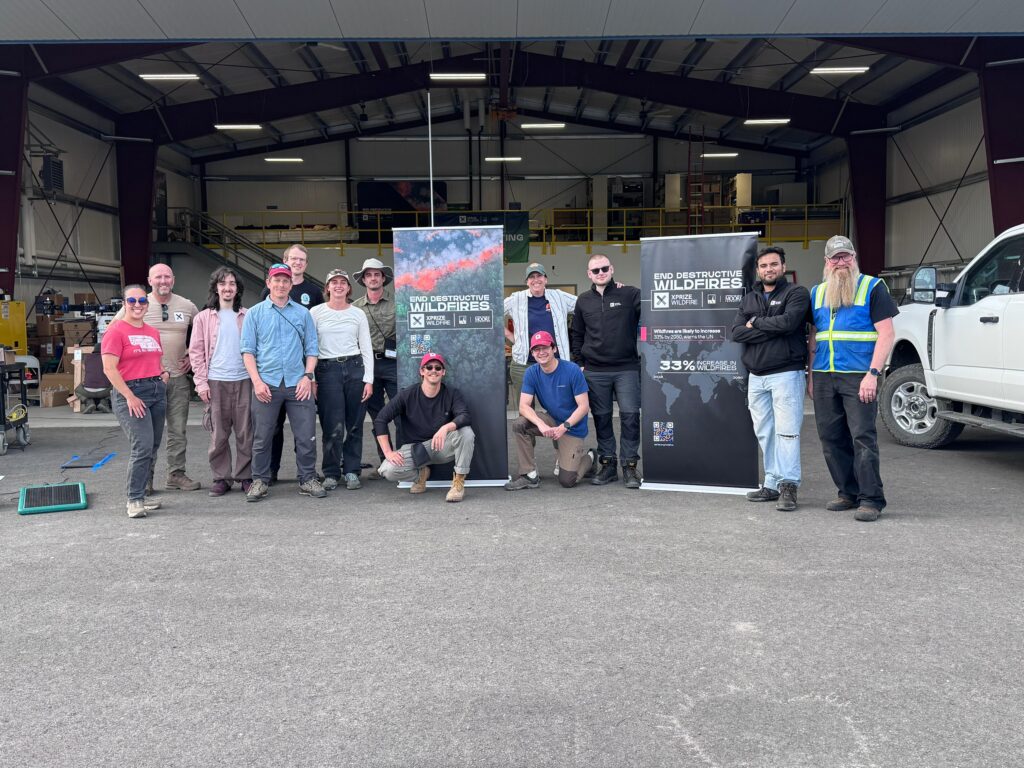
AURA Foresight, a team dedicated to developing autonomous technology for wildfire prevention, has been named a finalist in the XPRIZE Wildfire Autonomous Wildfire Response competition. Out of more than 130 global competitors, AURA Foresight stands out as one of only four teams remaining in the prestigious contest. This recognition highlights the team's innovative approach to addressing the escalating threat of wildfires, aiming to implement solutions that can effectively halt these disasters before they escalate. The competition, which emphasizes the importance of technological advancements in environmental protection, showcases AURA Foresight's commitment to creating impactful change in wildfire management.

Robot Talk Episode 161 – Collaborative haptic systems, with Allison Okamura
Claire recently engaged in a conversation with Allison Okamura, a prominent figure in the field of engineering at Stanford University, where she holds the position of Richard W. Weiland Professor. The discussion centered on the development of advanced robotic systems designed for haptic interaction, which allows users to experience touch sensations through technology. Okamura's research encompasses a wide range of interests, including haptics, teleoperation, virtual reality, medical robotics, soft robotics, rehabilitation, and education. As the Director of Graduate Studies for Mechanical Engineering at Stanford, she is at the forefront of integrating these innovative technologies into various applications, aiming to enhance user experience and interaction in both medical and educational settings. The dialogue highlights the significance of haptic technology in creating more immersive and effective robotic systems, reflecting ongoing advancements in the field.

Entangled robotic matter with cohesive motion
Cornell University engineers have unveiled an innovative robotic collective known as the Cross-Link Collective, which operates with a unique fluidity reminiscent of natural materials rather than traditional machines. This groundbreaking system comprises numerous small robots that, while individually limited in mobility, demonstrate remarkable coordination and adaptability when functioning as a cohesive unit. The development aims to enhance the robots' ability to reshape and respond to their environment without the need for centralized control, showcasing a significant advancement in robotics and collective behavior. The research highlights the potential for these robots to be utilized in various applications, from environmental monitoring to search and rescue missions, emphasizing their versatility and efficiency in dynamic settings.

Robot Talk Episode 160 – Robotic blacksmiths, with Edward Mehr
Claire recently spoke with Edward Mehr, Co-Founder and CEO of Machina Labs, regarding the company's innovative RoboCraftsman technology. This advanced system is designed to shape complex metal components specifically for the aerospace, defense, and automotive sectors. With a background in advanced manufacturing, robotics, and artificial intelligence, Mehr is at the forefront of integrating AI-driven robotics into flexible manufacturing processes. The conversation highlighted how RoboCraftsman is revolutionizing the production of intricate metal parts, addressing the growing demand for precision and efficiency in these critical industries.

Robot Talk Episode 159 – Robot sensing and manipulation, with Maria Koskinopoulou
Claire recently engaged in a conversation with Maria Koskinopoulou, an Assistant Professor in Robotics and Computer Vision at Heriot-Watt University, regarding the advancements in autonomous robotic manipulators. The discussion highlighted the applications of these technologies in various fields, including surgery and industry. Koskinopoulou, who co-leads the ARM²Lab—focused on Autonomous Robotic Manipulation and Multi-Agent Systems—alongside Ignacio Carlucho, shared insights into her research interests and the potential impact of robotics on future innovations. The dialogue underscores the growing significance of robotics in enhancing efficiency and precision across multiple sectors.

Global robotics technology roadmap
Henrik I. Christensen, a professor of Computer Science and Engineering at the University of California, San Diego, has unveiled a comprehensive global robotics technology roadmap. Released recently, this position paper examines the advancements in robotics across Asia, Europe, and America. It provides an overview of the current state of the technology while identifying key opportunities for growth and development in the field. The roadmap aims to guide stakeholders in navigating the rapidly evolving landscape of robotics, emphasizing the importance of international collaboration and innovation to harness the full potential of this transformative technology.

RoboChem Flex: democratisation of the autonomous synthesis robot
Researchers from the University of Amsterdam’s Van ’t Hoff Institute for Molecular Sciences, led by Professor Timothy Noël, have made significant advancements in autonomous laboratory systems aimed at optimizing synthesis processes. Their findings, published in the journal Nature Synthesis, introduce RoboChem Flex, a versatile and modular system that incorporates “human-in-the-loop” analytics. This innovative design allows for enhanced flexibility and efficiency in chemical synthesis, potentially transforming how laboratories conduct research and development. The study highlights the growing importance of automation in scientific research, driven by the need for more efficient and accurate synthesis methods.

Robot Talk Episode 158 – Autonomous robot deliveries, with Ahti Heinla
In a recent conversation, Claire spoke with Ahti Heinla, co-founder and CEO of Starship Technologies, a pioneer in the field of autonomous delivery. The discussion focused on the company's innovative AI-powered delivery robots, which are designed to navigate streets and pavements independently. Starship Technologies has established itself as a leader in the autonomous delivery market, leveraging advanced technology to create robots that operate seamlessly in real-world environments. Heinla, who was also instrumental in the development of Skype, highlighted the growing demand for efficient delivery solutions and the role of AI in transforming logistics. The conversation underscored the potential of these robots to enhance urban mobility and streamline last-mile delivery services, reflecting a significant shift in how goods are transported in increasingly congested cities.
Handle with care: Soft robot gripper picks ripe fruit without bruising
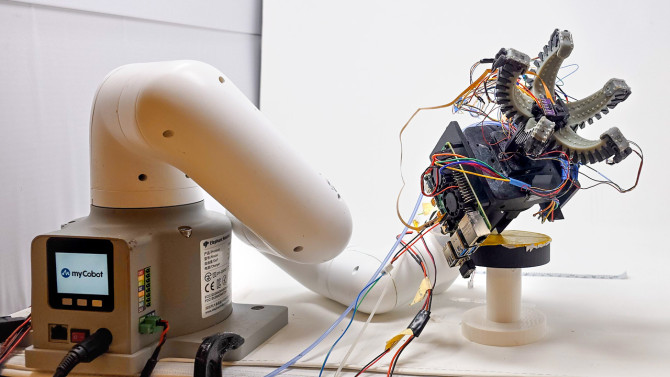
Researchers at Cornell University have developed an innovative soft robot gripper equipped with stretchable fiber-optic sensors capable of determining the ripeness of strawberries through tactile feedback. This advancement, led by Anand Mishra and his team, highlights the importance of touch in assessing fruit ripeness, complementing traditional methods that rely on sight and smell. The project aims to enhance agricultural practices by providing a more reliable means of evaluating fruit quality, potentially benefiting farmers and consumers alike. By integrating advanced sensor technology into a flexible robotic design, the researchers have created a tool that could revolutionize the way fruits are harvested and assessed in the future.
Robot Talk Episode 157 – Generating new robot designs, with Josie Hughes
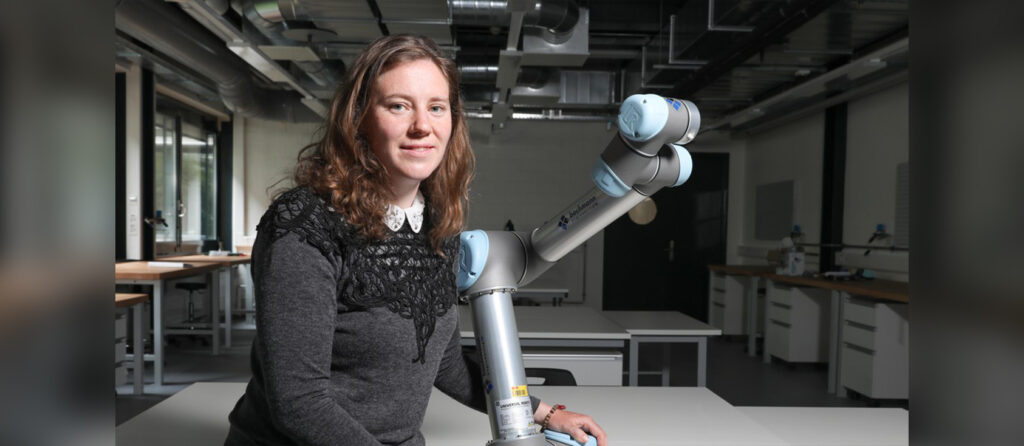
Claire recently engaged in a discussion with Josie Hughes, an Assistant Professor at École Polytechnique Fédérale de Lausanne (EPFL), regarding the innovative application of artificial intelligence in the design of robotic manipulators. Hughes, who founded the CREATE Lab at EPFL in 2021, shared insights from her extensive academic background, including her PhD work at the University of Cambridge, where she focused on bio-inspired robotics. The conversation highlighted the potential of AI to revolutionize the field by enhancing the functionality and efficiency of robotic systems, reflecting a growing trend in integrating advanced technologies into robotics research.

Robotics Café brings together autonomous robot practitioners
The newly established Robotics Café has commenced a weekly online seminar series designed to unite researchers, students, and industry professionals in the realm of autonomous robotics. Launched recently, this initiative aims to create a specialized platform where students can showcase and share their research, thereby enhancing its visibility and influence within the academic community. By fostering collaboration and dialogue among various stakeholders, the Robotics Café seeks to advance knowledge and innovation in the field of robotics.
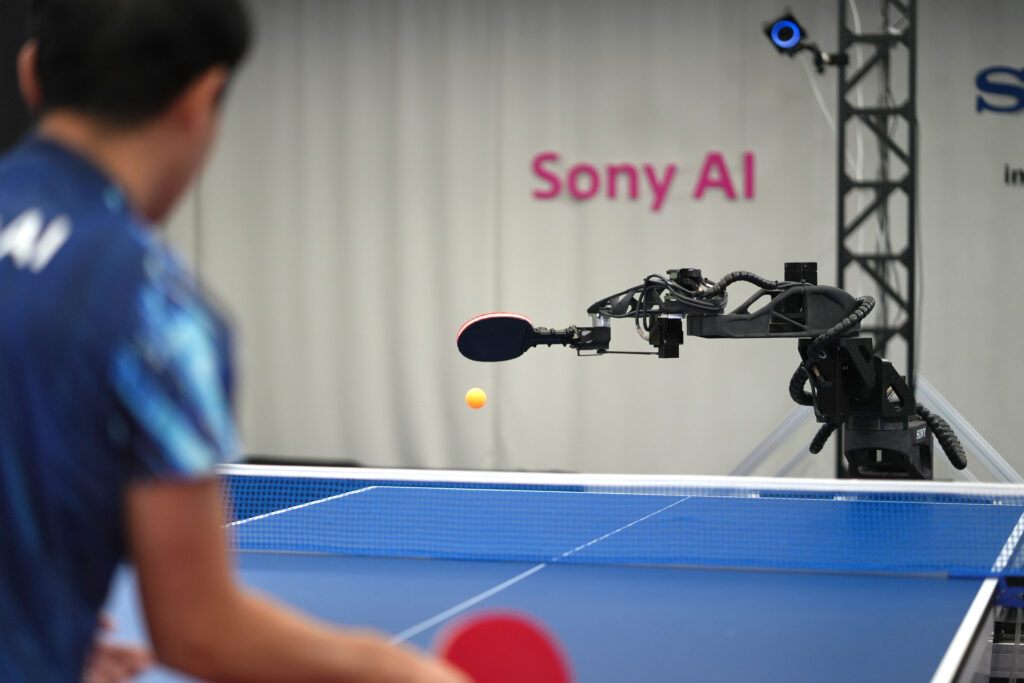
Table tennis robot defeats some of world’s best players – why this has major implications for robotics
In December 2025, a groundbreaking table tennis robot named Ace demonstrated its advanced capabilities by outperforming elite human players, including renowned competitor Yamato Kawamata, during a series of evaluations. Developed by Sony AI, Ace's performance signifies a notable advancement in artificial intelligence and robotics, showcasing the potential for machines to excel in complex sports environments. This achievement highlights the ongoing integration of AI technology in competitive settings, raising questions about the future of human versus machine competitions in sports.

Robot Talk Episode 156 – Rugged robots for dangerous missions, with Gavin Kenneally
Claire recently engaged in a conversation with Gavin Kenneally, the Co-Founder and CEO of Ghost Robotics, a company renowned for its advancements in legged robotics technology. The discussion focused on the potential applications of robotic dogs in defense, security, and public safety sectors. Kenneally, who leads a team of skilled engineers, elaborated on how these innovative machines could enhance operational capabilities in various environments. The dialogue highlighted the growing interest in integrating robotics into critical areas, emphasizing the need for advanced technology to address modern challenges. As the demand for effective security solutions increases, Ghost Robotics aims to position its robotic dogs as essential tools for law enforcement and military applications.
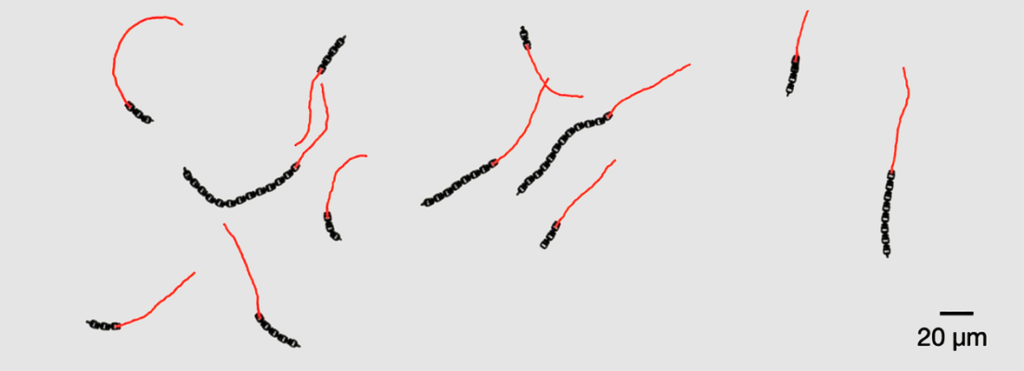
Developing active and flexible microrobots
Researchers at Leiden University, led by Professor Daniela Kraft and Mengshi Wei, have developed innovative microscopic robots that operate autonomously without the need for sensors, software, or external control. These robots exhibit movement driven solely by their unique shapes and interactions with their surroundings. This groundbreaking advancement, unveiled recently, holds significant potential for biomedical applications, paving the way for new methods in medical treatment and diagnostics. The team’s work represents a significant leap in the field of robotics, showcasing how design and environmental factors can create intelligent behavior in microscopic machines.
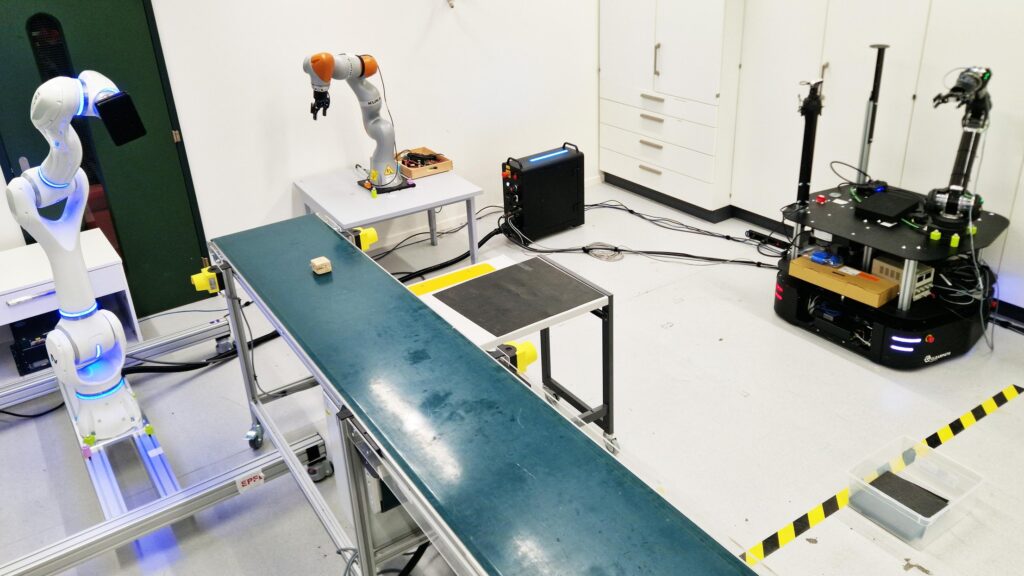
How to teach the same skill to different robots
In modern manufacturing, the process of upgrading a fleet of robots frequently requires a complete overhaul, involving both hardware replacement and extensive reprogramming of tasks. This challenge arises even when robots are designed for similar functions, as variations in joint configurations and movement restrictions can complicate task execution. As industries strive for efficiency and adaptability, addressing these complexities is crucial for optimizing robotic performance and maintaining productivity in dynamic production environments.

Robot Talk Episode 155 – Making aerial robots smarter, with Melissa Greeff
Claire recently engaged in a discussion with Melissa Greeff, an Assistant Professor in Electrical and Computer Engineering at Queen’s University, focusing on the advancements in autonomous navigation and learning for drones. Greeff, who heads the Robora Lab and is affiliated with the Ingenuity Labs Robotics and AI Institute, shared insights into her research, which emphasizes aerial robotics, vision-based navigation, and the importance of safe learning methodologies. This conversation highlights the growing significance of drone technology in various applications and the innovative approaches being developed to enhance their operational capabilities.

New understanding of insect flight points way to stable flapping-wing robots
Cornell University researchers have developed a sophisticated computational model to analyze the intricate dynamics of insect flight. This groundbreaking study, led by David Nutt, reveals how the physical structure, or morphology, of insects influences their ability to stabilize during flight. The research aims to deepen the understanding of flight mechanics in both insects and birds, which, despite their seemingly effortless wing movements, operate under complex aerodynamic principles. The findings could pave the way for advancements in fields such as robotics and aerodynamics, enhancing the design of flying machines by mimicking the natural flight patterns observed in these creatures.
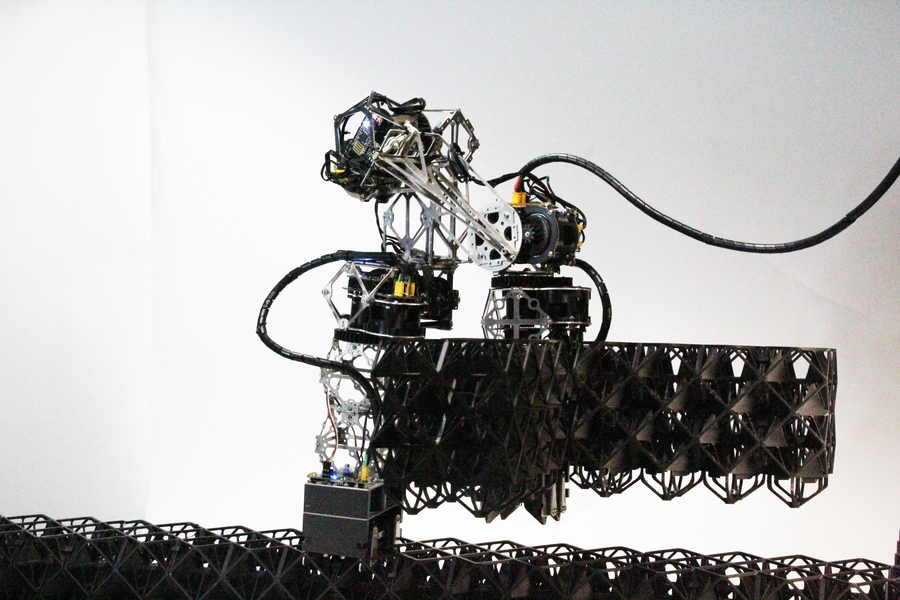
Robotically assembled building blocks could make construction more efficient and sustainable
Recent research indicates that the construction of buildings using interlocking subunits is not only mechanically viable but also significantly reduces carbon emissions. This innovative approach to building design aims to address environmental concerns associated with traditional construction methods. The findings, which emerged from a study conducted by a team of engineers and architects, highlight the potential for a more sustainable future in the construction industry. By utilizing modular components that fit together seamlessly, this method could streamline the building process while minimizing waste and energy consumption. The research, completed in late 2023, emphasizes the urgent need for eco-friendly practices in architecture and construction, as the industry seeks to lower its carbon footprint and contribute to global sustainability efforts.

Robot Talk Episode 154 – Visual navigation in insects and robots, with Andrew Philippides
In a recent conversation, Claire engaged with Andrew Philippides, a Professor of Biorobotics at the University of Sussex, to explore insights from the behaviors of ants and bees that could enhance robot navigation systems. Philippides, who co-directs the Centre for Computational Neuroscience and Robotics as well as the be.AI Leverhulme Doctoral Centre for Biomimetic Embodied AI, emphasized the potential of studying these social insects to inform the development of more efficient and adaptive robotic technologies. The discussion highlighted how the intricate navigation strategies employed by ants and bees can inspire innovative approaches to solving complex challenges in robotics. This dialogue took place at the University of Sussex, a hub for advanced research in robotics and artificial intelligence, underscoring the institution's commitment to interdisciplinary collaboration and the application of biological principles in technological advancements.

Ultralightweight sonar plus AI lets tiny drones navigate like bats
Researchers at Worcester Polytechnic Institute have developed an innovative ultrasound-based perception system for small drones, enabling them to navigate effectively in low-visibility environments such as dark areas or dense groves of trees. This technology, inspired by the echolocation abilities of bats, enhances the navigational capabilities of aerial robots, which often struggle in challenging conditions. The project aims to improve the functionality of these drones, making them more versatile for various applications, including search and rescue operations, environmental monitoring, and agricultural assessments. By mimicking the natural echolocation process, the system allows drones to detect obstacles and navigate safely, potentially transforming their operational efficiency in complex terrains.
Gradient-based planning for world models at longer horizons
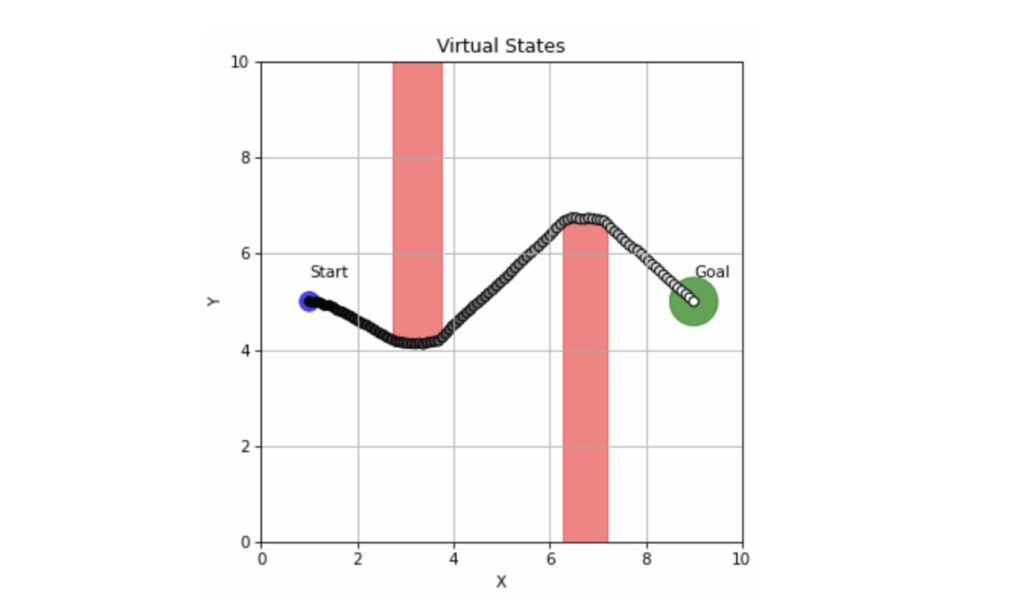
A team of researchers, including Mike Rabbat, Aditi Krishnapriyan, Yann LeCun, and Amir Bar, has introduced GRASP, a new gradient-based planning method designed for learned dynamics in world models. This innovative approach addresses the challenges of long-horizon planning, which has proven to be fragile and inefficient with existing models. GRASP enhances planning by lifting trajectories into virtual states, allowing for parallel optimization across time, and incorporating stochastic elements to facilitate exploration. The development of GRASP comes in response to the limitations of current world models, which, despite their ability to predict complex sequences in high-dimensional spaces, struggle with optimization and can easily fall into local minima. The researchers emphasize that while powerful predictive models exist, effective control and planning remain significant hurdles. By utilizing a collocation-based approach, GRASP optimizes both actions and states, improving computational efficiency and robustness against adversarial vulnerabilities inherent in state gradients. The method also introduces exploration through Gaussian noise in state updates, enhancing the ability to navigate complex planning landscapes. Preliminary results indicate that GRASP significantly outperforms traditional methods in success rates and time efficiency for long-horizon planning tasks. The researchers view GRASP as a foundational step towards more advanced world model planners, with future work aimed at integrating the method into reinforcement learning systems and exploring diffusion-based world models. The full details of the study can be found in their published paper.
Robot Talk Episode 153 – Origami-inspired robots, with Chenying Liu
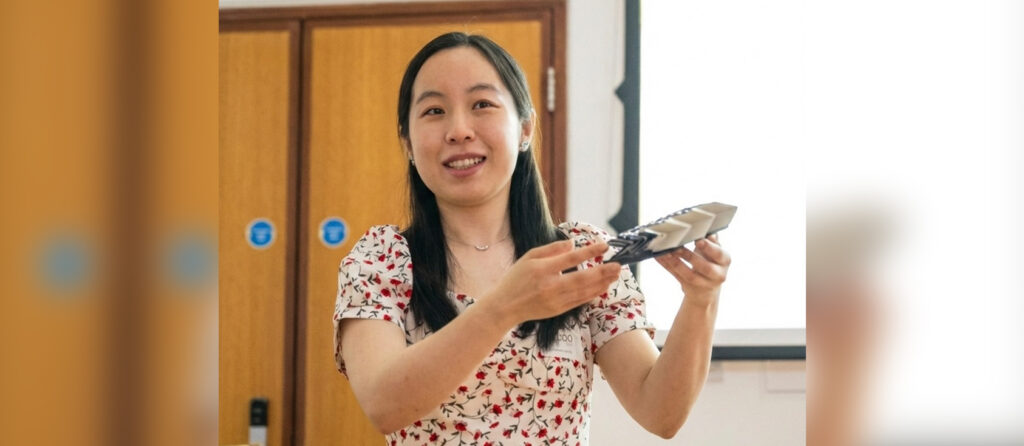
In a recent discussion, Claire engaged with Chenying Liu, a Junior Research Fellow and Associate Member of Faculty in the Department of Engineering Science at the University of Oxford, to explore the significant role of a robot's physical form in enhancing its capabilities. Liu, who leads an independent research program, emphasized how the design and structure of robots can influence their ability to sense their environment, process information, make decisions, and execute movements effectively. This conversation sheds light on the intersection of robotics and engineering, highlighting the importance of physical attributes in advancing robotic technology.
Sony AI table tennis robot outplays elite human players
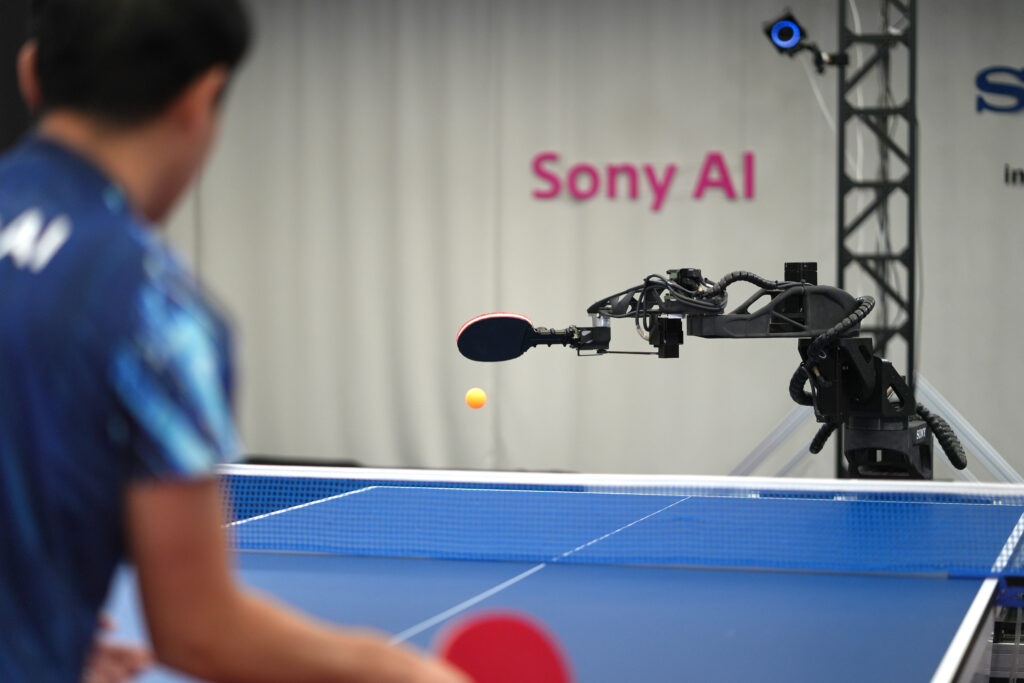
In a groundbreaking development for artificial intelligence in sports, Sony AI has unveiled Ace, a robot that has successfully defeated elite human players in competitive physical sports. This achievement was highlighted in an article published today in the journal Nature. The match took place in December 2025, where Ace showcased its advanced capabilities by skillfully returning the ball to its human opponent, Yamato Kawamata. This milestone not only marks a significant advancement in AI technology but also raises questions about the future of robotics in competitive environments. The motivation behind creating Ace was to explore the potential of AI in mastering complex physical tasks and to push the boundaries of machine learning in real-world applications.

AI system learns to keep warehouse robot traffic running smoothly
A recent advancement in robotics technology introduces a novel method for determining which robots should have the right of way in various environments. This innovative approach aims to minimize congestion and enhance overall efficiency in robotic operations. By utilizing real-time data and sophisticated algorithms, the system can dynamically assess traffic conditions among robots, ensuring smoother interactions and increased throughput. This development is particularly significant in settings where multiple autonomous machines operate simultaneously, such as warehouses or manufacturing facilities. The implementation of this technology is expected to streamline processes and improve productivity, marking a substantial step forward in the integration of robotics into everyday tasks.

Robot Talk Episode 152 – Dexterous robot hands, with Rich Walker
Claire recently spoke with Rich Walker, a key figure at Shadow Robot Company, regarding their innovative robotic hands designed for both research and industrial applications. Walker, who has been with the company since its inception, transitioned from a background in software and systems engineering to a management role, where he has played a pivotal part in the company's research and development initiatives. The discussion highlighted the advancements in robotic technology and the potential impact these developments could have across various sectors. Shadow Robot Company aims to enhance automation and precision in tasks traditionally performed by humans, showcasing the growing intersection of robotics and industry.
What I’ve learned from 25 years of automated science, and what the future holds: an interview with Ross King
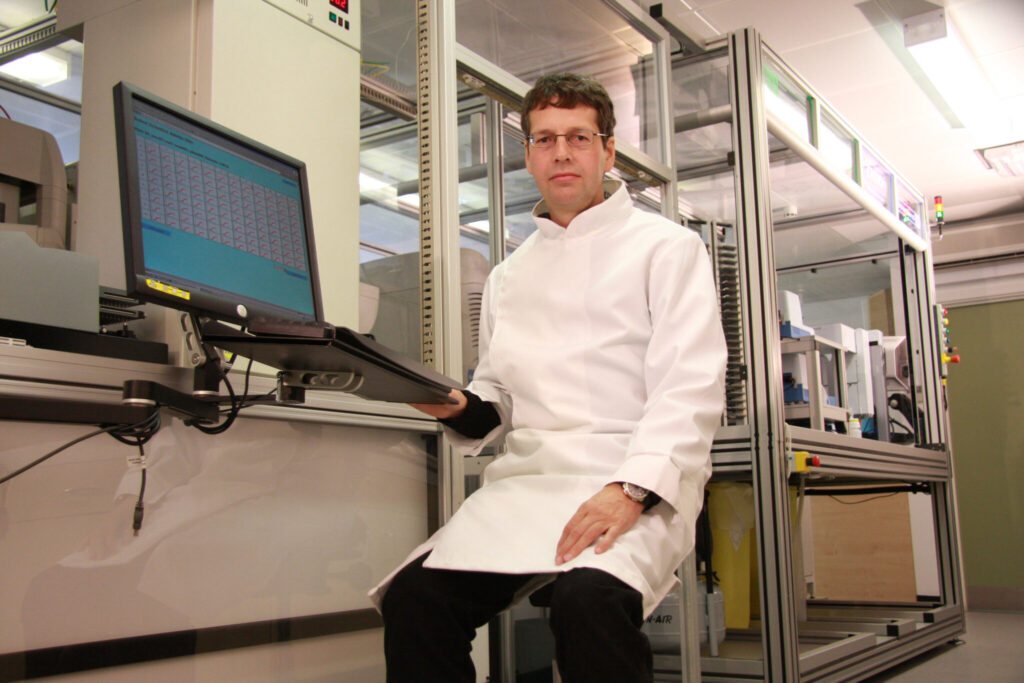
A new series has been launched to delve into the advancements in artificial intelligence, featuring interviews with prominent researchers in the field. The inaugural episode highlights Ross King, the pioneer behind the first robot scientist developed in 2009. In this interview, King shares insights on the significant breakthroughs in AI and discusses the tangible implications of these developments for the future. The series aims to provide audiences with an in-depth understanding of the current landscape of AI research and its potential impact on society.

Robot Talk Episode 151 – Robots to study the ocean, with Simona Aracri
Claire recently engaged in a conversation with Simona Aracri, a researcher at the National Research Council of Italy, to discuss groundbreaking robot designs aimed at enhancing oceanography and environmental monitoring. Aracri, who is affiliated with the Institute of Marine Engineering, shared insights from her extensive background, including her previous role as a Post Doctoral Research Associate at the University of Edinburgh. The dialogue highlighted the importance of innovative technology in addressing environmental challenges and improving data collection methods in marine research. This exchange underscores the growing collaboration between researchers and institutions in the pursuit of sustainable solutions for oceanic studies.
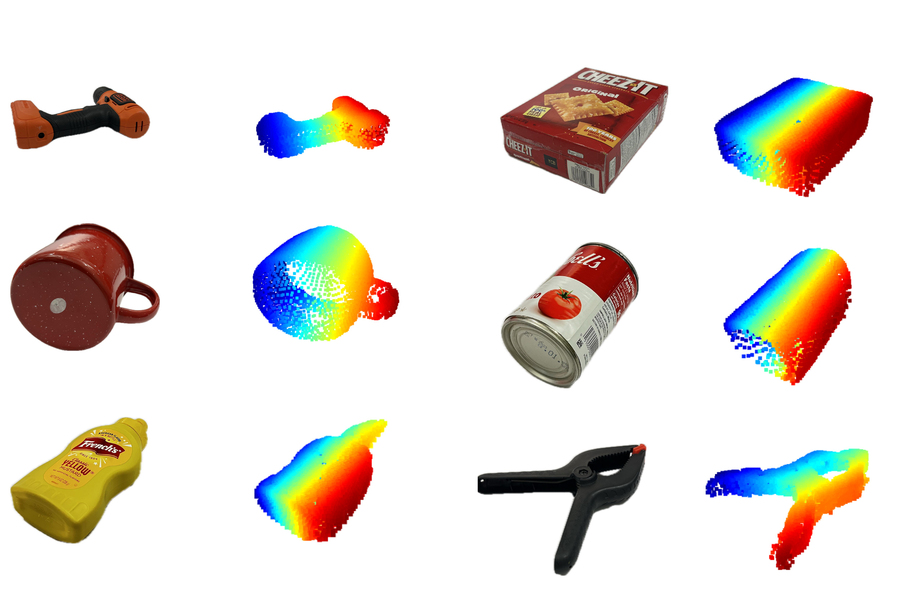
Generative AI improves a wireless vision system that sees through obstructions
Researchers have developed an innovative technique that enables robots to more accurately detect hidden objects and interpret indoor environments by utilizing reflected Wi-Fi signals. This advancement, which leverages existing wireless technology, could significantly enhance the capabilities of robots in various applications, including search and rescue operations, home automation, and security surveillance. The technique was unveiled in October 2023, showcasing the potential for robots to navigate and understand complex indoor spaces without the need for additional sensors. By analyzing how Wi-Fi signals bounce off objects, the robots can create a detailed map of their surroundings, improving their situational awareness and object recognition skills. This breakthrough not only promises to make robots more efficient but also opens new avenues for integrating smart technology into everyday life.
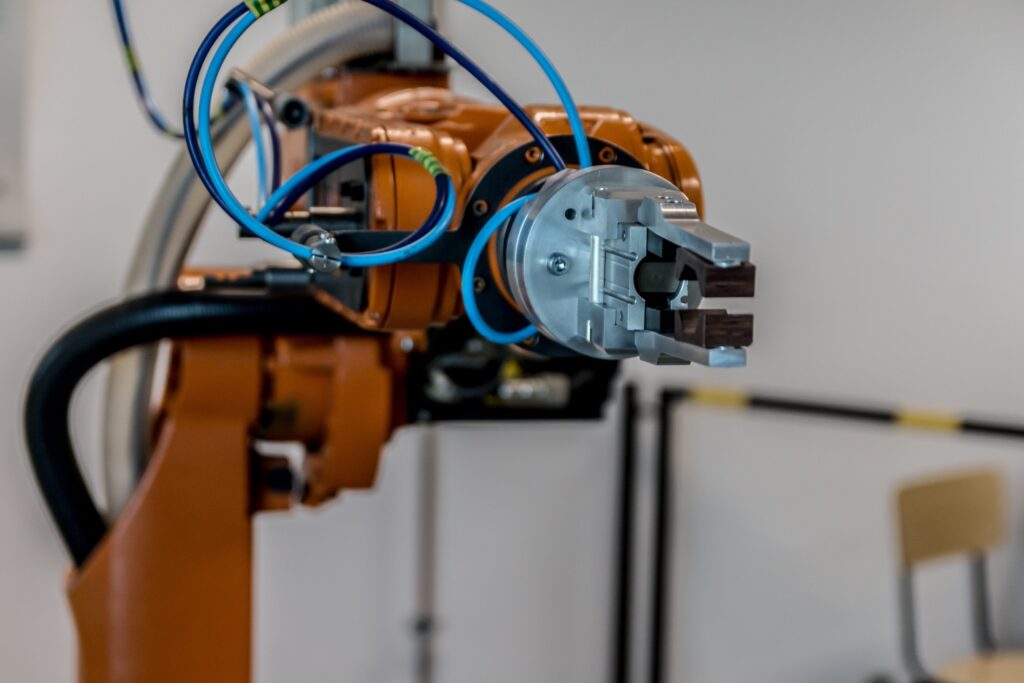
Back to school: robots learn from factory workers
Czech startup RoboTwin is revolutionizing the way robots are trained for factory work by enabling workers to teach them new skills through demonstration rather than complex coding. This innovative approach allows factory employees to perform tasks once, after which RoboTwin's technology captures the movements and translates them into actionable instructions for the robots. By simplifying the training process, RoboTwin aims to enhance efficiency and safety in manufacturing environments, particularly for dirty and dangerous jobs. The initiative reflects a growing trend in automation, where human expertise is leveraged to improve robotic capabilities, ultimately transforming the landscape of industrial labor.
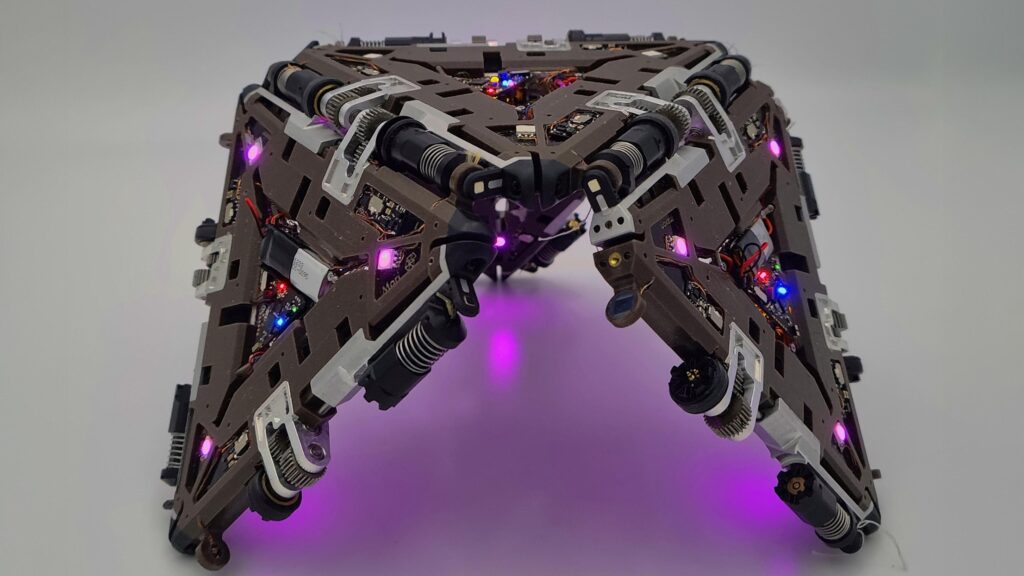
Resource-sharing boosts robotic resilience
Researchers at the École Polytechnique Fédérale de Lausanne (EPFL) have developed the Mori3 modular origami robot, a groundbreaking innovation in robotic design aimed at enhancing functionality while reducing the risk of failure. This development highlights a significant challenge in robotics: balancing the complexity of multi-functional systems with reliability. The Mori3 robot employs a unique origami-inspired design that allows it to adapt its shape and capabilities, making it versatile for various tasks. This advancement was unveiled recently, showcasing the potential for modular robots to operate effectively in dynamic environments. The researchers believe that by integrating origami principles, they can create robots that not only perform a wide range of functions but also maintain a high level of operational reliability. This innovative approach could pave the way for future applications in fields such as search and rescue, medical assistance, and environmental monitoring.

Robot Talk Episode 150 – House building robots, with Vikas Enti
In a recent conversation, Claire spoke with Vikas Enti, co-founder and CEO of Reframe Systems, about the innovative use of robotics and automation in constructing climate-resilient, high-performance homes. This discussion highlighted how Reframe Systems, a company focused on physical AI, is transforming traditional building methods through advanced automation and localized fabrication techniques. Enti, who brings over ten years of experience from his tenure at Amazon Robotics, emphasized the importance of these technologies in addressing the challenges posed by climate change. The dialogue underscored the potential for automation to not only enhance the efficiency of home construction but also to create structures that can withstand the increasing impacts of environmental stressors.

A history of RoboCup with Manuela Veloso
RoboCup, an international competition dedicated to the advancement of robotics and artificial intelligence, continues to foster innovation through its diverse leagues. In a recent interview, Professor Manuela Veloso, a co-founder of RoboCup, shared insights into the origins of the competition, highlighting its evolution and the expanding community of participants. Established to challenge and inspire advancements in robotics, RoboCup aims to bring together researchers and enthusiasts from around the globe to collaborate and push the boundaries of technology. As the event grows, it not only showcases cutting-edge developments but also emphasizes the importance of teamwork and interdisciplinary approaches in solving complex problems. The competition, which has been held annually since its inception, serves as a platform for sharing knowledge and promoting the future of AI and robotics.

Robot Talk Episode 149 – Robot safety and security, with Krystal Mattich
Claire recently engaged in a conversation with Krystal Mattich, the Senior Director of Security, Privacy, and Risk at Brain Corp, a leading company in the field of autonomous robotics. The discussion focused on the importance of ensuring that autonomous robots can be trusted in public spaces. Mattich, who oversees global data governance, system security, and privacy compliance at Brain Corp, emphasized the need for a robust privacy-first infrastructure to support the safe integration of these technologies into everyday environments. The dialogue highlighted the growing reliance on commercial robotics and the critical role that security and privacy play in fostering public confidence in autonomous systems.
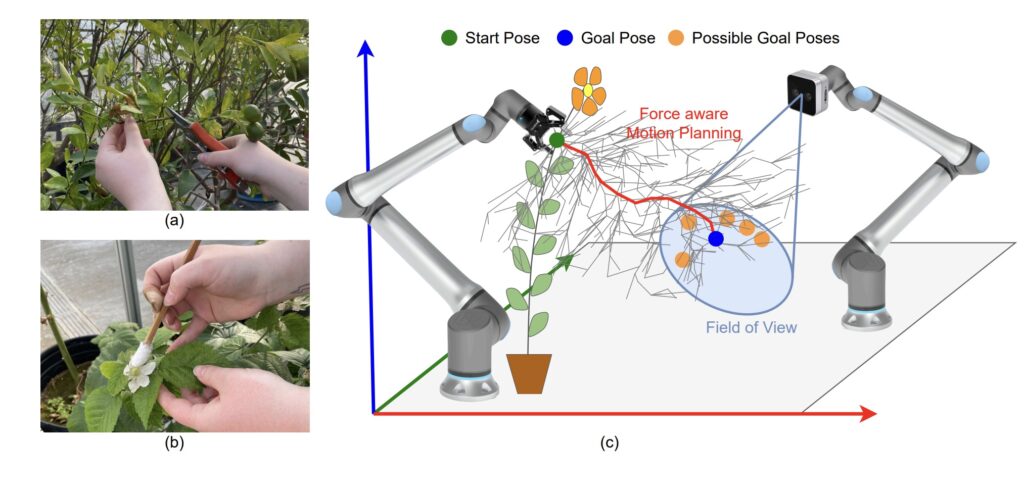
A multi-armed robot for assisting with agricultural tasks
Researchers led by Madhav have developed a robotic system designed to assist in agricultural tasks such as branch pruning and hand pollination. This innovative approach allows one robot to manipulate branches, facilitating easier access to flowers for effective pollination. The system aims to enhance productivity in farming by mimicking the way humans use one hand to stabilize a branch while the other performs essential tasks. The project highlights the potential of robotics in improving agricultural efficiency and addressing labor shortages in the sector.
Robotics needs a service framework.
RSF defines a common language for robot service capability, lifecycle operations, certification pathways, and service-provider networks.