Humanoid Manipulation & Grasping Education & Research
Challenges in Developing Human-Like Robotic Hands for Household Tasks
Original from InterestingEngineering.com: Why building a human-like robotic hand is so incredibly difficult

Challenges in Developing Human-Like Robotic Hands for Household Tasks

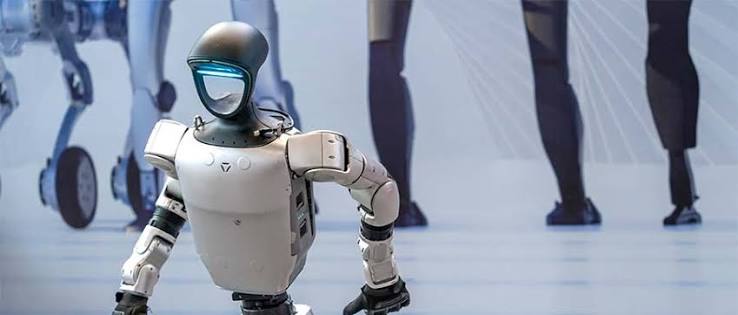
Humanoid robots can perform complex movements like backflips, yet struggle with simple tasks such as folding shirts or picking up sponges. This paradox arises because while backflips involve predictable sequences, household tasks are fraught with uncertainty due to the variability of objects and environments. The human hand's dexterity, which combines mechanics, sensing, and control, is difficult to replicate in robots.

The challenge lies in the need for robots to understand their grip and the properties of objects they manipulate. A modern robotic hand may have multiple motors, but it requires advanced sensors and software to adjust grip strength and position dynamically. Recent research from Zhejiang University highlights the importance of tactile sensing, achieving an 85% success rate in complex tasks by integrating visual and tactile information with reinforcement learning.

Researchers at Ohio State University emphasize that household robots must coordinate their entire body and environment for effective manipulation. Unlike factory robots, which operate in controlled settings, household tasks involve unpredictable variables. This complexity makes the development of robotic hands capable of performing everyday tasks a significant hurdle in humanoid robotics.

Editor's Note

The development of human-like robotic hands is critical for advancing household robotics. As robots are increasingly integrated into domestic environments, understanding the nuances of physical interaction with various objects is essential. This presents challenges in sensor technology and control systems, which must evolve to accommodate the unpredictability of everyday tasks. The competitive landscape will likely see increased investment in research focused on tactile sensing and bimanual coordination to enhance robotic dexterity.


RobotToday Initiative

Robotics needs a service framework.

RSF defines a common language for robot service capability, lifecycle operations, certification pathways, and service-provider networks.

Share

Related Articles/News

Advancements in Tactile Data Enhance Robot Dexterity for Everyday Tasks

Advancements in Tactile Data Enhance Robot Dexterity for Everyday Tasks

Recent developments in tactile data collection are addressing the challenges of robot dexterity in everyday tasks. Researchers are leveraging vision-language-action models, which have shown promise in guiding robots through complex actions, but still struggle with tasks requiring fine motor skills. By integrating tactile feedback, robots can improve their...

Robotics Manipulation Tactile-sensing
Algomatic Dynamics Secures $32.5M Funding to Launch AI-Powered Robotic Hand in Japan

Algomatic Dynamics Secures $32.5M Funding to Launch AI-Powered Robotic Hand in Japan

Algomatic Dynamics has successfully raised $32.5 million from DMM.com in its inaugural funding round, aiming to launch an AI-driven multi-fingered robotic hand platform in Japan by the end of 2026. The startup, which began operations on September 9, focuses on developing technologies for motion-data collection, robot learning, and tactile robotic hands, a...

AI AI Funding & Investment Robotics
Supply Chain Challenges Hinder Humanoid Robot Development Despite AI Advances

Supply Chain Challenges Hinder Humanoid Robot Development Despite AI Advances

The primary bottleneck for humanoid robots is not just AI model limitations but also supply chain constraints. A recent McKinsey report highlights that critical hardware components such as precision motor systems and tactile sensing are high-risk areas that won't automatically improve with algorithm upgrades. Renesas Vice President Ivo Marocco emphasizes ...

Humanoid Robots Supply Chain AI
Skild AI Introduces S1 Robot Model Utilizing NVIDIA Physical AI for Task Learning

Skild AI Introduces S1 Robot Model Utilizing NVIDIA Physical AI for Task Learning

Skild AI has launched its S1 robot foundation model, designed to learn new tasks from a single video demonstration. This innovative approach utilizes in-context learning, allowing the robot to understand and execute tasks without the need for extensive reprogramming. The model was developed using NVIDIA AI infrastructure, highlighting a collaboration aime...

Beijing Advocates for Elderly Care Robots in Households Amidst Market Challenges

Beijing Advocates for Elderly Care Robots in Households Amidst Market Challenges

Beijing is actively promoting the integration of elderly care robots into households, aiming to tap into a lucrative market. However, there are three significant hurdles that must be overcome to ensure these robots do not end up unused. These challenges include technological limitations, consumer acceptance, and regulatory frameworks that need to be addre...

Robotics Automation AI
The Rise of Household Robots: Transforming Mobility and Daily Life by 2026

The Rise of Household Robots: Transforming Mobility and Daily Life by 2026

By 2026, the tech industry anticipates a significant shift where robotaxis will replace personal vehicles, and humanoid robots will become essential household members. This narrative suggests that cars will transition from personal ownership to mobility services, while robots will evolve similarly, becoming integral to family life. The implications of thi...

Humanoid Robots Robotaxi Service Robotics
Household Robots Face Challenges: Market Growth and Open Source Solutions Ahead

Household Robots Face Challenges: Market Growth and Open Source Solutions Ahead

The shipment of humanoid robots is surging, with IDC projecting around 18,000 units globally by 2025, a 508% increase. However, the penetration of these robots into households remains minimal, as most are still used in entertainment, education, and data collection. Ecovacs Group Chairman Qian Dongqi noted that it may take three to five years for humanoid ...

Humanoid Robots Open Source Robotics Household Automation
China’s Dexterous Hand Industry, 2026 Part 3 — The Players

China’s Dexterous Hand Industry, 2026 Part 3 — The Players

Five vendor archetypes, MIR’s composite top ten, eight company profiles and six field deployments — every firm linked to the RobotToday supplier directory.

Components and Hardware Humanoids
OpenAI's Robotics Evolution: From Early Innovations to Future Humanoid Developments

OpenAI's Robotics Evolution: From Early Innovations to Future Humanoid Developments

In 2019, OpenAI released a video showcasing a robotic hand solving a Rubik's Cube. On September 2, 2026, CEO Sam Altman confirmed in a podcast that the company will develop humanoid robots, alongside other forms. Over nine years, OpenAI has revisited robotics three times: initially building robots, then investing in them, and now returning to hands-on dev...

Humanoid Robots Robotics Development AI Technology
RobotToday Weekly Briefing August 31 – September 4, 2026

RobotToday Weekly Briefing August 31 – September 4, 2026

This week in robotics: NVIDIA agrees to buy Hugging Face for $12.93 billion, Figure signs a $3.5 billion compute deal with Nscale for up to 100,000 GPUs, Tesla launches steering-wheel-free Cybercabs in Austin under NHTSA scrutiny, and Uber and Wayve bring the UK its first autonomous rides. August 31 – September 4, 2026.

RobotToday Weekly
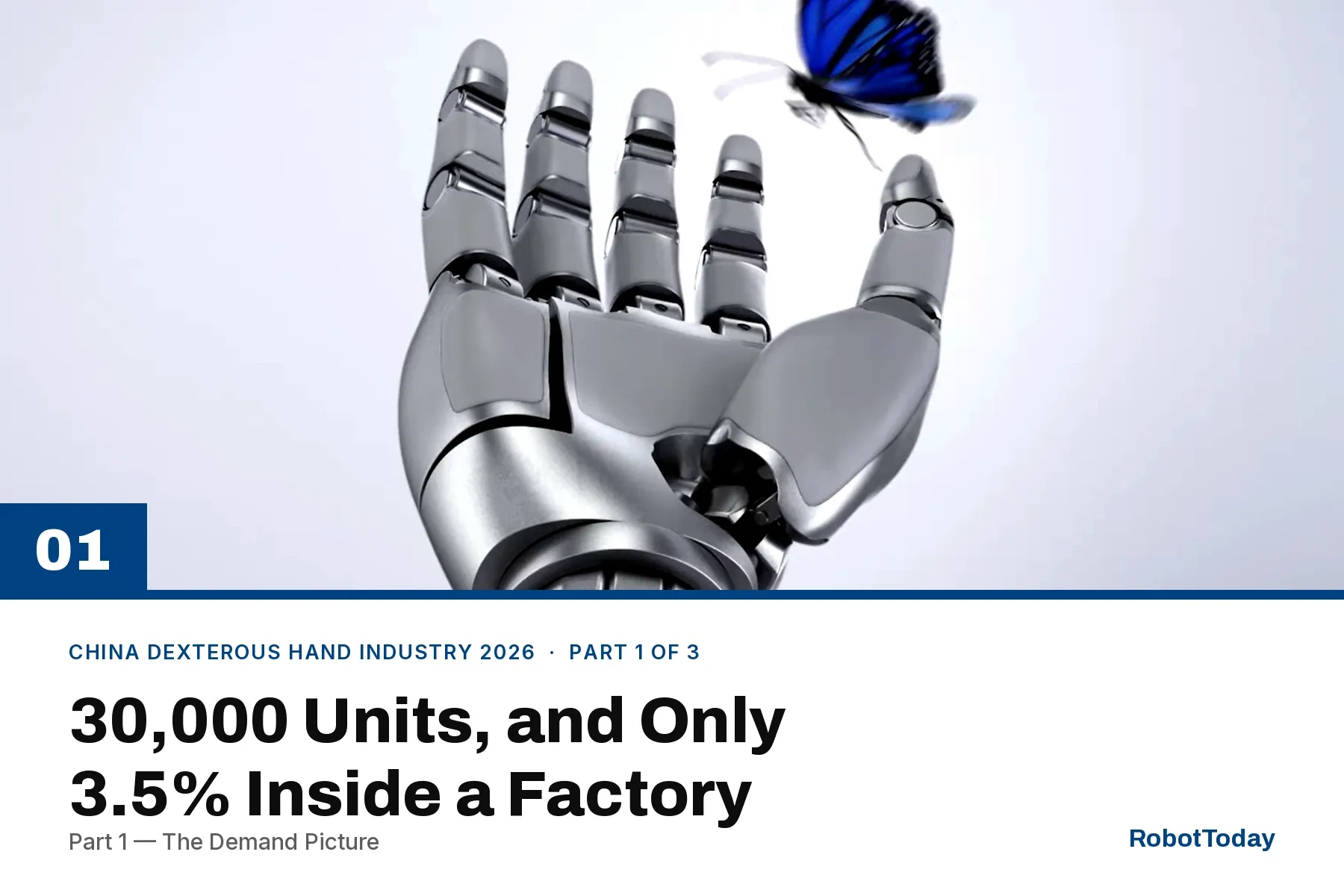
China’s Dexterous Hand Industry, 2026 Part 1 — The Demand Picture

China’s Dexterous Hand Industry, 2026 Part 1 — The Demand Picture

MIR Databank puts China dexterous hand shipments above 30,000 units in 2026, yet only 3.5% of 2025 demand came from factory production. Part 1 of 3.

Components and Hardware Humanoids
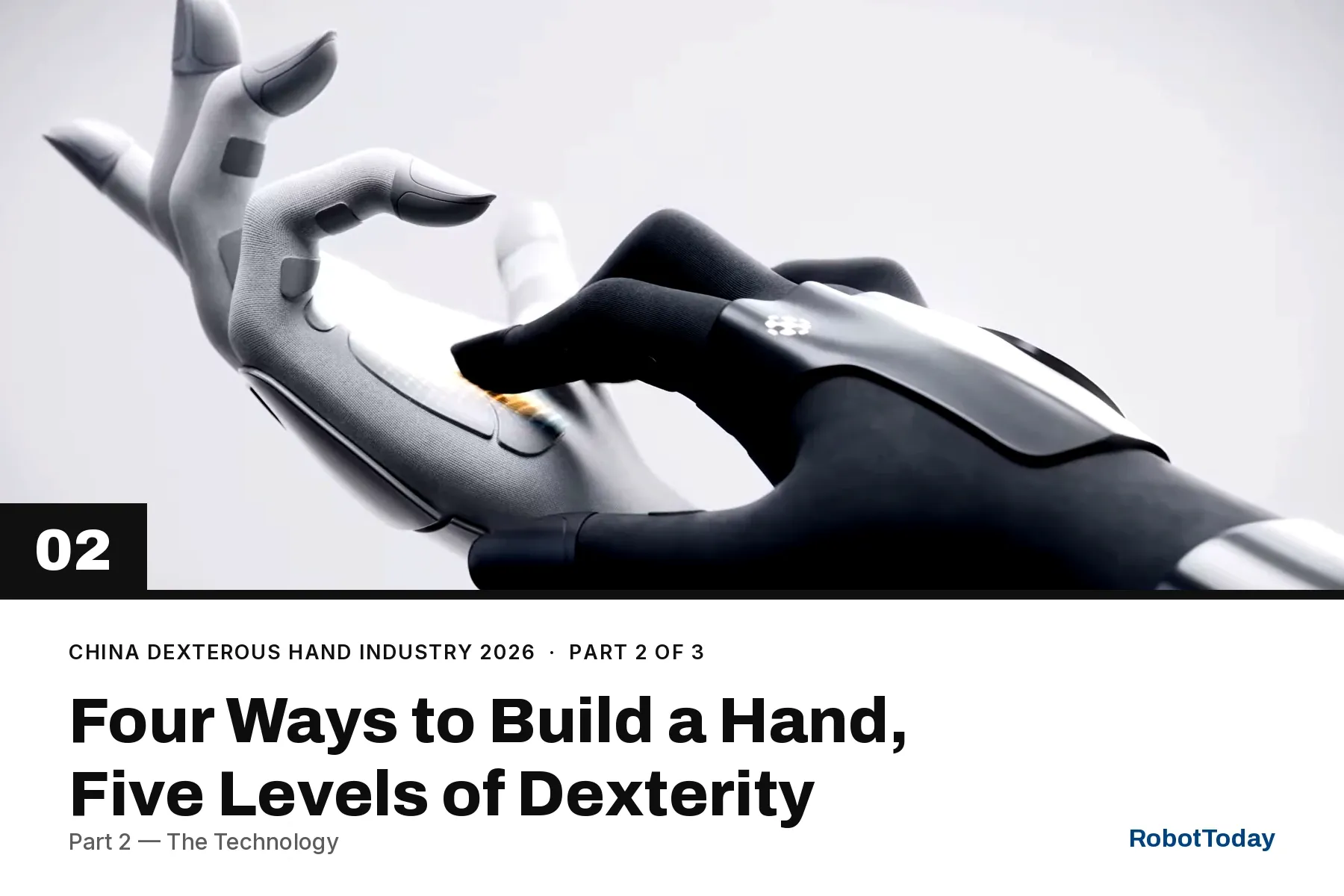
China’s Dexterous Hand Industry, 2026 Part 2 — The Technology

China’s Dexterous Hand Industry, 2026 Part 2 — The Technology

Linkage, tendon, direct drive or hybrid — and why hardware is converging while the DL1–DL5 manipulation scale decides who wins. Part 2 of 3.

Components and Hardware

Related Suppliers

Origami Robotics

Origami Robotics is a USA robotics startup building high-DOF dexterous robotic hands with co-designed data-collection gloves to accelerate physical AI.

Robot Manufacturer Mobile Robot (AGV/AMR) Software & Algorithm Provider

FEHLINGS AUTOMATION GmbH

German specialist in screw automation systems, feeding technology, and robotic screwdriving solutions headquartered in Walluf, Hessen.

Industrial Manufacturing Robot Manufacturer System Integrator

Vassar Robotics

Y Combinator-backed startup making ultra-affordable open-source robot arms powered by AI foundation models for home and education use.

Weave Robotics

San Francisco startup making practical home robots; Isaac 0, a stationary laundry-folding robot, ships in California as of early 2026.

HAND ERC (Human AugmentatioN via Dexterity Engineering Research Center)

NSF Engineering Research Center developing versatile dexterous robot hands with AI-powered manipulation skills and human interfaces.

Dexterity Inc.

Redwood City AI robotics company deploying Physical AI-powered robots for warehouse truck loading, palletizing, and logistics.

Industrial Manufacturing Logistics & Supply Chain Robot Manufacturer

Zhejiang Humanoid Robot Innovation Center 浙江人形机器人创新中心

Ningbo-based humanoid robot maker behind the NAVIAI WA1/WA2/i3 series, backed by Zhejiang and Ningbo governments and Professor Xiong Rong's research team.

Shenzhen Lingyi Robot Technology Co., Ltd. 深圳市领益机器人科技有限公司

Shenzhen-based humanoid robot assembly and component subsidiary of publicly listed Lingyi iTech.

Apex Sensing LLC

Apex Sensing develops flexible tactile sensors and electronic skin for humanoid robots, plus industrial inspection, medical and battery sensing.

Tactile Robots

Italian robotics startup founded in 2016 in Lecce, building GUIDO, a pressure-sensitive autonomous indoor delivery robot for commercial spaces.

Logistics & Supply Chain Mobile Robot (AGV/AMR) Robot Manufacturer

BridgeDP Robotics 桥介数物

Shenzhen developer of universal robot 'cerebellum' motion-control algorithms for humanoid, quadruped and wheeled-legged robots using RL and motion capture.

UC Berkeley Robotics and Intelligent Machines / BAIR Lab

UC Berkeley's AI and robotics research lab with 50+ faculty; known for robot learning, manipulation, and reinforcement learning research by Abbeel.

Education & Research Software & Algorithm Provider

inJoin the RobotToday community on LinkedIn

Daily robotics news, in-depth analysis, conference highlights, and discussions with professionals worldwide.