

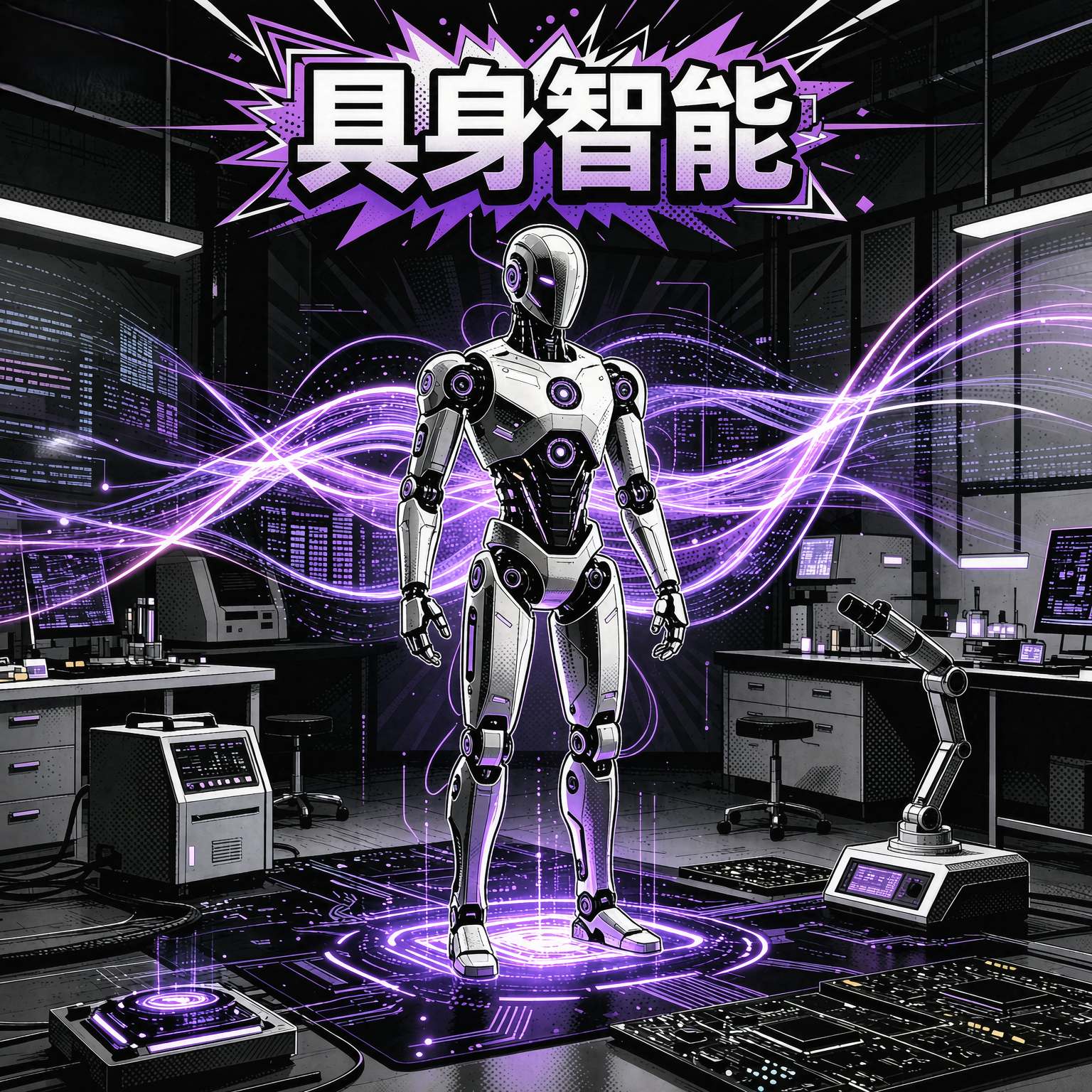
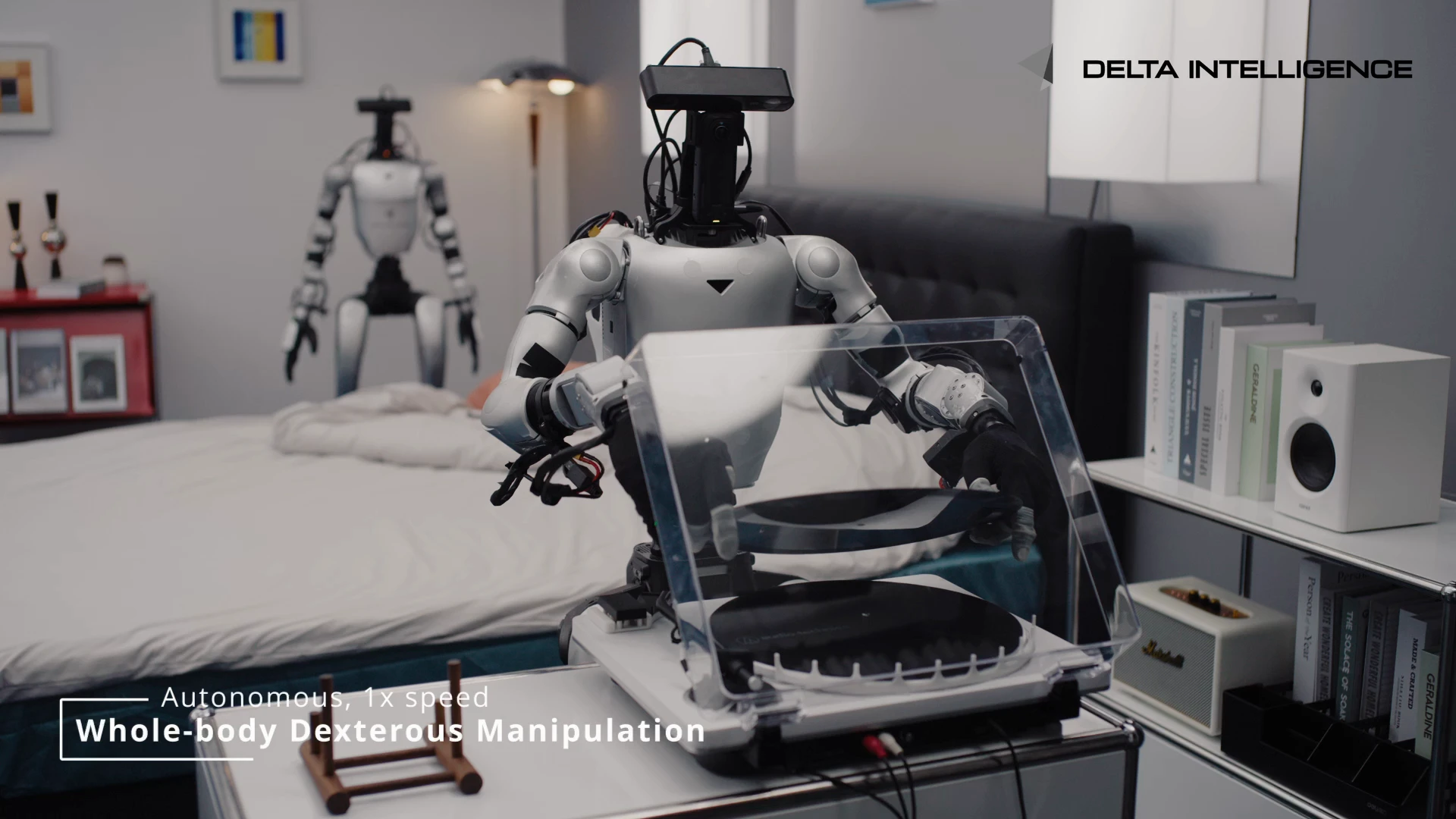
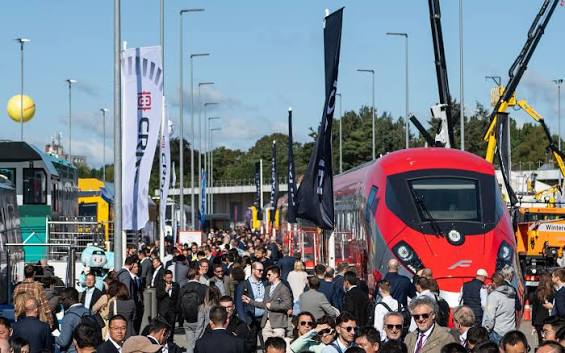
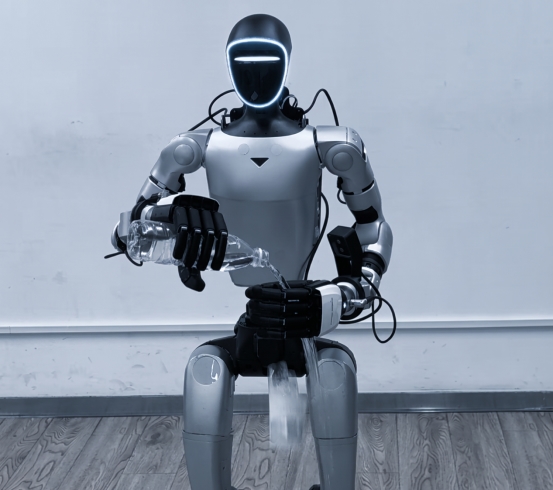
Academician Zheng Nanning, Director of the Artificial Intelligence and Robotics Institute at Xi'an Jiaotong University, published an article discussing the growth of embodied intelligence in the physical world. He emphasized that a key direction for artificial intelligence is enabling machines to not only process information but also to flexibly perform various tasks in dynamic environments. This includes precise operations on industrial production lines, autonomous navigation in complex terrains, and dynamic movements in exhibition settings.
Zheng clarified that embodied intelligence is not synonymous with humanoid robots; rather, it focuses on whether intelligent systems can truly engage with real-world environments, forming a closed loop of perception, cognition, decision-making, action, and feedback. The evaluation of embodied intelligence should be based on its ability to solve real-world problems, not merely its physical form. He likened understanding embodied intelligence to an infant's process of learning about the world through interaction with their environment.
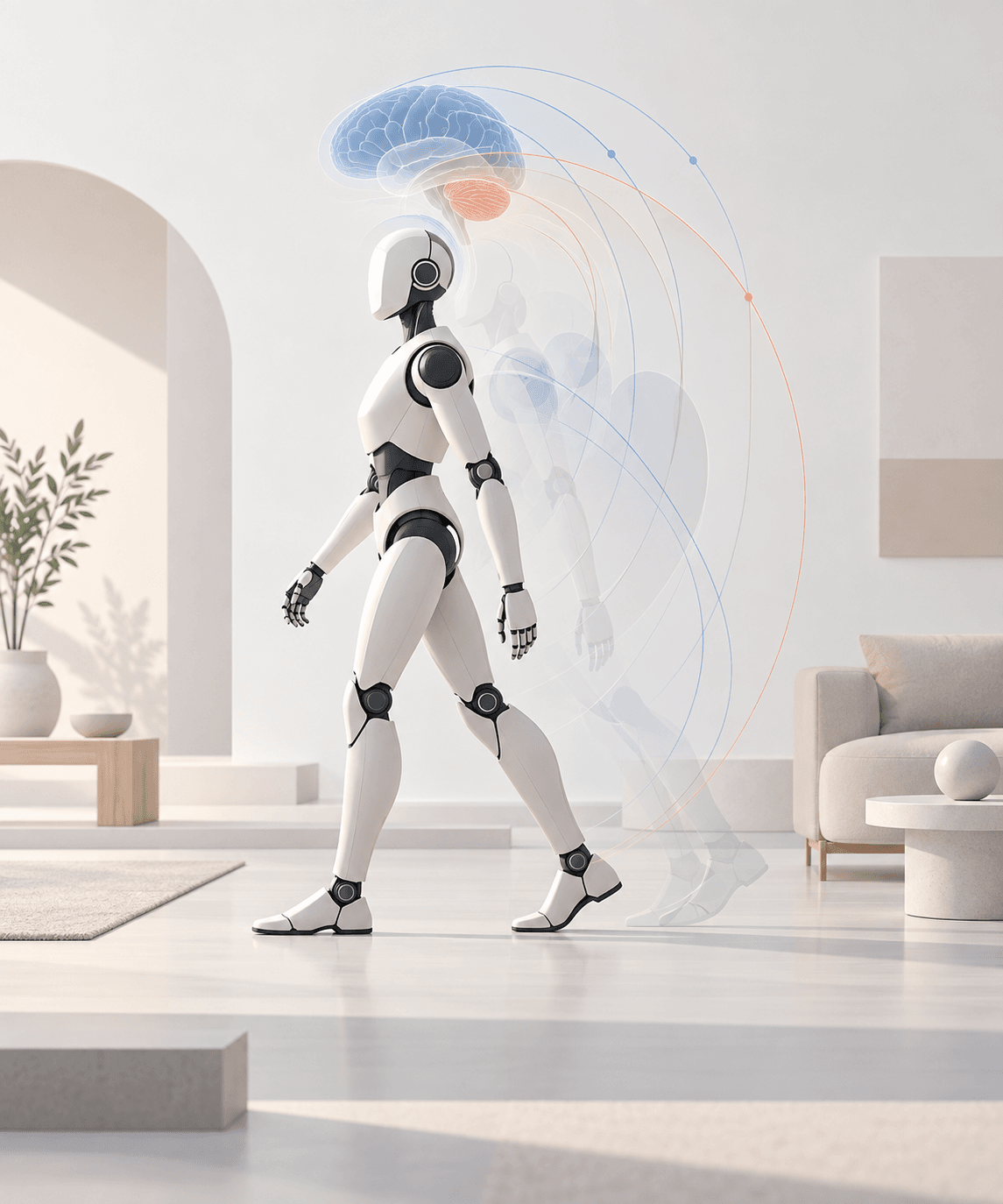
To enable machines to act in the world, embodied intelligence requires various capabilities, including the formation of world models, multimodal representation, causal reasoning, and the integration of generation and action. The development of embodied intelligence relies on high-quality multimodal data and realistic simulation environments. Current limitations include the black box problem, computational constraints, and an immature industrial ecosystem. In sectors like industrial manufacturing, healthcare, and urban governance, intelligent systems are evolving from mere tools to proactive systems capable of continuous learning and adaptation.
Editor's Note
The concept of embodied intelligence is reshaping the landscape of robotics and AI, moving beyond traditional humanoid forms to systems capable of real-world interaction. This shift is crucial for industries seeking to enhance automation and decision-making processes. As technology advances, the integration of embodied intelligence into various sectors will likely redefine operational efficiencies and capabilities.






















Leave a comment