


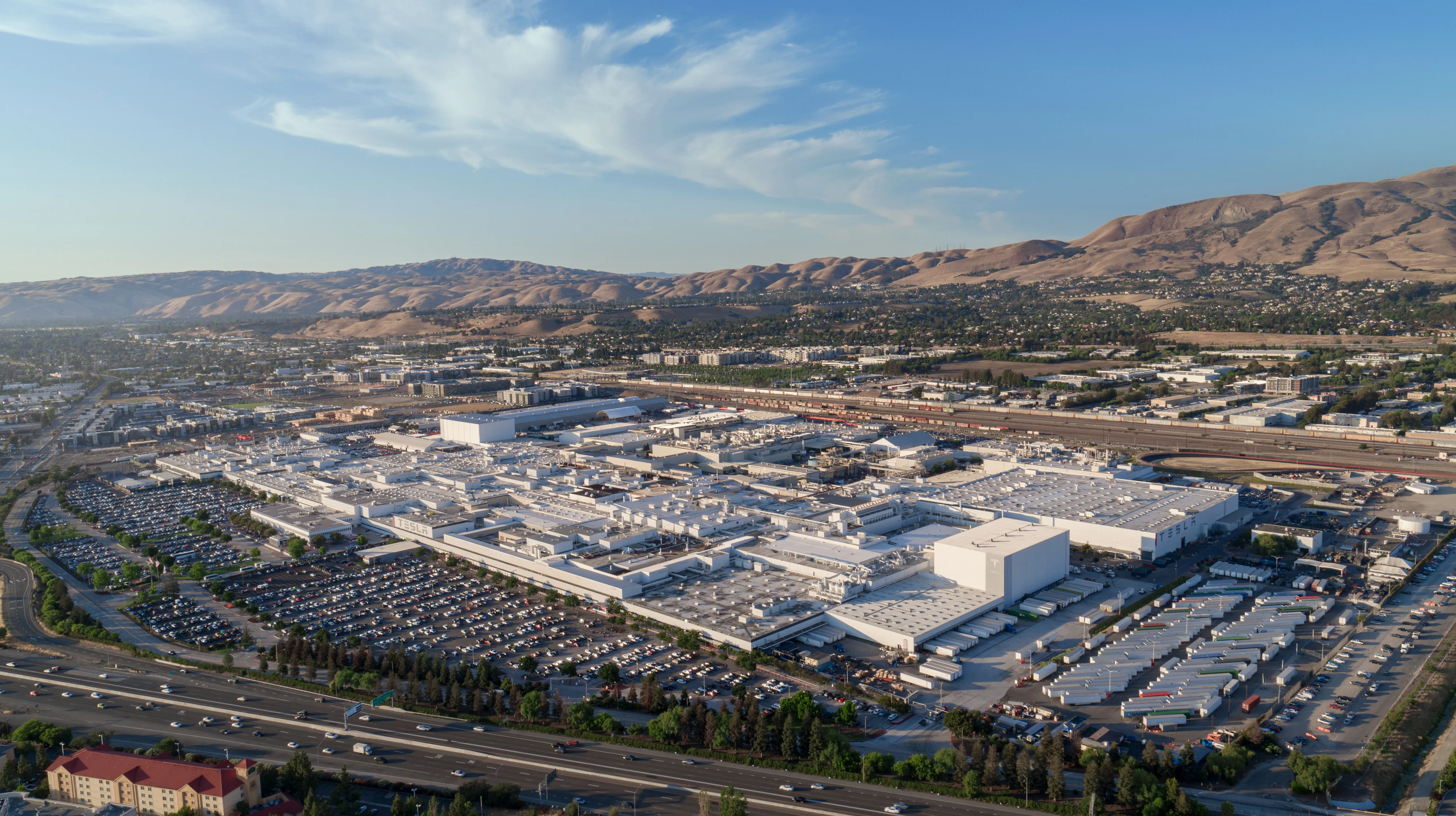
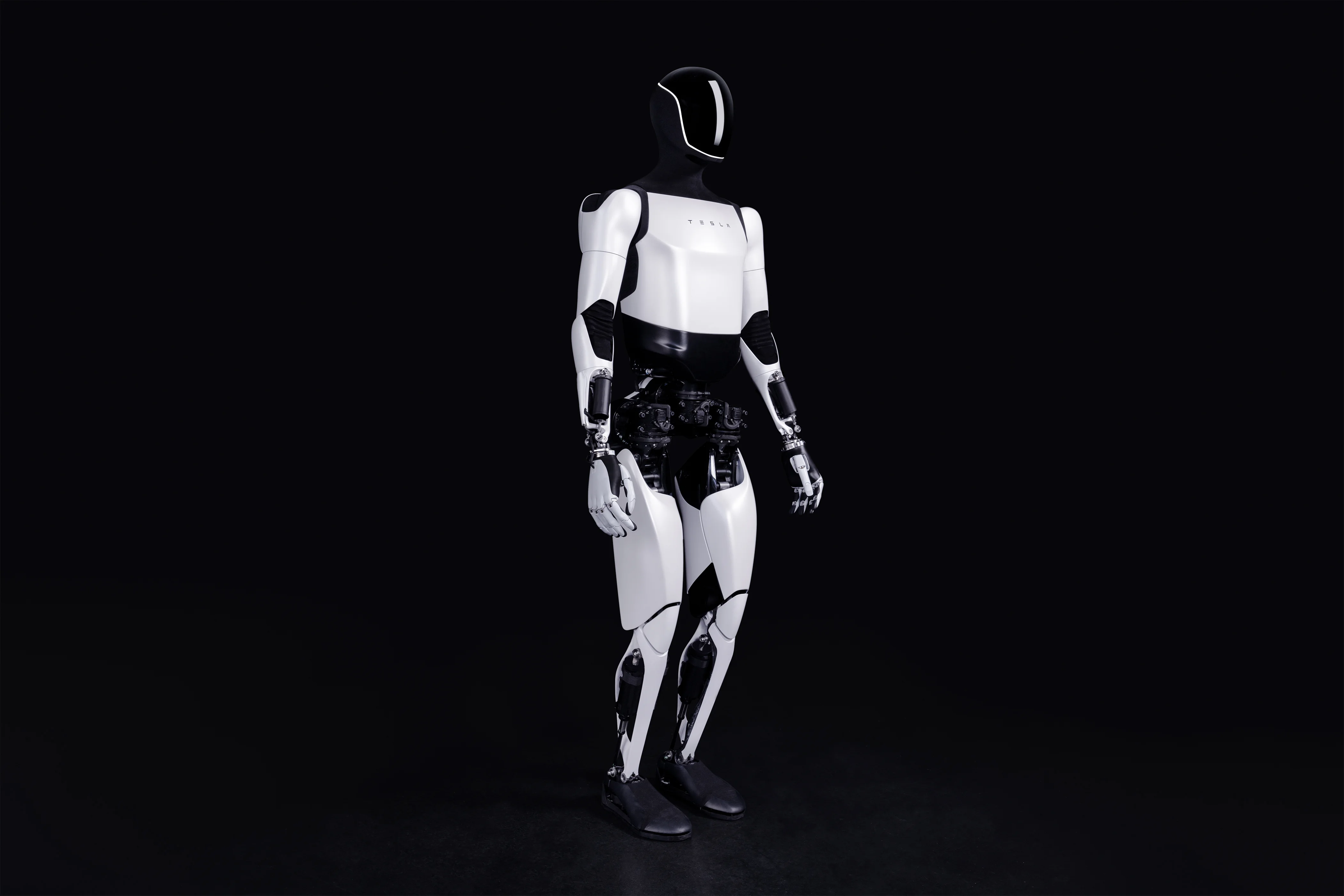
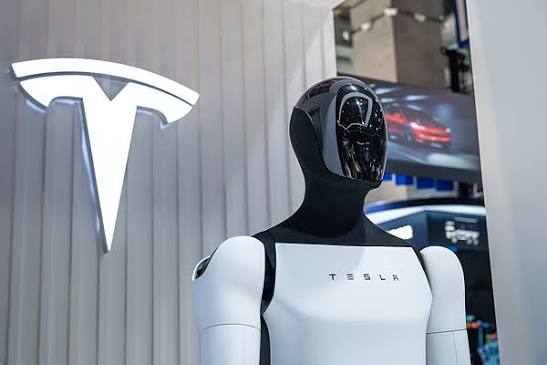
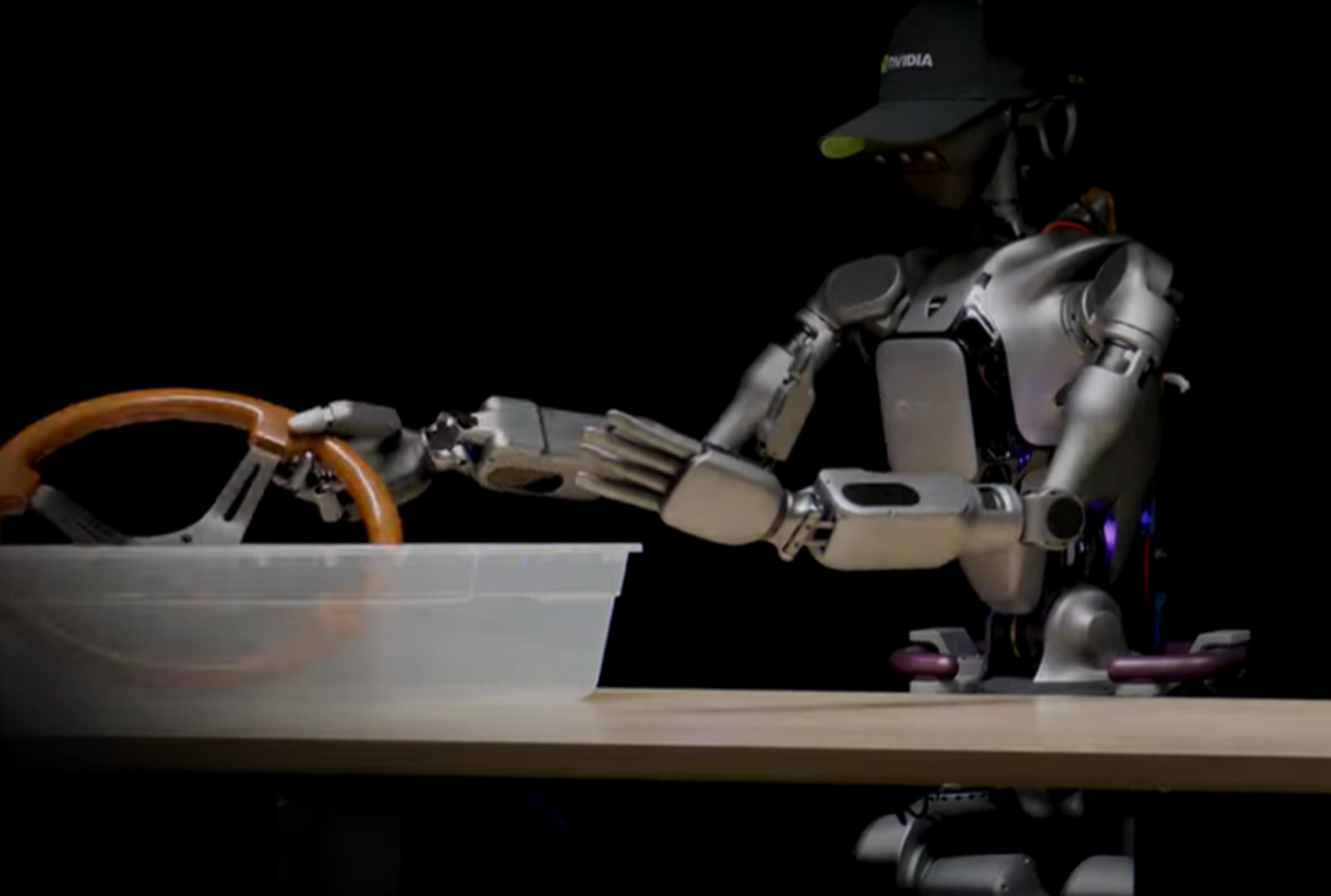
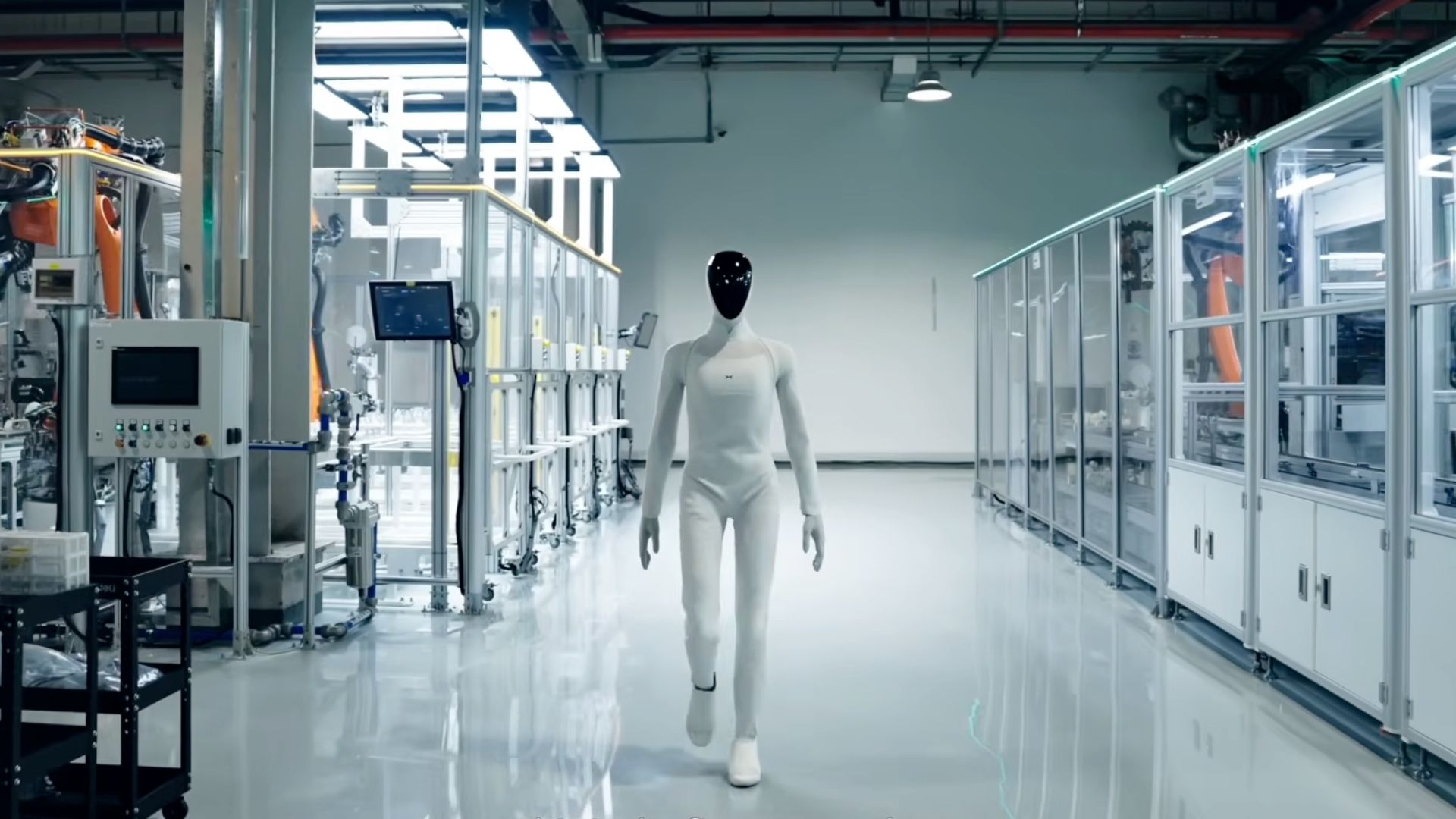
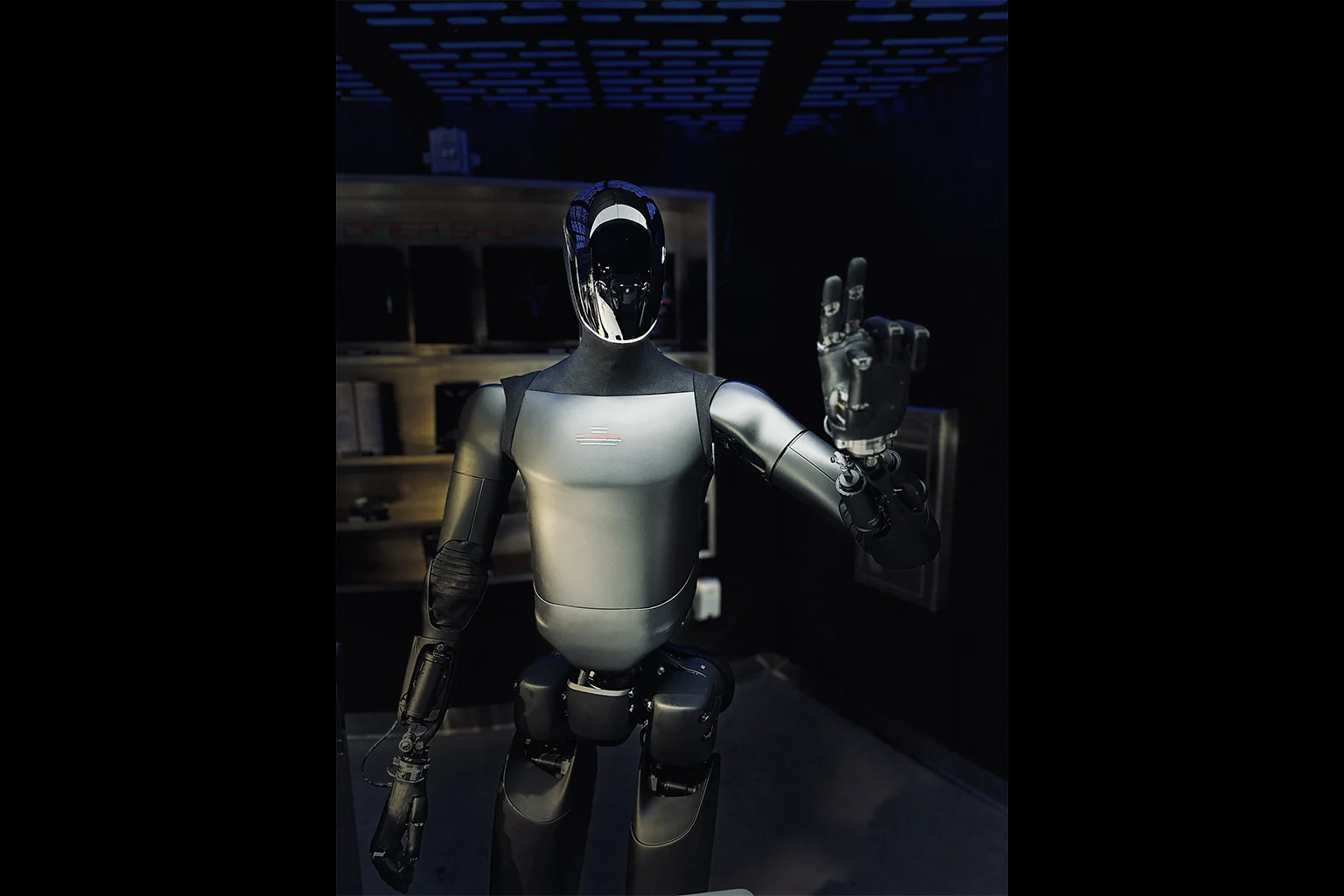
Tesla, BMW, and Mercedes have integrated humanoid robots into their production lines, marking a significant shift from prototype to real-world application in heavy industry. Tesla's Optimus robots are deployed in Fremont and Texas factories, assisting in battery assembly and wiring tasks, while BMW has procured Figure 03 for metalworking and logistics testing. Mercedes utilizes Apollo for high-risk positions, showcasing the adaptability of humanoid robots to existing factory setups without extensive modifications.
The economic advantages of these robots are becoming clear, with operational costs as low as $2 to $5 per hour compared to $35 to $45 for workers in the U.S. and Europe. This cost differential, which includes wages, social security, benefits, training, and management, is a key motivator for automakers to adopt humanoid robots. As the Labor-as-a-Service (LaaS) leasing model gains traction, the barriers to entry for automotive companies are lowering, prompting hardware manufacturers to shift towards high-margin software subscription services.
Looking ahead, the humanoid robot market is projected to reach $15 trillion, but there are challenges to overcome. These include limited interaction data for robots in complex environments, insufficient hardware durability, and labor disputes regarding job displacement. The year 2026 is anticipated to be a pivotal point for humanoid robots in commercial applications, with the success of this transition hinging on data accumulation, hardware reliability, and societal responses to job replacement issues.
Editor's Note
The integration of humanoid robots into production lines by major automotive manufacturers reflects a significant trend in industrial automation. As companies seek to reduce labor costs and improve efficiency, the adoption of such technology could reshape workforce dynamics and operational strategies. Stakeholders should monitor advancements in robot reliability and the evolving regulatory landscape surrounding labor relations.





















Leave a comment