

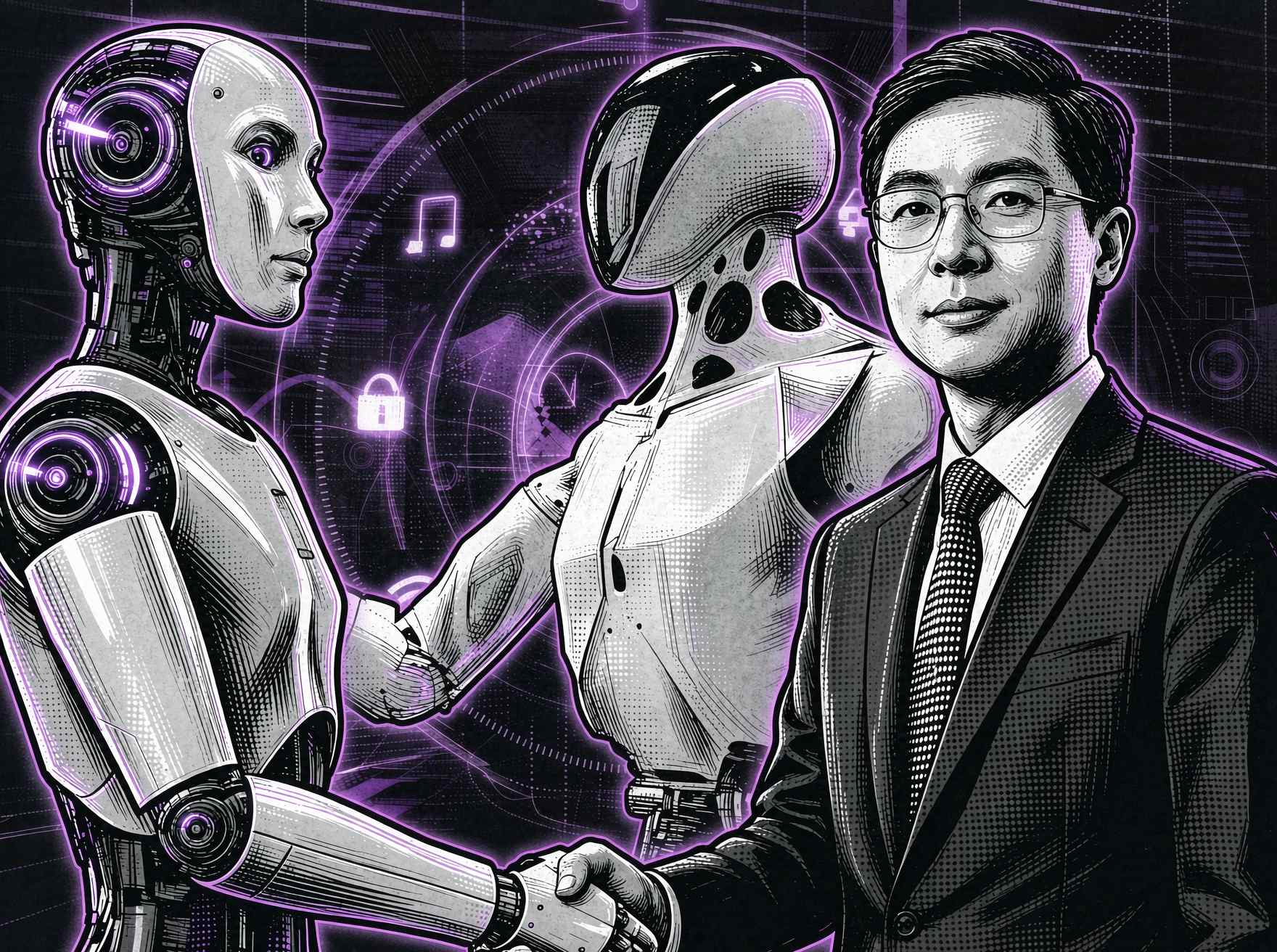
At the 2026 Private Economy Innovation Development Conference on September 9, Wang Xingxing highlighted alignment errors as the main challenge facing humanoid robots. While current humanoid robots can perform tasks like dancing and flipping, they struggle with adaptability in varying environments due to insufficient alignment between AI model inputs and real-world robot outputs.
Wang emphasized that these alignment errors manifest in the final centimeters or even millimeters of movement, which significantly hinder the robots' generalization capabilities and their success in everyday applications. He pointed out that while robots can execute large movements, precise tasks such as grasping and placing objects remain problematic due to these discrepancies.
Wang also discussed a future scenario where a robot could organize a messy room without prior training, suggesting that the industry could experience explosive growth. He believes that the alignment issue will be resolved in the coming years, contingent on the joint optimization of models and hardware, with Yushu Technology allocating 48% of its IPO funds for model development to address this challenge.
Editor's Note
The humanoid robotics sector is at a critical juncture, with alignment errors posing significant barriers to practical applications. As companies like Yushu Technology focus on model development, the potential for breakthroughs in robot adaptability and precision could reshape market dynamics. Stakeholders should monitor advancements in AI model optimization and hardware integration closely, as these will be pivotal in overcoming existing limitations.



























Leave a comment