

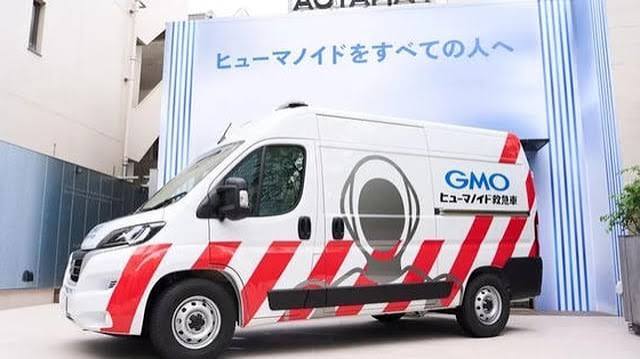
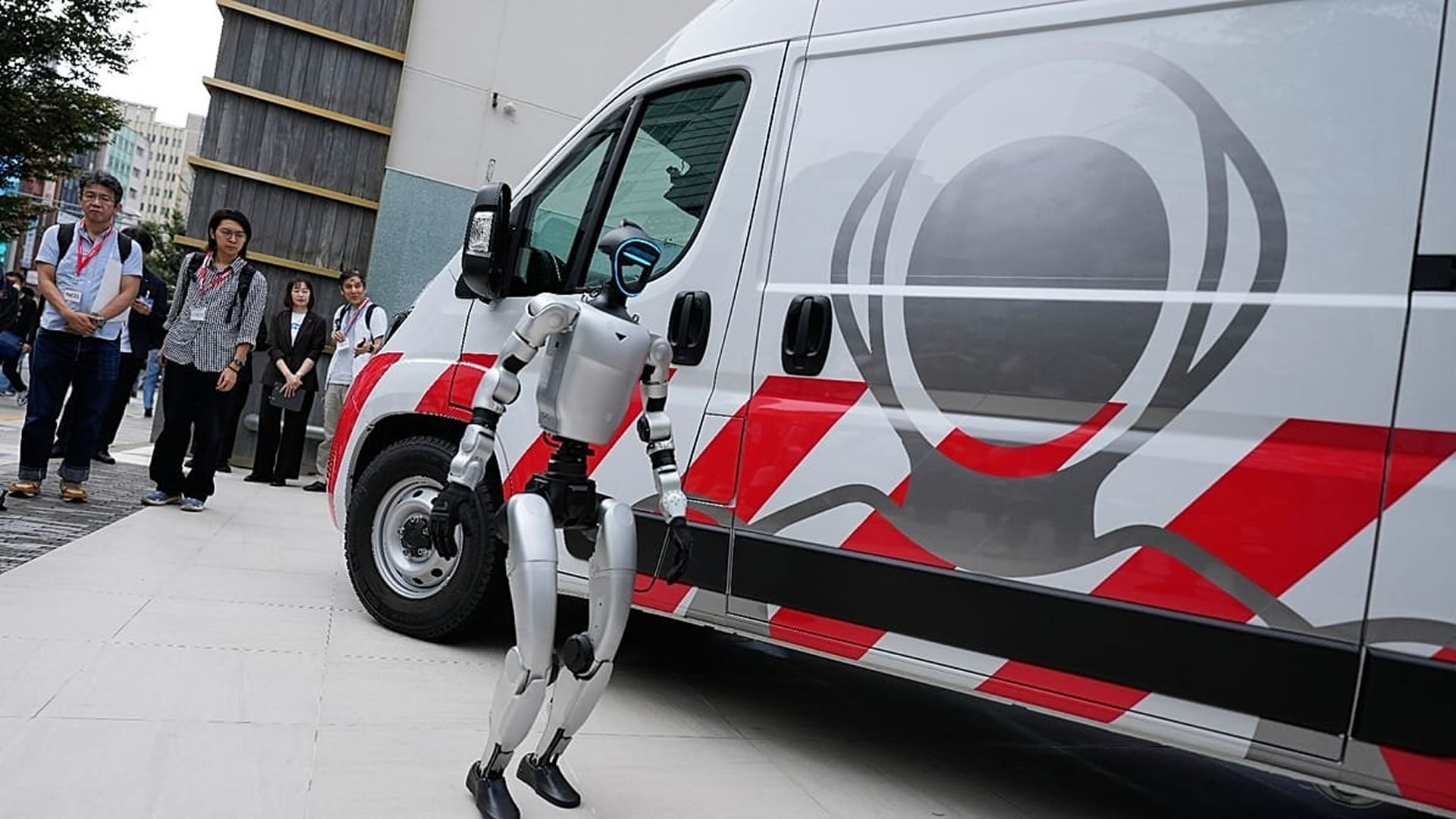
GMO AIR has launched Japan's first ambulance specifically designed for humanoid robots. This vehicle addresses the challenge of diagnosing and repairing robots that may malfunction in unpredictable locations, minimizing downtime and operational losses. It is equipped with a professional humanoid robot engineer, diagnostic tools, and spare components, allowing for on-site repairs or transportation to specialized repair centers.
The introduction of this ambulance is significant as it marks a transition from trial deployments of humanoid robots to large-scale operations. In environments with multiple robots, any downtime can disrupt overall operations, making after-sales and maintenance capabilities critical factors in procurement decisions. GMO AIR's understanding of downtime costs is more direct than that of traditional robot manufacturers, as they provide robot leasing and operational services.
Looking ahead, the effectiveness of this service will depend on its coverage density. If one ambulance can service dozens of robots within a city efficiently, it will enhance operational reliability. However, if robots are spread across multiple cities, the costs of mobile maintenance may increase. The concentration of robot deployments will play a crucial role in the economic viability of this service model.
Editor's Note
The launch of a dedicated ambulance for humanoid robots by GMO AIR highlights the growing importance of maintenance and support services in the robotics sector. As humanoid robots become more prevalent in various industries, ensuring minimal downtime will be essential for operational efficiency. This development reflects a shift in focus from merely deploying robots to ensuring their reliable operation and maintenance.

























Leave a comment