

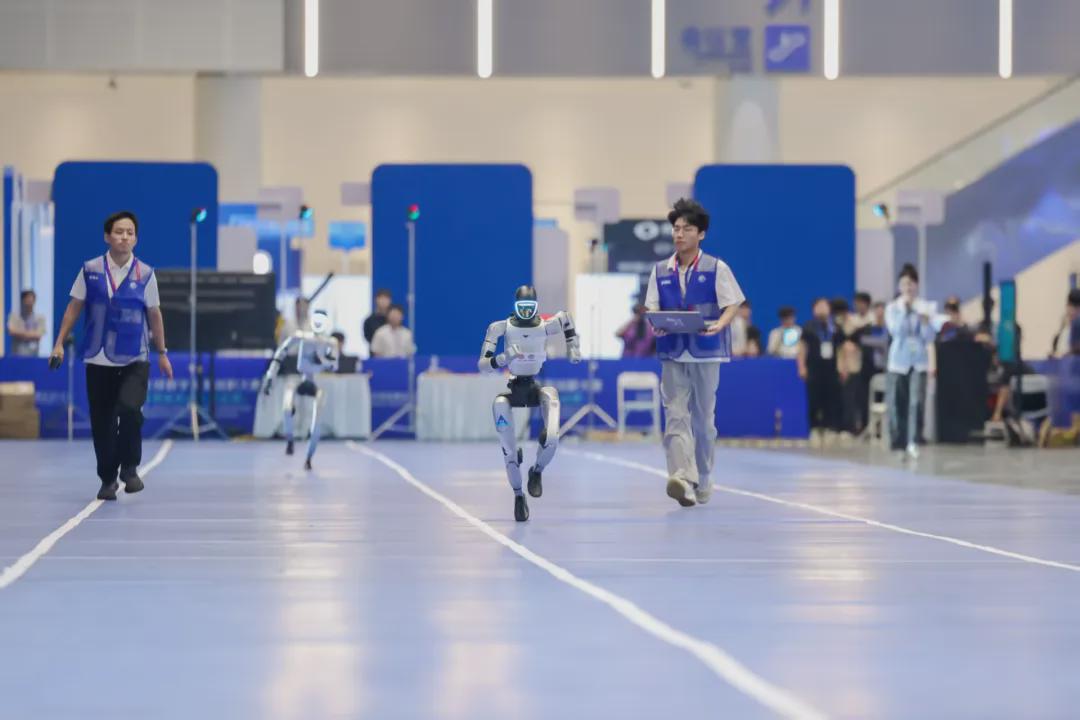
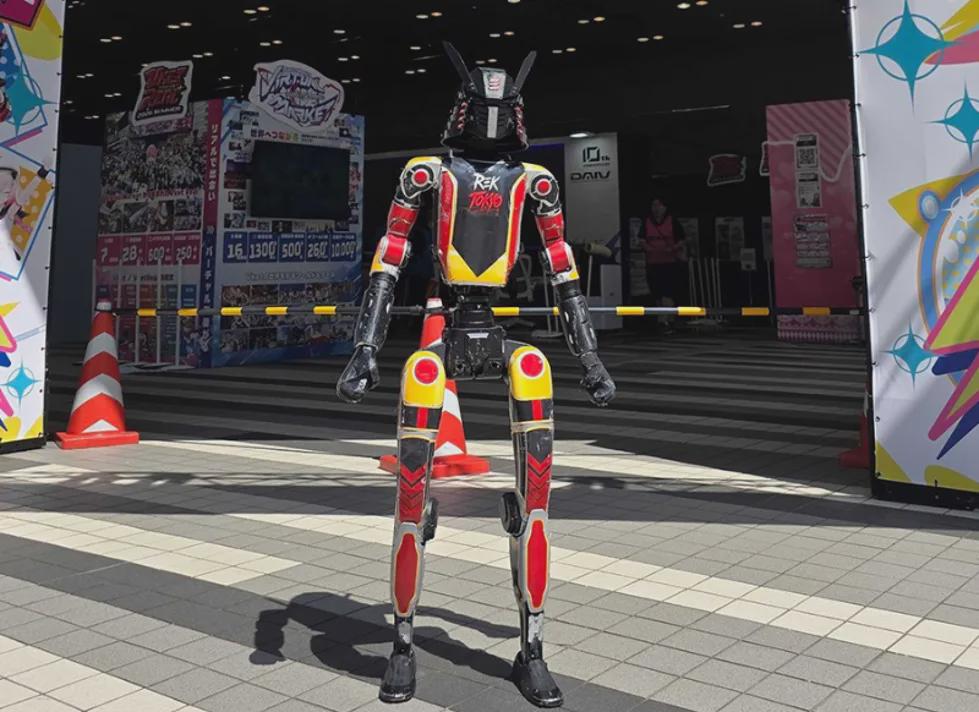
On September 24, 2026, the Global Digital Trade Innovation Competition featured a day packed with events for humanoid robots at the Hangzhou International Expo Center. This marked the first time humanoid robots participated in competitive racing, including 100-meter sprints, obstacle courses, and endurance tests, showcasing their movement control capabilities.
The significance of this event lies in its role as a benchmark for evaluating the technological advancements in humanoid robotics. The competition highlighted critical challenges, such as the difficulty in deceleration, which affects the robots' ability to stop safely after high-speed runs. This issue underscores the importance of refining motion control algorithms for practical applications in real-world scenarios.
Looking ahead, the competition's standardized testing environment provides valuable insights into the baseline capabilities of humanoid robots, shifting the focus from mere speed to essential skills like stability and adaptability in complex terrains. No further timeline was disclosed at the time of publication.
Editor's Note
The 2026 Global Digital Trade Innovation Competition serves as a pivotal moment for the humanoid robotics sector, emphasizing the need for robust motion control systems. As the industry moves towards practical applications, the insights gained from such competitions will be crucial for enhancing safety and performance in real-world environments.
































Leave a comment