Industry Briefing
A single destination for timely, editor-curated robotics news from around the world.

300 Million People Face Sleep Issues: The Role of Brain-Computer Interfaces
A significant number of individuals struggle with sleep, with nearly 300 million people in China alone affected by insomnia, according to the 2025 China Sleep Health Survey Report. Traditional sleep aids have focused on monitoring sleep quality rather than addressing the underlying neurological issues that prevent restful sleep. Brain-computer interface (BCI) companies are emerging with innovative products such as headbands, pillows, and sleep pods that aim to directly influence brain activity. These devices read brain waves and utilize microcurrents or sound waves to promote sleep, moving beyond mere tracking of sleep patterns. The global sleep economy is projected to approach $600 billion by 2025, with a significant portion dedicated to diagnosing and treating sleep disorders. As the market for portable sleep monitoring devices grows, it is essential to watch how BCI technology will evolve and potentially transform the landscape of sleep solutions.
Brain-Computer Interfaces Sleep Technology Health Tech Consumer Electronics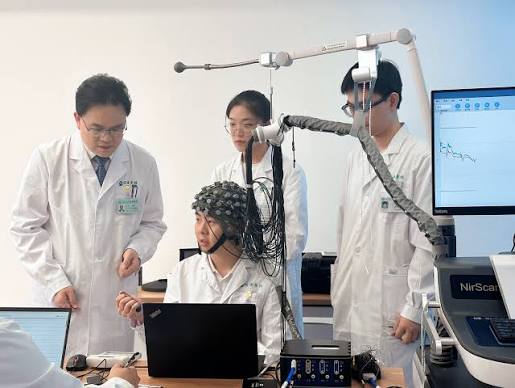
Science Corporation's Retina Chip Receives CE Certification, Pioneering Brain-Computer Interface Advances
In July 2026, Science Corporation's retinal chip achieved CE certification in the EU, marking a significant milestone in brain-computer interface commercialization. While Neuralink continues to address safety concerns for human trials, Science Corporation, founded by a former co-founder, is set to launch its first commercial implants in Germany. This development is crucial as it signifies a shift from theoretical concepts of brain-computer interfaces to practical medical applications. The Prima retinal chip, measuring just 2x2 mm and powered by near-infrared light through smart glasses, has shown promising clinical results, with 84% of patients recovering reading abilities. Looking ahead, 2026 is anticipated to be a pivotal year for brain-computer interfaces, with regulatory frameworks being established in China and significant advancements in both invasive and non-invasive devices. Science Corporation aims to complete dozens of commercial implants this year and targets around 200 next year, with revenue from the Prima chip expected to fund the development of next-generation neural interfaces.
Brain-Computer Interfaces Medical Devices Neurotechnology Clinical Applications
Paradromics Enables Communication for Woman with Severe Speech Impairment Using Brain-Computer Interface
Paradromics has announced a breakthrough in brain-computer interface technology, allowing a woman with severe speech impairment to communicate freely. The participant, a woman in her 60s from Michigan suffering from progressive motor neuron disease, had the Connexus system implanted, which features over 400 electrodes to capture neural activity at a single-neuron level. This advancement is significant as it enables the user to express her thoughts and engage in real-time conversations, rather than merely completing predefined tasks. The first sentence she communicated was 'Okay, I have a lot to say,' demonstrating the system's ability to decode spontaneous speech accurately without prior preparation. Looking ahead, Paradromics plans to recruit 10 patients with speech and motor paralysis due to conditions like stroke and ALS for further studies. The results from the initial participant are promising, but the broader applicability of the system remains to be validated with additional participants in future trials.
Brain-Computer Interfaces Neural Communication Assistive Technology Speech Decoding
New Era for Brain-Computer Interface IPOs as Companies Enter Capital Market
In September 2026, Shuli Innovation completed its IPO counseling filing on the Sci-Tech Innovation Board, marking its entry into the brain-computer interface (BCI) IPO race. Previously, Borui Kang's IPO application was accepted, and Qiangnao Technology reportedly submitted a confidential application for the Hong Kong stock market. The question of which company will become the first BCI stock remains a focal point in the industry. The capital market is shifting its focus from merely advanced technology to practical applications of BCIs. Companies must now address critical questions such as hospital procurement, physician usage, patient acceptance, and payment systems. This shift indicates that the competition is evolving from technical specifications to clinical data, product registration, and application scenarios. The 2026 IPO wave reflects this transformation, as the market helps identify companies with both strong technological vision and practical implementation capabilities. Shuli Innovation, founded in 2015, focuses on non-invasive BCIs aimed at rehabilitation for patients with motor function impairments, emphasizing the restoration of the connection between the brain and body rather than enhancing abilities in healthy individuals.
Brain-Computer Interfaces Healthcare Technology Medical Devices Clinical Applications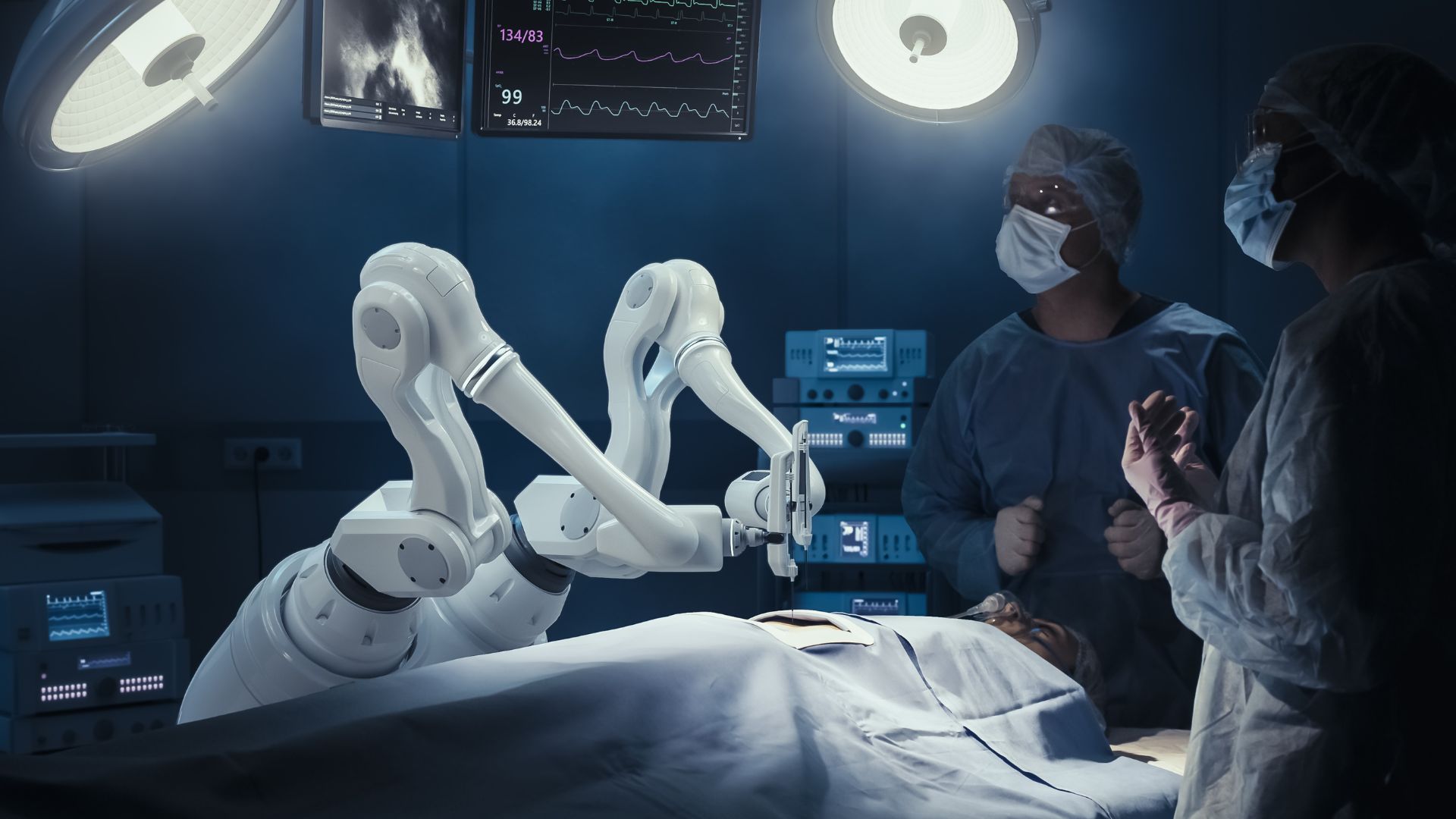
First Computer Vision-Guided Surgery Successfully Removes Brain Tumor While Preserving Vision
A neurosurgeon at the National Hospital for Neurology and Neurosurgery in London successfully performed the world's first computer vision-guided brain surgery, aided by a real-time machine intelligence system. This innovative technology helped remove a pituitary tumor from 48-year-old Rhys Hibbert without compromising his eyesight, a significant achievement in neurosurgery. The procedure highlights the importance of integrating advanced technologies in delicate surgical environments, particularly in pituitary surgeries where proximity to critical structures like optic nerves poses high risks. The software, developed at University College London, processed live video feeds to identify critical anatomy, providing surgeons with real-time visual references during the operation. Looking ahead, the technology, which runs on NVIDIA’s Clara IGX platform, aims to evolve beyond anatomy recognition to potentially track surgical instruments and their interactions with tissue. This advancement could enhance surgical precision and safety in future procedures. No further timeline was disclosed at the time of publication.
AI and Robotics Health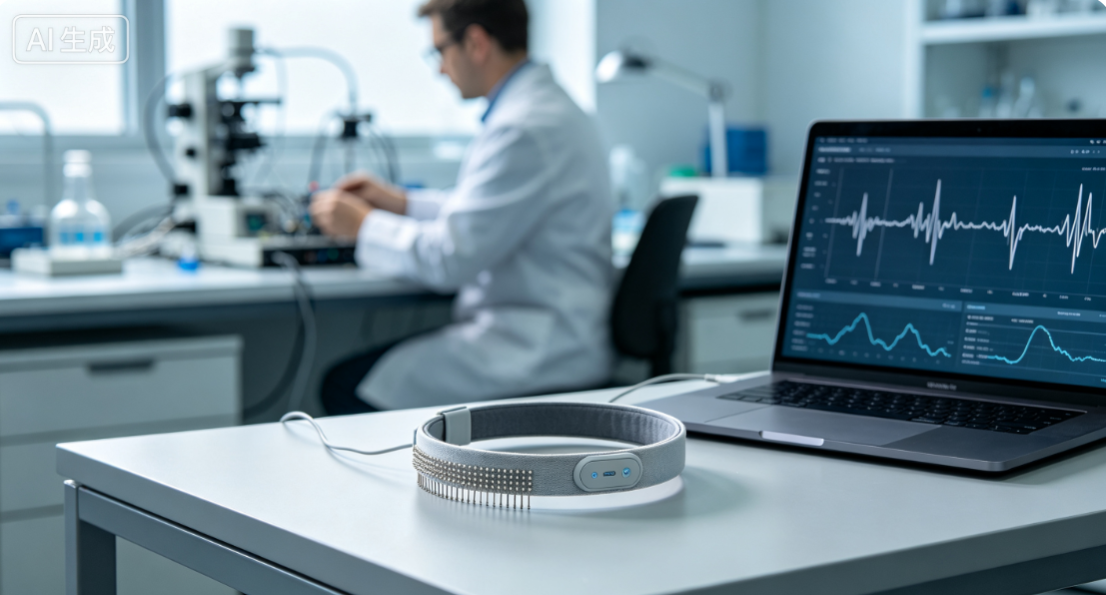
Shanghai Startup LeapTech Develops Brain-Computer Interface for Stress Relief, Secures Funding
LeapTech, a startup from Shanghai, has developed a brain-computer interface (BCI) aimed at stress relief and has recently completed a seed funding round of nearly 10 million yuan. The funding, provided by angel investors with expertise in hard technology, consumer electronics, and manufacturing, will support the iteration of a non-invasive wearable BCI, the refinement of neural feedback algorithms, and the establishment of a production supply chain. Founded in October 2025 by Sun Huihua, a PhD from Shanghai Jiao Tong University, LeapTech focuses on consumer-grade BCI products that manage mental order, brain stability, and emotional energy. The non-invasive device collects EEG signals in real-time and intervenes acoustically when it detects stress or anxiety, guiding users into states of relaxation, meditation, focus, or sleep. Looking ahead, LeapTech plans to launch several wearable BCI products targeting relaxation, menstrual comfort, and energy maintenance. The company also aims to provide EEG collection hardware and acoustic solutions for smart headphones and wellness brands. As BCIs transition from medical devices to everyday consumer electronics, LeapTech seeks to address the challenge of maintaining mental well-being in an information-saturated world. No further timeline was disclosed at the time of publication.
Brain-Computer Interfaces Mental Health Technology Wearable Devices AI Solutions
Haier Collaborates with Tianjin University to Create Brain-Computer Interface Model Ward
On August 15, Haier Group's health brand, YK Life, signed a strategic cooperation agreement with Tianjin University's Brain-Computer Interaction Laboratory in Qingdao. This partnership aims to establish a model ward for brain-computer interfaces, focusing on clinical trials and technology validation for neurological rehabilitation and brain disease treatment. This initiative is significant as it transforms a real hospital into a testing ground for advanced technology, addressing the bottleneck of clinical application in brain-computer interface development. The collaboration will leverage clinical scenarios from YK Life's hospitals and the 'Haiyihui' platform to explore replicable and scalable pathways for technology validation. Looking ahead, both parties will also establish a special industrial fund for brain-computer interfaces to support innovation and project incubation. The establishment of this model ward marks a crucial step towards realizing the potential of brain-computer interfaces, bringing the technology closer to practical applications in patient care.
Brain-Computer Interfaces Healthcare Technology Neuroscience Clinical Trials
Significant Milestones in Brain-Machine Interfaces for Motor Rehabilitation in 2026
In 2026, a pivotal milestone was reached in China's brain-machine interface (BMI) clinical research with the release of a comprehensive report detailing current advancements, clinical applications, and future prospects. This report serves as a systematic overview of the past year's research achievements and outlines a clear pathway for transitioning BMI technology from the laboratory to clinical settings. The most notable finding is the substantial breakthroughs in applying BMI technology for rehabilitation in patients with motor function disorders. Clinical interventions on multiple hemiplegic patients revealed that non-invasive BMI rehabilitation training systems significantly accelerated the recovery of motor functions, outperforming traditional rehabilitation methods. This advancement indicates that 'thought control,' once a concept of science fiction, is becoming a viable medical solution. Technological progress is equally impressive, with new high signal-to-noise ratio signal acquisition devices and deep learning decoding algorithms enhancing the stability and practicality of BMI systems. Users can start using the systems without complex calibration, and interaction delays have been reduced to milliseconds, crucial for real-time feedback in rehabilitation. With the establishment of ethical norms and regulatory frameworks, the path for clinical applications of BMIs has been cleared, paving the way for widespread adoption in the next five years.
Brain-Machine Interfaces Neurorehabilitation Clinical Research Medical Technology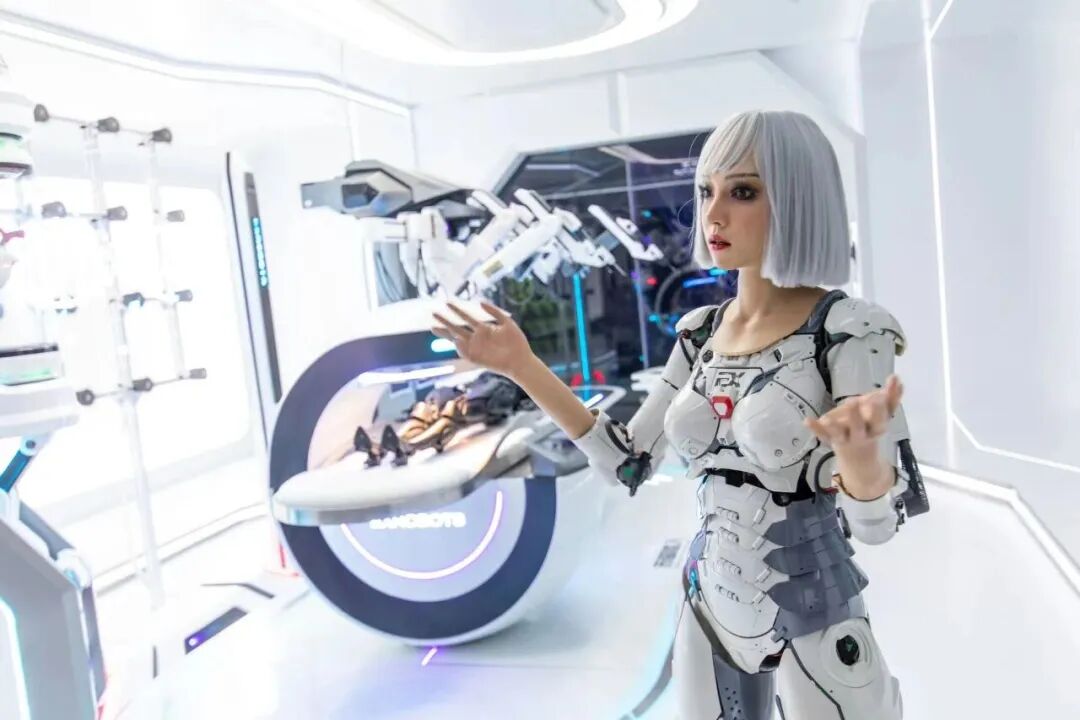
Brain-Computer Interfaces and Humanoid Robots: The Next Frontier in Robotics?
Beijing Hangnao Technology has entered into a strategic partnership with EXROBOT to develop humanoid robots equipped with brain-computer interface technology. This collaboration, announced recently, aims to create machines capable of emotional interaction, marking a shift from traditional industrial applications to a focus on emotional understanding. Both companies acknowledge the significant technical challenges that lie ahead as they explore this innovative technological frontier.
Brain-Computer Interfaces Humanoid Robots Emotional Interaction AI Technology
Brain-Computer Interfaces: The Next Cheating Tool After Smart Glasses?
As the 2026 college entrance exam in China draws near, authorities are increasingly concerned about the potential use of smart glasses as cheating devices. In response, several regions have issued warnings prohibiting the wearing or bringing of such technology into exam venues. This move underscores the ongoing challenges related to exam security in an era of rapidly advancing technology. Additionally, while brain-computer interfaces (BCIs) have not yet emerged as a practical tool for cheating, their development prompts significant ethical considerations regarding the intersection of technology and education.
Brain-Computer Interfaces Exam Security Educational Technology Cheating Prevention
Humanity Enters the Era of Brain-Computer Interfaces
Nolan Abbot has become the first individual to receive a Neuralink chip, showcasing a remarkable advancement in brain-computer interface (BCI) technology. This milestone, achieved recently, allows Abbot to control devices using only his thoughts, representing a significant breakthrough in the field. The development of BCIs is increasingly seen as crucial for national strategy and global competition, highlighting the urgency for innovation in this area. As researchers and companies race to enhance these technologies, the implications for communication, accessibility, and human-computer interaction are profound, potentially transforming how individuals engage with the digital world.
Brain-Computer Interfaces Neural Technology Medical Innovation Assistive Technology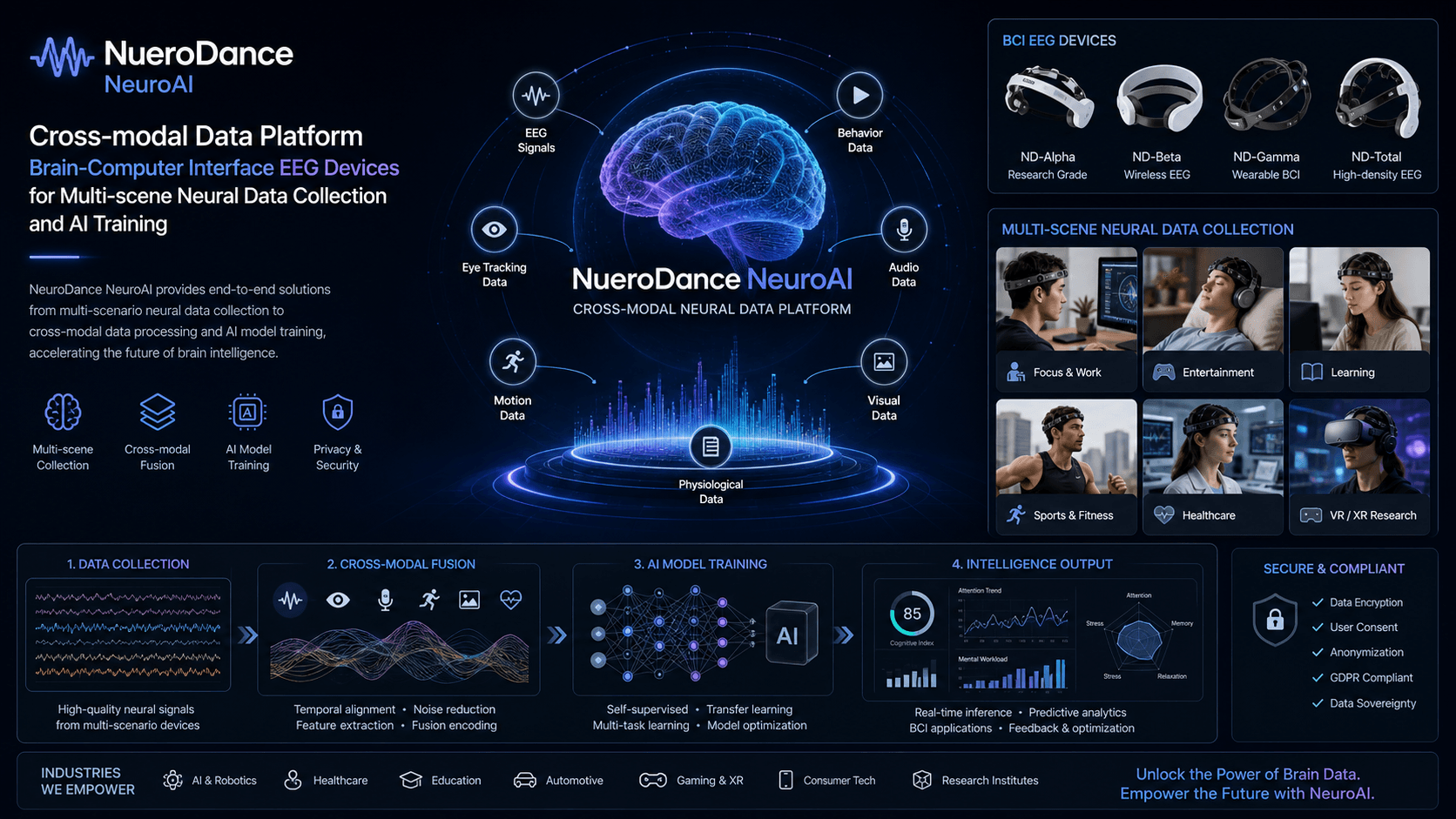
NueroDance Introduces ND1000 and ND8 EEG Devices Alongside NeuroAI Data Platform
NueroDance has launched its ND1000 and ND8 series EEG devices, along with the NeuroAI group cross-modal data platform, during an event in Beijing. This initiative aims to establish a neural data infrastructure that extends the capabilities of AI beyond traditional text and image processing. The introduction of these EEG devices and the NeuroAI platform signifies a strategic move by NueroDance to position itself at the forefront of the evolving AI landscape. By focusing on cross-modal data, the company seeks to unlock new applications and insights from neural data, potentially transforming how AI systems interact with human cognitive processes. As the demand for advanced AI solutions grows, the development of a robust neural data infrastructure will be crucial. Observers should watch for how NueroDance's offerings will influence the AI sector and whether they can successfully integrate brain-computer hardware with multi-scene neural data applications. No further timeline was disclosed at the time of publication.
Technology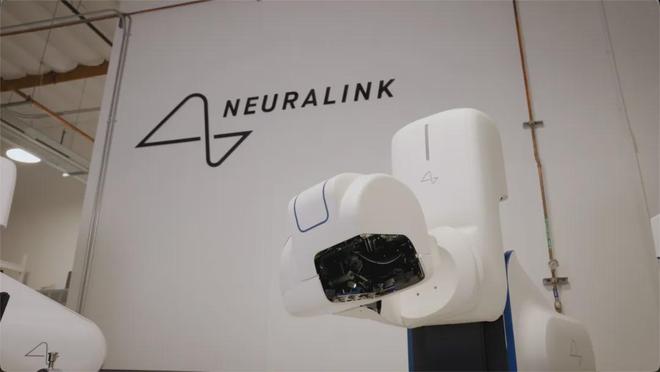
Neuralink Advances Brain-Computer Interface with Specialized Surgical Robot and Fully Automated Implantation
Neuralink has introduced a cutting-edge surgical robot designed to automate the implantation of brain-computer interfaces, a significant advancement in neurosurgery. This innovative technology addresses the complex challenge of implanting devices without the need to remove the dura mater, the protective layer surrounding the brain. The company aims to achieve mass production of this robotic system by 2026, with the goal of improving the precision and safety of surgeries for individuals suffering from paralysis and vision impairments. This development marks a crucial step forward in the integration of advanced robotics in medical procedures, potentially transforming the treatment landscape for patients with neurological conditions.
Brain-Computer Interfaces Surgical Robotics Neurotechnology Medical Devices
Overview of China's Brain-Computer Interface Policies: A Clear Roadmap
China is making significant strides in the development and commercialization of brain-computer interface (BCI) technology, as outlined in a recent analysis of the country's evolving policies. The article details the strategic phases of BCI policy, which encompass foundational research, ethical guidelines, and various industry applications. This comprehensive approach reflects China's ambition to lead in this cutting-edge field. By establishing a robust framework for BCI development, the nation aims to harness the potential of this technology for both scientific advancement and practical use. As the global landscape of BCI continues to evolve, China's proactive stance positions it as a key player in shaping the future of this innovative sector.
Brain-Computer Interfaces Neuroscience Medical Technology AI Policy DevelopmentRobotics needs a service framework.
RSF defines a common language for robot service capability, lifecycle operations, certification pathways, and service-provider networks.
Join the RobotToday community on LinkedIn
Daily robotics news, in-depth analysis, conference highlights, and discussions with professionals worldwide.