

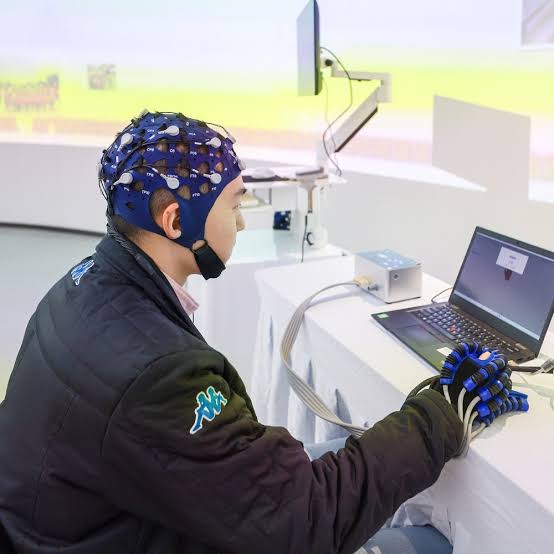
Tianjin University has been officially approved for China's first doctoral program in Brain-Computer Interface (BCI), marking a significant milestone in the development of this interdisciplinary field. This approval signifies a new phase in the construction of BCI disciplines and talent cultivation in China, aligning with national strategic goals.
The establishment of this doctoral program complements Tianjin University's plans for a comprehensive educational pathway in BCI, which includes the launch of the country's first undergraduate program in BCI in 2024. This initiative aims to create a full talent development system from undergraduate to doctoral levels, addressing the interdisciplinary nature of BCI that integrates clinical medicine, neuroscience, artificial intelligence, and electronic information.
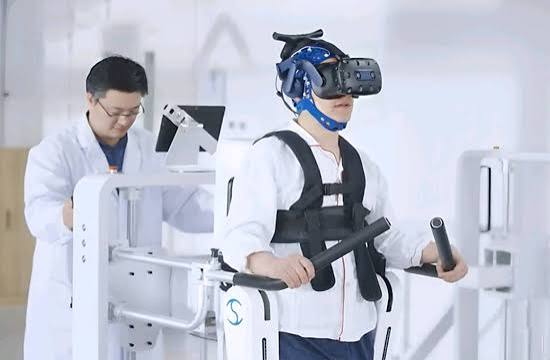
Looking ahead, the university plans to leverage this doctoral program to develop a complete technical chain in BCI, focusing on devices, chips, algorithms, and applications. The success of this interdisciplinary training model will depend on the integration of curriculum, mentorship, and industry practice, as the demand for skilled professionals in the rapidly growing BCI market is expected to surge significantly by 2040.
Editor's Note
The approval of Tianjin University's doctoral program in Brain-Computer Interface reflects a growing trend in academia to address the interdisciplinary nature of emerging technologies. As industries increasingly seek professionals with diverse skill sets, educational institutions must adapt their programs to meet these demands. The integration of neuroscience, AI, and engineering in BCI education is crucial for fostering innovation and maintaining competitiveness in the global market.

























Leave a comment