

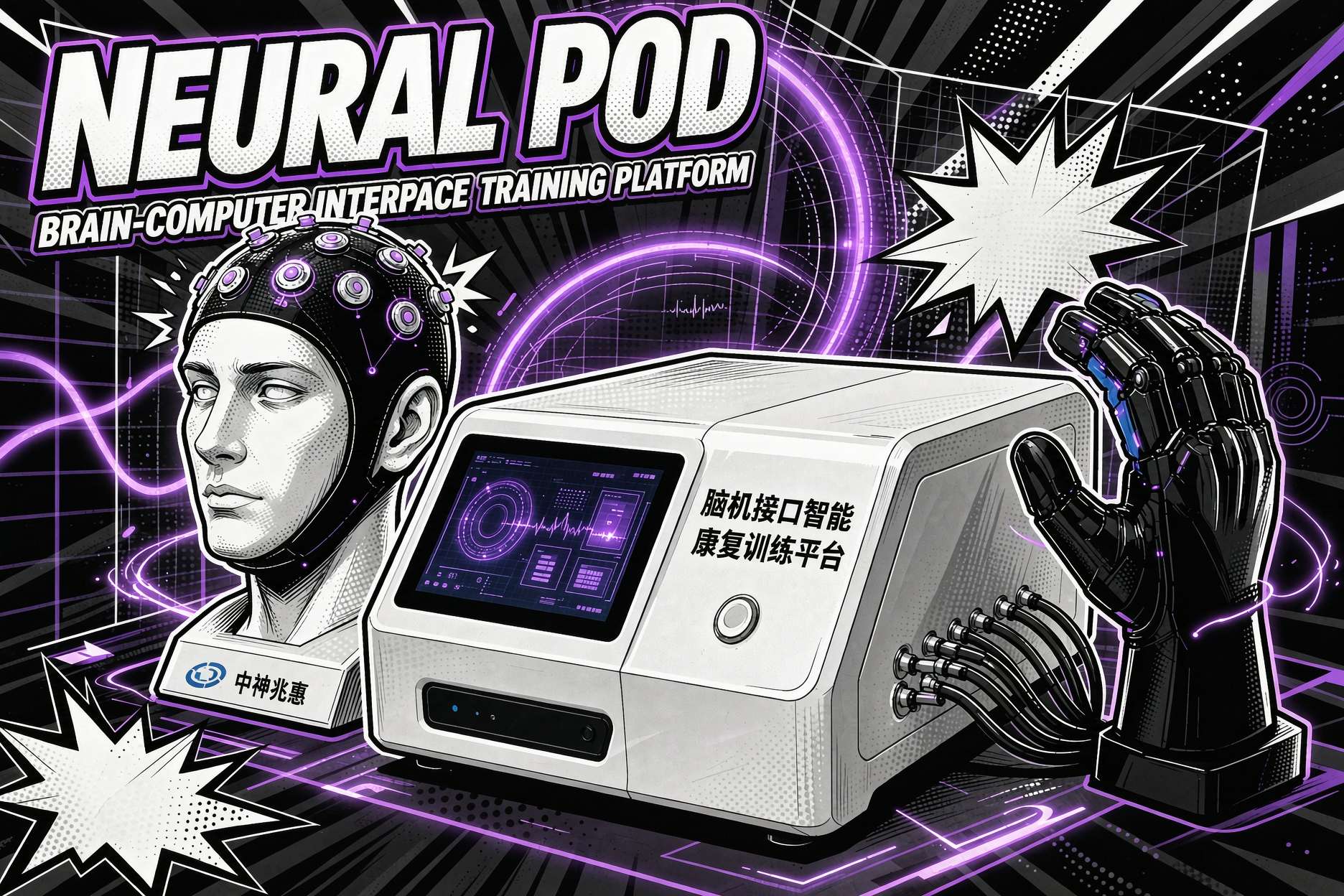
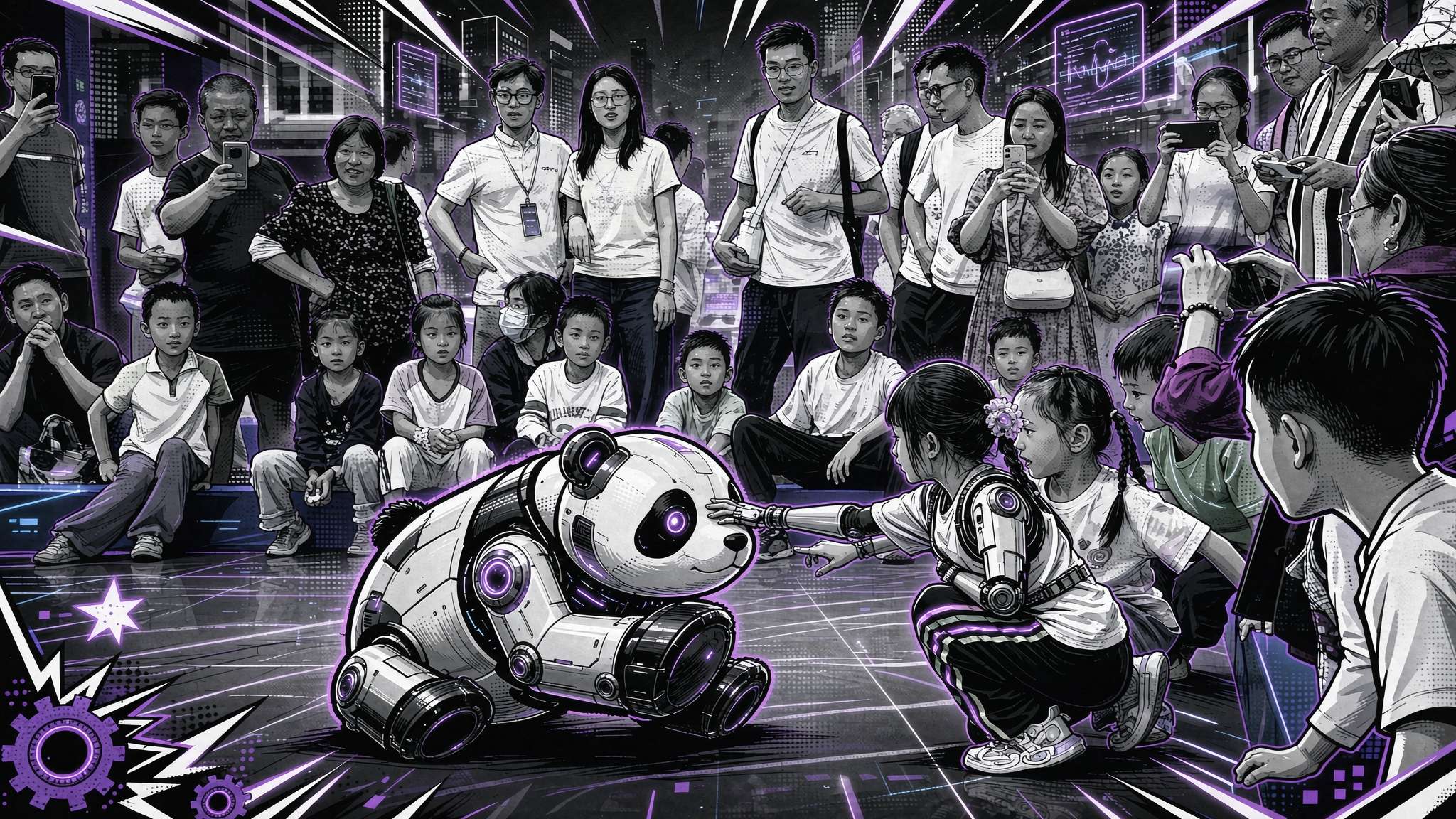
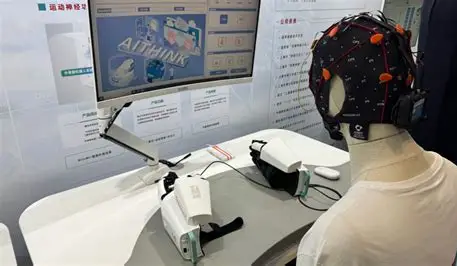
At the fifth Global Digital Trade Expo, a brain-computer interface rehabilitation system developed by Xi'an Jiaotong University drew significant crowds, particularly among youth. The system, showcased by Xi'an Zhentai Intelligent Technology Co., Ltd., aims to transform rehabilitation through active thought control, moving away from traditional passive methods.
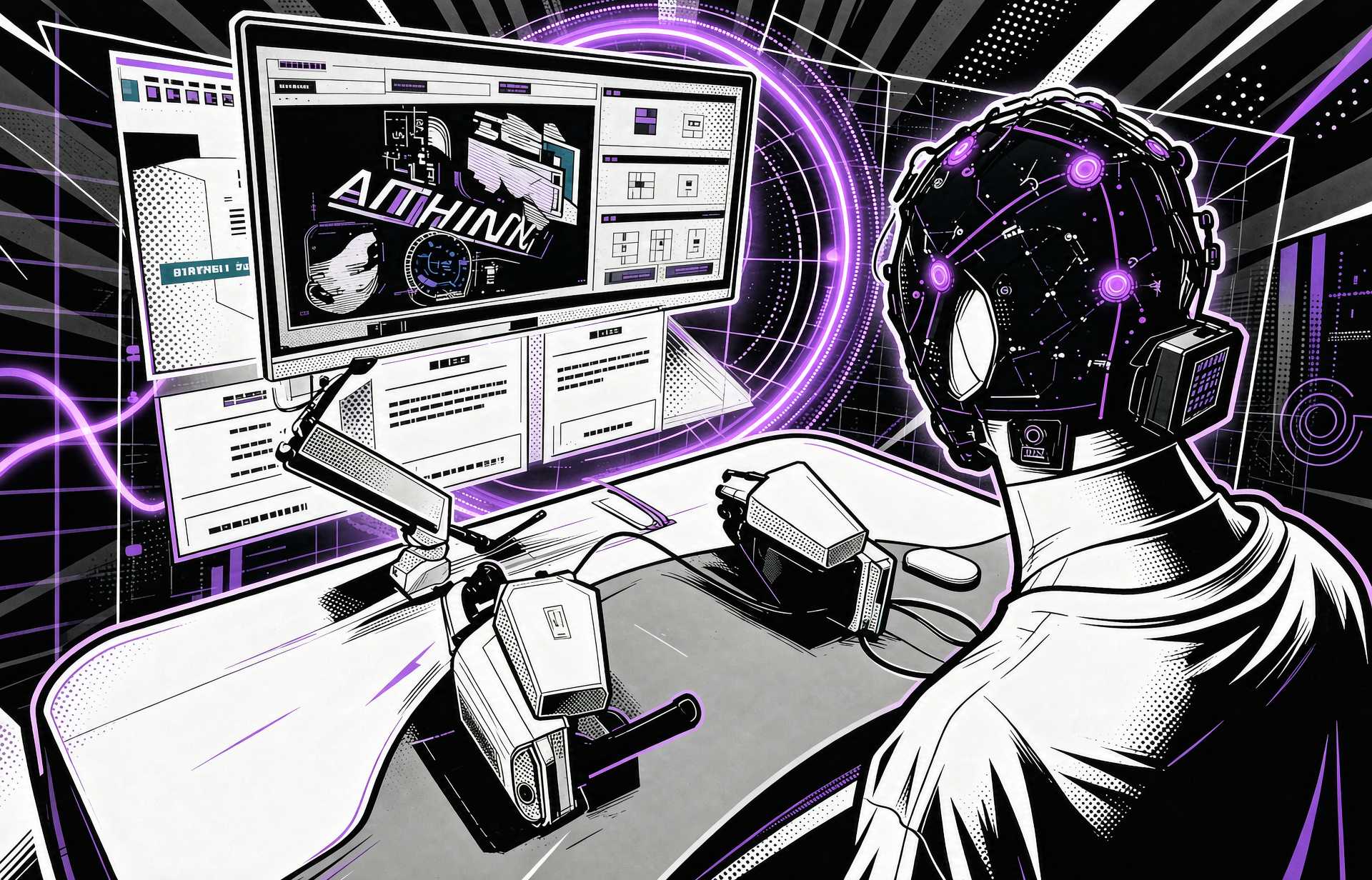
This innovation is crucial as stroke incidence rates in China have been rising, with a reported average annual increase of 8.3% among individuals aged 40 to 74. Approximately 70% of stroke survivors experience varying degrees of disability, highlighting the urgent need for effective rehabilitation solutions. The brain-computer interface system leverages visual motion-induced brain signals to create a collaborative rehabilitation training environment.
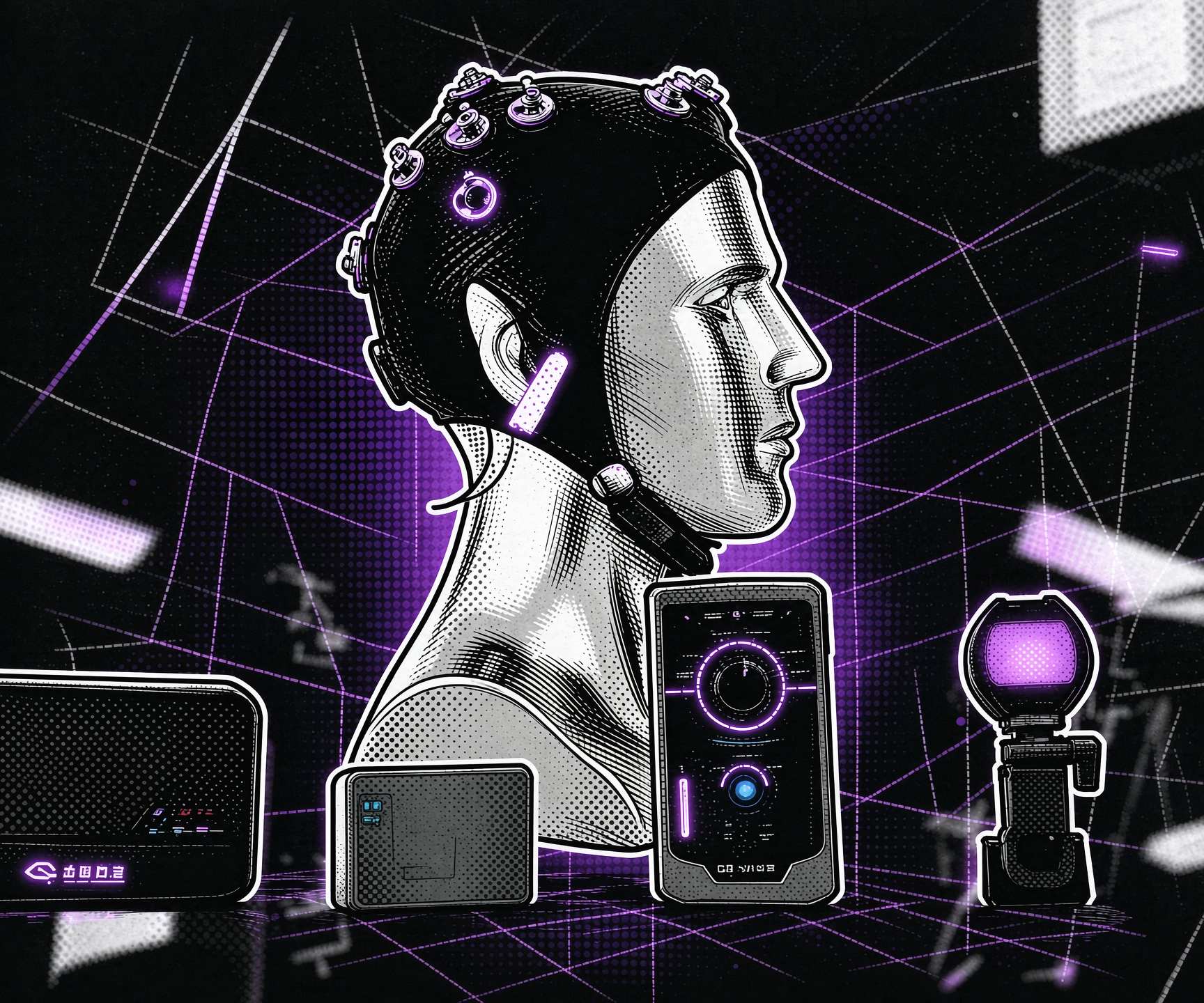
Looking ahead, Xi'an Zhentai Intelligent Technology is set to lead the development of a brain-computer interface system for hand function rehabilitation, having been recognized as a top unit in a national initiative. The company has established a comprehensive product matrix that includes wireless EEG analysis systems and various rehabilitation training systems, now implemented in over 300 medical institutions across the country.
Editor's Note
The integration of brain-computer interface technology into rehabilitation represents a significant shift in treatment methodologies. As the demand for effective rehabilitation solutions grows, particularly for stroke survivors, innovations like those from Xi'an Zhentai Intelligent Technology could reshape patient engagement and recovery outcomes. The focus on active participation in rehabilitation may enhance the effectiveness of therapies and improve long-term recovery rates.






















Leave a comment