


In 2026, a pivotal milestone was reached in China's brain-machine interface (BMI) clinical research with the release of a comprehensive report detailing current advancements, clinical applications, and future prospects. This report serves as a systematic overview of the past year's research achievements and outlines a clear pathway for transitioning BMI technology from the laboratory to clinical settings.
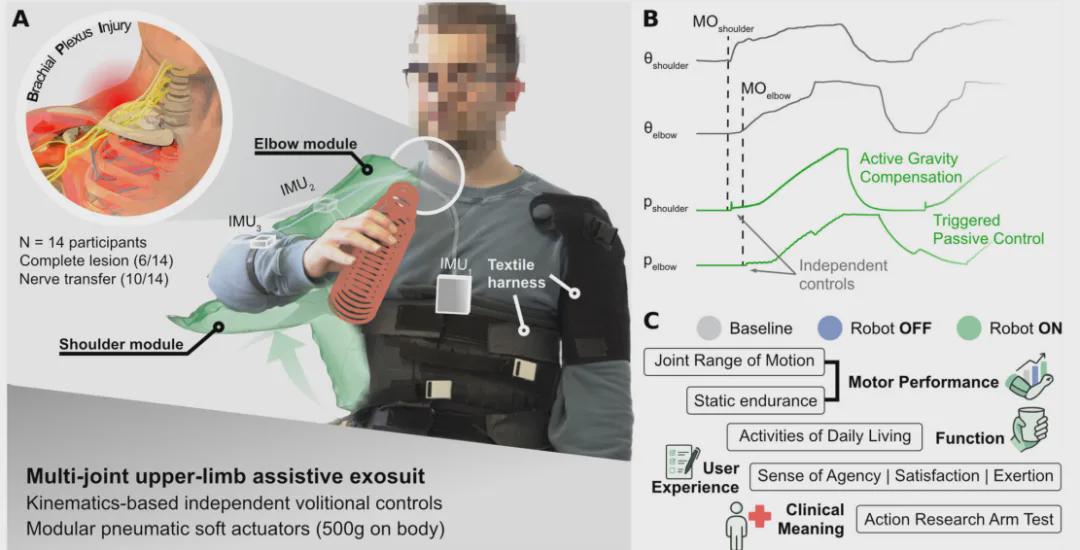
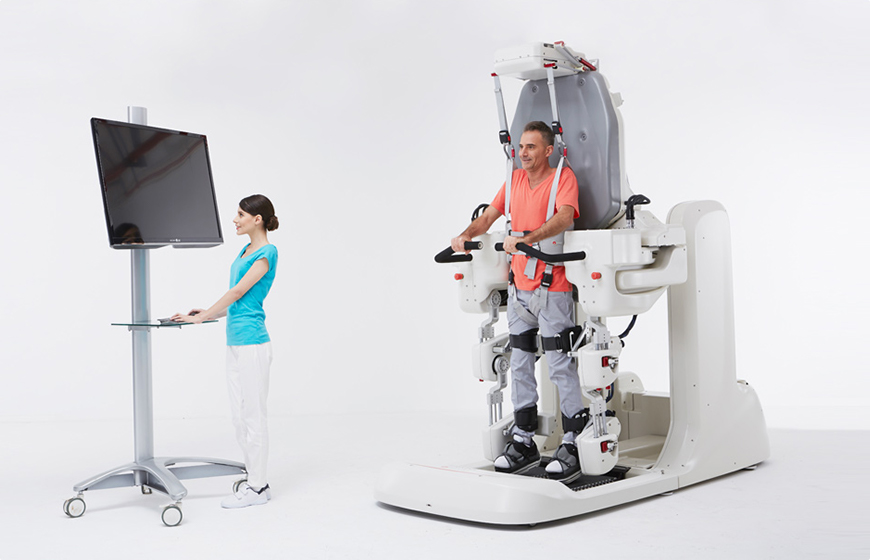
The most notable finding is the substantial breakthroughs in applying BMI technology for rehabilitation in patients with motor function disorders. Clinical interventions on multiple hemiplegic patients revealed that non-invasive BMI rehabilitation training systems significantly accelerated the recovery of motor functions, outperforming traditional rehabilitation methods. This advancement indicates that 'thought control,' once a concept of science fiction, is becoming a viable medical solution.
Technological progress is equally impressive, with new high signal-to-noise ratio signal acquisition devices and deep learning decoding algorithms enhancing the stability and practicality of BMI systems. Users can start using the systems without complex calibration, and interaction delays have been reduced to milliseconds, crucial for real-time feedback in rehabilitation. With the establishment of ethical norms and regulatory frameworks, the path for clinical applications of BMIs has been cleared, paving the way for widespread adoption in the next five years.
Editor's Note
The advancements in brain-machine interfaces represent a significant leap in the integration of neuroscience and rehabilitation medicine. As these technologies evolve, they promise to transform the landscape of motor function recovery, offering new hope for patients with neurological disorders. The establishment of regulatory frameworks will further facilitate the adoption of these innovative solutions in clinical practice.


























Leave a comment