

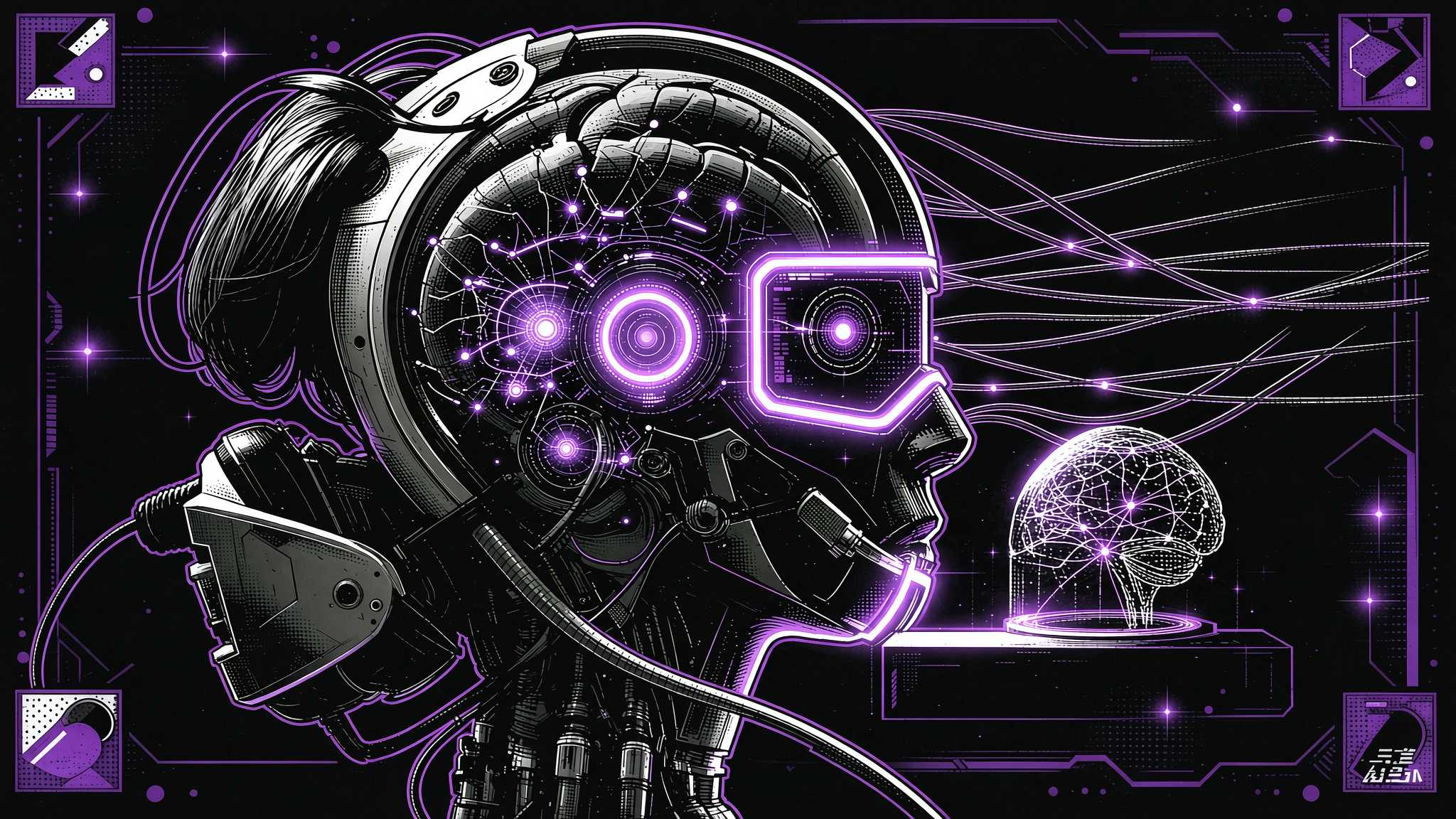
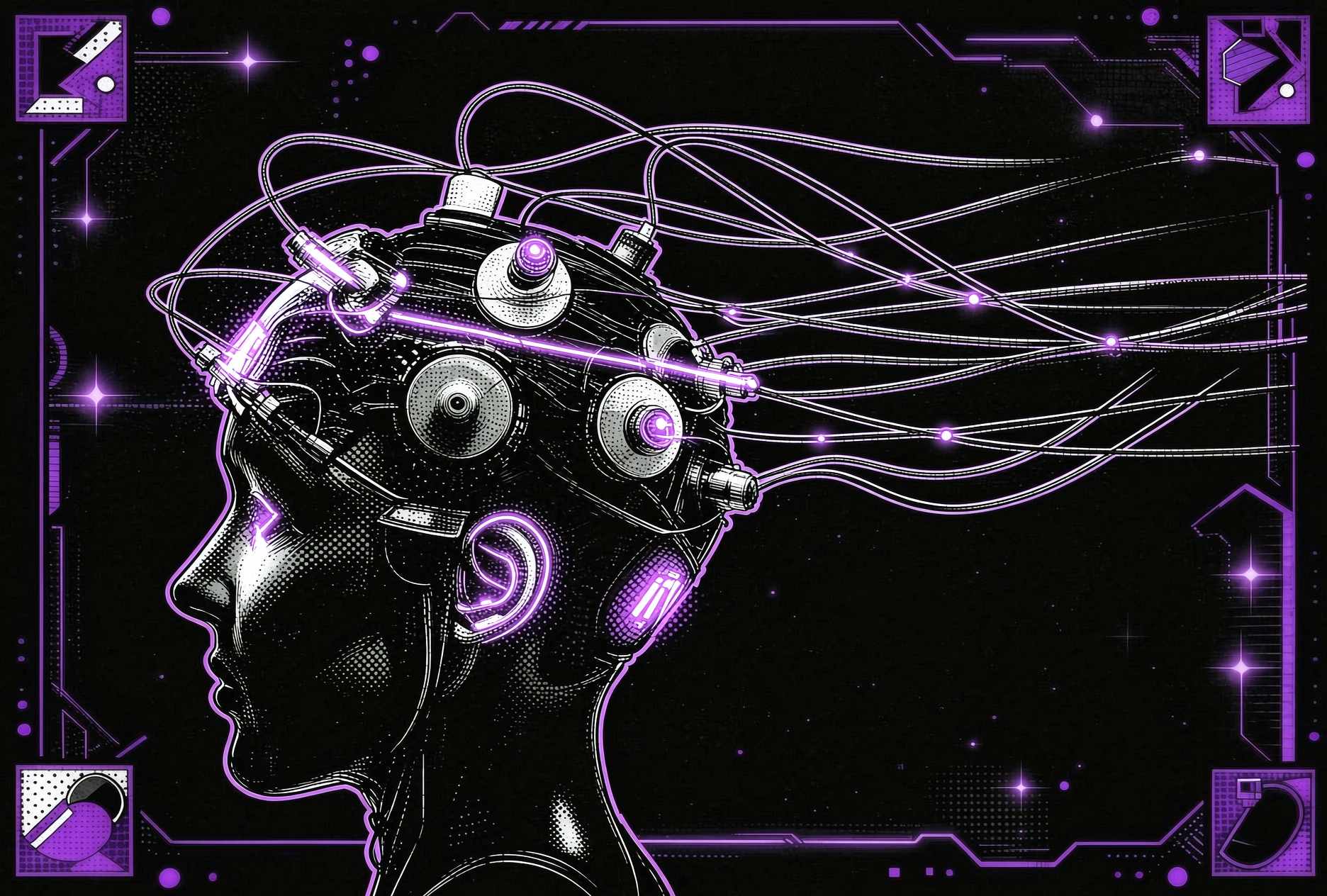
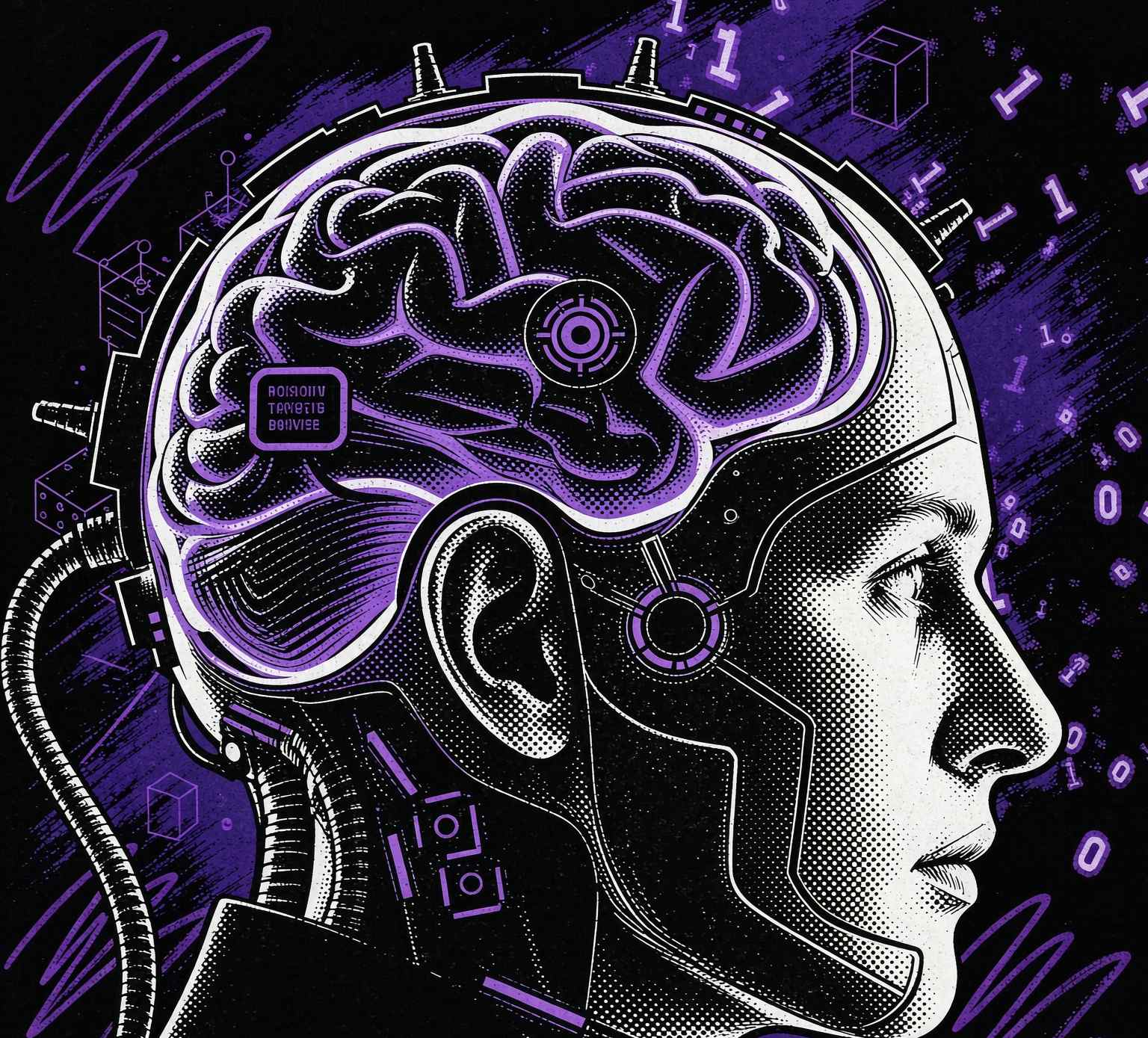
Recent reports on brain-computer interfaces (BCIs) often create the impression that machines can read thoughts directly. In reality, BCIs operate through pattern matching, where repeated thoughts generate stable neural activity patterns that the system learns to associate with specific commands. This method requires individual training for each user and has limitations in the number of recognizable commands.
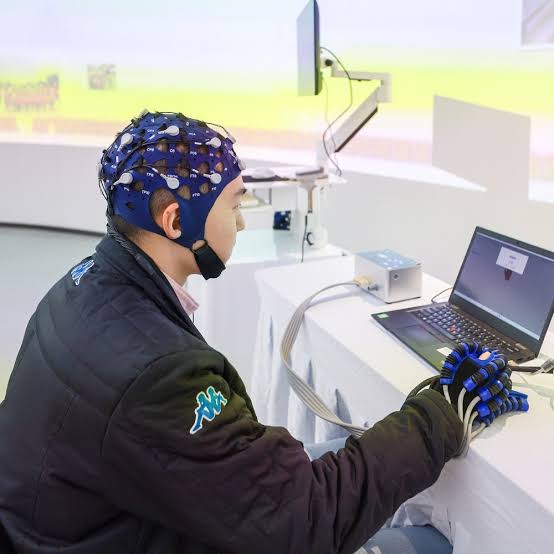
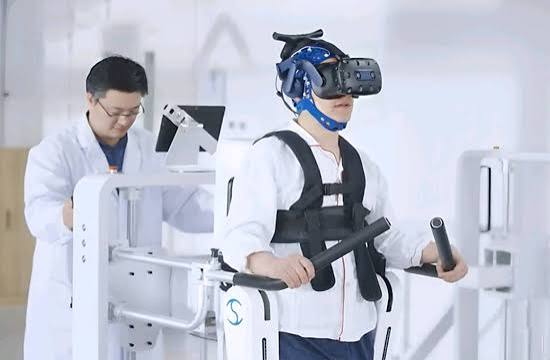
Despite misconceptions about mind reading, BCIs have made significant strides in medical rehabilitation. By March 2026, China's self-developed 'Beina No. 1' completed seven human implants, successfully restoring motor and speech functions. This product is noted for being the first high-throughput, wireless, semi-invasive BCI with over a hundred channels, having achieved nearly 30 implants and over 70,000 hours of stable operation.
The progress of invasive BCIs is also noteworthy, with Neuralink's N1 implant using over 1,000 electrodes to record brain signals. In the UK, patients have begun using computers and phones through thought alone. While BCIs can map neural signals to commands, they do not comprehend the meaning behind those signals. As standardization efforts advance, the industry aims to address challenges in data collection and processing, ensuring the technology's future development remains grounded in realistic expectations.
Editor's Note
The advancements in brain-computer interfaces highlight a significant shift in medical rehabilitation technology. As these systems evolve, they promise to enhance the quality of life for patients with severe disabilities. However, the complexity of neural signals and the need for individual calibration underscore the challenges that remain. Stakeholders must balance innovation with realistic expectations to ensure sustainable growth in this sector.
























Leave a comment