

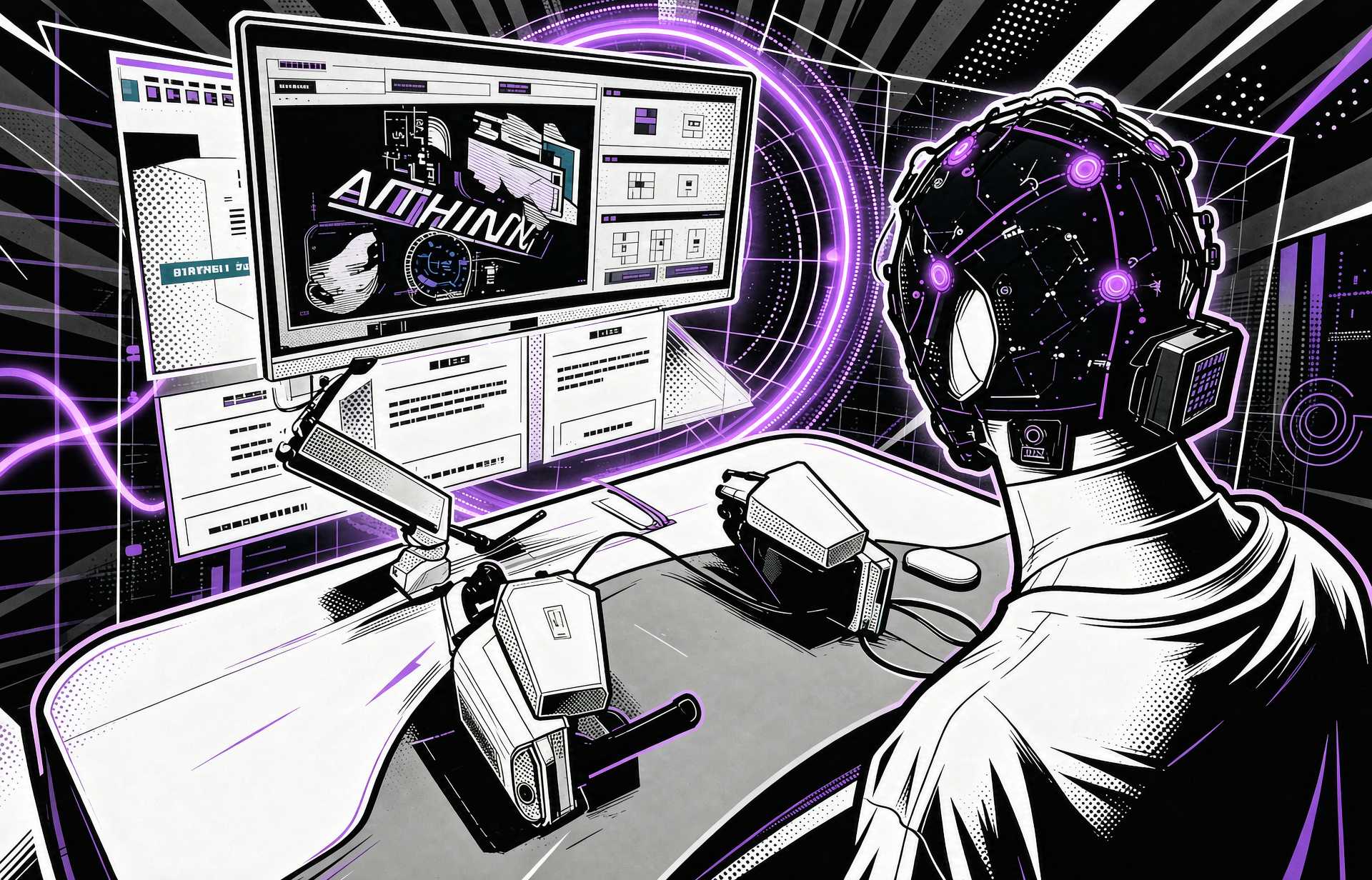
Recent advancements in brain-computer interfaces (BCIs) were showcased at a competition held on September 21-22, where a team from Tsinghua University, led by doctoral student Li Xiaoyang, demonstrated a brain-controlled wheelchair. The team achieved a time of 4 minutes and 19 seconds, securing second place in the competition. With nearly a decade of research, the accuracy of non-invasive BCIs has significantly improved, allowing even untrained individuals to operate the wheelchair safely.
The importance of these developments is underscored by the Chinese government's strategic initiatives, including the implementation of guidelines for BCI industry innovation and the inclusion of BCIs in the national development plan alongside quantum technology and 6G. By September 2025, the National Medical Products Administration plans to release industry standards for medical devices utilizing BCI technology, marking a significant step in the formalization of this emerging field.
Challenges remain, particularly in the areas of brain signal decoding and the standardization of BCI products for broader patient use. Despite successful cases in clinical settings, the high costs and limited applicability hinder widespread adoption. As noted by Duan Shumin, the BCI industry in China has yet to experience explosive growth, but breakthroughs in non-invasive technology could lead to substantial benefits for the general public and foster a large-scale industry.
Editor's Note
The brain-computer interface sector is at a critical juncture, with significant government backing and technological advancements paving the way for future growth. However, the industry faces challenges in standardization and cost-effectiveness that must be addressed to facilitate broader adoption. Stakeholders should monitor ongoing developments and regulatory changes that could impact the commercialization of BCI technologies.





























Leave a comment