


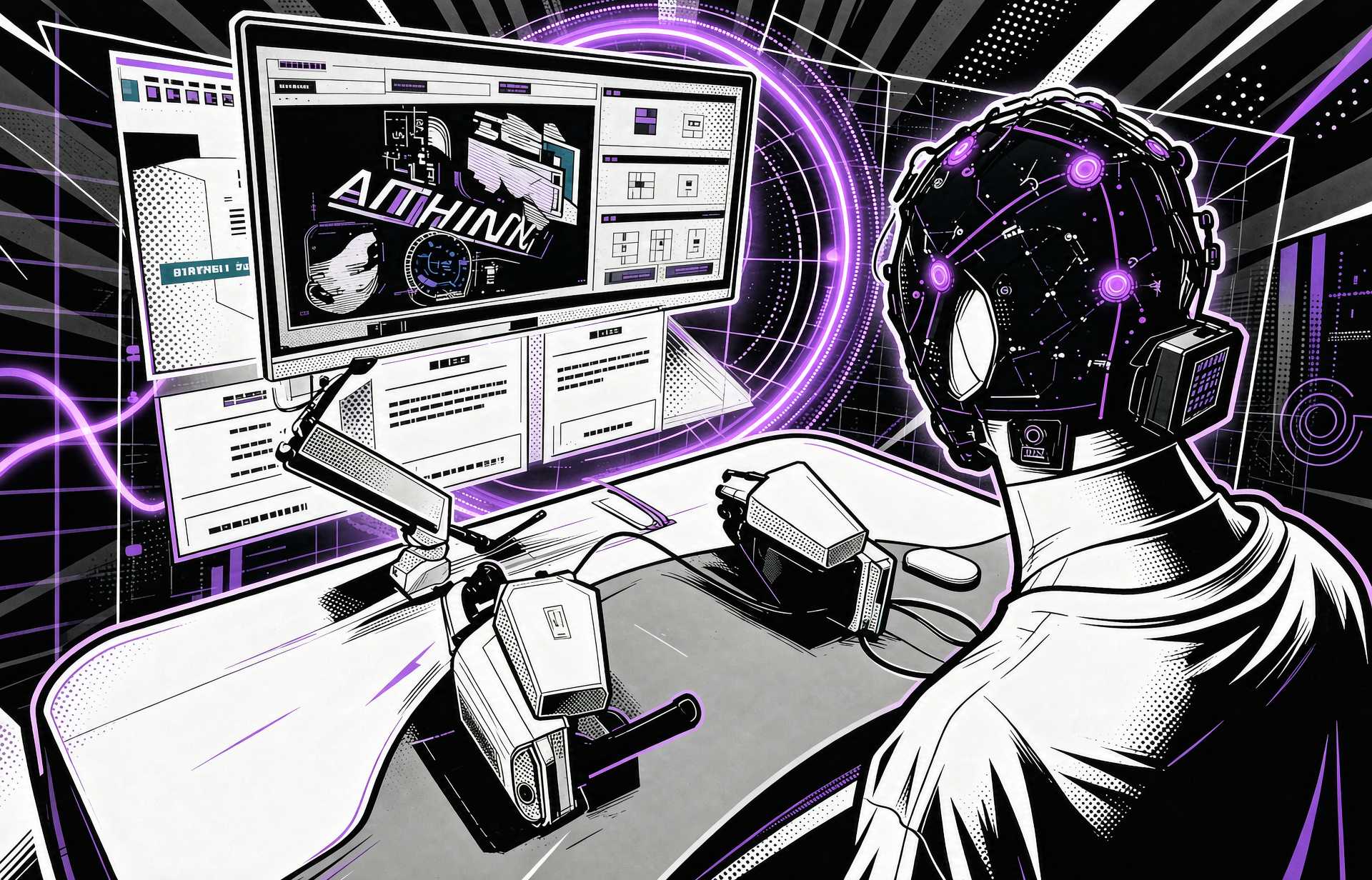
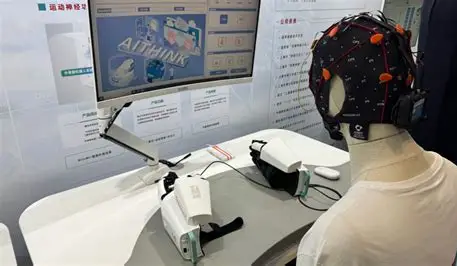
Huachao Shenkong, founded by Li Xin in Shanghai in 2025, has successfully secured 200 million yuan (approximately $20 million) in Pre-A funding. This round was led by Sequoia China and Yunqi Capital, with participation from several other investors. The company aims to develop non-invasive brain-machine interfaces (BMIs) utilizing ultrasound and AI technologies, addressing a growing demand for safer alternatives to invasive BMIs.
The significance of this funding lies in Huachao's focus on non-invasive solutions, which expand the potential user base and application scenarios compared to invasive methods. Li Xin emphasizes that the technology has matured, and the market demand has become clearer, making this an opportune time for development. The company has made advancements in precision and response time for ultrasound applications, achieving a localization accuracy of under 1 millimeter.
Looking ahead, Huachao Shenkong plans to roll out products in three main lines: research, clinical applications, and consumer enhancements. Their current focus is on research, with systems already deployed in laboratories for various cognitive studies. Future applications may include treatments for conditions such as Parkinson's disease and Alzheimer's, as well as consumer products aimed at enhancing cognitive functions like sleep and focus. No further timeline was disclosed at the time of publication.
Editor's Note
The advancements in non-invasive brain-machine interfaces represent a significant shift in the neurotechnology landscape. As companies like Huachao Shenkong innovate in this space, the potential for broader applications in healthcare and consumer markets increases. This trend may influence investment strategies and technology adoption across related sectors.


























Leave a comment