

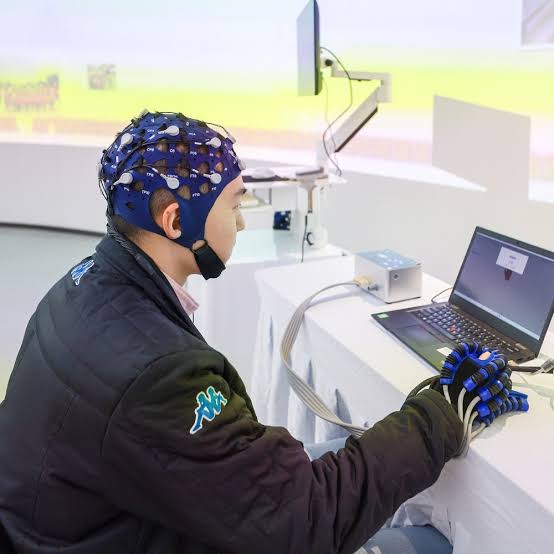
Subsense, an AI-native neurotechnology company, has announced a significant expansion of its NanoBCI strategy, which focuses on non-surgical, nanoparticle-based brain-computer interfaces (BCIs). This innovative approach aims to read or stimulate neural activity without the need for permanently implanted electrodes, setting it apart from traditional BCI methods that rely on invasive hardware or external neural activity capture.
The development of the first AI-native NanoBCI is crucial as it integrates AI into the entire design process, from nanoparticle candidate evaluation to modeling their navigation within the brain. By utilizing AI upstream, Subsense aims to optimize the design of the interface itself, enhancing the effectiveness of the materials and delivery mechanisms involved in the BCI technology.
Looking ahead, Subsense has received $250,000 in Google Cloud credits to further enhance its computational workflows and expand its nanoparticle design exploration. This funding will support the company's efforts to refine its AI infrastructure, ultimately aiming to challenge the existing trade-offs in the BCI field regarding signal quality and surgical intervention.
Editor's Note
The advancement of non-surgical brain-computer interfaces represents a significant shift in neurotechnology, potentially transforming how neural data is accessed and utilized. As companies like Subsense leverage AI to innovate in this space, the implications for medical applications and user accessibility could be profound. The integration of AI in the materials development phase may also set new standards for efficiency and effectiveness in BCI design.





















Leave a comment