


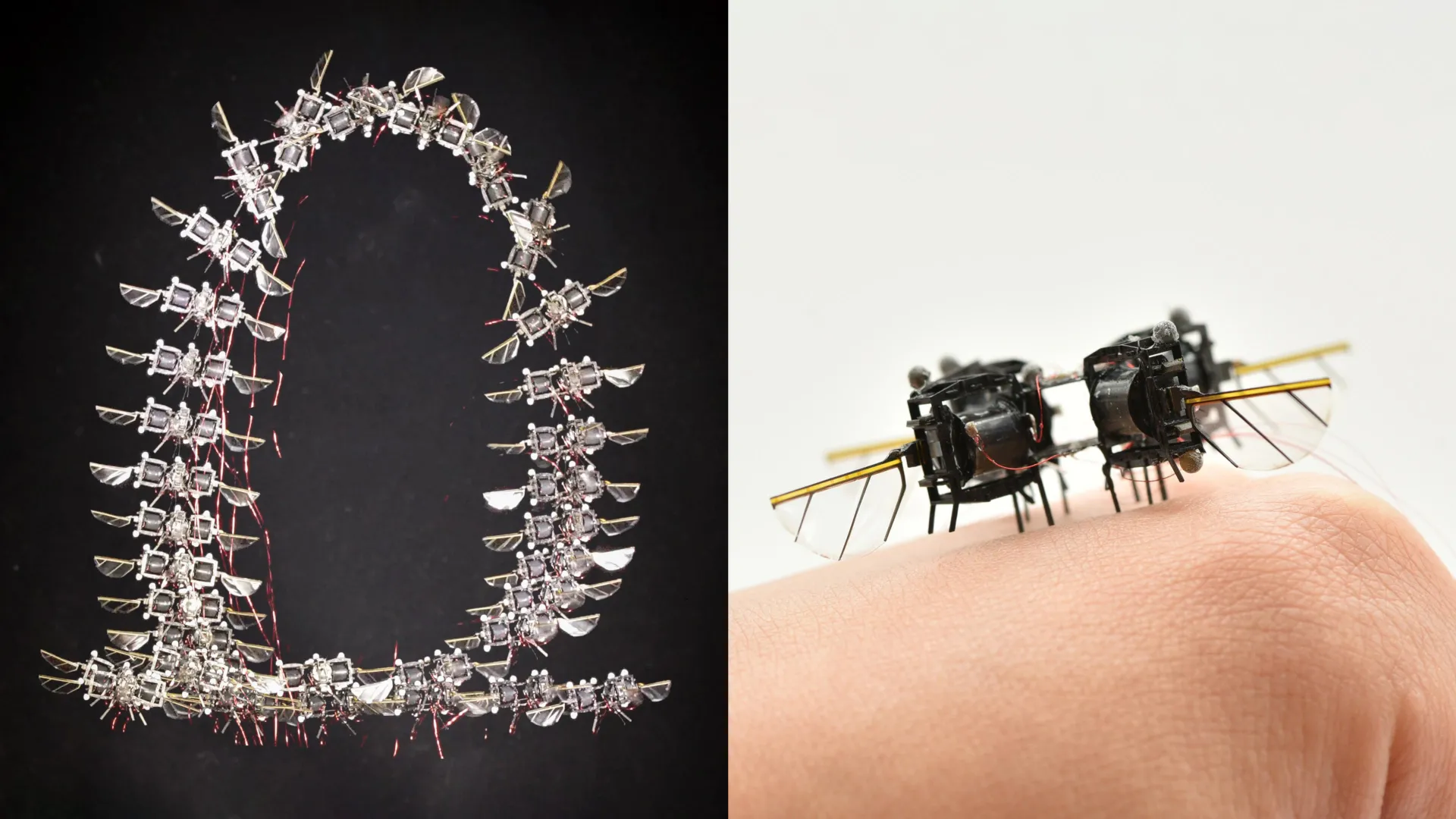
Researchers from UCLA and other teams have successfully created a flying robot weighing just 185 milligrams. Remarkably, this robot can still take off even after being compressed to 11,000 times its weight, showcasing a significant advancement in micro-robotics.
This development is crucial as it opens new possibilities for the use of flying robots in various applications, including search and rescue missions, environmental monitoring, and potentially in medical fields. The ability to withstand extreme compression while maintaining functionality could lead to innovative designs in robotics and materials science.
Looking ahead, the implications of this technology could be vast, particularly in how we approach the design of lightweight and resilient robotic systems. No further timeline was disclosed at the time of publication.
Editor's Note
The development of ultra-lightweight flying robots represents a significant leap in robotics technology. As industries increasingly seek innovative solutions for complex challenges, such advancements could reshape applications in logistics, healthcare, and environmental monitoring. The ability to create resilient robots that can operate under extreme conditions may also influence future designs in various sectors.
Copyright Notice
This briefing is an independently written summary based on publicly available reporting and is provided for industry information and news discovery. The original report and source publication are credited and linked where applicable. RobotToday does not claim ownership of third-party source material.
Rights concerns? If you believe any material in this briefing infringes your copyright or other rights, please contact [email protected] with the relevant URL and details. We will review the matter and take appropriate action where warranted.



































Leave a comment