Industry Briefing
A single destination for timely, editor-curated robotics news from around the world.
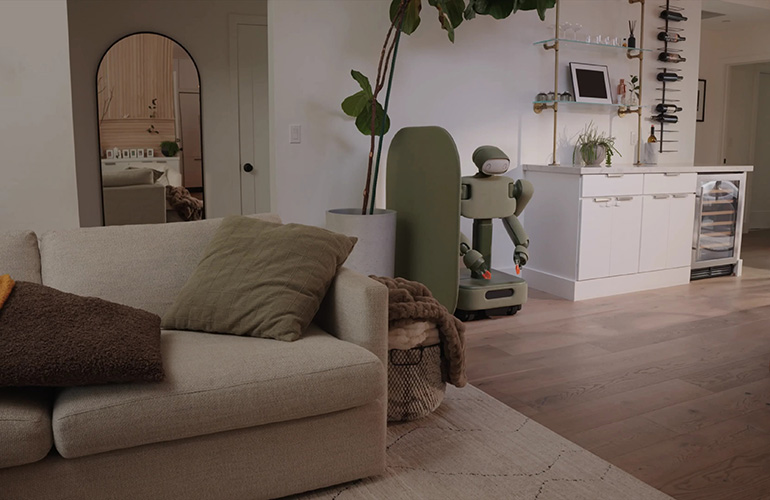
Weave Robotics Introduces Isaac 1, Its First Mobile Humanoid Robot for Home Use
Weave Robotics has launched Isaac 1, a wheeled humanoid robot designed for household chores, with deliveries set to begin this fall. Priced at $7,999 or $449 per month, Isaac 1 features a friendly design and is equipped to perform tasks like folding laundry and tidying rooms. The introduction of Isaac 1 marks a significant step in consumer robotics, providing an approachable solution for everyday household tasks. With its adjustable height and autonomous navigation, the robot can efficiently move around homes, allowing users to schedule tasks via a companion app. Looking ahead, Weave Robotics aims to position Isaac 1 as an affordable entry point into home robotics. The company has previously sold units of Isaac 0 for laundry services, and it will be interesting to see how the market responds to this new consumer-focused model. No further timeline was disclosed at the time of publication.
Arms / Manipulators Autonomous Mobile Robots (AMRs) Human Robot Interaction / Haptics Humanoids News household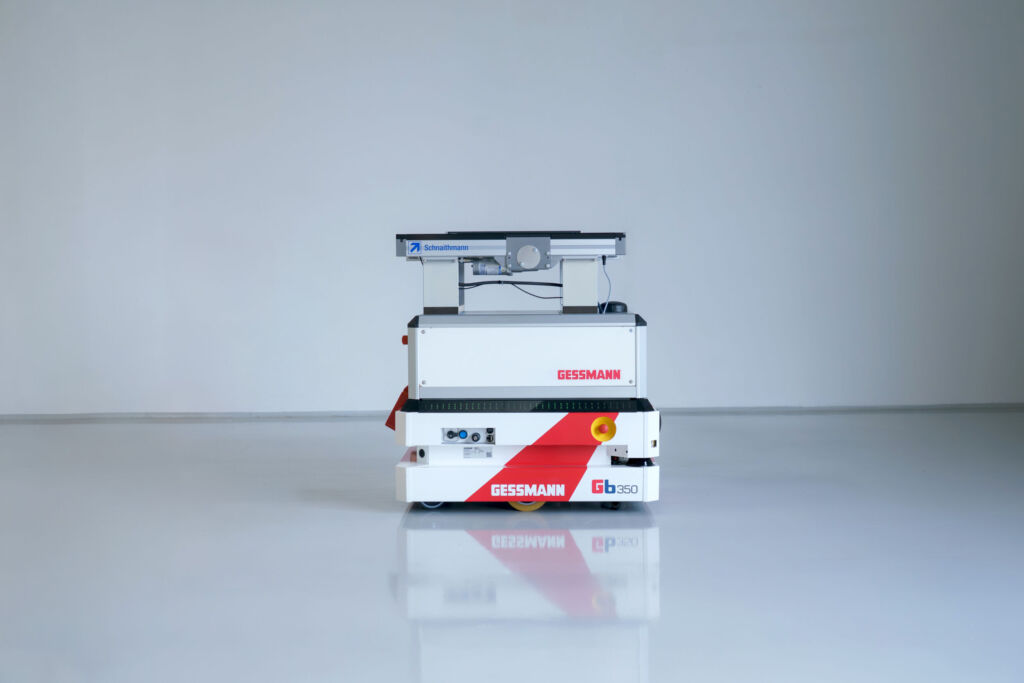
Autonomous mobile robots enhance assembly automation.
Schnaithmann has introduced autonomous mobile robots into its assembly and transfer lines, enhancing automation capabilities. This integration aims to streamline operations and improve efficiency in manufacturing processes. The deployment of these robots represents a significant advancement in the company's approach to modern assembly automation, reflecting a growing trend in the industry towards increased reliance on autonomous technologies.
Allgemein Automation Fördertechnik & Handling Lagerlogistik & Materialfluss Mobile Robotik
Mobile robots as part of a comprehensive system
The effective deployment of mobile robots hinges not only on the quantity of vehicles utilized but also on their operational behavior in conjunction with various factors such as layout, material flow, charging infrastructure, and control systems. This comprehensive approach is essential for optimizing the integration of mobile robots within industrial settings, ensuring they function seamlessly as part of a holistic system. The insights were shared in a recent article on ROBOTIK UND PRODUKTION, highlighting the importance of strategic planning in the implementation of robotic technology in modern production environments.
Allgemein Automation Fördertechnik & Handling Lagerlogistik & Materialfluss Mobile Robotik
Logic Robotics Unveils Logic Pallet: A Breakthrough in Autonomous Mobile Logistics
Logic Robotics has introduced the Logic Pallet, the first mobile robot designed for multifacility logistics automation. This innovative solution aims to enhance the efficiency of logistics and material handling across various industries. The Logic Pallet is engineered to automate the movement of goods both between and within facilities, providing a comprehensive end-to-end automation solution. This advancement supports a fully autonomous, data-driven, and sustainable global supply chain, marking a significant step forward in logistics technology. As the logistics industry continues to evolve, the introduction of the Logic Pallet sets a new standard for automation. Stakeholders should monitor its deployment and impact on supply chain efficiency, as well as its potential to reshape logistics operations in the future. No further timeline was disclosed at the time of publication.
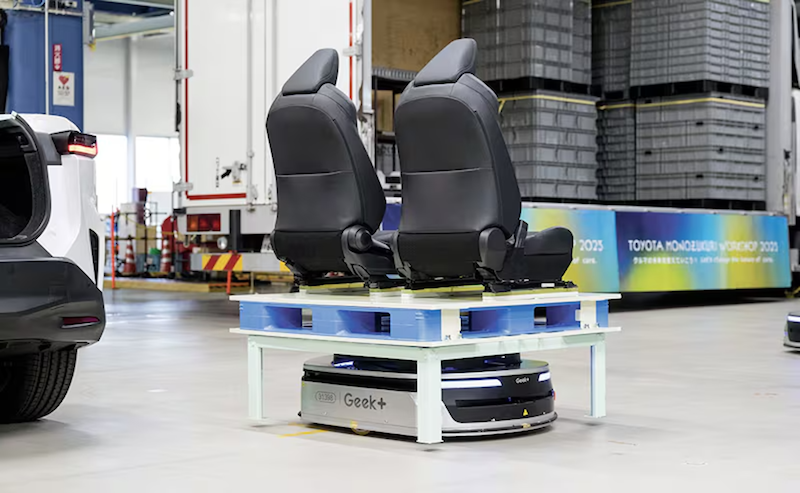
Geekplus intalls more than 400 autonomous mobile robots at multiple Toyota plants
Geekplus has initiated the deployment of moving-type Autonomous Mobile Robots (AMRs) at multiple Toyota Motor Corporation plants across Japan. This strategic move comes in response to labor shortages stemming from the country's declining population and evolving labor market dynamics. Currently, 436 Geekplus AMRs are actively operating within Toyota's manufacturing facilities, with each system managing around 200 units. The integration of these robots aims to enhance operational efficiency and address workforce challenges, reflecting a growing trend in automating production processes within the automotive industry.
News Warehouse robots amrs automation news autonomous mobile robots factory automation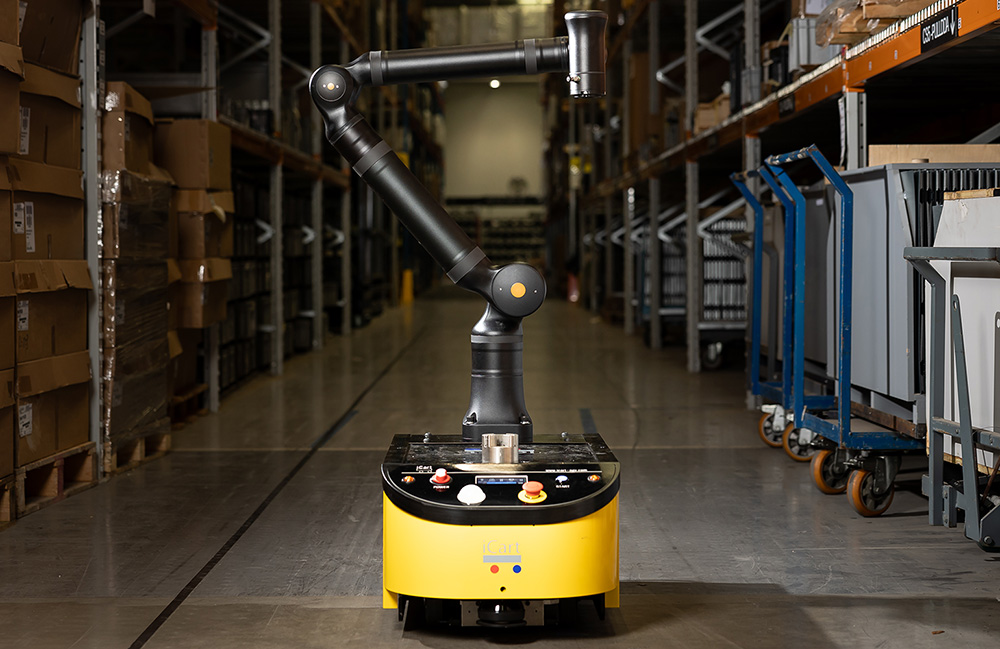
How compact cobot integration enhances autonomous mobile robot applications
The integration of collaborative robots, or cobots, is significantly transforming the warehousing industry, with projections indicating a tenfold increase in their usage from 2018 to 2025, according to industry expert Kassow. This surge in adoption highlights the growing reliance on automation to enhance efficiency and productivity in logistics operations. As businesses seek to streamline processes and reduce labor costs, cobots are becoming essential tools for complementing autonomous mobile robots in various applications. The advancements in technology and the increasing demand for flexible automation solutions are driving this trend, positioning cobots as a key component in the future of warehousing.
Autonomous Mobile Robots (AMRs) Cobot Arms Collaborative Robots Controllers Logistics News
AI Robots Achieve 3,500 Garment Sorts Per Hour in South Korean Warehouse
In a warehouse located in Icheon, South Korea, a fleet of AI-guided robots is sorting garments at a remarkable rate of 3,500 items per hour, approximately four times the output of human workers. Since their deployment, the women's clothing company has reported 'zero losses'—no picking errors and no stockouts due to logistics mistakes. Despite this advancement, the sewing automation challenge remains unsolved, often referred to as the 'last mile' of textile automation. The system, developed by Baba Fashion in collaboration with South Korean automation firm Cotek Electronics, utilizes autonomous mobile robots equipped with SLAM navigation technology, eliminating the need for ground magnetic strips or embedded wires. The logistics deployment by Baba Fashion serves as a successful commercial case, while other companies, such as the leading fashion platform MUSINSA, are also investing in automated logistics solutions. The ongoing challenge of sewing automation, likened to the complexities of autonomous driving, continues to impact the future of millions of garment workers as the industry transitions into a more automated era.
AI Robotics Warehouse Automation Sewing Automation Fashion Technology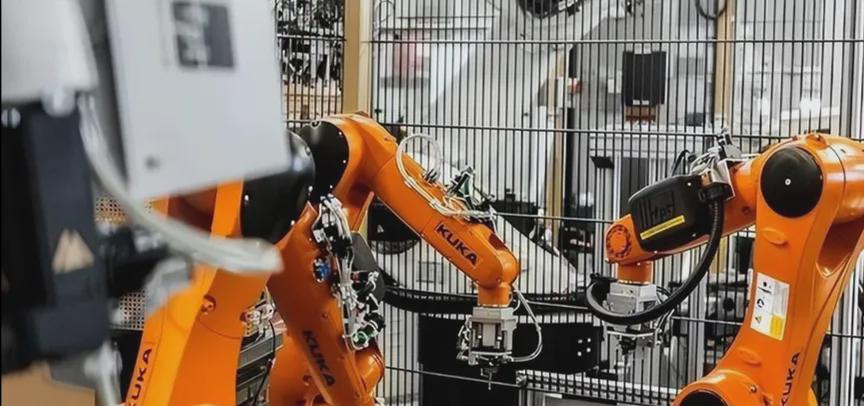
Midea Group Signs 300 Million RMB Strategic Deal to Expand Industrial Robotics
Midea Group's subsidiary KUKA has signed a strategic cooperation agreement with YINGKE Medical and YINGKE Recycling, valued at over 300 million RMB. This deal includes 1,500 industrial robots, 500 mobile and embodied intelligent robots, and 50 automated storage systems, showcasing Midea's commitment to expanding its industrial robotics capabilities. This partnership signifies a pivotal shift for Midea, transitioning from project-level procurement to a comprehensive group-level strategic collaboration. The collaboration aims to enhance production efficiency through advanced automation solutions, integrating AI visual recognition and adaptive grasping technologies. Looking ahead, Midea's focus on its ToB business model is expected to accelerate, with KUKA playing a crucial role in this transformation. The industry will be watching closely to see how this strategic partnership evolves and contributes to Midea's growth in the industrial automation sector. No further timeline was disclosed at the time of publication.
Industrial Robotics Automation Solutions Smart Manufacturing B2B Technology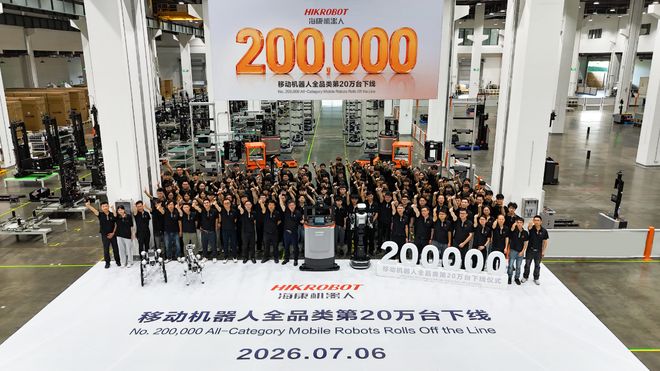
Hikvision Robotics Achieves Milestone with 200,000 Mobile Robots Produced
On July 6, 2026, Hikvision Robotics marked a significant achievement by producing its 200,000th mobile robot, a milestone reached just two years after the company celebrated its 100,000th unit. This accomplishment underscores Hikvision's dominant position in the global mobile robotics market, highlighting the swift expansion of China's mobile robotics sector. The growth is attributed to advancements in technology and the establishment of industry standards, which have facilitated the transition from experimental applications to widespread deployment.
Mobile Robots Warehouse Automation Manufacturing Technology AI Industry Standards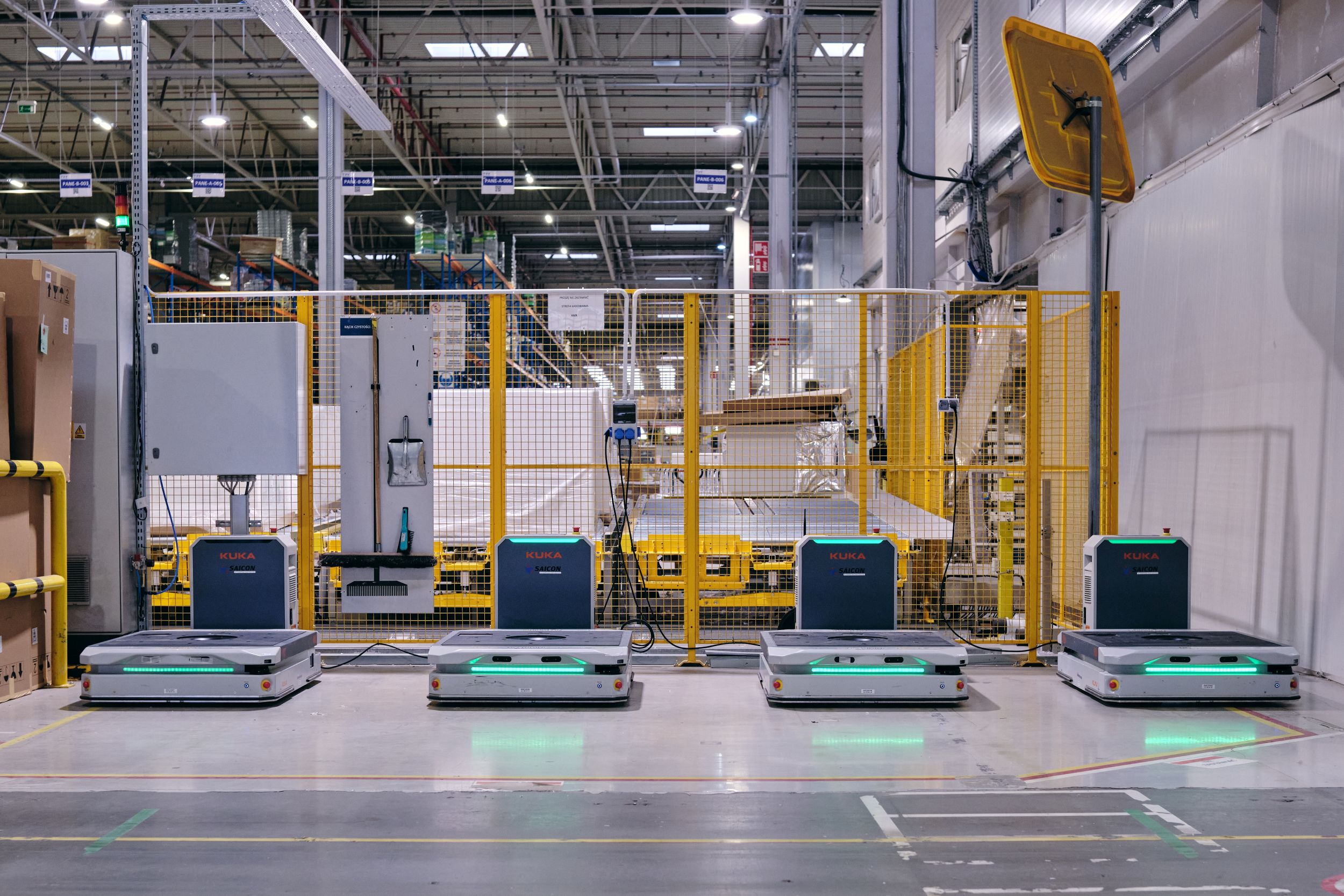
From the factory floor to the living room: 22 mobile robots keep TV production running
In a significant advancement for warehouse operations, a company has successfully transitioned from manual electric carts to fully automated transport systems utilizing autonomous mobile robots. This shift, which took place recently, aims to enhance efficiency and streamline logistics within the facility. By implementing these robots, the company seeks to reduce the need for human intervention in material handling, thereby minimizing the risk of accidents and improving overall productivity. The integration of this technology marks a pivotal change in how goods are transported within the warehouse, reflecting a broader trend towards automation in the industry.

Robust.AI chooses Aptiv PULSE sensor for Gen 3 Carter mobile robot
Robust.AI has selected Aptiv's PULSE sensor for its third-generation Carter mobile robot, enhancing the robot's ability to navigate safely around people. This collaboration leverages Aptiv's advanced sensor fusion technology, which integrates radar and vision systems powered by artificial intelligence. The integration aims to improve the operational safety and efficiency of the Carter robot in various environments. This development marks a significant step forward in the robotics industry, as it addresses the growing need for autonomous systems to operate safely in human-populated spaces.
Autonomous Mobile Robots (AMRs) Collaborative Robots Logistics Manufacturing Mobility / Navigation News
Omnidirectional Mobile Robotics: Foundations, Advantages, and Industrial Applications
In response to the increasing demands for agile workflows and optimized operational efficiency in industrial applications, businesses are increasingly turning to omnidirectional mobile robotics. This technology is recognized as a crucial strategic investment for enhancing productivity and ensuring millimeter precision in coupling operations. As industries evolve and seek to streamline processes, the integration of these advanced robotics is becoming essential for maintaining competitive advantage. The trend reflects a broader shift towards automation and innovation in the manufacturing sector, highlighting the importance of adapting to modern operational needs.

OMRON Robotics to Demonstrate Next-Generation Autonomous Mobile Robots at Automate 2026
A leading technology company has unveiled its latest advancements in automated material handling with the introduction of the LD-150 and LD-300 autonomous mobile robots (AMRs). This launch took place in October 2023, showcasing the company's commitment to enhancing efficiency in logistics and warehouse operations. The new AMRs are designed to streamline material flow, addressing the growing demand for smarter and more flexible solutions in supply chain management. By integrating advanced navigation and sensing technologies, the LD-150 and LD-300 aim to optimize workflows, reduce operational costs, and improve safety in various industrial environments. This innovation reflects the company's strategy to leverage automation in response to evolving market needs and the increasing complexity of logistics operations.

Drive solutions for shuttles, automated guided vehicles, and autonomous mobile robots.
At the SPS Italia exhibition, Bonfiglioli showcased its innovative mechatronic ecosystem, highlighting advanced drive solutions tailored for shuttles, automated guided vehicles (AGVs), and autonomous mobile robots (AMRs). This presentation underscores Bonfiglioli's commitment to enhancing automation and efficiency in various industrial applications. The event, held in Italy, serves as a platform for industry leaders to explore cutting-edge technologies and solutions that address the evolving needs of the market. Through its participation, Bonfiglioli aims to demonstrate its leadership in the field and foster collaborations that drive technological advancements in automation.
Allgemein Antriebs- und Lineartechnik Robotik
Fraunhofer IIS and Nuremberg Airport test robot assistants for traveler support.
The Fraunhofer Institute for Integrated Circuits IIS has collaborated with Nuremberg's Albrecht Dürer Airport to test a mobile, AI-based robot designed to assist travelers. This initiative aims to enhance passenger support by providing information and guidance at the airport. The testing phase took place recently, showcasing the potential of robotic technology in improving customer service in transportation hubs. The project reflects a growing trend in utilizing artificial intelligence to streamline operations and enhance the travel experience.
Allgemein Humanoide Robotik Lösungen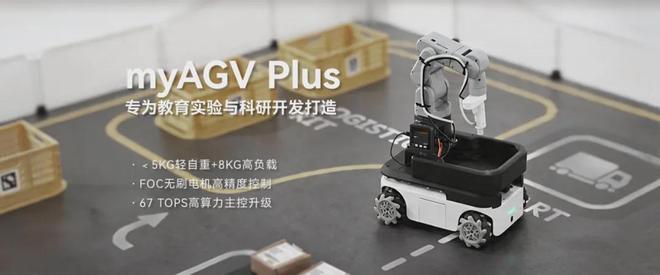
Product Launch | myAGV Plus Redefines New Frontiers in Mobile Composite Robotics Education and Research
Elephant Robotics has unveiled the myAGV Plus, a cutting-edge mobile robot platform aimed at enhancing education, research, and algorithm validation. This launch aligns with the Ministry of Education's initiative to integrate artificial intelligence into educational frameworks. The myAGV Plus features substantial improvements in computing power, control, and perception, effectively connecting theoretical concepts with practical applications. This development is part of a broader effort to modernize educational tools and methodologies, ensuring that students and researchers have access to advanced resources for learning and experimentation.
Mobile Robots Educational Robotics AI in Education Research and Development Robotics Technology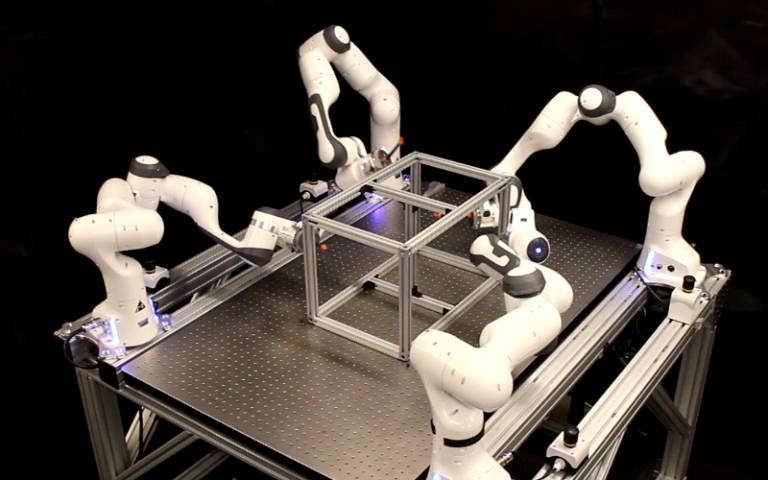
Phase stability regulator based on two dynamic parameters for autonomous mobile robots
A researcher has highlighted the advantages of implementing a phase stability regulator featuring two real-time signals for autonomous mobile robots (AMRs). This innovation aims to enhance the operational efficiency and reliability of AMRs, which are increasingly utilized in various industries for tasks such as logistics and delivery. The findings were discussed in a recent publication on The Robot Report, emphasizing the importance of advanced regulatory systems in improving the performance of these robots. By integrating dynamic parameters into the phase regulation process, the researcher suggests that AMRs can achieve better stability and responsiveness in their operations, ultimately leading to more effective automation solutions.
Autonomous Mobile Robots (AMRs) Logistics Manufacturing Mobility / Navigation News Opinion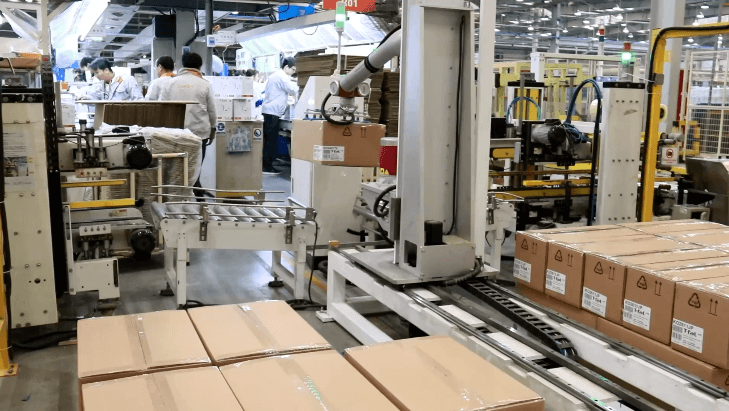
The Future of Cobot Palletizing: Autonomous Mobile Robots and Modular Systems
As the manufacturing and logistics sectors evolve, JAKA is pioneering advancements in cobot palletizing, emphasizing flexibility and autonomy. Customers are increasingly demanding systems that can adapt to varying layouts, product types, and throughput requirements without extensive reconfiguration. The integration of six-axis robot arms is central to this shift, enabling dynamic handling of mixed loads and pallet patterns. A key trend in this field is the combination of autonomous mobile robots with collaborative manipulators. This integration allows for palletizing tasks to occur beyond fixed stations, enabling cobots to move between production lines and adjust to seasonal shifts or temporary capacity needs. The use of modular mechanical interfaces and standardized communication protocols facilitates scalable system development, transforming cobot palletizing into a shared resource that enhances operational efficiency and investment planning. Advanced control capabilities are also crucial for the future of cobot palletizing. Features such as precise path planning, responsive motion control, and adaptable force management enable collaborative robots to handle various packaging formats consistently. For instance, the JAKA Zu7 robot can seamlessly transition between palletizing and secondary tasks like automated screwdriving, adjusting torque settings as needed. Looking forward, JAKA envisions a future where cobot palletizing is characterized by autonomous mobility, modular design, and intelligent control. This approach aims to ensure that palletizing solutions evolve alongside production demands, rather than limiting them. By aligning collaborative robots with mobile platforms and adaptable end-effectors, JAKA is committed to developing systems that integrate into broader automation strategies, supporting reliable operations and sustainable growth in modern automated facilities.

Hai Robotics Joins MHI’s Mobile Automation Group (MAG)
Hai Robotics has announced its membership in the Mobile Automation Group (MAG) of MHI, marking a significant step in its dedication to advancing mobile automation technologies within the material handling industry. This new partnership builds on the company's earlier involvement with the Automated Storage and Retrieval Systems (ASRS) Industry Group. By joining MAG, Hai Robotics seeks to leverage collaborative efforts to enhance the accessibility of large-scale automation solutions, particularly through its cutting-edge HaiPick Systems. This initiative reflects the company's ongoing commitment to innovation and improvement in the automation sector.
Warehouse Automation Mobile Robots Material Handling Supply Chain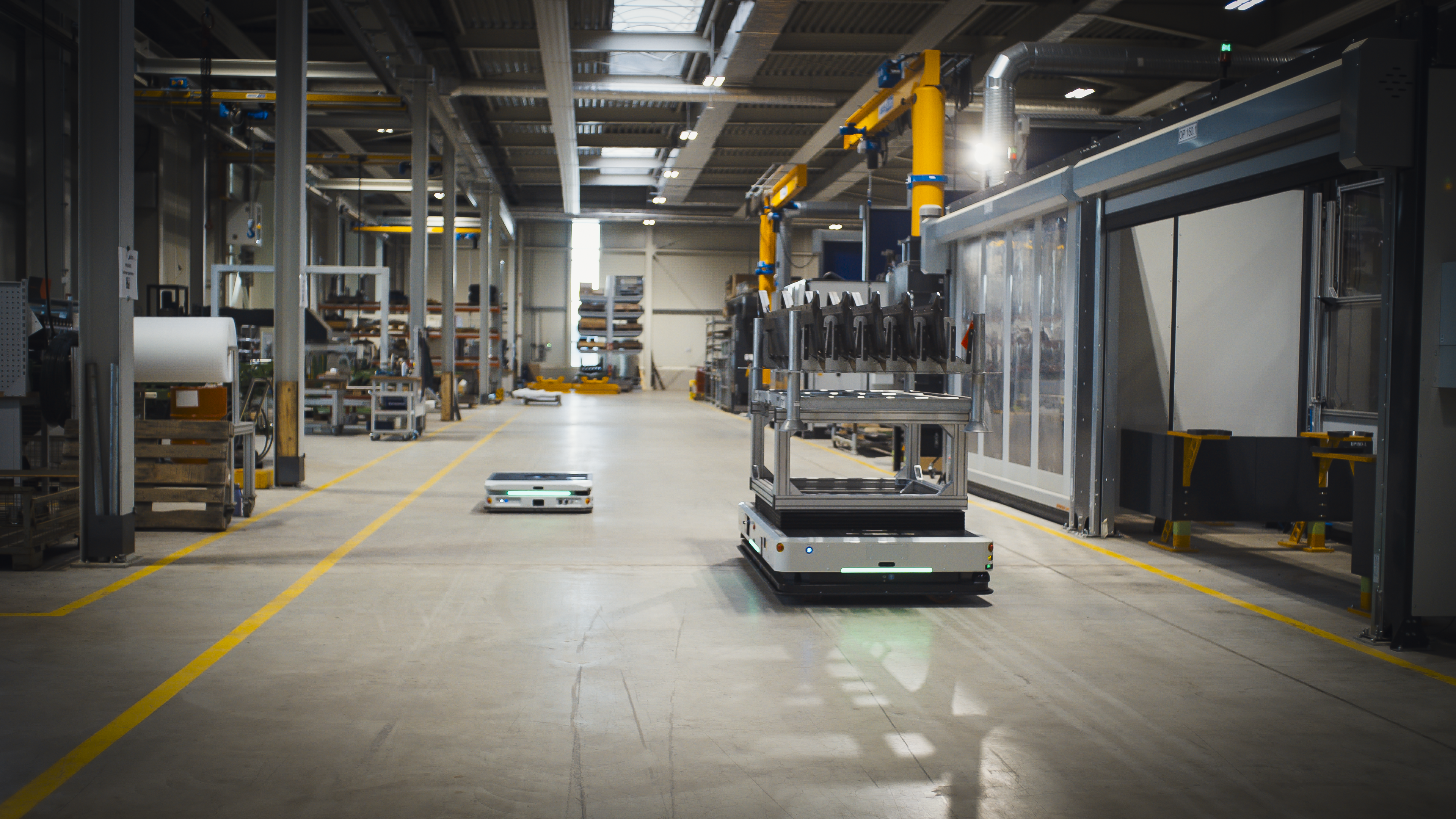
Innovative concepts for the production of the future:Mobile robotics at KRONE
KRONE, a company based in Werlte, is embracing mobile robotics to enhance production efficiency in both established factories and new ventures. The integration of stationary and autonomous mobile robots (AMRs) is streamlining processes at their existing facility, while a state-of-the-art smart factory is being developed on a greenfield site in Ibbenbüren. This initiative aims to modernize manufacturing practices and adapt to the evolving demands of the industry, showcasing KRONE's commitment to innovation and sustainability in production.

Comau unveils MYMR, a scalable autonomous mobile robot family engineered to optimize intralogistics efficiency
Comau, a leader in automation solutions, has announced the launch of three new Autonomous Mobile Robots (AMRs) aimed at improving intralogistics and warehouse automation. This development comes as part of the company's ongoing efforts to enhance operational efficiency and reduce labor costs in the logistics sector. The introduction of these robots is set to take place in October 2023, with the deployment expected to revolutionize the way goods are transported within warehouses. By utilizing advanced navigation and AI technology, the AMRs will facilitate seamless movement of materials, allowing for increased productivity and safety in busy warehouse environments. This strategic move reflects Comau's commitment to innovation and its response to the growing demand for automated solutions in the supply chain industry.

Locus Robotics Surpasses 5 Billion Pick Milestone, Accelerating Global Adoption of Mobile Warehouse Automation
Locus Robotics, a leader in AI-driven mobile warehouse automation, has announced a significant development in its operations. The company revealed new advancements in its robotics technology aimed at enhancing efficiency in warehouse logistics. This announcement comes as part of Locus Robotics' ongoing efforts to meet the growing demand for automated solutions in the supply chain sector. The unveiling took place during a recent industry conference held in Chicago, where key stakeholders gathered to discuss innovations in warehouse management. By integrating advanced AI capabilities into its robotics systems, Locus aims to streamline processes, reduce operational costs, and improve overall productivity for its clients. This initiative reflects the company's commitment to addressing the challenges faced by the logistics industry, particularly in the wake of increased e-commerce activity and labor shortages.

The iMRS 2.0 platform of SIASUN Mobile Robotics has been officially launched!
On October 25, SIASUN Mobile Robotics unveiled its latest innovation, the iMRS 2.0 platform, designed to enhance mobile robotics capabilities. This new platform facilitates cross-platform integration and supports multiple languages, accommodating various vehicle models. The launch aims to advance the field of mobile robotics by providing a versatile and user-friendly solution for developers and businesses. By streamlining operations and enhancing interoperability, SIASUN seeks to address the growing demand for efficient robotic systems in diverse applications. The introduction of iMRS 2.0 marks a significant step forward in the company's commitment to innovation and leadership in the robotics industry.
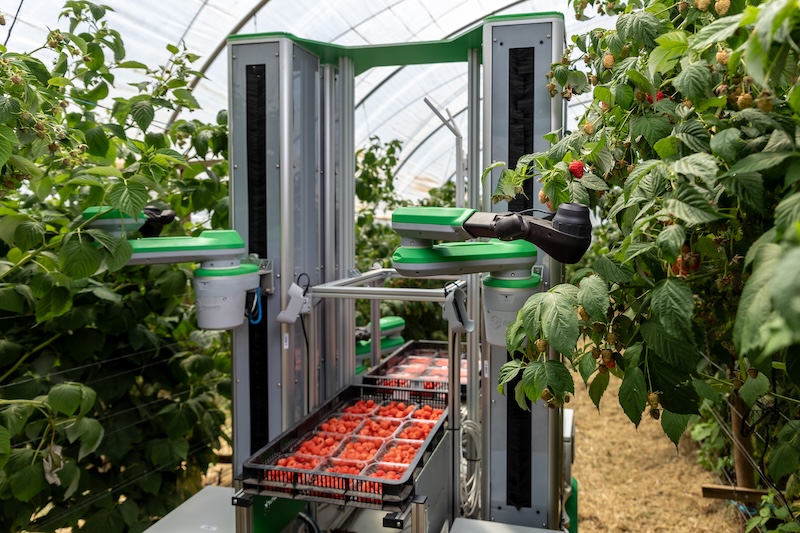
Fieldwork Robotics Receives £2.5 Million Investment for Berry Harvesting Automation
Fieldwork Robotics has secured a £2.5 million investment from SEED Innovations to enhance its selective and modular berry harvesting robots. This funding is part of a Seed+ fundraising initiative announced in April 2026, aimed at addressing labor shortages and rising costs in berry production. The investment will facilitate the transition from technology validation to commercial trials, with production robots already deployed in a two-year program in Norfolk and Stafford. The significance of this investment lies in its potential to alleviate pressing challenges faced by berry growers, including labor shortages and increased harvesting costs. By utilizing autonomous harvesting robots, Fieldwork aims to boost productivity and reduce reliance on seasonal labor, thereby minimizing food waste and stabilizing consumer prices. Jim Mellon, chairman of SEED Innovations, emphasizes the opportunity for robotics and AI to tackle real-world agricultural issues, aligning with Fieldwork's mission to enhance farm efficiency. Looking ahead, Fieldwork Robotics anticipates operating multi-robot fleets on farms by 2027, contingent on the success of ongoing trials. Additionally, the company plans to expand its operations internationally, with trials set to take place in Australia as part of its global growth strategy. No further timeline was disclosed at the time of publication.
Agriculture Financials & Investments agri robotics agricultural robotics agriculture automation
Robotic Assistance in Natural Disasters and Human-Caused Crises
The Synergise research and development consortium is conducting its first integrated system field test to evaluate new technological solutions, including robots, drones, sensors, localization systems, wearables, and communication platforms. This test is taking place at a training ground in Botkyrka, Sweden, where the consortium aims to assess the effectiveness of these technologies in realistic operational environments. The initiative is driven by the need to enhance response capabilities for natural disasters and human-made crises, showcasing how advanced technology can aid in emergency situations.
Allgemein Newsarchiv Servicerobotik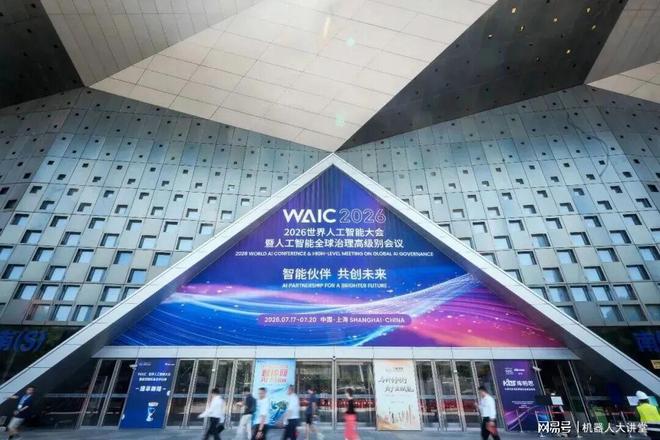
Real Work Robots Make Impact at WAIC 2026 with 50,000 Hours of Operation
The World Artificial Intelligence Conference (WAIC) 2026 opened on July 17 in Shanghai, showcasing leading tech companies and innovations. Realman Intelligent, a company focused on deploying practical robots, highlighted its RealBOT-S2 and RealBOT-L2 models, which demonstrated real-world tasks like opening refrigerator doors and making tea. The robots attracted significant attention from government officials and industry leaders. Realman Intelligent's commitment to practical robotics is underscored by its average fault-free operation time of 50,000 hours, achieving CRL3 certification. This reliability enables continuous operation, addressing labor shortages and reducing costs associated with workforce turnover. The company aims to integrate robots into various industries, emphasizing the importance of real-world deployment for effective learning and operation. Looking ahead, Realman Intelligent plans to expand its ecosystem by combining reliable hardware, real machine data, and remote operation networks. Their collaboration with partners like Zhongke Huiyuan showcases the capabilities of their industrial inspection robots, which operate 24/7 and enhance production efficiency. No further timeline was disclosed at the time of publication.
Industrial Robots Automation Technology AI Robotics Remote Operation Manufacturing Solutions
Hyperscale Data Initiates Installation of OPR-R2 Robots at Michigan AI Facility
Hyperscale Data, Inc. has commenced the installation of OPR-R2 robots at its Michigan AI data center. This marks a significant step in the company's efforts to enhance its visual data collection and physical AI training capabilities. The installation of 143 OPR-R2 robots is crucial for Hyperscale Data as it aims to bolster its artificial intelligence initiatives. The first unit was assembled on July 16, 2026, indicating the start of a comprehensive program designed to improve AI training processes. Looking ahead, the deployment of these robots will be pivotal in advancing Hyperscale Data's operational efficiency and data processing capabilities. No further timeline was disclosed at the time of publication.
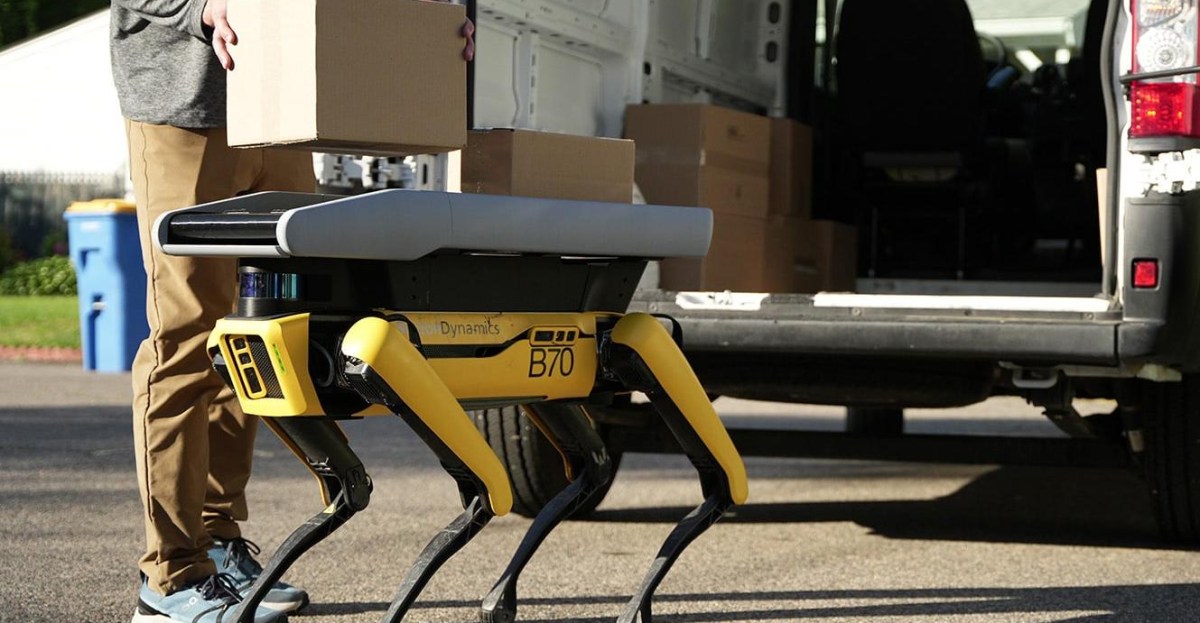
Boston Dynamics Tests Spot Robot for Last-Mile Delivery Solutions
Boston Dynamics is exploring the use of its Spot robot for package deliveries, equipped with a new conveyor belt accessory. This innovation aims to autonomously transport packages from vehicles to customers' doorsteps, potentially easing the workload of delivery drivers. The initiative is significant as it addresses the challenges of last-mile delivery, where human navigational skills are often required to overcome obstacles like stairs and cluttered pathways. Boston Dynamics is currently in discussions with major logistics companies to transition from demonstrations to a full pilot project. Looking ahead, the company believes Spot's ability to navigate uneven terrain will enhance its effectiveness in suburban environments. This could not only alleviate physical strain on delivery drivers but also increase their efficiency, allowing them to handle more packages. No further timeline was disclosed at the time of publication.
Gadgets News Robot Tech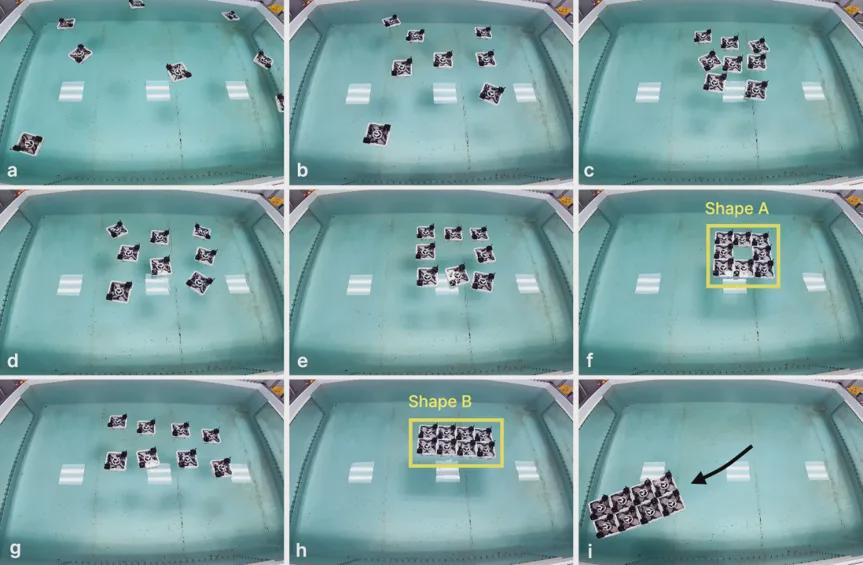
MIT Team Unveils Transformable Robot Fleet for Advanced Water Navigation
A team from MIT, along with collaborators from the University of Wisconsin-Madison, KU Leuven, and Politecnico di Milano, has developed a fleet of eight modular robot boats capable of transforming and navigating water autonomously. Each boat measures 21 cm on each side and can connect to form larger floating platforms, demonstrating advanced coordination without remote control. The significance of this development lies in its potential applications in complex environments where traditional navigation methods may fail. The robots can autonomously handle positioning, collision avoidance, and movement control, adapting their configurations based on tasks, similar to how fire ants form rafts during floods. Looking ahead, the research team has categorized their system as a Modular Self-Reconfigurable Robot (MSRR) system, which allows for dynamic reconfiguration and enhanced functionality. No further timeline was disclosed at the time of publication.
Modular Robotics Autonomous Systems Water Navigation Distributed Control Robotics Research
Japanese Researchers Develop Floating Companion Robot Inspired by Fictional Characters
Researchers at Keio University in Tokyo have created a silent, floating companion robot that mimics the movement of animated creatures. This innovative prototype, inspired by characters like Tinker Bell and Pokémon’s Mew, is designed to be approachable and safe for indoor environments. The significance of this development lies in its potential to enhance human-robot interaction at home. Unlike traditional drones, this soft floating robot utilizes helium for buoyancy, resulting in quieter operation and lower energy consumption, making it a more natural companion for users. Looking ahead, the researchers have established a systematic interaction design framework for soft floating robots, which could lead to advancements in mobility and human interaction. No further timeline was disclosed at the time of publication.
AI and Robotics
Ukraine Executes Historic Combat Mission Using Drone Boat to Deploy Armed Robot
Ukraine has conducted a groundbreaking military operation, deploying an armed ground robot via a sea drone on the Russian-occupied Kinburn Spit. This mission, executed by the 123rd Separate Territorial Defense Brigade, marks the first known instance of a sea drone transporting a combat robot into enemy territory, showcasing Ukraine's innovative use of uncrewed systems in warfare. The significance of this operation lies in its demonstration of advanced military technology and strategy, as Ukraine seeks to leverage unmanned systems to counter Russian forces. The use of the uncrewed surface vessel (USV) to deliver the Rys family ground robot reflects a shift towards automation in combat, potentially changing the dynamics of modern warfare. Looking ahead, the continued integration of uncrewed systems in military operations will be crucial for Ukraine's strategy. As the conflict evolves, further developments in robotic warfare and the effectiveness of these technologies in combat scenarios will be closely monitored. No further timeline was disclosed at the time of publication.
Sea Armies Around The Globe Drones Europe Land
Specialized Robots Enhance Efficiency in Solar Farm Construction and Maintenance
A rising number of robotics companies are developing specialized machines aimed at alleviating labor bottlenecks in solar farm construction and maintenance. These innovations are crucial as they address the unique challenges posed by solar farm terrains, optimizing both construction timelines and operational efficiency. The significance of these advancements lies in their potential to streamline processes and reduce reliance on manual labor, which can be both costly and time-consuming. By integrating specialized robots, companies can enhance productivity and improve safety standards on solar farms, making the sector more sustainable and economically viable. Looking ahead, the continued evolution of robotics in this field will be essential to meet the growing demand for renewable energy solutions. Stakeholders should monitor developments in robot capabilities and their impact on solar farm operations. No further timeline was disclosed at the time of publication.
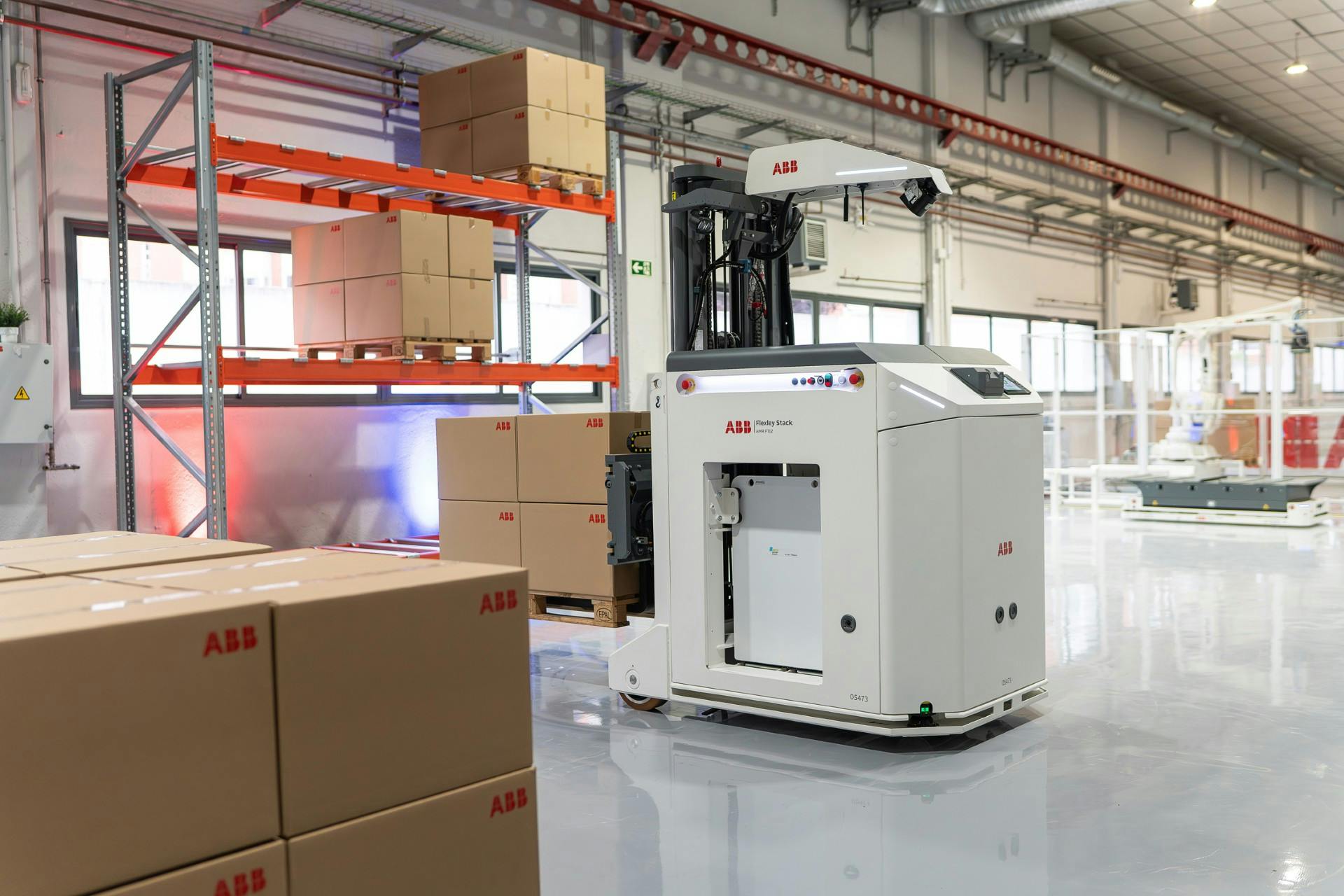
ABB Robotics Introduces Flexley Stack F712 Platform for AI-Driven Autonomous Forklifts
ABB Robotics has launched the Flexley Stack F712 platform, enhancing its AMR portfolio with AI-powered visual technology for autonomous forklifts. This innovation facilitates pallet transport and high-density storage, creating a cohesive ecosystem among ABB’s Visual SLAM AMR types, aimed at improving efficiency in material handling and warehouse operations across various industries, including automotive manufacturing. The introduction of the F712 is significant as it addresses the growing demand for faster and more flexible goods movement in intralogistics, particularly under constraints of limited labor availability. Marc Segura, president of ABB Robotics, emphasized the need for businesses to adapt to increased processing demands while leveraging advanced vision, mobility, and intelligence in their operations. Looking ahead, the Flexley Stack F712 can manage diverse load types and sizes, allowing customers to implement mixed fleets of Visual SLAM-powered vehicles on a unified navigation and fleet management platform. No further timeline was disclosed at the time of publication.
Factory / Analytics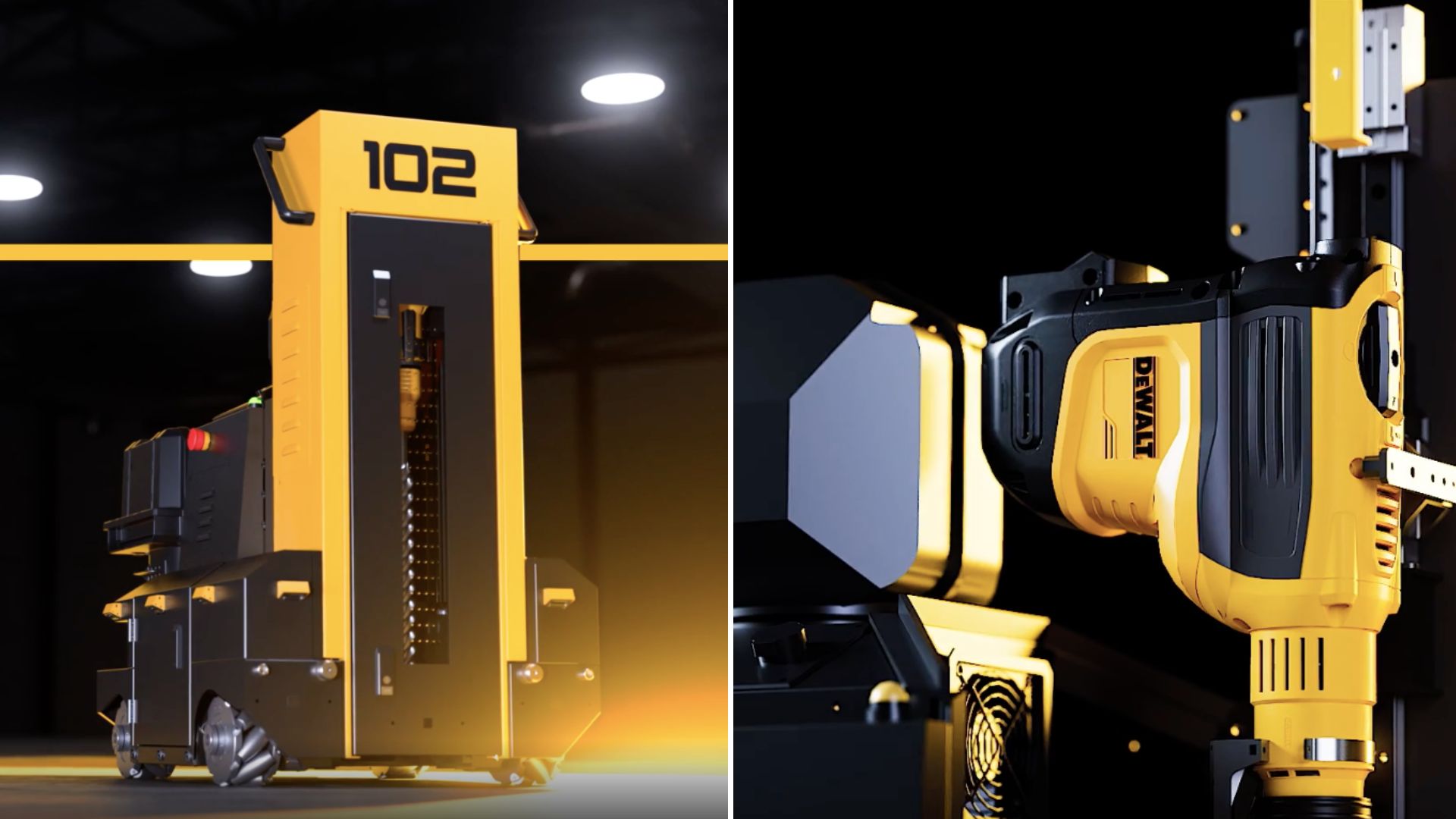
Dewalt Launches DALE Downward-Drilling Robot for Data Center Construction
Dewalt, in collaboration with August Robotics, has launched DALE, the world's first fleet-capable downward-drilling robot, at the World of Concrete event. This innovative robot is designed to enhance efficiency in data center construction, achieving drilling speeds up to ten times faster than traditional methods. During a year-long pilot, DALE drilled over 230,000 holes with 99.97% accuracy, significantly reducing project timelines by 190 weeks across 26 phases. The introduction of DALE is significant for the construction industry, particularly in the rapidly growing data center sector. Dewalt's robot not only accelerates drilling processes but also integrates advanced features such as fast-swap batteries, remote monitoring, and automatic dust extraction. These capabilities allow for enhanced safety and precision, making it a valuable asset for construction teams facing tight deadlines and labor challenges. Looking ahead, DALE is now available for commercial orders, marking a pivotal moment for construction automation. The robot's ability to operate in fleets and drill through rebar positions it as a versatile tool for various construction applications. No further timeline was disclosed at the time of publication regarding additional features or expansions in its deployment.
AI and Robotics
MIT and EPFL Develop Flapping-Wing Robot for Air and Water Navigation
Engineers from MIT and EPFL have created a flapping-wing aerial-aquatic vehicle (FAAV) inspired by puffins. Weighing under 300 grams, the robot features a central fuselage, flexible wings, and a steerable tail. Field tests in Lake Geneva demonstrated its ability to swim and then take flight, showcasing its dual-medium capabilities. This innovation is significant for oceanography and marine biology, as it allows for cost-effective data collection from both air and water. The FAAV can fly at speeds of 6 meters per second and swim at 1 meter per second, providing a versatile tool for researchers. The design mimics the natural mechanics of birds, which maintain similar physical dynamics in both environments by adjusting their speed. Looking ahead, the team aims to refine the robot's ability to breach the water's surface, a challenging transition requiring a precise 70-degree pitch. No further timeline was disclosed at the time of publication, but the potential applications for environmental monitoring and research are substantial.
AI and Robotics
MIT Develops FloatForm Swarm of Modular Aquatic Robots for Dynamic Structures
MIT researchers have unveiled FloatForm, a swarm of small square robotic boats capable of self-assembly into larger structures on water. This innovative system allows the robots to break apart and reconfigure with minimal human intervention, showcasing a new approach to aquatic construction. The project emphasizes the potential for dynamic, adaptable structures in marine environments, with applications in environmental monitoring and infrastructure development. The significance of FloatForm lies in its ability to create modular and reconfigurable structures, which can respond to changing environmental conditions. This technology could revolutionize how we think about construction and deployment in aquatic settings, offering flexibility and efficiency in design. The robots' self-assembly capabilities could lead to advancements in marine architecture and environmental sustainability. Looking ahead, the next steps for the FloatForm project include further testing and potential applications in real-world scenarios. No further timeline was disclosed at the time of publication, but the implications of this technology could influence future developments in robotics and marine engineering.
Robotics
New Birdlike Robot Mimics Diving Birds with Swimming and Flying Capabilities
A new birdlike robot has been developed that can swim underwater and transition into flight without the need for paddling. This innovative design mimics the natural behaviors of various diving birds, such as loons and gulls, which are known for their dual capabilities. The robot's ability to seamlessly switch between swimming and flying represents a significant advancement in biomimetic robotics. This technology is significant as it opens up new possibilities for aerial and aquatic exploration, potentially enhancing search and rescue operations, environmental monitoring, and wildlife observation. By emulating the mechanics of birds that can both swim and fly, the robot could improve efficiency in navigating diverse terrains and conditions. The integration of these functionalities could lead to more versatile robotic applications in various industries. Future developments to watch include enhancements in the robot's propulsion systems and control mechanisms to improve its performance in both environments. No further timeline was disclosed at the time of publication, but ongoing research in biomimetic designs may yield additional breakthroughs in the near future.
Robotics
MIT and EPFL Develop Flapping Robot for Aerial and Aquatic Exploration
Engineers from MIT and EPFL have created a flapping-wing aerial-aquatic vehicle (FAAV) that weighs under 300 grams. This robot can swim underwater and transition to flight, mimicking the behavior of diving birds. The research, published in Science, showcases the robot's ability to adapt its mechanics for both mediums, which differ significantly in density and resistance. The significance of this development lies in its potential applications in oceanography and environmental monitoring. The FAAV can access areas that are typically hazardous for traditional vessels, allowing scientists to collect data from locations such as icebergs or marine habitats. This innovation could reduce operational costs and enhance data collection efficiency in marine research. Looking ahead, the research team aims to refine the FAAV's design and functionality. Future experiments will likely focus on optimizing the robot's performance in various aquatic environments. No further timeline was disclosed at the time of publication.
Bioinspiration Drones Mechanical engineering Oceanography and ocean engineering Research Robotics
A Ground Mobile Robot for Autonomous Terrestrial Laser Scanning‐Based Field Phenotyping
A recent study published in the Journal of Field Robotics highlights advancements in autonomous navigation systems for drones, showcasing their potential applications in various industries. Conducted by a team of researchers from leading universities, the study was released in early October 2023. The research took place in multiple test environments, including urban areas and rural landscapes, to evaluate the drones' performance in diverse conditions. The motivation behind this study stems from the increasing demand for efficient and reliable drone technology in sectors such as agriculture, logistics, and disaster response. By enhancing the drones' ability to navigate complex terrains and avoid obstacles, the researchers aim to improve operational safety and effectiveness. The team employed a combination of machine learning algorithms and real-time data processing to develop a robust navigation framework. This innovative approach allows drones to make autonomous decisions based on their surroundings, significantly reducing the need for human intervention. The findings suggest that these advancements could lead to more widespread adoption of drones, ultimately transforming how various industries operate. As the technology continues to evolve, the researchers emphasize the importance of ongoing testing and refinement to ensure that these autonomous systems can be safely integrated into everyday use. The study not only contributes to the academic field but also sets the stage for practical applications that could enhance efficiency and safety across multiple sectors.
RESEARCH ARTICLE
Robot Bank announces AI platform "RobotBank Brain" for coordinating multiple robots like humanoids and AMRs.
Robot Bank Corporation has unveiled its latest initiative, the "RobotBank Brain," which is set to be the cornerstone of its next-generation robotics business. This announcement marks a significant step forward in the company's efforts to innovate and enhance its offerings in the robotics sector. The launch took place recently, highlighting the company's commitment to advancing technology and addressing the growing demand for intelligent robotic solutions. By developing the RobotBank Brain, the company aims to integrate advanced artificial intelligence into its robotics lineup, ultimately improving efficiency and functionality. This initiative reflects Robot Bank's strategic vision to lead in the evolving landscape of robotics and automation.

Phoxter to showcase AI inspection, AMR, and warehouse control systems at Robot Technology Japan 2026.
Phoxter Co., Ltd. will showcase its innovations at the upcoming "Robot Technology Japan 2026" exhibition, scheduled to take place from June 11 to June 13, 2026, at the Aichi Sky Expo. This event aims to highlight advancements in robotics technology and foster collaboration within the industry. By participating, Phoxter seeks to demonstrate its commitment to driving innovation and engaging with potential partners and customers in the rapidly evolving robotics sector.

Autonomous Mobile Picking Robots: Bridging the Gap Between Warehouse Automation and Retail Fulfillment
A new integrated autonomous picking system has been developed to tackle challenges in automated material handling. This innovative system combines a lightweight six-degree-of-freedom robotic arm with depth-camera-based vision, adaptive grasping capabilities, and intelligent task management. The deployment of this technology aims to enhance efficiency and accuracy in various industrial applications. The system was designed to streamline operations and reduce labor costs, addressing the growing demand for automation in the logistics and manufacturing sectors. By leveraging advanced robotics and artificial intelligence, the integrated system promises to improve productivity and operational effectiveness in environments where precision and speed are critical.

TriRock6W: Autonomous Mobile Robot With Six Wheels, Three Rocker Arms in Complex Environments
A recent study published in the Journal of Field Robotics highlights advancements in autonomous robotic technology. Researchers from a leading university conducted experiments to improve the navigation and obstacle avoidance capabilities of field robots. The study, released in early October 2023, took place in various outdoor environments, including agricultural fields and rugged terrains, to assess the robots' performance in real-world conditions. The motivation behind this research stems from the increasing demand for efficient agricultural practices and the need for robots that can operate independently in challenging landscapes. By employing advanced algorithms and machine learning techniques, the team was able to enhance the robots' ability to adapt to dynamic surroundings and make real-time decisions. The findings indicate significant improvements in the robots' operational efficiency, which could lead to reduced labor costs and increased productivity in agricultural sectors. This research not only contributes to the field of robotics but also addresses pressing issues in food production and sustainability. The team plans to further refine their technology and explore additional applications in various industries, paving the way for a future where autonomous robots play a crucial role in everyday tasks.
RESEARCH ARTICLE
MoviGo Robotics launches mobile robot technology platform
Sharko5 has unveiled its innovative technology platform, which integrates advanced robotics with fleet management and process software. The platform features a modular design, allowing for customization and flexibility. The front section is equipped with standardized technology components, while the rear section houses a versatile lifting unit that can be easily adapted to various carriers. This development aims to enhance operational efficiency and adaptability in logistics and transportation sectors. The announcement comes as industries increasingly seek automated solutions to streamline their processes and improve productivity.

Real‐Time Multi‐View Flower Counting With a Ground Mobile Robot
In May 2026, the Journal of Field Robotics published a comprehensive study exploring advancements in robotic technology and its applications in various fields. The research, conducted by a team of engineers and scientists, highlights significant progress in the development of autonomous systems capable of performing complex tasks in unpredictable environments. The study emphasizes the importance of these innovations in enhancing efficiency and safety in industries such as agriculture, construction, and disaster response. By integrating advanced sensors and artificial intelligence, the researchers demonstrated how robots can adapt to dynamic conditions, improving their functionality and reliability. This research is particularly timely, as the demand for automation solutions continues to grow in response to labor shortages and the need for increased productivity. The findings are expected to influence future designs and applications of robotic systems, paving the way for more sophisticated and versatile machines. The publication serves as a crucial resource for professionals in robotics and related fields, offering insights into the latest technological developments and their potential impacts on society.
RESEARCH ARTICLE
Hybrid Velocity Obstacle‐Nonlinear Control Method for Real‐Time Collision Avoidance of Nonholonomic Mobile Robots
In May 2026, researchers published a study in the Journal of Field Robotics, exploring advancements in robotic technology and its applications in various fields. The study highlights the integration of artificial intelligence and machine learning in enhancing the capabilities of field robots. Conducted by a team of engineers and scientists, the research aims to address challenges faced in agriculture, search and rescue operations, and environmental monitoring. The findings demonstrate how these innovations can improve efficiency and accuracy in tasks traditionally performed by humans, thereby reducing labor costs and increasing safety in hazardous environments. The team employed a series of experiments to test the robots' performance in real-world scenarios, showcasing their ability to navigate complex terrains and make autonomous decisions. This research is significant as it underscores the potential of robotics to transform industries by providing solutions that are not only effective but also sustainable. The authors emphasize the importance of continued investment in robotic research to further develop these technologies and expand their applications.
RESEARCH ARTICLE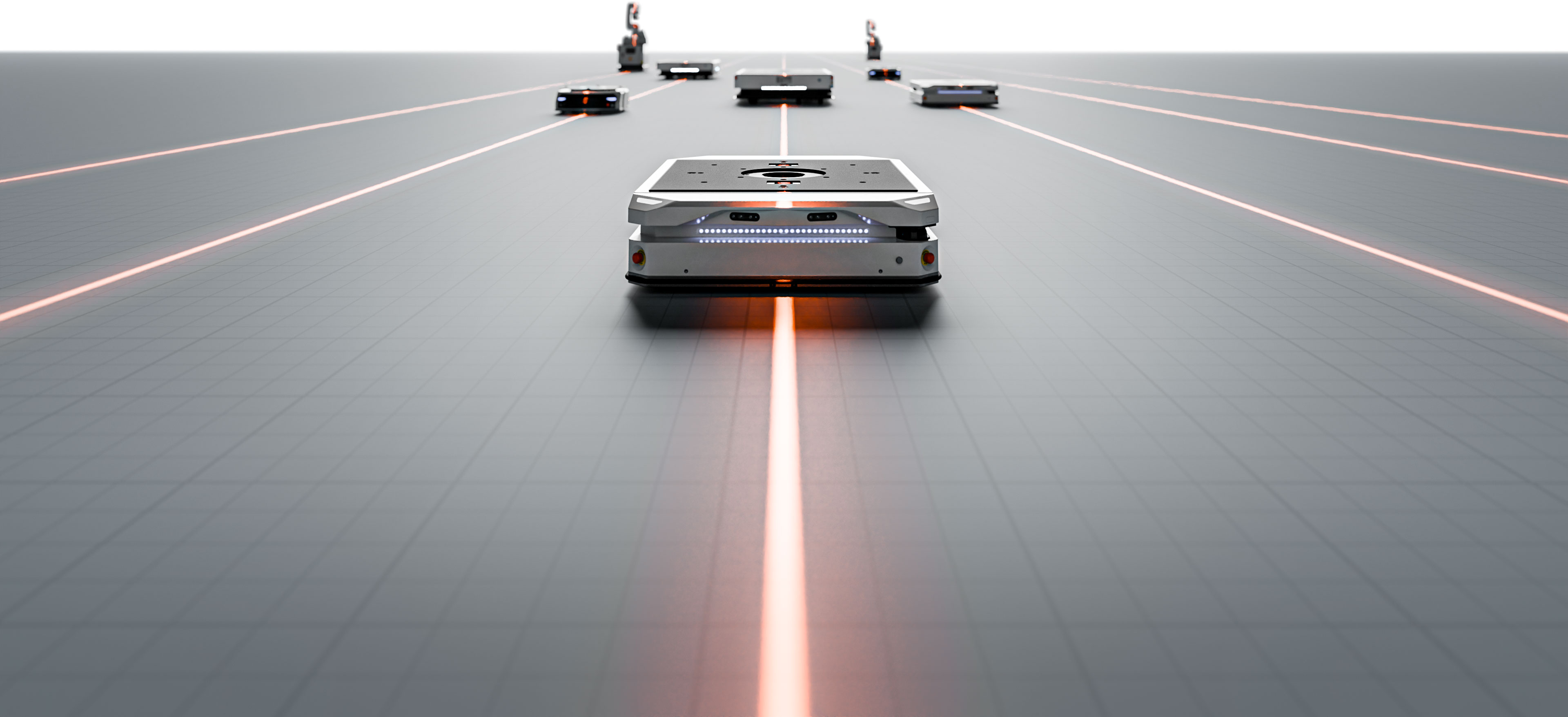
Showcase at LogiMAT 2026: KUKA presents mobile robotics in an interactive arena
At LogiMAT 2026, taking place from March 24 to 26 in Stuttgart, attendees will have the opportunity to explore a unique exhibit spanning over 600 square meters. The ‘Interoperability Arena’ will feature demonstrations by KUKA alongside partners including SYNAOS, WIFERION, and FPT Robotik. This showcase aims to highlight the seamless interaction between autonomous vehicles and 6-axis industrial robotics, illustrating advancements in automation technology and its applications in various industries. The event underscores the growing importance of interoperability in enhancing operational efficiency and productivity in logistics and manufacturing sectors.

First Autonomous Mobile Robots Roll Off the Line at Rockwell Automation’s Milwaukee Headquarters
Rockwell Automation has achieved a significant milestone with its OTTO by Rockwell Automation platform, following the company's acquisition of Clearpath Robotics in 2023. This development underscores Rockwell's dedication to enhancing smart manufacturing through automation technologies. The integration of Clearpath Robotics is expected to bolster the capabilities of the OTTO platform, positioning Rockwell as a leader in the evolving landscape of automated manufacturing solutions.

Interview with Olo Robotics COO Eleanor Tang-Smith: Making robot programming accessible to everyone
Recent advancements in robotics hardware have led to the emergence of highly capable autonomous mobile robots, quadrupeds, robotic arms, and humanoid robots, which are now more commercially available than ever. However, many organizations face significant challenges in adopting these technologies due to the complexities associated with software development. Creating robotic applications often necessitates specialized knowledge in platforms like ROS 2 (Robot Operating System 2). This gap in expertise hinders the widespread implementation of robotic solutions in various sectors, despite the promising capabilities of the hardware. As the industry continues to evolve, addressing the software barriers will be crucial for facilitating broader adoption and maximizing the potential of robotic innovations.
Computing Design Features Robot simulation ai robotics automation news
Arrow Electronics Addresses Rising Autonomous Mobile Robot Demand in Southeast Asia with System-Level Solutions
In a significant collaboration aimed at advancing antimicrobial resistance (AMR) solutions, technology partners showcased innovative systems in Singapore and Bangkok. The event, held in October 2023, brought together key stakeholders from the healthcare and technology sectors to address the pressing global challenge of AMR. By demonstrating cutting-edge technologies and collaborative approaches, the partners aimed to highlight effective strategies for combating resistant infections, which pose a growing threat to public health worldwide. The initiative underscores the urgent need for innovative solutions in the fight against AMR, fostering partnerships that leverage expertise and resources to enhance healthcare outcomes across the region.
Robotics needs a service framework.
RSF defines a common language for robot service capability, lifecycle operations, certification pathways, and service-provider networks.