Industry Briefing
A single destination for timely, editor-curated robotics news from around the world.
University of Toronto Engineers Develop Six New Metal Alloys for Extreme Environments
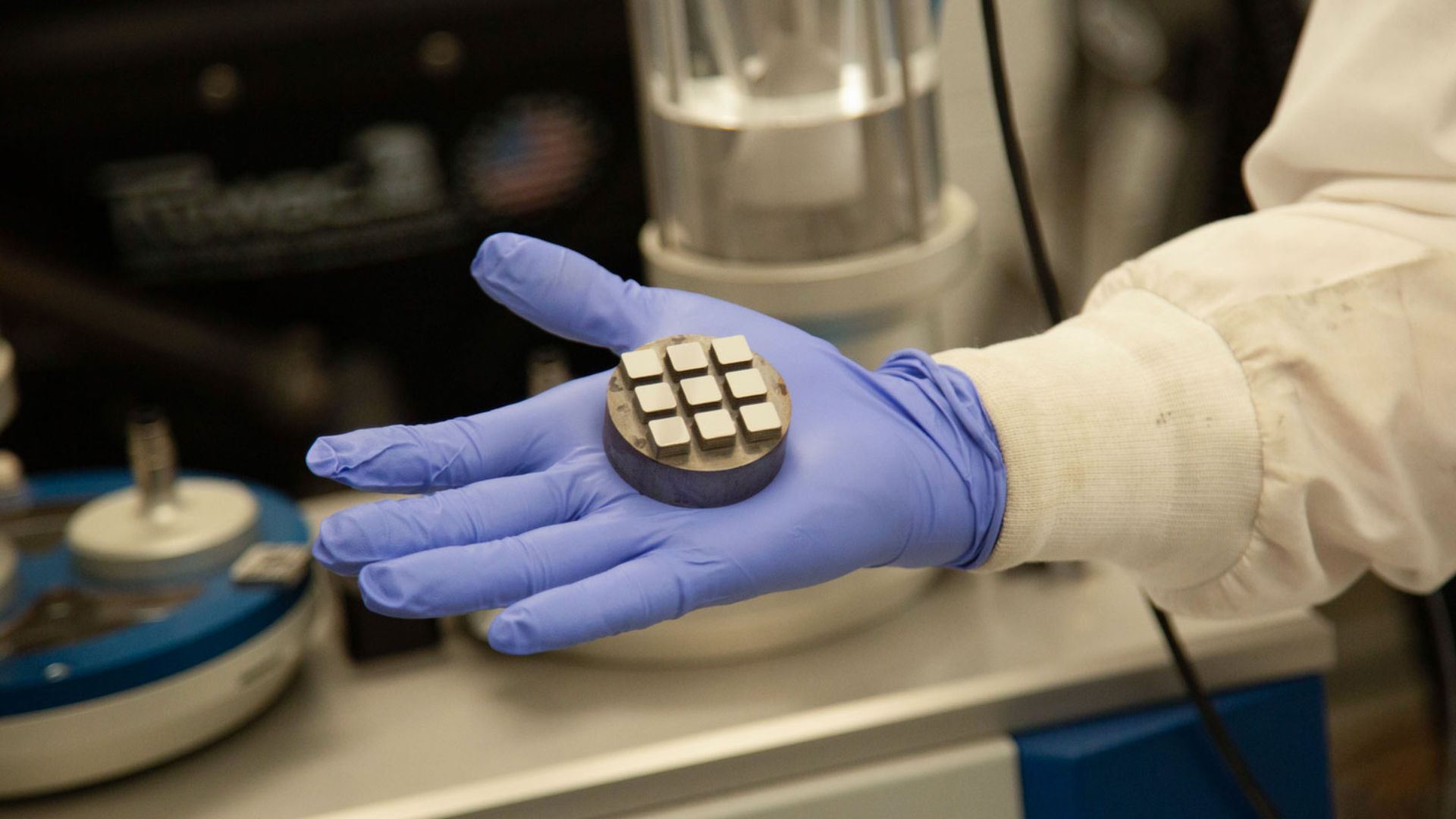
Researchers at the University of Toronto Engineering have created six innovative metal alloys using an AI-driven discovery platform. These alloys are designed to enhance the durability of components in jet engines and nuclear reactors, capable of withstanding temperatures exceeding 1,832°F. The AI-assisted approach significantly accelerates the identification of high-performance materials, demonstrating the potential for rapid advancements in material science. The significance of this development lies in the growing demand for materials that can endure extreme temperature and pressure fluctuations, which are common in applications like jet engines and nuclear power plants. Yu Zou, the project leader, emphasized the need for materials that can be produced through 3D metal printing, allowing for the creation of complex components that traditional manufacturing methods cannot achieve. Looking ahead, the researchers aim to further refine their AI-driven system to explore additional material compositions. No further timeline was disclosed at the time of publication, but the initial success in identifying six new alloy formulations suggests a promising future for advanced materials in extreme environments.
AI and Robotics Energy Innovation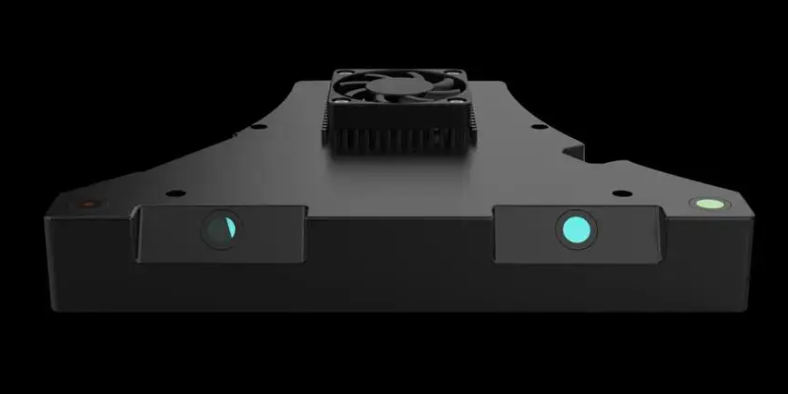
Transforming Embodied Intelligence: Pure Vision Technology Reshapes Navigation in Extreme Environments
Embodied Intelligence is addressing the challenges of navigation in extreme environments where satellite signals are unavailable. The company has introduced a modular pure vision navigation technology that has been successfully validated in 52 real-world scenarios. This innovative solution is set to enhance the operational capabilities of various robotic applications, allowing them to navigate complex terrains more effectively. The development comes at a crucial time as industries increasingly rely on autonomous systems for tasks in remote or signal-deprived locations. By leveraging advanced visual processing techniques, Embodied Intelligence aims to provide reliable navigation solutions that can adapt to diverse operational conditions.
Robotics Navigation Technology AI Autonomous Systems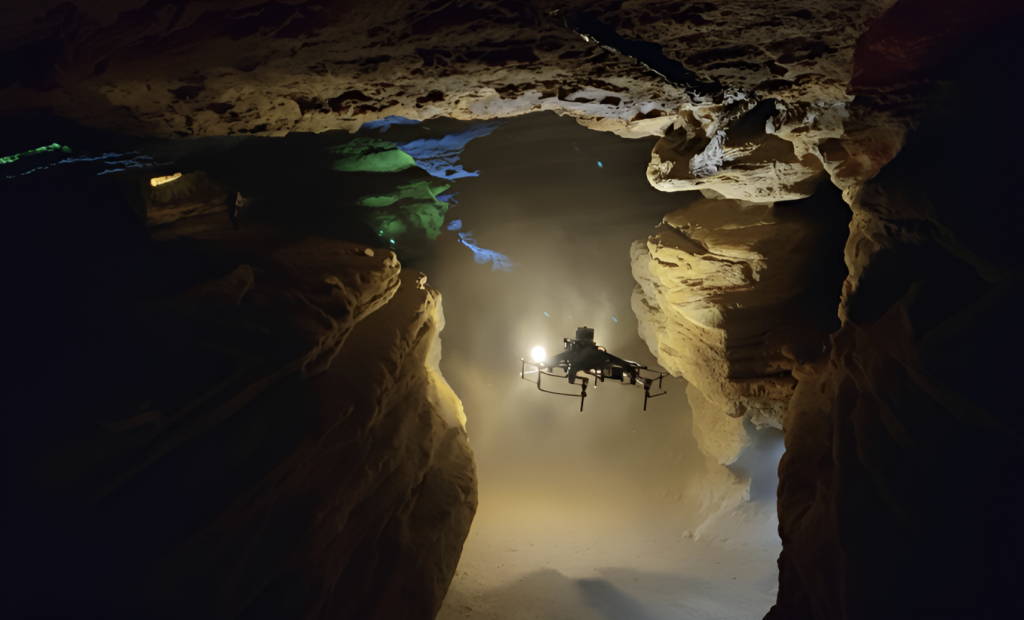
Keeping Robots Moving in Extreme Environments
Researchers at Carnegie Mellon University's Robotics Institute have developed a groundbreaking system known as Super Odometry, designed to enhance the navigational capabilities of robots in challenging environments. This innovative technology enables robots to maintain their sense of direction even when visibility is compromised by smoke, darkness, or dust. In a series of real-world tests, Super Odometry demonstrated its effectiveness by allowing robots to navigate safely through difficult conditions, including stairs and low-light scenarios. The system relies on internal motion sensors, providing a reliable alternative to visual navigation when external conditions hinder camera functionality. This advancement is particularly significant as it addresses the critical need for robots to operate autonomously in extreme environments, ensuring their continued functionality and safety in various applications.
Research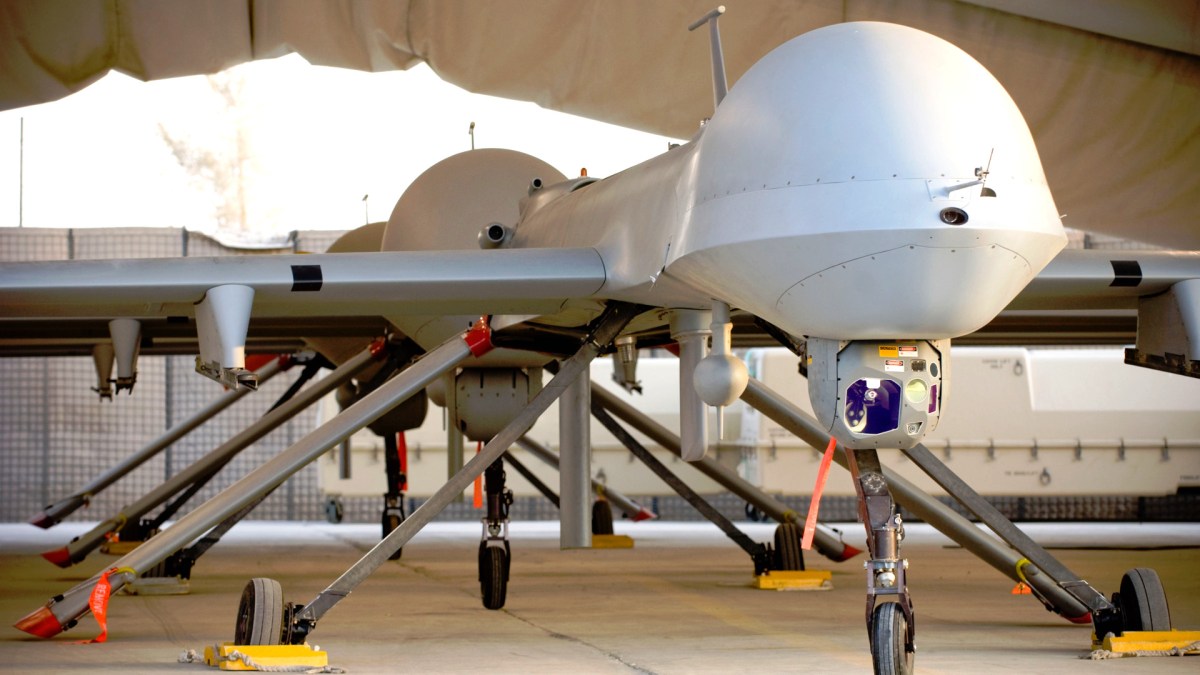
Pocket Fleet Of Unseen MQ-1 Predators Still Flying In Specialized Role
Formerly retired MQ-1 Predator drones, once a staple of the U.S. Air Force, are now being repurposed for specialized missions, showcasing their continued relevance in modern military operations. These drones, which had been phased out of active service, are being utilized in roles that require their unique capabilities, allowing them to contribute to missions that demand surveillance and reconnaissance. This resurgence of the MQ-1s comes as military strategists seek cost-effective solutions to meet evolving operational needs. The drones are primarily being deployed in less conventional environments, where their stealth and adaptability provide a tactical advantage. While the exact locations and details of their current missions remain classified, the ongoing use of these drones highlights the military's commitment to maximizing existing resources. The decision to keep the MQ-1s operational reflects a broader trend within the defense sector to extend the lifespan of proven technologies amidst budget constraints and the need for versatile aerial platforms. As of October 2023, these unmanned aerial vehicles continue to play a crucial role in enhancing situational awareness and intelligence gathering, proving that even retired military assets can find new life in the ever-evolving landscape of defense operations.
Air Drones Navies News & Features Q-1 Sea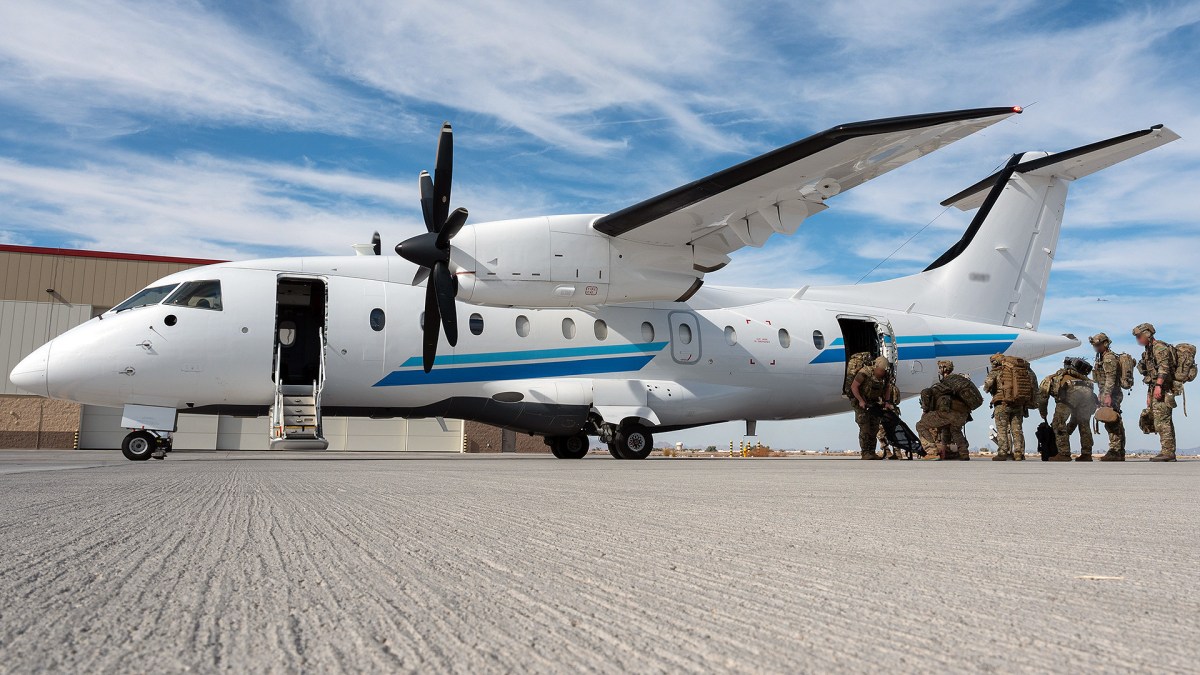
Hunt For C-146 Wolfhound Special Ops Transport Plane Replacement Underway
The U.S. military is actively seeking a replacement for the C-146 Wolfhound, a special operations transport plane that has been crucial for global missions. As these aircraft continue to operate in various remote locations around the world, their sustainability has become a growing concern. The search for a suitable alternative is prompted by the increasing challenges associated with maintaining the aging fleet. This initiative reflects the military's commitment to ensuring operational readiness and effectiveness in diverse environments. The ongoing evaluation of potential replacements is part of a broader strategy to enhance the capabilities of special operations forces.
Air Air Force Special Operations Command (AFSOC) News & Features Special Operations Aviation
Casbot Secures $14 Million to Advance Humanoid Robots for Industrial and Harsh Environments
Casbot, a Chinese developer specializing in humanoid robots, has successfully secured nearly $14 million in angel funding. This financial boost will enable the company to mass-produce its bipedal robots, which are designed for challenging industrial and mining environments. The funding comes as Casbot seeks to leverage its innovative AI architecture, allowing the robots to adapt effectively to real-world conditions. The investment marks a significant step in the company's mission to enhance automation in demanding sectors.
China Casbot
Agile Multiskill Locomotion Techniques for Quadrupedal Robots in Natural Environments
A recent study published in Science Robotics explores advanced locomotion techniques for quadrupedal robots designed for outdoor environments. The research focuses on developing agile and perceptive multiskill locomotion capabilities that enable these robots to navigate complex terrains effectively. This advancement is significant as it enhances the operational versatility of quadrupedal robots, making them more suitable for various applications in challenging environments. By improving their ability to adapt to different terrains, these robots can be utilized in fields such as search and rescue, environmental monitoring, and exploration. Looking ahead, the implications of this research could lead to further innovations in robotic mobility and autonomy. No further timeline was disclosed at the time of publication.
Research Article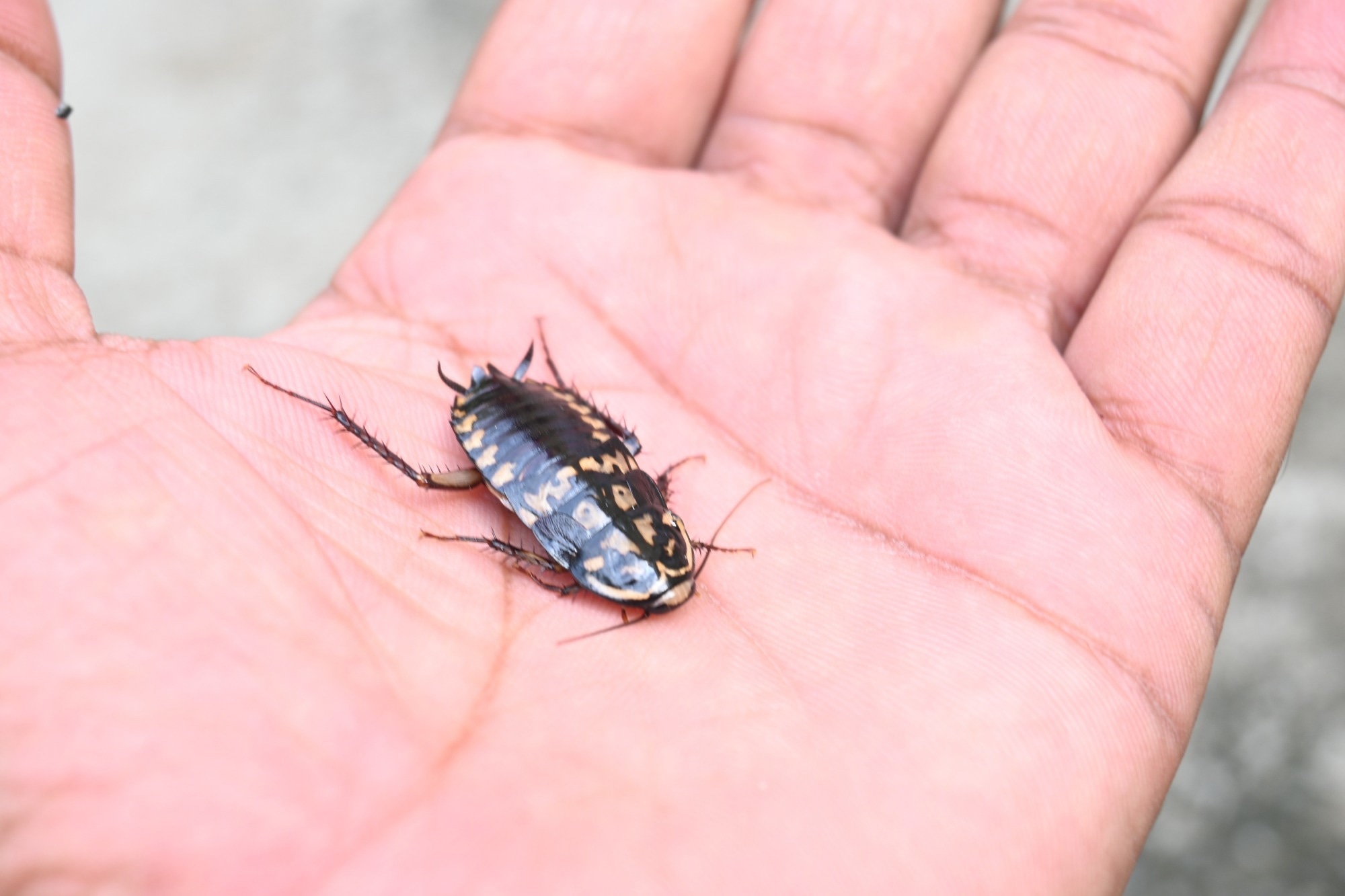
Cyborg Cockroaches Equipped with Diving Suits Achieve Three-Hour Submersion
Researchers have developed a miniature diving suit for cyborg cockroaches, allowing them to navigate both land and water environments. This innovation enables the cockroaches to survive underwater for up to three hours, showcasing their amphibious locomotion capabilities. The study highlights the potential applications of biohybrid systems in hazardous environments, where traditional robots may struggle to operate effectively. The significance of this development lies in its implications for search and rescue operations, environmental monitoring, and exploration of submerged terrains. By integrating biological organisms with robotic technology, researchers aim to enhance the adaptability and functionality of robotic systems in challenging conditions. This approach could lead to advancements in the field of biohybrid robotics, where living organisms and machines work in tandem. Looking ahead, the research team is expected to explore further enhancements to the diving suit's design and functionality. No further timeline was disclosed at the time of publication, but ongoing studies may reveal additional capabilities or applications for these cyborg cockroaches in various operational scenarios.
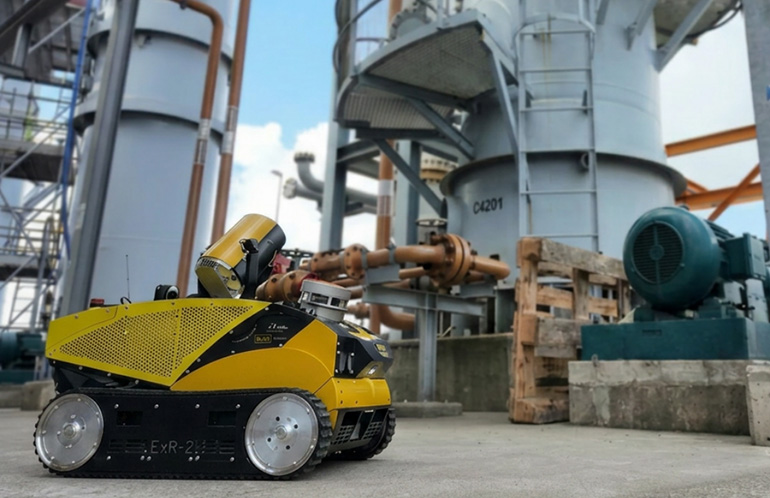
ExRobotics launches UL-certified inspection robot for hazardous environments
ExRobotics has announced that its ExR-2.5 inspection robot has received certification for safe operations in explosive environments across North America. This certification allows the robot to be deployed in hazardous settings, enhancing safety and efficiency in inspections where traditional methods may pose risks. The launch of the UL-certified ExR-2.5 marks a significant advancement in robotics technology, aimed at addressing the challenges faced in environments that are potentially dangerous for human operators.
Autonomous Mobile Robots (AMRs) Cameras / Imaging / Vision Mobility / Navigation News Oil and Gas Safety & Security
Latest Progress! Zhejiang University Team's T-RO Research Achievements, Magnetic-Controlled Microrobots Achieve "Wave-Like Steps" in Complex Environments.
A team from Zhejiang University has made significant advancements in the field of robotics with their development of magnetic-controlled microrobots capable of executing "wave-like steps" in complex environments. This breakthrough was announced recently, showcasing the innovative capabilities of these microrobots, which can navigate challenging terrains with enhanced agility. The research aims to address various practical applications, including medical procedures and environmental monitoring, where precise movement is crucial. By employing magnetic fields to control the microrobots, the team has demonstrated a novel approach to maneuvering small-scale machines, potentially paving the way for future technological advancements in robotics.
Robotics Automation AI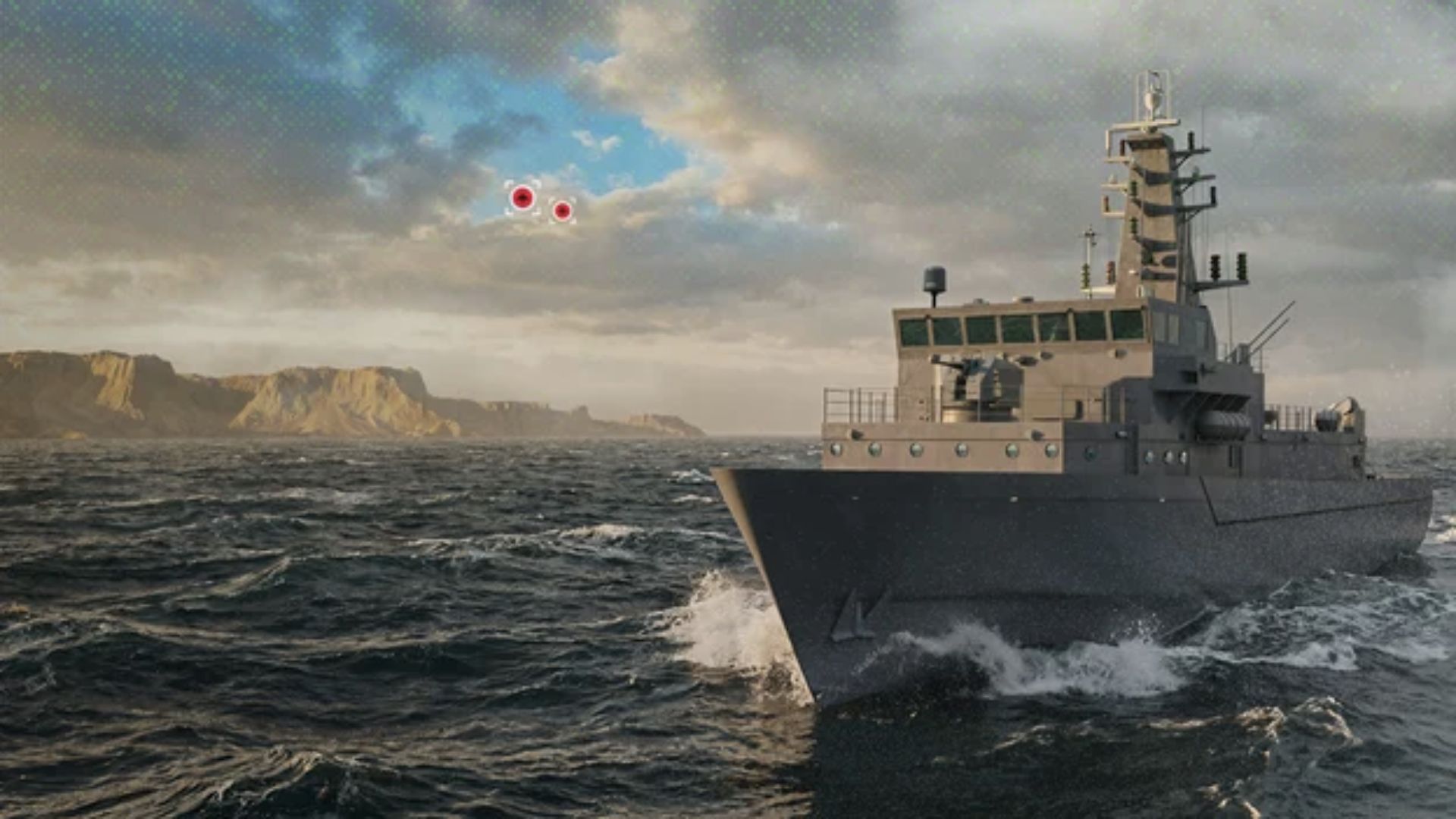
New radar system can detect high-speed drones nearby ports, vessels in extreme environment
A cutting-edge radar system has been developed to enhance the detection of drones operating near ports, vessels, harbors, and other critical maritime areas. This innovative technology aims to bolster maritime security by providing real-time surveillance and threat assessment capabilities. The radar is designed to identify and track drones, which have increasingly become a concern for safety and security in busy maritime environments. The system's deployment is expected to take place in the coming months, with trials set to occur at various strategic locations along coastlines. By integrating advanced detection algorithms and high-resolution imaging, the radar will enable authorities to respond swiftly to potential threats, ensuring the safety of maritime operations and protecting vital infrastructure. This initiative reflects a growing recognition of the need for enhanced security measures in response to the rising prevalence of drone activity in sensitive areas.
Innovation Military
US firm launches hypersonic coating that holds up to 800°F in extreme heat zones
Cambium, a U.S. aerospace defense company, has unveiled its latest innovation, the ApexShield 3000, a high-temperature coating engineered to enhance the durability and performance of aerospace components. This announcement was made during a press conference held on October 15, 2023, at the company's headquarters in Arlington, Virginia. The ApexShield 3000 is designed to withstand extreme temperatures, addressing the growing demand for advanced materials in the aerospace sector. By improving resistance to heat and wear, this coating aims to extend the lifespan of critical components, thereby increasing safety and efficiency in aerospace operations. The development of ApexShield 3000 reflects Cambium's commitment to advancing aerospace technology and meeting the evolving needs of the industry.
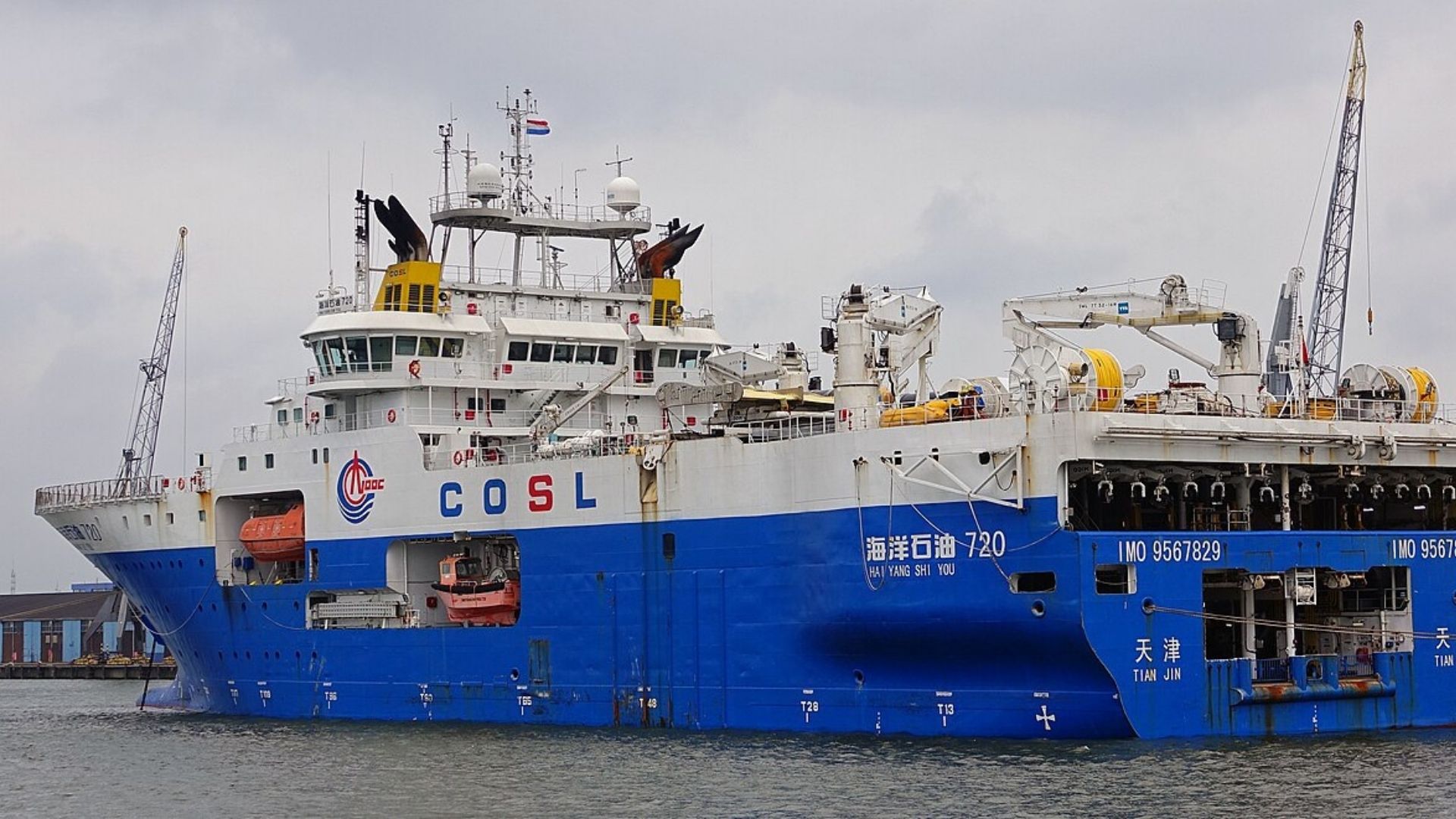
China completes record 537-day deep-sea materials experiment under extreme pressure
China has announced the successful completion of a groundbreaking 537-day deep-sea material corrosion exposure experiment, claiming it to be the first of its kind in the world. Conducted in the South China Sea, the project aimed to assess the durability and longevity of various materials used in marine engineering and construction. The initiative is part of China's broader efforts to enhance its capabilities in deep-sea exploration and technology, driven by the increasing demand for sustainable and resilient infrastructure in challenging underwater environments. Researchers monitored the materials' performance and degradation over the extended period, providing valuable data that could inform future developments in maritime engineering. This achievement underscores China's commitment to advancing its scientific research and technological prowess in the field of marine sciences.
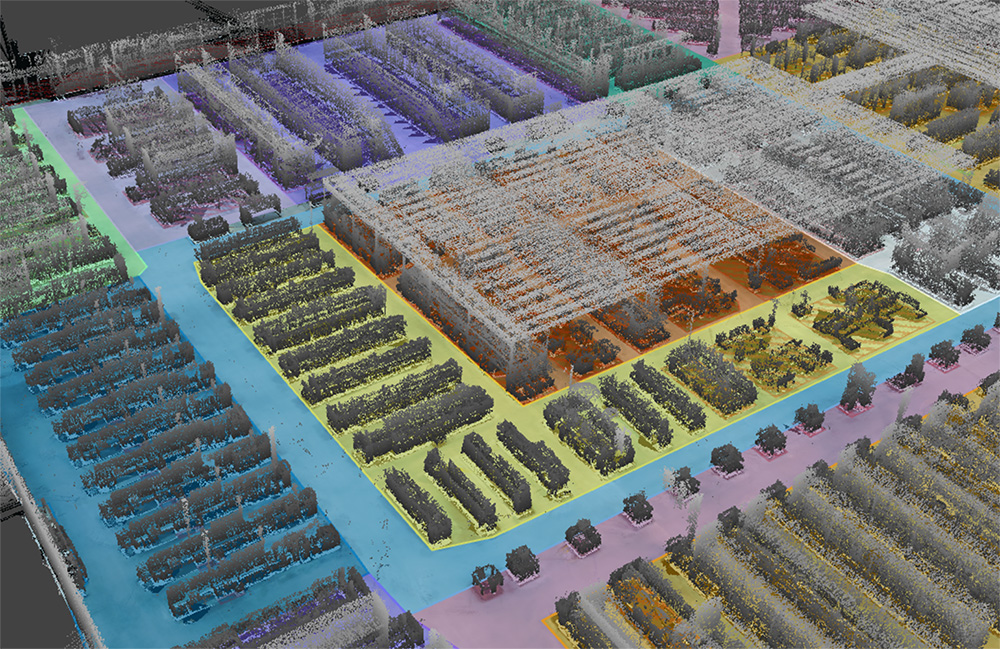
Brain Corp partners with UC San Diego to help robots operate in complex environments
Brain Corp has announced a partnership with UC San Diego to enhance the operational capabilities of its robots in complex environments. This collaboration aims to leverage the university's research expertise to improve the functionality of the more than 50,000 robots that Brain has deployed worldwide. The initiative is part of Brain's ongoing efforts to expand its technological footprint and adapt its robotic systems to navigate challenging settings more effectively. The partnership underscores the growing intersection of robotics and academic research, highlighting the importance of innovation in advancing autonomous technology.
Artificial Intelligence Artificial Intelligence / Cognition Autonomous Mobile Robots (AMRs) Design / Development Mobility / Navigation News
To train for contested environments, SOCOM and SOUTHCOM want more ranges, authority
Admiral Frank Bradley emphasized the need for military forces to identify locations suitable for rehearsing and testing advanced operational strategies. His remarks highlight the importance of preparedness in modern warfare, suggesting that effective training environments are crucial for developing and refining sophisticated military capabilities. The call for such facilities underscores the evolving nature of defense strategies and the necessity for armed forces to adapt to new challenges.
Land Warfare Networks & Digital Warfare Army cyber security Drones networks
May 14 Live Broadcast Preview | The Boundaries of Unmanned Systems: Challenges in Cluster Coordination and Engineering in Complex Environments
A live broadcast is set to take place, showcasing the latest advancements in unmanned systems, with a particular emphasis on cluster coordination in complex environments. Scheduled for an upcoming date, this event will feature a panel of experts who will delve into the evolving challenges faced in the field and explore the significant impact of artificial intelligence on research methodologies. The session aims to foster audience interaction, allowing participants to engage directly with the experts and share valuable academic resources. This initiative highlights the growing importance of unmanned systems and AI in addressing contemporary challenges in various sectors.
Unmanned Systems Cluster Coordination AI in Research Engineering Challenges
How to engineer robot tracks and 7th axis systems for real-world environments
Experts from Güdel are set to address the challenges posed by harsh and dirty environments on robotic tracks and long-axis linear motion systems. This discussion will delve into the engineering solutions necessary to adapt these systems for real-world applications, highlighting the importance of durability and reliability in demanding conditions. The insights will be shared in a forthcoming presentation, emphasizing the need for robust designs that can withstand the rigors of various operational settings. The event aims to equip industry professionals with the knowledge to enhance the performance and longevity of robotic systems in challenging environments.
Events Industrial Robots Mechanical Motion Control News Robots / Platforms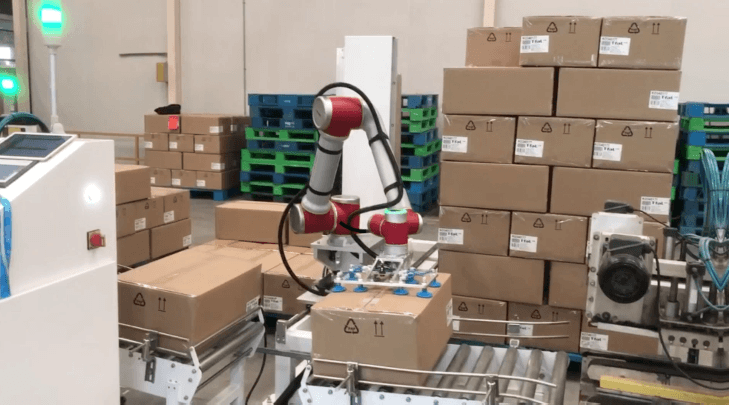
The Complete Guide to Selecting a Waterproof Robotic Arm for Harsh Environments
JAKA, a leader in automation solutions, is addressing the challenges faced by industries that require waterproof robotic arms for demanding environments. Recognizing the need for durability, flexibility, and safety, the company is guiding clients in selecting the right systems to enhance efficiency and reduce manual labor. Key considerations for these robotic arms include high ingress protection ratings, material resilience, and operational stability, particularly in settings exposed to moisture, dust, and temperature fluctuations. JAKA emphasizes the importance of compact designs that can integrate seamlessly into existing workflows, allowing for efficient operation even in constrained spaces. The JAKA Pro16 Palletizing solution exemplifies the advantages of waterproof robotic arms, automating palletizing processes and significantly improving production efficiency. This system can manage multiple production lines, reducing operational costs while enhancing the working environment for operators. Investing in the right robotic arm not only boosts productivity but also ensures operator safety and equipment longevity. JAKA's focus on adaptable programming and stable operation allows clients to meet diverse production needs while minimizing human error and repetitive strain injuries. By leveraging their technical expertise and practical experience, JAKA aims to provide reliable automation solutions that optimize production and maintain consistent performance in harsh industrial settings, ultimately supporting sustainable and efficient operations.
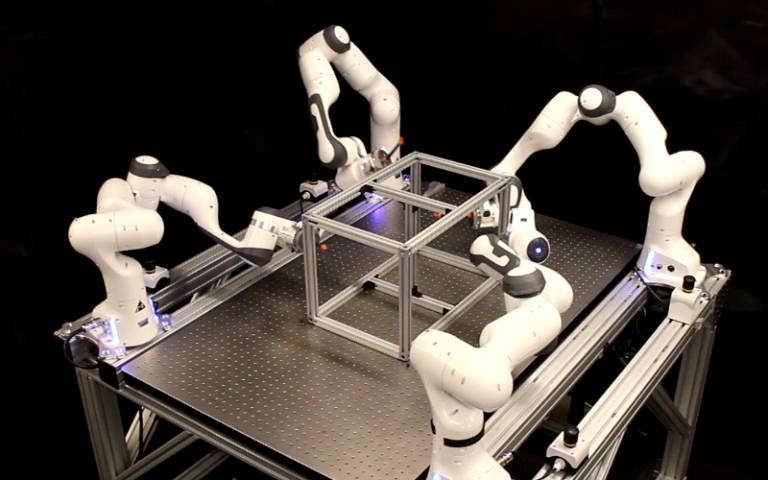
Design, Modeling, and Validation of Multi‐Segmental Adaptive Pipeline Robots in Complex Pipeline Environments
In May 2026, the Journal of Field Robotics published a significant study exploring advancements in robotic technology. Researchers from various institutions collaborated to investigate the applications of autonomous robots in diverse fields, including agriculture, disaster response, and environmental monitoring. The study highlights the increasing importance of robotics in enhancing efficiency and safety in these sectors, driven by the need for innovative solutions to complex challenges. By employing cutting-edge algorithms and machine learning techniques, the researchers demonstrated how these robots can operate in unpredictable environments, making them invaluable tools for future operations. The findings aim to inform policymakers and industry leaders about the potential of robotics to transform traditional practices and improve outcomes across multiple domains.
RESEARCH ARTICLE
Mission Specialist Wraith Signals AeroVironment’s Next Step in Compact Unmanned Underwater Systems Capability
A new expeditionary unmanned underwater vehicle (UUV) has been unveiled, showcasing advanced capabilities that include six-degree-of-freedom maneuverability, increased thrust, and modular mission flexibility. This compact platform is designed to enhance operational efficiency for various underwater missions. The development comes amid growing demands for innovative maritime technology, as military and research organizations seek to improve their underwater exploration and operational capabilities. The UUV's design allows for easy adaptation to different mission requirements, making it a versatile tool for a range of applications. The introduction of this advanced vehicle marks a significant step forward in underwater technology, promising to support both military operations and scientific research in challenging aquatic environments.
videoray rov wraith aerovironment
Explosion-Proof Robotics in ATEX/IECEx Environments: Progress, Challenges and Practical Pathways
Industrial robotics has significantly impacted various sectors, including manufacturing, logistics, and maintenance. However, their application in potentially explosive environments, such as refineries, petrochemical plants, offshore platforms, and battery production facilities, presents unique challenges. As industries seek to enhance safety and efficiency, the integration of robotics in these hazardous settings requires careful consideration of the risks involved. The need for advanced technology that can operate safely in such volatile conditions is driving innovation and research in the field. As of October 2023, experts are exploring solutions to ensure that robotic systems can effectively navigate these environments while minimizing the potential for accidents and ensuring compliance with safety regulations.

FLANQ Launches Q-RECON: Europe's Newest Expeditionary USV for Maritime Surveillance and Special Forces Operations
FLANQ, a maritime defense solutions provider based in Germany, has unveiled its latest innovation, the Q-RECON, an Uncrewed Surface Vessel (USV) designed specifically for operations in coastal areas. The launch, which took place today, addresses an urgent operational need expressed by a European customer. The Q-RECON is a lightweight, two-meter-long vessel that can be easily transported by two personnel. It is engineered for a range of critical functions, including intelligence gathering, surveillance, reconnaissance, and tactical interdiction, enhancing maritime operational capabilities in the region.
flanq q-recon usv maritime surveillance special forces operations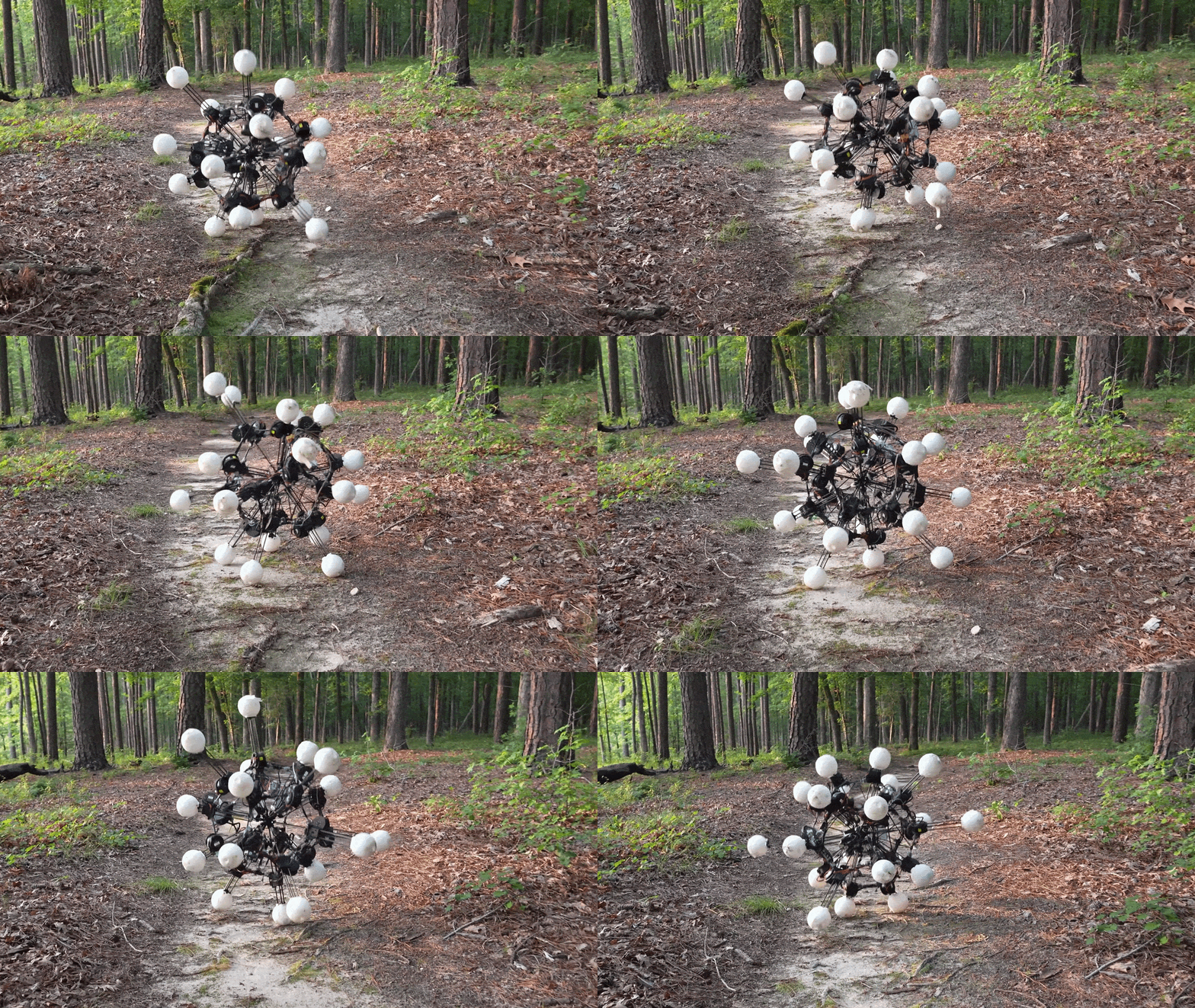
Video Friday: Extreme Omnidirectional Robot
IEEE Spectrum robotics has released its latest edition of "Video Friday," showcasing a variety of innovative robotics videos that highlight the growing integration of robots into daily life. The weekly roundup includes a calendar of upcoming robotics events, such as the International Conference on Robotics and Automation (ICRA) scheduled for June 1-5, 2026, in Vienna, and the Robotics Summer School on Multi-Robot Systems from July 29 to August 4, 2026, in Prague. Among the featured videos, one introduces the Eco-Score for Robots, a new framework aimed at assessing the environmental impact of robotic systems, akin to eco-labels in other industries. Another video demonstrates advancements in robotic manipulation, showcasing AthenaZero's ability to juggle using multi-fingered hands, while a collaboration between the University of Texas and Sony Group Corporation presents the ARISTO hand, designed for delicate object manipulation. Additionally, the segment includes insights from Kacper Nowicki, CEO of Nomagic, who discussed the ongoing debate between humanoid and purpose-built robots at the Web Summit in Vancouver. As robots continue to evolve, these developments raise important questions about their performance, cost, and sustainability in various applications.
Video-friday Robot-videos Humanoid-robots Omnidirectional Quadruped-robots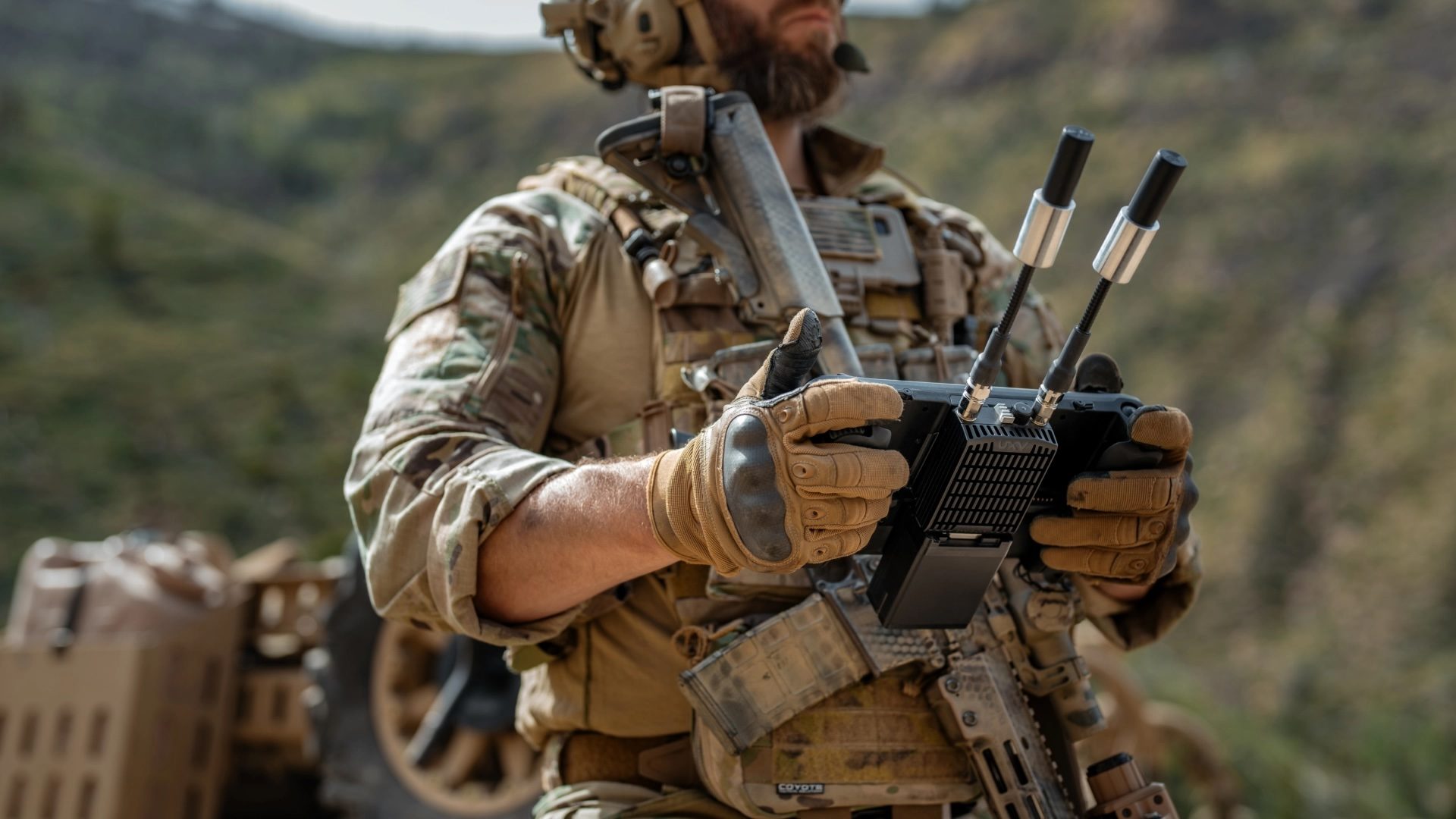
DRONELIFE Exclusive Interview: Inside PDW’s Strategy to Build Drones That Can Operate When GPS and Communications Fail
PDW is advancing the development of sophisticated drone communication systems to enhance military operations in environments where traditional communication methods may fail. As global militaries increasingly depend on drones for surveillance and combat, the need for reliable communication links has become critical, especially in areas with contested communication. The company's strategy focuses on creating drones capable of functioning effectively even when GPS and standard communication systems are compromised. This initiative highlights the growing recognition of the importance of resilient drone technology in modern warfare.
Applications Defense defense Drone News Drone News Feeds Dual Use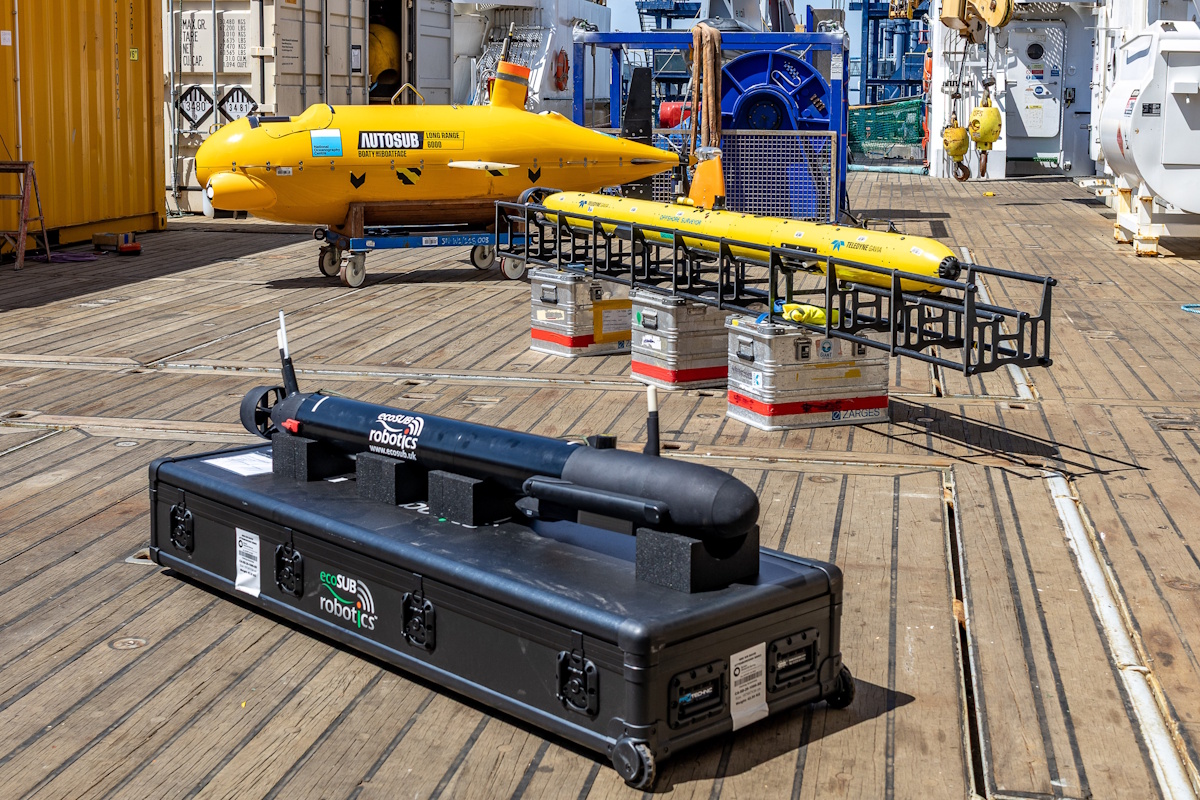
Sonardyne Supports BAS in GIANT Climate Mission with Advanced Positioning Technology
Sonardyne is providing underwater positioning technology for the GIANT climate science mission, which aims to gather data on Greenland's glaciers. The mission will utilize a fleet of autonomous vehicles, including the RRS Sir David Attenborough and various AUVs, to operate in extreme environments and collect comprehensive data. This initiative is significant as it involves 15 collaborating institutions and aims to improve climate models and early warning systems for ice loss in Greenland's fjords. The data collected will enhance understanding of tipping points that could impact global climate. The GIANT mission, running from July to August, will focus on mapping and monitoring ocean temperatures and glacier movements. It will employ a connected observing system of underwater vehicles, robotic sensors, and drones to gather unprecedented measurements in challenging conditions.

DJI Unveils First eVTOL Drone, the EV50, on Mount Everest
DJI has launched its first electric vertical takeoff and landing (eVTOL) drone, the DJI EV50, at Mount Everest, marking a significant expansion into industrial applications. The EV50 successfully completed scientific missions, aiding researchers in collecting atmospheric data at extreme altitudes, showcasing its capabilities beyond traditional drone use. This development is crucial as it highlights DJI's commitment to advancing drone technology for practical applications, particularly in remote and challenging environments. The EV50's design allows it to operate without runways, making it suitable for emergency response and scientific expeditions, with a payload capacity of up to 50 kilograms and a range of 150 kilometers. Looking forward, DJI's EV50 is expected to play a vital role in future missions, including atmospheric research and logistics on Everest. Additionally, the company’s FlyCart 100 drone has demonstrated its utility in transporting supplies and waste, indicating a shift towards routine operations in challenging terrains. No further timeline was disclosed at the time of publication.
News
New Soft Mechanical Force Sensor Enables Instant Touch Detection in Robotics
Researchers from the National University of Singapore have developed a soft mechanical force sensor, named ME-SOFS, which allows robots to detect touch and respond instantly without electronics. This innovation transforms applied force into fluid flow, activating soft robotic actuators and creating a fully mechanical sensing-to-action process. The ME-SOFS sensor, made entirely from flexible materials, eliminates the need for traditional electronic sensors, reducing complexity and potential failure points. Its design is particularly beneficial for soft robots operating in extreme environments, such as underwater or inside the human body, where electronic systems may fail. Future applications of the ME-SOFS sensor include integration into soft robotic systems, such as a glove that measures grasping forces and a haptic pad for touch feedback. This technology could significantly enhance prosthetics and human-machine interfaces. No further timeline was disclosed at the time of publication.
AI and Robotics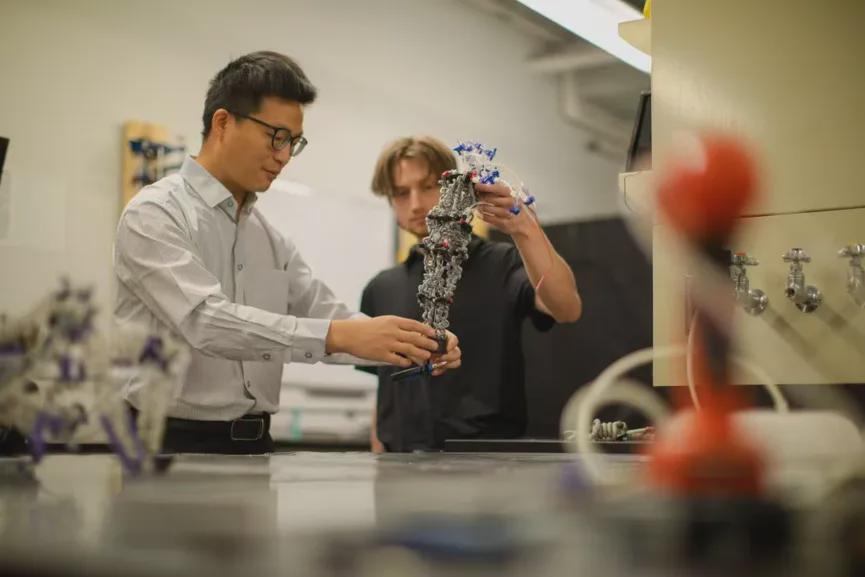
Arizona State University Develops Innovative HARP Artificial Muscle for Versatile Applications
A research team led by Professor Sun Jiefeng at Arizona State University has developed a new artificial muscle structure known as HARP (Helical Anisotropic Reinforced Actuator). Unlike traditional artificial muscles that compromise on performance, HARP offers modularity and flexibility, allowing for adjustments in materials and design parameters to meet various application needs. This innovation is significant as it addresses the limitations of existing artificial muscles, which often excel in specific scenarios but struggle to meet multiple requirements simultaneously. HARP achieves an impressive power density of 1.93 kW/kg, a contraction rate of up to 75%, and the ability to lift weights up to 100 times its own weight, making it suitable for diverse and complex applications. Looking ahead, the HARP's modular design allows for customization and optimization of its components, enhancing its adaptability in extreme environments. The research team demonstrated HARP's durability in wear resistance tests, showcasing its potential for reliable operation in harsh industrial settings. No further timeline was disclosed at the time of publication.
Artificial Muscles Robotics Modular Design Self-Healing Materials
DJI Unreleased EV50 VTOL Cargo Drone Flies Above Everest, Unlocking 100km Low-Altitude Logistics
DJI has successfully tested its pre-release EV50 composite-wing drone, achieving an impressive altitude of 8,861 meters above Mount Everest during a polar mission. This milestone showcases the drone's advanced vertical takeoff and landing (VTOL) capabilities, which can transport cargo over a range of 100 kilometers, making it suitable for logistics in extreme environments. The testing, conducted in October 2023, highlights DJI's commitment to enhancing aerial technology for challenging terrains and conditions. The EV50's performance could revolutionize supply chain operations in remote and harsh locations, addressing the growing demand for efficient logistics solutions in difficult-to-reach areas.
Technology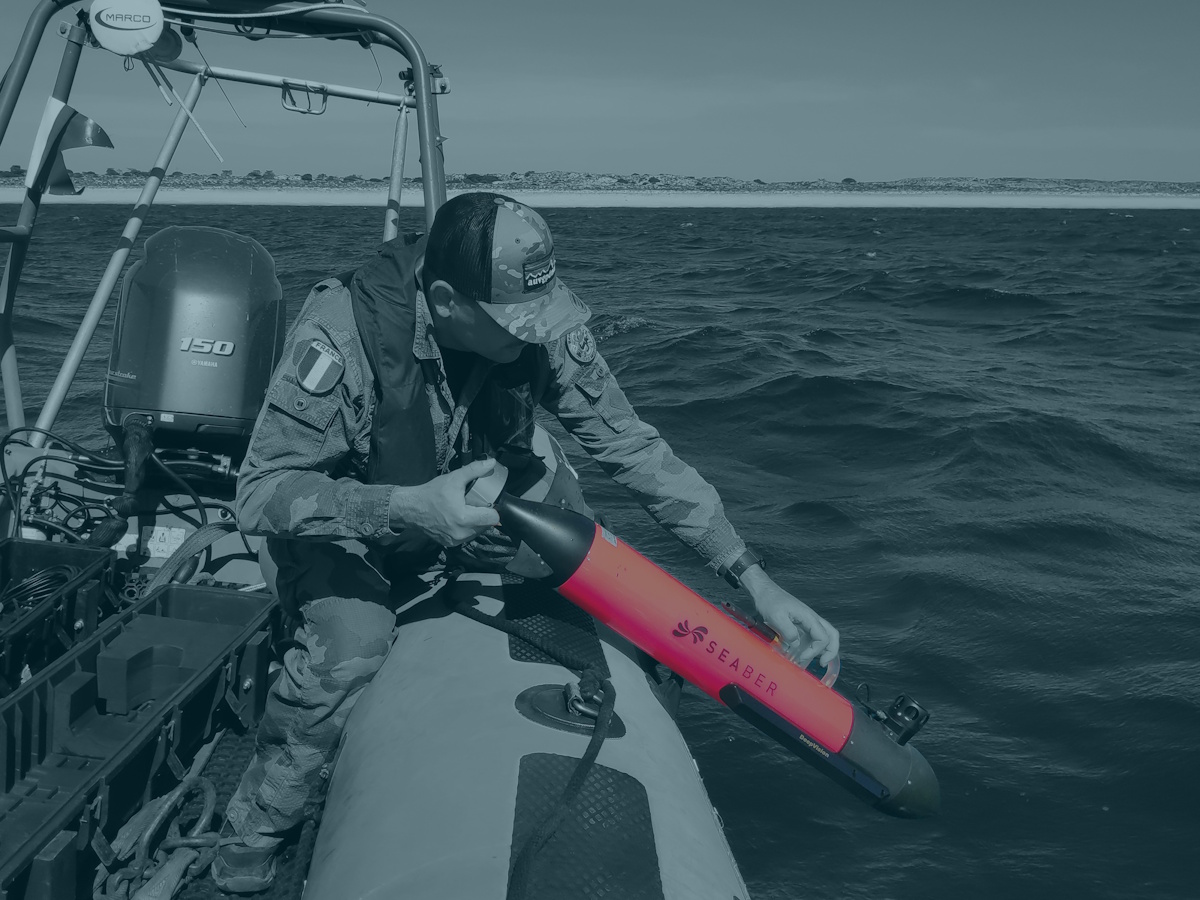
SEABER’s MARVEL 3DSS AUV for Beach Reconnaissance: A Technological Breakthrough for Naval Amphibious Operations
SEABER has achieved a significant milestone with the successful integration of a next-generation interferometric 3D side-scan sonar (3DSS) into its MARVEL micro-AUV, marking the first global deployment of this advanced technology on such a platform. Utilizing patented CAATI technology, the 3DSS provides high-resolution 2D imagery, true 3D seabed reconstruction, and centimetric-scale bathymetry from a compact system. In operational tests, the MARVEL-3DSS efficiently mapped a 300 × 150-meter beach approach zone in under 30 minutes, achieving speeds up to ten times faster than traditional methods while maintaining a minimal acoustic signature and eliminating the need for specialized personnel. This innovation significantly enhances the amphibious beach reconnaissance capabilities for naval forces, special operations units, and mine countermeasure teams, particularly in contested littoral environments.
seaber marvel 3dss auv beach reconnaissance amphibious operations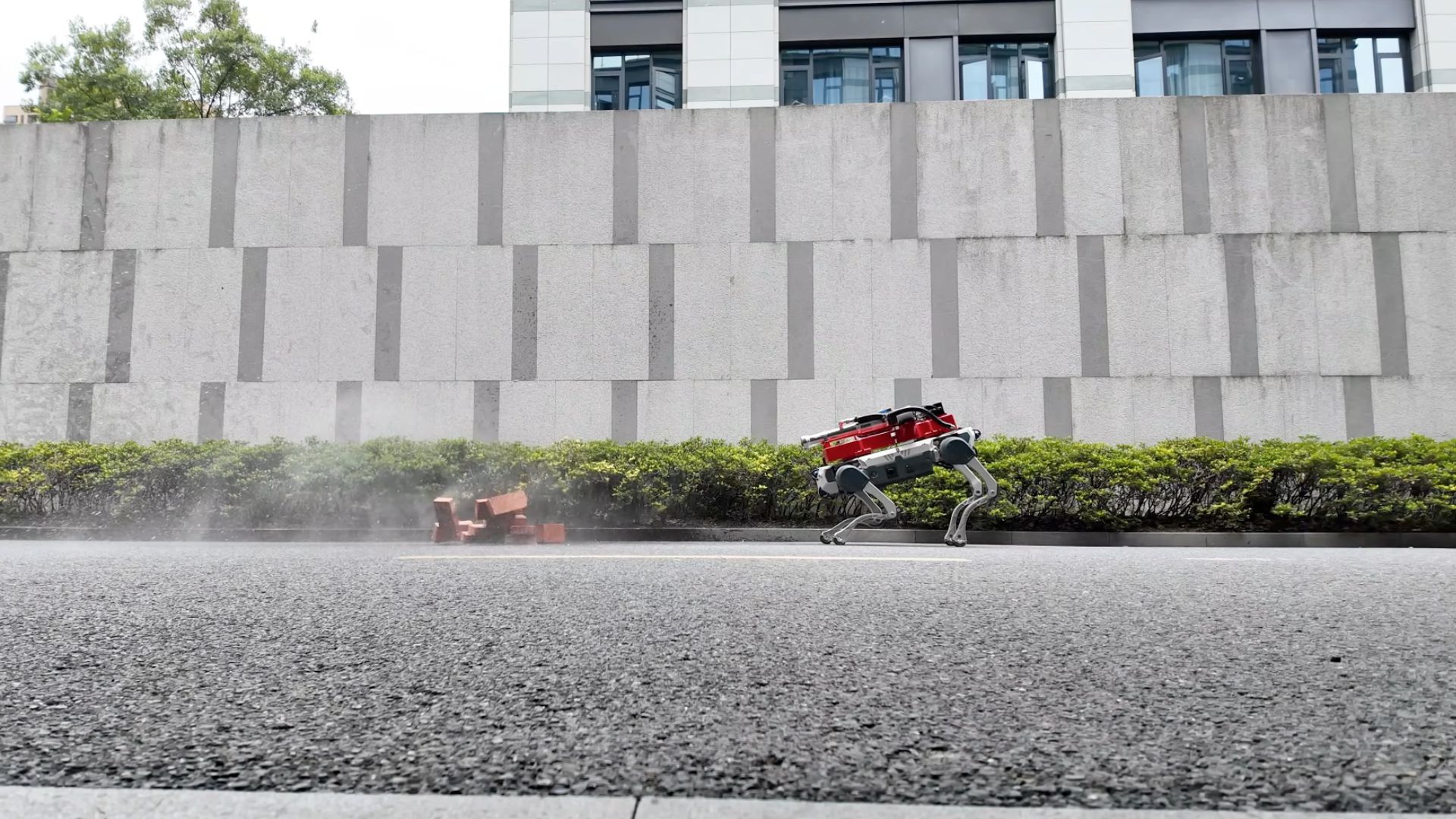
Video: Robot dog delivers pulse-powered firefighting for safer emergency operations
DEEP Robotics, a prominent Chinese robotics company, has unveiled a groundbreaking fire-extinguishing robot dog that aims to enhance firefighting efforts. This innovative technology was showcased during a recent demonstration in Hangzhou, China. The robot dog is equipped with advanced sensors and firefighting capabilities, allowing it to navigate hazardous environments and effectively combat fires in areas that may be too dangerous for human firefighters. The motivation behind this development stems from the increasing need for efficient firefighting solutions, especially in urban areas where traditional methods can be limited by accessibility and safety concerns. By integrating robotics into emergency response, DEEP Robotics seeks to improve safety for firefighters and increase the effectiveness of fire control measures. The demonstration highlighted the robot dog's agility and precision, showcasing its ability to operate autonomously while also being remotely controlled by operators. This dual functionality ensures that the robot can adapt to various situations, providing crucial support during emergencies. As urbanization continues to rise, the introduction of such technology could significantly transform firefighting strategies, making them safer and more efficient.
AI and Robotics
Pemba humanoid robot eyes Mount Everest summit after historic 20,312-ft climb
A Unitree G1 humanoid robot is set to embark on a groundbreaking expedition to Mount Everest, showcasing advancements in robotics and exploration technology. The expedition is scheduled for later this year, aiming to push the boundaries of what robots can achieve in extreme environments. This initiative is driven by the desire to gather data and insights that could enhance future mountain climbing safety and efficiency, particularly in harsh conditions where human climbers face significant risks. The robot will be equipped with advanced sensors and navigation systems to navigate the treacherous terrain of the world's highest peak. By utilizing the Unitree G1, researchers hope to demonstrate the potential of robotic assistance in high-altitude exploration, paving the way for future missions that could involve both human and robotic collaboration in challenging environments.
AI and Robotics
Pepperl+Fuchs Announces Device Series Designed for Industrial Uses
The Tab-IND series, recently launched by a leading technology company, is designed to withstand and perform in challenging environments. This innovative product line aims to cater to users who require reliable devices for demanding conditions, making it suitable for industries such as construction, manufacturing, and outdoor activities. The series was unveiled in October 2023, highlighting the company's commitment to providing durable technology solutions. By incorporating robust features and materials, the Tab-IND series addresses the needs of professionals who often work in extreme weather or rugged terrains, ensuring they remain connected and productive regardless of their surroundings.
Factory / Communication
Humanoid robot climbs 20,341-foot volcano as team eyes Mount Everest next
A humanoid robot has made history by successfully reaching the summit of Chimborazo, Ecuador's highest volcano. This remarkable achievement took place recently, showcasing advancements in robotics and artificial intelligence. The mission aimed to explore the capabilities of robots in extreme environments, highlighting their potential for future scientific research and exploration. The robot, equipped with advanced sensors and navigation systems, ascended the challenging terrain, demonstrating its ability to operate in harsh conditions. This milestone not only marks a significant technological breakthrough but also opens new avenues for utilizing robotics in remote and inaccessible locations.

US military’s high-performing defense products could soon be built with next-gen ceramic
A Virginia-based company is poised to enhance research on ceramic materials specifically designed for extreme aerospace and defense applications. This initiative, which aims to improve the performance and durability of materials used in high-stress environments, is expected to significantly contribute to advancements in technology for military and aerospace sectors. The firm plans to leverage its expertise and innovative approaches to develop new ceramic composites that can withstand extreme temperatures and pressures. This research is part of a broader effort to address the increasing demands for advanced materials in defense and aerospace, where reliability and resilience are critical. The project is anticipated to unfold over the coming months, with the potential to reshape material science in these high-stakes industries.

Best Rugged DC‑DC Converters for Industrial and Military Applications
In the evolving landscape of modern defense and industrial applications, the demand for reliable power conversion is paramount. Rugged DC-DC converters play a critical role in ensuring stable power delivery for systems such as autonomous vehicles, robotics platforms, and industrial automation equipment. These converters are specifically designed to withstand challenging conditions, including vibration, shock, electromagnetic interference, and extreme temperatures, which can easily disrupt standard commercial electronics. As sectors like aerospace and naval operations increasingly rely on advanced technology, the selection of robust DC-DC converters becomes essential to maintain operational integrity and performance in harsh environments.
Energy Engineering aerospace electronics aerospace power systems automation news autonomous vehicles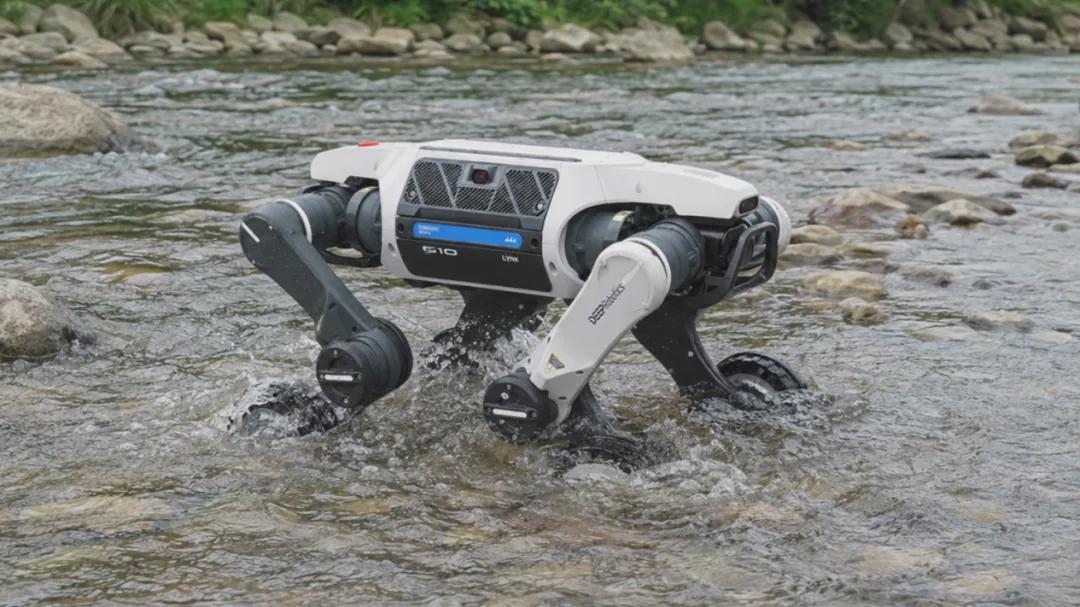
Redefining Quadruped Robots: The Lightweight and Compact Lynx S10
Yunshen Technology has introduced the Lynx S10, a lightweight quadruped robot weighing less than 20 kilograms, tailored for specialized operations in tight environments. Launched recently, the S10 boasts a payload capacity of 120 kilograms and is equipped with advanced perception systems. This innovative robot is designed to address the needs of industries that require efficient solutions for tasks such as power inspections, security patrols, and emergency rescues, effectively filling the market void left by larger robotic models. The Lynx S10 represents a significant advancement in robotic technology, aimed at enhancing operational efficiency in various sectors.
Quadruped Robots Robotics Technology Lightweight Design Industrial Automation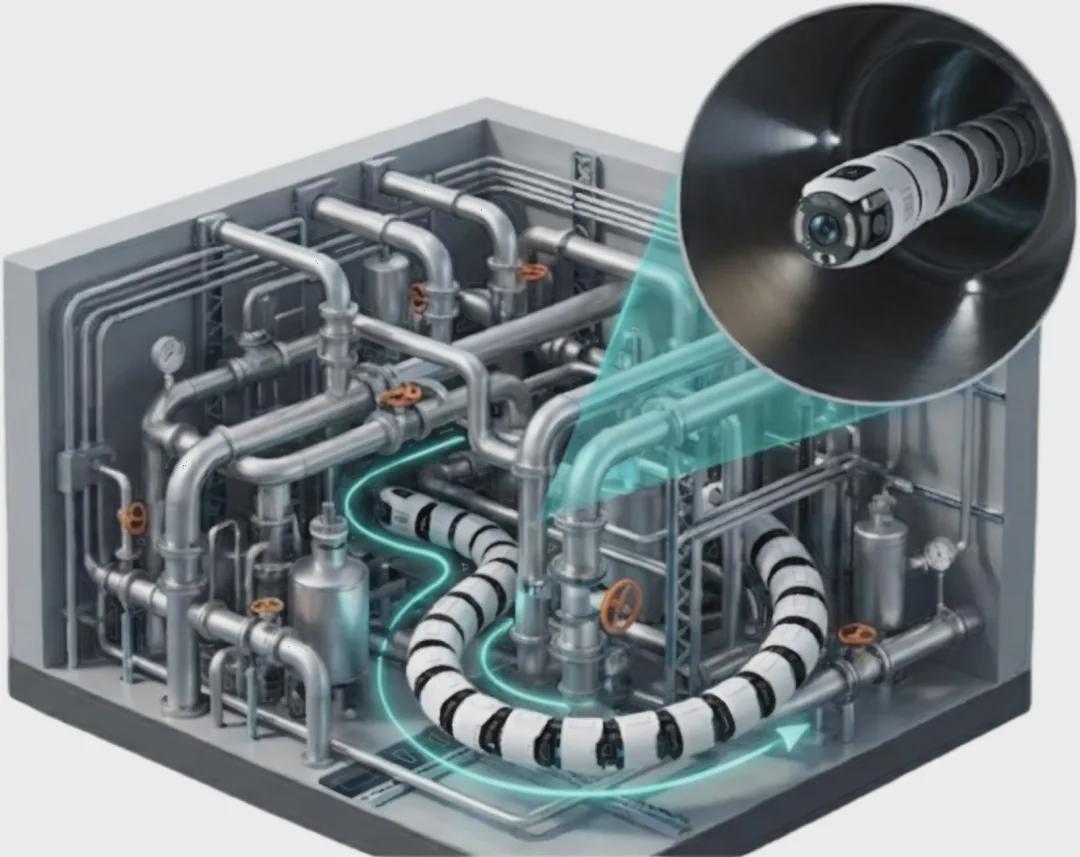
From Space to Ground: The Next Frontier for Flexible Robotic Arms
In March 2026, Tsinghua University's Shenzhen International Graduate School successfully launched the 'Yuxing-3' satellite, which features a groundbreaking flexible robotic arm capable of in-orbit fuel refueling. This innovative technology is designed to operate in extreme environments on Earth, addressing industrial challenges that traditional rigid robotic arms struggle to manage. The unique design of the arm enables precise maneuvers in confined spaces, making it particularly suitable for applications in critical sectors such as nuclear power, aerospace, and the chemical industry. The successful demonstration of this technology marks a significant advancement in robotics and could enhance operational efficiency in various high-stakes environments.
Flexible Robotics Space Technology Industrial Automation Robotic Arms Extreme Environment Operations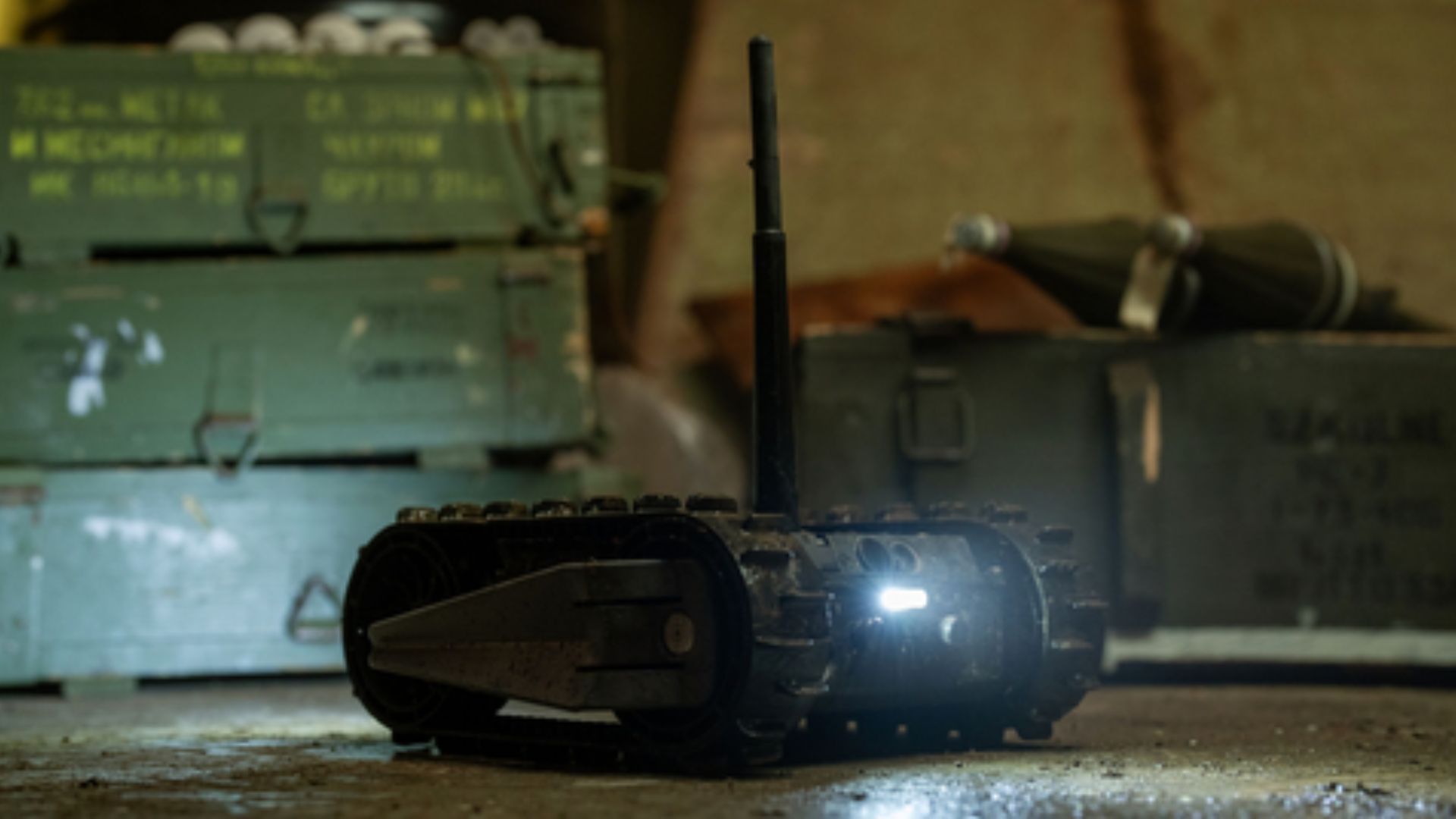
Video: US firm debuts 5.7-pound throwable recon robot with live thermal vision
Teledyne FLIR Defense unveiled its latest throwable reconnaissance robot during SOF Week in Florida, showcasing innovative technology designed for tactical operations. The event, which took place recently, gathered defense professionals and industry leaders to discuss advancements in special operations forces. The new robot aims to enhance situational awareness and provide critical intelligence in challenging environments, addressing the growing need for advanced reconnaissance tools in military and security operations. By enabling operators to deploy the device quickly and efficiently, Teledyne FLIR Defense is responding to the evolving demands of modern warfare, emphasizing the importance of agility and real-time data in mission success.
Navy SEALs In Mini-Submarines Teamed With Underwater Drones In The Works
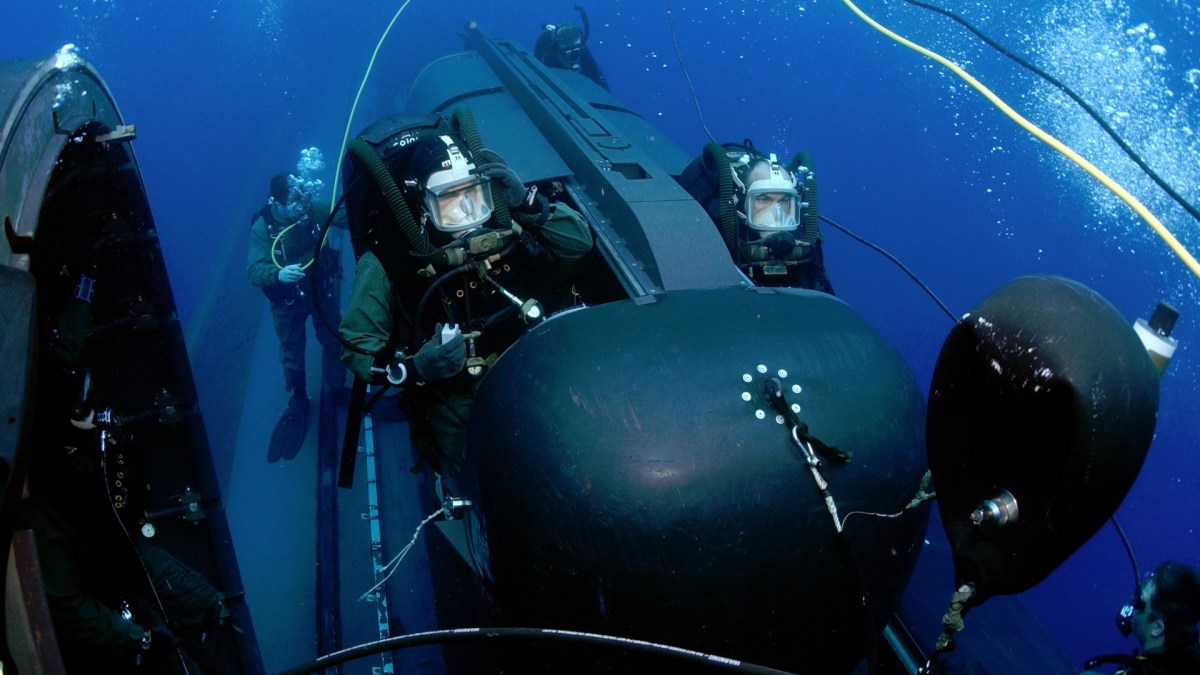
The U.S. Navy is exploring innovative operational strategies by integrating uncrewed underwater vehicles with Navy SEALs utilizing mini-submarines. This collaboration aims to enhance the capabilities of special operations forces in maritime environments, potentially revolutionizing underwater missions. However, the initiative faces several challenges that need to be addressed to ensure effective implementation. As the Navy continues to develop these advanced technologies, the focus remains on overcoming obstacles to maximize the operational potential of this partnership.
Sea Navies Navy SEALs News & Features Special Warfare Submarines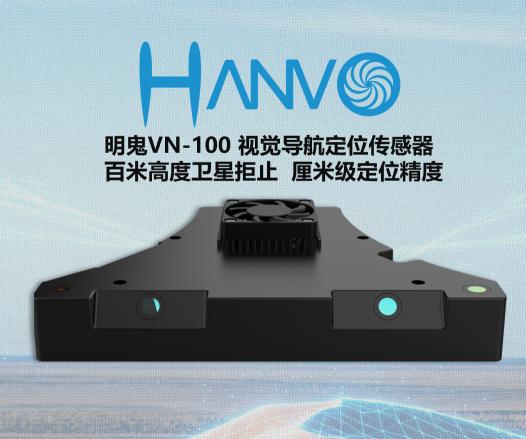
Two Years of Rigorous Testing Across 52 Scenarios: Embodied Intelligence Redefines Visual Navigation Technology
As embodied intelligence moves from laboratory settings to practical applications, researchers are addressing a significant challenge: enabling mobile agents to navigate effectively without relying on satellite signals. A recent exploration into modular visual navigation technology reveals promising advancements that have been validated in extreme environments. This innovative approach enhances the capabilities of various robotic applications, paving the way for more robust and versatile navigation solutions in real-world scenarios. The development of this technology is crucial as it aims to overcome the limitations posed by traditional navigation systems, particularly in areas where satellite signals are unreliable or unavailable.
Visual Navigation Robotics Autonomous Drones Sensor Technology
58 Intelligent Accelerates Overseas Expansion: What Does the Release of the 'Belt and Road' Version of the Tianlang Q25 Mean?
58 Intelligent has introduced the 'Belt and Road' version of its Tianlang Q25 quadruped robot, specifically engineered for operation in extreme environments such as deserts and oil fields. The launch of this advanced model highlights the company's commitment to enhancing the robot's thermal management, durability, and communication capabilities, making it well-suited for demanding overseas applications. This initiative aligns with the growing need for innovative technology in challenging terrains, reflecting the company's strategic focus on expanding its reach within international markets.
Quadruped Robots Robotics Technology Belt and Road Initiative Extreme Environment Robotics
Researchers develop navigation system for underground rescue teams
Rescue operations in underground environments, such as stations, tunnels, or mines, present significant challenges for emergency teams, particularly when technical infrastructure has been compromised by explosions or fires. The absence of mobile phone signals, electricity, and Wi-Fi, coupled with smoke, debris, and obstructed pathways, complicates navigation and increases the risk to rescuers. These conditions necessitate specialized training and preparedness to effectively manage the dangers inherent in such environments. As of October 2023, ongoing efforts are being made to enhance the safety and efficiency of rescue operations in these high-risk scenarios.
Robotics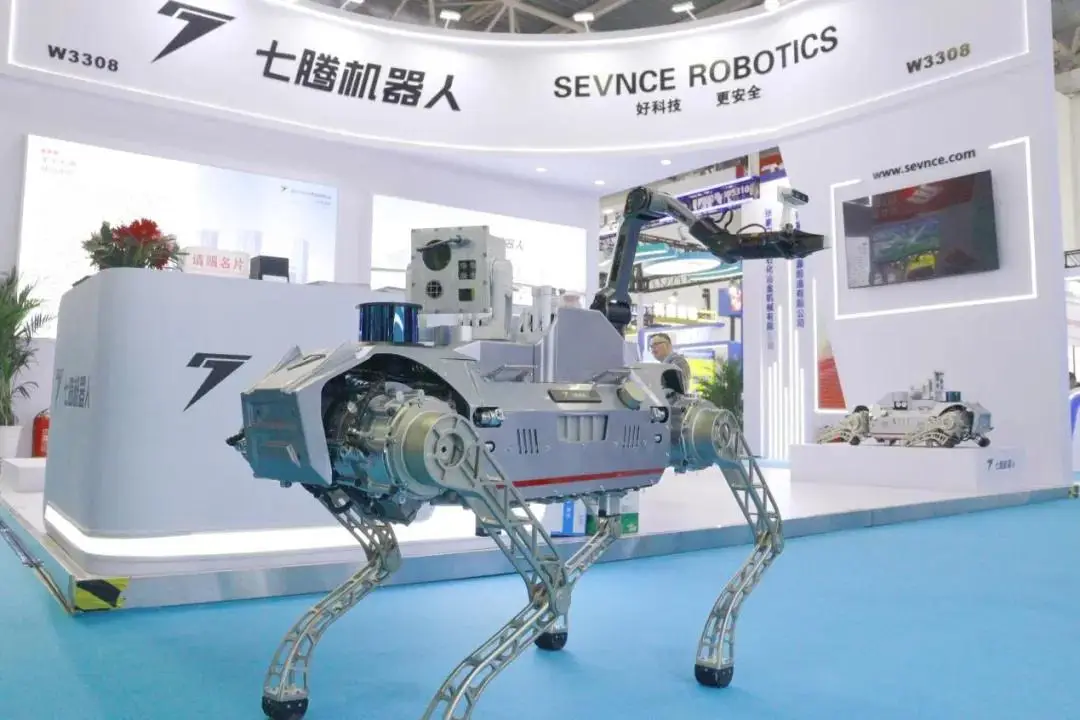
The Rise of Robotics: Who is Quietly Securing Essential Applications?
In response to the growing demands of the robotics industry, Qiteng Robotics is evolving from a supplier of inspection equipment to a comprehensive solution provider. This strategic shift aims to address customer needs by offering innovative service models that enhance safety and efficiency in high-risk environments. As industrial automation continues to advance, Qiteng Robotics is positioning itself as a key player, focusing on the development of specialized robots tailored to meet the challenges of modern industries. The company's transformation reflects a broader trend within the sector, highlighting the importance of adapting to market demands and leveraging technological advancements to improve operational outcomes.
Industrial Automation Specialized Robots AI Solutions Safety Technology
This new chip survives 1300°F (700°C) and could change AI forever
A team of engineers has developed an innovative memory device capable of functioning at temperatures exceeding 700°C (1300°F), surpassing a significant limitation in electronics. This breakthrough, achieved through the use of an unusual combination of ultra-durable materials, enables the tiny component to store data and perform calculations even in extreme heat conditions, which are far beyond the operational thresholds of current chips. The discovery, which emerged partly by accident, unveiled a new mechanism that effectively prevents heat-induced failures at the atomic level, potentially revolutionizing the field of electronics and expanding the applications of technology in high-temperature environments.

Oceanbotics Introduces the SRV-8C: Compact, Capable & Cost-Effective ROV
Oceanbotics has launched the SRV-8C, the latest addition to its lineup of remotely operated vehicles (ROVs). This new model is designed to be the most compact ROV in the series, offering enhanced portability while maintaining the ease of operation, extreme maneuverability, and intuitive software that the SRV-8 Series is recognized for. The introduction of the SRV-8C aims to meet the growing demand for efficient underwater exploration tools, providing users with a streamlined system that can be easily transported and deployed in various environments. The product is expected to cater to a wide range of applications, from research to industrial inspections, making underwater operations more accessible and effective.

Resilient actuator shows potential for space-ready soft robots
Researchers are developing advanced robots designed to operate safely and reliably in extreme environments, including outer space and underwater. These robots are engineered to endure harsh conditions without failure, ensuring their functionality in challenging settings. The initiative, which is part of ongoing efforts in robotics and engineering, aims to enhance the adaptability of these machines, allowing them to respond swiftly to dynamic changes in their surroundings. By focusing on durability and responsiveness, the project seeks to expand the potential applications of robotics in various fields, including exploration and disaster response. The research is ongoing, with significant advancements expected in the coming months as teams work to refine the technology.
Robotics
Wi-Fi That Can Withstand a Nuclear Reactor
Researchers at the Institute of Science Tokyo have developed a robust Wi-Fi receiver capable of functioning within the extreme conditions of a nuclear reactor, a breakthrough presented by graduate student Yasuto Narukiyo at the IEEE International Solid-State Circuits Conference in San Francisco this February. The receiver can withstand radiation doses of up to 500 kilograys, significantly exceeding the tolerance levels of typical electronics used in space. This innovation aims to enhance wireless communication for robots tasked with decommissioning nuclear reactors, a process that has become increasingly vital since the Fukushima Daiichi disaster in 2011. Currently, many robotic systems rely on cumbersome LAN cables, which can complicate operations in hazardous environments. With over 200 reactors expected to reach the end of their operational lives in the next two decades, the need for effective decommissioning solutions is pressing. To achieve radiation hardening, Narukiyo and his team modified the receiver's components, reduced the number of transistors, and adjusted their design to minimize vulnerability to radiation damage. They focused on optimizing the performance of PMOS and NMOS transistors, leading to a receiver that maintained comparable performance to standard Wi-Fi devices even after exposure to high radiation levels. Looking ahead, Narukiyo plans to enhance the receiver's capabilities and develop a transmitter for two-way communication, which presents additional challenges due to the high current requirements for Wi-Fi signal generation. The team is also investigating alternative semiconductor materials, such as diamond, to improve the transmitter's resilience.
Wi-fi Nuclear-reactors Isscc Decommissioning Industrial-robots Radiation-hardening
Air-powered artificial muscles could help robots lift 100 times their weight
Researchers at Arizona State University are pioneering the development of bio-inspired robotic "muscles" designed to enhance the capabilities of robots. These innovative muscles will allow robots to function in extreme conditions, such as boiling water, and navigate abrasive surfaces, overcoming obstacles that typically hinder traditional motorized robots. The new technology promises to create robots that are not only lighter and smaller but also capable of lifting weights up to 100 times their own mass without reliance on external power sources. This advancement marks a significant step forward in robotics, potentially transforming how robots can be utilized in various challenging environments.
Robotics
Cutting the Cord Beneath the Surface
WiBotic, a company specializing in wireless power technology, has developed a new system designed for underwater environments where flexibility and robustness are prioritized over maximum theoretical efficiency. This innovative technology addresses the unique challenges posed by underwater operations, allowing for more reliable power delivery in these demanding conditions. The development comes as part of WiBotic's ongoing efforts to enhance the capabilities of underwater systems, which are increasingly relied upon for various applications, including research, exploration, and maintenance tasks. The project reflects a growing recognition of the need for adaptable solutions in environments where traditional power methods may fall short.
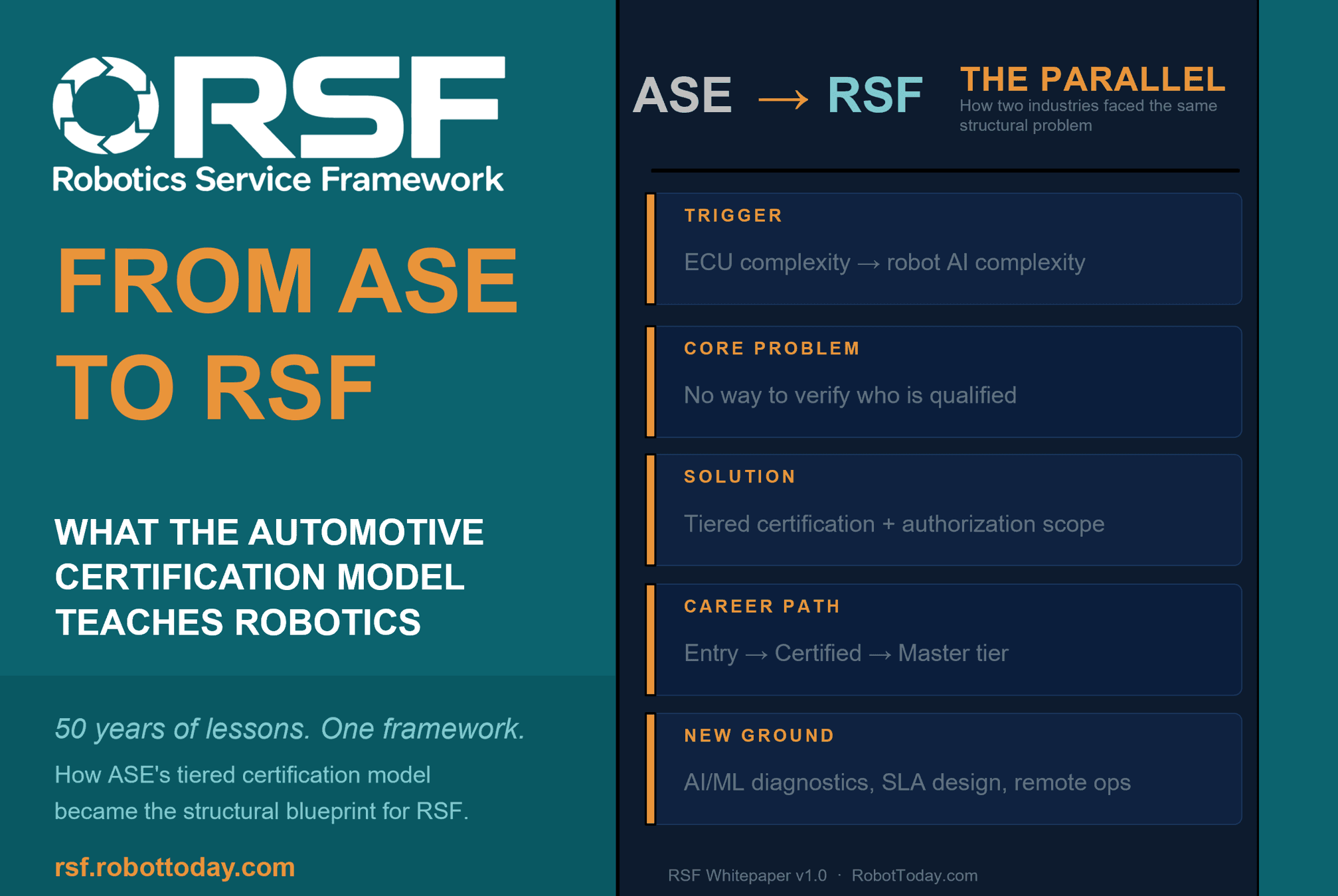
Robotics needs a service framework.
RSF defines a common language for robot service capability, lifecycle operations, certification pathways, and service-provider networks.